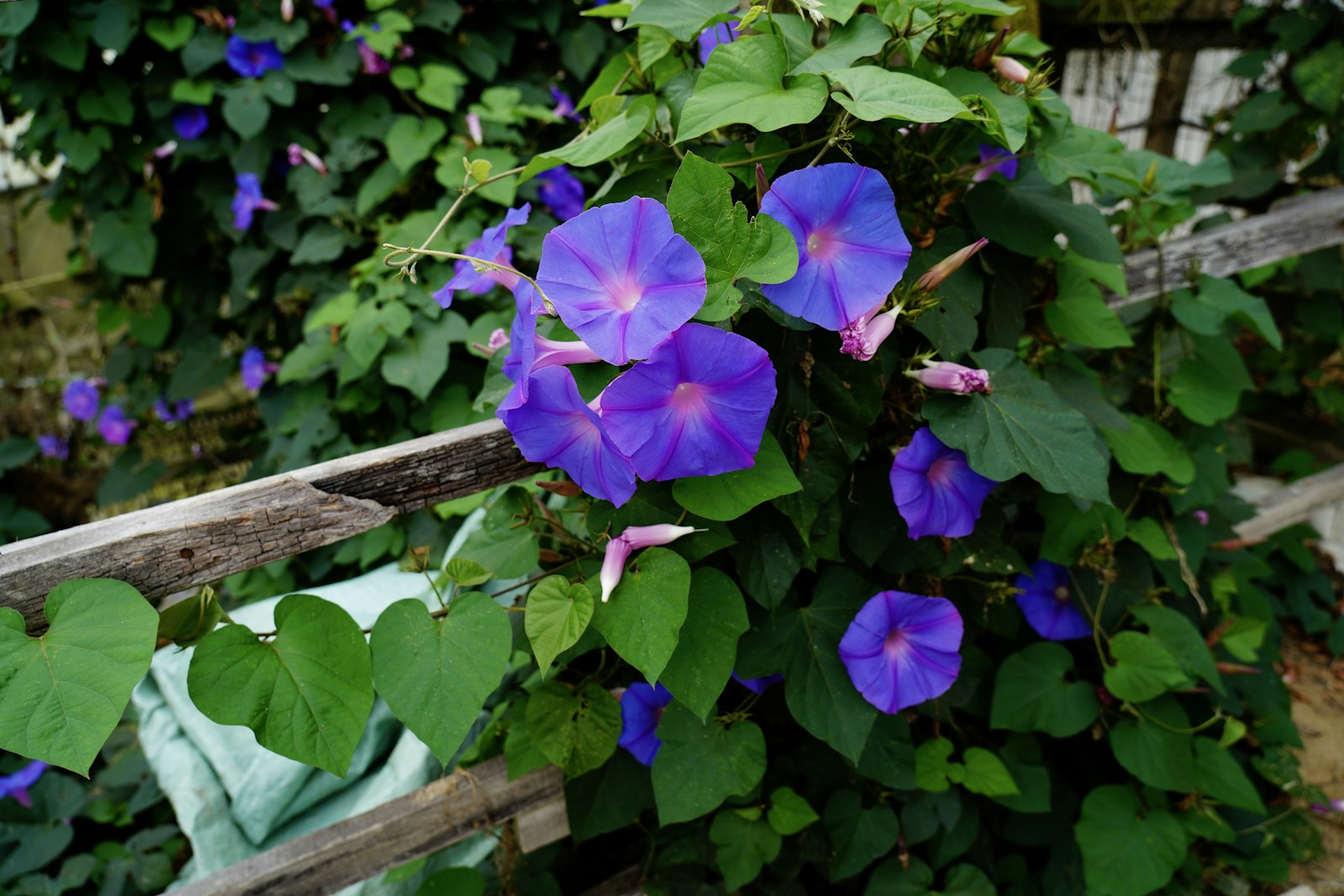
Morning glories are fast twining vines that cover a fence or trellis in a single summer. Their trumpet flowers open each morning and fade by afternoon, with fresh ones every day. The two you meet most are common morning glory (Ipomoea purpurea) and the sky-blue Ipomoea tricolor, best known as 'Heavenly Blue'. They are among the easiest vines to grow from seed. The main job is stopping them seeding everywhere.
Sowing and planting
Morning glory seeds have a hard coat that slows germination. Nick each seed by rubbing a small spot with a nail file or sandpaper until a paler layer shows. Then soak the seeds in lukewarm water overnight. Sow the ones that have swelled. Wash your hands afterwards, because the seeds are toxic.
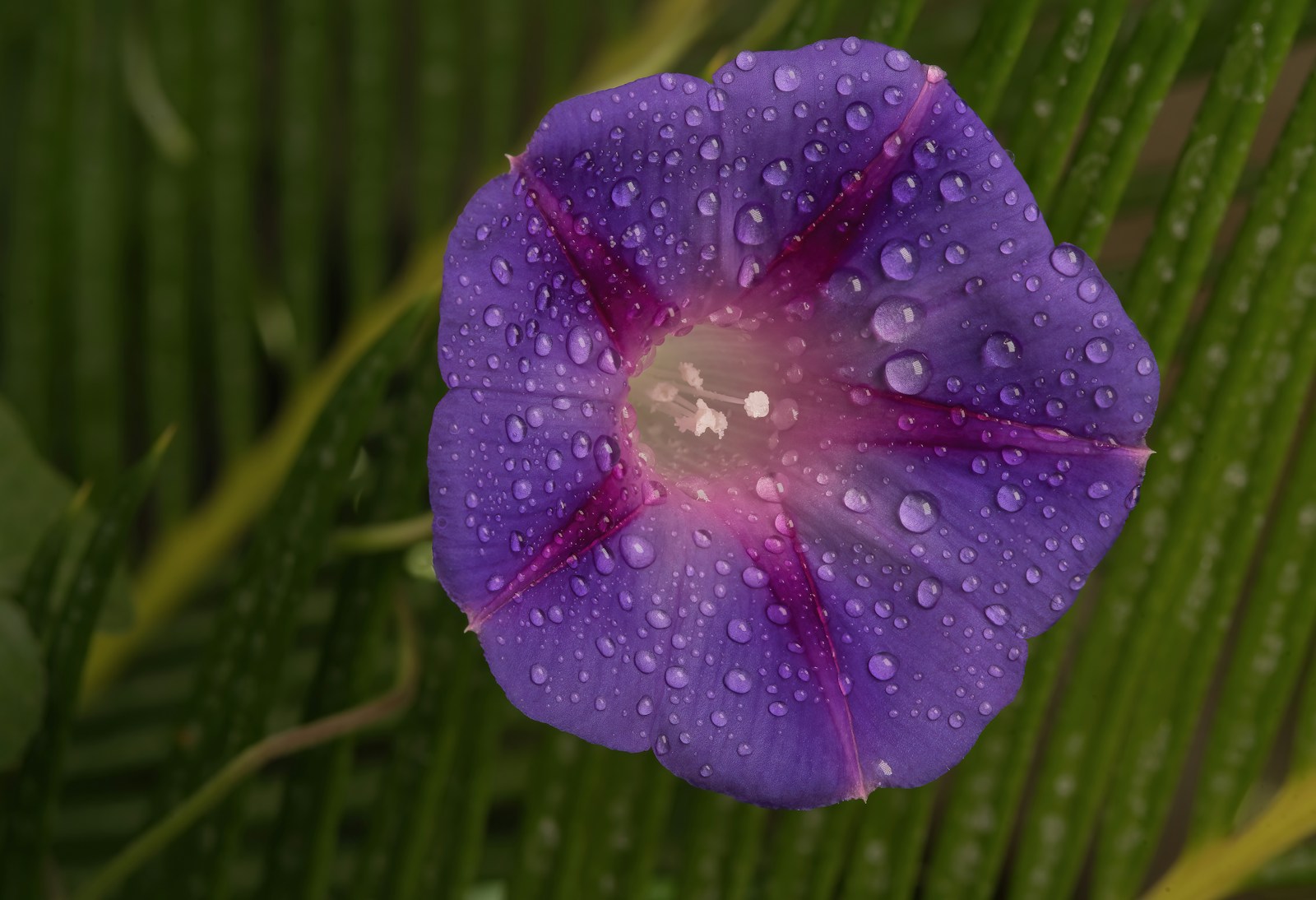
Direct sowing works best in most gardens. Sow outdoors 1–2 weeks after your last frost, once the soil reaches at least 65°F (18°C). Sow two seeds every 8–12 inches (20–30 cm) at the base of the support. Thin to the stronger seedling. Seedlings usually appear in 5–21 days.
In short-season areas, start seeds indoors 3–4 weeks before your last frost. Morning glories resent root disturbance, so sow into biodegradable pots that go straight into the ground. Keep them warm and bright. Do not start them earlier, or the vines tangle together before planting time.
Harden off indoor seedlings before planting (get them used to outdoor sun and wind over 7–10 days). Plant out once nights stay above 50°F (10°C).
Choose the site with care. Morning glories drop a lot of seed, and seedlings return for years. Avoid spots next to vegetable beds, lawns or wild areas where volunteer seedlings are hard to pull.
Growing on
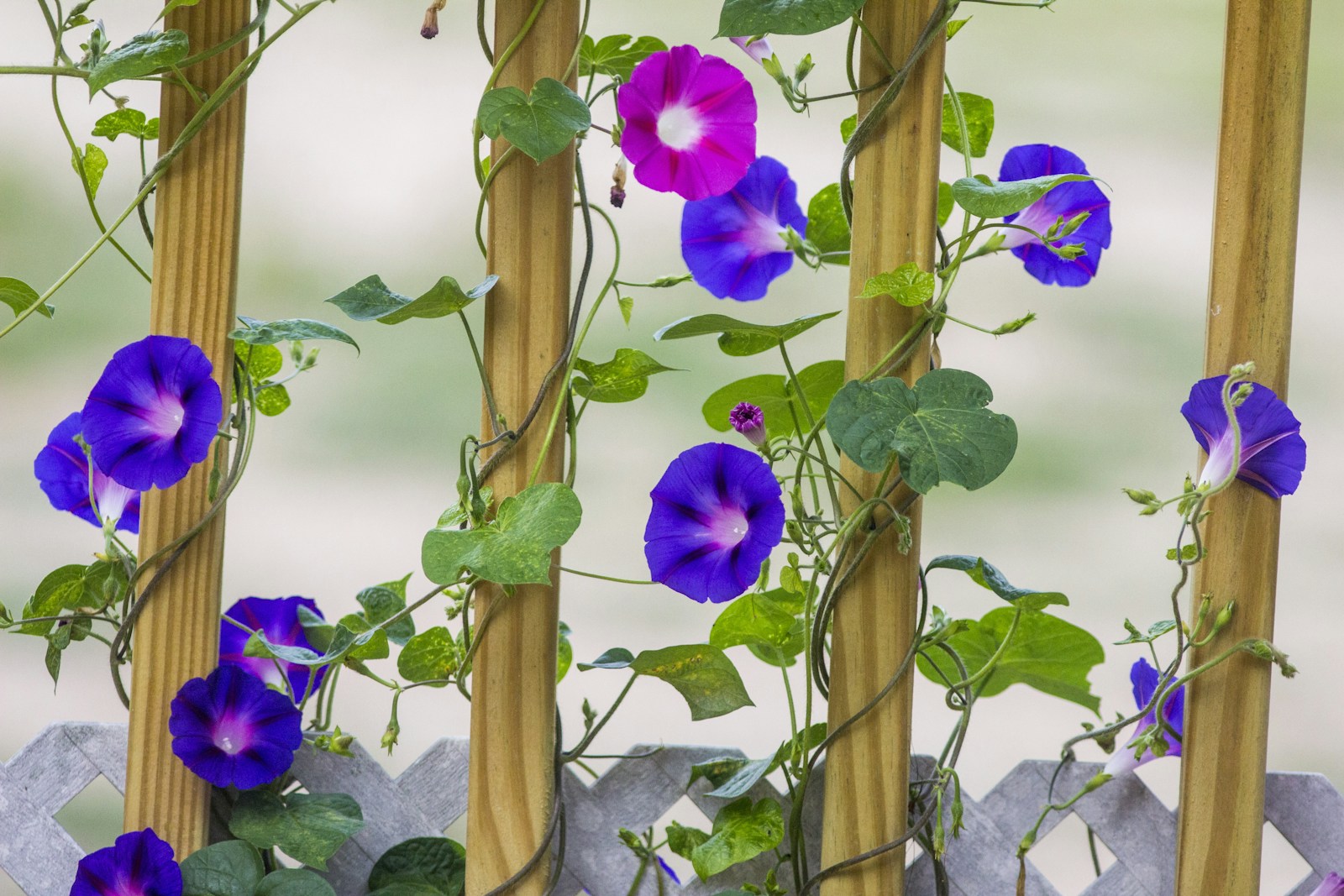
Support. The vines climb by twining their stems. They need something thin to grip: strings, netting, wire, a chain-link fence or a trellis with slim bars. Wrap wide posts in string. Guide young shoots onto the support by hand for the first week or two.
Watering. Water new plants regularly until they start climbing. After that, water deeply once a week in dry weather. Containers need water every day or two in summer.
Feeding. Usually skip it. Morning glories flower best in lean soil. Rich soil and high-nitrogen fertiliser produce lush leaves and few flowers. If plants look pale and weak, give one dose of a low-nitrogen flower feed.
Mulching. Spread 2 inches (5 cm) of mulch once the soil has warmed. Mulch keeps moisture even and smothers some self-sown seedlings.
Pinching. Pinch out the growing tip (remove the top half-inch of the shoot) when a young plant has 4–6 leaves. This makes it branch and cover more of its support.
Deadheading. This is the most important routine job. Deadhead (remove faded flowers) and pull off green seed pods every few days. This keeps new flowers coming and stops the vine seeding across your garden.
Weedy behaviour. Common morning glory self-seeds heavily. In warm regions it can escape into fields and roadsides, and some areas treat it as a weed. Check with your local extension service (the public garden advice office in your area) before growing it near farmland or wild land. Pull unwanted seedlings while they are small; they are easy to spot by their broad, notched seed leaves.
Pollinators. Bees and hummingbirds visit the flowers during the morning hours.
Companions. Grow morning glory with moonflower on the same support. One flowers by day and the other by night. Keep morning glories away from small vegetables, which they can smother.
Harvesting
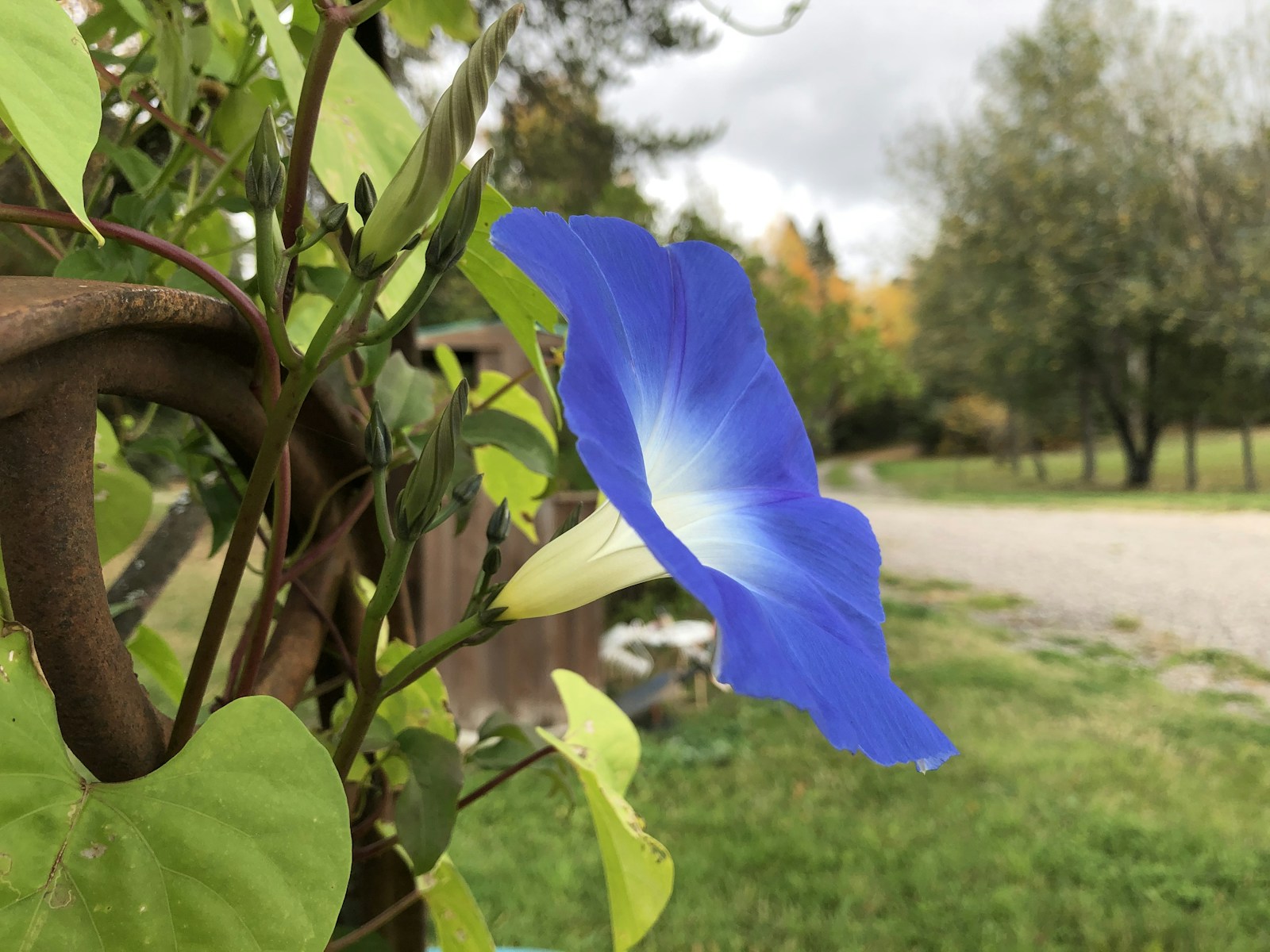
Each flower opens soon after sunrise and closes by early afternoon, sooner in hot sun. Overcast days keep them open longer.
Cutting. Morning glories are poor vase flowers. The blooms close within hours of cutting. Enjoy them on the vine, or float a freshly opened flower in a bowl for a breakfast table.
Saving seed. Save seed only from vines you are happy to grow again, and only if you can collect it tidily. Leave a few pods to ripen late in the season. Pick them when they turn brown and papery and the seeds rattle. Dry them indoors for a week, then shell the seeds. Store them in a labelled paper envelope in a cool, dry place, out of reach of children and pets. The seed usually keeps for several years.
End of season. Frost blackens the vines. Pull them out and clear dropped pods from the soil beneath to cut down next year's volunteers.
Morning glory seeds are toxic if swallowed, to people and to pets. Keep seed packets, saved seed and ripe pods well out of reach of children and animals. Wash your hands after nicking or handling seed.
Problems and pests
Seeds do not come up
The hard seed coat was not nicked, or the soil was too cold. Nick and soak every seed, and wait until the soil reaches 65°F (18°C).
Plenty of leaves but few flowers
Too much nitrogen or too little sun. Stop feeding, move future plantings into full sun, and avoid planting in freshly manured beds.
Clusters of small insects on shoot tips
Aphids, small sap-sucking insects, gather on new growth. Knock them off with a strong jet of water. For heavy infestations, spray insecticidal soap in the evening. Follow the label, wear gloves, and avoid open flowers where bees feed.
Pale, speckled leaves with fine webbing
Spider mites, tiny pests of hot, dry weather. Hose the undersides of leaves every few days and keep plants well watered.
Seedlings coming up everywhere
Last year's vine dropped seed. Hoe or pull seedlings while small, deadhead more often, and mulch the area beneath the support.
Varieties worth growing

- 'Heavenly Blue' (I. tricolor): the classic sky-blue flower with a white-to-yellow throat.
- 'Flying Saucers' (I. tricolor): white flowers streaked and marbled with blue.
- 'Pearly Gates' (I. tricolor): large, pure white flowers.
- 'Grandpa Ott's' (I. purpurea): an heirloom with deep purple flowers and a red star in the throat.
- 'Kniola's Black Knight' (I. purpurea): very dark purple flowers with a magenta throat.
- 'Scarlett O'Hara' (Ipomoea nil): a related morning glory with bright red flowers.