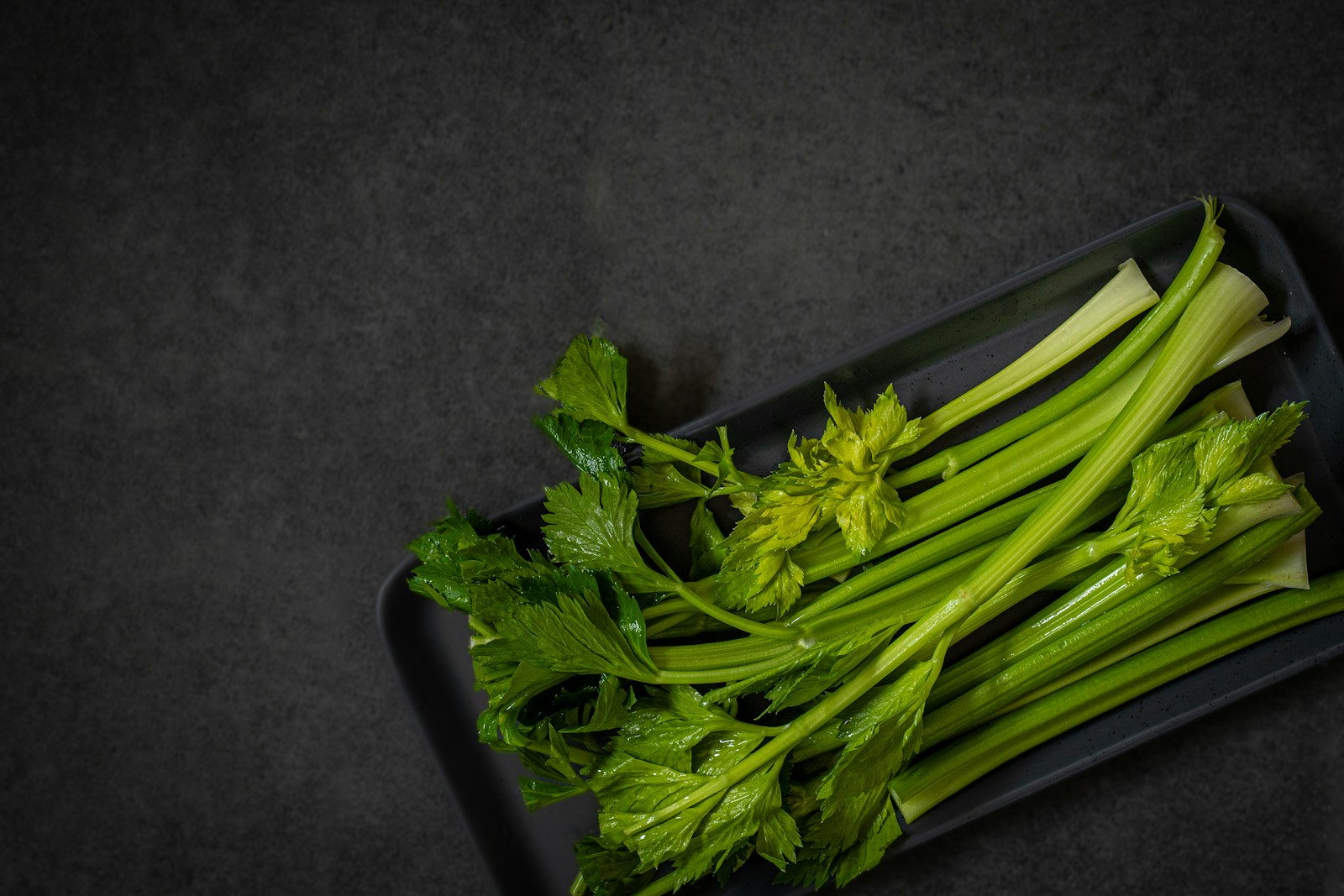
Celery is a cool-season crop grown for its crisp leaf stalks, and its leaves and seeds are useful too. Home-grown stalks are darker and more strongly flavoured than most shop celery. It needs a long season, rich soil and a steady supply of water. Difficulty: challenging.
Sowing and planting
Celery has a long growing season, so most gardeners start it indoors. Sow seed 10–12 weeks before your last spring frost.
The seed is tiny and needs light to germinate. Scatter it thinly on the surface of moist seed compost. Press it in gently, or cover it with the thinnest dusting of fine vermiculite. Some growers soak the seed in warm water overnight to speed things up.
Keep the tray at 60–75°F (16–24°C) and never let the surface dry. A clear lid or plastic bag helps hold moisture. Germination is slow and often takes two to three weeks, so be patient.
When seedlings have two true leaves, prick them out (lift and move them) into individual cells or small pots. Grow them on in bright light at about 60–70°F (16–21°C) during the day.
Harden off (get seedlings used to outdoor conditions) over 7–10 days. Plant out one to two weeks after your last frost, once night temperatures stay above 50°F (10°C). Transplants should be about 4–6 inches (10–15 cm) tall with five or six leaves.
The most common way celery fails is bolting (running to flower early), which ruins the stalks. It is triggered when young plants are exposed to temperatures below about 50°F (10°C) for a week or more. Never plant out too early, and cover young plants with row cover if a cold spell arrives.
Prepare the bed with plenty of well-rotted compost or manure. Celery has shallow roots and needs rich, moist soil close to the surface. Set plants at the same depth they grew in their pots and water them in well.
In USDA zones 8–10, you can grow celery as an autumn and winter crop. Start seed in late summer and transplant as the weather cools. In short-season areas, choose fast-maturing varieties.
Growing on
Water is the single most important factor with celery. Dry soil gives stringy, hollow, bitter stalks. Give plants 1–2 inches (2.5–5 cm) of water every week, and more in hot weather. Soaker hoses or drip lines work well.
Mulch around the plants with compost or straw once they are established. This keeps the soil cool, holds moisture and suppresses weeds.
Celery is a heavy feeder. Side-dress (sprinkle fertiliser beside the plants) with compost or a balanced organic fertiliser every three to four weeks. A liquid seaweed or fish feed every two weeks also helps. Wear gloves when handling manure-based fertiliser, and wash your hands afterwards.
Weed by hand or with shallow hoeing. The roots sit near the surface and are easily damaged.
Blanching
Blanching (shading the stalks from light) makes them paler, milder and more tender. Modern self-blanching varieties need little or no help. For green varieties, start about two to three weeks before harvest. Wrap the stalks in cardboard, newspaper or a tube cut from a plastic bottle, leaving the leaves free. You can also mound soil up around the stalks. Many gardeners skip blanching, because green stalks have more flavour.
Celery needs no staking or pruning. Tying the stalks loosely together helps keep them upright. Leeks, onions, cabbages and tomatoes are traditional neighbours.
Harvesting
Most celery is ready 85–120 days after transplanting. You can start picking once the stalks are about 8 inches (20 cm) long.
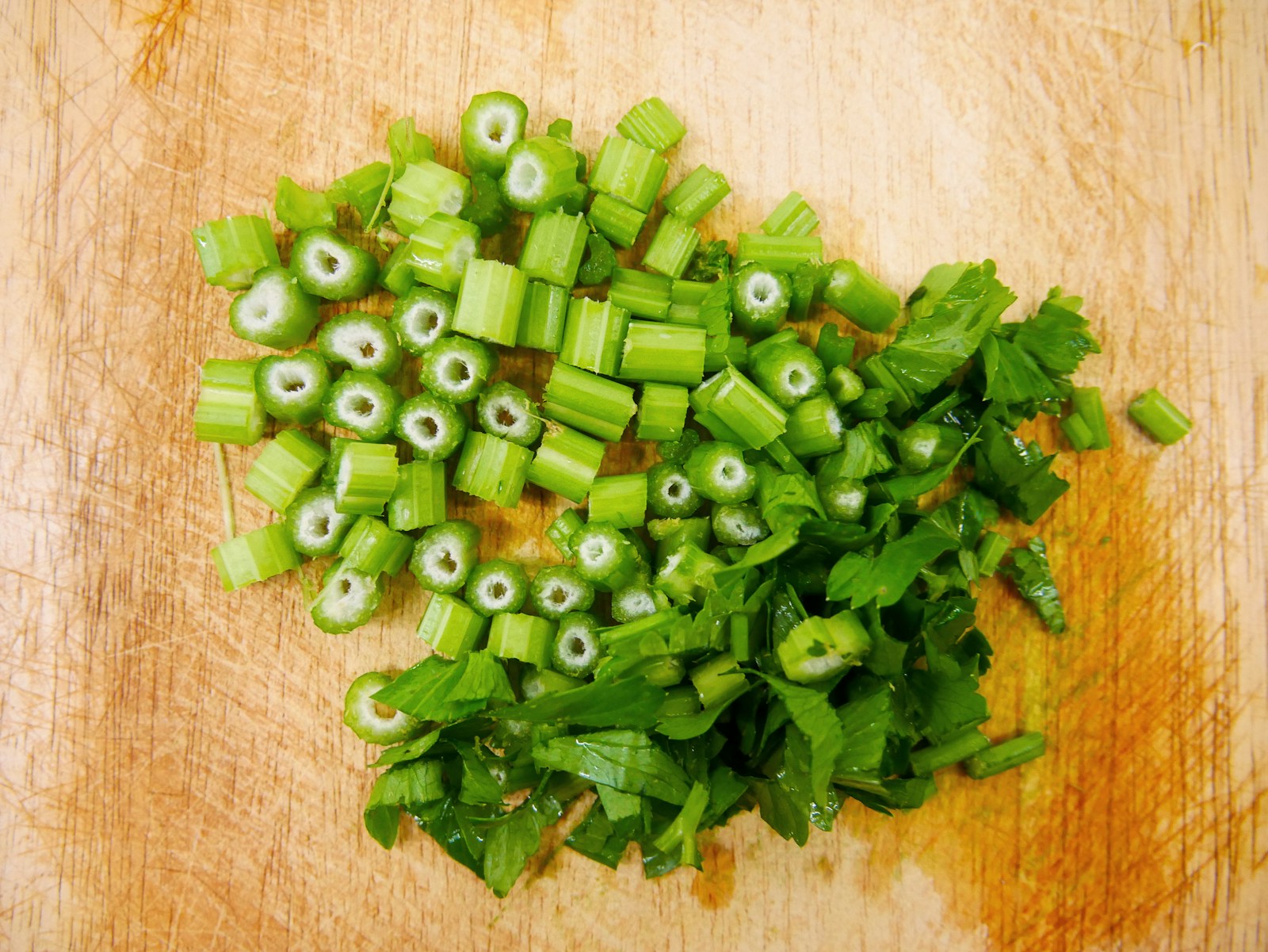
There are two ways to harvest. Snap off outer stalks as you need them, working from the outside in. The plant keeps producing new stalks from the centre. Or cut the whole plant at soil level with a sharp knife once it reaches full size.
Harvest before hot weather makes the stalks tough and stringy. Light frosts do little harm and can sweeten the flavour. Lift the whole crop before hard freezes, or protect it with a thick layer of straw.
The leaves are good in soups, stocks and salads. You can dry them on a tray in a warm, airy place and store them in a jar. Chopped leaves also freeze well.
Store stalks wrapped in foil or a perforated bag in the fridge. They usually keep for two weeks or more. For longer storage, chop and freeze them for cooking, as they lose their crunch.
Saving seed is possible in mild areas. Celery flowers in its second year, producing small white umbrella-shaped heads. Collect seed once the heads turn brown and dry. The seed is also used as a kitchen spice.
Problems and pests
Plants send up flower stalks early
This is bolting, usually caused by a cold spell after planting out. Heat and drought can also trigger it. Plant out only once nights stay above 50°F (10°C). Protect young plants with row cover and keep them well watered.
Stalks are stringy, hollow or bitter
Drought or heat stress is the usual cause. Water deeply and regularly, and mulch well. Harvest before the hottest weather.
Brown, cracked stalks or black leaf tips
Brown cracked stalks point to a shortage of boron. Blackened centre leaves, known as blackheart, come from a shortage of calcium, usually caused by uneven watering. Keep moisture steady. Add compost, and use a seaweed feed to supply trace elements.
Pale, winding trails and blisters on the leaves
Celery leaf miners (fly larvae) tunnel inside the leaves. Pick off and destroy affected leaves as soon as you see them. Cover plants with fine insect mesh to keep the adult flies away.
Holes in stalks and leaves, slime trails
Slugs and snails feed on celery, especially in damp weather. Hand-pick them at dusk, use beer traps or scatter iron phosphate pellets, which are approved for organic use. Keep all pellets out of reach of children and pets, and follow the label.
Varieties worth growing
Celery comes in two main types. Self-blanching types have pale, tender stalks with little effort. Green types need blanching for pale stalks but have a stronger flavour.
Green celery
- Tall Utah 52-70 – a classic, reliable green celery with long, thick, crisp stalks.
- Tango – a hybrid with smooth, tender green stalks that are less stringy than most.
- Conquistador – a hybrid known for tolerating heat and dry spells better than most.
Self-blanching celery
- Golden Self-Blanching – an old favourite with pale, yellow-green stalks and a mild flavour.
Leaf celery
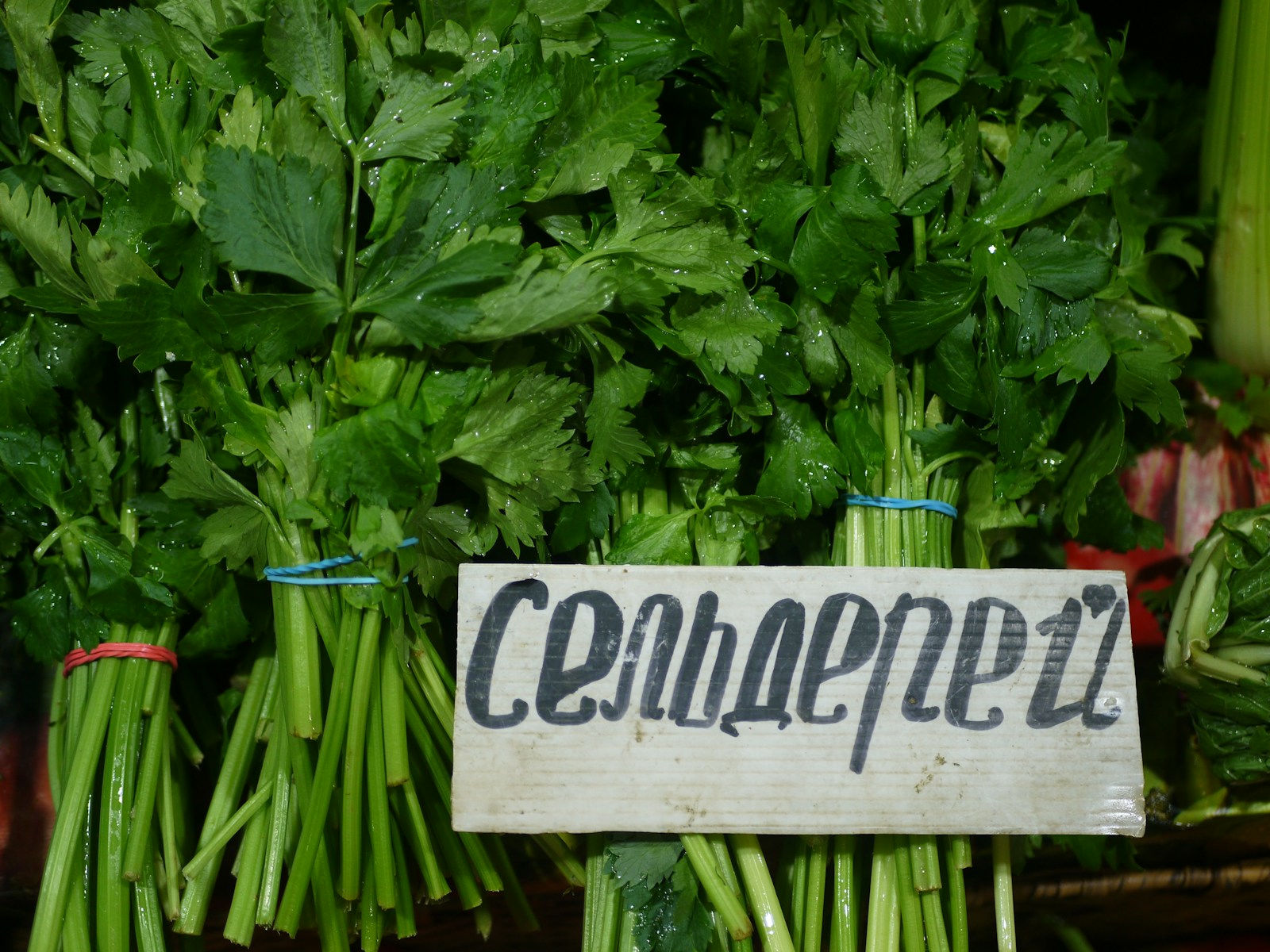
- Cutting celery – a leafy type grown for its flavourful leaves and thin stalks, harvested like a herb.