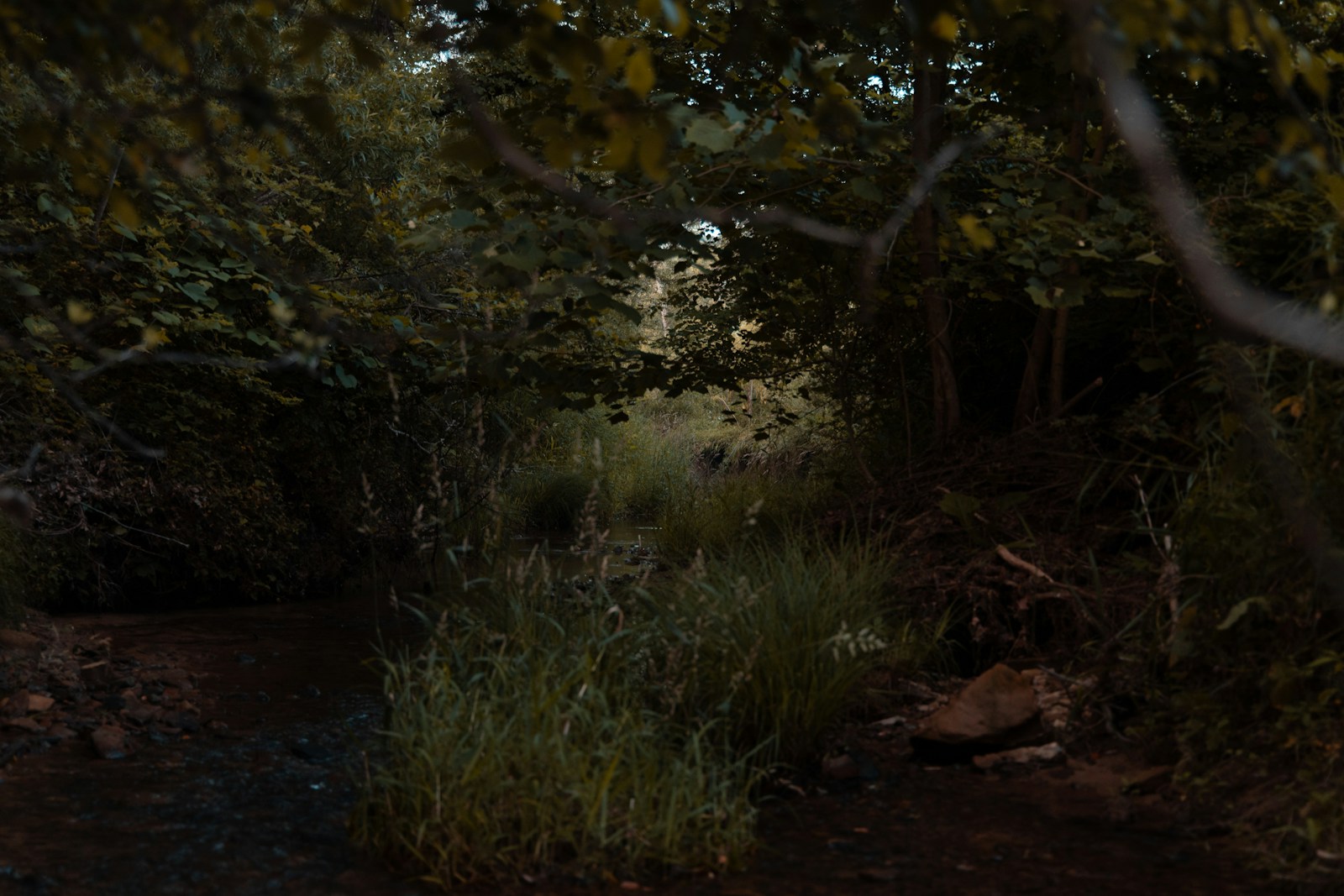
Yellowroot (Xanthorhiza simplicissima) is a knee-high native shrub from the stream banks of the eastern United States. It spreads by suckers (new shoots that rise from the roots) into a dense, even colony. Grow it as a groundcover for damp shade, where lawn and most shrubs sulk. The name comes from the bright yellow wood inside its roots and stems. Difficulty: easy, as long as the soil never dries out for long.
Sowing and planting
Yellowroot is rarely grown from seed at home. Seed is hard to find, slow, and uneven to sprout. Start instead with potted nursery plants or with divisions from an established patch. Buy nursery-propagated stock rather than digging plants from wild stream banks, where their roots hold the soil in place.
Plant in spring after the ground thaws, or in early fall at least six weeks before your first hard frost. Both windows give roots cool, damp weather to settle. In zones 8 and 9, fall planting is usually kinder than spring.
Choose the site with water in mind. Good spots include a stream or pond edge, a low area that stays damp, the shady side of a building, or ground under tall deciduous trees. Avoid hot, dry slopes and the root zone of thirsty shallow-rooted trees unless you can water.
To plant:
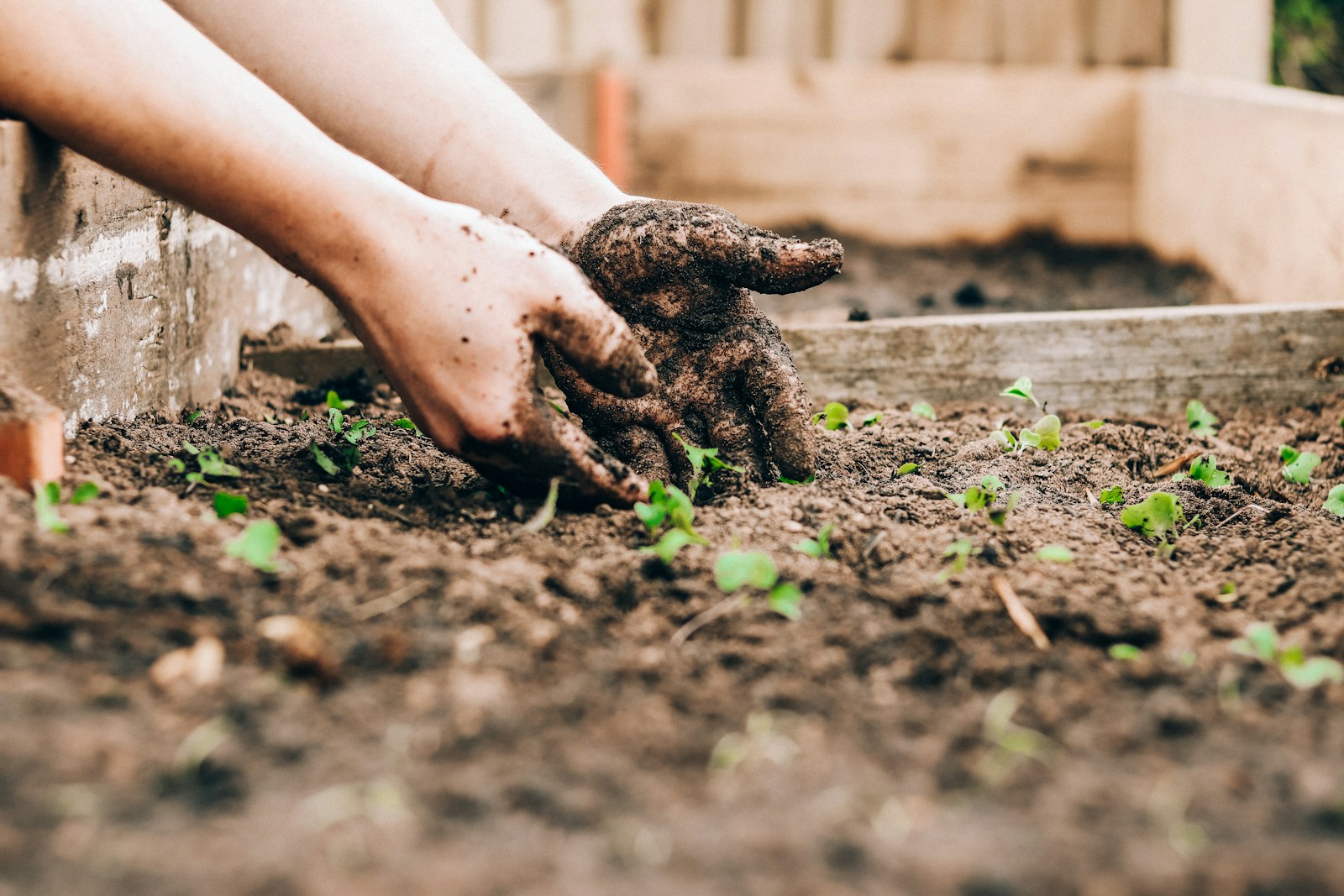
- Loosen the soil across the whole bed, not only in each hole. Suckers travel through loose soil much faster.
- Work in 2 to 3 inches (5 to 8 cm) of leaf mould or compost if the soil is thin or sandy.
- Set each plant at the depth it grew in the pot. Space plants 18 to 24 inches (45 to 60 cm) apart.
- Water deeply, then mulch with 2 inches (5 cm) of shredded leaves or bark.
To divide an existing clump, work in early spring before the leaves open, or in fall as they drop. Push a sharp spade straight down between the parent and a rooted sucker. Lift the sucker with as much root as you can. Replant it at once and keep it watered through its first season. Divisions with several stems establish faster than single shoots.
Wear gloves if you have sensitive skin. The yellow sap stains hands, tools and clothing.
Growing on
Water is the whole job in the first year. Give new plants a deep soak whenever the top inch (2.5 cm) of soil feels dry. Once the colony is established, it copes with short dry spells in shade. In sun or sandy soil it needs watering through every drought.
Feeding is seldom needed. A yearly top-up of shredded leaves or compost in fall supplies enough. Let fallen tree leaves lie among the stems. They mimic the woodland floor the plant comes from, and they hold moisture.
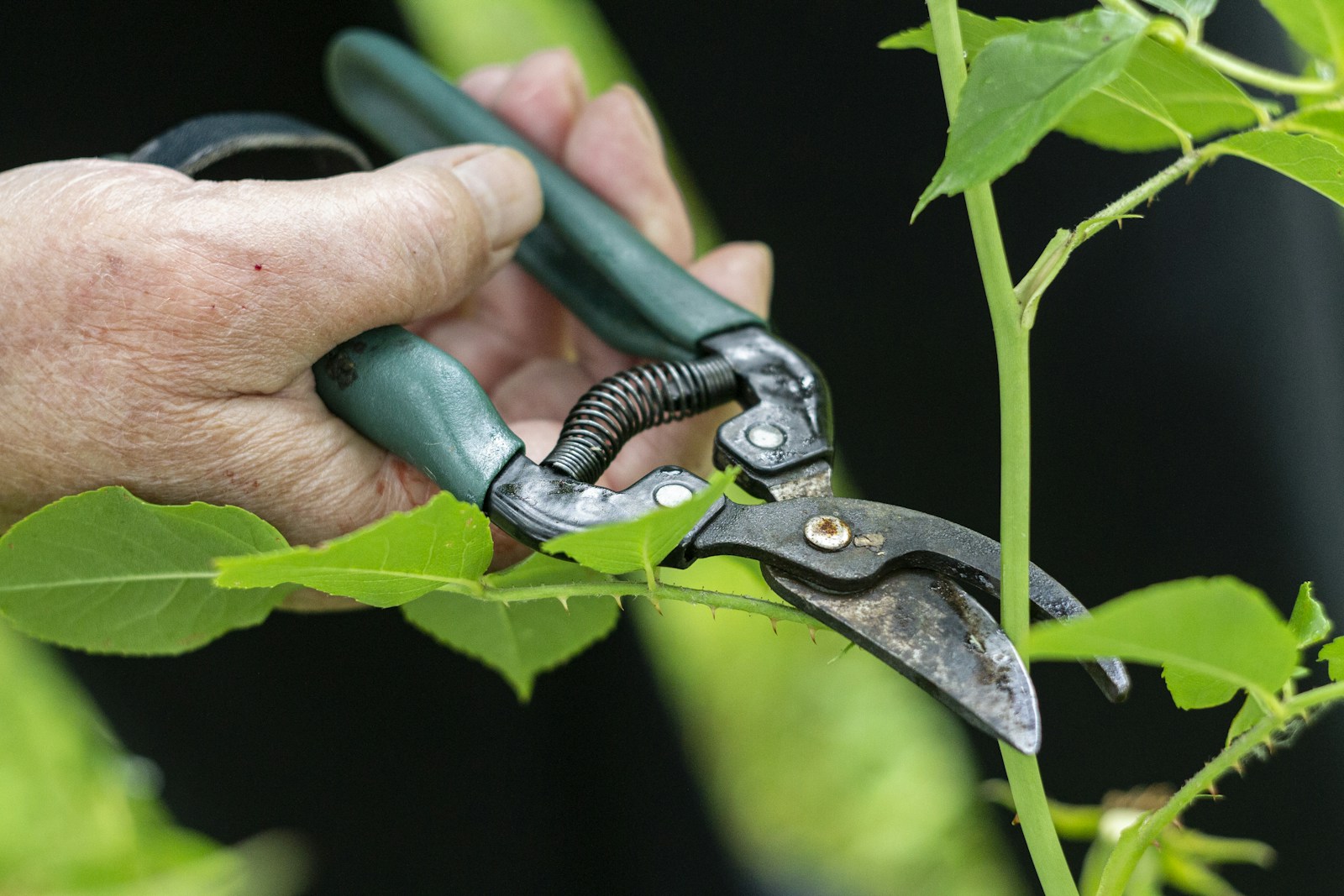
Yellowroot needs no support and very little pruning. The stems are upright and mostly unbranched, with a tuft of divided, celery-like leaves at the top. This gives a planting its neat, level look. If an old patch grows thin or leggy, cut the stems back to a few inches above the ground in late winter. New shoots come up from the roots in spring. Always use clean, sharp pruners and keep fingers clear of the blades.
The plant spreads steadily but not fast. To hold an edge, slice along the boundary with a spade once a year and pull out the suckers beyond it. A mown path, a paved edge or a stream also stops it. It is not suited to small mixed borders, where it will creep among its neighbours.
Expect three seasons of interest. Flowers open on bare stems in early spring. They are small and dusky, and worth a close look rather than a distant one. Summer foliage is a fresh, glossy green. In fall the leaves turn yellow, then often bronze or purple, and they hang on late.
Harvesting
Yellowroot contains berberine, a strong alkaloid that can harm people and pets if swallowed. Grow it as an ornamental only. Do not make teas, tinctures or any home remedy from it.
There is no edible or usable crop from this shrub in a home garden. What you take from a mature patch is new plants. After three or four years, a healthy colony yields rooted suckers every spring or fall. Lift them as described above to extend your planting or to share.
The plant does have a long history in the mountains. The roots gave Native peoples and later settlers a yellow dye. Mountain families in southern Appalachia also chewed the bitter root or brewed it as a tea for mouth sores and stomach complaints. Anthony Cavender's Folk Medicine in Southern Appalachia notes it as one of the few herbs still widely remembered in the region in recent decades. This is history only. Nothing here is medical advice, and these uses are not recommended.
If you want to see the colour that named the plant, scratch the bark of a pruned stem. The wood beneath is a vivid yellow.
Problems and pests
Yellowroot has few serious pests or diseases. Deer usually leave it alone, though no plant is fully deer-proof. Most trouble traces back to the site.
Brown, crisp leaf edges in summer
The cause is drought, too much sun, or both. Water deeply and renew the mulch. If scorch returns each year, move divisions to a shadier, damper spot in fall.
Thin, patchy cover that will not fill in
Compacted or dry soil slows the suckers. Loosen the ground between plants with a fork, taking care near roots. Top-dress with compost and keep the bed moist. Close any large gaps with divisions from the thickest part of the patch.
Weeds between young plants
Until the stems knit together, light reaches the soil and weeds move in. Hand weed and keep 2 inches (5 cm) of mulch in place for the first two or three seasons. A full colony shades out most weeds on its own.
Shoots appearing where you do not want them
This is normal spreading, not a fault. Cut along the edge with a spade and pull the strays. Replant them elsewhere or compost them.
Pale yellow leaves in the growing season
On alkaline soil, plants can struggle to take up iron, and the leaves yellow between the veins. Mulch with leaf mould or pine needles over time. Where soil is strongly alkaline, choose a different groundcover.
Varieties worth growing
Yellowroot is the only species in its genus, and named cultivars are scarce. Most nurseries sell the plain species, which is all you need. Rather than hunting for a variety, choose the right kind of planting stock.
- Container-grown plants: the most widely sold form. Plant them any time the ground is workable and you can water.
- Bare-root plants or plugs: sometimes offered by native plant nurseries for large areas. Plant while dormant and never let the roots dry.
- Home divisions: rooted suckers from a gardener's established patch. Free, reliable, and matched to your local conditions.
- Related plant, goldenseal (Hydrastis canadensis): a different species in the same family, also with yellow, berberine-bearing roots. It is a low woodland perennial, not a shrub, and at risk in the wild. Buy only nursery-propagated plants.
Wherever you buy, ask whether the stock is nursery propagated. Plants raised from sources near your region usually settle best.