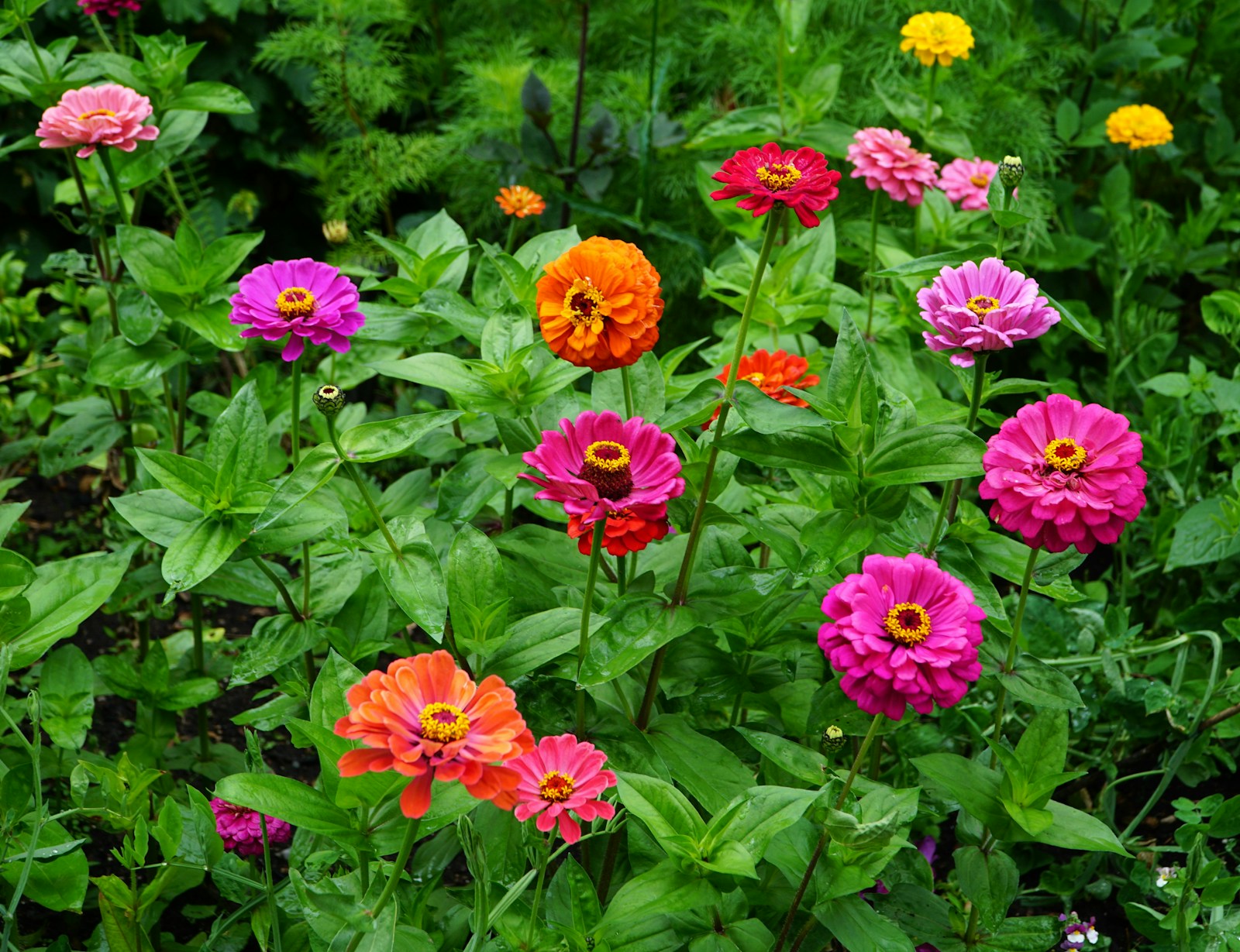
Zinnias are fast, cheerful annuals that thrive in heat and flower from midsummer until frost. They come in almost every color except blue, in forms from single daisies to fully double pompoms. Butterflies love them, and the more you cut, the more they bloom. They are one of the easiest flowers to grow from seed. The only common setback is powdery mildew, which you can largely avoid by choosing the right type and giving plants air.
There are two main groups. Common zinnia, Zinnia elegans, is the tall cut-flower type with big blooms on long stems. Narrow-leaf zinnia, Zinnia angustifolia, and its hybrids, such as the Profusion and Zahara series, are low, mounding bedding plants with smaller flowers and much better disease resistance.
Sowing and planting
Zinnias grow best when sown directly where they will flower. Sow outdoors 1 to 2 weeks after your last frost, once the soil has warmed to at least 70°F (21°C). Seed sown into cold soil rots or sits idle. Sow 1/4 inch (6 mm) deep and about 3 inches (8 cm) apart. Thin seedlings to their final spacing once they have two true leaves.
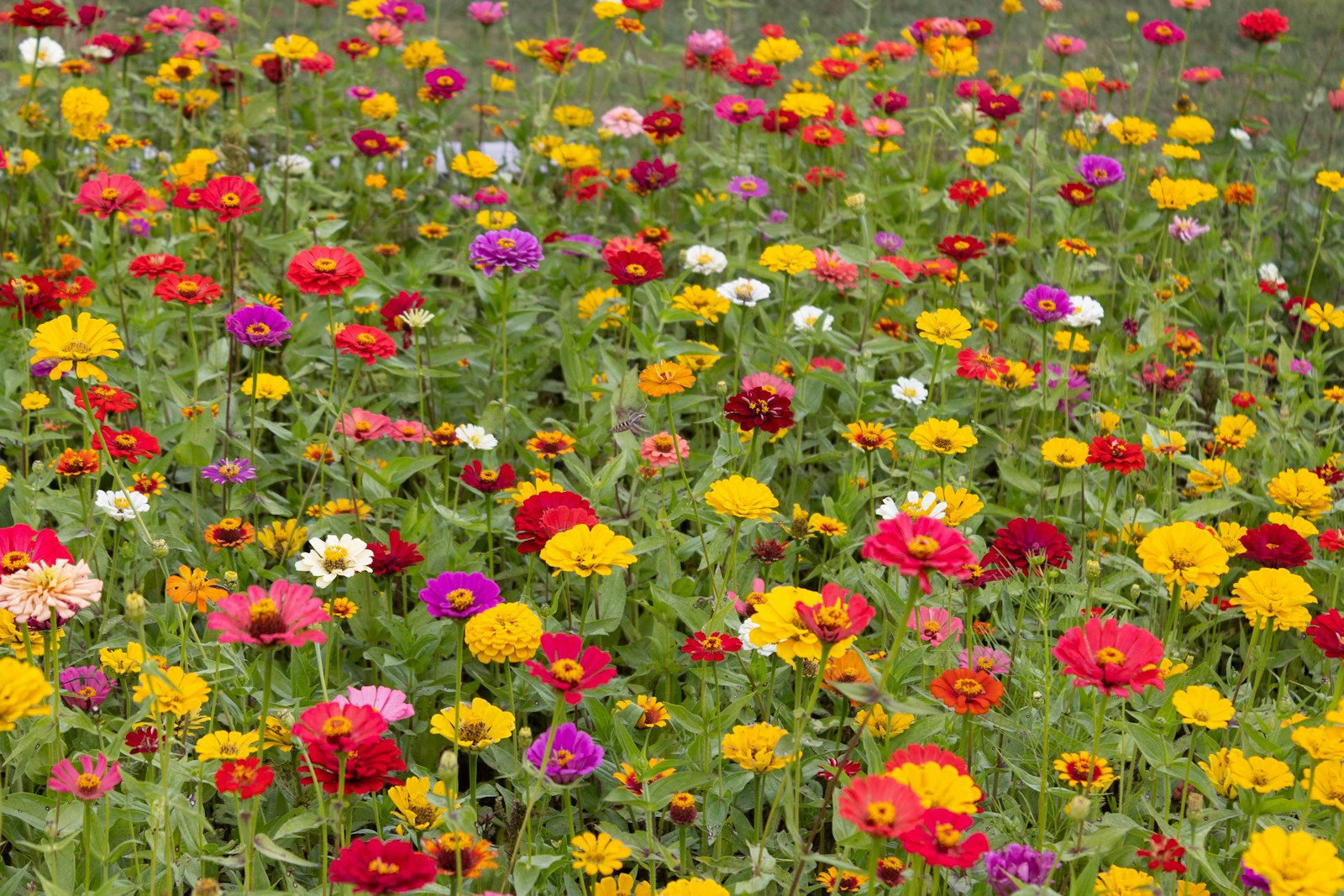
For earlier flowers, sow indoors 4 to 6 weeks before your last frost. Zinnias dislike root disturbance, so sow two seeds per cell or small pot and remove the weaker seedling. Keep them warm and in strong light. Harden them off (get them used to outdoor conditions) over a week. Plant out after your last frost, disturbing the roots as little as possible.
Choose the sunniest, most open spot you have. Mix a little compost into the bed before sowing. Avoid heavy feeding, which gives lush leaves and fewer flowers.
For a steady supply of cut flowers, sow common zinnias in succession. Sow a new batch every 2 to 3 weeks until about 10 to 12 weeks before your first fall frost. Later sowings replace older plants as they tire or catch mildew.
Mounding types suit the front of beds, edges and containers. Tall types belong at the back of a border or in rows in a cutting patch.
Growing on
Water deeply once or twice a week, aiming for about an inch (2.5 cm) of water weekly. Water at the base of the plants and in the morning. Wet leaves overnight invite mildew and leaf spots. A soaker hose or drip line is ideal.
Feed lightly. In average soil, a balanced fertilizer at planting and one side dressing of compost in midsummer is enough.
Mulch with straw or shredded leaves once the soil is warm. Mulch holds moisture, suppresses weeds and stops soil splashing onto the leaves.
Pinch common zinnias when they are 8 to 12 inches (20 to 30 cm) tall. Cut the main stem just above the third or fourth pair of leaves. This makes the plant branch, giving more flowers on longer stems. Mounding types need no pinching.
Deadhead regularly by cutting spent flowers back to a pair of leaves or a side shoot. This is the "cut and come again" habit: each cut stem sends up two more. Plants left to set seed slow down quickly.
Tall varieties may need support in windy sites. Run a layer of flower netting across the bed at about 18 inches (45 cm), or tie plants to stakes.
Zinnias pair well with cosmos, salvia, marigolds and sunflowers. They also draw pollinators to vegetable plots.
Harvesting
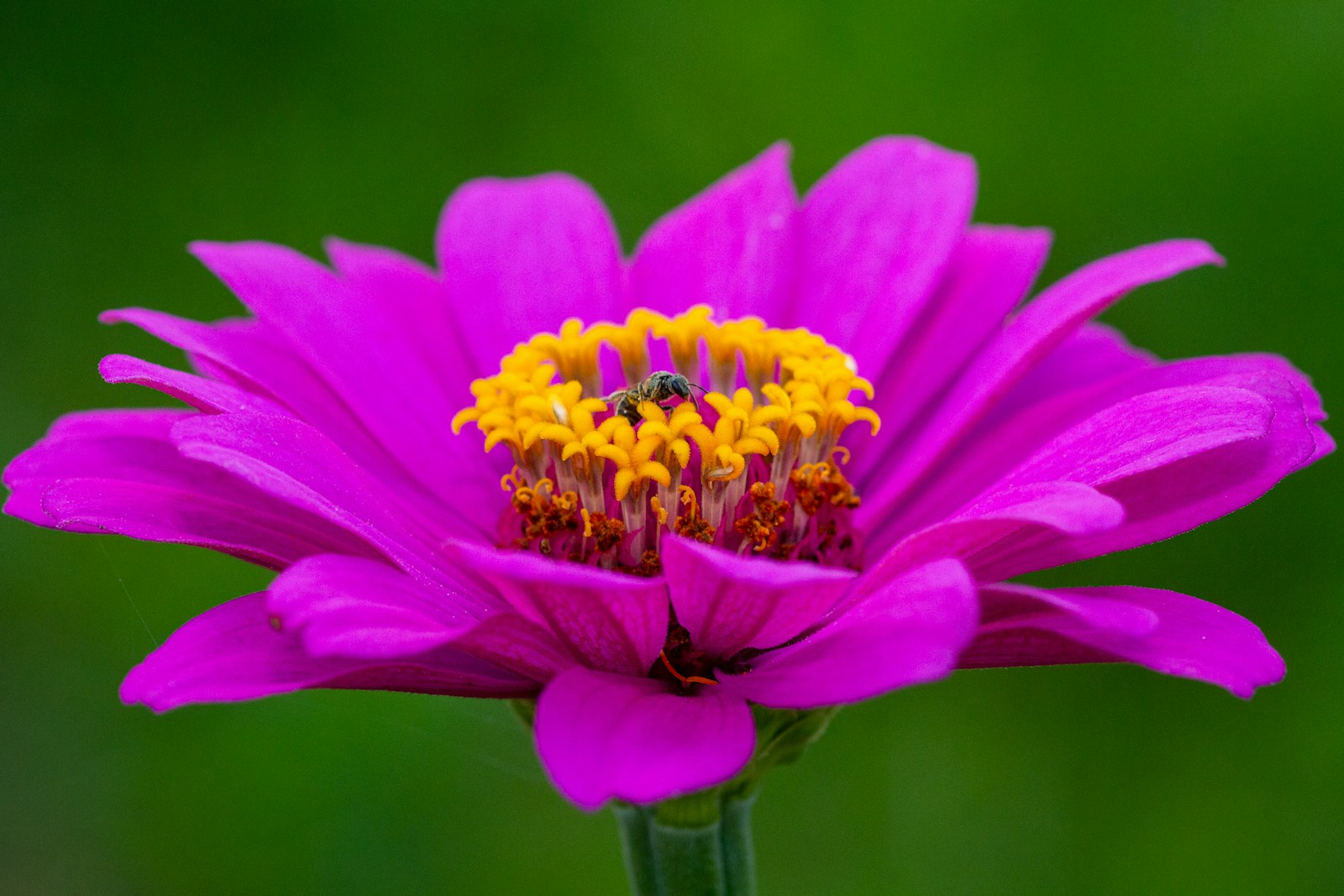
Zinnias are excellent for pollinators. Butterflies especially visit them, and single and semi-double flowers give bees easy access to pollen.
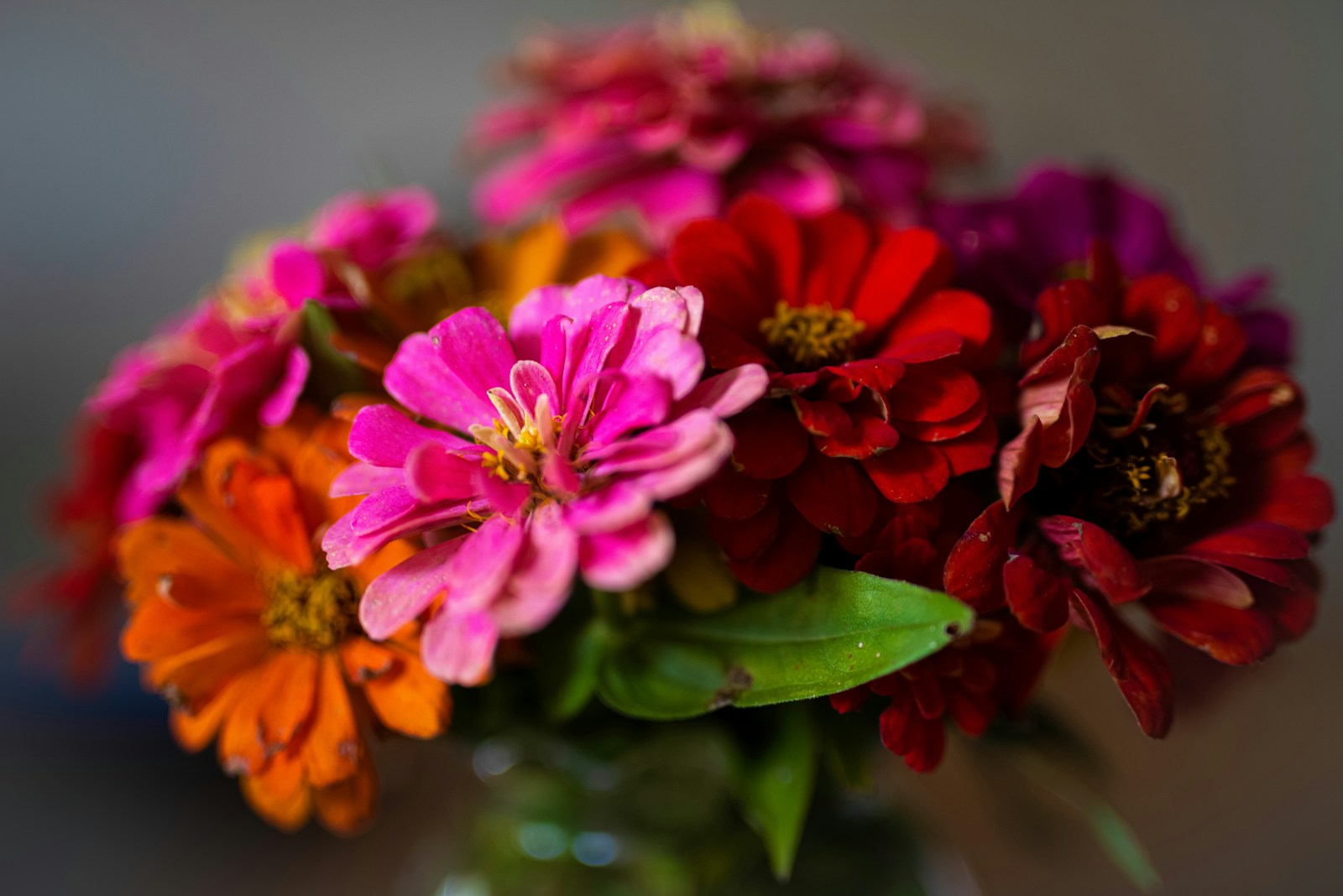
For vases, cut when the flower is fully open. Use the wiggle test: hold the stem about 8 inches (20 cm) below the flower and shake gently. If the stem bends or the head flops, wait a day or two. If it stays stiff and upright, it is ready. Zinnias do not open further once cut.
Cut in the cool of the morning or evening. Take long stems, cutting just above a pair of leaves. Strip the lower leaves and stand the stems in clean, cool water. Zinnias usually last 7 to 10 days in a vase. Change the water every day or two to keep stems from rotting.
To save seed, leave a few of your best open-pollinated flowers on the plant until the head turns brown and dry. Pull the dry petals out. The arrow-shaped seeds are attached at their bases. Dry them for a week, then store them cool, dry and labeled. Seed from hybrids such as Profusion or Zahara does not come true.
Problems and pests
Powdery mildew is the most common reason zinnias fail. It thrives in humid weather, crowded plantings and on stressed or wet-leaved plants, so give plants full sun, room and base-only watering, and choose resistant varieties.
White powdery coating on leaves
This is powdery mildew, a fungal disease that often arrives in late summer. Space plants properly and water the soil, not the leaves. Remove the worst leaves. Grow mildew-resistant types such as Profusion or Zahara, and sow fresh successions of tall types. A potassium bicarbonate spray can slow it on common zinnias; wear gloves and follow the label.
Brown spots with yellow halos on leaves
This is usually Alternaria leaf spot, a fungal disease, or a bacterial leaf spot. Both spread by splashing water. Remove affected leaves, mulch to stop soil splash and avoid overhead watering. Do not save seed from infected plants.
Seedlings topple over at soil level
This is damping off, a fungal rot. Sow into warm soil, use fresh compost and clean trays indoors, and avoid overwatering.
Holes in petals and lacy leaves
Japanese beetles and cucumber beetles chew flowers and foliage. Hand-pick beetles early in the morning into a bucket of soapy water. Avoid beetle traps, which can draw more beetles into your garden.
Sticky shoots and clusters of small insects
These are aphids. Knock them off with a strong jet of water. Ladybugs and lacewings usually control them if you avoid broad-spectrum sprays.
Varieties worth growing
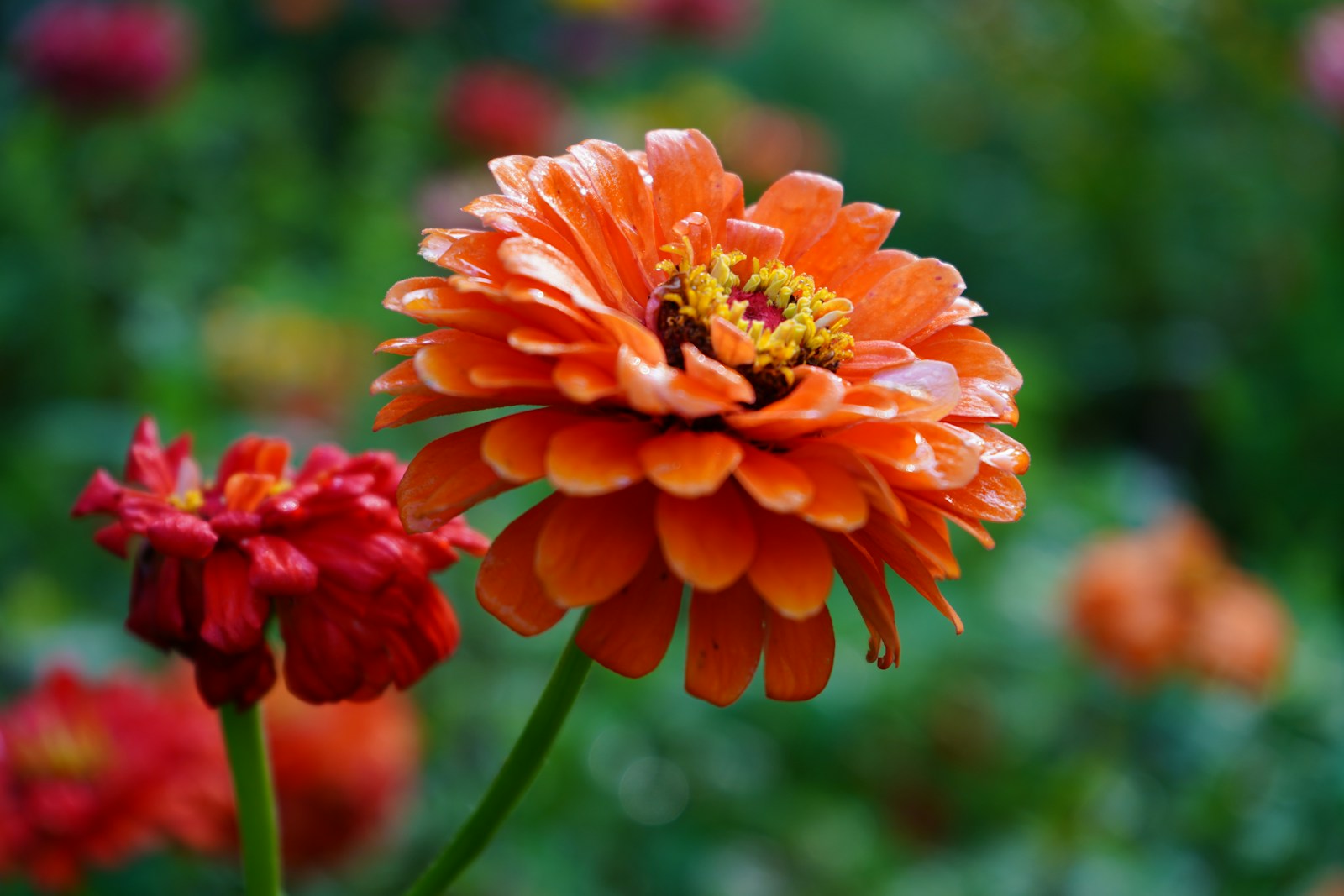
Common zinnias for cutting
- Benary's Giant series: tall plants with large, fully double blooms on long, strong stems.
- 'Queen Lime': soft lime-green double flowers, lovely in mixed bouquets.
- Oklahoma series: medium-sized flowers on branching plants with good mildew tolerance.
- 'Zinderella': unusual scabiosa-type flowers with a raised, frilly center.
- 'State Fair': an old mix of very large flowers on tall, vigorous plants.
Mounding types for bedding
- Profusion series: compact, highly disease-resistant hybrids that flower from early summer to frost.
- Zahara series: heat- and drought-tolerant plants with strong resistance to mildew and leaf spot.
- 'Crystal White': a narrow-leaf zinnia covered in small white daisies.