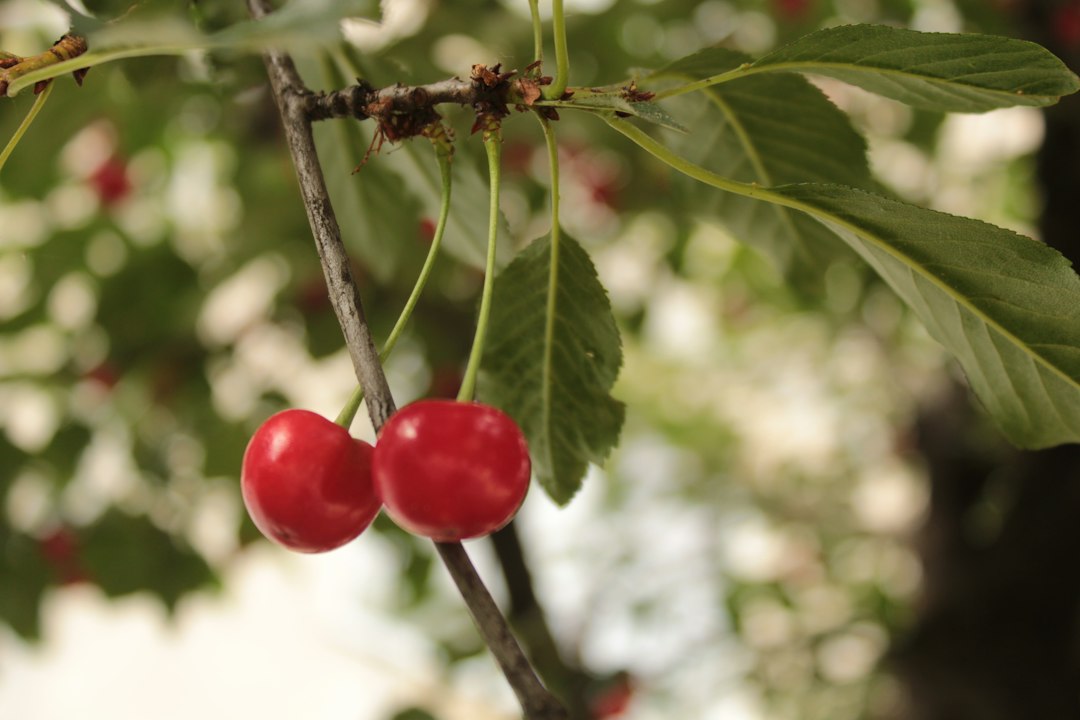
Sour cherry (Prunus cerasus) is a compact fruit tree grown for its tart, bright red cherries, which are prized for pies, preserves, and baking rather than eating straight off the branch. It's also called pie cherry or tart cherry. Unlike most sweet cherry varieties, a single sour cherry tree is self-fertile, so you don't need a second tree nearby for pollination, and the tree itself grows smaller and more manageable than sweet cherry. That combination makes it one of the more forgiving fruit trees for a home garden — not a plant-and-forget choice, but a reasonable one even for a gardener who hasn't grown tree fruit before.
Sowing and planting
You start sour cherry from a young bare-root or potted tree, not from seed. Seed-grown cherries are unpredictable in fruit quality and can take many more years to bear. Because sour cherry is self-fertile, one tree is enough to set fruit on its own — you don't need to plant a second variety as a pollinator, which simplifies planning if you only have room for one tree.
Plant while the tree is dormant (no leaves, not actively growing). In zone 6b, that generally means from the time leaves drop in autumn through late winter or very early spring, as long as the ground isn't frozen or waterlogged. Gardeners in colder zones should wait until the harshest part of winter has passed; in warmer zones within the tree's range, dormant planting can begin earlier in the season. Avoid planting into soggy ground, since cherry roots are prone to rot if they sit wet.
Choose a full-sun site with well-drained soil — cherries tolerate average soil but struggle in anything that stays waterlogged. Dig a hole as deep as the root ball and at least twice as wide, loosening the surrounding soil so roots can spread. Set the tree at the same depth it was growing at the nursery, backfill, and water in well. Space trees about 180 inches (450 cm) apart to give the canopy and roots room to mature, and keep young trees staked for their first year or two if your site is windy.
Growing on
Water newly planted trees consistently through their first two seasons while the root system establishes; once mature, sour cherry is fairly drought-tolerant, but even moisture during fruit swell helps prevent the fruit from cracking. Feed with a balanced fertilizer as growth resumes in spring; avoid heavy feeding late in the season, which can push soft new growth that doesn't harden off well before cold weather.
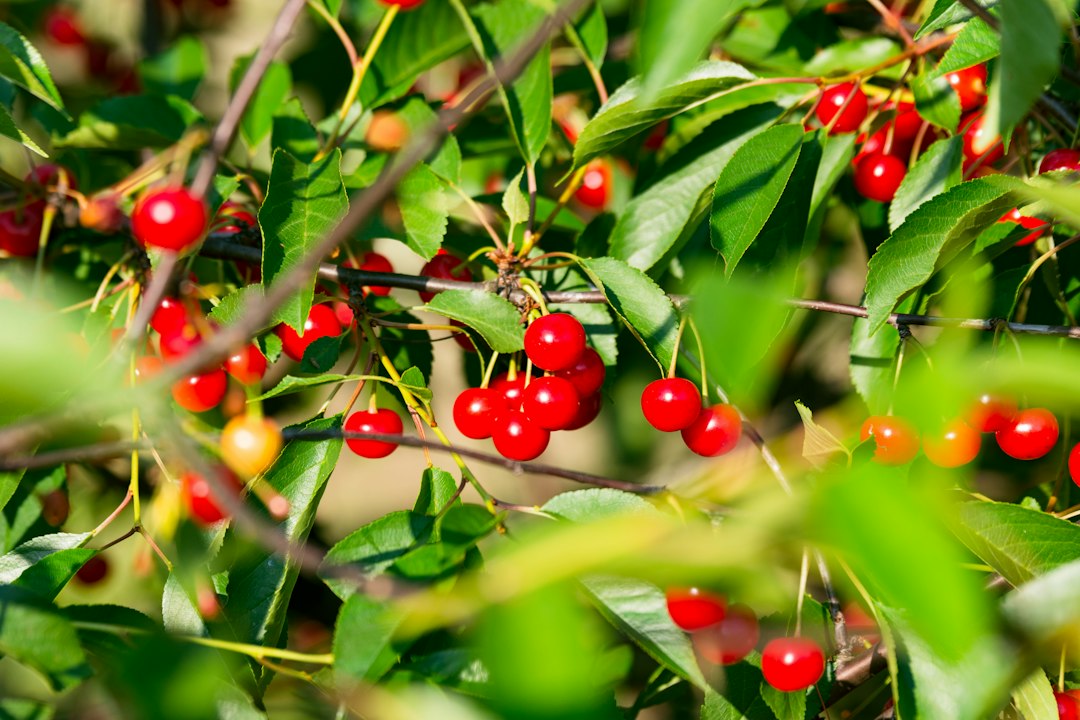
Sour cherry trees are naturally smaller and more compact than sweet cherry trees, which makes them easier to prune, net against birds, and pick without a ladder. Prune while the tree is dormant, removing dead, damaged, or crossing branches and keeping the center open enough for light and air to reach the fruiting wood. One thing worth knowing: sour cherries fruit mainly on one-year-old wood, rather than on the long-lived spurs that sweet cherries rely on, so some ongoing renewal pruning — cutting back a portion of older wood each year to encourage new shoots — keeps the tree productive over time.
Harvesting
Sour cherries are tart eaten fresh, and most of what you pick is destined for cooking, baking, or preserving rather than snacking straight from the tree. Let the fruit ripen fully on the branch — the color deepens to a bright, glossy red when ready — since cherries don't continue to ripen once picked.
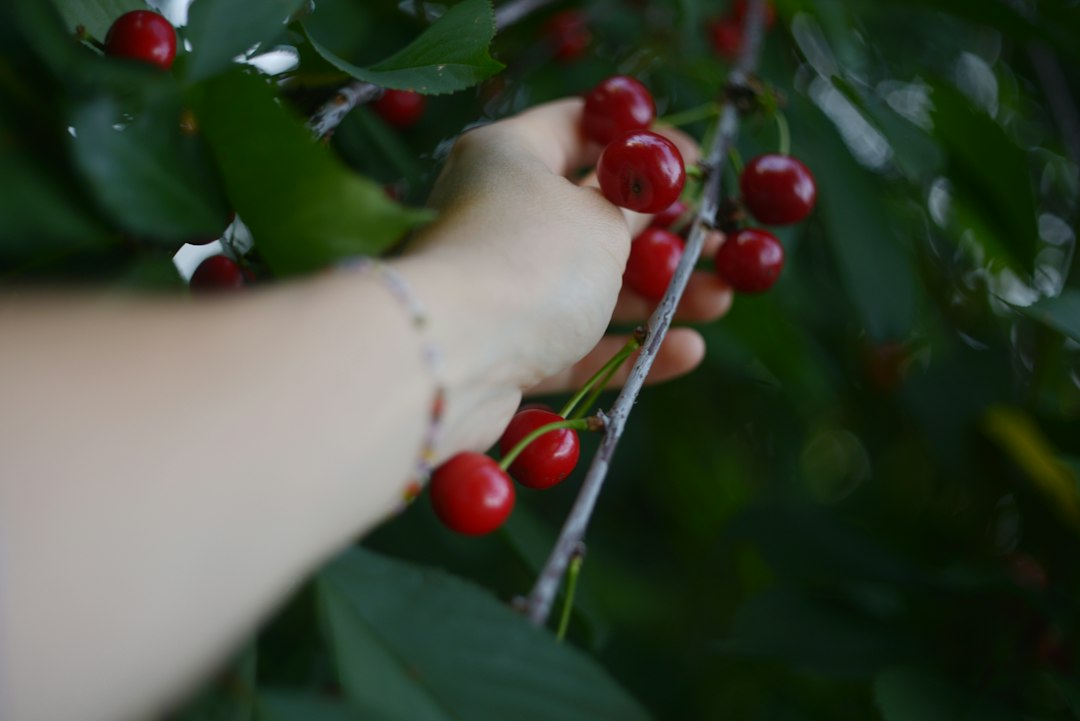
How you pick depends on what you're doing with the fruit. If you want to keep some cherries fresh for a few extra days, pick with the stem attached; the stem helps prevent the skin from tearing, which keeps the fruit from spoiling as quickly. If the fruit is headed straight for pitting and cooking, it's fine to strip it from the branch without the stem — the stem makes no difference to flavor once the fruit is cooked, baked, or preserved, which is where most sour cherries end up anyway.
Problems and pests
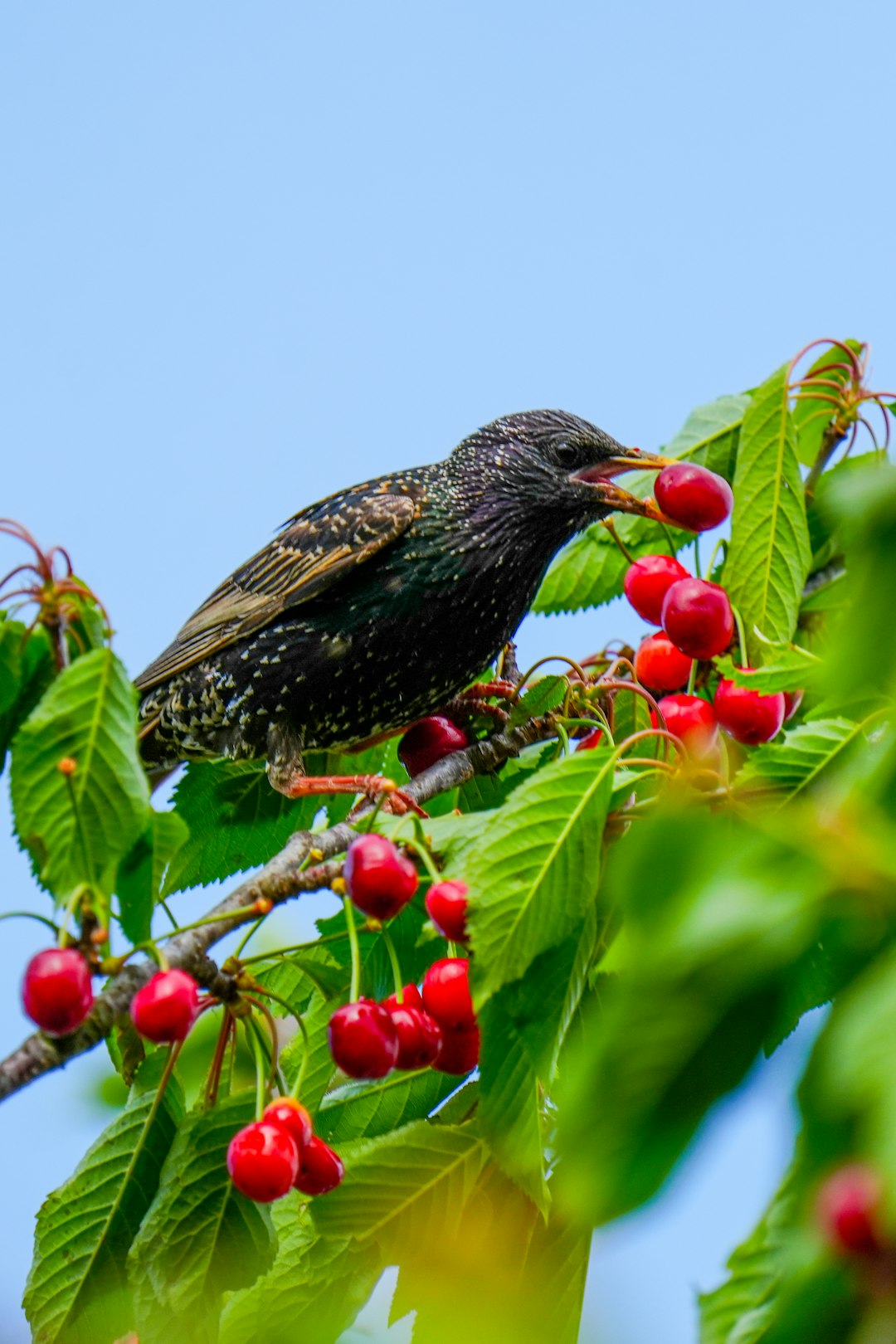
Birds strip the fruit before you get to it
Birds find ripening cherries as easily as you do, and a tree can be stripped in a day or two once the fruit colors up. Netting the tree as the cherries begin to ripen is the most reliable fix; scare devices help but tend to lose effectiveness over time.
Fruit turns brown and soft on the tree
This is brown rot, a fungal disease that thrives in warm, humid weather and spreads quickly through damaged or closely spaced fruit. Remove and destroy infected fruit as soon as you see it, including any shriveled "mummies" left on the tree after harvest, and prune to improve airflow through the canopy.
Dark, rough, swollen growths on branches
This is black knot, a fungal disease that forms hard, elongated galls on twigs and branches. Cut out infected wood well below the swelling during the dormant season, disinfecting pruning tools between cuts, and destroy the prunings rather than composting them.
Leaves curl, pucker, and feel sticky
This points to aphids, small sap-sucking insects that cluster on new growth and leave behind a sticky residue called honeydew. Wash them off with a strong jet of water or treat with insecticidal soap, and encourage beneficial insects like ladybugs, which prey on aphids naturally.
Leaves develop small purple-brown spots and drop early
This is cherry leaf spot, a fungal disease that causes spotting followed by premature leaf drop, which can weaken the tree over time if it happens repeatedly. Rake up and dispose of fallen leaves in autumn to reduce the fungus's ability to overwinter, and prune for good airflow.
Varieties worth growing
- Montmorency — the most widely grown tart cherry in North America, with bright red fruit good for pies, juice, and drying.
- North Star — a naturally dwarf tree, a good fit for smaller gardens or where space is limited.
- Meteor — a compact, cold-hardy variety bred for northern climates.
- Balaton — a Hungarian variety with darker, firmer fruit that holds up well in baking.
- English Morello — a late-ripening variety with very dark, intensely tart fruit, long favored for preserves and liqueurs.