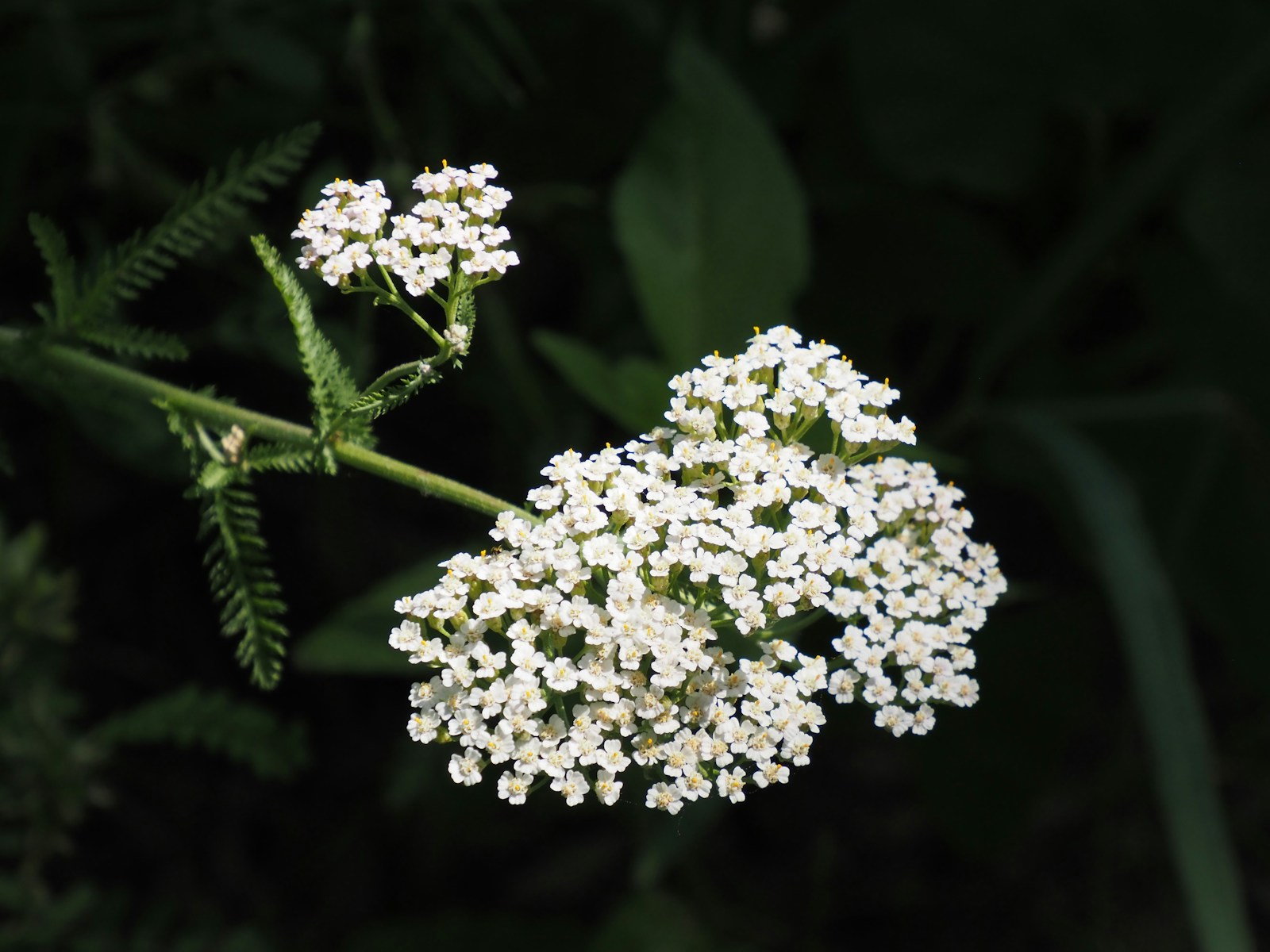
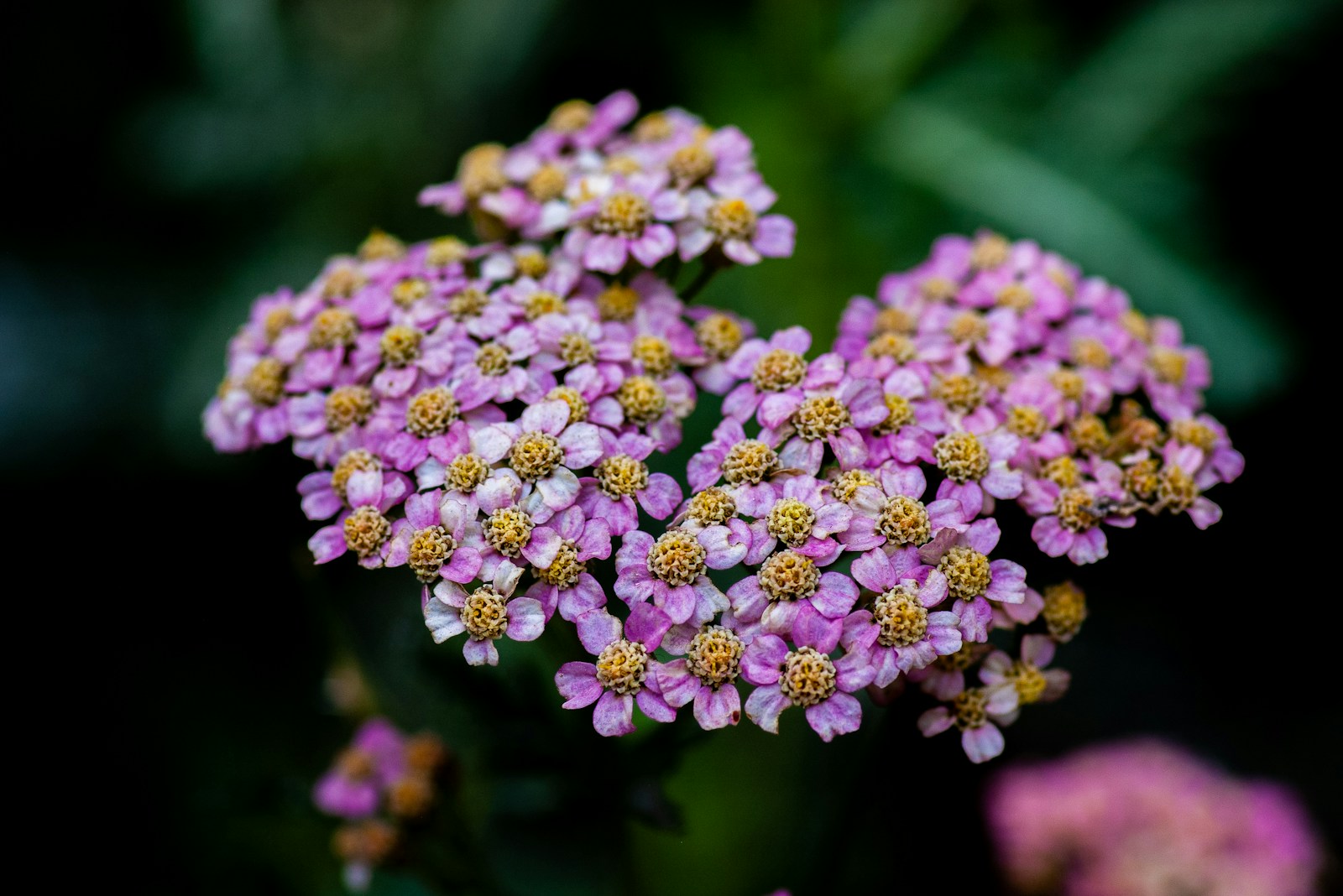
Yarrow, Achillea millefolium, is a hardy perennial with feathery, fern-like leaves and flat flower heads from early summer into fall. The wild form is white, but garden cultivars come in pink, red, cherry, apricot and gold. It shrugs off drought, heat and poor soil. It feeds a wide range of pollinators and makes a long-lasting cut and dried flower. It is one of the easiest perennials you can grow. The main job is keeping it in bounds, because it spreads by underground stems.
Sowing and planting
You can raise yarrow from seed, plants or divisions. Named cultivars do not come true from seed, so buy those as plants. Seed mixes and the wild species are easy from seed.
Sow indoors 6 to 8 weeks before your last frost. Press the tiny seed onto the surface of moist seed compost and do not cover it. Light helps it germinate. Keep the tray at room temperature and the surface just damp. Prick out seedlings (move them into their own small pots) once they have two true leaves.
Harden off young plants (get them used to outdoor conditions) over a week. Plant them out around your last frost date. Light frost rarely harms hardened yarrow.
You can also sow directly outdoors from your last frost date until early summer. Scatter the seed thinly on raked soil, press it in and keep it moist until seedlings appear. Early sowings often flower lightly in the first year. Plants reach full size in the second year.
Plant potted yarrow in spring or early fall. Choose the sunniest, most open spot you have. Do not add compost or fertilizer to the planting hole. Rich soil makes yarrow tall, soft and floppy. In heavy clay, plant on a slight mound or in a raised bed so the crown stays dry in winter.
Yarrow suits gravel gardens, meadows, dry banks and the front of sunny borders. The wild species can even replace grass in low-traffic areas.
Growing on
Water new plants regularly for the first month. After that, water only in long droughts. Too much water causes more trouble than too little.
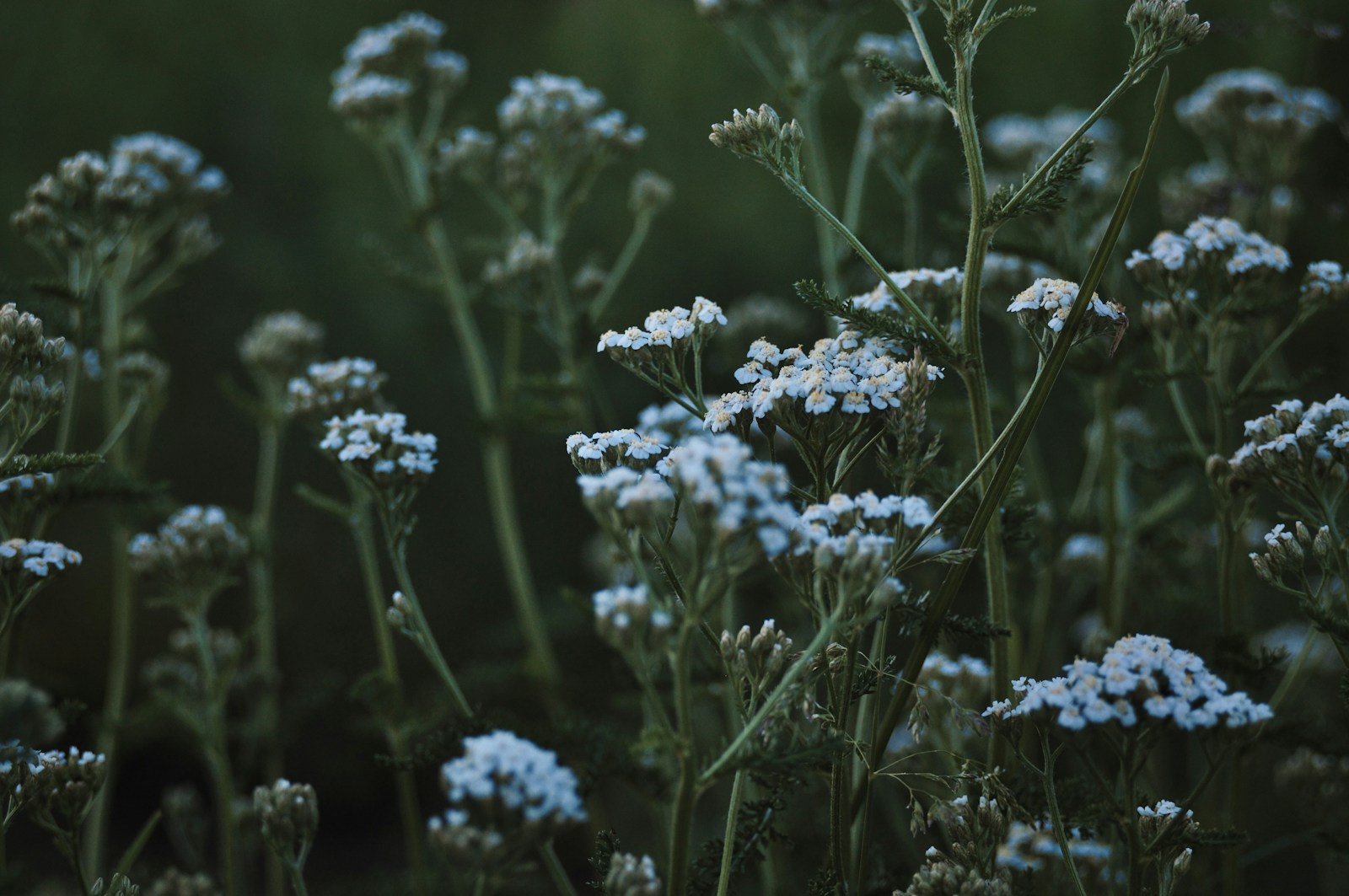
Skip feeding in most gardens. Poor to average soil gives sturdier stems and better flower color.
A thin mulch of gravel keeps the crowns dry and suppresses weeds. Avoid thick, moist mulches against the stems.
Tall cultivars may lean or flop after rain. To keep them compact, cut the stems back by about half in late spring, before flower buds form. This gives shorter, bushier plants that flower a little later. Alternatively, surround the clumps with low twiggy supports early in the season.
Deadhead yarrow by cutting spent flower stems back to a side shoot or to the leafy base. This keeps plants tidy and often brings a second flush of flowers. Deadheading also prevents self-seeding. Seedlings of named cultivars usually revert to dull or white flowers.
Yarrow spreads by rhizomes (creeping underground stems). Most garden cultivars spread moderately, while the wild type can run hard. Lift and divide clumps every 2 to 3 years in spring or early fall. Replant the vigorous outer pieces and compost the tired, woody center. Pull up runners that stray beyond where you want them.
In late fall, cut old stems to the ground or leave them standing for winter interest. Clear them away before new growth starts in spring.
Wear gloves when you divide or cut large amounts of yarrow. The leaves can irritate sensitive skin.
Yarrow pairs well with salvia, catmint, coneflower, lavender and ornamental grasses.
Harvesting
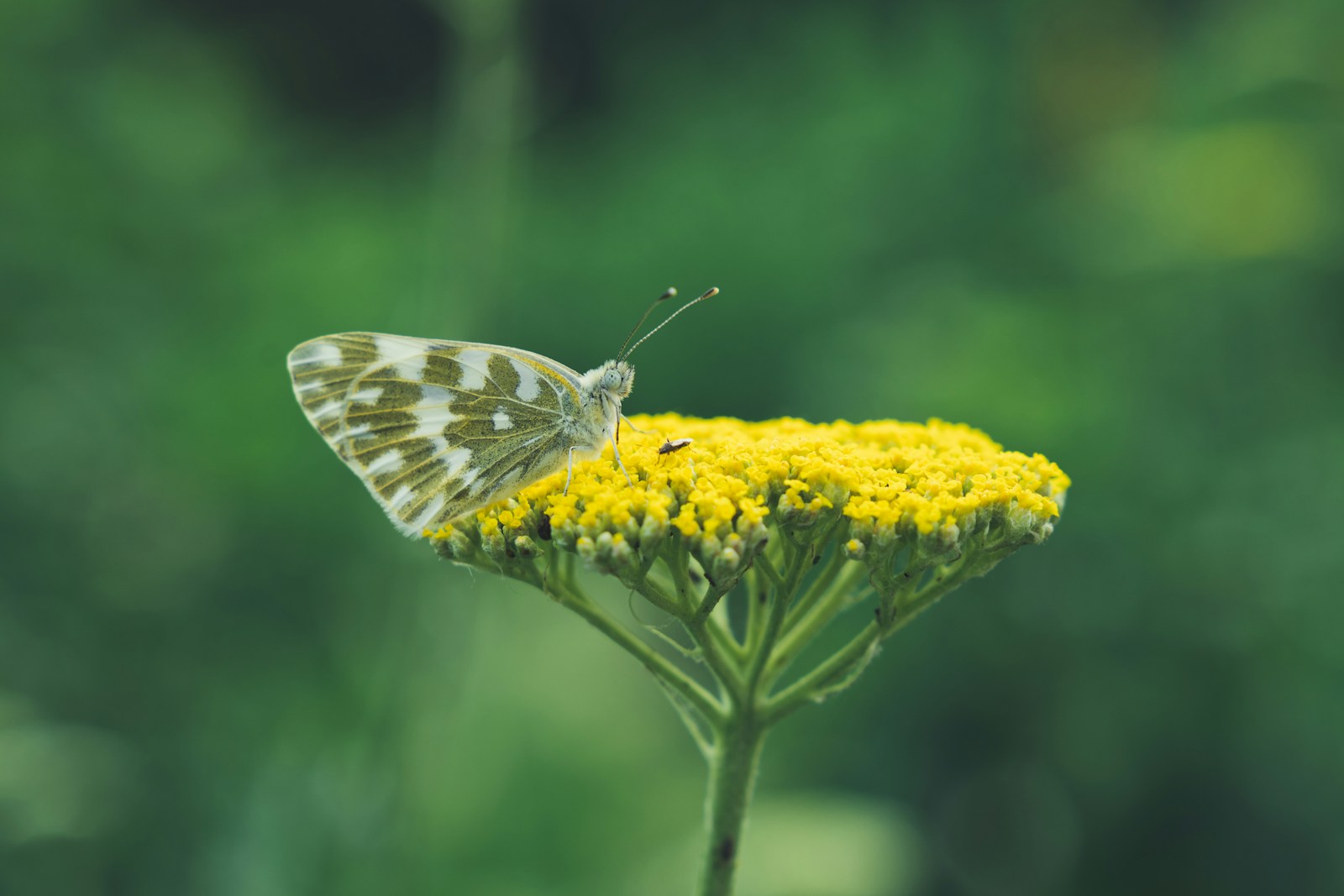
Yarrow is superb for pollinators. Its flat flower heads are landing pads for bees, hoverflies, small wasps and butterflies. Many of these insects prey on garden pests, so yarrow helps your whole garden.
For fresh vases, cut stems when most of the tiny florets in the head are open and the pollen is just showing. Heads cut too early wilt. Cut in the cool of the morning and strip the lower leaves. Stand the stems in cool water straight away. Expect 7 to 10 days in the vase.
For dried flowers, cut stems when the heads are fully open and firm. Tie them in small bunches and hang them upside down in a dark, dry, airy place. They dry in 1 to 2 weeks and hold their color well. Yellow and white types dry best. Pink and red cultivars fade to softer tones.
To save seed from the wild species, let a few heads turn brown on the plant. Rub them over a paper bag and store the seed cool, dry and labeled.
Problems and pests
Yarrow is mildly toxic to dogs, cats and horses if they eat it, and its leaves can irritate sensitive skin. Wear gloves when handling it, and plant it where pets are unlikely to graze.
Tall stems flop open after rain
This usually comes from rich soil, too much water, shade or overcrowding. Grow yarrow in lean soil and full sun. Cut stems back by half in late spring, and divide crowded clumps.
White powdery coating on leaves
This is powdery mildew, a fungal disease that spreads in humid weather and crowded plantings. Thin and divide clumps to improve air flow. Water the soil, not the leaves. Cut affected stems to the base; fresh leaves soon grow back.
Plants rot or die out over winter
Crown and root rot follow wet, heavy soil. Improve drainage with grit, plant on a mound, or move yarrow to a drier spot.
Clumps spread into neighboring plants
Rhizomes run beneath the soil surface. Divide clumps regularly and pull up stray shoots. In small beds, choose less vigorous cultivars or plant yarrow in a sunken bottomless container.
Clusters of small insects on stems and buds
These are aphids. Knock them off with a strong jet of water. Ladybugs and hoverflies usually clean them up, especially since yarrow attracts them.
Varieties worth growing
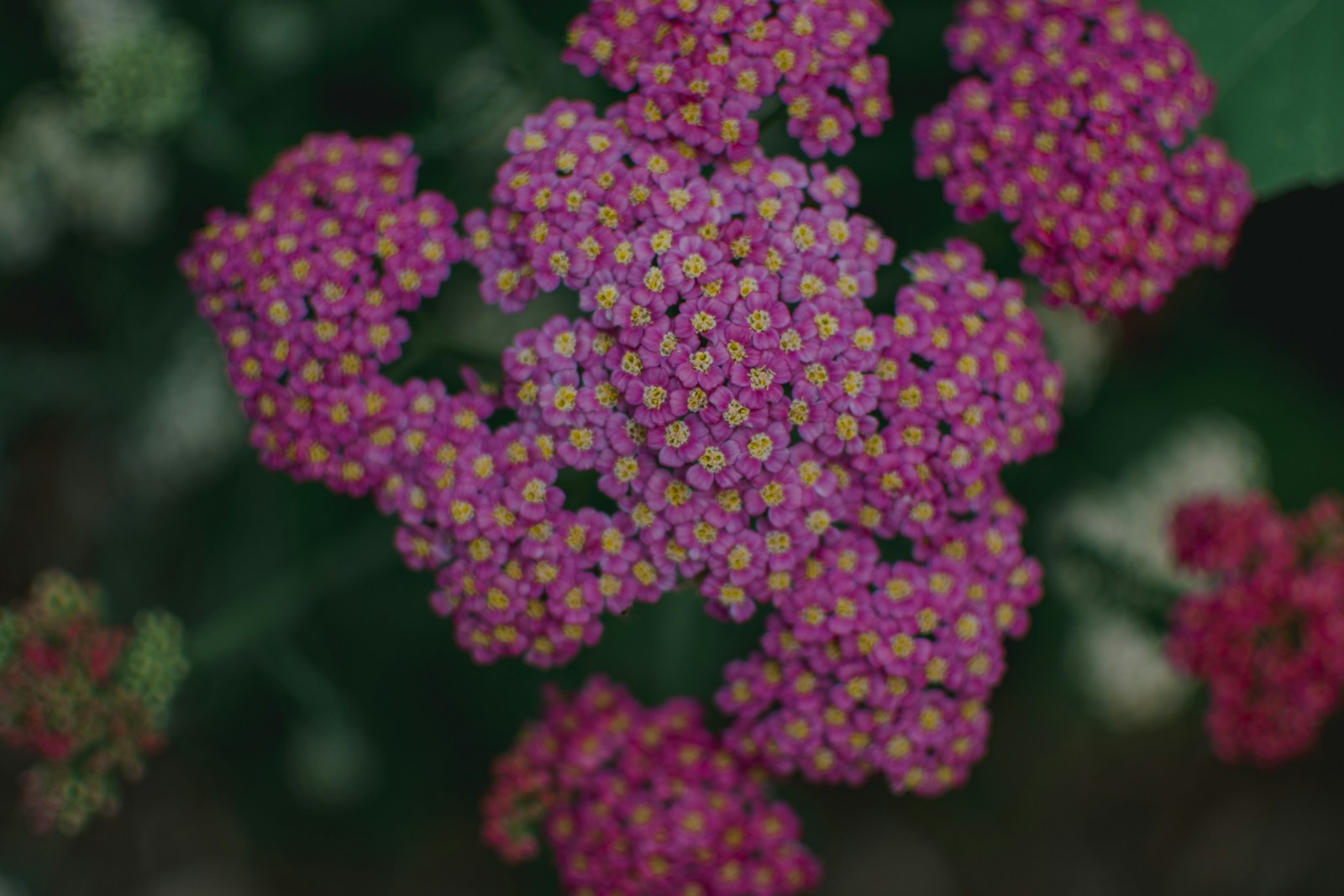
Common yarrow cultivars
- 'Paprika': bright red flowers with yellow centers that fade to softer shades.
- 'Cerise Queen': deep cherry-pink flowers on vigorous plants.
- 'Terracotta': flowers open rust-orange and age to golden tan.
- Summer Pastels: an easy seed-raised mix of pastel shades that flowers in its first year.
Yellow yarrows
- 'Moonshine': a hybrid yarrow with pale lemon flowers and silvery leaves, less inclined to spread.
- 'Coronation Gold': a tall, clump-forming hybrid of fern-leaf yarrow with golden heads that dry beautifully.