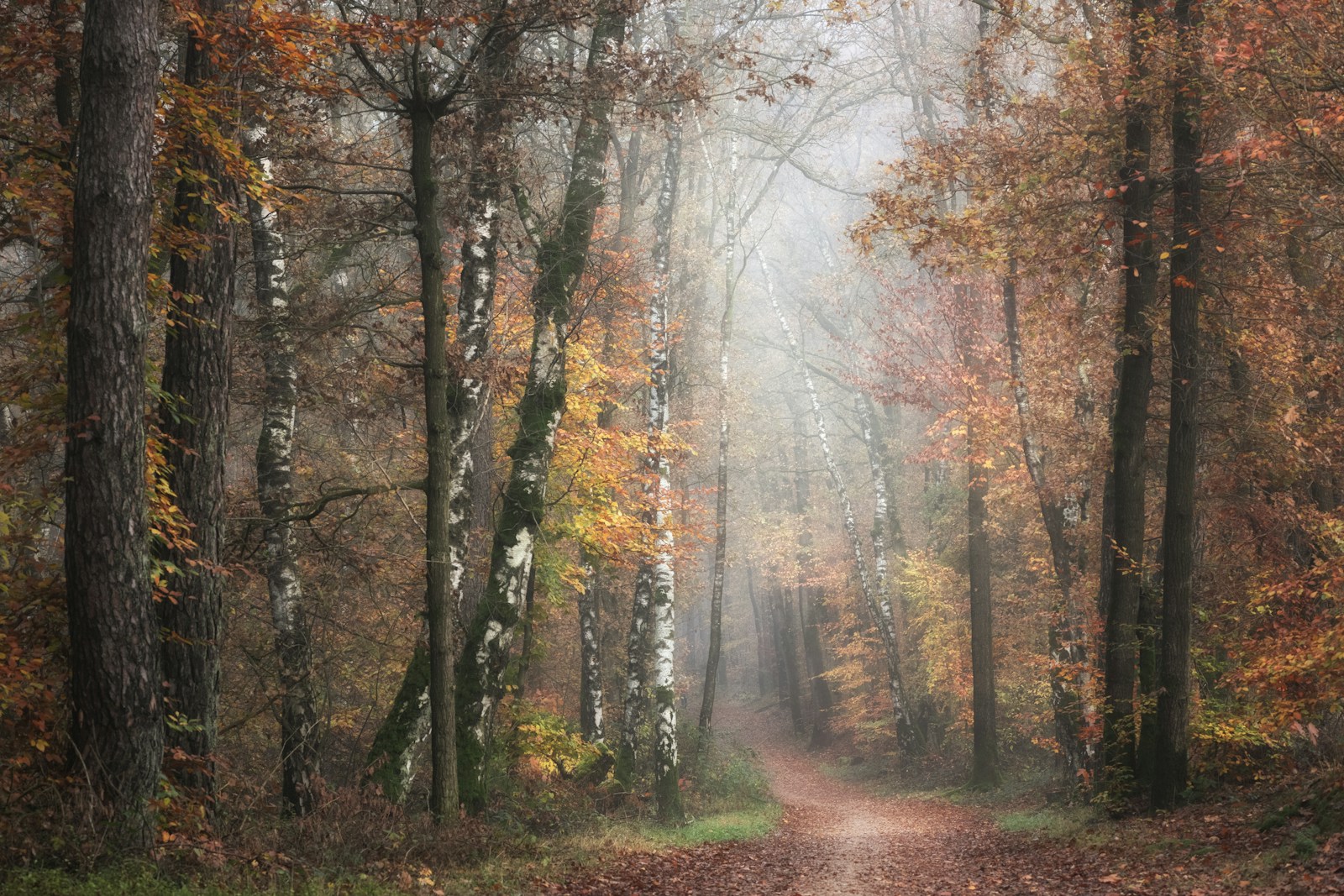
American witch hazel (Hamamelis virginiana) is a large native shrub of eastern woodlands. It does something almost no other hardy shrub does. It flowers in autumn, just as its own leaves turn gold and drop. The spidery yellow blooms are lightly scented and shrug off frost. It is an easy plant once established, but a slow one, so patience is the main skill you need.
Sowing and planting
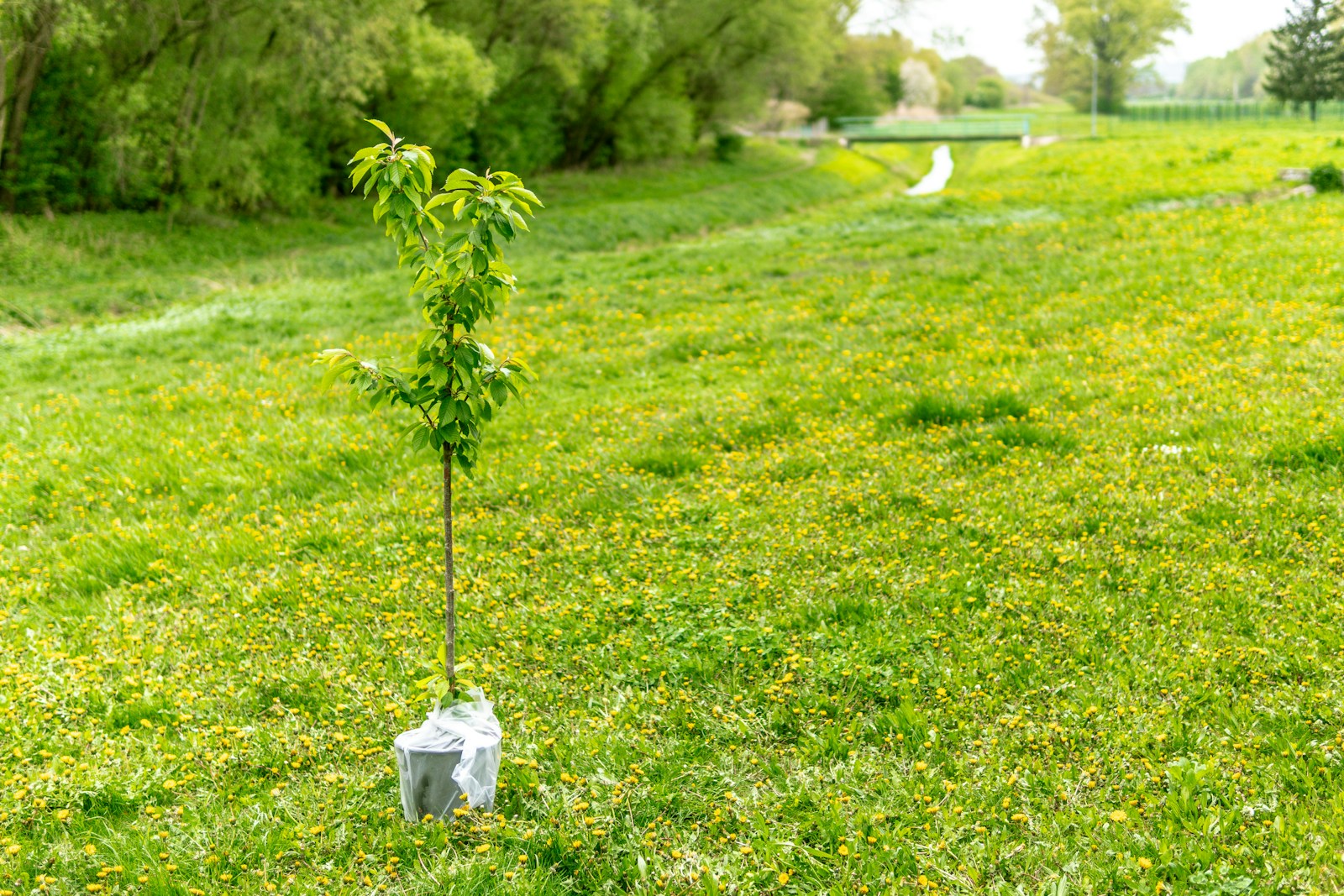
Start with a nursery-grown plant if you can. It saves years. Container plants go in best during early autumn or in spring once the soil can be worked. Avoid planting in the heat of summer, because young witch hazel wilts fast in dry soil.
Choose the spot with the final size in mind. This is a wide, vase-shaped shrub, and it resents being moved later. The edge of a wood, the north or east side of a house, or a gap under tall open trees all suit it. In cooler zones it flowers most heavily in full sun. In hot-summer areas, give it shade from midday onward.
Dig a hole as deep as the root ball and two to three times as wide. Set the plant so the top of the root ball sits level with the ground. Backfill with the soil you dug out, firm it gently, and water deeply. Then spread 2 to 3 inches (5 to 8 cm) of shredded leaves or bark mulch over the root zone. Keep the mulch a hand's width away from the stems.
Growing from seed is possible but slow. The woody seed capsules take a full year to ripen. When they dry, they snap open and throw the two glossy black seeds well away from the parent, often 20 feet (6 m) or more. To collect seed, pick capsules in early autumn as they turn tan, before they split, and let them open in a paper bag.
The seeds have a double dormancy, meaning they need a warm, moist spell followed by a cold one before they sprout. The simple method is to sow them outdoors in a pot of gritty compost and cover it with wire mesh against mice. Leave the pot outside through two winters. Expect seedlings in the second spring, and sometimes later.
Growing on
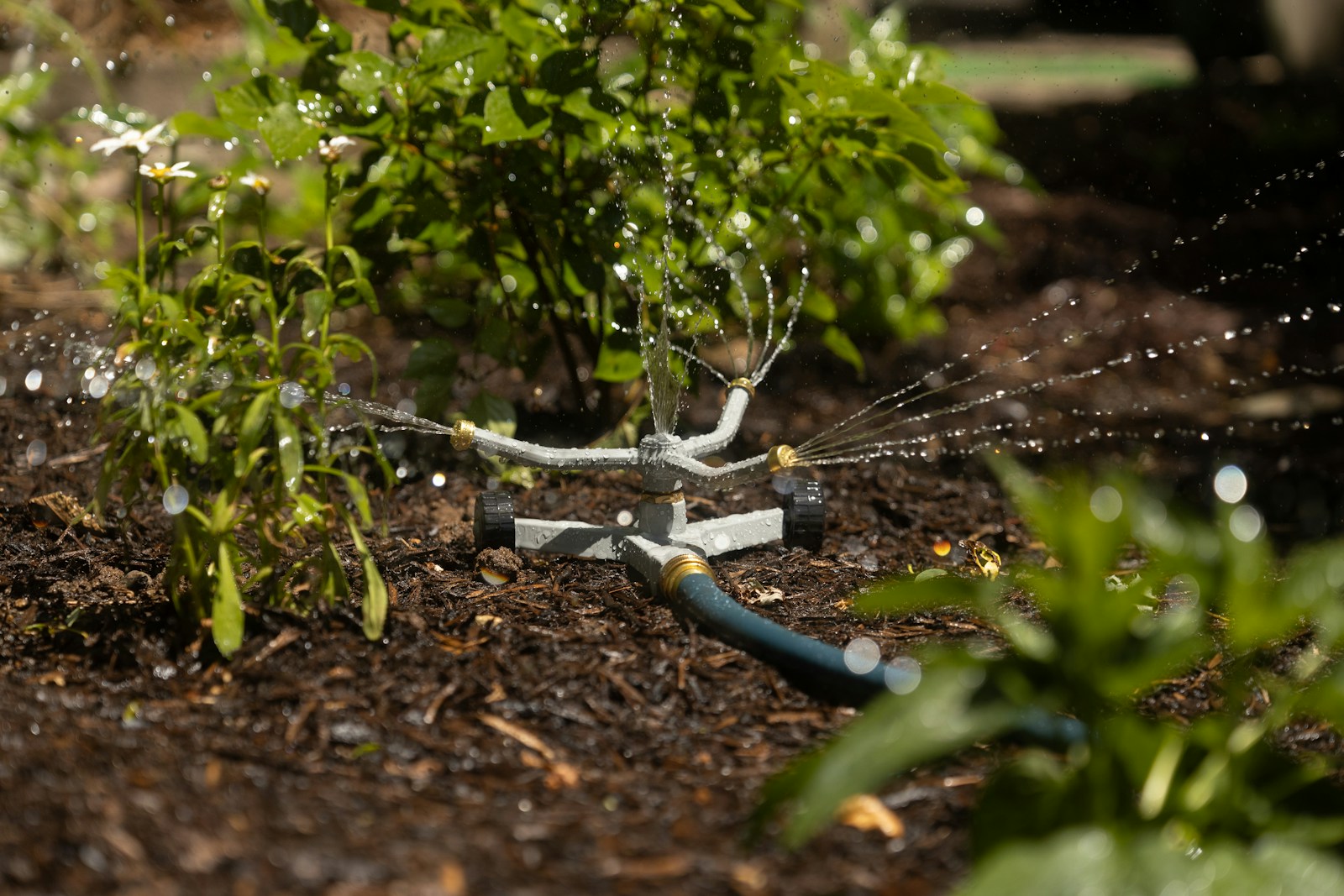
Water is the main job for the first two or three years. Give a deep soak once a week in dry weather, enough to wet the soil 6 inches (15 cm) down. Established plants cope with short dry spells, but long drought browns the leaf edges and thins the autumn flowers.
Feeding is rarely needed. Renew the mulch each year with shredded leaves or compost, and let the shrub's own fallen leaves lie. In very poor soil, a light dressing of a balanced slow-release fertiliser in early spring is enough.
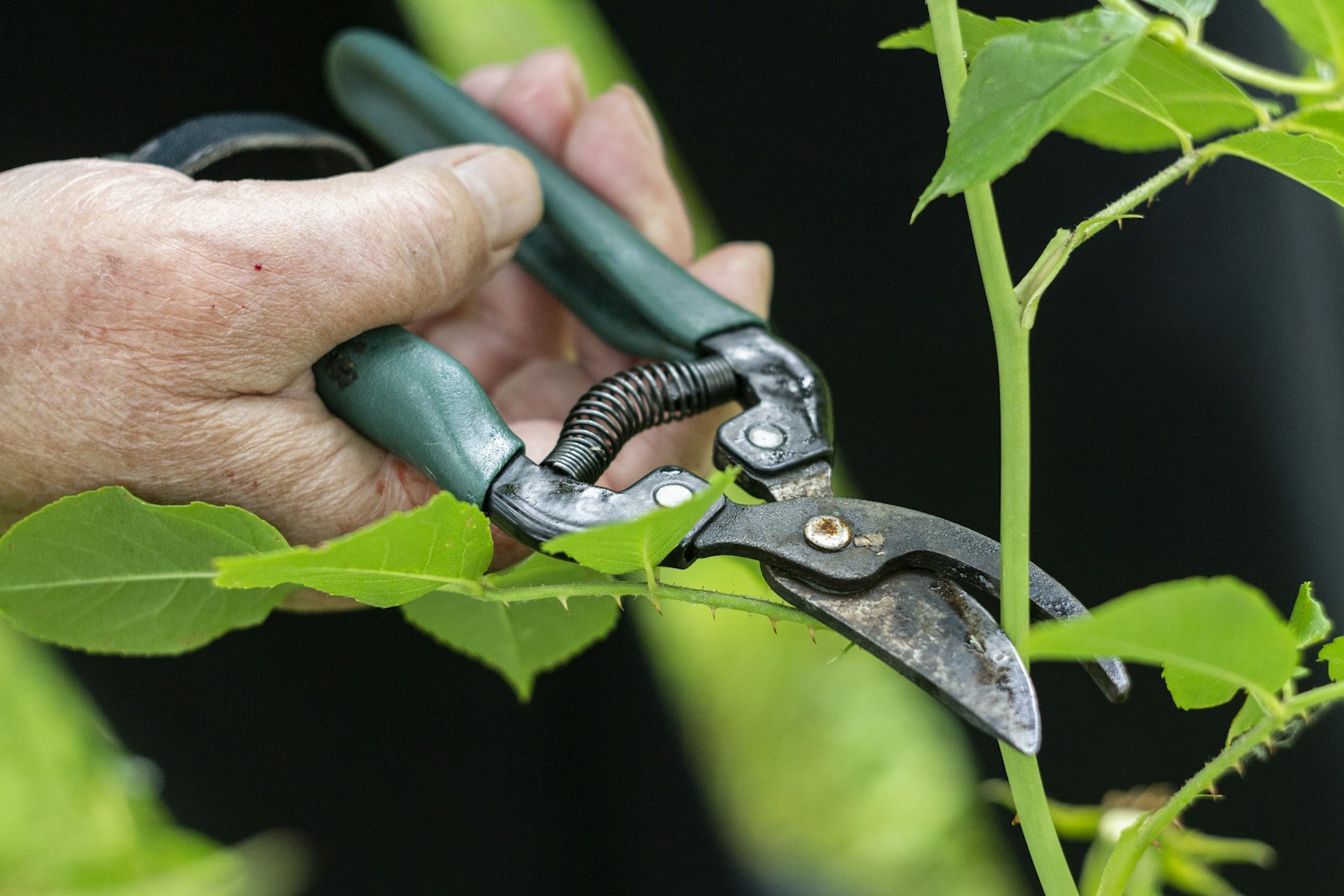
Witch hazel needs no support and very little pruning. Its natural shape, with stems arching up and out, is the point of the plant. Prune in late winter or early spring, after flowering is over and before new leaves open. Take out dead or crossing branches and cut back to a side branch or to the base. Avoid shearing it into a ball, which removes the flowering wood. Wear gloves and eye protection when you prune, and keep the blades of loppers and saws pointed away from your body.
Harvesting
Most gardeners grow witch hazel for its flowers, and the best harvest is a few cut branches. Cut them as the first ribbon-like petals unroll, and bring them indoors in a vase. On cold nights the petals curl up tight and then unroll again when it warms. That is normal and protects the flower.
The plant also has a long working history. The drugstore distillate sold as witch hazel is made from the dormant twigs and bark of this species. Native American peoples used the shrub first, and settlers learned it from them. Anthony Cavender's Folk Medicine in Southern Appalachia records that mountain families boiled the leaves in water and used the cooled liquid as a skin wash. It was dabbed on sunburn, pimples and swollen veins, and the bark was brewed for other complaints. Forked branches were also the traditional tool of water dowsers, who walked fields with them looking for a place to dig a well.
Those uses are reported here as history only. This article is not medical advice, and it does not recommend treating any condition with home-made preparations.
Do not drink or swallow home-made witch hazel preparations. The bark and leaves are high in tannins, which can upset the stomach, and the distillate sold in shops is labelled for external use only. Talk to a doctor or pharmacist before using any plant as a remedy.
Problems and pests
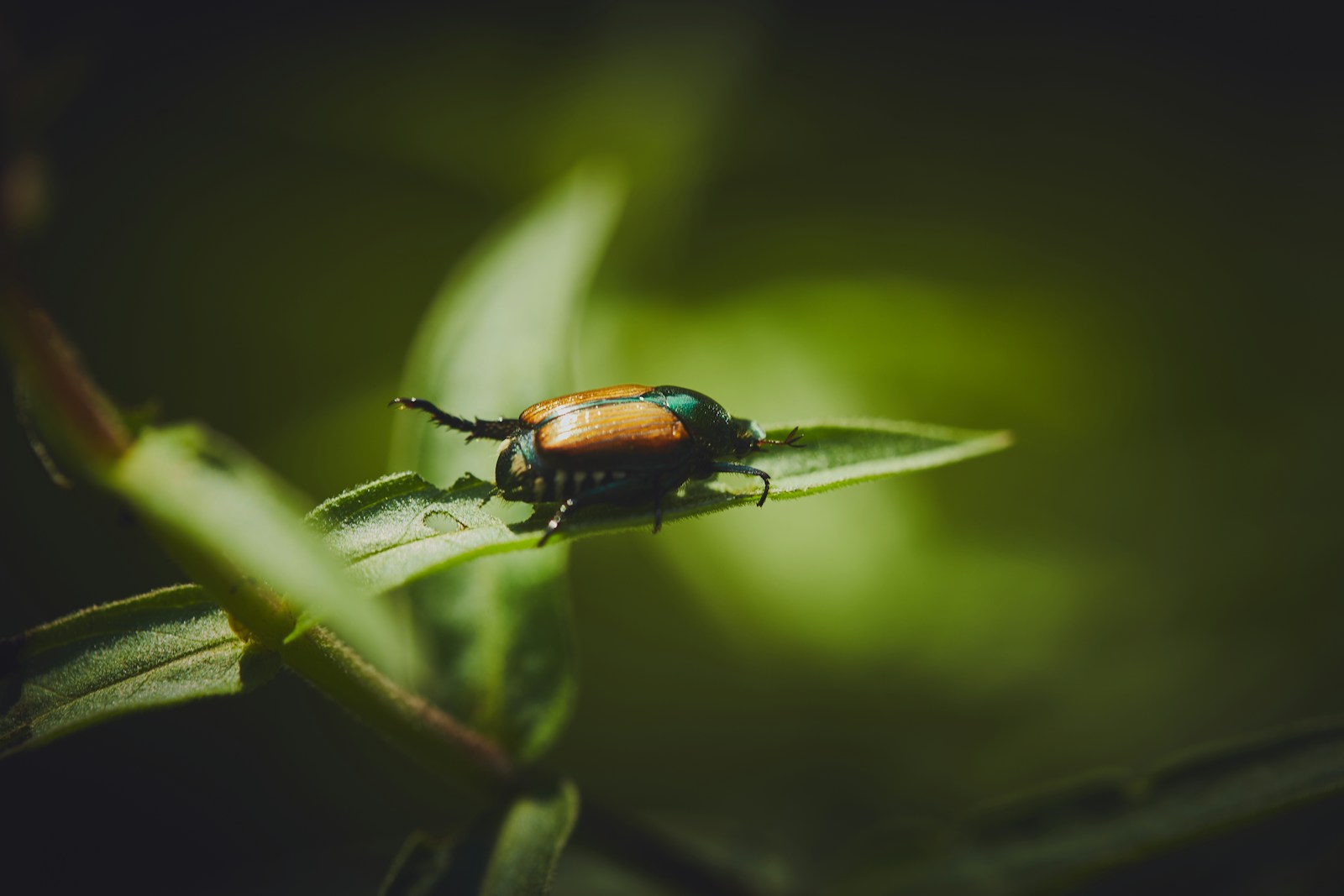
Green or red cone-shaped bumps on the upper side of the leaves
These are galls, swellings made by the witch hazel cone gall aphid. They look alarming but do no real harm. No treatment is needed. Pick off badly affected leaves if the look bothers you.
Spiny, bur-like growths where flower buds should be
A second aphid, the spiny witch hazel gall aphid, causes these. It spends part of its life on birch trees. Damage is cosmetic. Prune off the galls in summer if there are only a few.
Leaves chewed to lace in midsummer
Japanese beetles feed on witch hazel where they are common. In the cool of early morning, knock them into a bucket of soapy water. A healthy shrub recovers without help.
Brown, crisp leaf edges in late summer
This is leaf scorch from dry soil, hot sun or both. Water deeply, top up the mulch, and consider whether the plant needs more afternoon shade.
Bare lower twigs and ragged stems on young plants
Deer browse witch hazel in winter, and rabbits gnaw young bark. Circle new plants with a wire cage for the first few years.
Varieties worth growing
American witch hazel has only a handful of named selections, and most plants sold are unnamed seedlings. Those are perfectly good garden plants. The choices below include the species, two selections of it, a related native, and three popular hybrids. The hybrids are not American witch hazel. They are forms of Hamamelis × intermedia, a cross between the Chinese and Japanese species, and they flower in late winter instead of autumn.
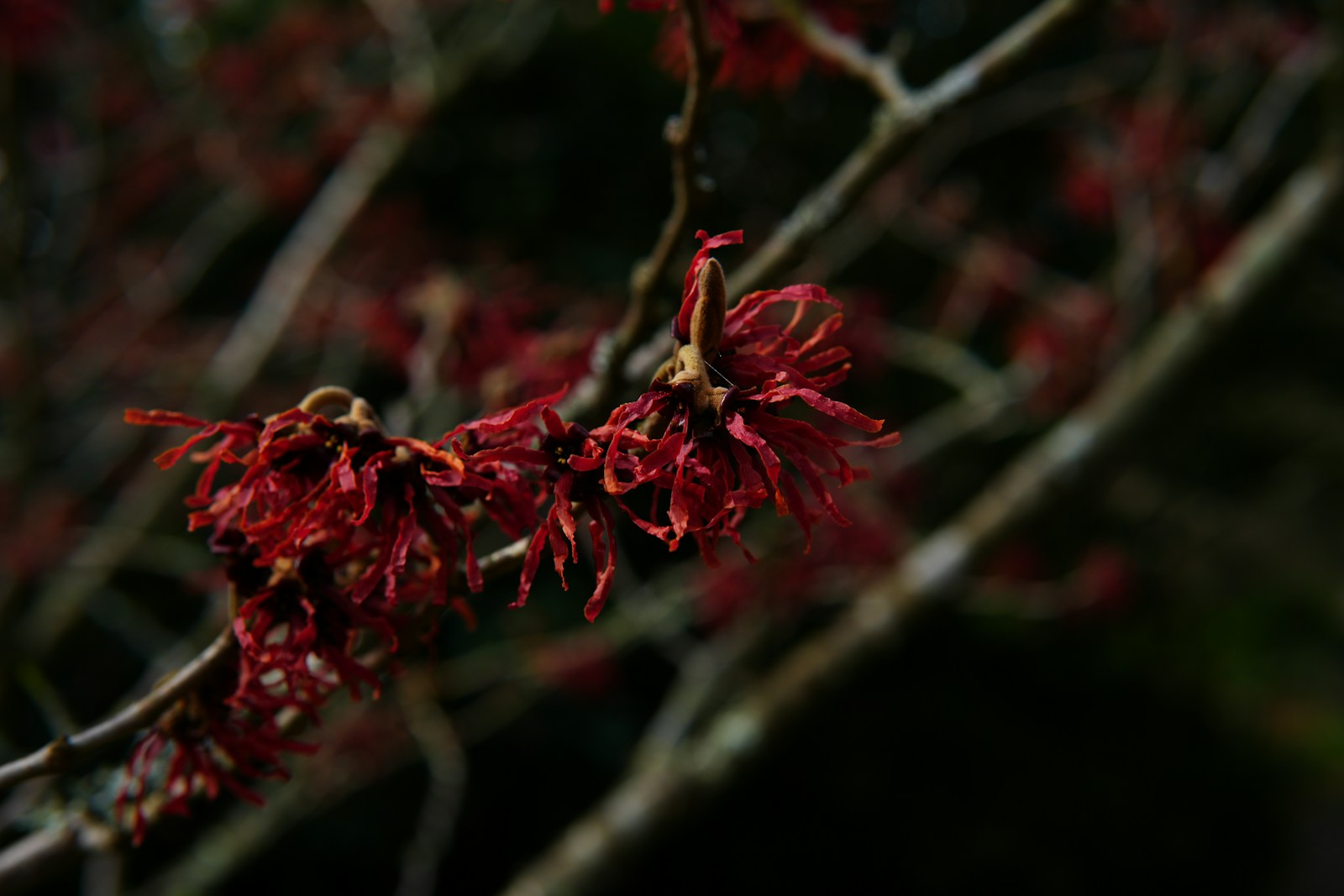
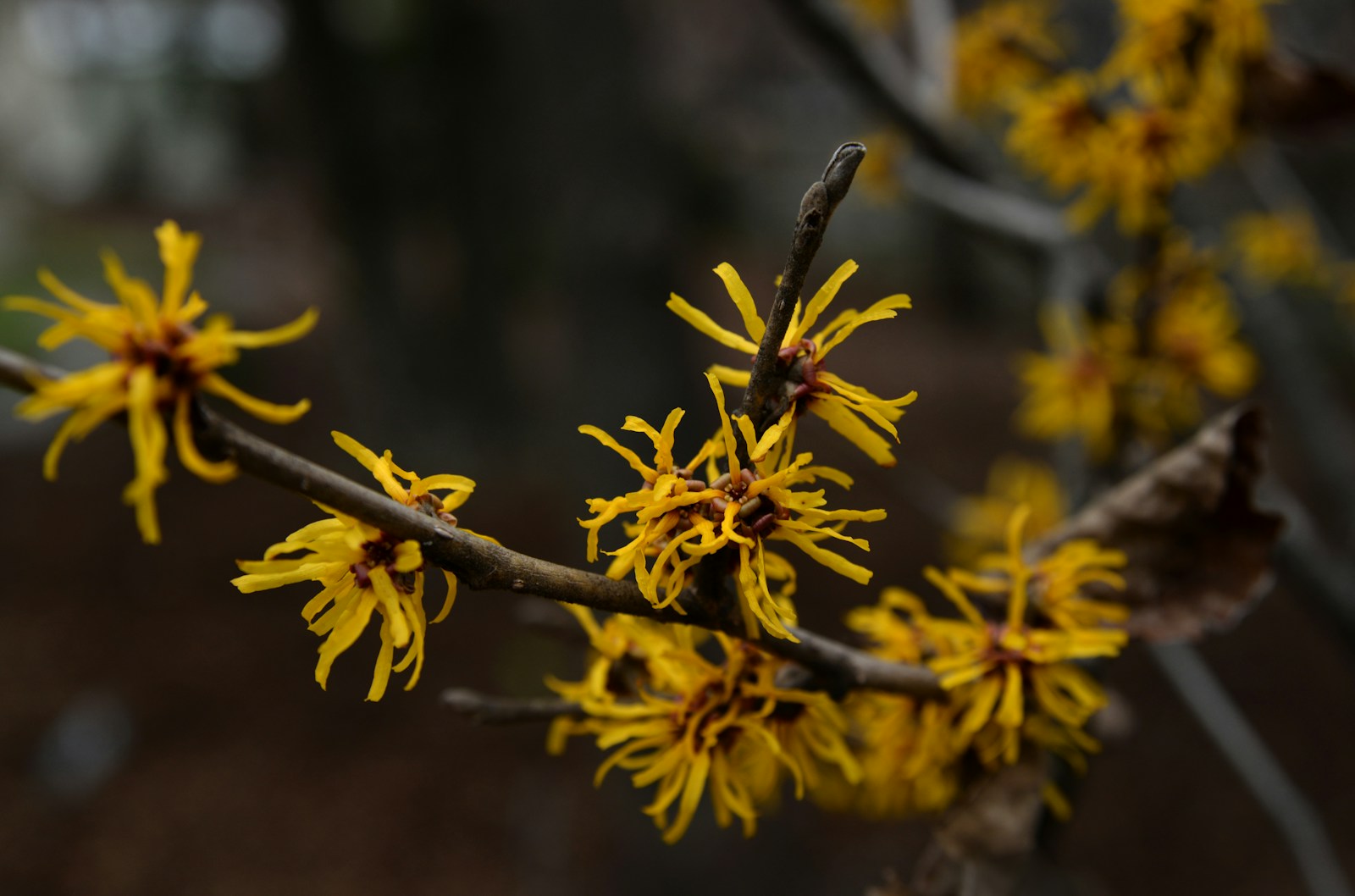
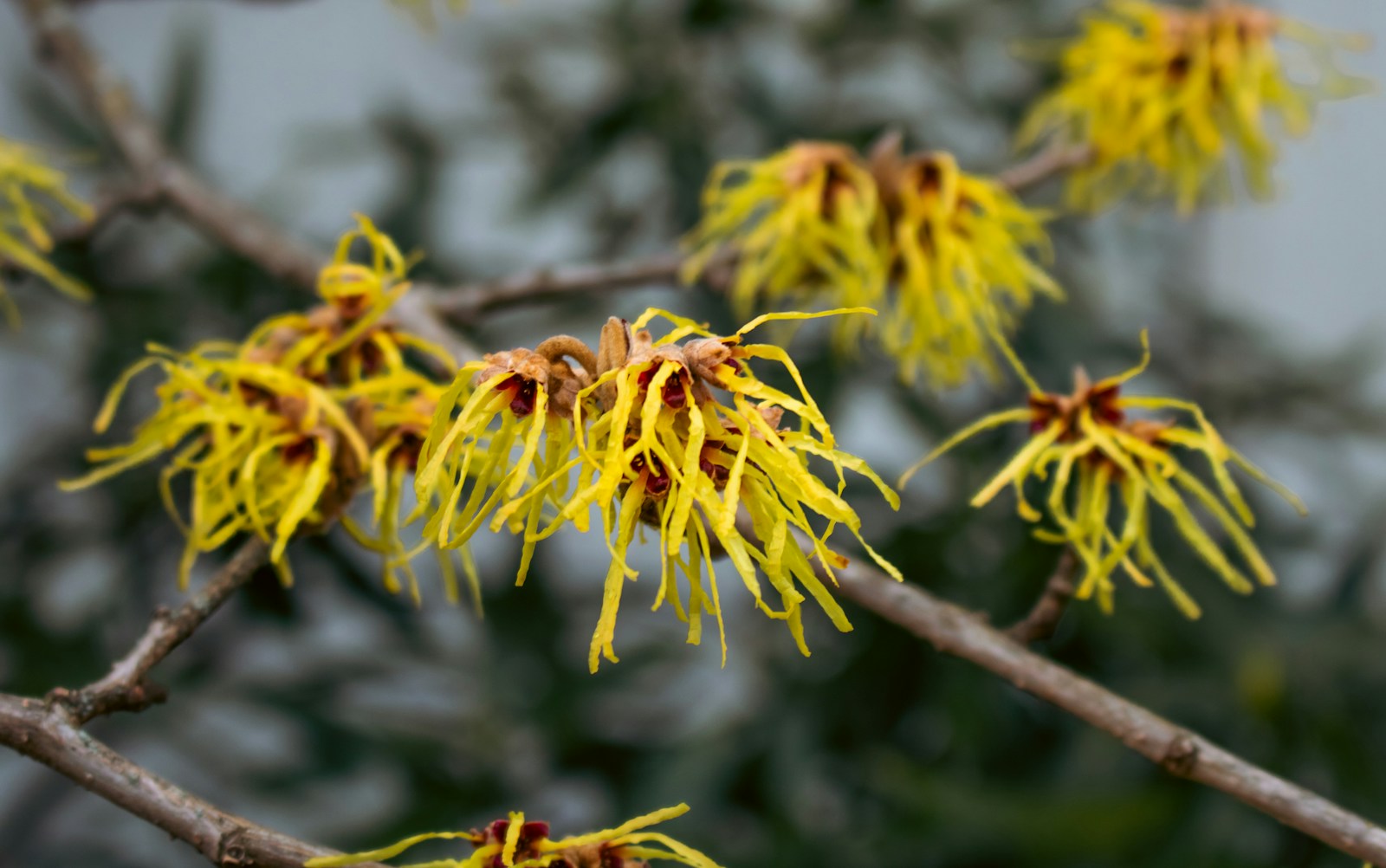
- Species (seed-grown H. virginiana): the true autumn-flowering native, and the best choice for wildlife plantings and woodland edges.
- 'Harvest Moon': a selection of the native chosen for larger, showier lemon-yellow flowers that open after the leaves have dropped.
- 'Little Suzie': a compact selection of the native that flowers young and suits smaller gardens.
- Ozark witch hazel (Hamamelis vernalis): a related native species, smaller and very fragrant, that flowers in late winter.
- 'Arnold Promise' (hybrid, H. × intermedia): clear yellow, scented flowers in late winter on an upright, spreading shrub.
- 'Jelena' (hybrid, H. × intermedia): coppery orange flowers and strong orange-red autumn leaf colour.
- 'Diane' (hybrid, H. × intermedia): among the reddest of the witch hazels, with rich autumn foliage.
Hybrids are usually grafted onto roots of American witch hazel. If a hybrid sends up shoots from below the graft that flower yellow in autumn, that is the rootstock taking over. Cut those shoots off at the base.