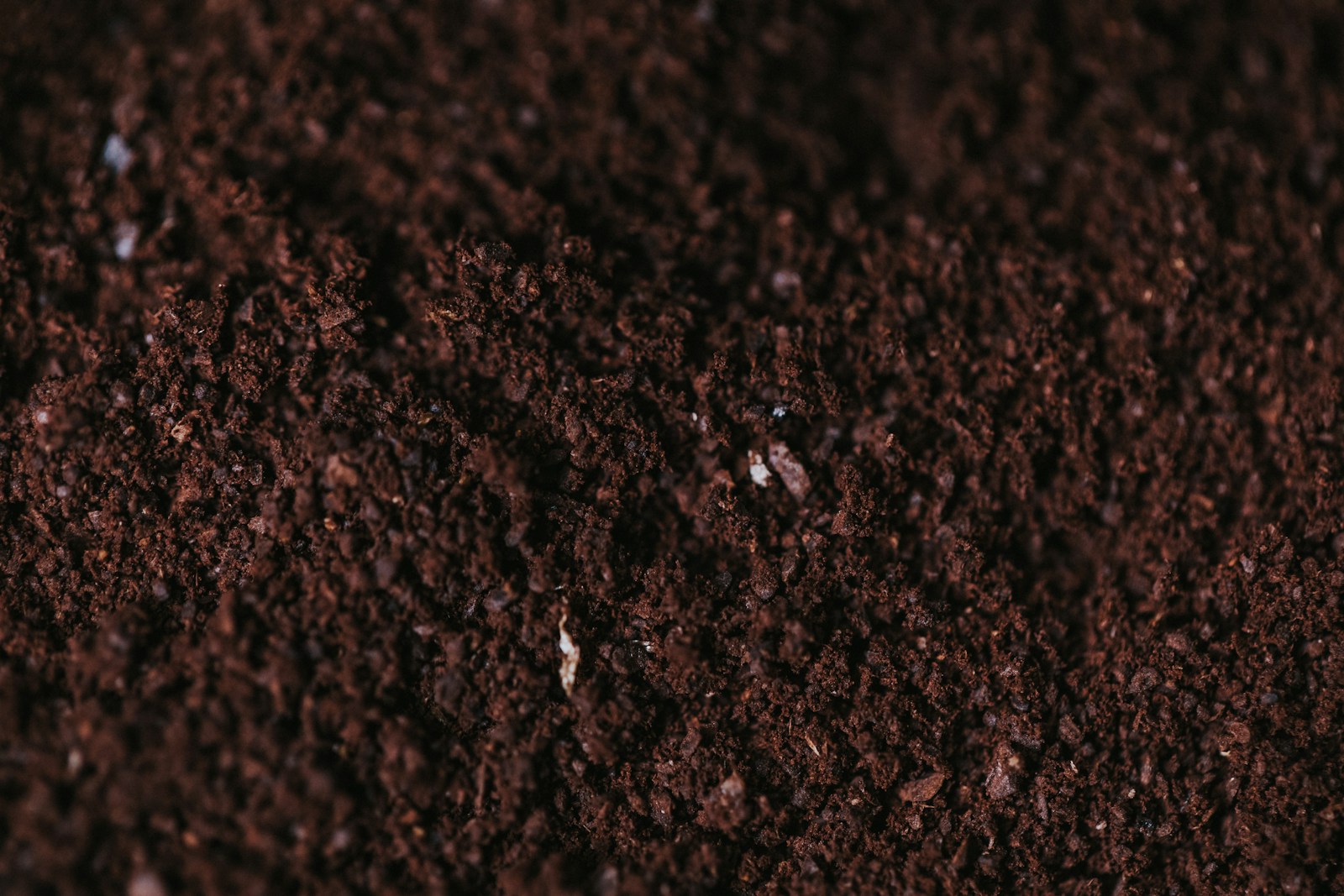
Wintergreen (Gaultheria procumbens) is a creeping evergreen shrublet native to the woods of eastern North America. You may know it as teaberry, checkerberry or mountain tea. It stands only a few inches tall, with glossy leaves that smell of wintergreen when crushed. White bell flowers come in summer, and red berries hang on through winter. Grow it as a groundcover under acid-loving shrubs and trees. It is easy in the right soil and close to impossible in the wrong one, so soil is the whole job.
Sowing and planting
Start with nursery-grown plants in pots. They are widely sold, often around the winter holidays for their berries. Do not dig wintergreen from the wild. Wild plants transplant poorly, and digging strips the woodland floor.
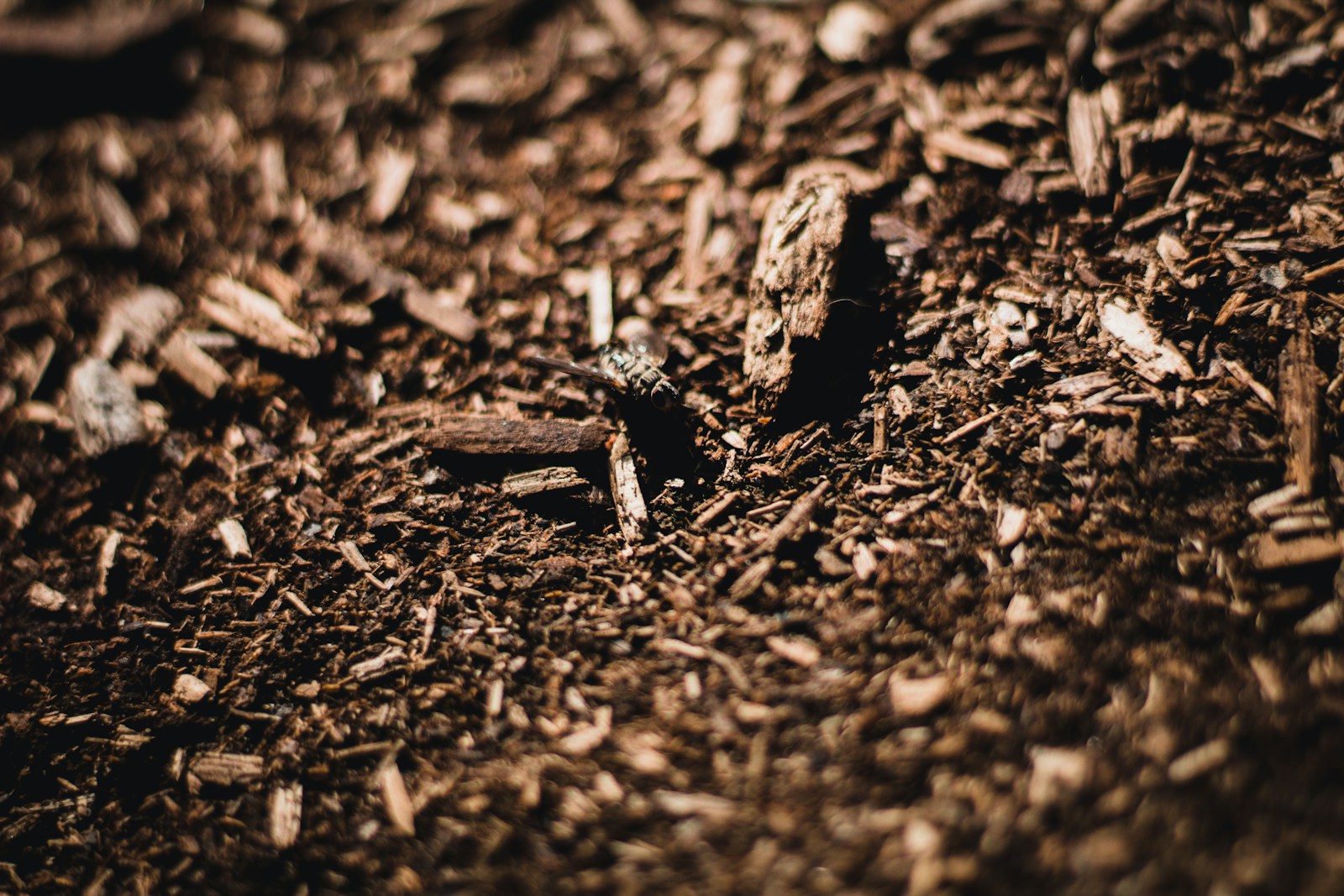
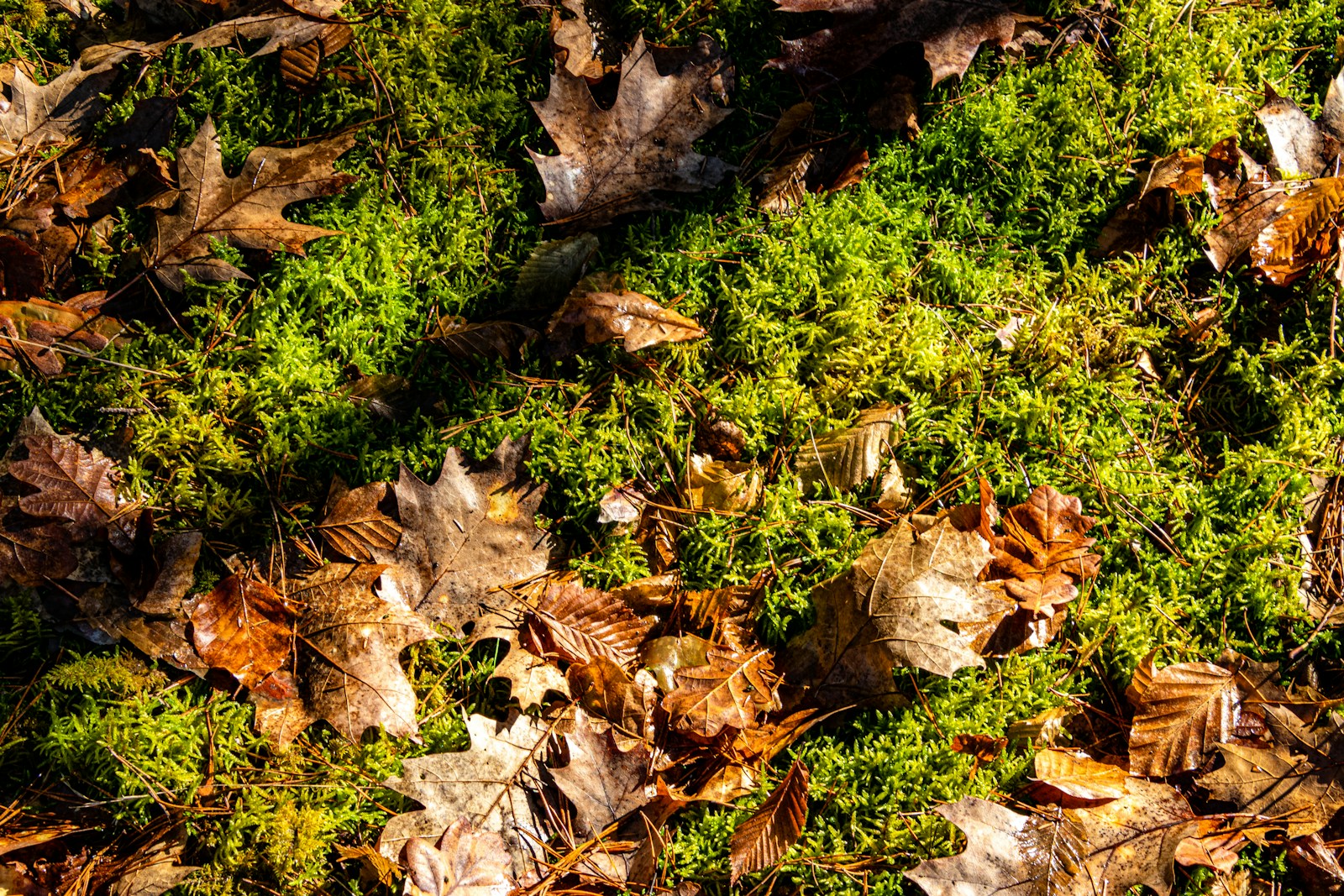
Plant in spring after the ground thaws, or in early fall at least six weeks before your first hard frost. Both windows give roots cool, damp weather to settle in.
Test your soil pH before you buy. pH measures how acid or alkaline soil is, and wintergreen needs it acid. If blueberries, azaleas or mountain laurel thrive nearby, you are likely fine. If your soil is neutral or limy, grow wintergreen in a pot or a raised bed filled with an acid mix. Changing the pH of open ground is slow and rarely lasts.
To plant:
- Loosen the top 6 inches (15 cm) of soil and mix in leaf mold, composted pine bark or peat-free ericaceous compost (compost made for acid-loving plants).
- Set each plant so the top of the root ball sits level with the soil surface. The roots are shallow, so do not bury the crown.
- Space plants 10 to 12 inches (25 to 30 cm) apart for a groundcover.
- Water well, then mulch with 1 to 2 inches (2.5 to 5 cm) of pine needles, shredded leaves or fine bark.
Seed is possible but slow. It needs cold stratification, which means several weeks of cold, damp conditions before it sprouts. Seedlings then take years to fill out. Division is quicker. In spring, lift a rooted runner with soil attached, replant it at once and keep it watered.
Growing on
Water is the main task in the first two years. Keep the soil evenly damp, as it would be under a forest canopy. Once established, wintergreen tolerates short dry spells in shade, but it browns quickly in dry, sunny ground. If your tap water is hard, use rainwater for pots when you can. Hard water slowly raises the pH.
Feeding is rarely needed. A fresh layer of leaf mold or pine needles each fall supplies enough. If growth is pale and weak in acid soil, use a light dose of fertilizer made for acid-loving plants in spring. Follow the label rate, wear gloves and store it away from children and pets. Never use lime, wood ash or mushroom compost near the bed. All three push the pH up.
No pruning or support is needed. Snip out dead or winter-burned stems in spring. Weed by hand, because a hoe cuts the shallow rhizomes. Expect slow progress. Plants often sit still in their first year and then creep outward a few inches each season. The leaves turn bronze or purple-red in cold weather. That is normal winter color, not a problem.
In pots, use an acid mix and a container with drainage holes. Keep the pot in shade and out of drying winter wind. In cold zones, sink the pot in the ground or move it against a sheltered wall for winter.
Harvesting
Oil of wintergreen (methyl salicylate) is toxic in small amounts. Swallowing even a little of the concentrated oil can poison a child. Keep any bottled oil locked away from children, and never make or take concentrated extracts. Anyone sensitive to aspirin should avoid wintergreen entirely.
The warning above concerns the concentrated oil, which is a chemical relative of aspirin. The plant in your garden is a traditional flavoring used in small amounts. Treat it that way.
Pick leaves any time once the patch is established. Take a few from each stem and never strip a plant, because it regrows slowly. Young, soft leaves in late spring are milder. Older leaves are leathery but carry more scent when crushed.
Berries ripen in fall and hold on the plant through winter, often into the next spring. They are mealy, with a mild wintergreen taste. Pick them by hand when fully red. Leave some for birds and small wildlife, and for the winter display.
Wintergreen has a long history in the Appalachian mountains. Anthony Cavender's Folk Medicine in Southern Appalachia records the leaf, under the name mountain tea, as a household remedy for colds and fevers and as a flavoring. Mountain families also chewed the leaves to sweeten the breath, and a tea was given for scrofula, a swelling of the neck glands. These are historical notes only. This article is not medical advice, and wintergreen is no substitute for medical care.
Problems and pests
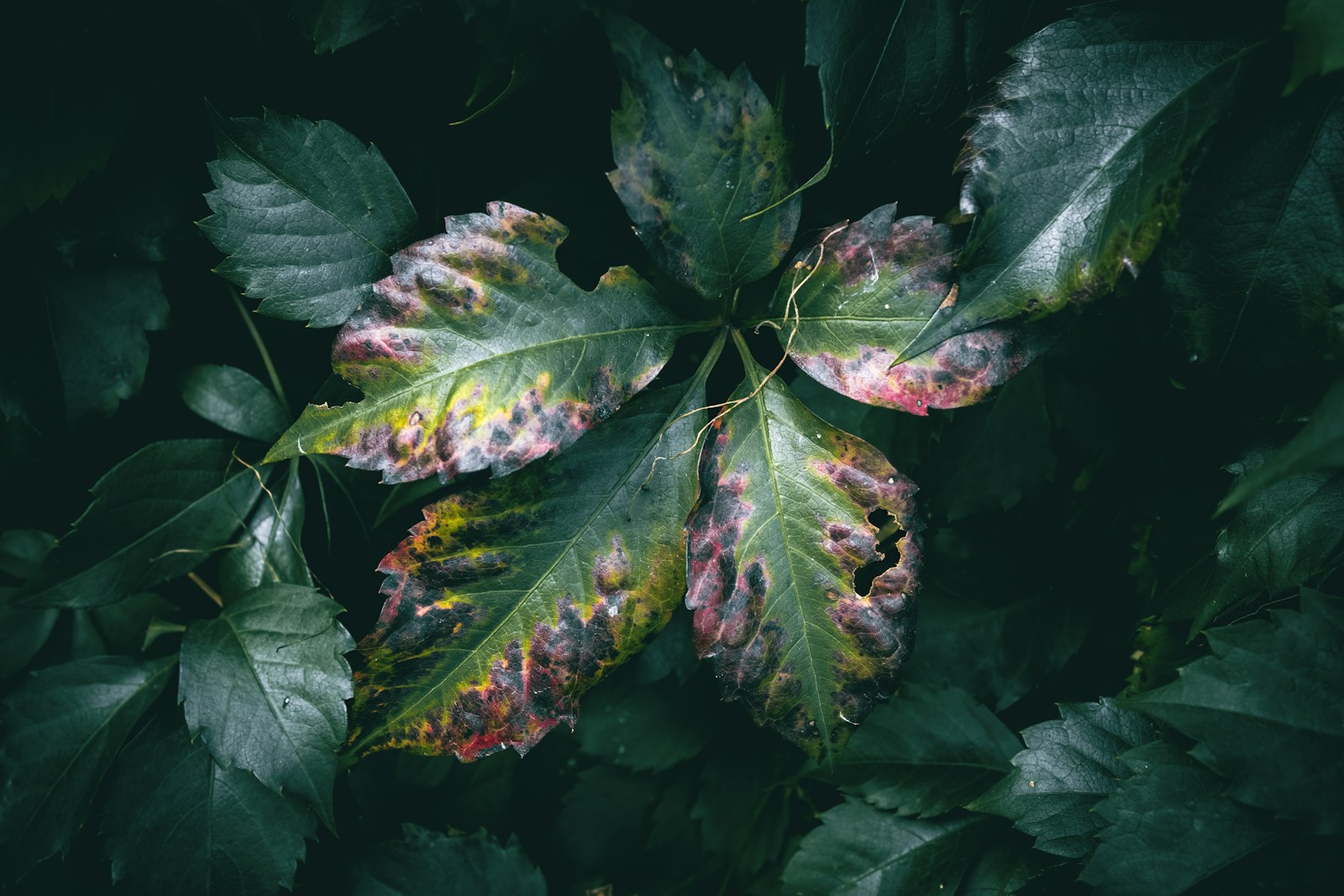
Leaves turn yellow between green veins
This is chlorosis, caused by soil that is not acid enough. The plant cannot take up iron at a high pH. Test the pH. Mulch with pine needles, water with rainwater, and move the plant to an acid bed or pot if the soil is limy.
Brown, crisp leaf edges
The cause is dry soil, too much sun or winter wind. Water deeply, renew the mulch and give more shade. In exposed gardens, a layer of evergreen boughs over the patch in winter cuts wind scorch.
Plants wilt and collapse in wet ground
Root rot follows waterlogged soil. There is no cure for a rotted plant. Replant healthy divisions in a raised spot, or improve drainage with coarse bark worked into the soil.
Spots or a white film on leaves
Fungal leaf spot and powdery mildew show up in still, humid air. Pick off the worst leaves and put them in the trash, not the compost. Thin overhanging growth to move air, and water the soil, not the foliage.
A patch that will not spread
Slow growth is normal, but a patch that stalls for years is usually too dry, too dark or too crowded by tree roots. Add leaf mold, water through dry spells and clear competing weeds. Deer and rabbits usually leave wintergreen alone, so browsing is seldom the cause.
Varieties worth growing
Wintergreen has few named varieties, and most plants are sold simply as the species. That is a good choice, especially for a native woodland planting. These named selections are sometimes offered. All are chosen for larger or heavier berries, and supply varies by nursery.
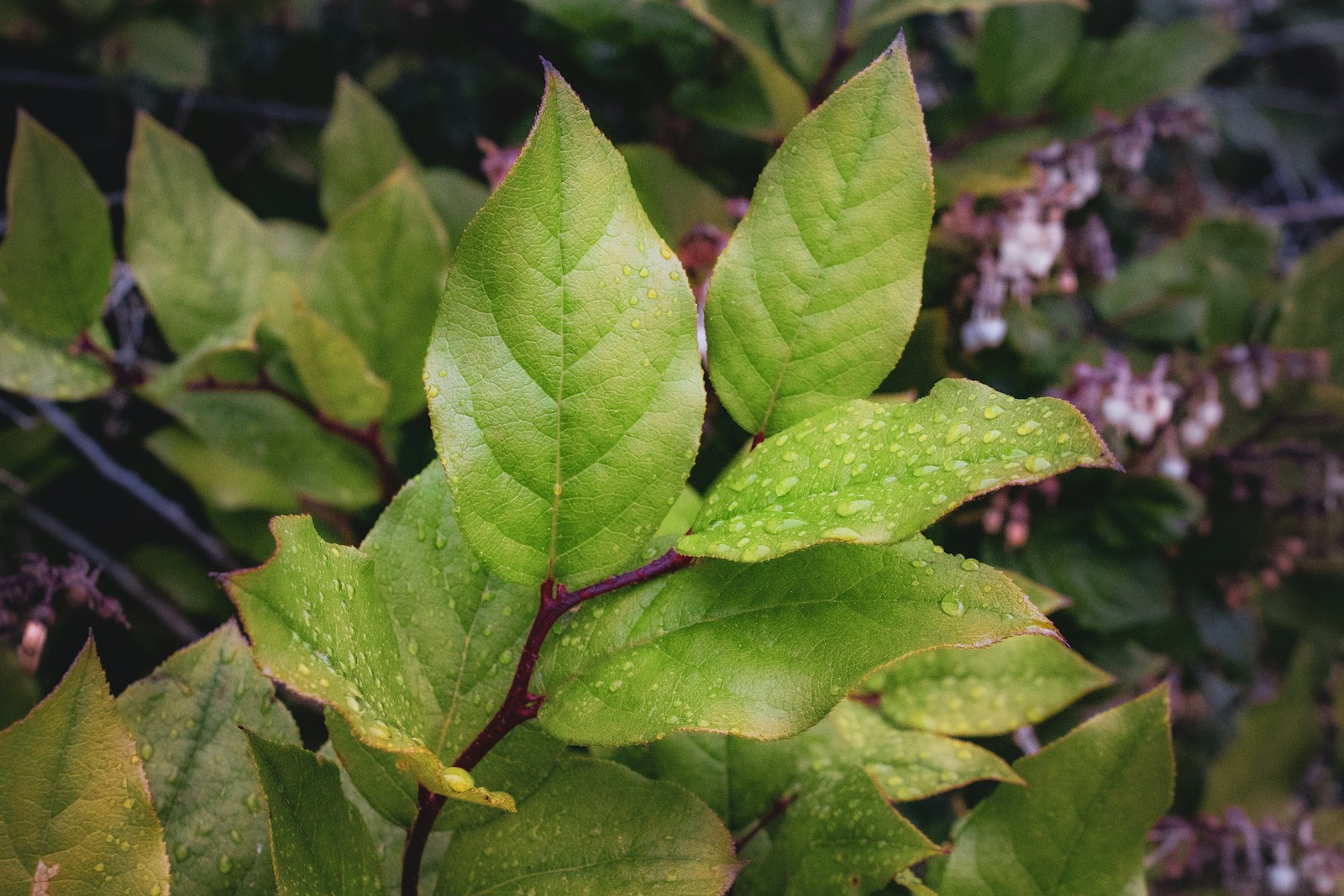
- 'Very Berry': a compact selection sold for a heavy crop of large red berries.
- 'Cherry Berries': grown for noticeably large, bright red fruit.
- 'Red Baron': a selection with a dense habit and good red winter color.
Related species, clearly different plants:
- Salal (Gaultheria shallon): a much taller evergreen shrub from the Pacific Northwest, with dark edible berries. It suits mild, moist climates.
- Creeping snowberry (Gaultheria hispidula): a tiny, mat-forming native of cold northern bogs with white berries. It is hard to grow outside cool, wet sites.