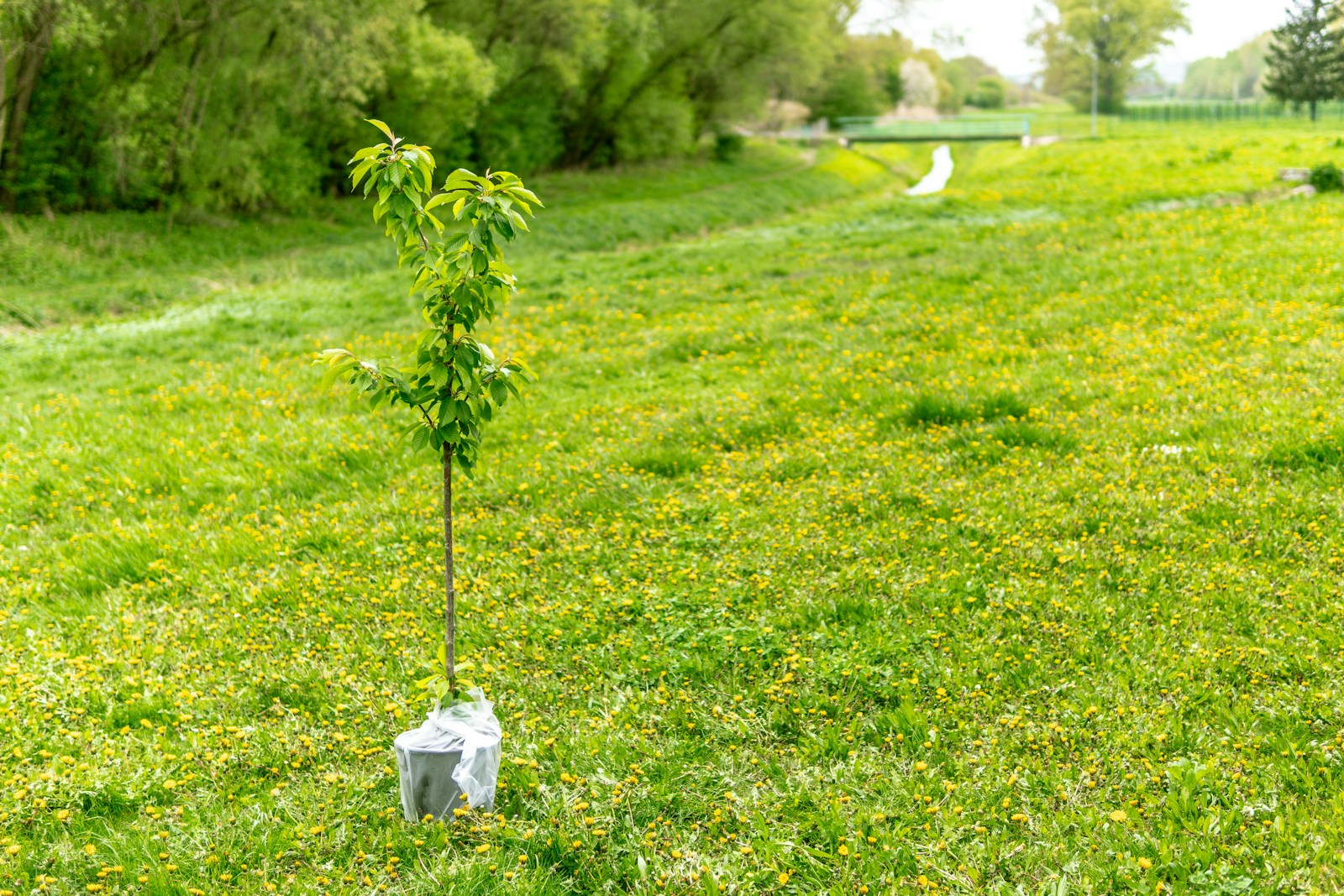
Wild black cherry (Prunus serotina) is the largest native cherry of eastern North America. It carries drooping spikes of white flowers in spring and small, dark, bittersweet fruit in late summer. Grow it for wildlife, for shade and for jelly, provided you have room for a forest-sized tree. Difficulty: easy, as long as you place it well and respect its toxic parts.
Sowing and planting
Decide on the site first. This is not a tree for a small yard. Keep it away from driveways, patios and decks, because the falling fruit stains. Keep it well away from any pasture or pen that holds livestock.
Safety warning: Wilted leaves, twigs, bark and pits of wild black cherry contain compounds that release cyanide. Wilted foliage on storm-broken branches is especially dangerous to cattle, horses, goats and sheep. Do not plant it where livestock can reach it, and clear fallen limbs from pasture at once. Never chew, crush or eat the pits.
Plant bare-root or container trees while they are dormant. Early spring, as soon as the soil can be worked, suits most gardens. Autumn, after leaf drop, also works where winters are moderate. Choose young trees. Black cherry grows a deep main root early, and large specimens resent transplanting.
Dig a hole twice as wide as the roots and no deeper. Set the tree so the root flare (the point where the trunk widens into roots) sits at soil level. Backfill with the soil you removed, water deeply, and mulch 2 to 3 inches (5 to 8 cm) deep. Keep the mulch clear of the trunk.
To grow from seed, collect ripe fruit and clean the pulp from the pits. The seed needs cold stratification, which means a period of moist chilling that breaks dormancy. The simple route is to sow pits outdoors in autumn, about 1/2 inch (1 cm) deep, and let winter do the work. Cover the bed with wire mesh to keep rodents out. Alternatively, store cleaned pits in damp sand in a refrigerator for three to four months, then sow in spring. Germination can be uneven, and some seed waits a second year.
Growing on
Water a new tree deeply once a week through its first two growing seasons whenever rain is short. After that, an established tree usually looks after itself.
Feeding is rarely needed. A yearly top-up of leaf mould or compost under the mulch is enough in most soils.
Give it sun. Black cherry is a pioneer tree, meaning it colonises open ground and grows poorly in deep shade. In full light, young trees can put on 2 feet (60 cm) or more in a year.
Prune only to build a sound frame. In the early years, keep a single leader (the main upright stem) and remove crossing or narrow-angled branches. Prune in dry weather during late winter dormancy, and cut out dead or damaged wood whenever you see it. The wood is somewhat brittle, so expect some storm breakage on older trees. Use sharp tools, wear eye protection, and leave any work that needs a ladder or a chainsaw to a qualified arborist. Do not burn or chip prunings where animals can get at them.
Birds spread the seed widely, so pull unwanted seedlings while they are small.
Harvesting
Fruit ripens in late summer, turning from red to a glossy purple-black. Each cherry is about 3/8 inch (1 cm) across and hangs in a drooping cluster. Ripe fruit comes away easily and tastes bittersweet with a slight astringent edge. Red fruit is unripe and harsh.
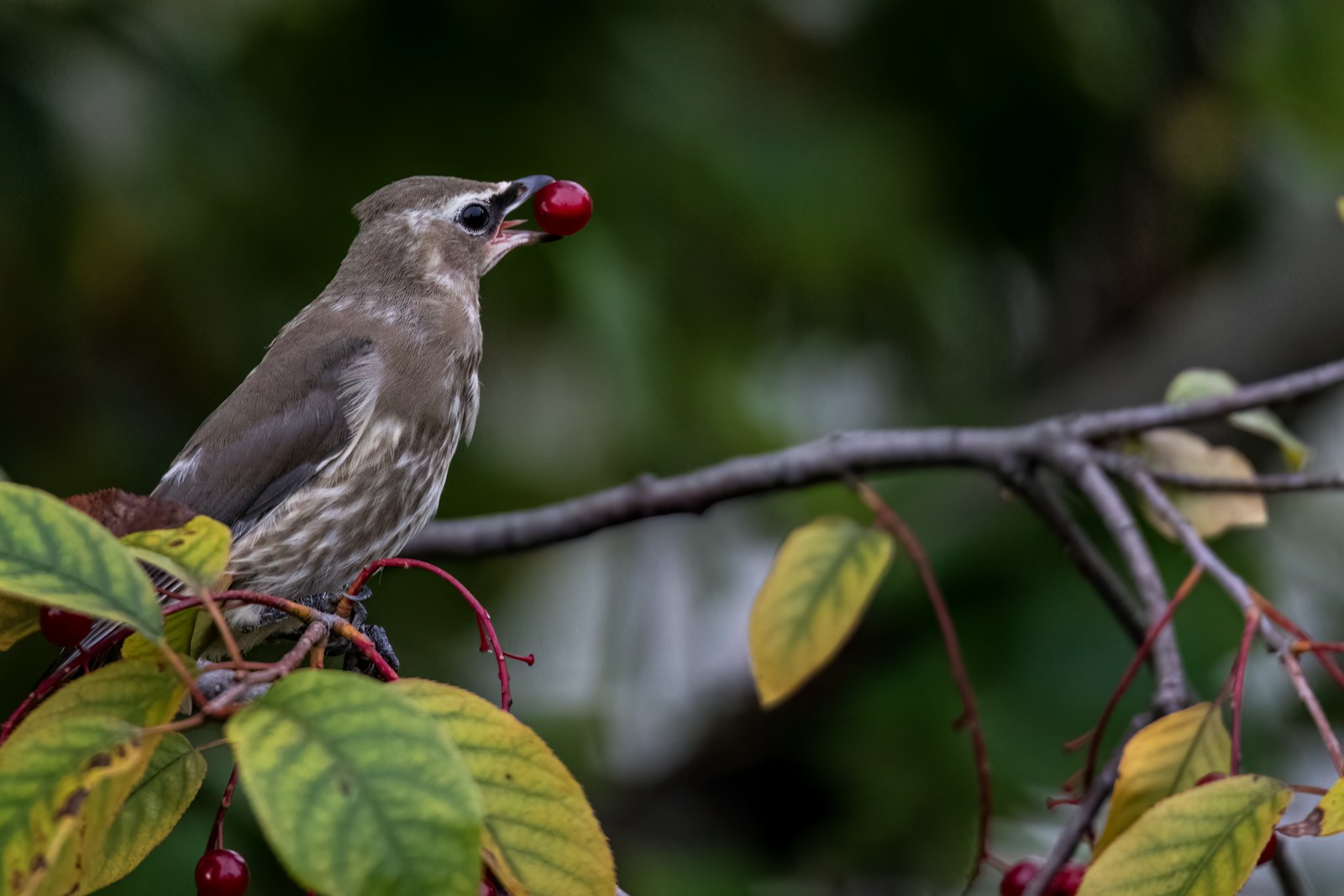
On young trees you can pick clusters by hand from low branches. On tall trees, spread a clean sheet under the canopy and gather what falls, or accept that the birds get the top. Many songbirds and mammals rely on this fruit, so leaving a share is no loss.
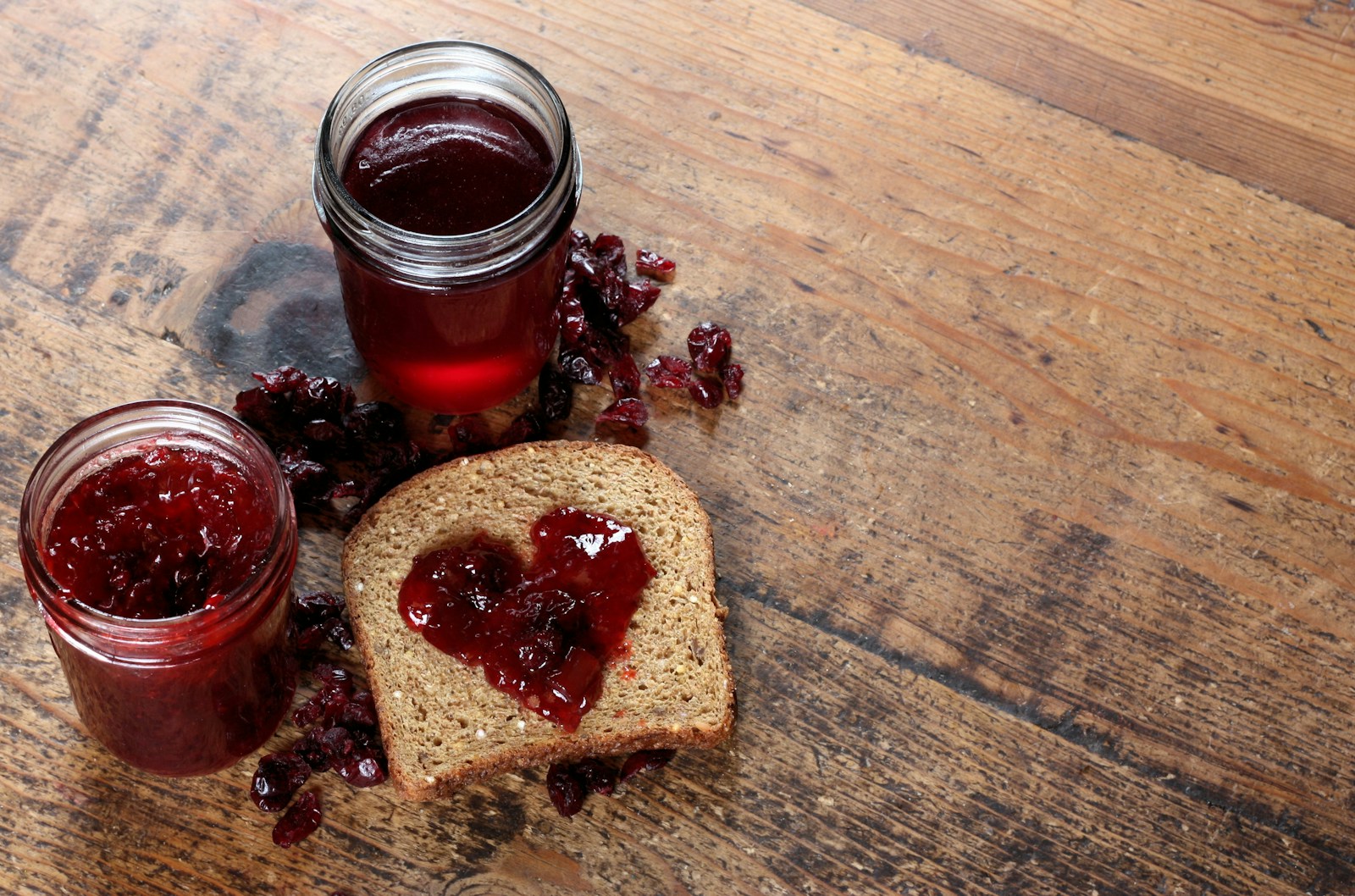
Use the fruit cooked and strained for jelly, syrup or juice. Simmer it whole and gently, then strain out the pits. Never crush, grind or blend the pits into the pulp.
Black cherry also has a long folk history in the southern mountains. Anthony Cavender's Folk Medicine in Southern Appalachia records the bark as the ingredient named most often in homemade cough syrups. Mountain families boiled it, strained it and sweetened it with honey or sugar, often alongside mullein. The bark was also gathered and sold to the herb trade for generations. This is history, not advice. The bark contains the same cyanide-releasing compounds as the leaves, and nothing in this article is medical advice.
Problems and pests
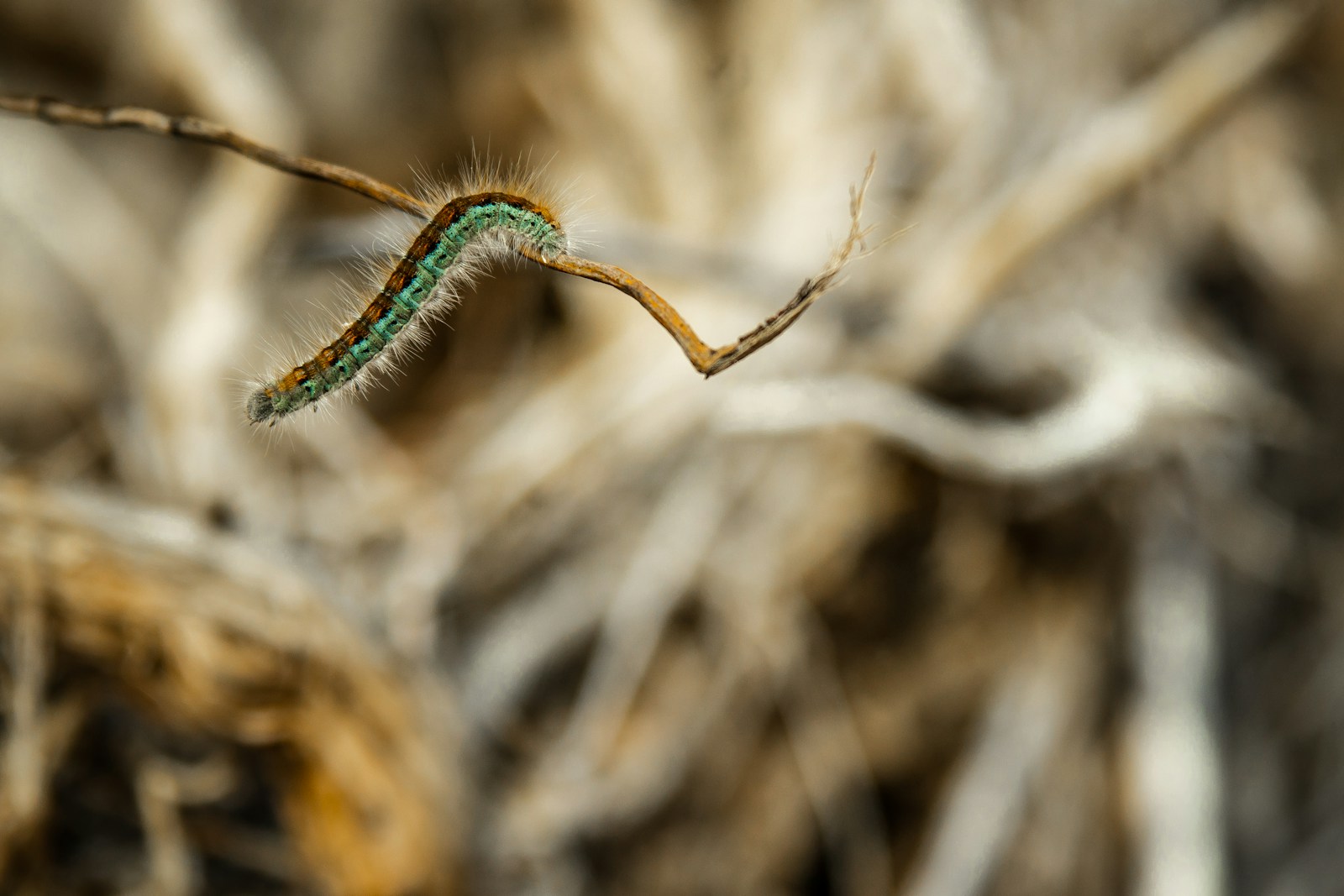
Silky white webs in branch forks in spring
Eastern tent caterpillars favour black cherry above almost any other tree. Healthy trees releaf after feeding. On small trees, pull the webs out by gloved hand in the cool of early morning, when the caterpillars are inside. In winter, look for the shiny, dark egg bands on thin twigs and prune them off. Never burn webs in the tree.
Hard, black, swollen growths on twigs and branches
This is black knot, a fungal disease of cherries and plums. Prune affected wood in late winter, cutting at least 4 inches (10 cm) below the swelling. Clean the blades between cuts and remove the prunings from the garden. A knot on the main trunk of a large tree is best left to an arborist to assess.
Leaves with purple spots that drop out, leaving holes
Cherry leaf spot and similar "shot hole" diseases are worst in wet seasons. They are mostly cosmetic on a vigorous tree. Rake up fallen leaves in autumn and keep the canopy open to moving air.
Broken limbs after storms
Brittle wood and fast growth make breakage common. Early structural pruning reduces it. Clear fallen branches quickly, since the wilting leaves are at their most toxic to grazing animals.
Purple stains and seedlings everywhere
This is a siting problem, not a disease. Plant away from paving and parked cars, and hoe or pull seedlings in their first year.
Varieties worth growing
Named cultivars of wild black cherry are scarce, and you are unlikely to find any in ordinary nurseries. Almost all planting stock is the plain species raised from seed. What you can choose is the type of stock and, if space is tight, a related species.
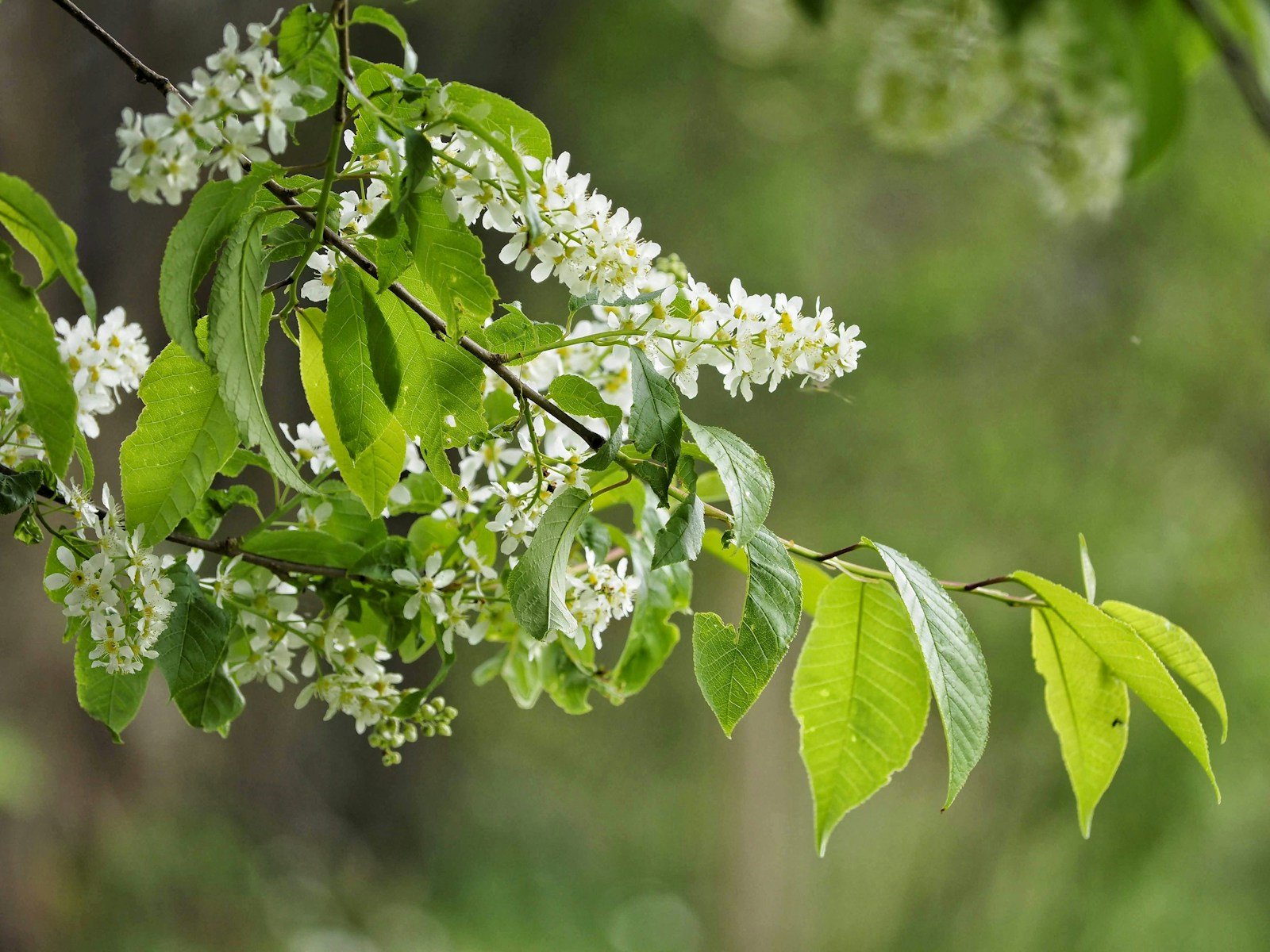
- Bare-root seedlings: the cheapest and best-establishing option, often sold by native plant nurseries and conservation tree programmes. Ask for seed from your own region where possible.
- Small container trees: plant at any time the ground is workable. Avoid pot-bound trees with circling roots.
- Capulin cherry (Prunus serotina subsp. capuli): a related form from Mexico and Central America with larger, sweeter fruit. It suits mild-winter climates only.
- Chokecherry (Prunus virginiana), a related species: a large shrub or small tree with similar flower spikes and very astringent fruit for jelly. It carries the same toxicity warning.
- Pin cherry (Prunus pensylvanica), a related species: a small, short-lived native tree with bright red fruit, useful for wildlife plantings in colder regions.