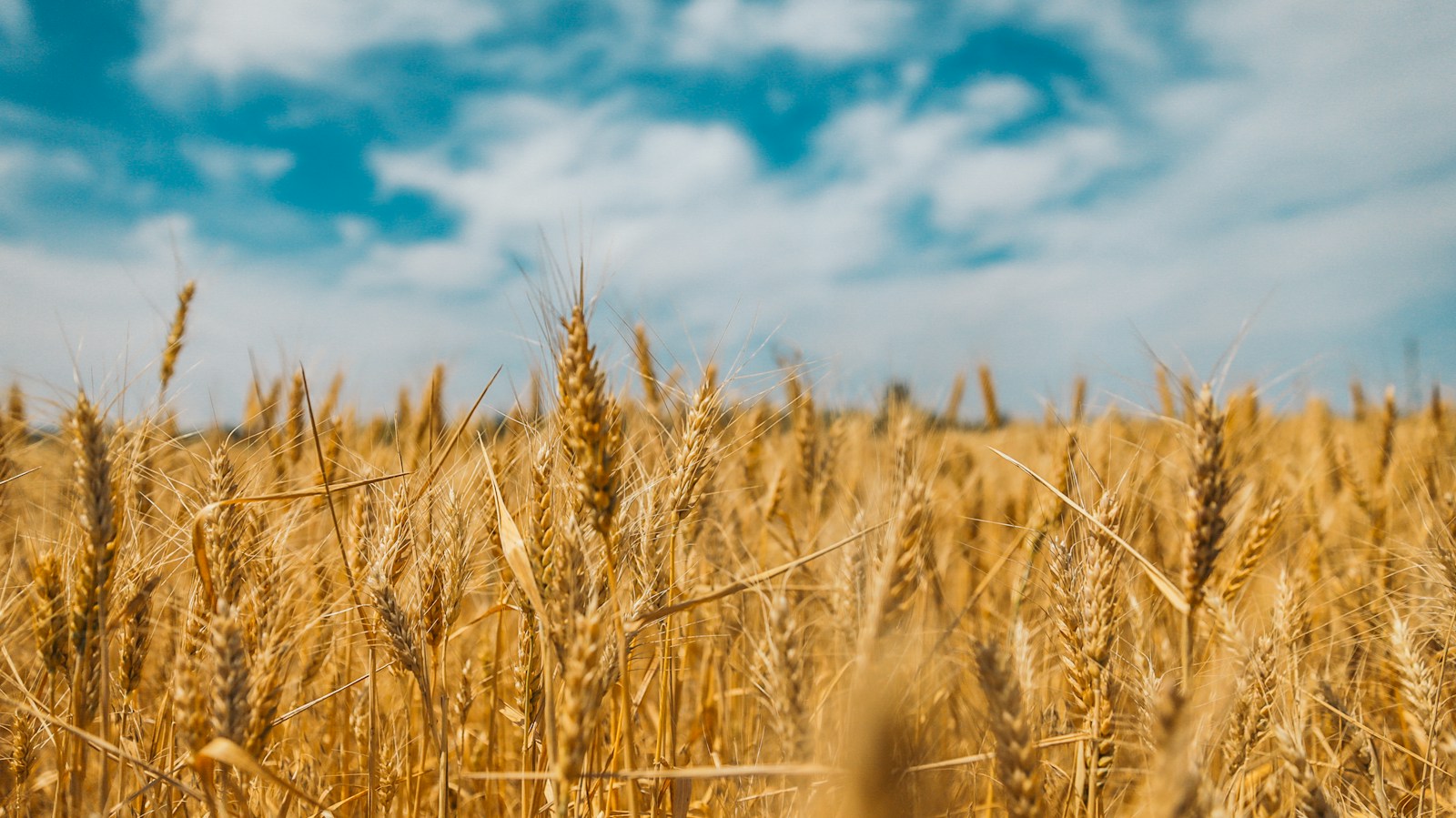
A backyard wheat plot turns a sunny bed into a sea of gold, and gives you grain to mill into fresh flour. Wheat is easy to grow. The key decision is choosing the right type for your climate and your kitchen. Harvest takes some elbow grease, since you cut, thresh and winnow it by hand.
Sowing and planting
Wheat is sorted three ways. Winter or spring decides when you sow. Hard or soft decides what you bake. Red or white describes the bran colour and flavour.
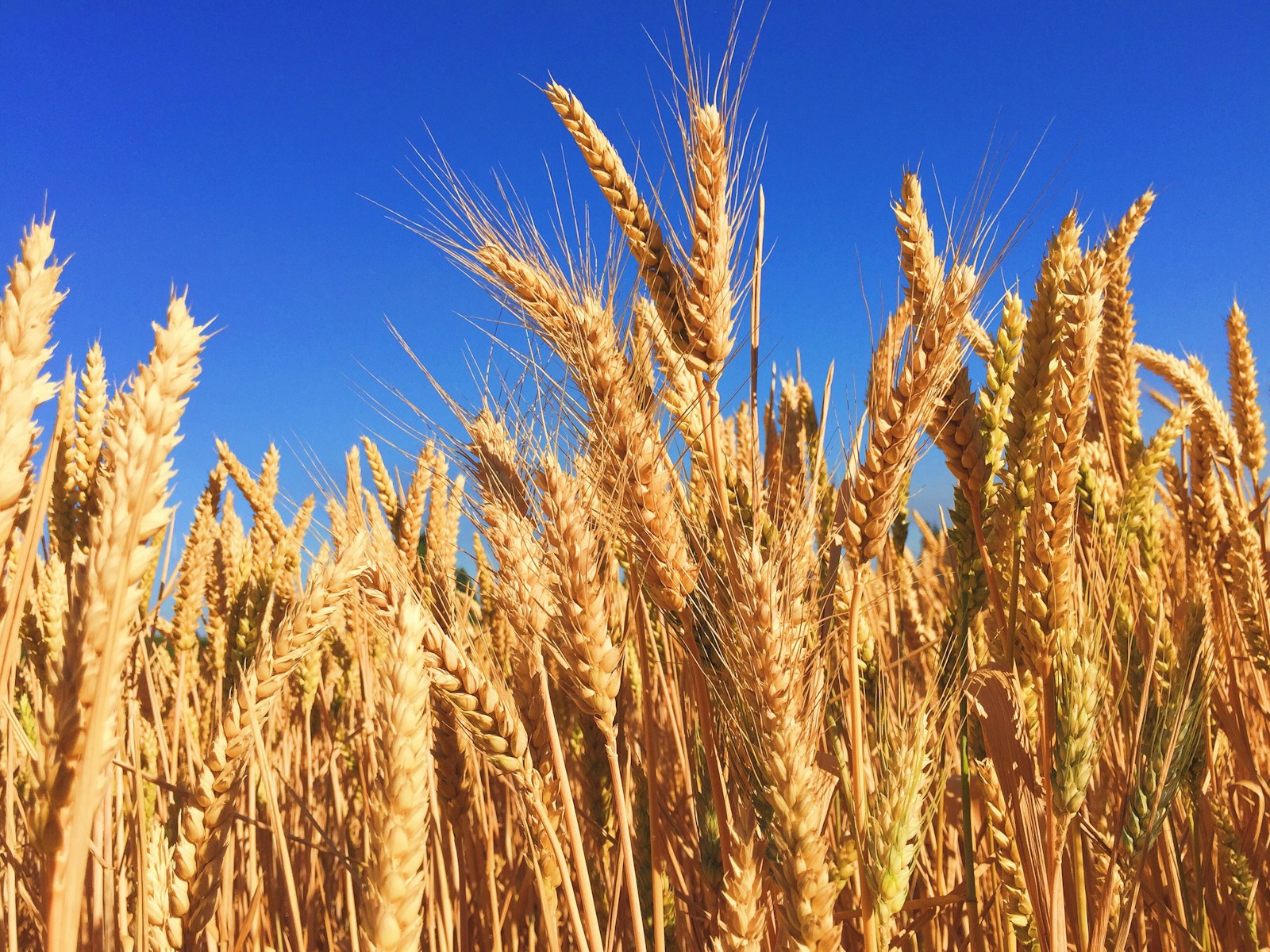
Winter wheat is sown in autumn, about 4 to 6 weeks before the ground freezes. That is often around your first frost date. The plants tiller (send up extra shoots from the base) before winter, then sit dormant. Cold triggers them to form heads the next spring. Winter wheat usually yields more than spring wheat and ripens before summer heat. In areas where the Hessian fly is a pest, local growers wait until after the recommended "fly-free" date to sow.
Spring wheat is sown as early as you can work the soil, about 4 to 6 weeks before your last frost. Seedlings tolerate light frost. Grow it where winters are too harsh for winter wheat, or if you missed the autumn window.
Winter wheat must go through winter to form heads. Sown in spring, it grows leafy and green all season but never makes grain. Always check whether your seed is a winter or a spring type.
Clear perennial weeds and rake the bed fine and level.
Broadcasting is quickest. Scatter the seed evenly by hand in two passes at right angles, rake it in to about 1 inch (2.5 cm) deep, and firm with the back of the rake. Rows 6 to 8 inches (15 to 20 cm) apart take longer but make hoeing easy. Drop a seed about every inch (2 to 3 cm).
For seed rate, use about 3 to 4 ounces of seed per 100 square feet (roughly 10 to 12 g per square metre). Go to the upper end when broadcasting or sowing late. A 10 by 10 foot (3 by 3 m) plot typically yields enough for several loaves.
Growing on
Water during dry spells from sowing until the heads fill, giving about 1 inch (2.5 cm) a week. Stop watering once the heads begin to turn gold.
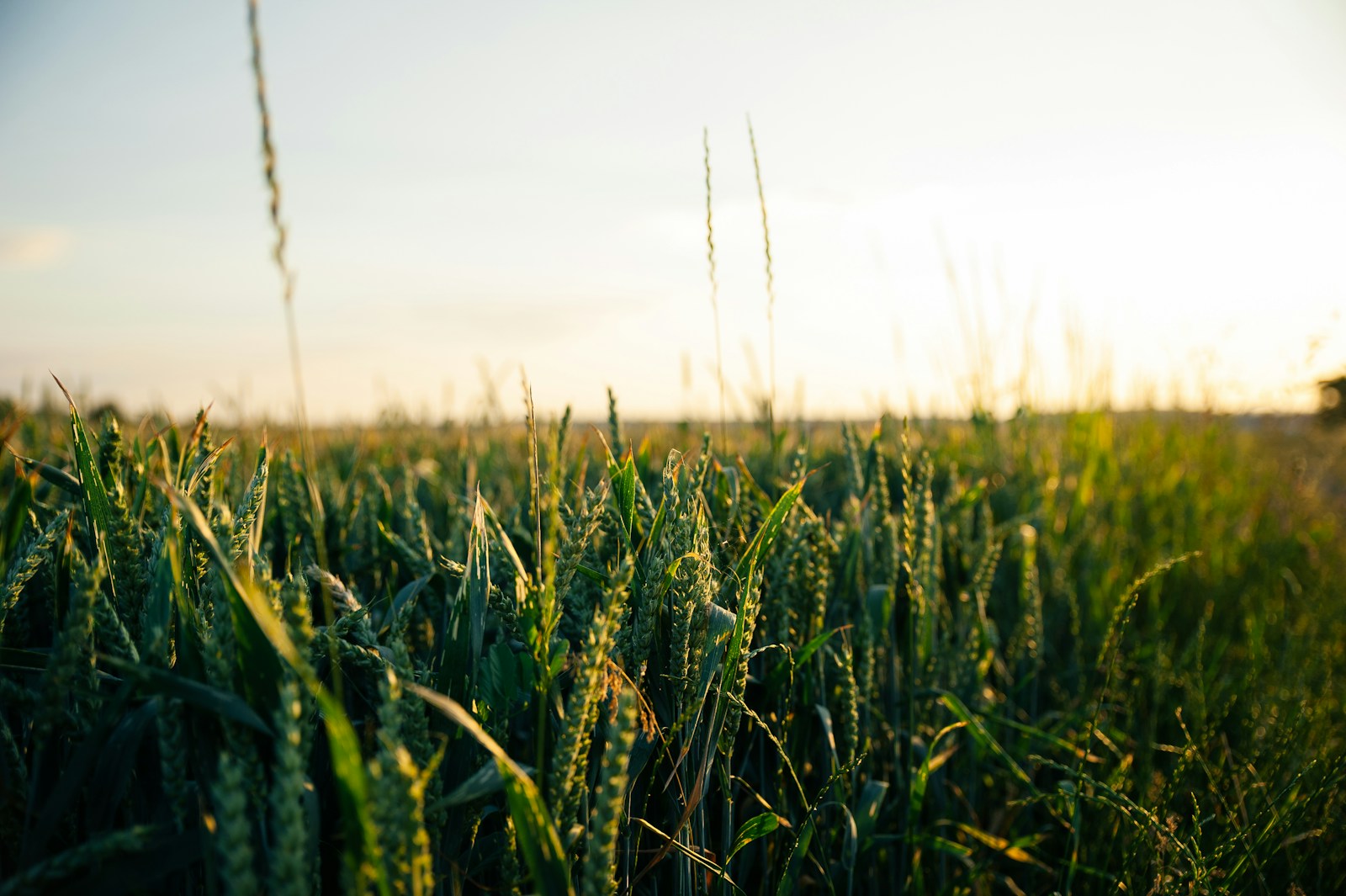
Wheat likes more fertility than barley or buckwheat. Work in compost before sowing. Give winter wheat a light top-dressing of compost or a balanced organic feed when growth resumes in spring. Do not overdo it, because too much nitrogen gives weak straw that falls over.
Weed carefully for the first 4 to 6 weeks. After that, the crop shades out most weeds. Hoe between rows, or hand-pull weeds in a broadcast plot.
Wheat does not need staking. On an exposed site, a string line along each side, at about knee height, helps it stay upright.
Winter wheat also works as a cover crop. Sown in autumn, it holds soil in place over winter and soaks up leftover nitrogen. Cut it in spring before the heads form. Leave it as mulch or dig it in, and wait 2 to 3 weeks before sowing into the bed.
Harvesting
Wheat is ripe when the plants and heads are golden and the stems below the heads have lost their green. Check the grain with the thumbnail test. Pull a few kernels from a head and press a thumbnail into one. If it dents easily or feels doughy, wait. If it is hard and barely marks, it is ready. Harvest on a dry day, after the dew has gone.
Cut the stalks near the ground with a sickle, hedge shears or a scythe. Tie them in sheaves (bundles) and stand several together, heads up, in a dry, airy place for 1 to 2 weeks to finish drying. Bring them under cover if rain threatens.
Threshing separates grain from the heads. Most modern bread wheat threshes free easily. Beat the heads inside a pillowcase or feed sack with a stick, or tread them on a tarp. A flail (two sticks joined by a short chain or strap) speeds things up on larger plots. Wear eye protection and gloves when threshing, since flying awns and chaff irritate.
Winnowing removes the chaff. Pour the grain slowly from one bucket into another, in front of a fan or in a steady breeze. The heavy grain drops straight down and the chaff blows away. Repeat until the grain is clean.
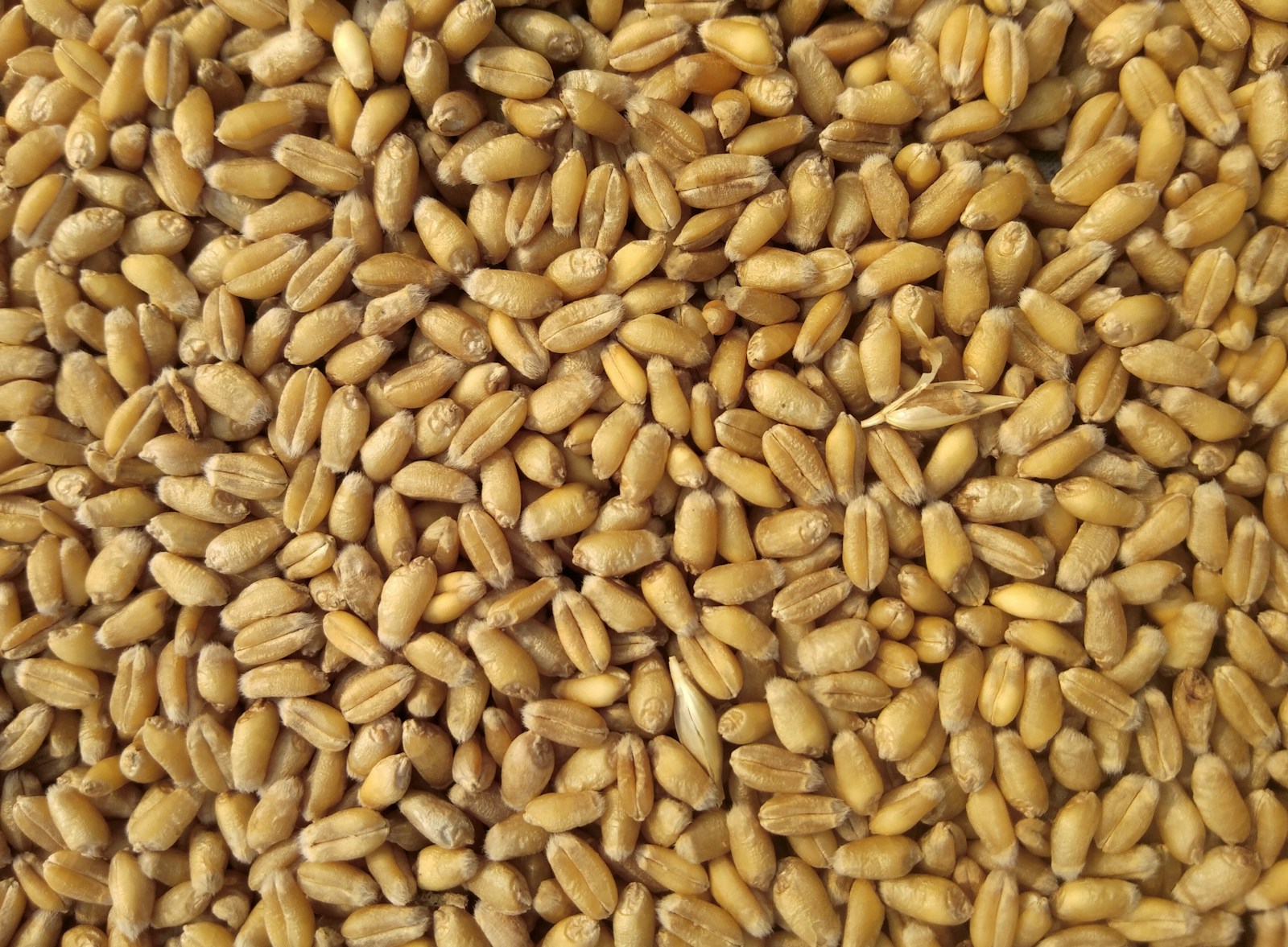
If kernels feel at all soft, spread them in a thin layer to dry for a few more days. Dry grain snaps cleanly when you bite it. Store it in airtight jars, tins or buckets in a cool, dry place. Freeze it for 3 to 4 days first to kill any insect eggs. Whole grain keeps for a long time. Mill only what you need, since fresh flour goes stale within weeks.
To save seed, keep back the plumpest grain from your best plants. Wheat is self-pollinating, so named varieties come true from saved seed.
Problems and pests
The crop falls over
This is lodging, caused by rich soil, heavy feeding or storms. Feed more lightly, choose a shorter variety, and run string lines along windy edges. Harvest flattened patches promptly.
Orange or rusty stripes and spots on leaves
Rust diseases are fungal and spread in mild, damp weather. Grow resistant varieties where you can. Avoid thick sowing, and rotate so wheat does not follow wheat in the same bed.
Birds strip the ripening heads
Sparrows and other seed-eaters harvest ripe wheat before you do. Cover small plots with bird netting as the heads start to colour. Rake seed in well at sowing time.
Grain sprouts in the head
Long rain on ripe standing wheat can make the grain sprout before harvest. Cut as soon as the thumbnail test says the grain is ready. Finish drying the sheaves under cover.
Weevils or moths in stored grain
Pests arrive in grain that was not dried or frozen before storage. Freeze it, store it in sealed containers, and check it every few weeks.
Varieties worth growing
Hard wheats have more protein and make bread flour. Soft wheats make tender pastry, cake and biscuit flour. Red wheats have a stronger, nuttier bran flavour. White wheats are milder and paler, which suits whole-grain baking.
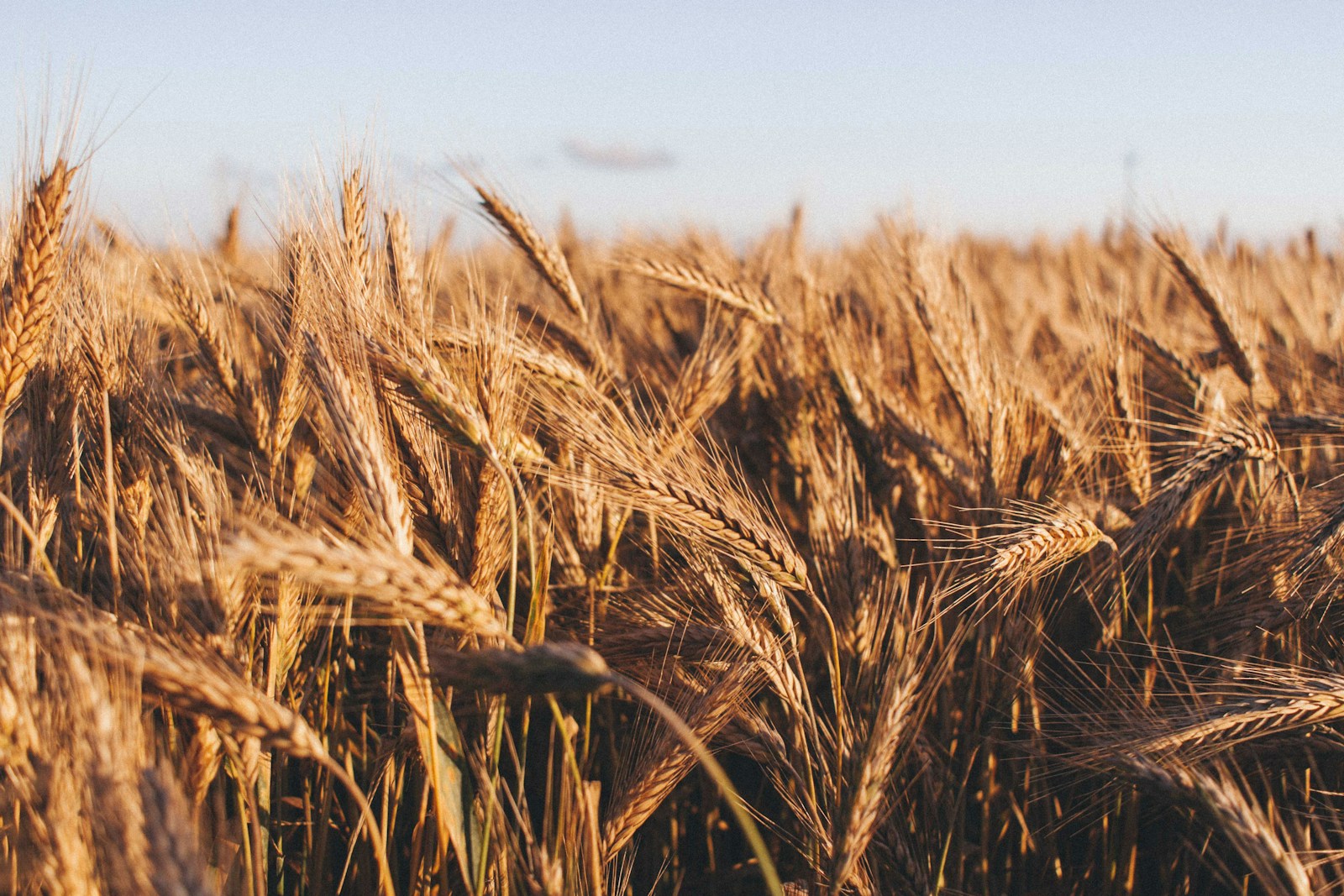
Winter wheat
- 'Turkey Red': A heritage hard red winter wheat with tall straw and a rich flavour.
- 'Rouge de Bordeaux': A French heritage red winter wheat valued by artisan bakers.
Spring wheat
- 'Red Fife': A historic Canadian hard red wheat, grown by bakers for its full flavour.
- 'Marquis': A classic hard red spring wheat bred from 'Red Fife', earlier ripening.
- 'Glenn': A modern hard red spring wheat bred for bread flour on the northern plains.
- 'White Sonora': A heritage soft white wheat for tortillas and pastry, suited to warm, dry regions.