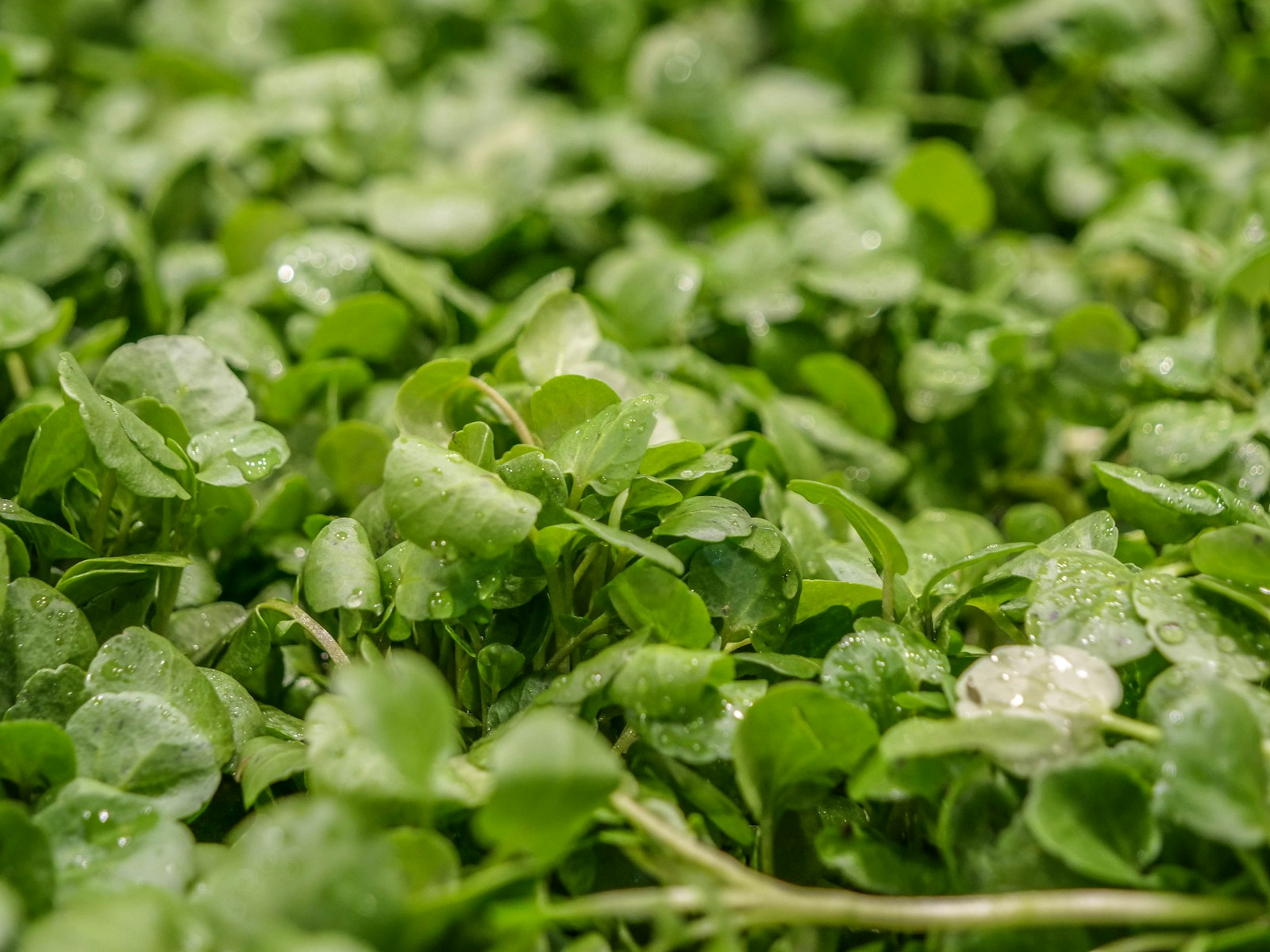
Watercress (Nasturtium officinale) is a leafy perennial in the cabbage family that grows with its roots in cool, wet ground. Its hollow stems creep and root as they go, carrying small, rounded, dark green leaflets with a sharp mustard bite. You grow it for that peppery flavor, and for greens in the cool seasons when little else is fresh. It is easy to grow if you can keep it constantly wet, and difficult if you cannot.
Despite the botanical name, it is not related to the garden nasturtium (Tropaeolum), the climbing flower with round leaves. The two only share a peppery taste.
Sowing and planting
Watercress is a cool-season plant. It grows best between about 50°F and 70°F (10°C and 21°C) and sulks in summer heat. Sow in early spring, around your last frost date, or in late summer for a fall and winter crop. In mild-winter areas, fall sowing usually gives the longest harvest.
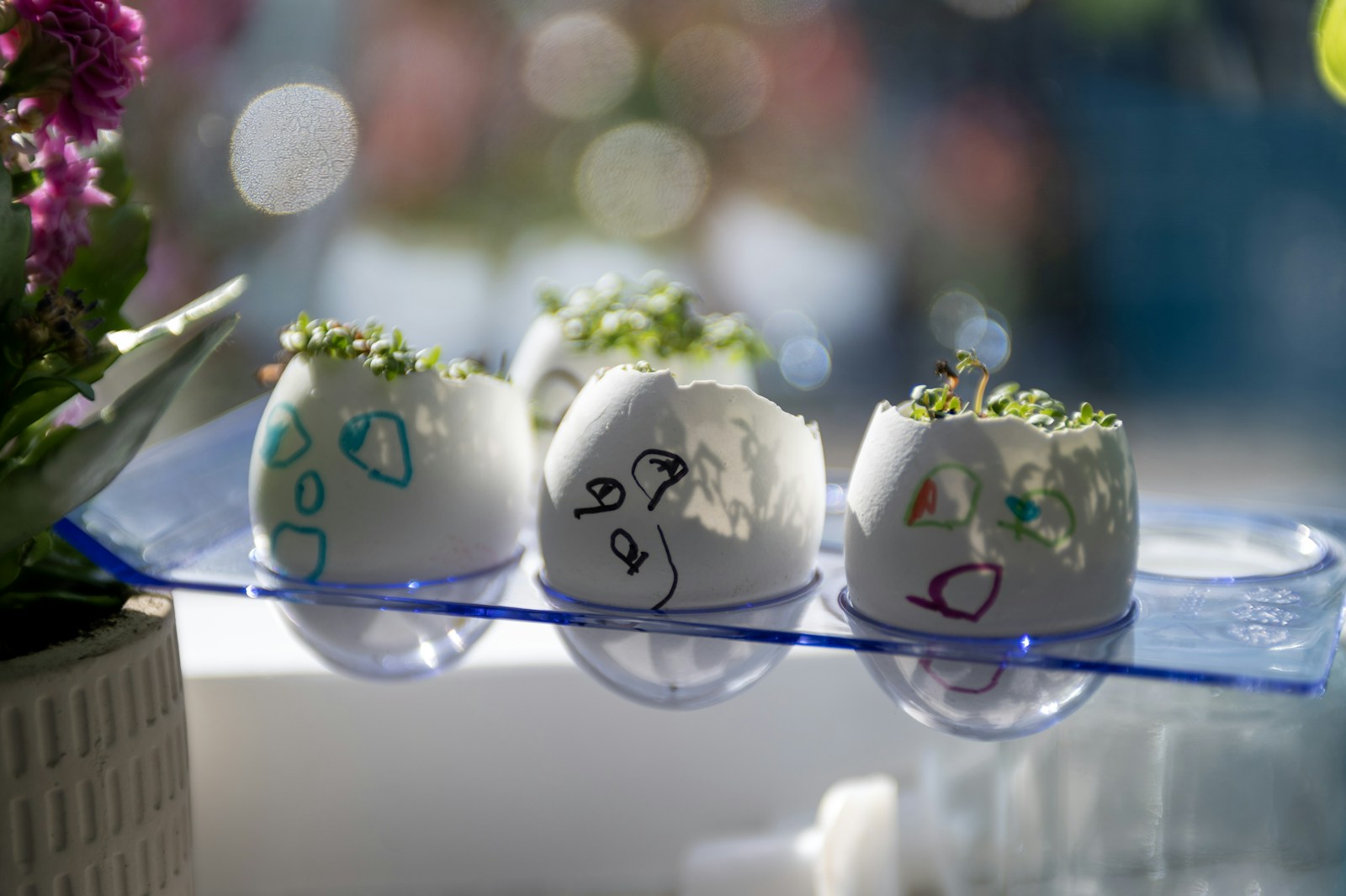
The seed is tiny. Scatter it thinly on the surface of wet seed compost and barely cover it, no more than 1/4 inch (6 mm). Stand the tray or pot in a saucer of water so the compost never dries. Seedlings usually appear in one to two weeks at around 55°F to 60°F (13°C to 16°C). Indoors, you can start them four to six weeks before your last frost.
Cuttings are quicker. A healthy stem from a fresh bunch often roots within a week or so when stood in a glass of water. Look for the fine white roots that form at the leaf joints. Plant rooted pieces once those roots are about 1 inch (2.5 cm) long.
Set plants 6 to 8 inches (15 to 20 cm) apart in the wettest spot you have. A low, boggy corner works. So does the edge of a garden pond or a shaded bed that you can water daily. Dig in plenty of compost first, because the plant is a heavy feeder. In acid soil, a little garden lime worked in before planting helps.
Watercress also does well in containers kept standing in water. A separate guide covers that method step by step, so it is not repeated here.
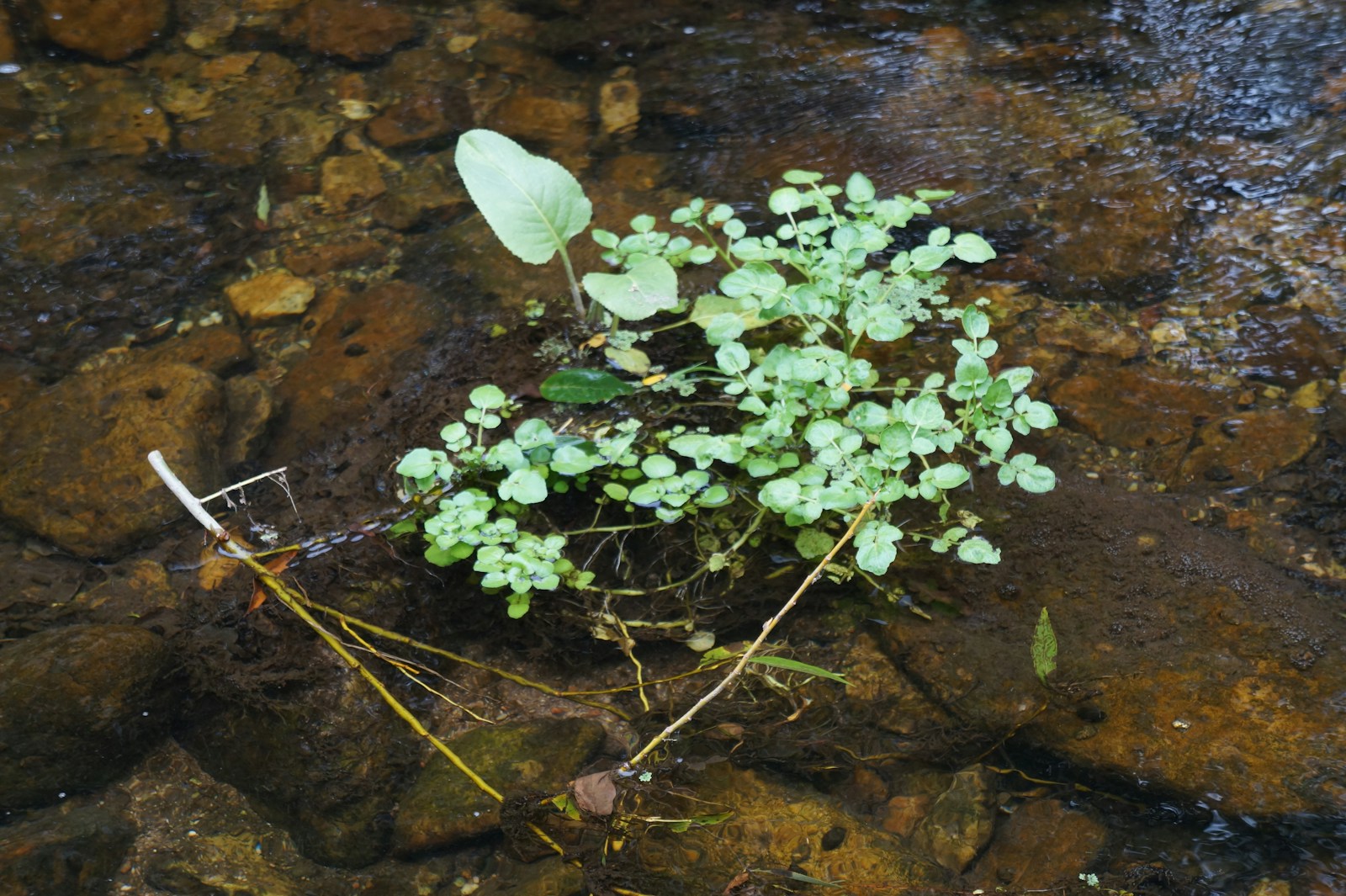
One caution on siting. Watercress is native to Europe and Asia, not North America. It has escaped into streams and springs across much of the continent, and some states list it as invasive. Keep your plants in the garden or in a container. Never plant it in a natural creek, spring or wetland.
Growing on
Water is the whole job. The soil should never dry out, even for an afternoon. In a bed, that usually means watering every day in warm weather. A thick mulch of compost slows drying. If you grow it in standing water, change or flush the water often so it stays fresh and cool. Stagnant, warm water leads to rot and a rank taste.
Give plants some shade once days turn hot. Afternoon shade from taller crops or a building is enough in most gardens. In full summer sun, growth slows, leaves toughen, and the plant runs to flower.
Feed lightly. A top-dressing of compost once or twice a season is usually enough in rich soil. Pale or yellowing leaves in a container suggest hunger. A dilute liquid feed made for leafy vegetables corrects that; follow the label rate and rinse leaves before eating.
Pinch out the growing tips regularly, even if you do not need the greens. Pinching keeps plants bushy and delays flowering. Small white, four-petalled flowers appear as days lengthen and warm. Once they open, the leaves turn noticeably more bitter. Cut flowering stems back hard and new, milder shoots usually follow when cool weather returns.
In cold-winter zones, the top growth dies back with hard frost. Roots that stay wet and unfrozen often resprout in spring. Many gardeners simply sow or root a fresh batch each year.
Harvesting
Start cutting when stems are about 4 to 6 inches (10 to 15 cm) long. Use scissors and take the top few inches, cutting just above a leaf joint. Leave at least a third of the plant so it regrows. Treated as a cut-and-come-again crop (one you harvest repeatedly rather than once), a patch usually gives several pickings per season.
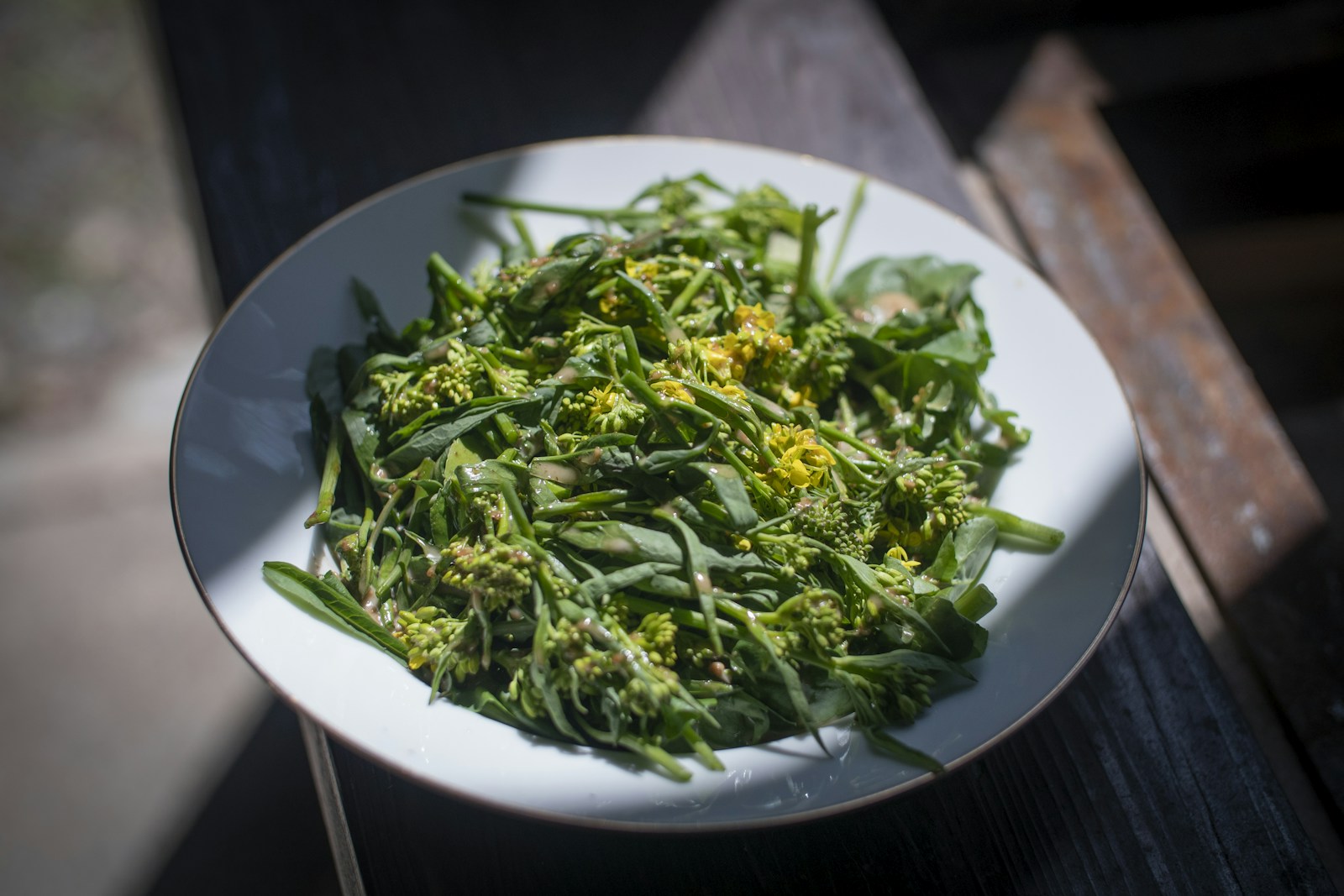
Flavor is best in cool weather and before flowering. Pick in the morning, when stems are crisp. Wash everything well in clean running water. Watercress wilts fast, so use it within a few days. Store it in the refrigerator with the stems in a jar of water and a loose bag over the top.
Never gather wild watercress from water near grazing livestock. Streams running through or below pasture can carry liver fluke, a parasite of sheep and cattle that clings to water plants and infects people who eat them raw. Washing does not reliably remove it. Grow your own in clean water instead.
Watercress has a long history as a gathered spring green in the southern Appalachians. Mountain families picked it from cold branches and springs alongside poke, dock and dandelion as one of the first fresh "sallets" after winter. Anthony Cavender's Folk Medicine in Southern Appalachia records that such spring greens were eaten in the belief that they restored or cleaned the blood. Watercress was also counted among the leafy foods urged on people thought to be thin-blooded. This is folk history, not medical advice.
Problems and pests
Tiny round holes peppering the leaves
Flea beetles, small jumping black beetles that attack most cabbage-family crops. Cover young plants with fine insect mesh. Keeping the bed very wet also discourages them.
Clusters of small soft insects on shoot tips
Aphids. Knock them off with a firm spray of water, or cut off and discard the worst tips. Regrowth is usually clean.
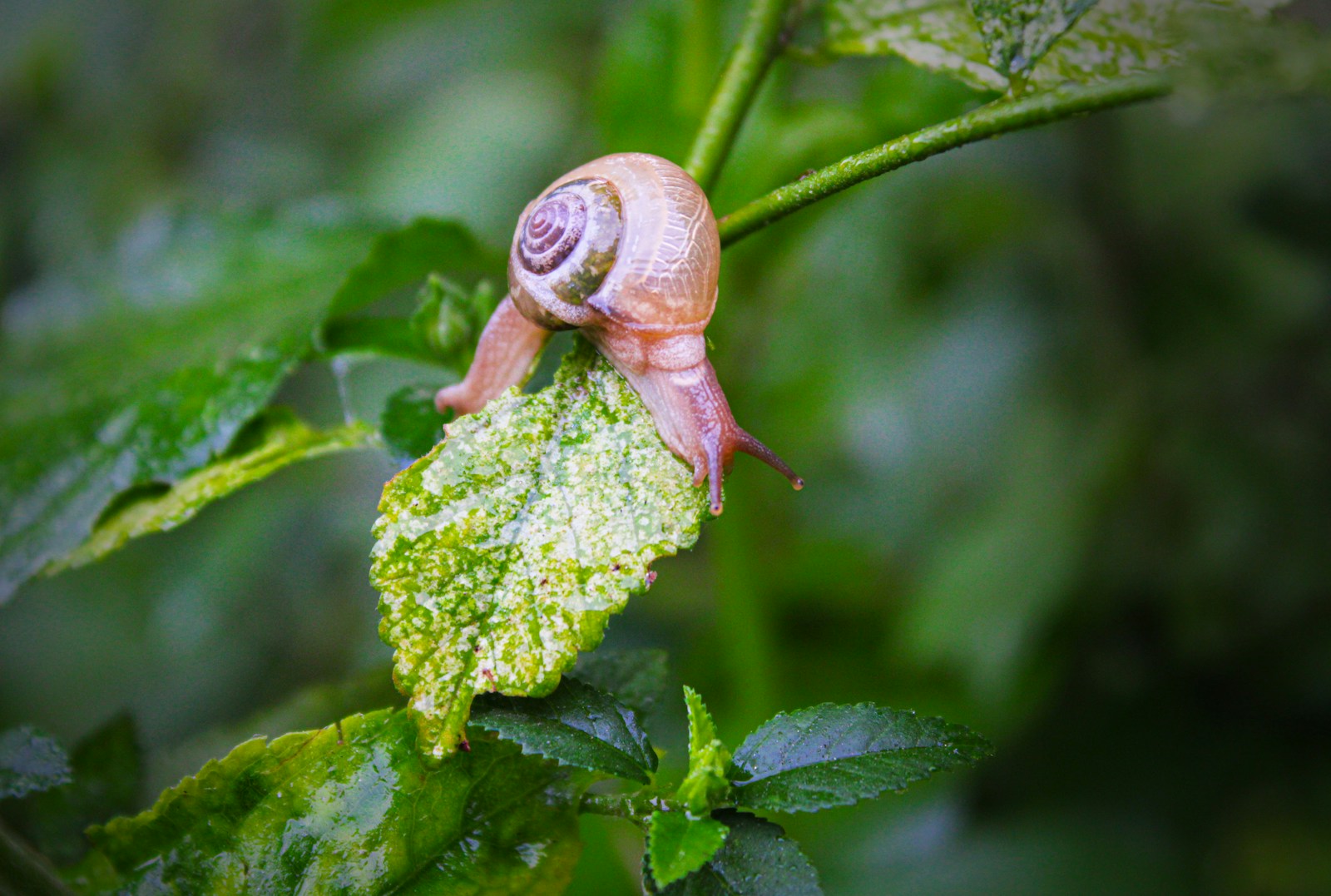
Ragged leaves and slime trails
Slugs and snails love the damp conditions watercress needs. Pick them off by hand at dusk. Clear away boards, stones and debris where they hide.
Large holes and green caterpillars
Cabbage white butterfly caterpillars feed on watercress as they do on cabbage. Pick them off, or cover the patch with insect mesh before the white butterflies appear.
Yellow leaves, thin growth and early flowering
Heat, drying out or hunger. Move containers into shade, water more often, and add compost. Cut plants back hard and wait for cooler weather.
Varieties worth growing
Watercress has very few named varieties. Most seed is sold simply as "watercress", and it all grows the same way. What you can choose between is planting stock and a few related cresses.
- Plain watercress seed - the standard green form, sometimes sold as broad-leaved or large-leaved watercress. Cheap, and gives many plants.
- Rooted cuttings from a fresh bunch - the fastest start. Choose stems that are firm and green, with no yellowing.
- Upland cress (Barbarea verna, a related species) - also called land cress or creasy greens. Similar bite, grows in ordinary moist garden soil, and is a long-standing Appalachian green in its own right.
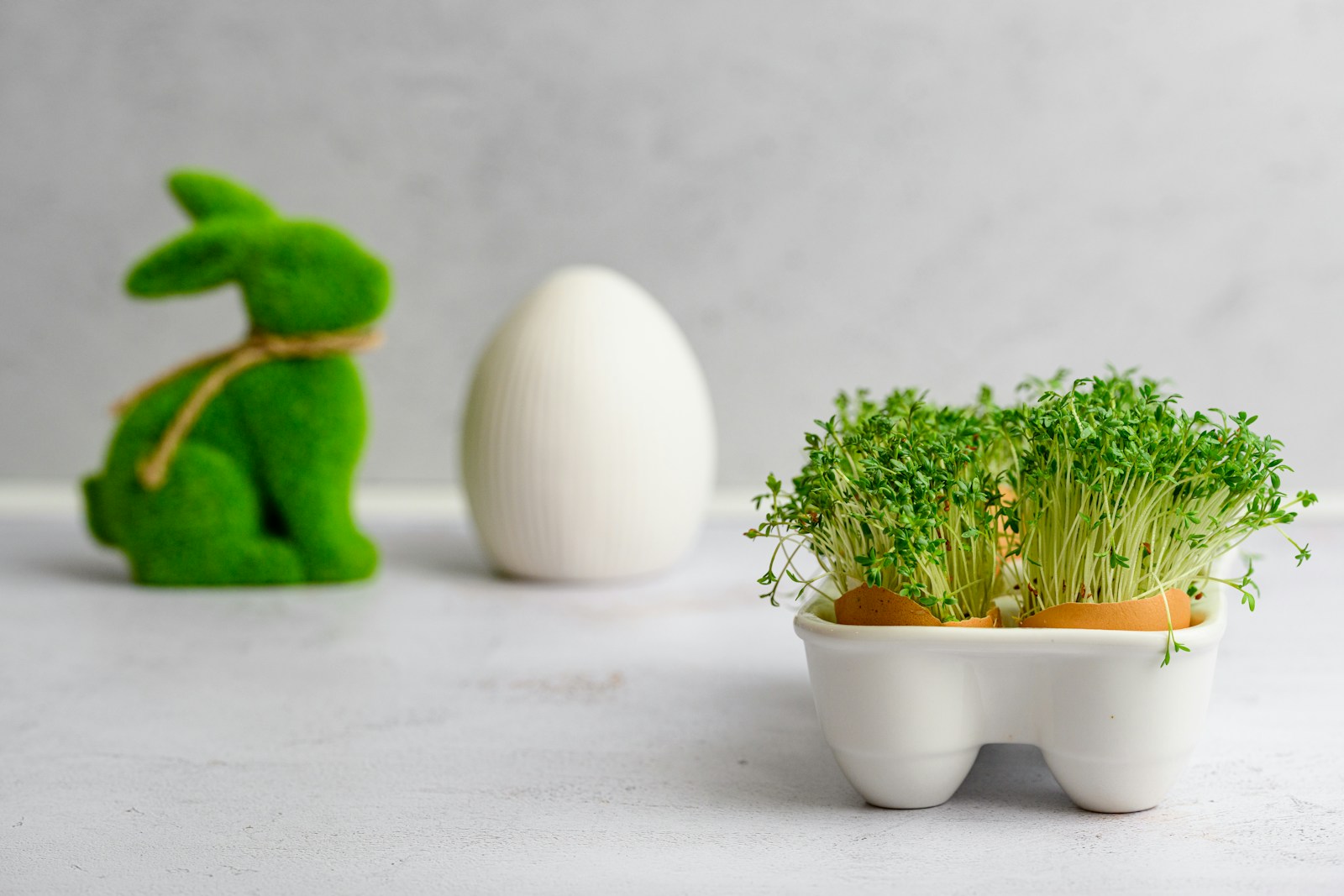
- Garden cress (Lepidium sativum, a related species) - the quick annual cress cut as seedlings within two to three weeks. Peppery, but it needs no standing water.
If your garden has no reliably wet spot, upland cress is usually the easier plant.