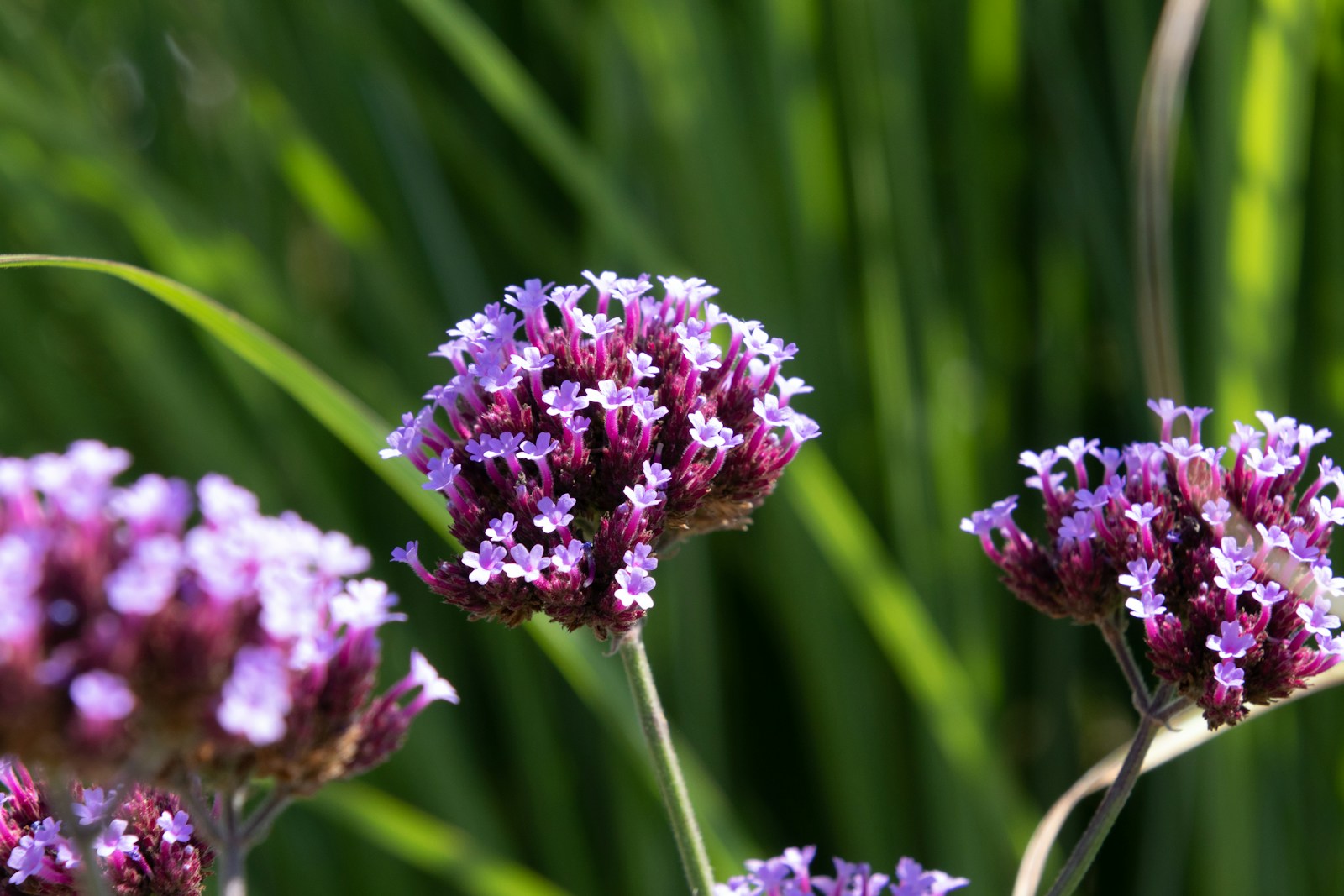
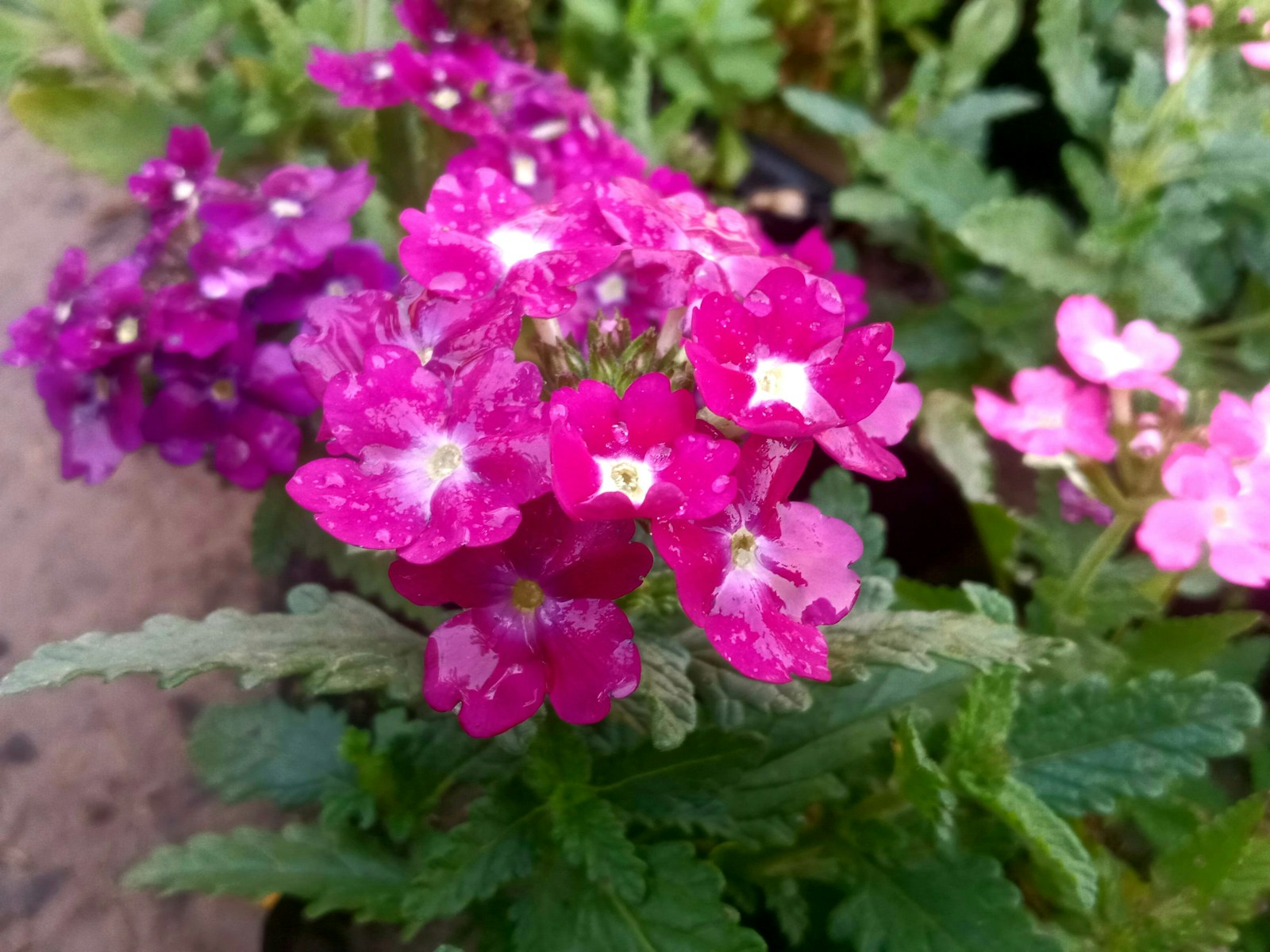
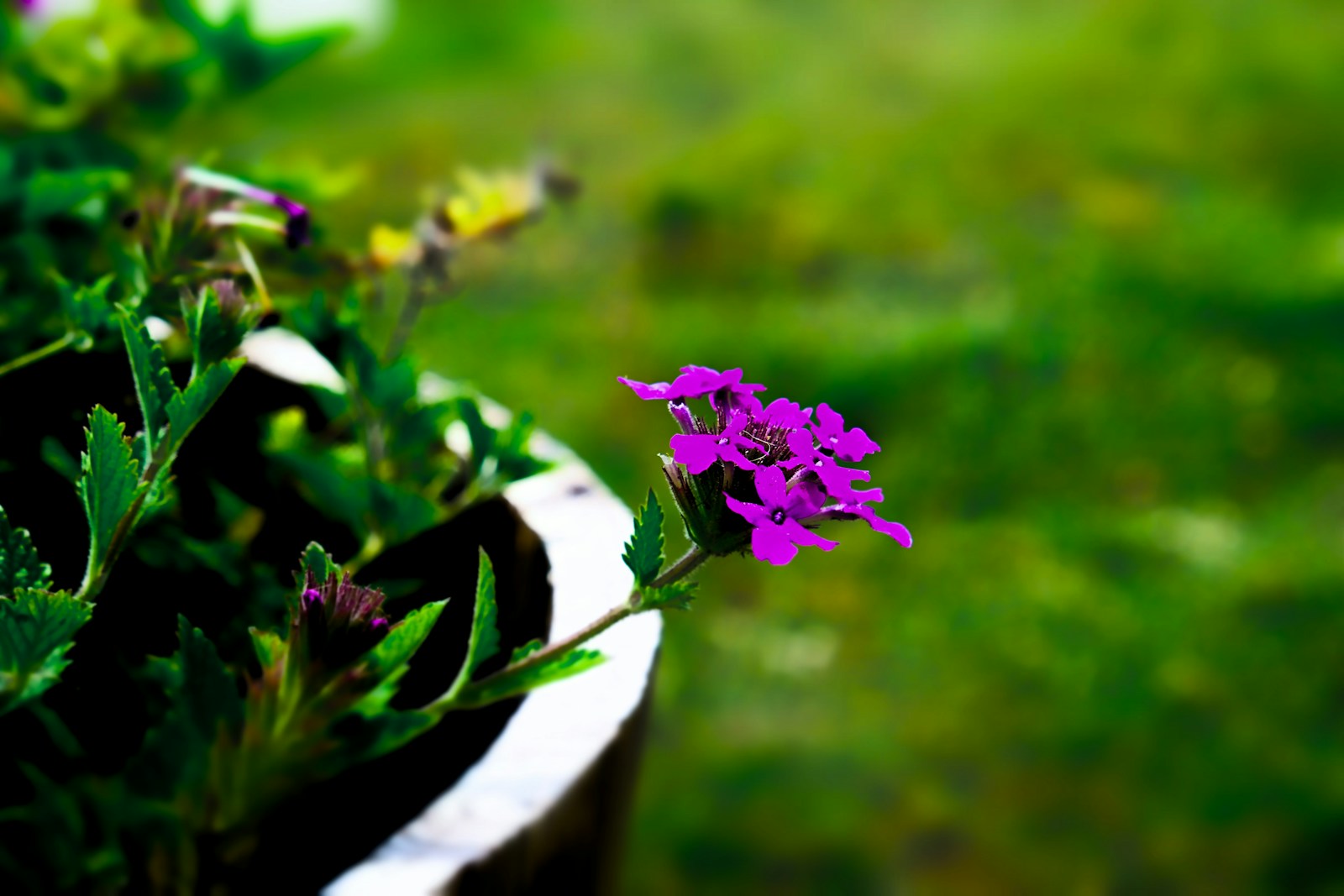
Verbena is a sun-loving flower that blooms from early summer until frost, and butterflies rarely leave it alone. Three types are common in gardens. Annual garden verbena spreads low clusters of bright flowers over pots and bed edges. Tall verbena, Verbena bonariensis, lifts small purple heads on wiry stems you can see straight through. Rose verbena, Verbena canadensis (often sold as Glandularia canadensis), is a hardy trailing perennial. All three are easy once you give them full sun and sharp drainage.
Sowing and planting
Verbena is slow from seed, so start it indoors 10 to 12 weeks before your last frost. Sow onto moist seed compost and cover lightly. Keep the tray dark and warm until shoots appear, then move it into bright light. Water from below and let the surface dry slightly between waterings. Wet, cold compost rots the seed.
Tall verbena germinates more evenly after a cold spell. Mix the seed with damp sand in a sealed bag and chill it in the refrigerator for 2 to 4 weeks before sowing. This step is called cold stratification (a period of cold, moist storage that breaks dormancy).
Many gardeners buy garden verbena as young plants instead. Several popular series are grown only from cuttings and never sold as seed.
Harden off seedlings (get them used to outdoor conditions) over 7 to 10 days. Plant out 1 to 2 weeks after your last frost, once the soil is warm. Set plants at the same depth they grew in their pots. Choose the sunniest, most open spot you have. Good air flow matters as much as sun.
In pots and hanging baskets, use a free-draining potting mix. Add a handful of grit or perlite if the mix feels heavy. In heavy clay, plant on a slight mound or in a raised bed.
Rose verbena and tall verbena can also go in during early fall in mild climates. That gives the roots time to settle before winter.
Growing on
Water new plants regularly for the first few weeks. After that, water only when the top inch (2.5 cm) of soil is dry. In beds, established plants rarely need extra water except during long droughts. Pots dry out faster and may need water daily in hot weather.
Go easy on feeding. Rich soil and heavy feeding give leafy, floppy plants with fewer flowers. In beds, a light dressing of compost at planting is enough. In pots, give a balanced liquid feed every 2 to 3 weeks through summer.
Mulch lightly with fine bark or gravel to hold moisture and keep leaves off wet soil. Keep mulch an inch (2.5 cm) away from the stems.
Pinch out the growing tips of young garden verbena once they have 4 to 6 leaves. This makes bushier plants with more flowering stems. If plants turn straggly in midsummer, cut them back by a third. They regrow and flower again within a few weeks.
Deadhead garden verbena by snipping off faded flower clusters. Many newer series bloom well without it, but tidying still helps. Tall verbena needs no staking, despite its height. Its stiff, square stems stand on their own in all but the most exposed sites.
Leave tall verbena stems standing over winter. They protect the crown and give seed to birds. Cut them back to the new basal growth in spring. Rose verbena may be short-lived in wet winters, so take a few cuttings in late summer as insurance.
Tall verbena self-seeds freely. The seedlings are easy to pull, but in warm climates it can become weedy. Deadhead it before seed ripens if that is a concern where you live.
Verbena pairs well with lavender, salvia, ornamental grasses and other plants that like dry, sunny spots.
Harvesting
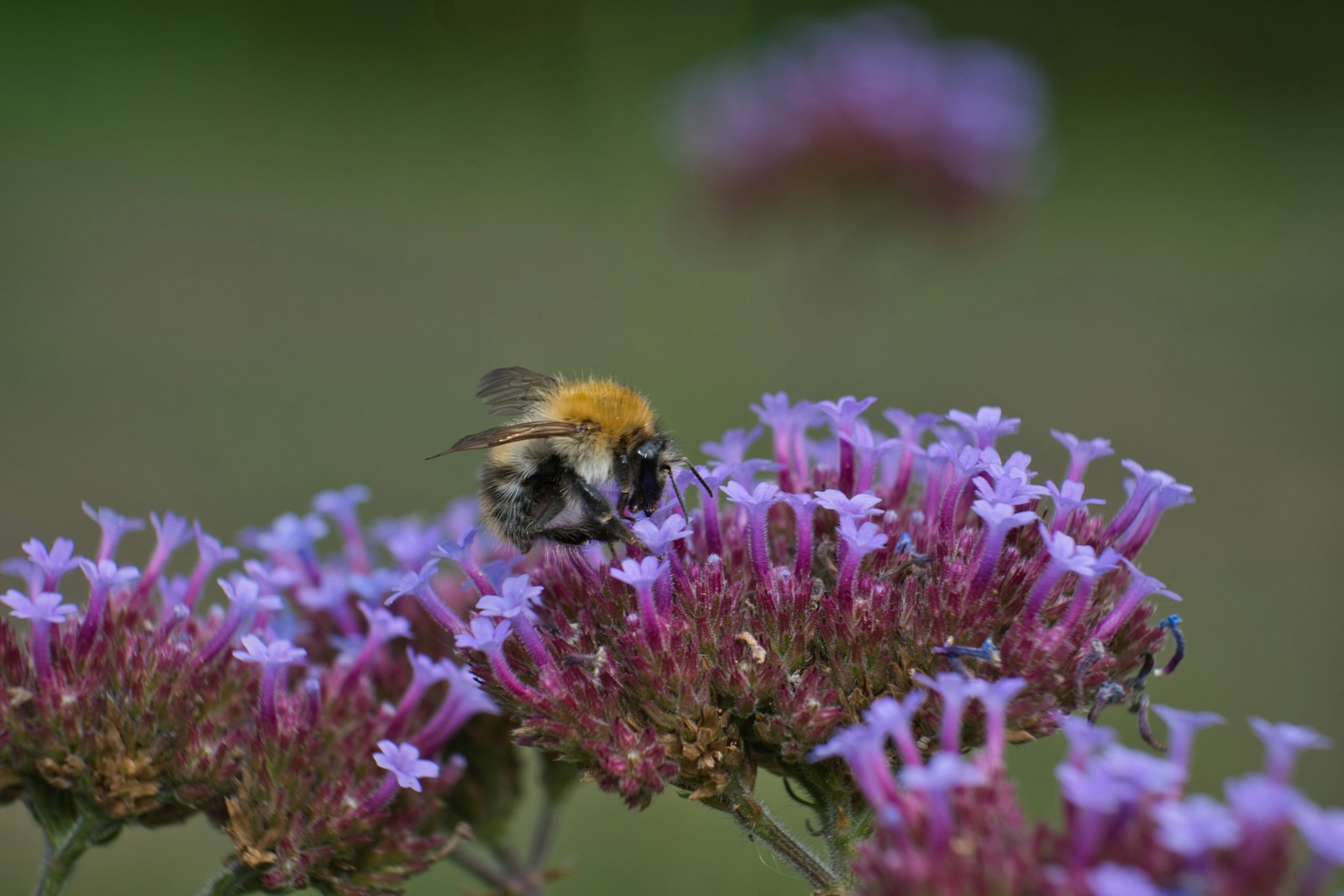
Verbena is grown for garden display and for pollinators. Its flowers draw butterflies, bees and moths all season. Tall verbena is one of the best butterfly plants you can grow.
Tall verbena also makes a good cut flower. Cut stems in the cool of the morning when about half the florets in a head are open. Strip the lower leaves and stand the stems in cool water straight away. Expect about a week in the vase. Garden verbena stems are short but work in small posies.
To save seed from tall verbena, let a few heads turn brown and dry on the plant. Rub them over a paper bag to release the tiny seeds. Store them dry, cool and labeled. Seed from garden verbena hybrids and named series does not come true, so buy fresh seed or plants each year.
Problems and pests
Verbena rots in wet soil. More plants die from heavy, soggy ground and too much water than from any pest, so choose free-draining soil and water sparingly.
White powdery coating on leaves
This is powdery mildew, a fungal disease that spreads in humid weather and still, crowded plantings. Space plants properly and water the soil, not the leaves. Remove badly affected stems. Choose resistant varieties. A potassium bicarbonate spray can slow it; wear gloves and follow the label.
Pale, speckled leaves with fine webbing
Spider mites (tiny sap-sucking relatives of spiders) thrive in hot, dry weather. Hose the undersides of leaves every few days. If they persist, use insecticidal soap, spraying in the evening and following the label.
Clusters of small insects on shoot tips
These are aphids. Knock them off with a strong jet of water. Ladybugs and lacewings usually control them if you avoid broad-spectrum sprays.
Wilting plants with soft, dark stem bases
This is root and crown rot from waterlogged soil. Affected plants rarely recover, so pull them out. Improve drainage before replanting, and water less often.
Winding pale trails inside leaves
Verbena leaf miner larvae tunnel between the leaf surfaces. Damage is usually cosmetic. Pick off and bin affected leaves.
Varieties worth growing
Garden verbena
- Quartz series: compact, seed-raised plants with good mildew resistance.
- Obsession series: seed-raised, with large flower heads in many colors.
- Lanai series: vigorous trailing plants for baskets and edges, grown from cuttings.
- Superbena series: large-flowered, heat-tolerant trailing plants, sold as young plants.
Tall verbena
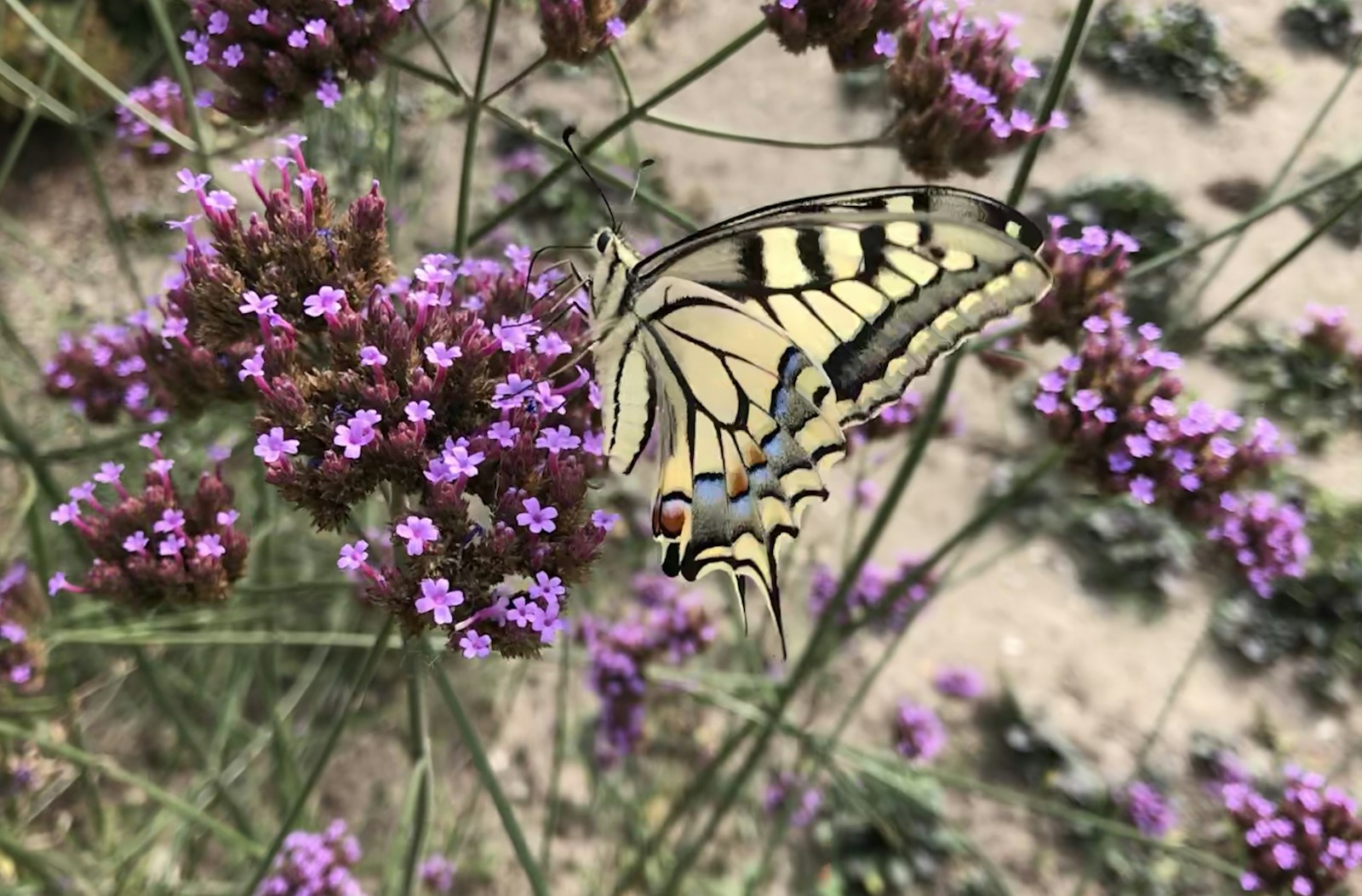
- Species Verbena bonariensis: the classic see-through plant, 3 to 6 feet (90 to 180 cm) tall.
- 'Lollipop': a dwarf form about 2 feet (60 cm) tall, suited to smaller beds.
Rose verbena
- 'Homestead Purple': a vigorous, mildew-resistant trailer with rich purple flowers, hardy in most of zones 6 to 10.