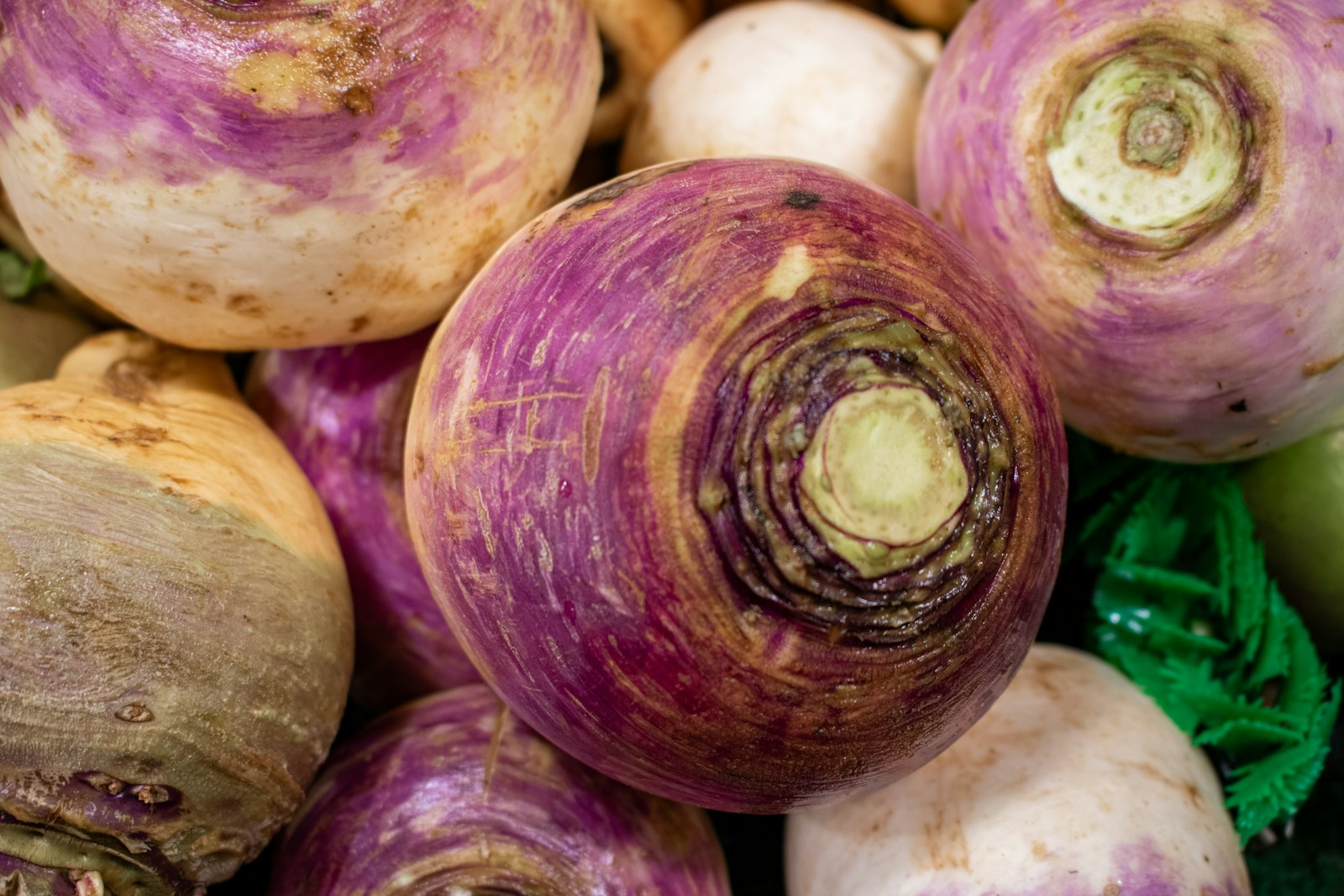
Turnips are one of the fastest root crops you can grow, and every part is edible. The roots are sweet and crisp when pulled small, and the leafy tops cook like spinach. They are easy to grow, provided you sow them in cool weather.
Sowing and planting
Turnips grow best in cool weather, between about 40 and 75°F (4 and 24°C). You have two main windows. For a spring crop, sow outdoors two to three weeks before your last frost, as soon as the soil can be worked. For an autumn crop, sow six to eight weeks before your first autumn frost. The autumn crop is often the sweeter one, because the roots mature as nights cool. In mild-winter areas, such as USDA zones 8 to 10, you can sow through autumn and winter.
Sow directly where the plants will grow. Turnips, like most root crops, do not transplant well. Prepare a fine, loose seedbed free of stones, and rake in some compost. Sow seed thinly in rows or scatter it across a wide bed. Cover with 1/4 to 1/2 inch (6 to 12 mm) of fine soil and water gently. Seedlings usually appear in three to ten days.
Thin the seedlings once they are about 4 inches (10 cm) tall. Leave 3 to 4 inches (8 to 10 cm) between small salad turnips and up to 6 inches (15 cm) for larger maincrop roots. Crowded turnips make leaves but little root. Thinnings are tender and good to eat.
For a steady supply, sow a short row every two to three weeks through each cool season. Stop spring sowings once hot weather is near.
Growing on
Watering and mulching
Keep the soil evenly moist. Dry spells slow growth and make roots tough, woody and sharp-tasting. A sudden soaking after drought can also split them. Water deeply about once a week in dry weather, more often in sandy soil.
A thin mulch of straw or grass clippings keeps the soil cool and damp. Apply it once the seedlings are thinned and a few inches tall.
Feeding
Turnips need little feeding in soil that was enriched with compost. Avoid heavy nitrogen fertiliser if you grow them for roots, because it pushes leaf at the expense of root. If you grow them mainly for greens, a light feed of a balanced organic fertiliser helps. Wear gloves when handling fertiliser and wash your hands afterwards.
Weeding and companions
Weed by hand or with a shallow hoe while plants are small. Take care not to nick the swelling roots. Turnips grow well near peas, lettuce and onions. Avoid sowing where other cabbage-family crops grew in the last two to three years, as they share pests and diseases. Covering the rows with fine insect mesh or floating row cover from sowing keeps many pests off.
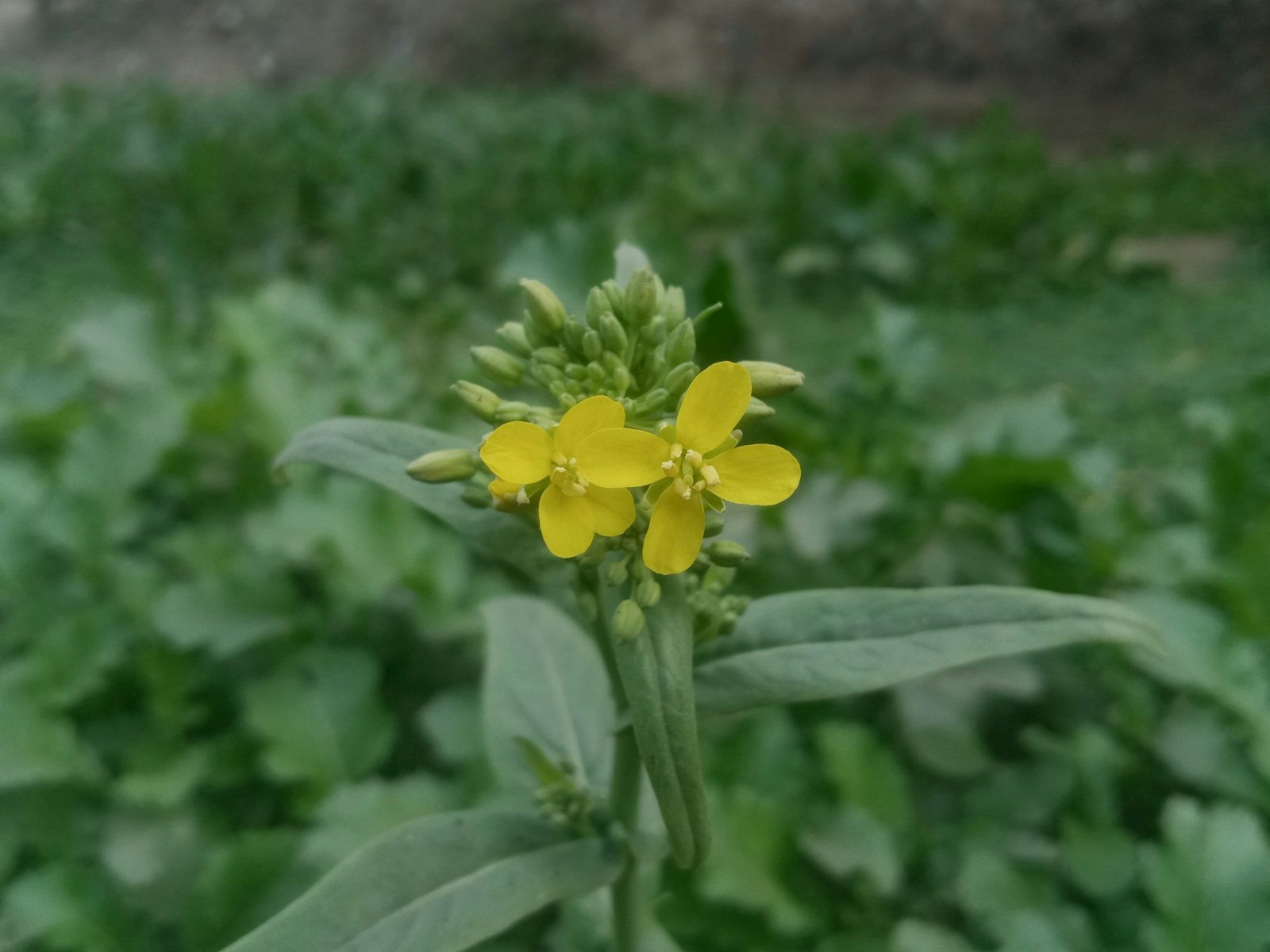
Heat is the main reason turnips fail. In hot weather they bolt (send up a flower stalk and stop growing) and the roots turn woody and bitter. Sow early enough that roots mature before summer heat, or wait and sow for autumn.
Harvesting
Pull salad turnips when the roots are 1 to 2 inches (2.5 to 5 cm) across. Pull maincrop turnips at 2 to 3 inches (5 to 8 cm). Larger roots are edible but often coarse and pithy. Loosen the soil with a fork if the ground is firm, then pull the root by its leaves.
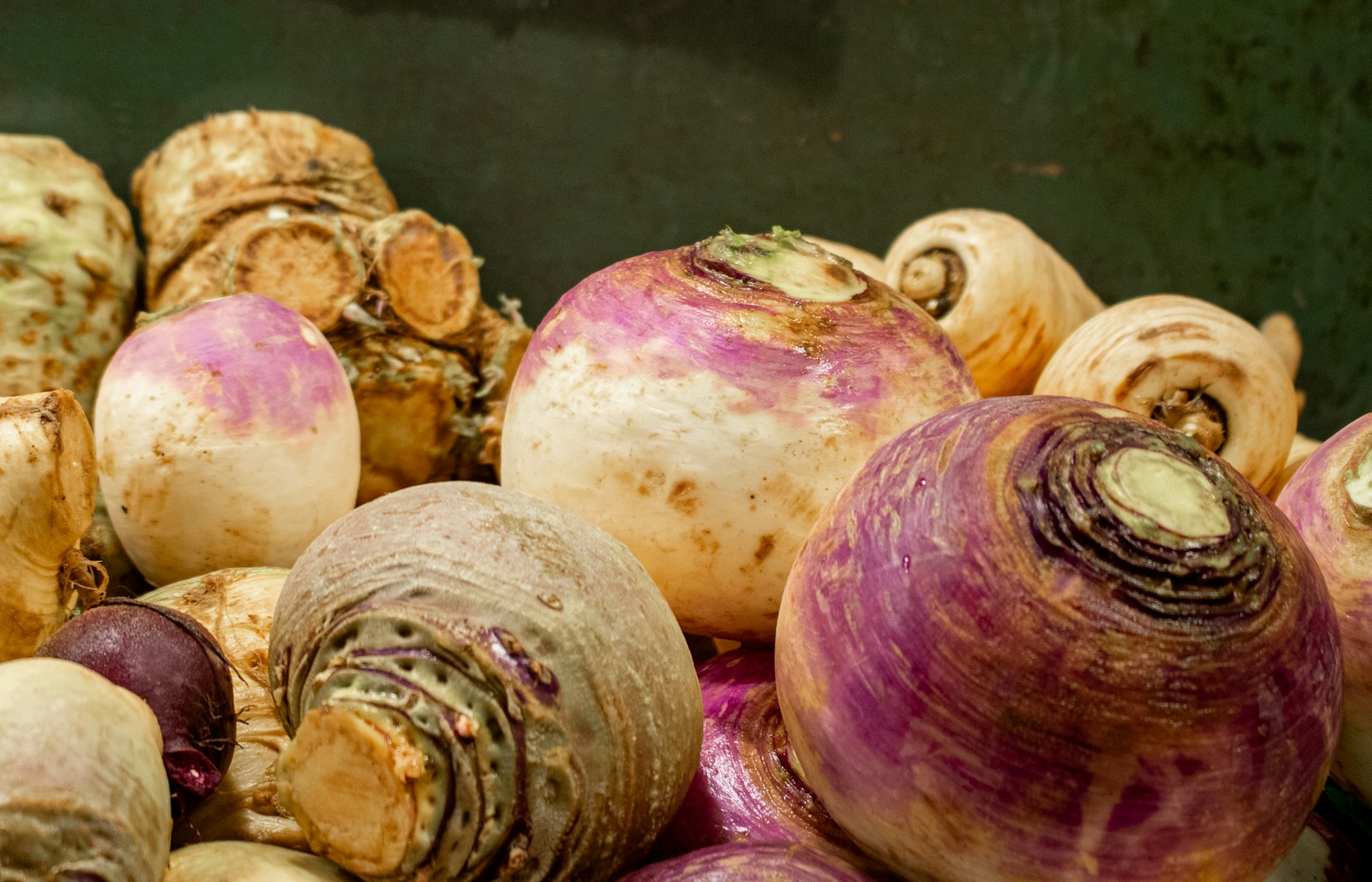
For greens, pick the outer leaves when they are 4 to 6 inches (10 to 15 cm) long. Take only a few leaves from each plant if you also want a root. Young leaves are the most tender.
Autumn turnips handle light frosts well, and a touch of frost sweetens them. Lift them before the ground freezes hard. A thick layer of straw over the row can extend the harvest in milder zones.
Twist or cut off the tops, leaving about 1/2 inch (1 cm) of stem. Store unwashed roots in a bag in the fridge for several weeks. In a cool, damp cellar or a box of moist sand, they keep for several months. Greens keep a few days in the fridge.
Saving seed is not practical for most gardeners. Turnips flower only in their second year, and they cross freely with Chinese cabbage, mustards and other Brassica rapa crops.
Problems and pests
Tiny holes peppering the leaves
Flea beetles are tiny black beetles that jump when disturbed. They chew small round holes, and they hit seedlings hardest. Cover rows with insect mesh from sowing, keep plants watered and growing fast, and sow a little later in spring when numbers drop.
Roots tunnelled and brown, plants wilting
Cabbage root maggots are the larvae of a small fly. They tunnel through roots and leave them rotten and unusable. Cover the crop with fine mesh from sowing, sealing the edges so flies cannot lay eggs at the base. Rotate crops, and pull and destroy affected plants.
Woody, bitter or pithy roots
Heat, drought and leaving roots in the ground too long all cause this. Sow for cool weather, water evenly and harvest on time.
Plants make leaves but no roots
Crowding, too much nitrogen or too little sun cause this. Thin firmly to the right spacing, skip high-nitrogen feeds, and grow in full sun.
Distorted leaves covered in grey insects
Aphids cluster under the leaves, especially in warm, dry spells. Knock them off with a strong spray of water. Encourage ladybirds and other predators by avoiding broad-spectrum insecticides.
Varieties worth growing
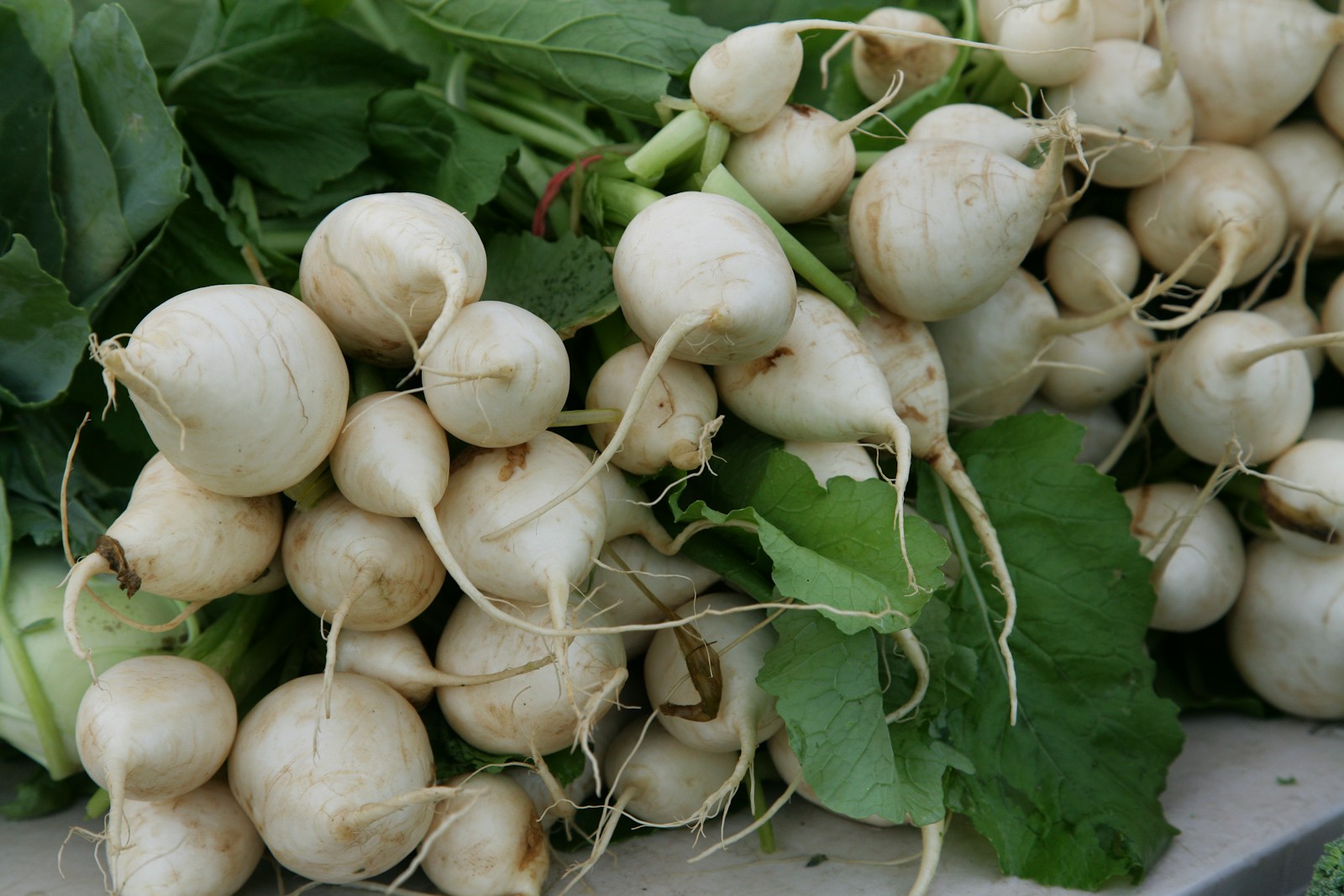
- Purple Top White Globe: the classic turnip, a white root with a purple shoulder, for roots and greens.
- Hakurei: a Japanese salad turnip with smooth, white, sweet roots good raw.
- Tokyo Cross: a fast, small, white hybrid that holds well in the ground.
- Golden Ball: an heirloom with yellow flesh and a mild, sweet flavour.
- Seven Top: grown only for its leaves, as it makes no useful root.
- Scarlet Queen: a hybrid with red skin and white flesh, eaten young.