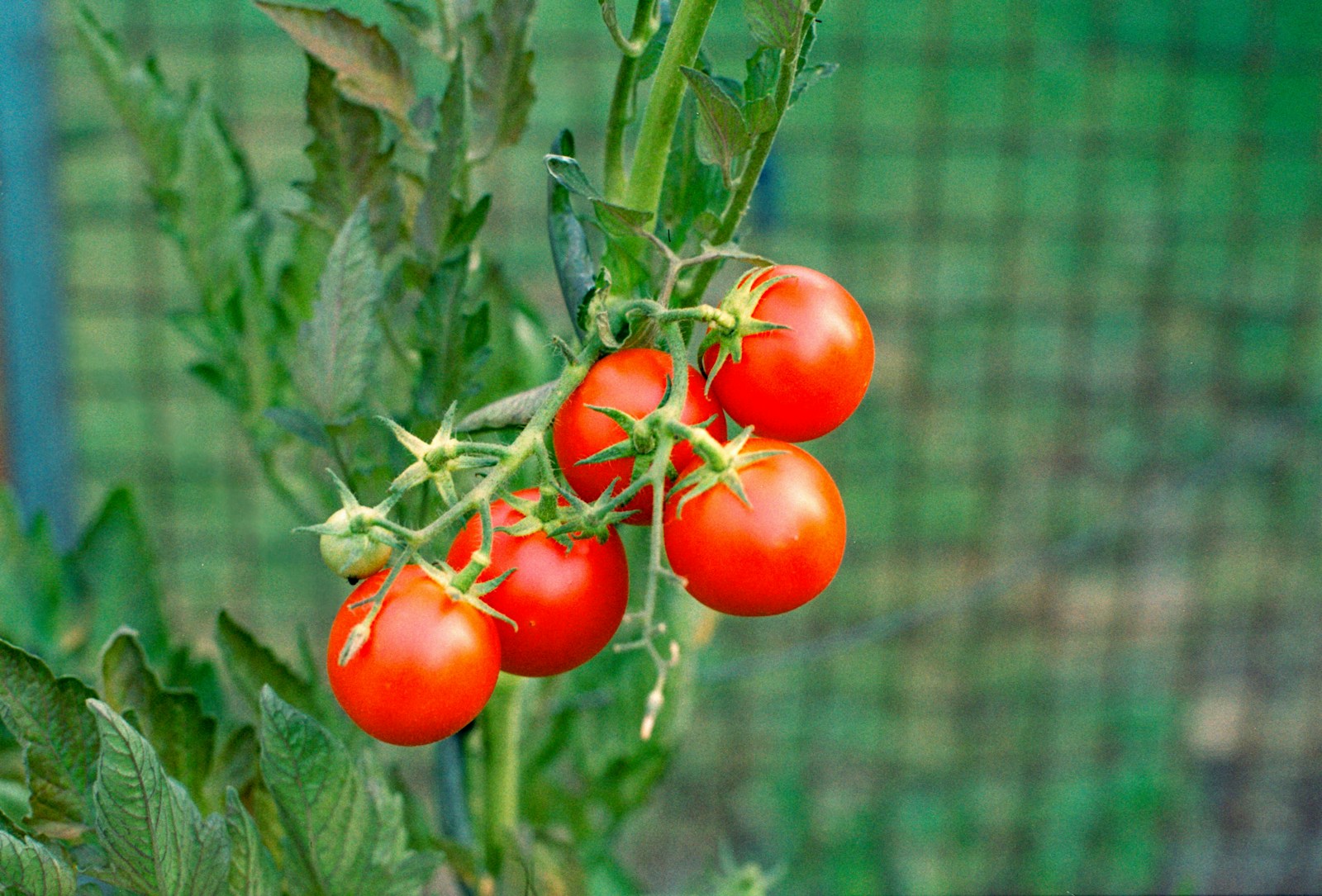
Tomatoes are the crop most home gardeners want first, and a sun-warmed fruit off the vine explains why. They need heat, steady water and some support, but they reward that care for months. Difficulty: easy to moderate, depending on your summer.
Sowing and planting
Sow seed indoors six to eight weeks before your last expected frost. Tomatoes germinate fastest in warm compost, between 70 and 85°F (21 and 29°C). A heat mat helps in a cool house. Seedlings usually appear in five to ten days.
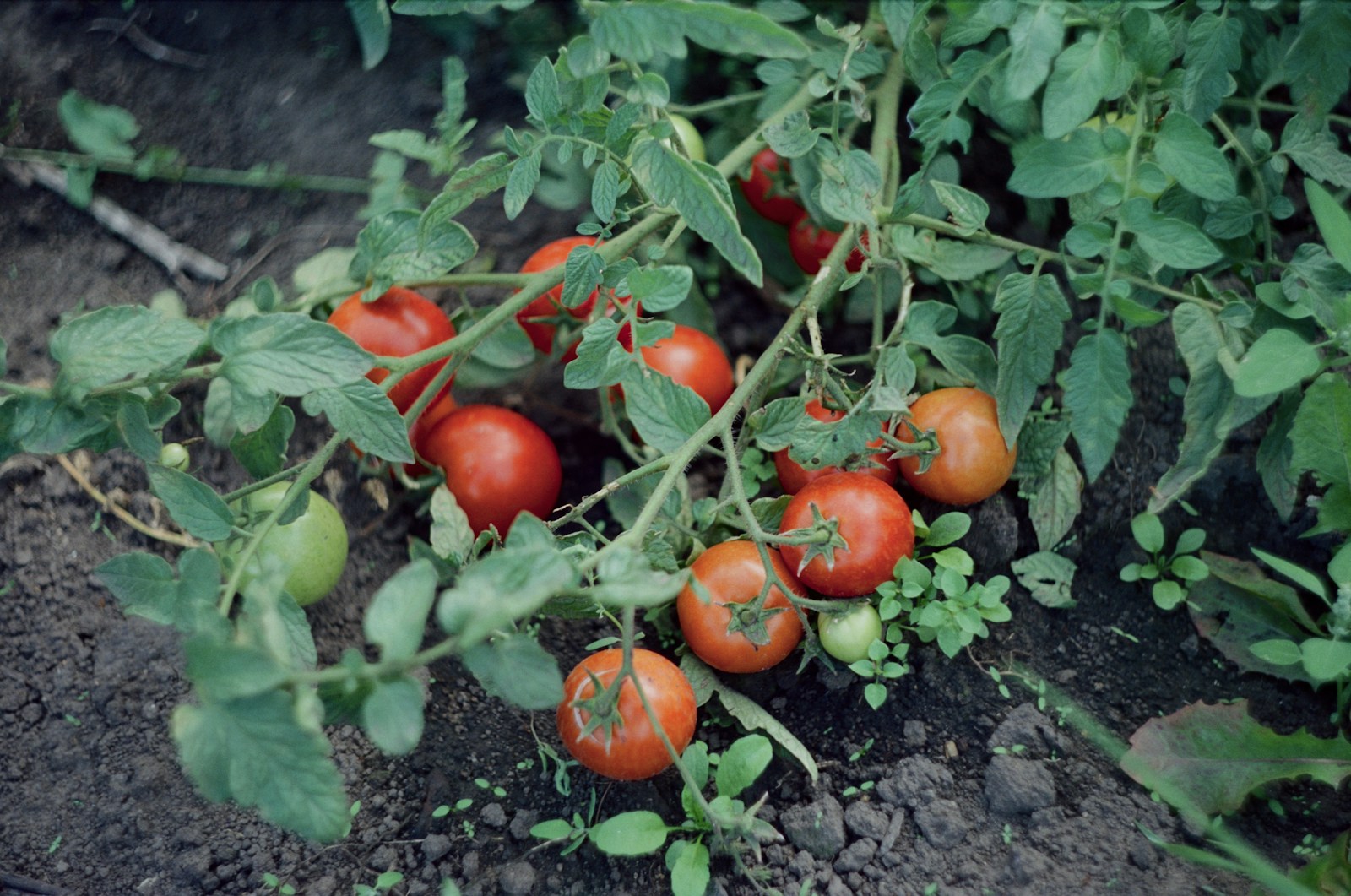
Once they emerge, give them strong light for 14 to 16 hours a day. A bright window alone often produces tall, weak plants, so a grow light kept a few inches above the leaves works better. Pot each seedling on into a 3 to 4 inch (8 to 10 cm) pot once its first true leaves appear. True leaves are the jagged ones that follow the first pair of smooth seed leaves.
Harden off the plants for a week before planting out. Hardening off means getting seedlings used to outdoor sun, wind and cooler nights a little more each day. Plant out one to two weeks after your last frost, once nights stay above 50°F (10°C) and the soil has reached about 60°F (16°C).
Plant tomatoes deep. Strip the lower leaves and bury the stem up to the top few sets of leaves. Tomato stems grow roots along any buried length, giving a sturdier plant. Leggy seedlings can go in a shallow trench, laid on their side, with the tip bent gently upward.
Set stakes or cages at planting time so you do not damage roots later. Direct sowing outdoors is rarely worthwhile outside the warmest regions, such as USDA zones 9 to 11.
Growing on
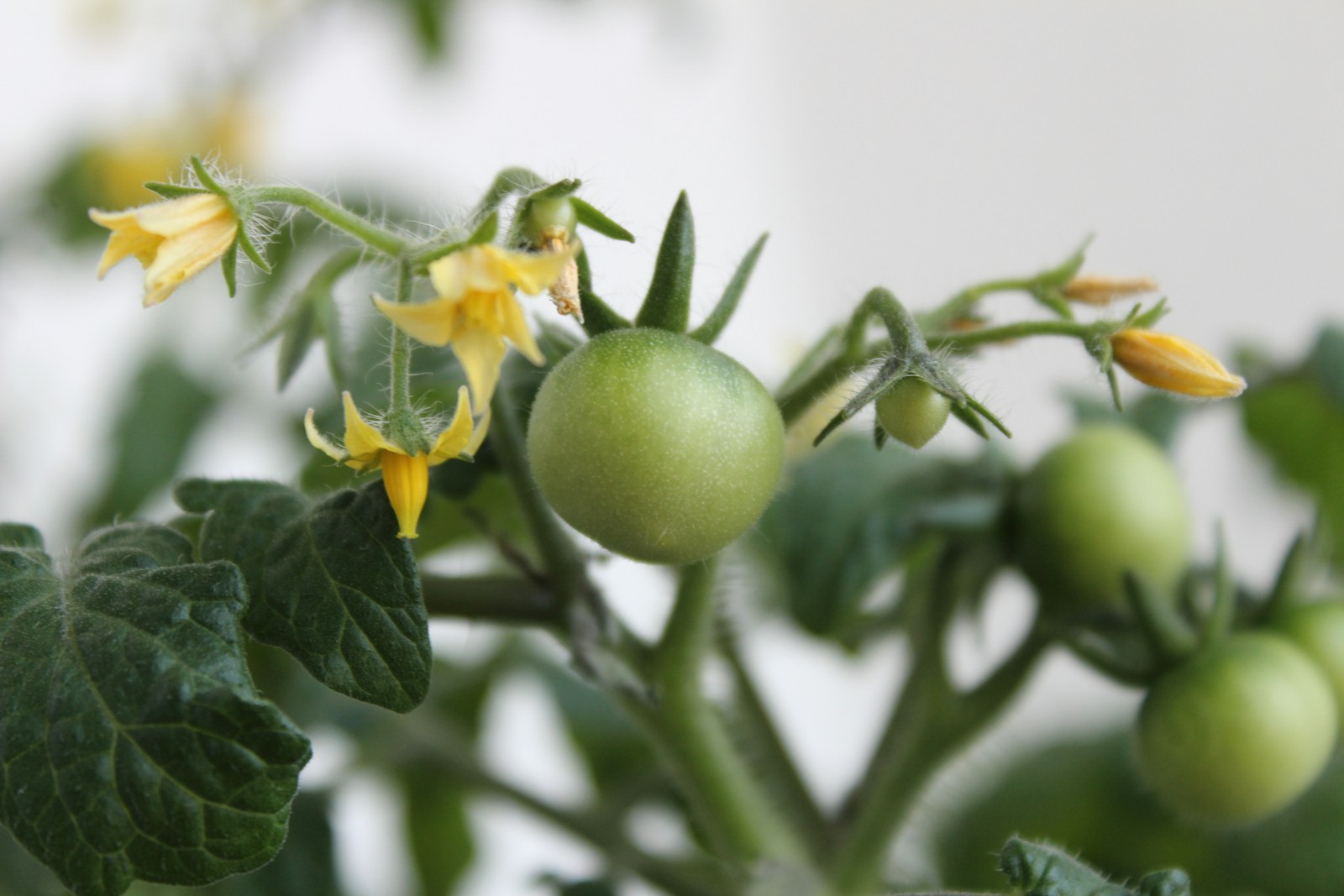
Watering and mulching
Water deeply at the base, soaking the root zone once or twice a week rather than sprinkling daily. Keep the leaves dry to slow leaf diseases. Plants in containers may need water every day in hot weather.
Once the soil is warm, spread 2 to 3 inches (5 to 8 cm) of straw, shredded leaves or compost around the plants. Mulch keeps moisture even, keeps soil off the lower leaves and smothers weeds.
Feeding
Dig in compost before planting. When the first fruits set, feed every two to three weeks with a balanced or tomato fertiliser that is higher in potassium than nitrogen. Too much nitrogen gives lush leaves and few fruits. Wear gloves when handling granular fertiliser and wash your hands afterwards.
Support and pruning by type
Determinate tomatoes grow to a set height, flower over a short period and ripen most of their crop within a few weeks. They suit containers, canning and short seasons. A cage or a single short stake is enough. Do not remove their suckers, because that cuts the harvest.
Indeterminate tomatoes keep growing and fruiting until frost. They need a tall stake, a sturdy cage or a string trellis. Suckers are the side shoots that form in the angle between a leaf and the main stem. On staked indeterminates, pinch these out while small, keeping one or two main stems. This improves airflow and makes plants easier to manage. Caged plants can keep more shoots.
Tie stems loosely to stakes with soft twine every 8 to 12 inches (20 to 30 cm) as they grow. About four weeks before your first autumn frost, pinch out the growing tips of indeterminates. The plant then puts its energy into ripening the fruit already set.
Cherry and paste types are grouped by fruit rather than habit. Most cherry tomatoes are indeterminate and grow vigorously. Many paste tomatoes are determinate, which makes a large batch for sauce ready at once.
Companions
Basil, marigolds and nasturtiums sit well beside tomatoes. Avoid planting in the same spot as potatoes, peppers or aubergines grown in the last two to three years, because they share diseases.
Harvesting
Pick tomatoes when they have full colour for their variety and give slightly to a gentle squeeze. Colour may be red, yellow, orange, purple or green, so learn what ripe looks like for your variety. Twist the fruit off, or cut it with a short piece of stalk to avoid tearing the plant.
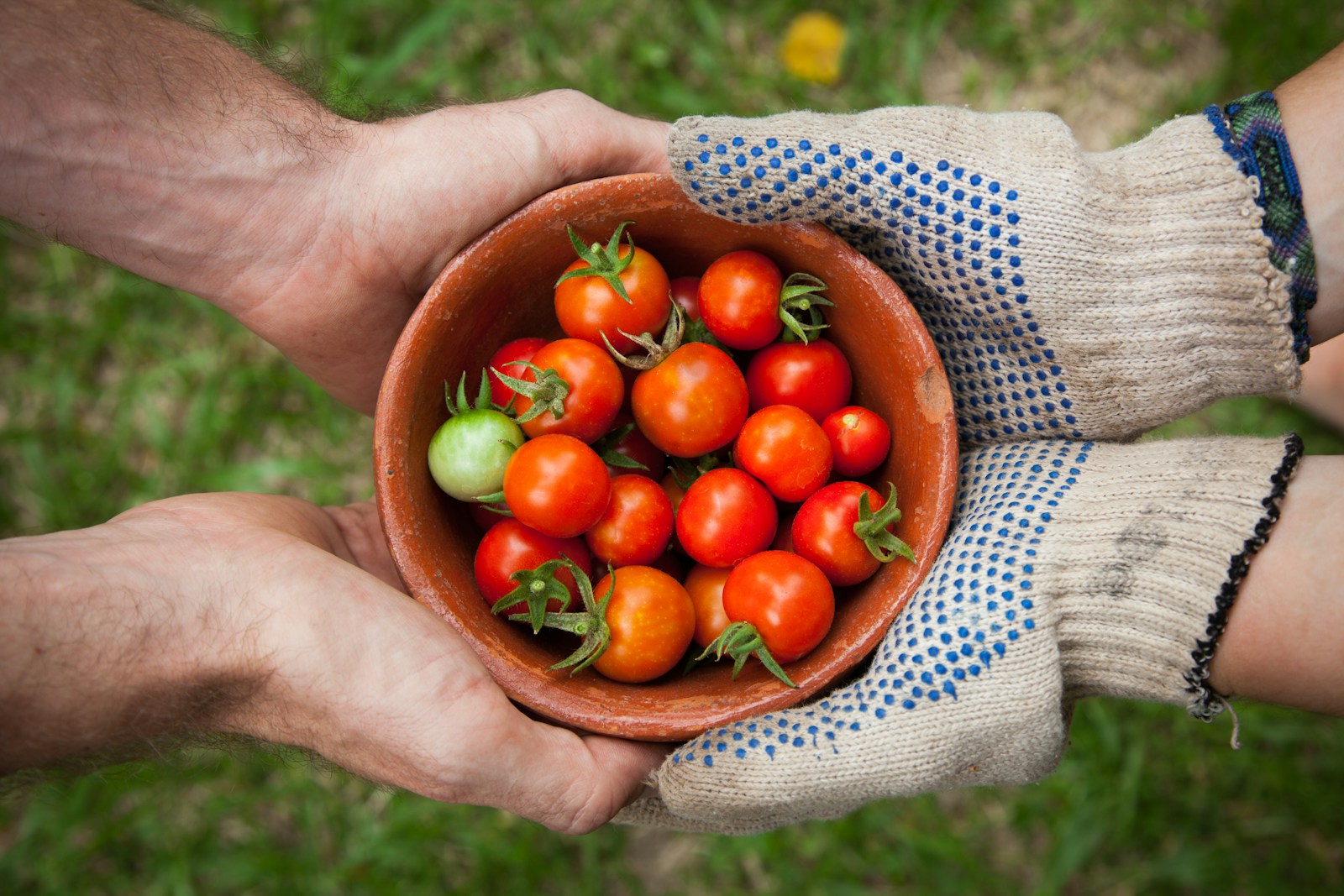
Tomatoes also ripen well indoors once they begin to change colour. Harvesting at this "breaker" stage protects fruit from splitting after heavy rain, and from birds. Before your first frost, pick every mature green fruit and ripen it indoors at room temperature.
Store ripe tomatoes on the counter, out of direct sun, and eat them within a few days. The fridge dulls their flavour. Surplus fruit can be frozen, dried, or cooked into sauce.
Save seed only from open-pollinated or heirloom varieties, since hybrids do not come true. Scoop the seeds and pulp into a jar, leave them for a few days until a mould forms on top, then rinse, dry and store them somewhere cool.
Tomato leaves and stems are toxic to cats, dogs and other pets. Keep pets away from the plants and from pruned shoots, and never compost clippings where animals can reach them.
Problems and pests
Dark, sunken patches on the base of the fruit
This is blossom end rot. It comes from a shortage of calcium in the developing fruit, and uneven watering is almost always the cause. Water deeply and regularly, and mulch to keep the soil evenly moist. Remove affected fruit; later fruit is usually fine once watering settles.
Brown spots with rings on the lower leaves
Early blight is a fungal disease. It makes brown spots with target-like rings, and the leaves around them turn yellow. It starts low and moves up the plant. Remove affected leaves, mulch to stop soil splashing, water at the base and space plants for airflow. Rotate crops each year. Copper sprays are an organic option; follow the label, wear gloves and eye protection, and keep them off bare skin.
Large green caterpillars stripping leaves overnight
Tomato hornworms are fat green caterpillars up to 4 inches (10 cm) long with a horn on the tail. Look under leaves at dusk or dawn and pick them off by hand. Leave any covered in small white cocoons, as those are parasitic wasps that control the pest for you.
Fruit that cracks or splits
Splitting follows a sudden flush of water after a dry spell. Keep watering steady and pick ripening fruit before heavy rain.
Flowers that drop without setting fruit
Blossom drop happens when nights fall below about 55°F (13°C) or days rise above about 90°F (32°C). It usually stops once temperatures return to normal. Shade cloth helps during heatwaves.
Varieties worth growing
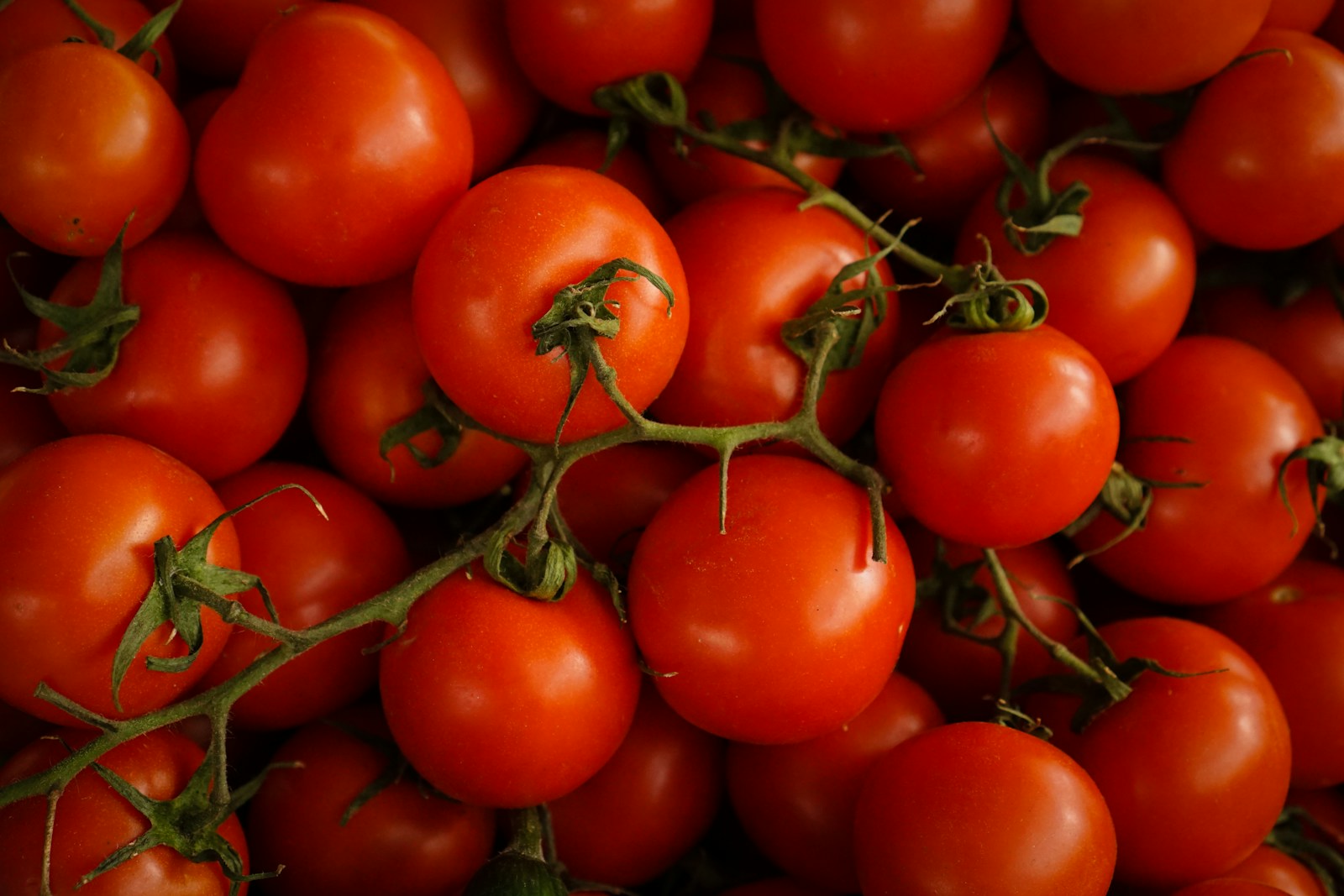
Cherry
- Sungold: indeterminate hybrid with sweet, golden-orange fruit and an early start.
- Sweet Million: indeterminate hybrid with long trusses of small red fruit.
Determinate
- Celebrity: compact hybrid with medium red fruit and good disease resistance.
- Bush Early Girl: compact plant with early, medium red slicing fruit.
Indeterminate
- Brandywine: large pink heirloom beefsteak known for its rich flavour.
- Cherokee Purple: dusky purple-red heirloom with a deep, sweet taste.
Paste
- Roma: determinate plum tomato with firm, meaty flesh for sauce.
- San Marzano: indeterminate paste tomato with long, pointed fruit.