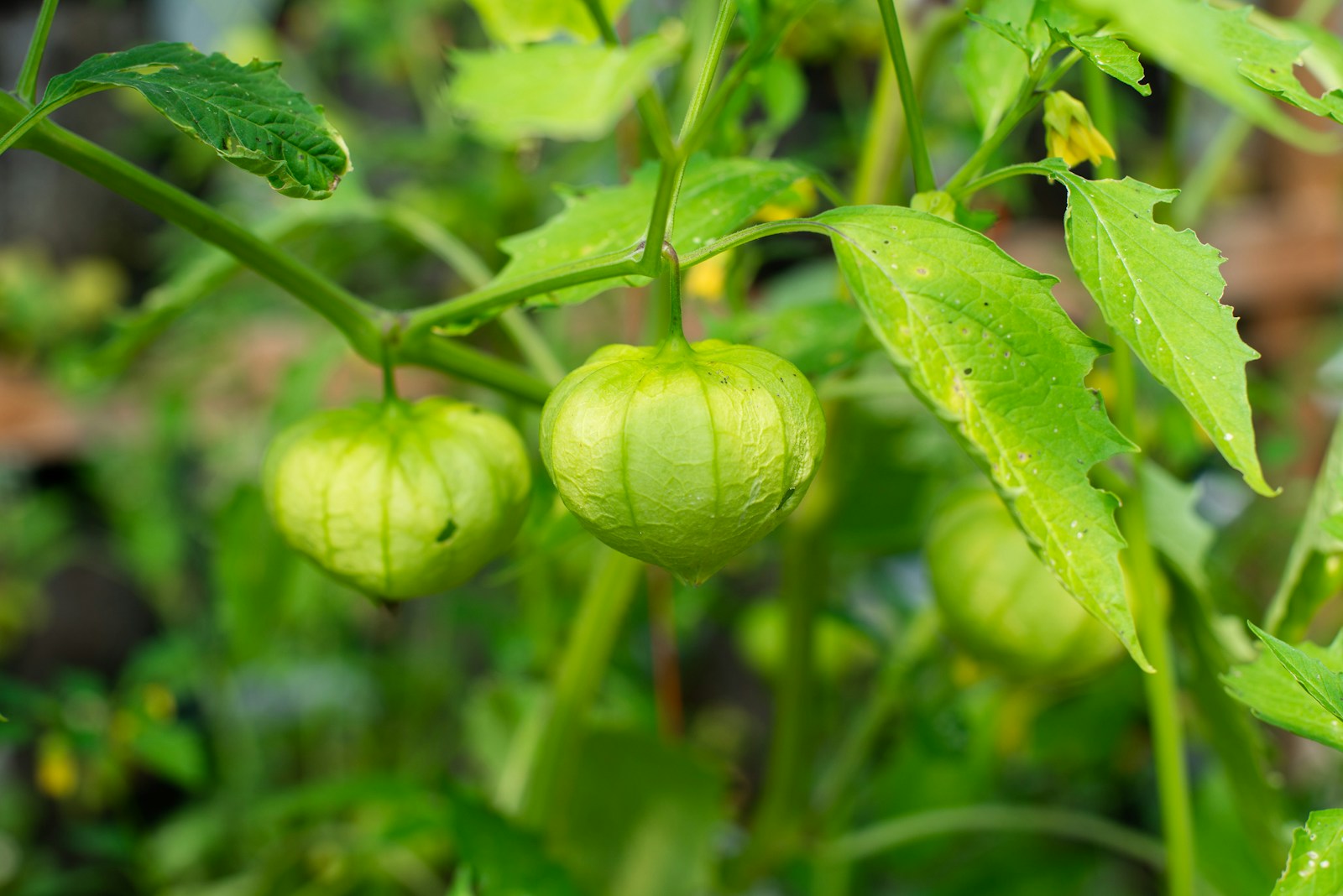
Tomatillos are tender, bushy plants that bear round, tangy fruit wrapped in a papery husk. They are the key ingredient in salsa verde and many green sauces. Plants are vigorous and productive once the weather warms. They are easy to grow, as long as you plant at least two so the flowers can pollinate each other.
Sowing and planting
Start seed indoors six to eight weeks before your last frost. Sow 1/4 inch (6 mm) deep in small pots or cell trays. Keep the compost warm, ideally 70°F to 85°F (21°C to 29°C). Seedlings usually appear in five to ten days. A heat mat helps in a cool house.
Give seedlings strong light as soon as they emerge. Pot them on into 3 to 4 inch (8 to 10 cm) pots once they have two true leaves.
Plant out one to two weeks after your last frost, when nights stay above 50°F (10°C). The soil should be at least 60°F (16°C). Harden off the plants first (get them used to outdoor conditions over seven to ten days).
Like tomatoes, tomatillos can be planted deep. Bury the stem up to the first set of leaves. Roots form along the buried stem and make the plant sturdier.
In long, warm summers, such as USDA zones 8 to 11, you can also sow directly outdoors once the soil is warm. Sow two or three seeds per spot and thin to the strongest.
Plant at least two tomatillo plants, and ideally three or more. The flowers are self-incompatible, which means a flower cannot set fruit with pollen from its own plant. Bees carry pollen between plants, so group them close together rather than scattering them around the garden.
Growing on
Water deeply once or twice a week rather than a little every day. Aim for about 1 inch (2.5 cm) a week, more in hot, dry spells. Water at the base to keep the leaves dry.
Tomatillos need less feeding than tomatoes. Dig compost into the bed before planting. Too much nitrogen gives you a jungle of leaves and few fruit. If growth is weak, side-dress (scatter along the row) a little balanced organic fertilizer once flowering starts. Wear gloves when handling fertilizers and wash your hands afterwards.
Once the soil has warmed, spread 2 to 3 inches (5 to 8 cm) of straw or shredded leaves around the plants. Mulch holds moisture, keeps down weeds and keeps fallen fruit clean.
Plants grow wide and floppy, and heavy branches snap. Support them with a sturdy tomato cage, a stake or a simple frame of stakes and twine. Put the support in at planting time so you do not damage roots later.
You do not need to prune tomatillos. If a plant crowds its neighbors, trim a few side branches to open it up. Remove any leaves that touch the soil.
Keep companion planting simple. Tomatillos grow well near basil, marigolds, onions and peppers. Avoid planting them where tomatoes, potatoes, peppers or eggplants grew the year before, since they share many pests and diseases.
Harvesting
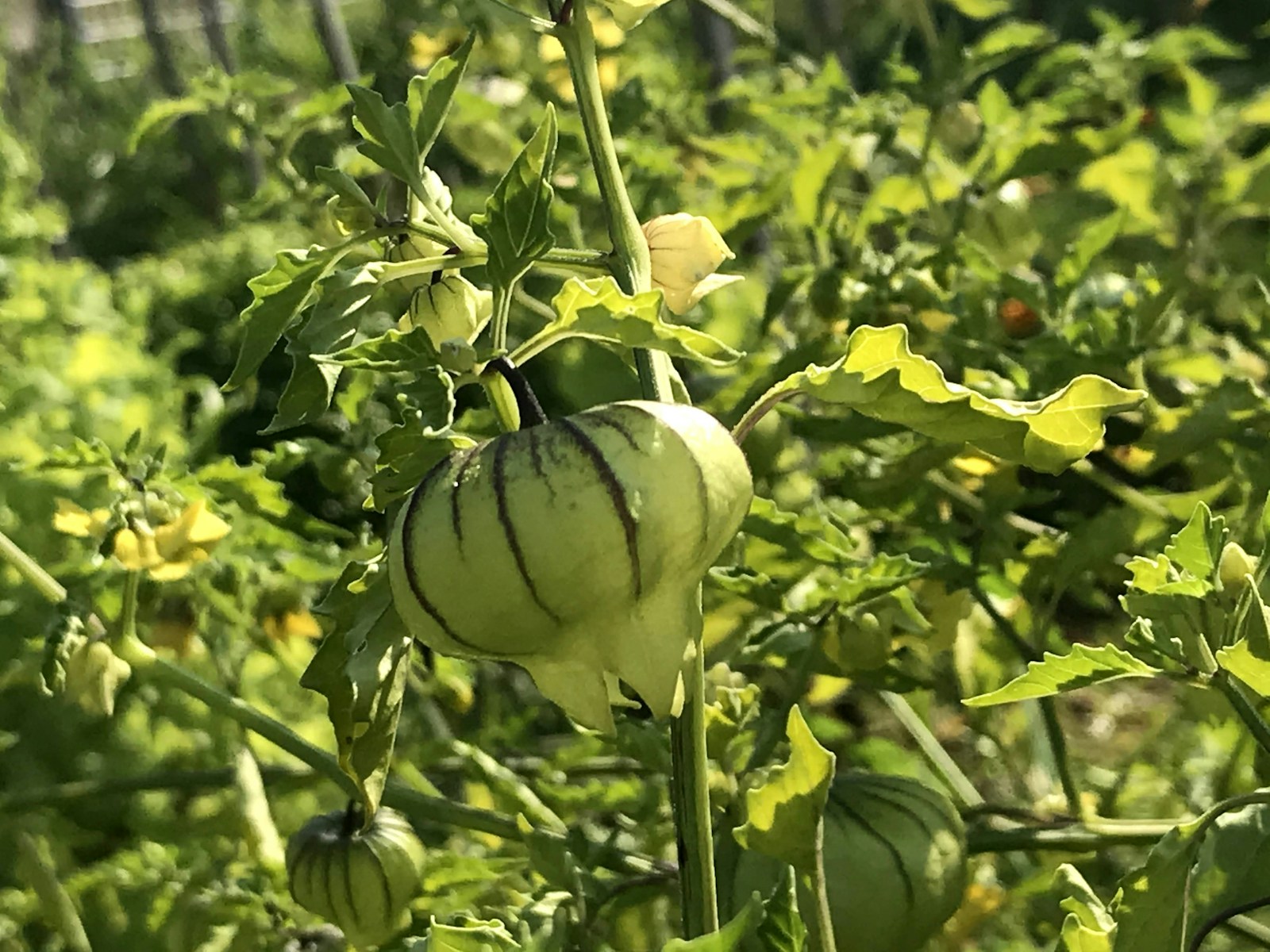
Fruit forms inside a husk that inflates first, like a small lantern. The fruit then swells to fill it. A tomatillo is ready when the fruit fills the husk and the husk starts to turn from green to tan or split. The fruit should be firm and bright green, or purple or yellow for colored varieties.
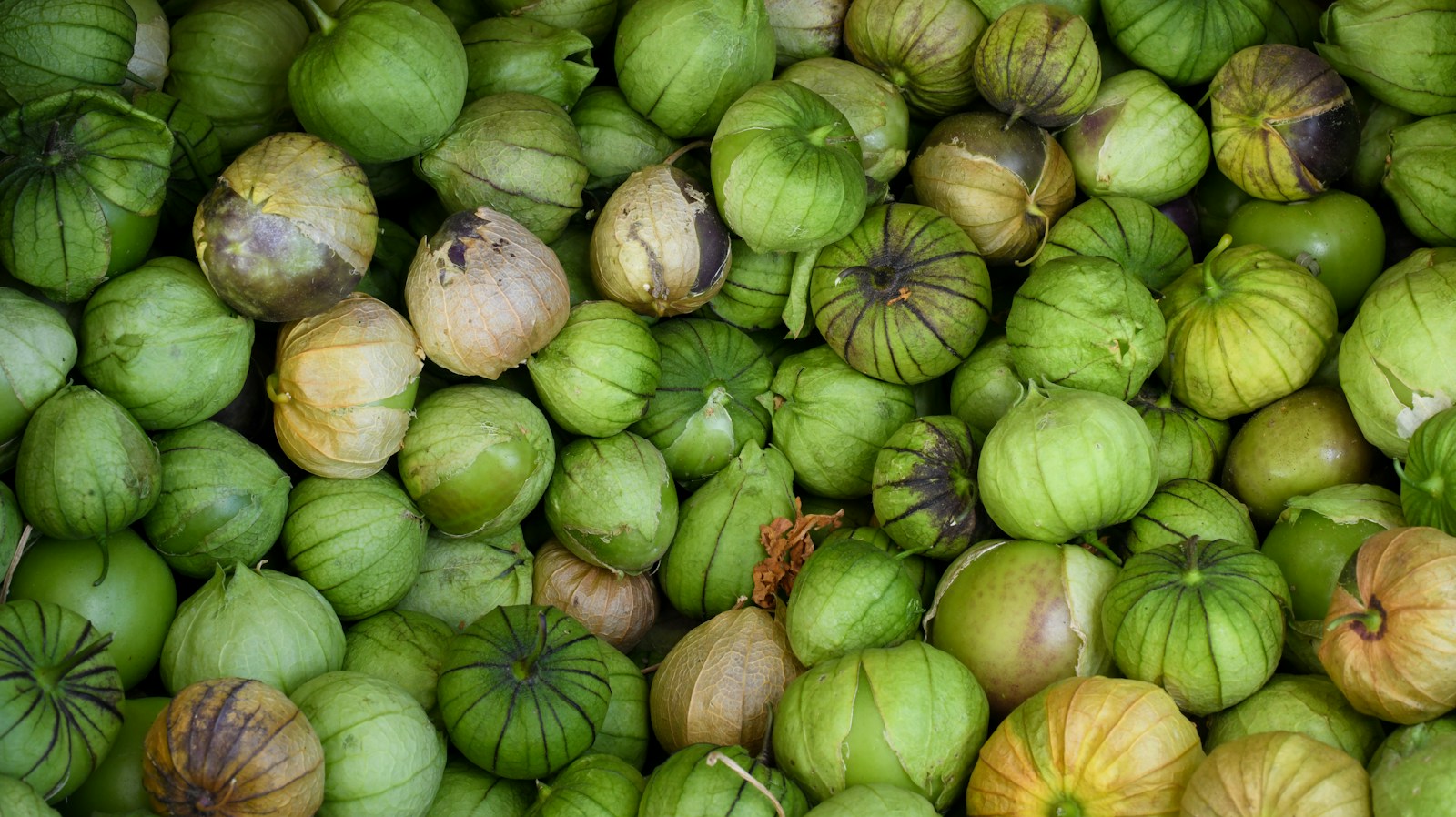
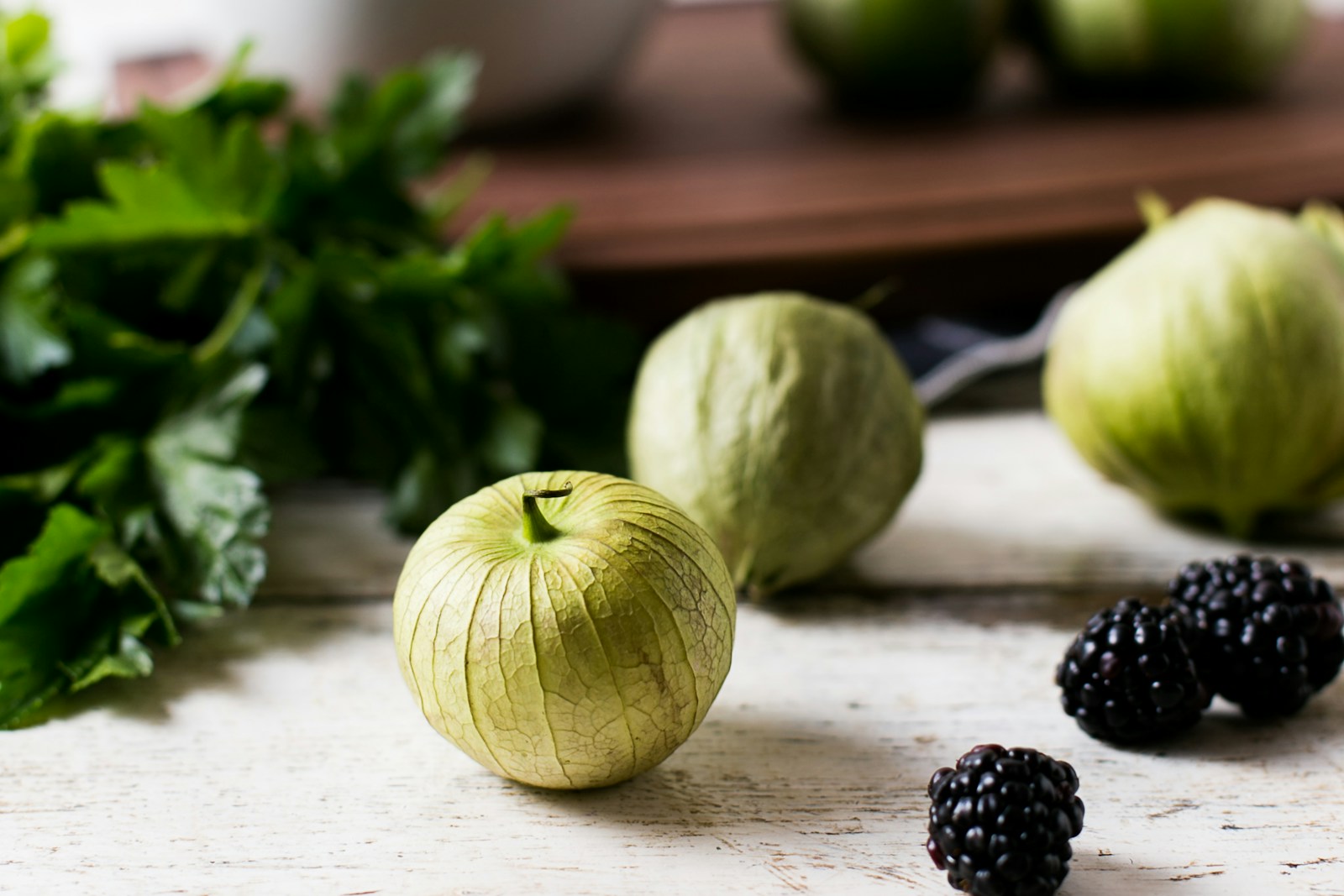
Pick often. Twist the fruit off gently or snip it with scissors. Most gardeners harvest green fruit for the best tangy flavor. Fully ripe fruit turns yellow and tastes sweeter and milder.
Fallen fruit is often perfectly good. Collect it daily so it does not rot or seed itself all over the bed.
Store tomatillos in their husks in a paper bag in the fridge. They usually keep for two to three weeks. For longer storage, remove the husks, rinse off the sticky coating and freeze them whole. Roast or simmer them for sauces.
Saving seed is simple. Scoop the seeds from a fully ripe fruit, rinse and dry them on a plate. Tomatillos cross between plants, so save from the variety you like best and grow only one type if you want seed true to type.
Problems and pests
Unripe tomatillo fruit, leaves and stems are toxic. Eat only mature fruit that fills its husk, always remove the husk, and keep children and pets away from the plants.
Plenty of flowers but empty husks
Poor pollination, the most common tomatillo problem. A single plant cannot pollinate itself. Grow at least two plants close together and grow flowers nearby to attract bees. Very hot weather can also stop fruit set for a while.
Many tiny holes in the leaves
Flea beetles, small jumping beetles that attack young plants. Cover seedlings with a row cover after planting out and remove it when flowering begins. Healthy, established plants usually outgrow the damage.
Leaves stripped, with striped beetles or soft larvae on the plant
Colorado potato beetle or three-lined potato beetle, which both feed on tomatillos. Hand-pick adults and larvae into soapy water, and crush yellow egg clusters under the leaves. Rotate crops each year.
Large green caterpillars and bare stems
Tomato hornworm, a big green caterpillar that blends in well. Look for dark droppings on the leaves below, then hand-pick. Bacillus thuringiensis (Bt), a biological spray, controls young caterpillars; follow the label and wear gloves when mixing.
Yellow, spotted leaves low on the plant
Fungal leaf spot or early blight, spread by splashing water. Remove affected leaves, water at the base and keep plants mulched. Space them well so air moves freely.
Varieties worth growing
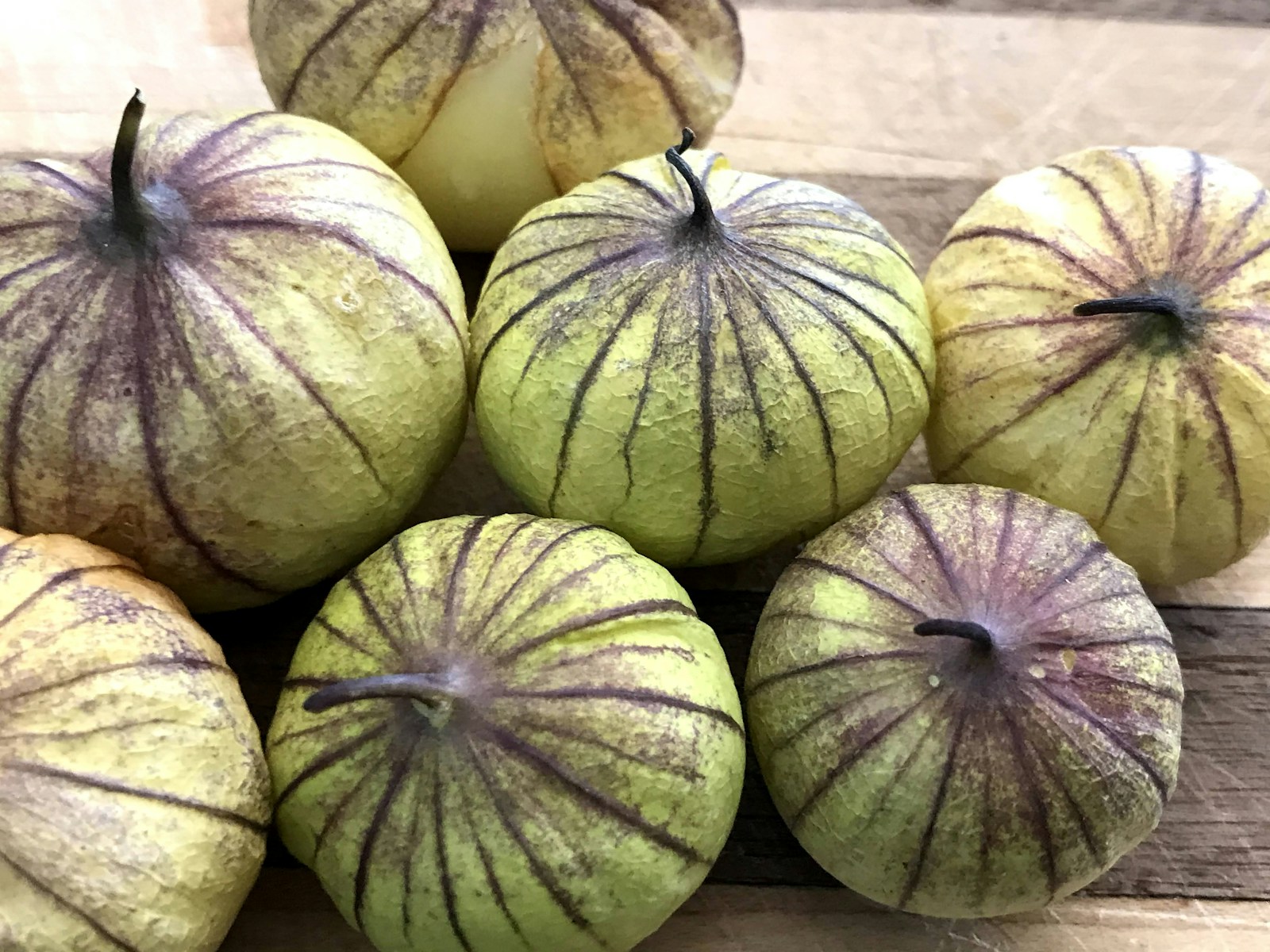
- 'Toma Verde': A popular early green variety with medium-sized fruit; reliable and productive.
- 'Rio Grande Verde': Large green fruit on vigorous plants, suited to warm summers.
- 'Verde Puebla': A traditional green type with large, flavorful fruit.
- 'Purple' (also sold as 'Purple de Milpa'): Smaller fruit that turns purple, with a sweeter taste.
- 'Amarylla': A yellow-fruited type that is sweeter and milder than green varieties.