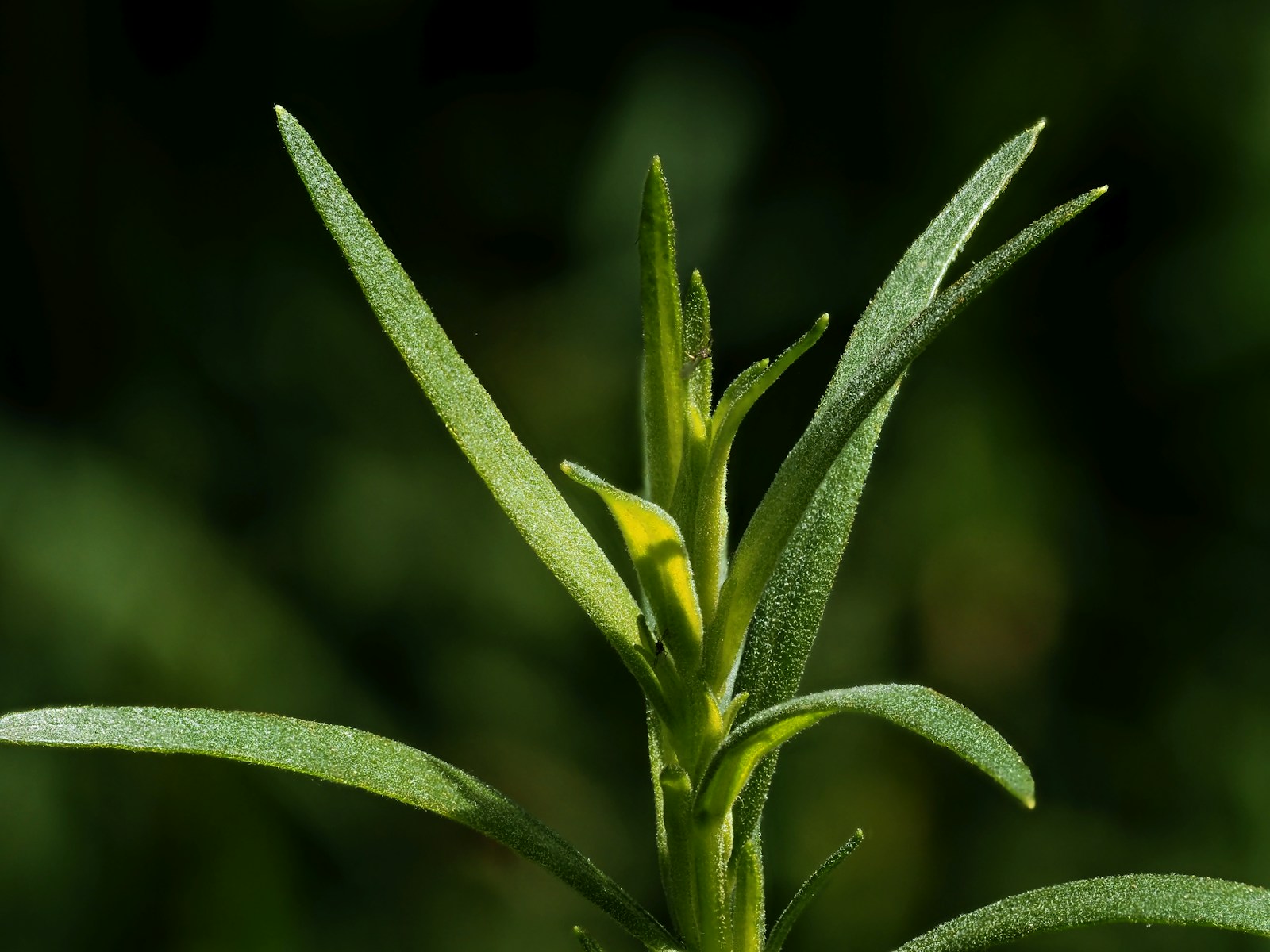
Tarragon is a hardy perennial herb with narrow, glossy leaves and a warm, anise-like flavour. It is a classic partner for chicken, fish, eggs and creamy sauces. French tarragon is the one cooks want, and it is easy to keep once established. The catch is that you must start with a plant, not a packet of seed.
Sowing and planting
French tarragon rarely flowers, and when it does it does not set viable seed. Every true plant is grown from a cutting or a division (a rooted piece split from an older clump). Any seed sold as "tarragon" is Russian tarragon. It grows easily but has little flavour. Buy French tarragon as a potted plant from a nursery, and crush a leaf before you buy. True French tarragon has a clear anise scent and numbs the tongue slightly.
Plant out one to two weeks after your last frost, once the soil has warmed. Choose a sunny spot with free-draining soil. Tarragon dislikes heavy clay. Mix in grit or plant in a raised bed if your soil stays wet. Set the plant at the same depth it grew in its pot and water it in.
In pots, use a container at least 12 inches (30 cm) wide and deep. The roots spread sideways by runners. Use a gritty potting mix and make sure the pot drains freely.
To make new plants, divide clumps in spring as new shoots appear. Lift the clump, pull or cut it into sections with roots and shoots, and replant them. Divide every three to four years to keep plants vigorous. You can also take 4-6 inch (10-15 cm) cuttings from soft new shoots in late spring. Root them in a gritty mix kept lightly moist, out of direct sun.
If you do grow Russian tarragon from seed, sow indoors six to eight weeks before your last frost. Press the tiny seed onto the surface and barely cover it. Keep it at 65-70°F (18-21°C). Plant out after your last frost.
Growing on
Water young plants regularly until they settle in. Once established, tarragon copes well with dry spells. Water deeply only when the top 2 inches (5 cm) of soil are dry. Wet soil causes more losses than drought.
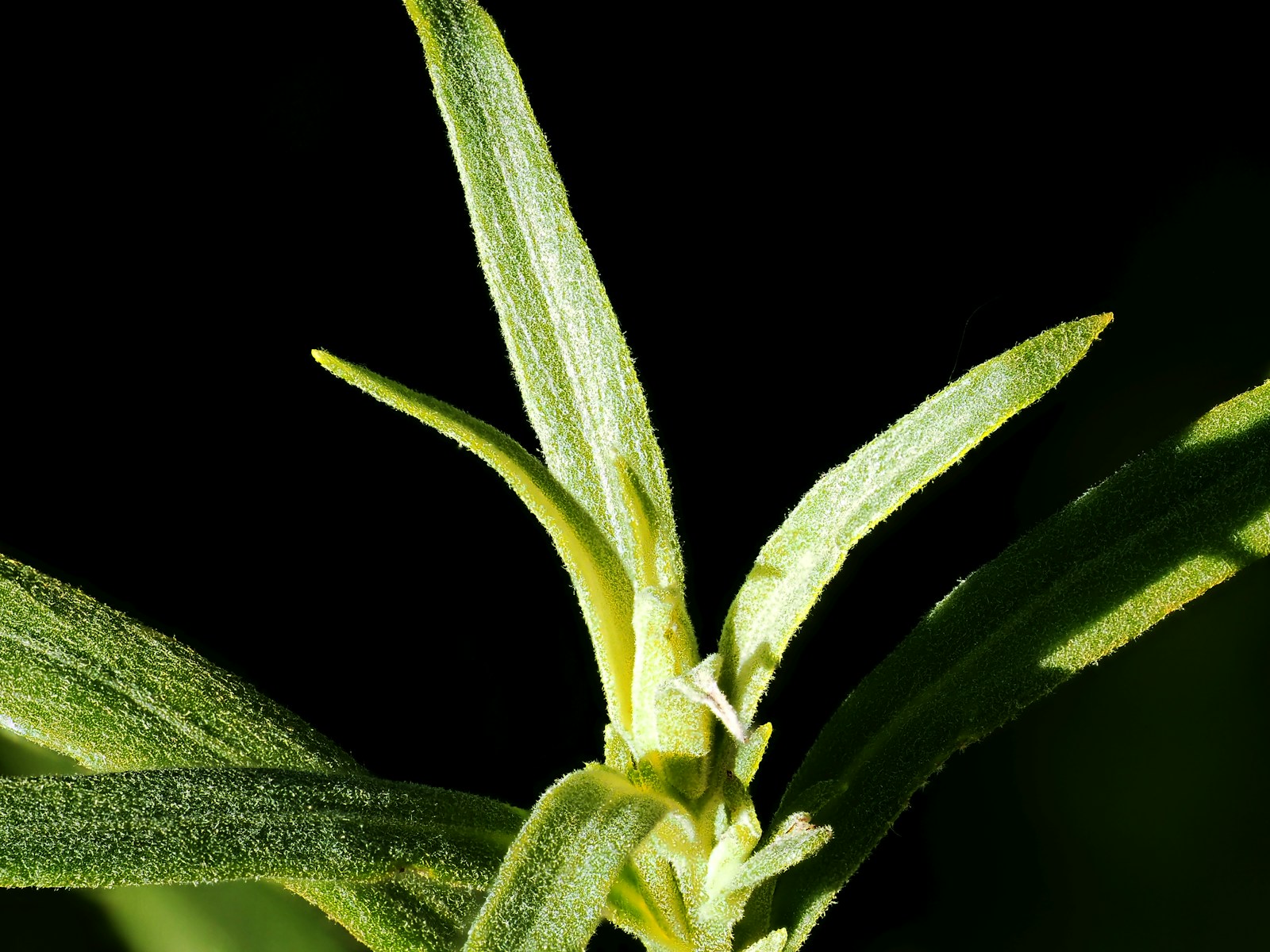
Tarragon needs little feeding. Rich soil and heavy feeding give soft, leafy growth with weaker flavour. A thin layer of compost in spring is enough. Feed potted plants with a half-strength balanced liquid feed once a month in summer.
Pinch out the shoot tips in early summer to keep plants bushy. Cut off any flower stems as they appear so the plant puts its energy into leaves. Tall stems can flop in wind or rain. Push a few twiggy sticks around the clump if needed.
In autumn, the top growth yellows and dies back. Cut it to about 2 inches (5 cm) above the ground. In zones 4-5, cover the crown with a loose mulch of straw or leaves after the ground freezes. Remove it in spring as new shoots appear. Potted plants need a sheltered spot, such as an unheated garage or a cold frame, in cold areas. French tarragon needs a cold, dormant winter to stay healthy. In zones 9 and warmer it usually weakens after a year or two.
Tarragon is said to be a good neighbour for most vegetables, though evidence is anecdotal. Keep it away from thirsty plants that need frequent watering.
Seed sold as "tarragon" is almost always Russian tarragon, which has a weak, grassy flavour. For true French tarragon, buy a named plant and check its scent before you buy.
Harvesting
Start picking lightly once the plant is 6-8 inches (15-20 cm) tall. Snip the top few inches of the stems with scissors, just above a leaf. Never take more than a third of the plant at once. In the first year keep harvests light so the plant can build strong roots. From the second year you can cut the whole plant back by about half in early summer. It regrows for a second cut later in the season.
The flavour is best in young leaves picked in the morning, once the dew has dried. Stop harvesting about a month before your first autumn frost.
Fresh sprigs keep for a few days in the fridge, wrapped in a damp paper towel. Tarragon loses much of its flavour when dried. Freezing keeps it better. Chop the leaves and freeze them in ice-cube trays with a little water or oil. Or freeze whole sprigs flat in a bag.
A classic way to keep the flavour is tarragon vinegar. Put a few clean sprigs in a bottle of white wine vinegar and leave it for two to three weeks. Strain it and use it in dressings and sauces.
If you dry tarragon, hang small bunches in a warm, dark, airy place and store the leaves in an airtight jar.
Problems and pests
Plants rot or fail to reappear in spring
Root rot is caused by wet, heavy soil, especially in winter. Grow tarragon in raised beds or gritty soil, and never let pots stand in water. Replace lost plants in a better-drained spot.
White powder on the leaves
Powdery mildew is a fungus that thrives in crowded, humid conditions. Thin or divide congested clumps to improve airflow. Water at the base and remove badly affected stems.
Orange or brown pustules under the leaves
Rust is a fungal disease that spreads in damp weather. Cut off and bin affected stems. Do not compost them. If rust returns every year, start a fresh plant in a new spot.
Curled shoots with clusters of small insects
Aphids feed on soft shoot tips. Rub them off or wash them away with a jet of water. If they persist, spray insecticidal soap. Follow the label, test on a few leaves first, and spray in the evening, away from bees.
Plants lose flavour and grow weakly after a few years
Old clumps become crowded and woody in the middle. Divide them in spring and replant the young outer pieces.
Varieties worth growing
French tarragon
- French tarragon (Artemisia dracunculus var. sativa): the true culinary tarragon; strong anise flavour; grown only from cuttings or divisions.
Russian tarragon
- Russian tarragon (Artemisia dracunculus, seed-grown): tall, very hardy and easy from seed, but with a weak, grassy flavour.
Mexican tarragon
- Mexican tarragon (Tagetes lucida): an unrelated marigold with a similar anise flavour and yellow flowers; a good substitute in hot, humid zones.