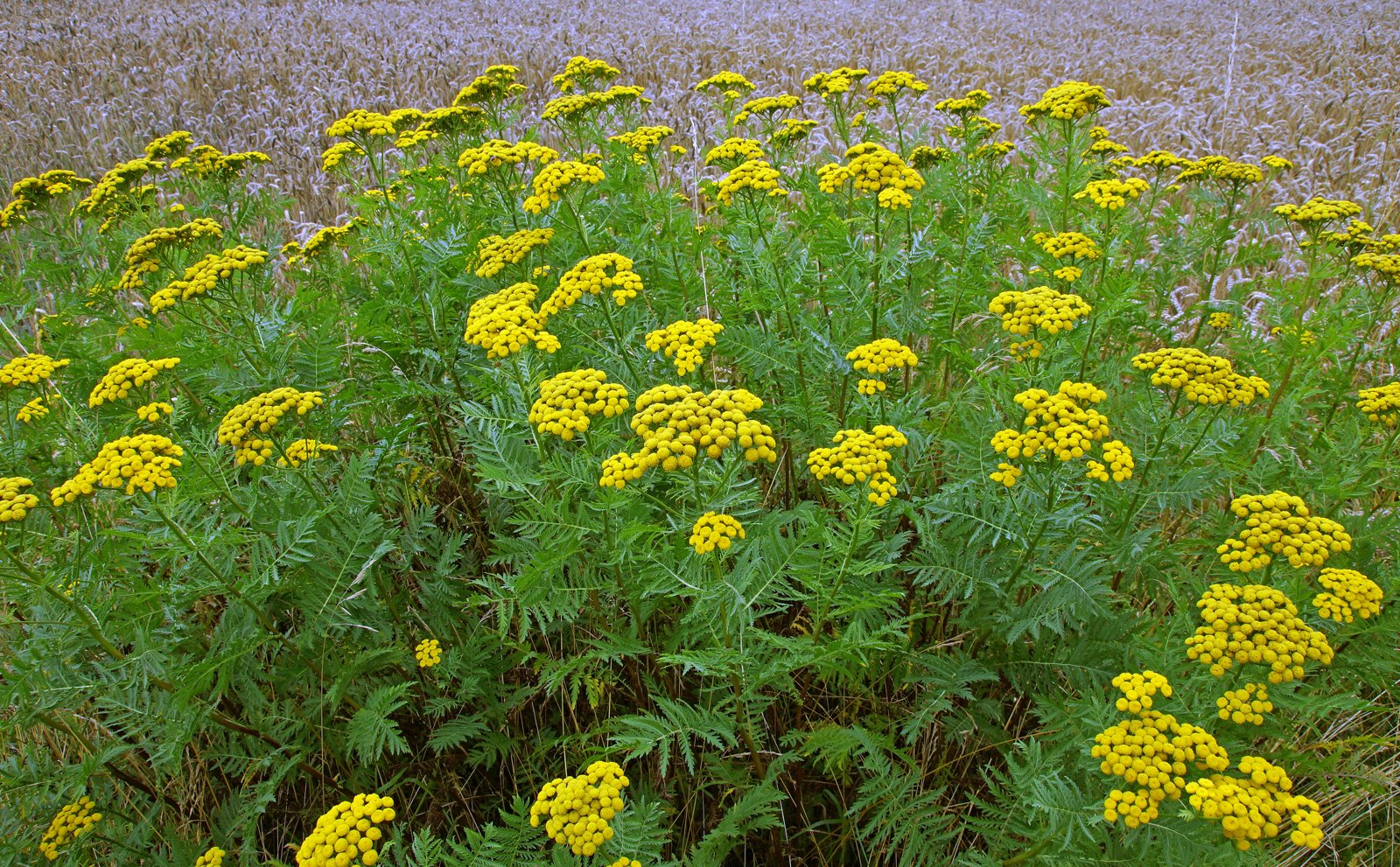
Tansy (Tanacetum vulgare) is a hardy perennial herb with ferny, sharp-scented leaves and flat clusters of gold button flowers. Settlers carried it from Europe, and it still marks old homesites across the Appalachians. Grow it today as an ornamental, a dried flower and a plant for small beneficial insects. It is very easy to grow. The real work is stopping it.
Tansy is poisonous. The leaves and flowers contain thujone, and tansy teas and oils have caused serious poisonings. Do not eat it, drink it or use it as a home remedy, and keep it away from children, pets and grazing animals. Tansy also spreads hard and is a listed noxious weed in several states, so check your state's rules before you plant it.
Sowing and planting
Decide where tansy can live before you buy it. A large pot is the safest home. Choose one at least 14 inches (35 cm) wide with drainage holes. In the ground, pick a spot bounded by paving or mown grass. You can also sink a bottomless bucket or root barrier about 12 inches (30 cm) deep around the plant. Never plant tansy beside a pasture, a stream bank or a wild area. Seed and root pieces escape from those places easily.
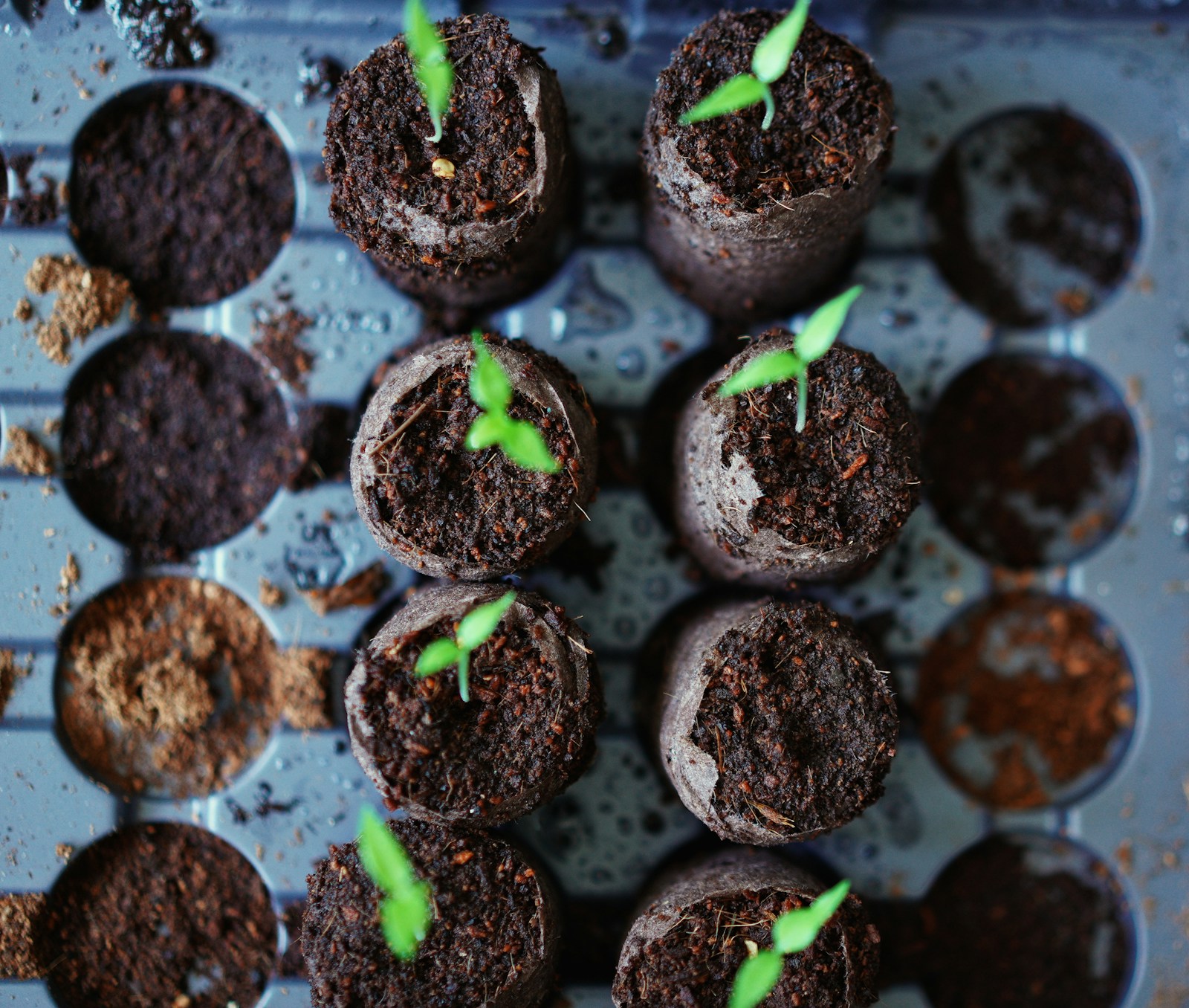
Tansy grows readily from seed. Start it indoors six to eight weeks before your last frost. Press the seed onto damp seed compost and cover it very thinly. Keep the tray at about 65 to 70°F (18 to 21°C). Seedlings usually appear within one to three weeks. Move them into single pots once they have two true leaves.
Harden off the young plants (get them used to outdoor conditions over a week or so). Plant them out after your last frost, 18 to 24 inches (45 to 60 cm) apart. You can also sow outdoors in fall and let winter cold do the work.
Division is quicker than seed. Lift a clump in early spring or in fall and cut off a rooted outer piece. Replant it at the same depth and water it in. Wear gloves for this job, because the sap irritates some skin. Put spare roots in the trash. Do not compost them or tip them over the fence.
Growing on
Water new plants through their first season whenever the top inch (2.5 cm) of soil dries out. After that, tansy copes with dry spells in most gardens. Pots need more regular watering, since they dry faster than open ground.
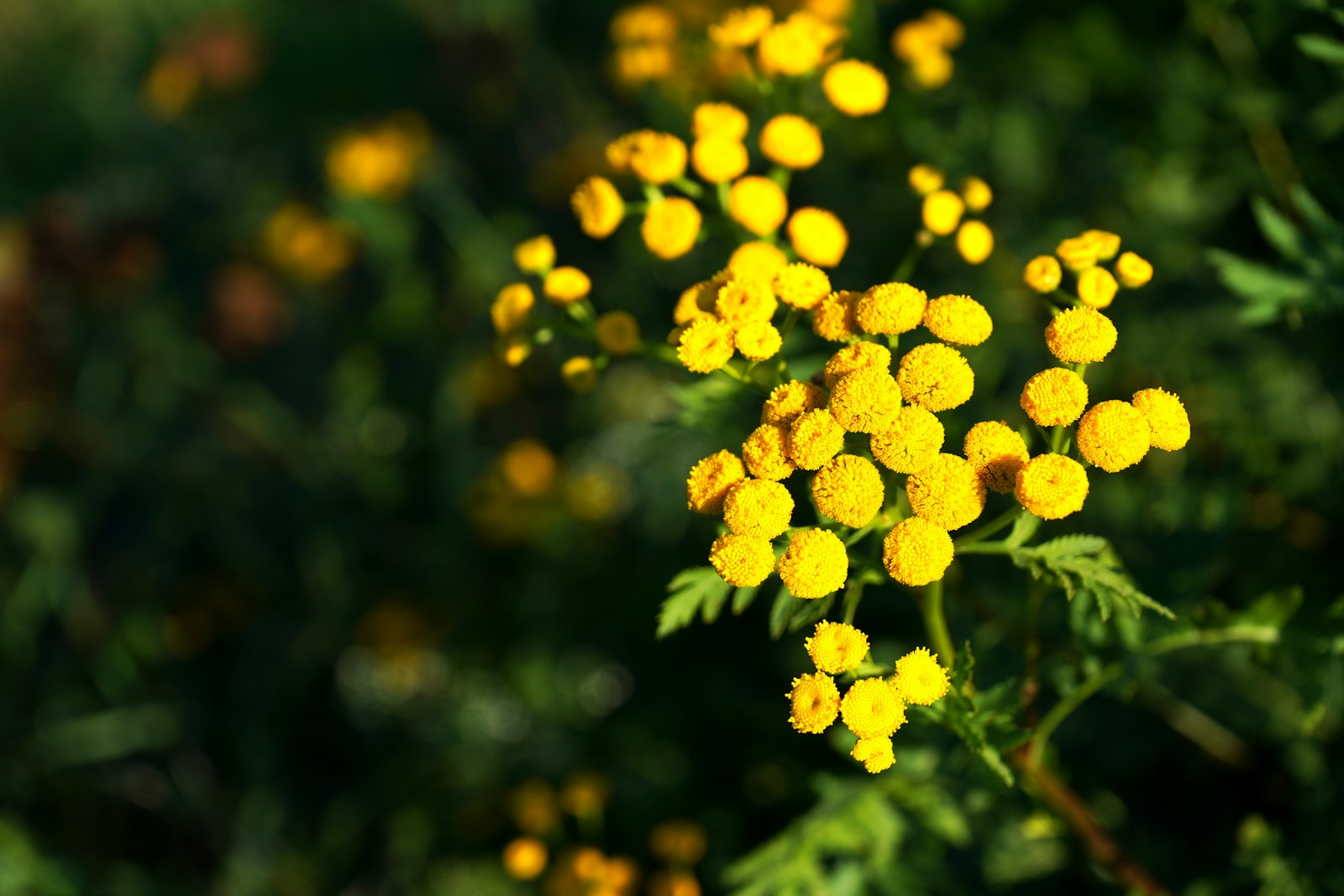
Do not feed tansy. Rich soil gives tall, soft stems that flop over. Lean, even poor, soil gives a shorter and sturdier plant. If your plants lean anyway, cut them back by about a third in late spring. They regrow bushier and flower a little later. A few twiggy sticks pushed in around the clump also help.
Containment is the main task each year. Cut off every flower head before it turns brown and sheds seed. Pull or dig any shoots that come up outside the plant's allotted space. Each fall or spring, chop around the clump with a spade and remove the runners. Repot container plants every two or three years, and check that roots are not leaving through the drainage holes.
Cut the dead stems to the ground in late fall or late winter. Divide crowded clumps every three years or so to keep them vigorous.
Harvesting
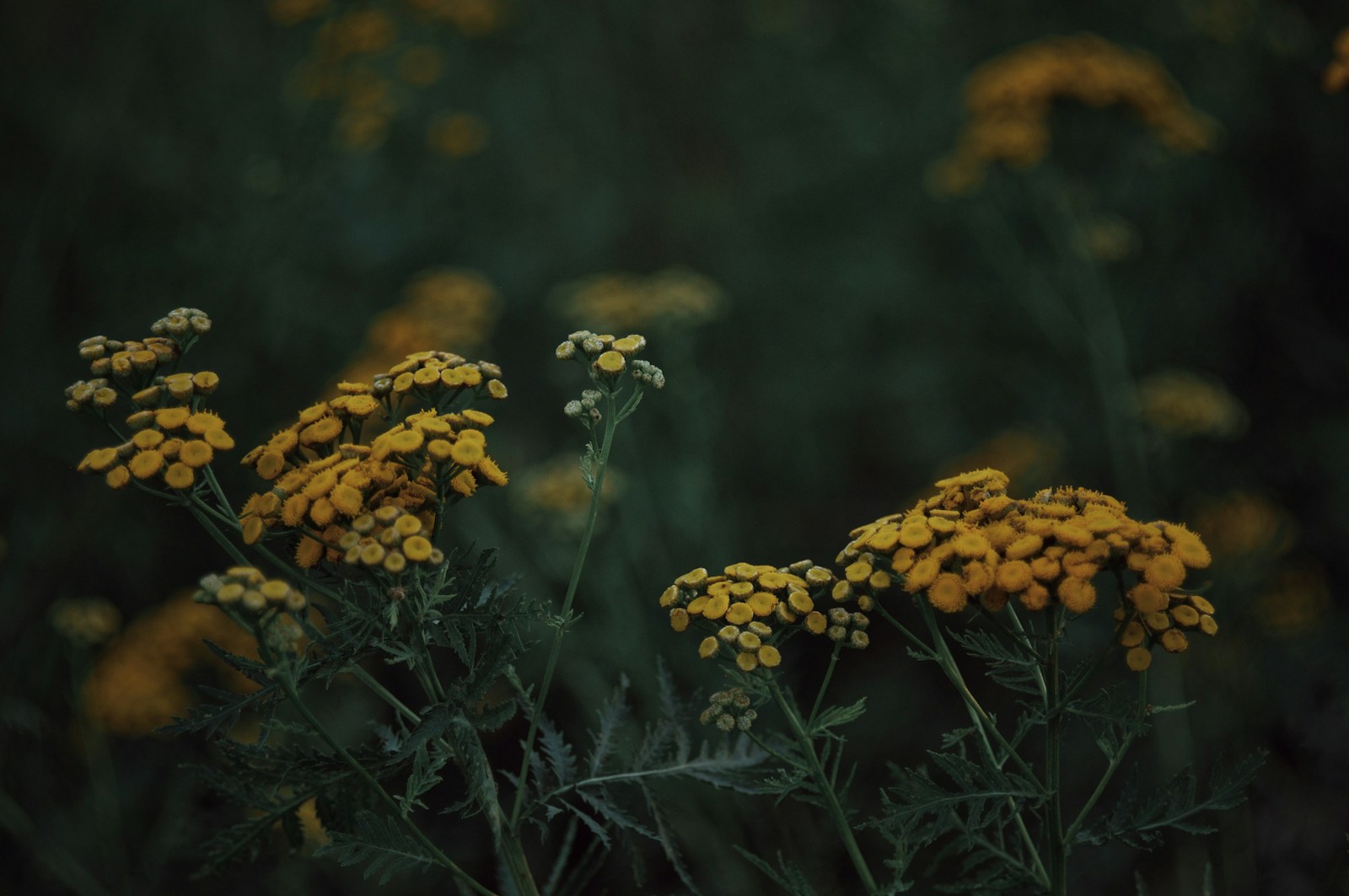
Tansy is harvested for drying, never for the kitchen. Cut flowering stems when the buttons are fully gold and still firm. That is usually midsummer to early fall. Older heads turn brown and shatter. Choose a dry morning after the dew has gone. Wear gloves and long sleeves if your skin is sensitive.
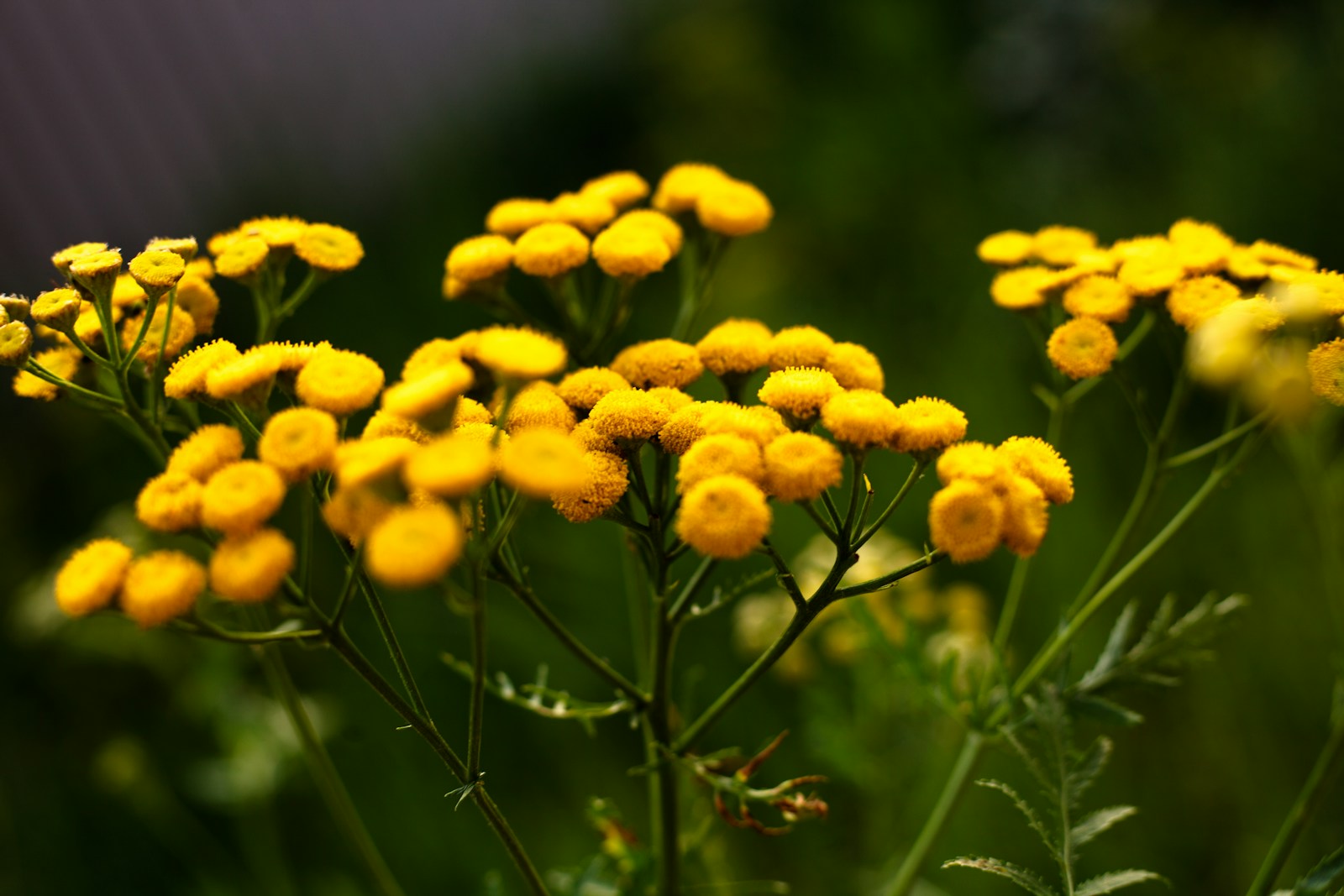
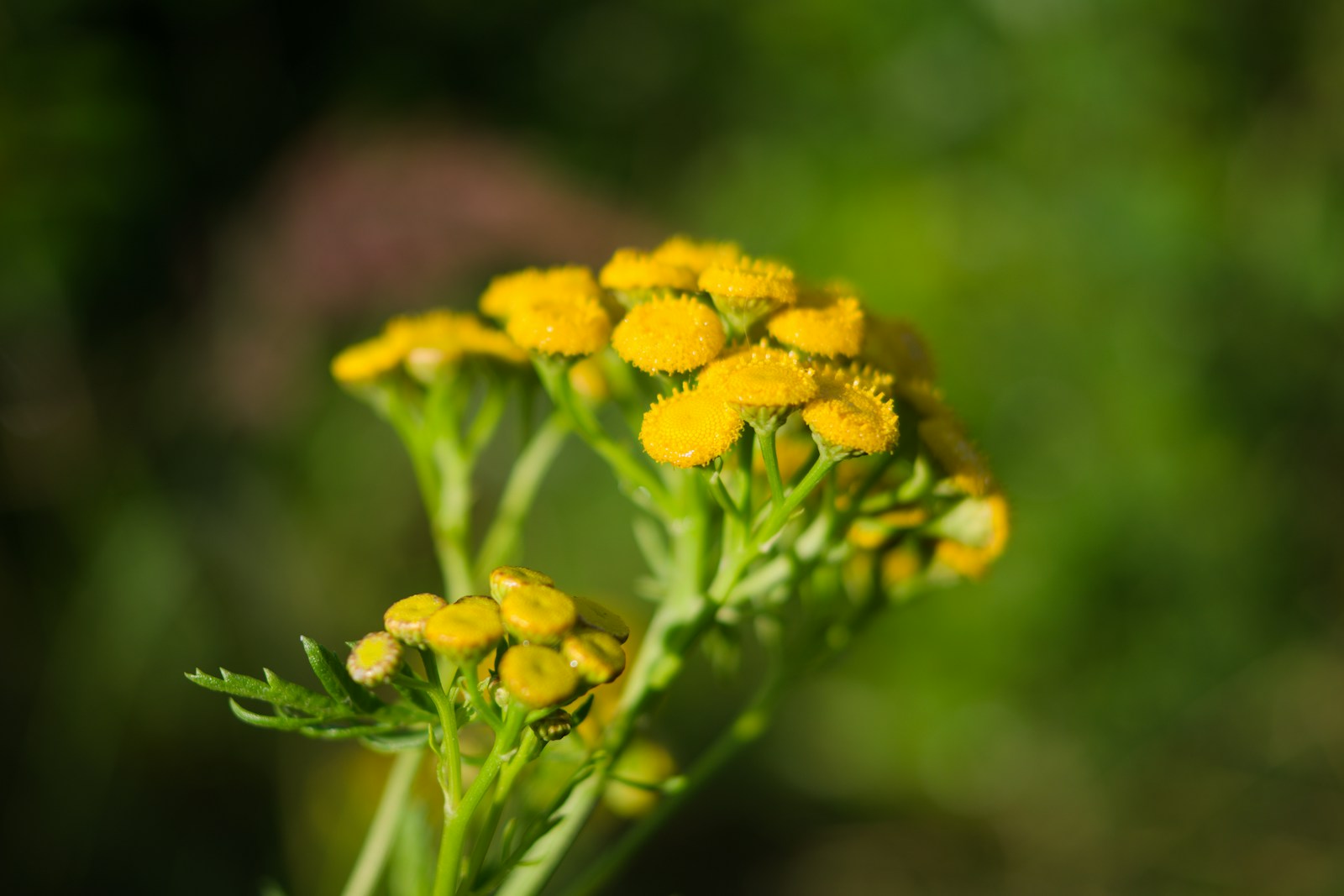
Strip the lower leaves and tie the stems in small bunches. Hang them upside down in a warm, dark, airy place for two to three weeks. The buttons hold their color well in wreaths and dried arrangements. Wash your hands and tools afterward. Keep dried bunches out of reach of children and pets.
Tansy has a long folk history in the southern mountains. Anthony Cavender's Folk Medicine in Southern Appalachia records that mountain families brewed hot tansy tea to help "bring out" childhood rashes and fevers. It was also counted among the old nerve herbs and was given for what were then called women's complaints. Elsewhere, country households hung or strewed the strong-smelling leaves to discourage insects. These uses are history only. Tansy is toxic, the old teas were dangerous, and nothing here is medical advice.
Problems and pests
Shoots coming up well away from the clump
Rhizomes are running. Dig the strays out with all their roots and put them in the trash. Then install a barrier or move the plant into a pot.
Seedlings appearing around the garden
Flower heads were left to ripen. Hoe off the seedlings while they are small. Next year, cut every head before it browns.
Tall stems flopping open from the center
The soil is too rich or the site too shady. Stop feeding, cut back by a third in late spring, and move the clump to full sun when you next divide it.
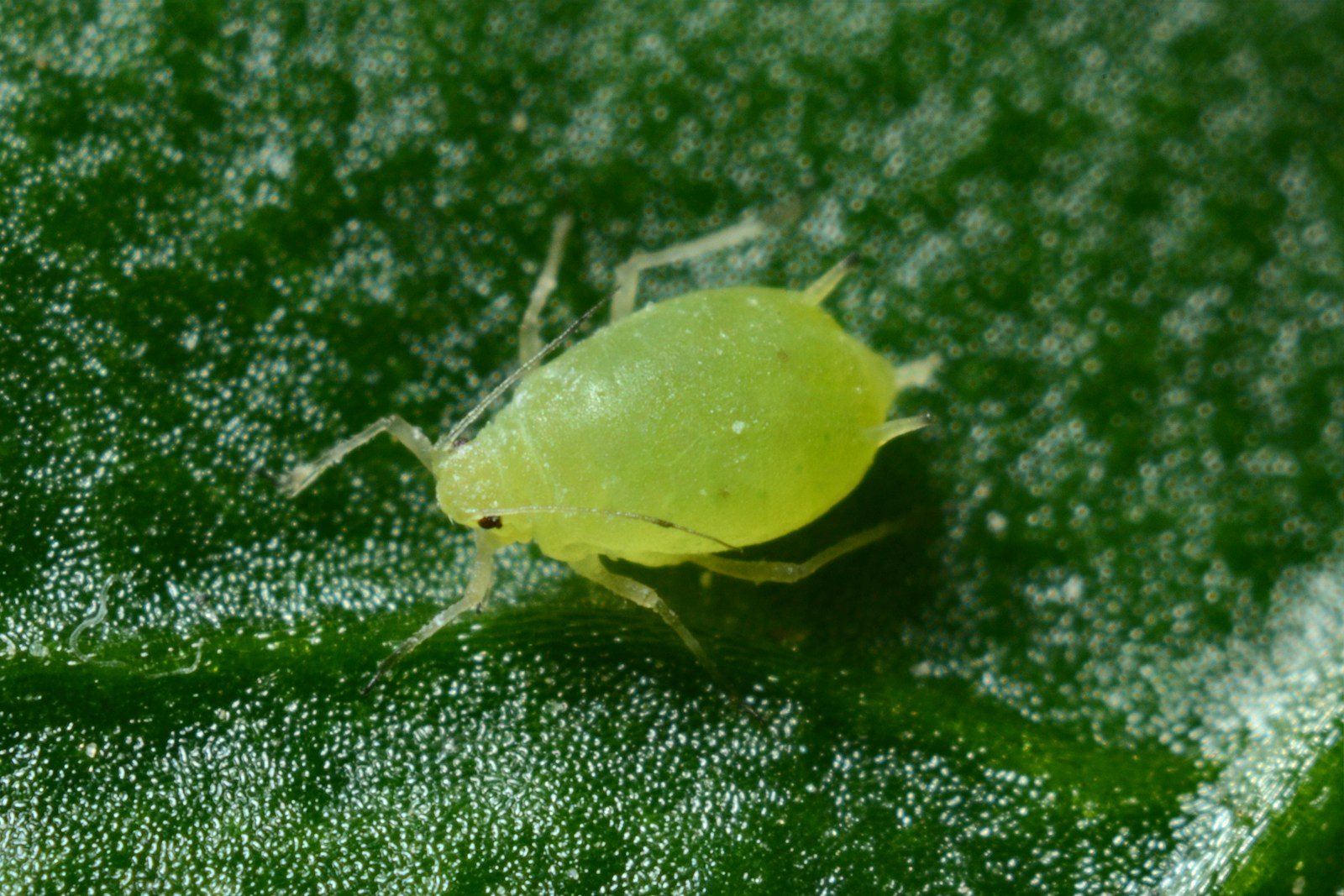
Clusters of small insects on the shoot tips
Aphids sometimes colonize tansy in summer. Knock them off with a firm spray of water. Lady beetles and hoverflies, which visit the flowers, usually finish the job.
Red, itchy skin after handling
Tansy sap can cause a contact rash in some people, especially those sensitive to other daisy-family plants. Wear gloves and long sleeves, and wash with soap and water after working with it.
Varieties worth growing
Common tansy has very few named cultivars, so the list below includes clearly labelled relatives. Treat every form of Tanacetum vulgare as toxic and do not eat any of these plants.
- Fern-leaf tansy (Tanacetum vulgare var. crispum): finely curled, lacy foliage on a shorter plant that spreads a little less eagerly.
- 'Isla Gold': a golden-leaved selection of common tansy grown mainly for foliage; brightest in full sun.
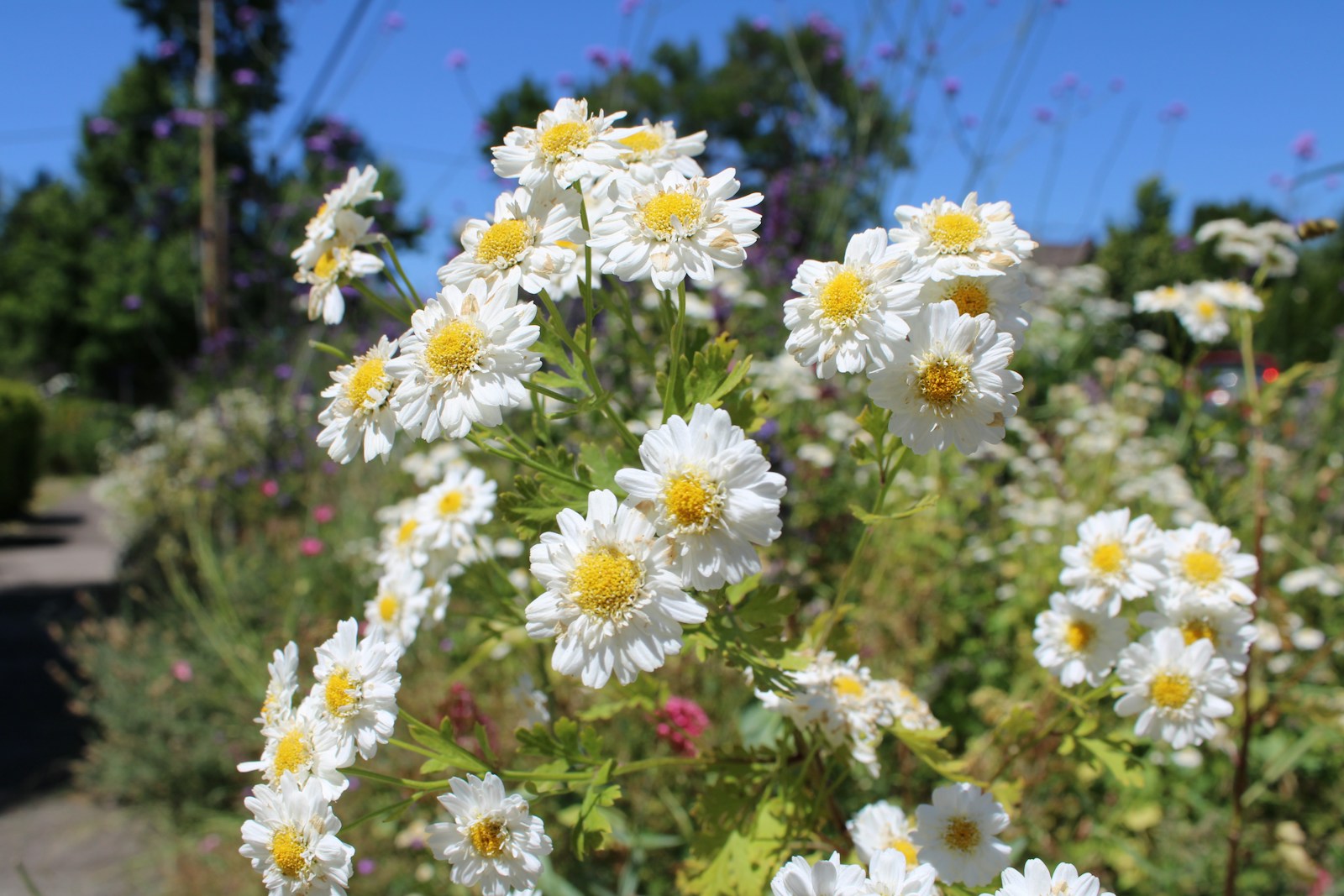
- Feverfew (Tanacetum parthenium, related species): a short-lived, clump-forming plant with small white daisies; it self-seeds but does not run.
- Costmary (Tanacetum balsamita, related species): an old cottage herb with broad, balsam-scented leaves, once pressed in books as a marker.
- Painted daisy (Tanacetum coccineum, related species): a well-behaved border perennial with pink, red or white daisies for cutting.