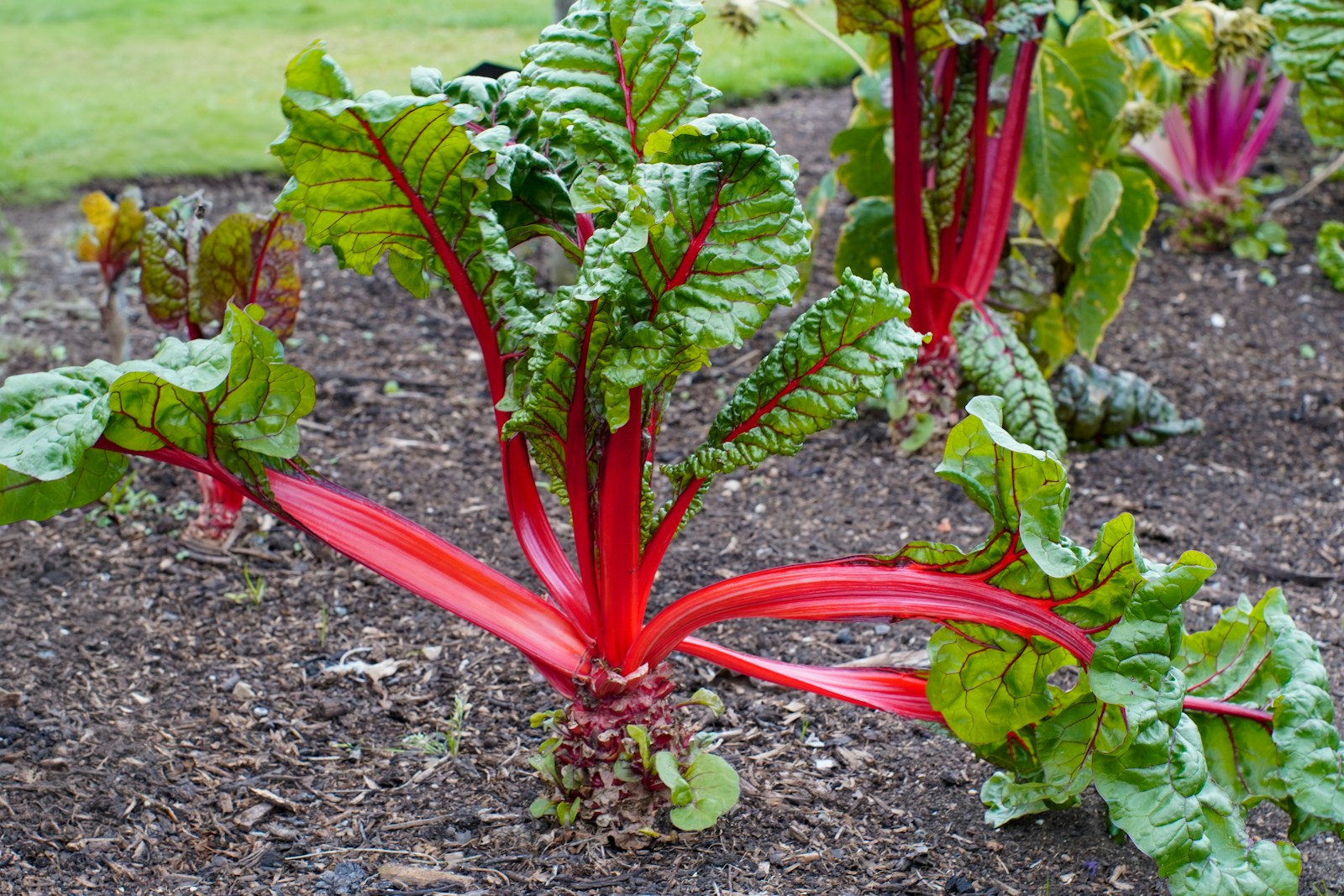
Swiss chard is a leafy beet grown for its glossy leaves and thick, often brightly colored stems. One sowing can feed you from spring until hard frost, because you pick the outer leaves and the plant keeps making more. It copes with heat better than spinach and with cold better than lettuce. It is one of the easiest greens for a first-year gardener.
Sowing and planting
Sow outdoors two to four weeks before your last frost. Chard germinates in cool soil from about 50°F (10°C), though it is faster in soil near 75°F (24°C). Seedlings usually appear in five to ten days.
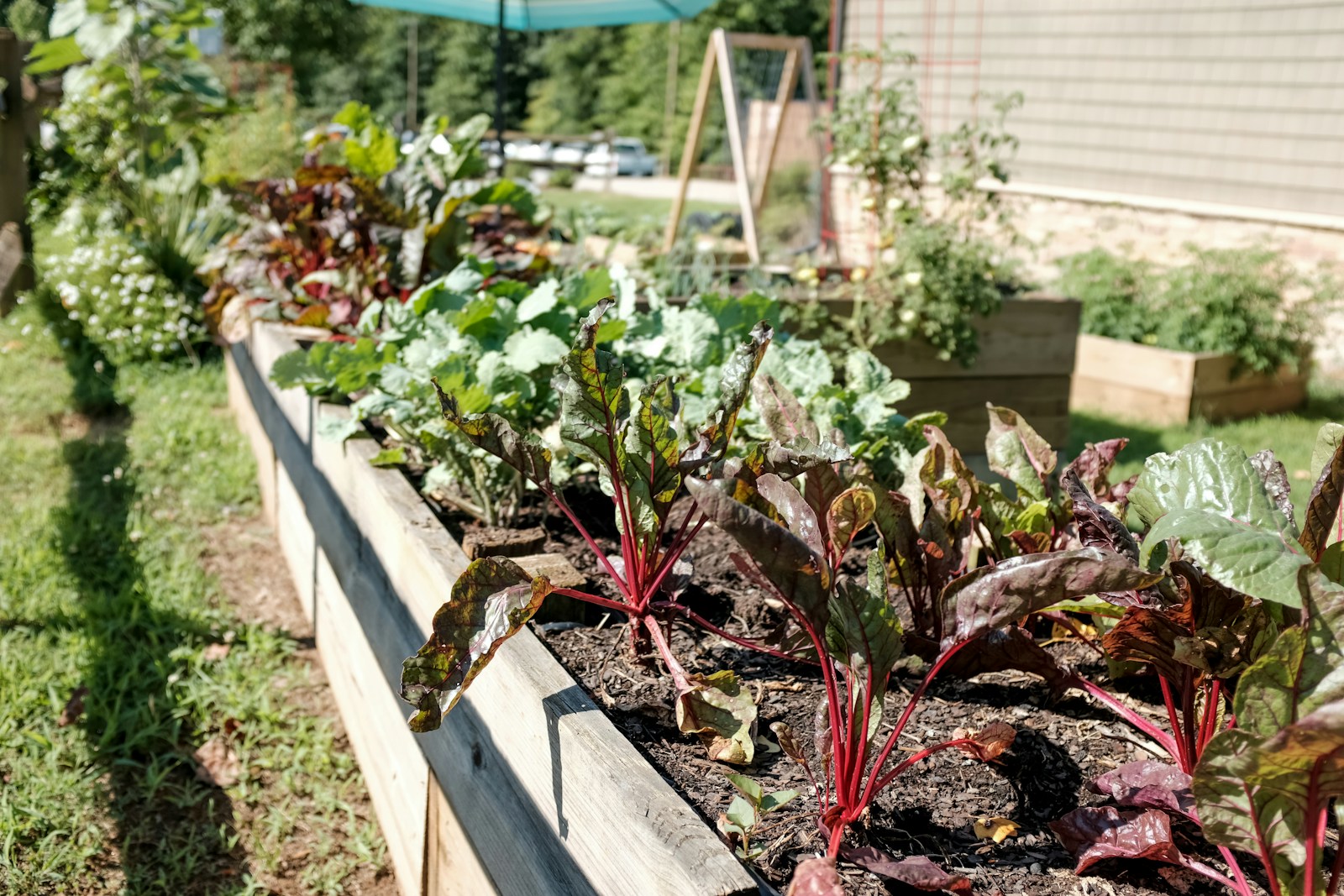
You can also start plants indoors four to six weeks before your last frost. Sow into cell trays or small pots, one seed cluster per cell. Harden off the seedlings (get them used to outdoor conditions over a week) before planting out around your last frost date.
Each "seed" is really a corky cluster holding two to four seeds. Sow clusters 2 to 4 inches (5 to 10 cm) apart in rows, then thin. Snip the extra seedlings at soil level rather than pulling them, so you do not disturb the roots of the one you keep. Eat the thinnings as micro greens or salad leaves.
For a long season, one spring sowing is usually enough. Add a second sowing in midsummer, eight to ten weeks before your first fall frost. This gives fresh, tender plants for fall and, in milder zones, for winter picking.
Chard grows well in containers. Use a pot at least 10 inches (25 cm) deep and wide per plant. Colorful types look good enough for a flower border or a front-door planter.
Growing on
Keep the soil evenly moist. Dry spells make the stems stringy and the leaves bitter. Water at the base of the plant, ideally in the morning, so leaves dry before night.
Chard is a leafy crop, so it responds to nitrogen. Work compost or well-rotted manure into the bed before sowing. Every four to six weeks during heavy picking, side-dress (scatter along the row) a balanced organic fertilizer or water with a diluted fish or seaweed feed. Wear gloves when handling manure-based products and wash your hands afterwards.
Lay a 2 to 3 inch (5 to 8 cm) mulch of straw, shredded leaves or compost once the soil has warmed. Mulch keeps roots cool and moist and cuts weeding. It also keeps soil from splashing onto the leaves, which reduces leaf spot.
Chard needs no staking or pinching. Remove yellowing or damaged outer leaves as you go to keep the plant tidy and airy. If a plant sends up a tall flower stalk, cut it out; the leaves soon turn tough once flowering starts.
In a hot summer, a light shade cloth in the afternoon keeps leaves tender. In fall, a row cover or cold frame extends picking well past your first frost.
Companion notes are simple. Chard grows happily beside onions, garlic, brassicas and lettuce. Keep it away from its close relatives, beets and spinach, if leaf miners are a problem in your garden.
Harvesting
Start picking baby leaves when they reach 3 to 4 inches (8 to 10 cm) long. For full-size leaves, wait until plants are about 8 to 12 inches (20 to 30 cm) tall.
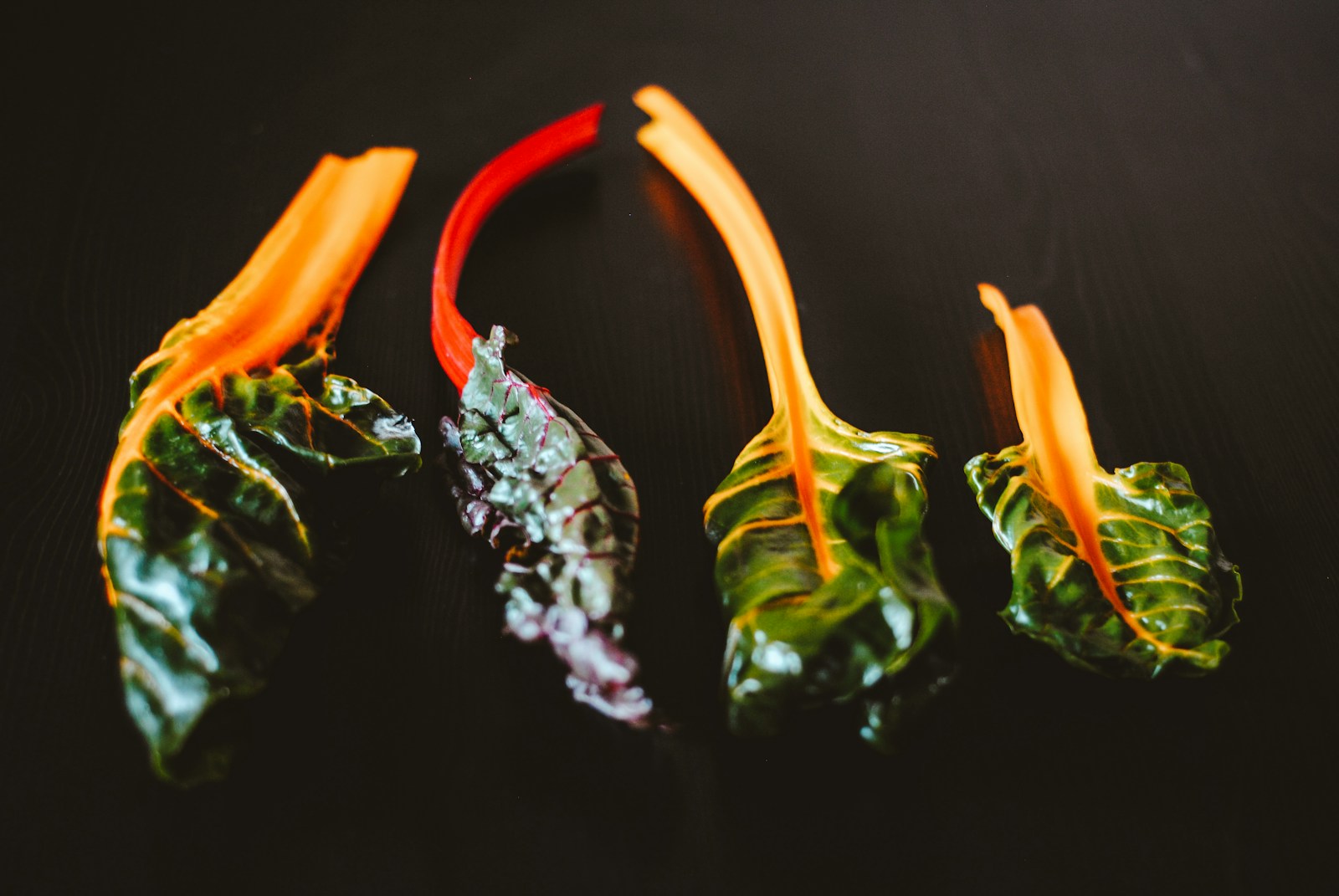
Always harvest from the outside of the plant. Take the largest outer stems and leave at least four or five inner leaves to keep the plant growing. Cut each stem 1 to 2 inches (2.5 to 5 cm) above the soil with a sharp knife, or twist it off cleanly at the base. Avoid damaging the central growing point.
Pick every week or so. Regular harvesting keeps the plant producing fresh, tender growth. Leaves taste best picked in the cool of the morning.
Chard wilts quickly once cut. Rinse it, shake off the water and store it in a plastic bag in the fridge for up to a week. The stems cook more slowly than the leaves, so separate them in the kitchen. To freeze, blanch leaves for about two minutes, cool in iced water, squeeze dry and bag.
Saving seed is possible but slow. Chard is biennial, so it flowers only in its second year. It also crosses freely with beets, so isolate plants or grow only one type if you want seed true to type.
Problems and pests
Swiss chard bolts (runs to flower) if young plants go through a spell of cold, usually a week or more below about 50°F (10°C). Do not plant out too early, and cover young plants on cold nights.
Pale, winding tunnels or blotches inside the leaves
Leaf miners. These are the larvae of small flies that feed between the leaf surfaces. Pick off and destroy affected leaves as soon as you see them. Cover young plants with fine insect netting or a row cover from sowing to keep the flies off.
Ragged holes and slime trails
Slugs and snails, which feed at night and in damp weather. Hand-pick them after dark with a flashlight. Use beer traps or iron phosphate pellets, which are among the safer baits around pets and wildlife; still follow the label and keep the box out of reach of children.
Small round spots with pale centers and reddish edges
Cercospora leaf spot, a fungal disease that spreads in warm, humid weather. Remove spotted leaves, water at the base and space plants for good airflow. Rotate crops so chard, beets and spinach do not grow in the same bed two years running.
Clusters of small insects under the leaves
Aphids. A strong spray of water knocks most of them off. For heavy infestations, use insecticidal soap, spraying in the evening and wearing gloves and eye protection as the label directs. Ladybugs and lacewings usually keep numbers down in a healthy garden.
A tall flower stalk appears in the first season
Bolting, triggered by a cold snap after planting or by severe drought. Cut the stalk out; the plant may keep producing for a while. Sow again for fresh plants, and choose a bolt-resistant variety next time.
Varieties worth growing
- 'Fordhook Giant': A heavy-cropping classic with thick white stems and dark, crinkled leaves; very reliable.
- 'Lucullus': An old white-stemmed type with pale green, savoyed leaves that copes well with heat.
- 'Bright Lights': A mix of yellow, orange, pink, red and white stems; excellent in pots and borders.
- 'Rhubarb' (also sold as 'Ruby Red'): Deep red stems and dark green leaves with red veins.
- 'Peppermint': Pink and white striped stems with a mild flavor, popular for baby leaves.
- 'Barese': A compact white-stemmed type suited to baby-leaf picking and small spaces.