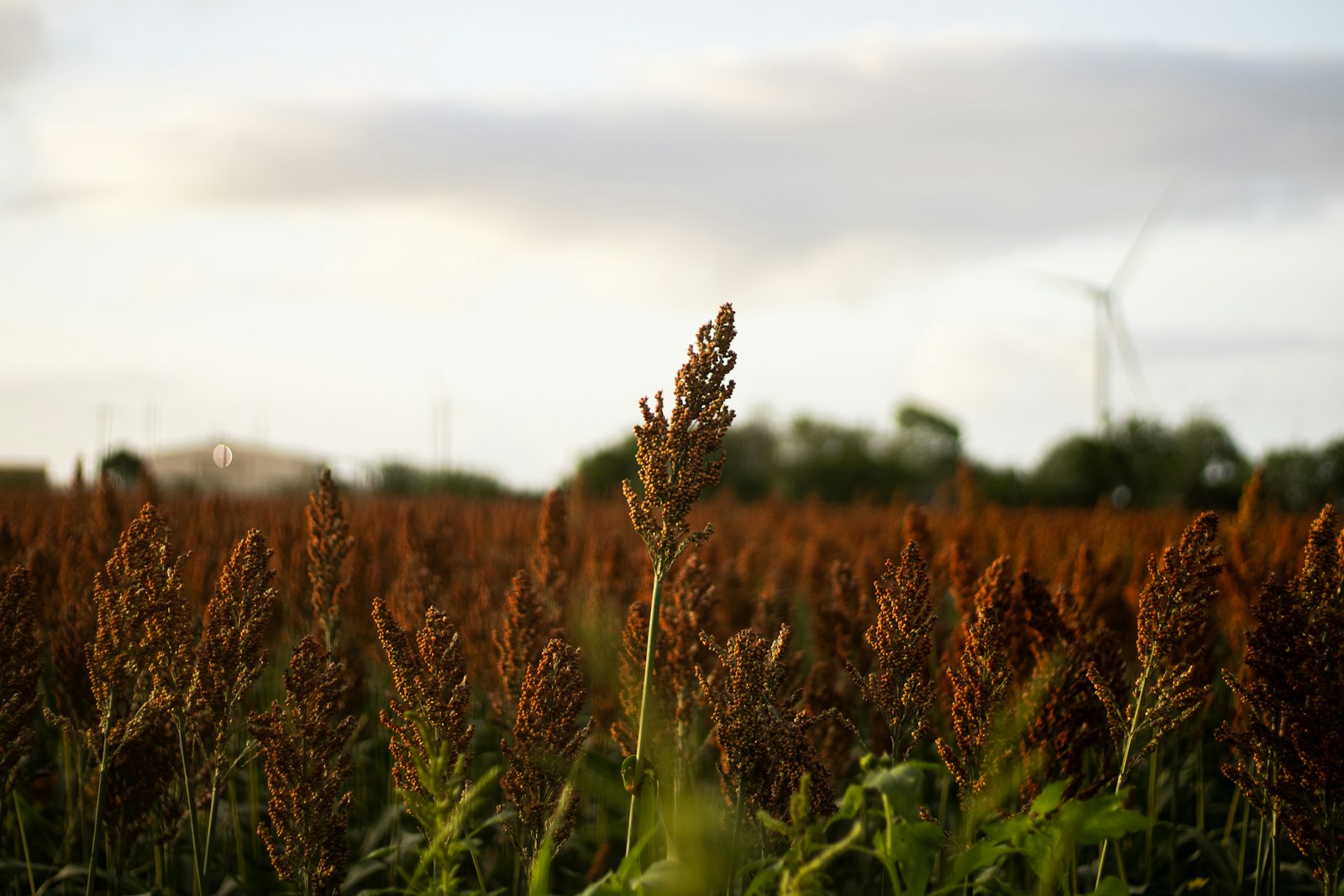
Sweet sorghum (Sorghum bicolor) is a tall annual grass that looks like corn without the ears. Its thick canes fill with sweet juice, which is pressed out and boiled down into dark sorghum syrup. It handles heat, poor soil and dry spells better than most garden crops. Growing the cane is easy. Turning it into syrup is the real work.
Sorghum was once a standard crop on southern Appalachian farms, planted alongside corn and potatoes. Syrup from the home patch was the everyday sweetener when store sugar was costly. Anthony Cavender's Folk Medicine in Southern Appalachia also lists the cane among the region's household remedies, where mountain families used it as a tonic for the blood. That is history, not medical advice. Grow sorghum for the table and the tradition.
Sowing and planting
Sorghum is a warm-season crop and sulks in cold ground. Wait until the soil reaches at least 65°F (18°C). In most gardens that is one to three weeks after your last frost, about when corn and beans go in. Seed sown into cold, wet soil often rots before it sprouts.
Count back from your first autumn frost as well. Most syrup varieties need 100 to 130 frost-free days. If your season is short, choose an early variety and sow as soon as the soil is warm enough.
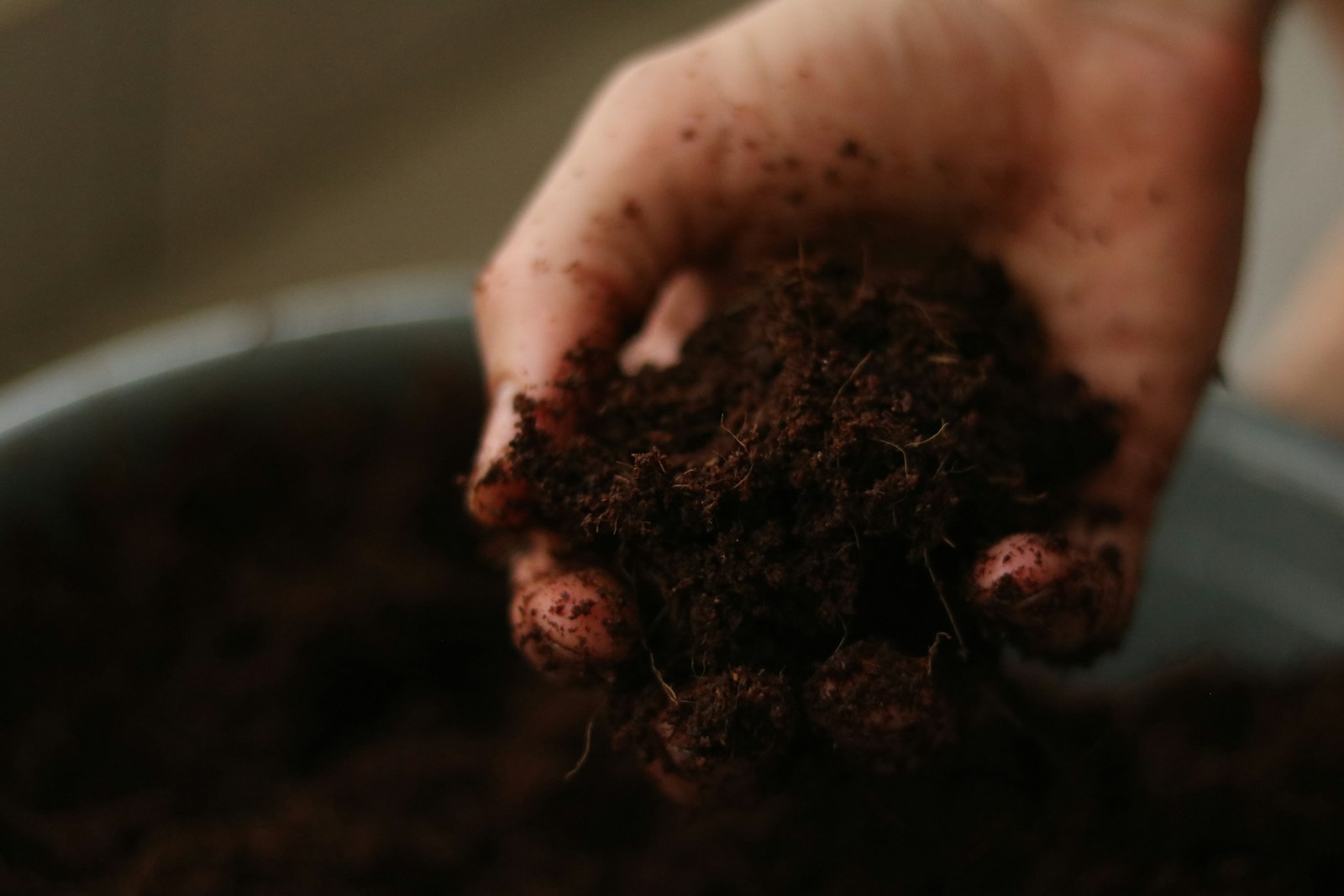
Pick the sunniest spot you have. Sorghum tolerates thin soil, but it does poorly where water stands. Work in a modest layer of compost before sowing. Avoid heavy doses of manure or nitrogen fertilizer. Too much nitrogen makes tall, soft canes that fall over and give thin, poor-flavored juice.
Sow seed directly, as sorghum dislikes root disturbance. Plant seeds ½ to 1 inch (1 to 2.5 cm) deep and about 2 inches (5 cm) apart. Keep rows 30 to 40 inches (75 to 100 cm) apart so you can walk between them. Seedlings appear in one to two weeks and look like thin blades of grass.
Thin to one plant every 6 to 8 inches (15 to 20 cm) once seedlings are about 4 inches (10 cm) tall. Crowded plants make spindly canes. Plant a block of several short rows instead of one long row. The plants shelter each other from wind.
Keep livestock away from growing sorghum. Young plants, regrowth, and foliage stressed by drought or frost can release prussic acid, a form of cyanide. It can kill cattle, sheep, goats and horses quickly. Never let animals graze the patch or eat fresh trimmings.
Growing on
Sorghum grows slowly for the first month. Weeds are the main threat during this stage, so hoe shallowly and often. Once the plants reach knee height they shade the ground and need little weeding.
Water about 1 inch (2.5 cm) a week until the plants are established. After that, sorghum copes well with dry weather. Give a deep soak during long dry spells while the seed heads form, as this is when the canes fill with sugar.
Feeding is rarely needed in average garden soil. If the plants look pale at knee height, scatter a light side-dressing (fertilizer placed beside the row) of balanced fertilizer and water it in. Follow the label rates and wear gloves when handling any fertilizer.
Tall canes can lodge, meaning they lean or fall flat, in summer storms. Pull soil up around the base of the plants when they are 2 feet (60 cm) tall. This hilling anchors the roots.
Harvesting
Watch the seed heads, not the calendar. The canes are sweetest when the seeds reach the dough stage. Pinch a seed between your fingernails. If it is firm but still dents, like stiff dough, the cane is ready. This is usually four to six weeks after the heads appear.
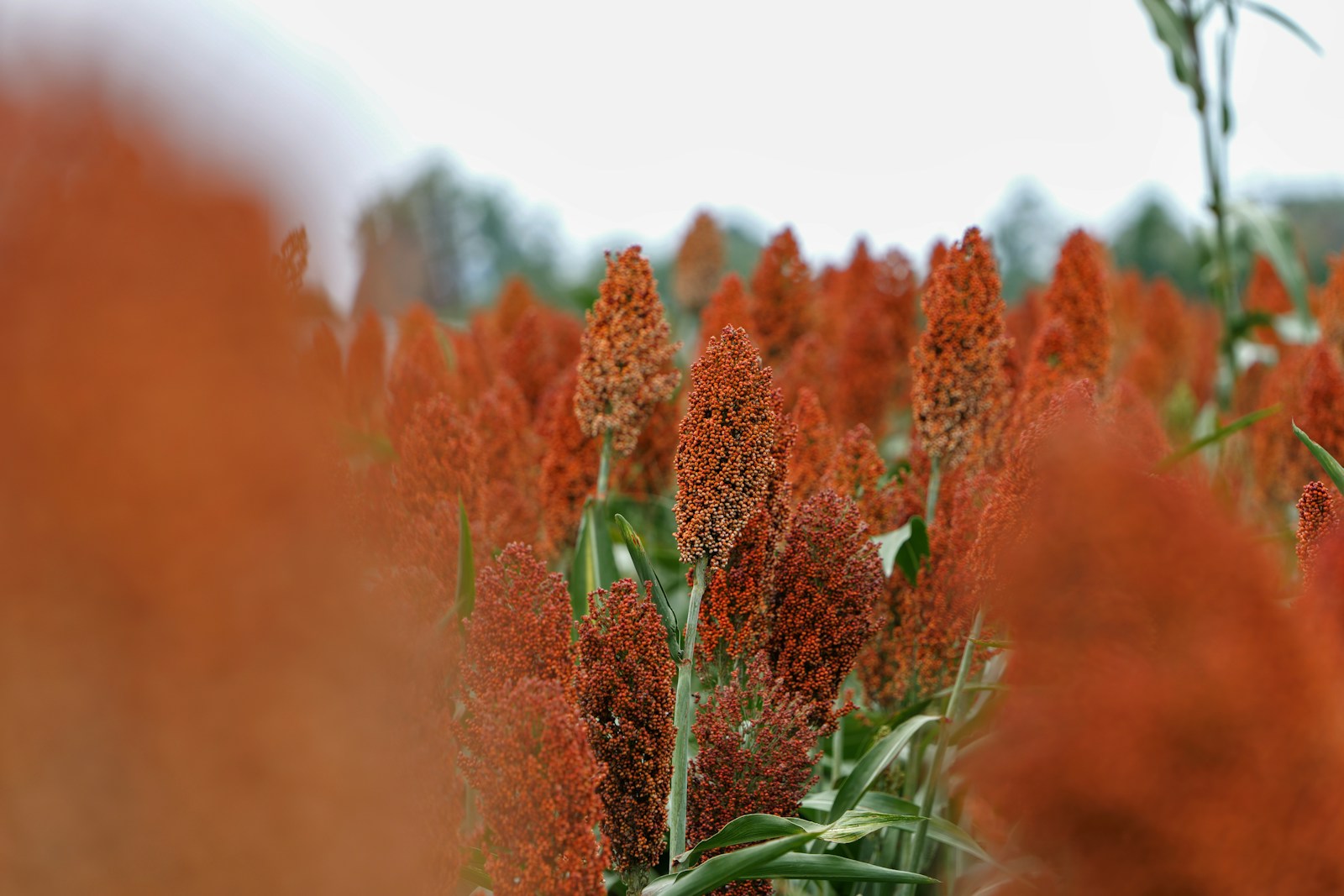
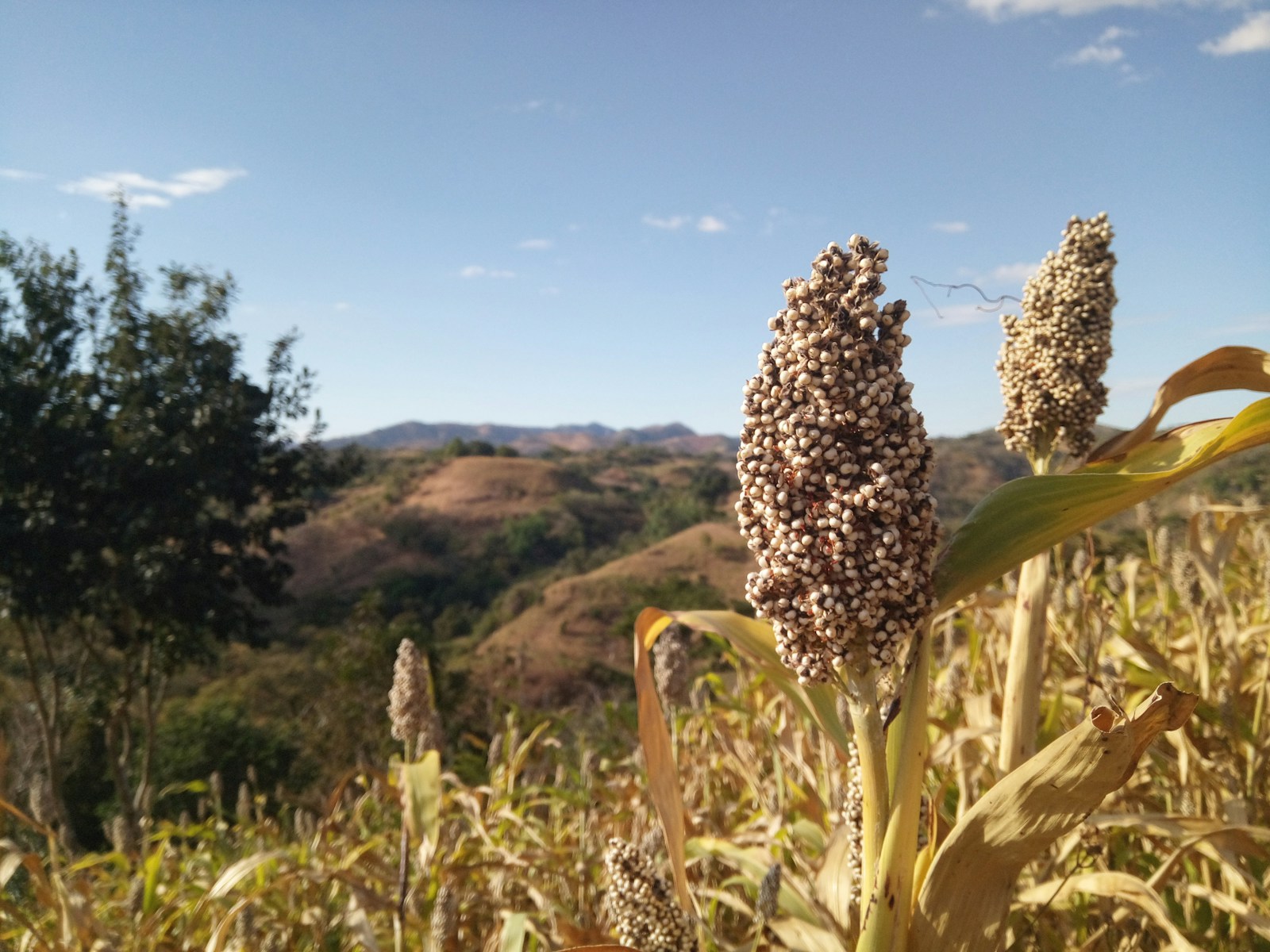
Harvest before a hard freeze. A light frost that only singes the leaves does little harm if you cut within a few days. Frozen canes sour quickly and make off-tasting syrup.
Work in this order:
- Strip the leaves from the standing canes. A gloved hand or a stick run down the stalk does the job. Leaf edges are sharp, so wear long sleeves.
- Cut off the seed heads with a few inches of stem.
- Cut the canes close to the ground with a corn knife or loppers.
Press the canes within a few days, keeping them shaded and dry in the meantime. Pressing needs a roller mill, and few gardeners own one. Look for a community sorghum festival, a historical farm, or a neighbor with a mill. It takes roughly ten parts of juice to make one part of syrup, so expect a small yield from a small patch.
Boil the strained juice in a wide, shallow pan. Skim off the green foam steadily as it rises. The syrup is finished when it is thick, amber-brown, and a few degrees above the boiling point of water on a candy thermometer. Boiling syrup causes severe burns. Work outdoors, use long-handled tools, and keep children and pets well back.
Do not waste the seed heads. Dry them under cover and save seed from the best canes for next year. The rest makes good feed for wild birds or chickens.
Problems and pests
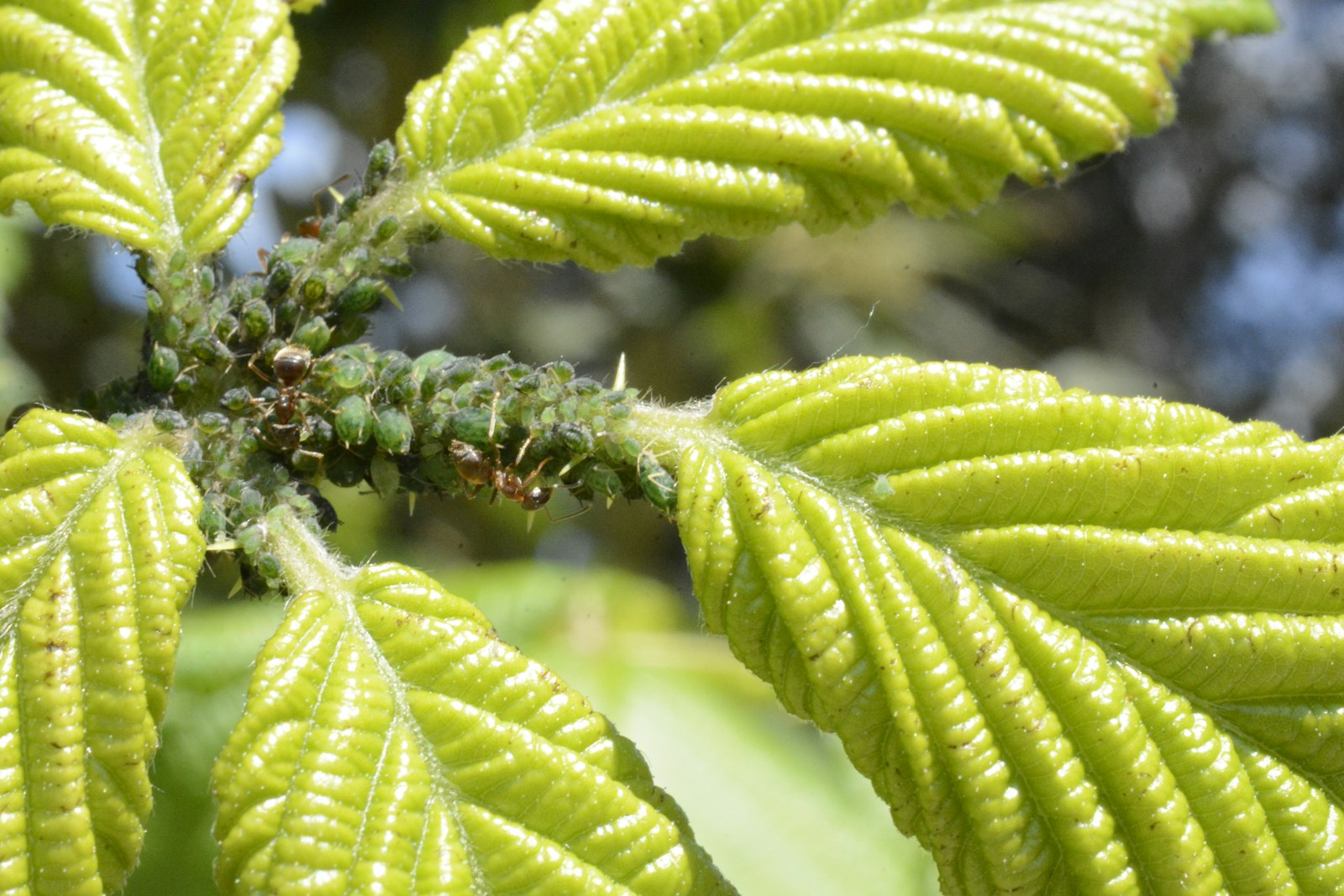
Sticky, shiny leaves with clusters of pale insects
Sorghum aphids, also called sugarcane aphids, gather under the leaves and coat them in sticky honeydew. Black sooty mold follows. Check leaf undersides weekly from midsummer. Knock small colonies off with a hard spray of water and encourage lady beetles and lacewings.
Ragged holes in leaves and chewed seed heads
Fall armyworms and corn earworms feed in the leaf whorl and later in the heads. Pick off caterpillars by hand. Sprays of Bt (Bacillus thuringiensis, a bacterial insecticide that targets caterpillars) work on young larvae. Follow the label and avoid spraying in wind.
Red or tan spots on leaves and reddened stalks
Anthracnose and other leaf diseases spread in warm, wet weather. Stalk infections reduce juice quality. Rotate sorghum to a new bed each year, space plants properly, and clear away old stalks after harvest.
Seed heads stripped bare
Birds love ripening sorghum seed. This does not hurt the syrup crop, since you are growing for cane. If you want to save seed, cover a few of your best heads with mesh or paper bags once the seeds start to color.
Canes leaning or flat after a storm
Lodging comes from wind, shallow roots, crowding or too much nitrogen. Lodged canes are still usable if you harvest them soon. Hill soil around the stems next season and go easy on fertilizer.
Varieties worth growing
- Dale: A widely grown syrup variety with good disease resistance and mild, light-colored syrup. Mid to late season.
- Della: Earlier and a little shorter than Dale, so it suits gardens with a shorter summer. Sweet, clear juice.
- Sugar Drip: An old southern heirloom known for very sweet, juicy canes. One of the earlier types.
- Rox Orange: Also sold as Waconia Orange. A hardy older variety long grown in the Midwest for both syrup and forage.
- Mennonite: A tall heirloom with red seed heads and a reputation for light, fine-flavored syrup.
Buy seed labeled as sweet or syrup sorghum. Grain sorghum (milo) and broomcorn are the same species but have dry, pithy stalks. Sorghum also crosses freely with its relatives, including the weed Johnsongrass, so keep saved seed away from other flowering sorghums.