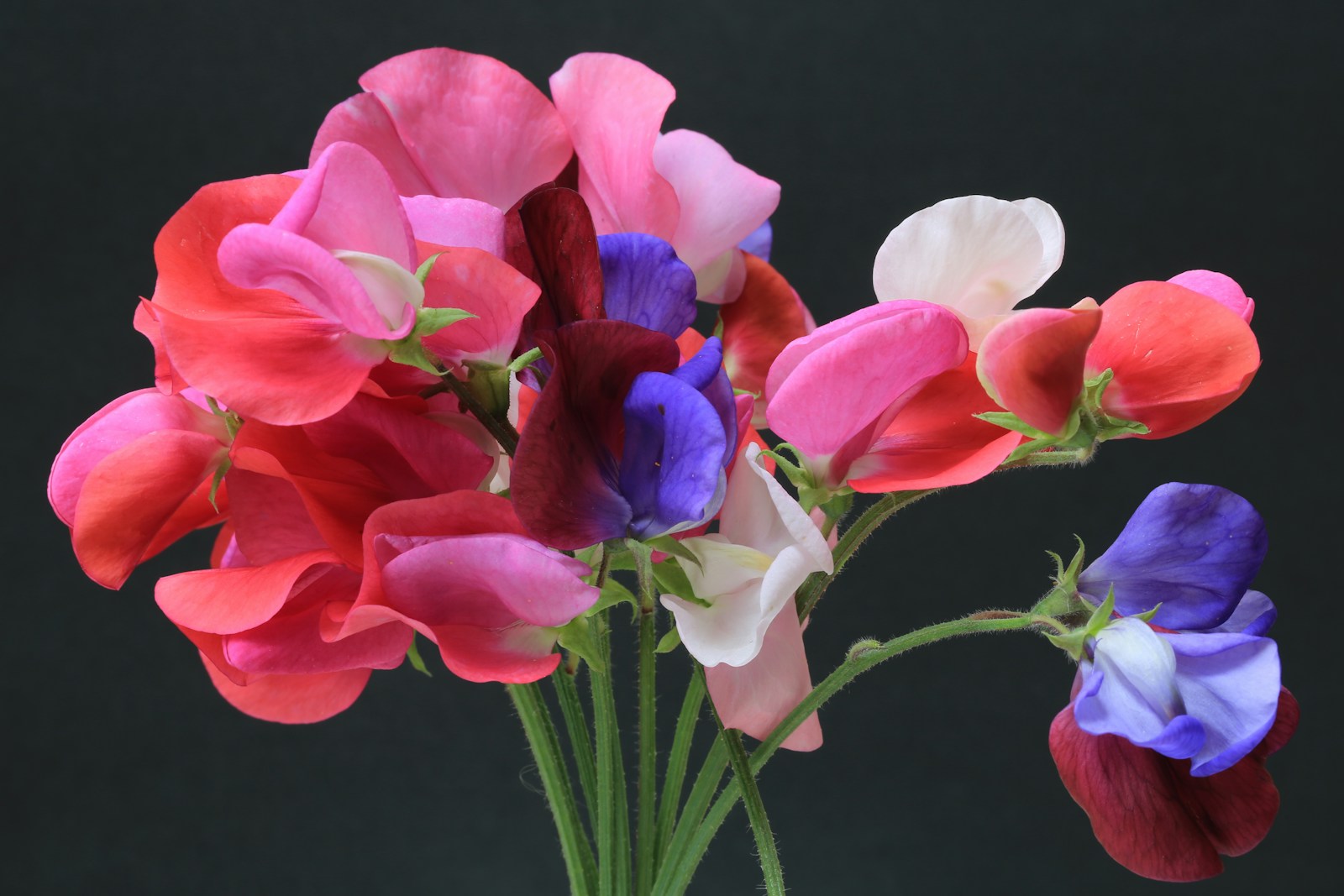
Sweet peas (Lathyrus odoratus) are climbing annuals grown for their frilled flowers and sweet, honeyed scent. A single row on netting gives you vases of flowers for weeks. They love cool weather and fall out of flower in strong heat, so timing matters most. Difficulty: easy to moderate.
Sowing and planting
Sweet peas need a long, cool run-up to flowering. In cold-winter areas, sow indoors six to eight weeks before your last frost. Alternatively, sow direct four to six weeks before your last frost, as soon as the soil can be worked. In USDA zones 8 to 10, sow outdoors in autumn for flowers from late winter into spring.
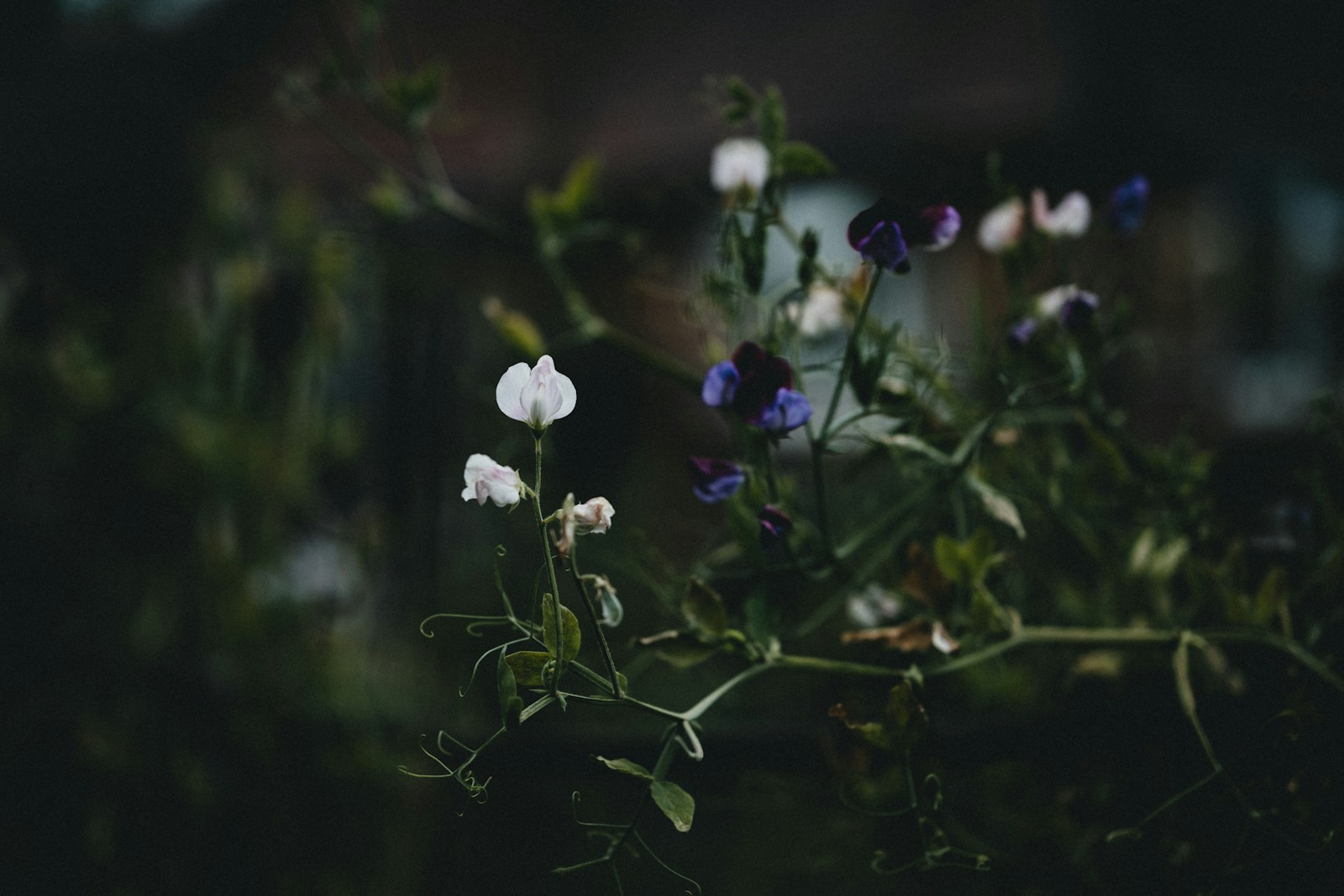
Sweet pea seed has a hard coat. Soak it in water for 8 to 12 hours before sowing, or nick the coat with a nail clipper on the side opposite the eye (the small scar). Sow any seeds that swell. Nick the ones that stay hard.
Sow 1 inch (2.5 cm) deep in deep pots or root trainers. Sweet peas make long roots early. Keep them at 55 to 65°F (13 to 18°C). Seedlings usually appear in 10 to 21 days. Once up, grow them cool and bright so they stay sturdy.
Pinch out the growing tip when seedlings have three or four pairs of leaves. This makes the plant send up stronger side shoots.
Harden off (getting seedlings used to outdoor conditions over a week or so) and plant out two to four weeks before your last frost. Space plants 6 to 8 inches (15 to 20 cm) apart along the base of their support. Dig plenty of compost into the planting trench beforehand.
Sweet peas are not edible. Their seeds and pods are poisonous to people, children and pets, and can cause serious illness if eaten. They look like garden peas, so never pick them for the kitchen. Label seed packets and saved seed, and keep them out of reach of children and animals.
Growing on
Put supports in place before planting. Sweet peas climb with tendrils and need netting, wire mesh, a tepee of canes or twiggy brushwood 6 to 8 feet (1.8 to 2.4 m) tall. Tie young plants in until their tendrils take hold.
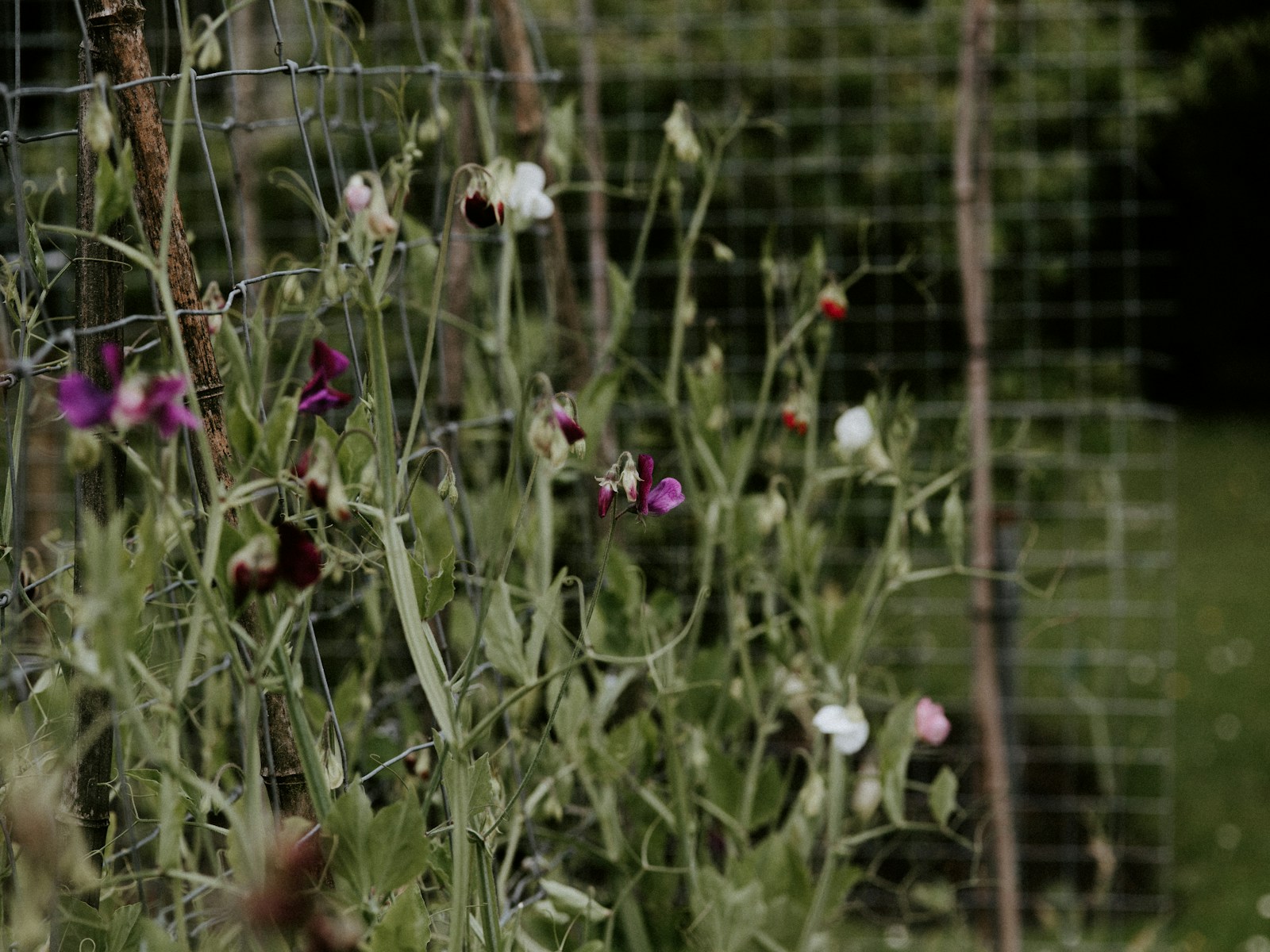
Water deeply and regularly, especially once flowering begins. Dry roots cause buds to drop. A thick mulch of compost keeps roots cool and moist, which extends flowering into warmer weather.
Feed with a high-potassium liquid fertiliser, such as a tomato feed, every two weeks once buds appear. Avoid high-nitrogen feeds. They give lush leaves and few flowers.
Pick flowers every two to three days. This is the single most important job. Once a plant sets seed pods, it slows or stops flowering. Remove any pods you miss.
For exhibition-length stems, some growers train each plant up a single cane as a cordon. They remove tendrils and side shoots every week. For home cutting, a simple row on netting is enough. Dwarf types suit containers at least 12 inches (30 cm) deep, filled with rich potting mix and watered daily in warm spells.
Sweet peas draw bees, especially the old-fashioned, scented types. Avoid planting where sweet peas or garden peas grew last year to reduce root disease.
Harvesting
Cut stems when the bottom one or two flowers are fully open and the top buds are showing colour. Cut in the cool of the morning with scissors, and put stems straight into water. Expect three to five days in a vase. Short stems still look and smell good in small jars.

Flowering usually ends when daytime temperatures reach the high 80s°F (about 30°C). In cool summers, a well-picked row can flower for two months or more.
To save seed, stop picking a few plants of an open-pollinated variety near the end of the season. Let the pods turn brown and dry on the vine. Shell the seed, dry it fully, and store it in a labelled paper envelope in a cool, dry place, well away from food. Seed from Spencer types may not come fully true.
Problems and pests
Flower buds turn yellow and drop
Bud drop follows cold nights, sudden heat, or dry roots. Water deeply, mulch well and keep the soil evenly moist. Plants usually recover when conditions settle.
White powdery coating on leaves
Powdery mildew appears in late season, in dry soil or still air. Keep roots moist, space plants well and remove badly affected leaves. Late infections often simply mark the end of the season.
Clusters of small insects on shoot tips
Aphids distort growth and can spread viruses that streak and mottle the leaves. Spray them off with water or rub them away. Insecticidal soap controls heavy infestations; spray in the evening and follow the label.
Seedlings chewed or cut off
Slugs and snails graze young shoots. Hand-pick after dark, protect seedlings with barriers, or use iron phosphate slug pellets according to the label.
Sown seed vanishes from pots or rows
Mice dig up and eat the seed. Start seed indoors where mice cannot reach it, or cover direct-sown rows with fine wire mesh.
Varieties worth growing
Old-fashioned (grandiflora) types
- 'Cupani' – A heritage variety with small maroon and violet flowers and a powerful scent.
- 'Matucana' – Bicoloured purple and magenta flowers with strong fragrance.
- 'Painted Lady' – An old variety with pink and white flowers and a sweet scent.
Spencer types
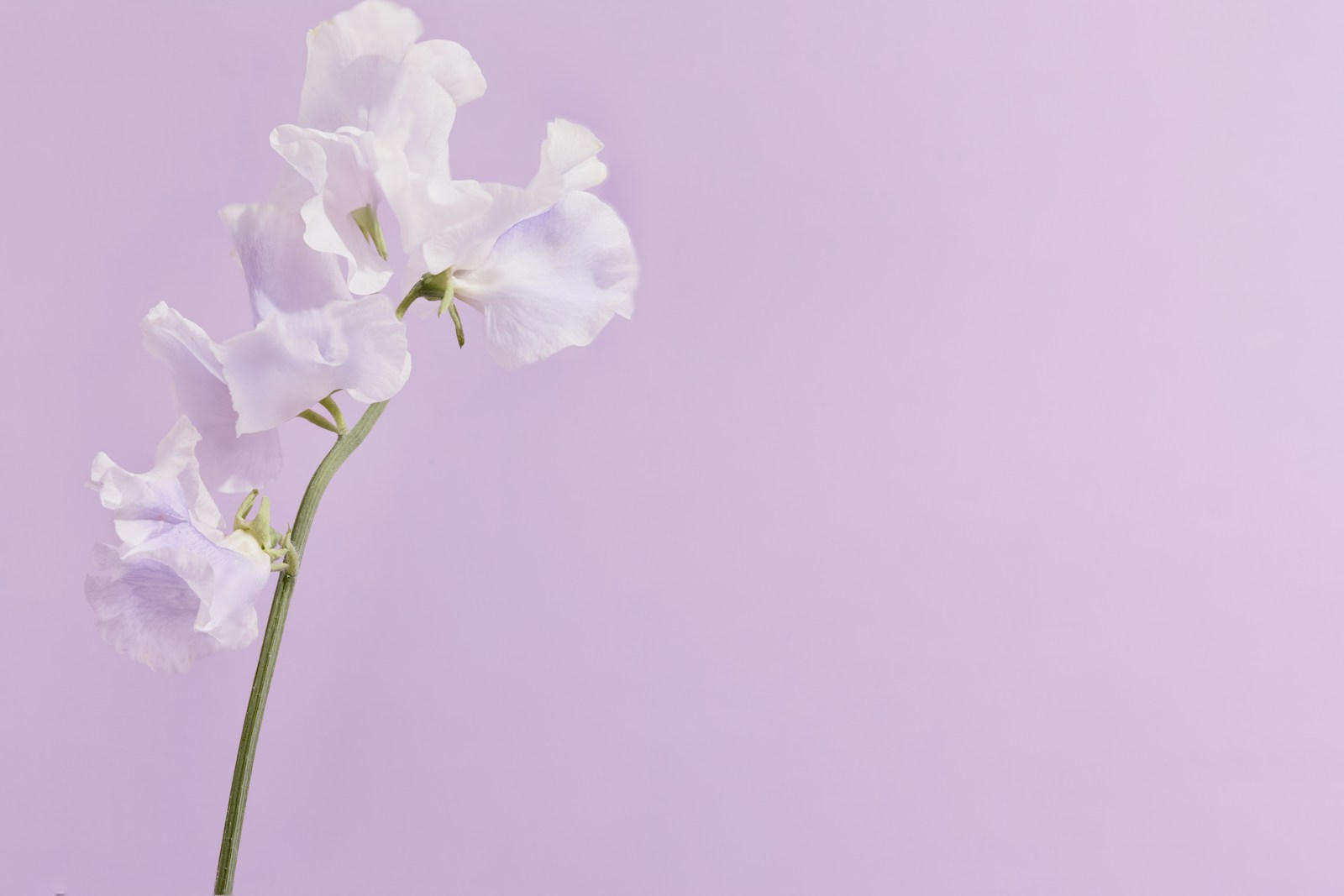
- 'Gwendoline' – Large, ruffled, soft lilac-pink flowers on long stems.
- 'Mollie Rilstone' – Cream flowers with a pink edge, a popular choice for cutting.
Dwarf and early-flowering types
- 'Snoopea' – A dwarf, bushy type without tendrils, suited to pots and hanging baskets.
- 'Mammoth' – An early-flowering series that blooms in shorter days, useful in warm zones.