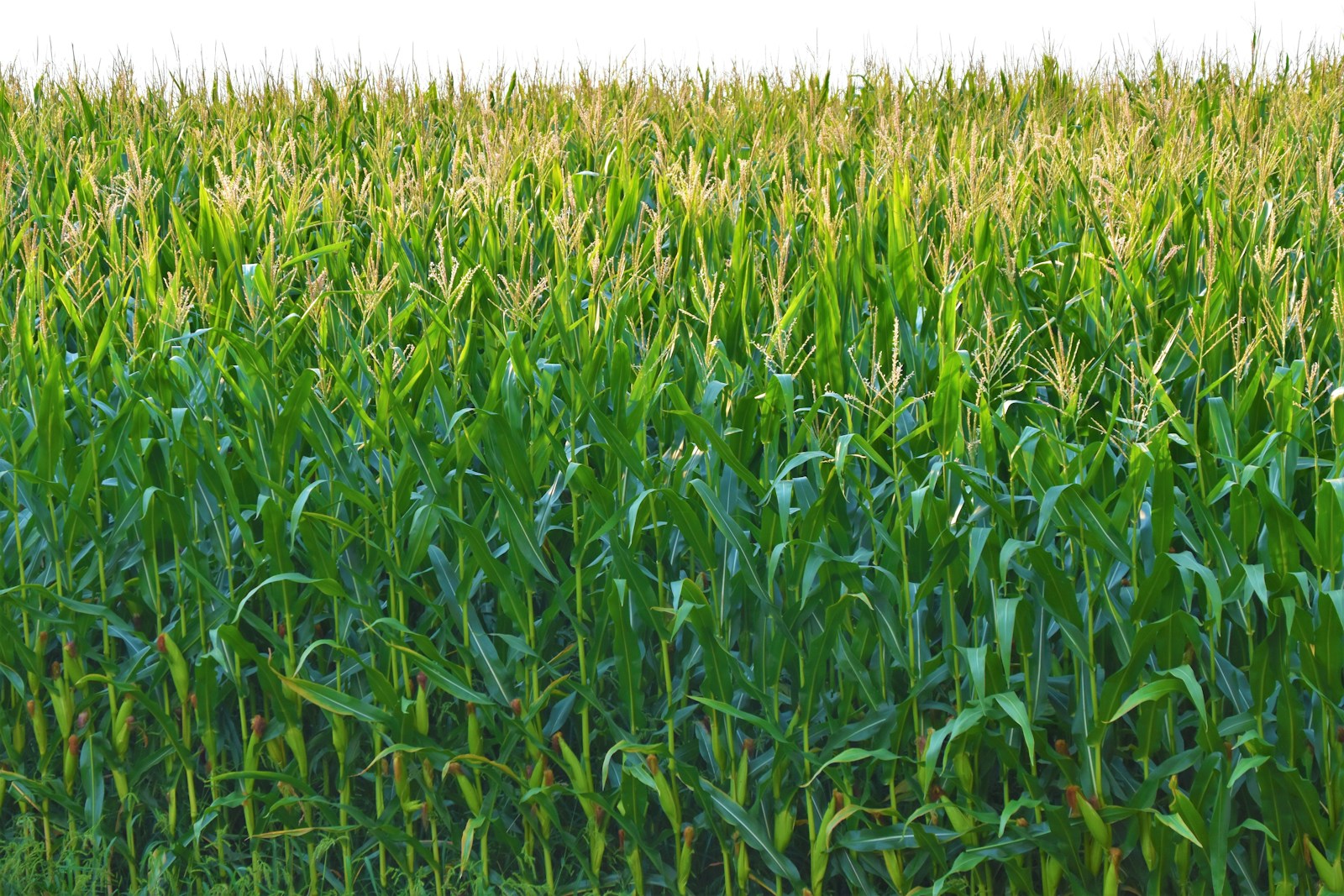
Sweet corn (Zea mays) is a tall annual grass grown for its sugary, immature ears. Nothing from a shop matches an ear picked minutes before cooking, because the sugars begin turning to starch once it leaves the stalk. It is easy to grow if you have space, warm soil and steady water. Most failures trace back to poor pollination.
Sowing and planting
Corn is a warm-season crop. Sow directly outdoors one to two weeks after your last expected frost. The soil should be at least 60°F (16°C). Seed sown in cold, wet ground often rots before it sprouts. Supersweet types are fussier still and want 65°F (18°C) or warmer.
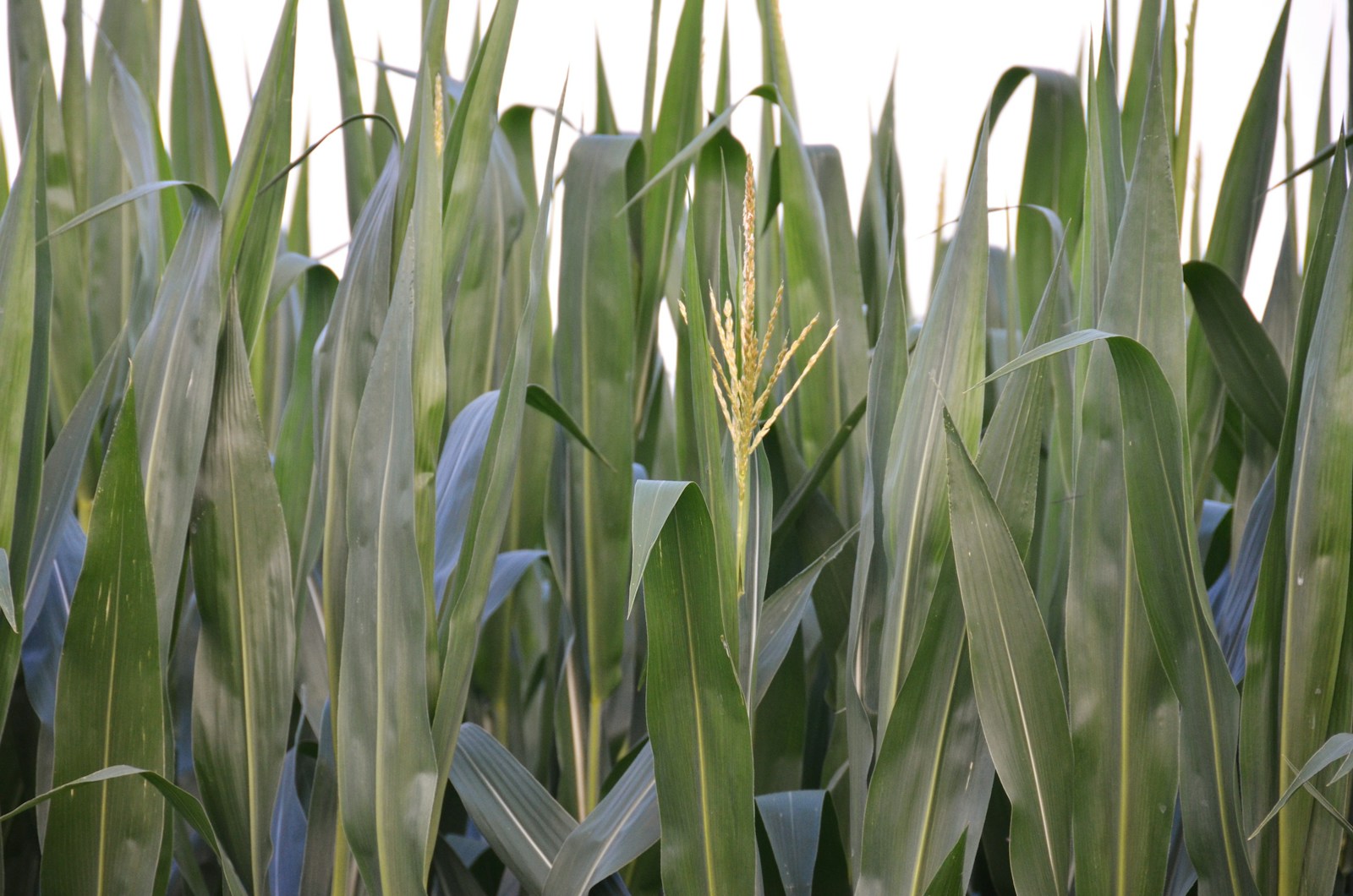

Corn dislikes root disturbance, so direct sowing is the normal method. In short seasons you can start seed in deep biodegradable pots two to three weeks ahead. Plant them out before the roots circle the pot.
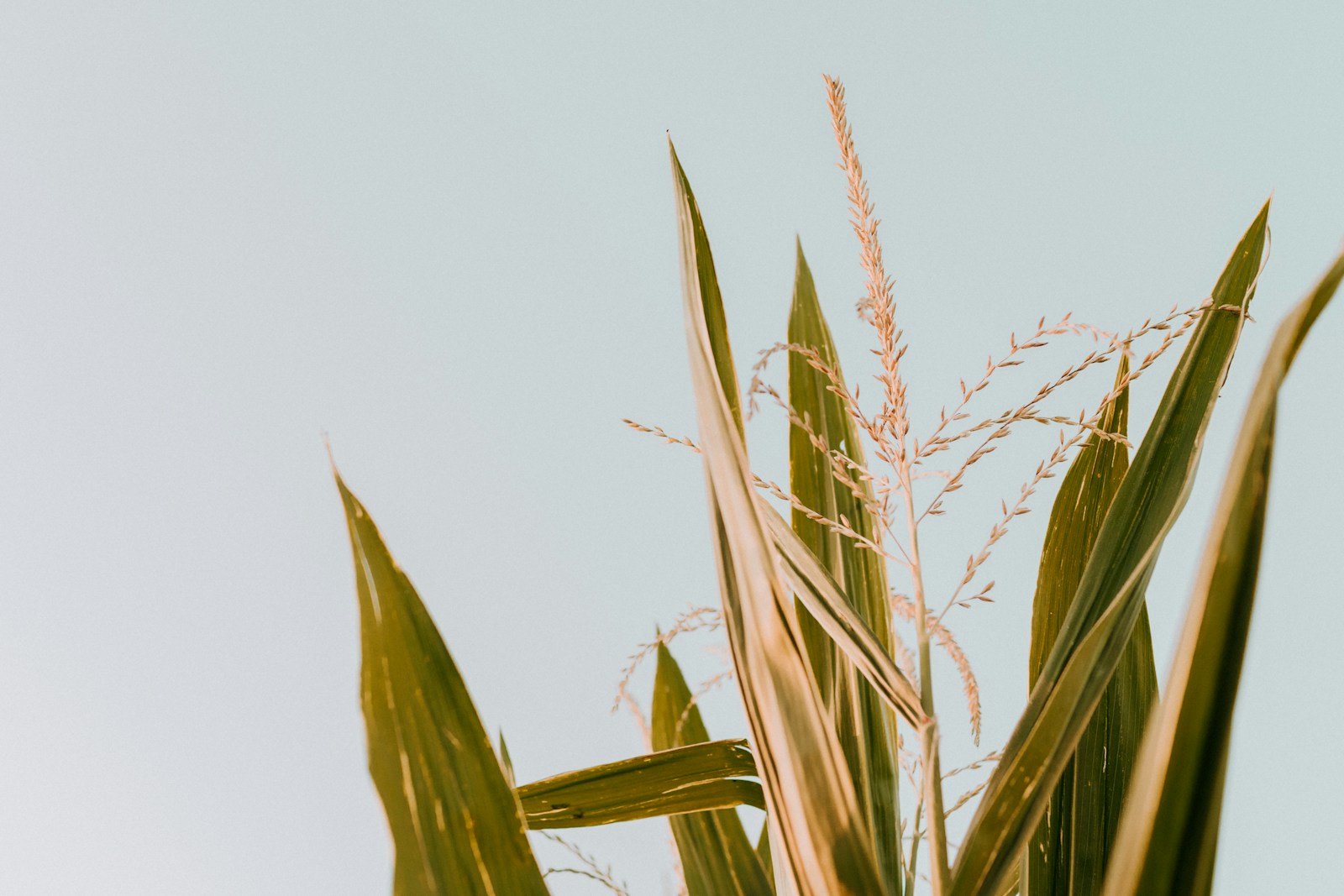
Plant in blocks, not long single rows. Corn is pollinated by wind. Pollen falls from the tassels (the male flowers at the top of the plant) onto the silks (the threads that emerge from each young ear). Every silk leads to one kernel. A silk that catches no pollen leaves a gap on the cob. A block of at least four short rows side by side keeps pollen drifting onto neighbours. A single long row lets most of it blow away.
Sow seeds 1 to 1.5 inches (2.5 to 4 cm) deep. Sow supersweet seed a little shallower, as it is small and shrivelled with less stored energy. Place seeds 4 to 6 inches (10 to 15 cm) apart, then thin to 8 to 12 inches (20 to 30 cm). Keep rows 30 to 36 inches (75 to 90 cm) apart. A useful minimum is around 16 plants.
For a longer harvest, sow a new block every two weeks until about three months before your first fall frost. You can also sow early, midseason and late varieties on the same day.
Understanding sugar types
Seed catalogs sort sweet corn by the gene that makes it sweet:
- Standard sugary (su): classic corn flavor and creamy texture. Sugar turns to starch quickly, so eat it the day you pick it.
- Sugary enhanced (se): sweeter and more tender, and it holds its quality for a few days. The easiest type for beginners.
- Supersweet (sh2): very sweet with a crisp texture, and it stores longest. It needs warmer soil and even moisture to germinate.
- Synergistic: ears carry a mix of kernel types on one cob. Isolation needs vary, so follow the seed packet.
Keep supersweet (sh2) corn away from every other corn, and keep all sweet corn away from popcorn, field corn and ornamental corn. Stray pollen makes kernels tough and starchy in the same season. Separate plantings by at least 250 feet (75 m), or time them so they tassel at least two weeks apart.
Standard and sugary enhanced types can grow side by side without harm. In a small garden, the simplest plan is to grow one sugar type per season. Remember that a neighbour's corn counts too.
Growing on
Corn is a hungry, thirsty crop. Dig in compost or well-rotted manure before sowing. Feed with a nitrogen-rich fertilizer when plants are about knee high, and again when tassels appear. Scatter it beside the row, keep it off the leaves, and water it in. Wear gloves and follow the label rate when you handle any fertilizer. Pale, yellowing lower leaves usually point to a lack of nitrogen.
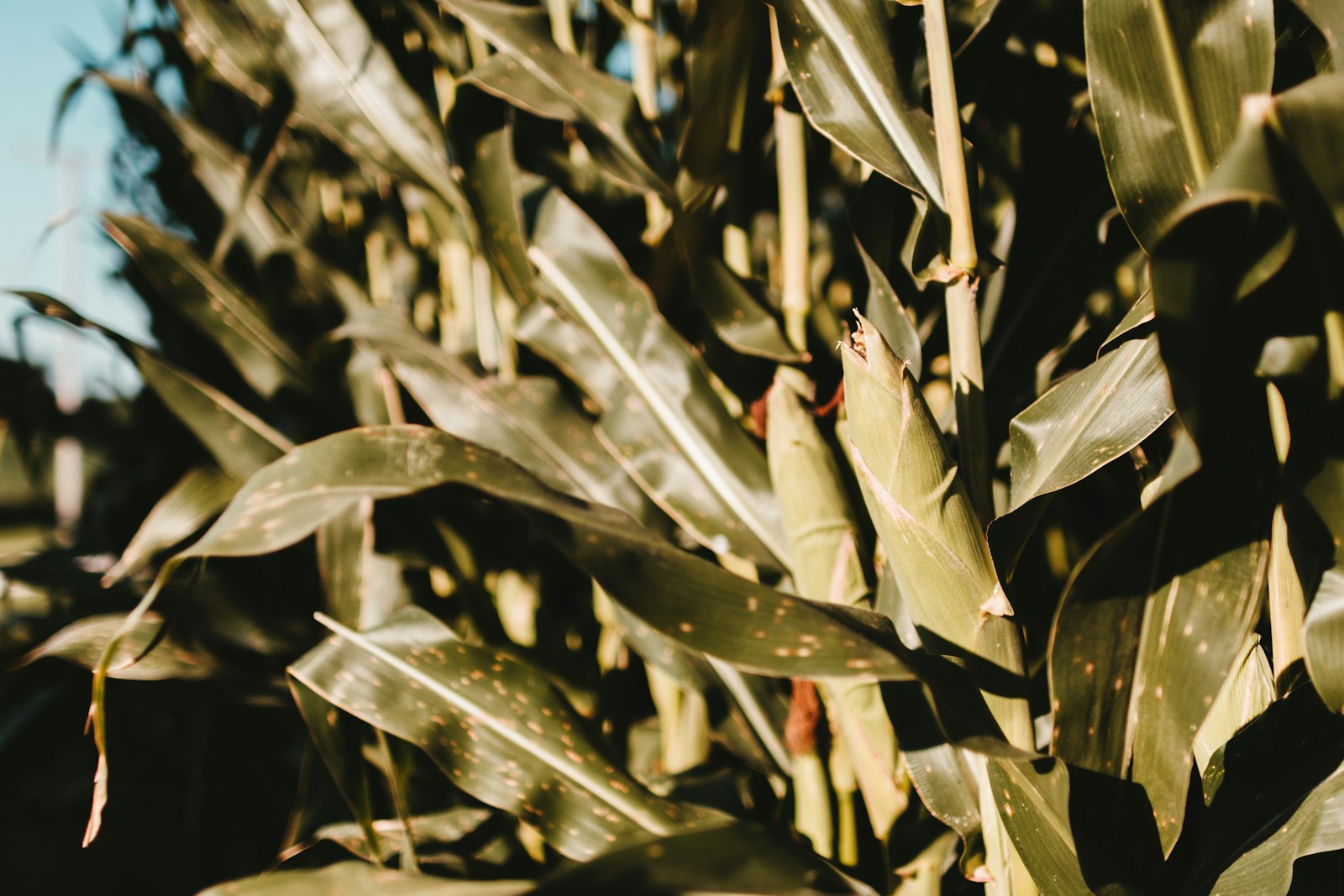
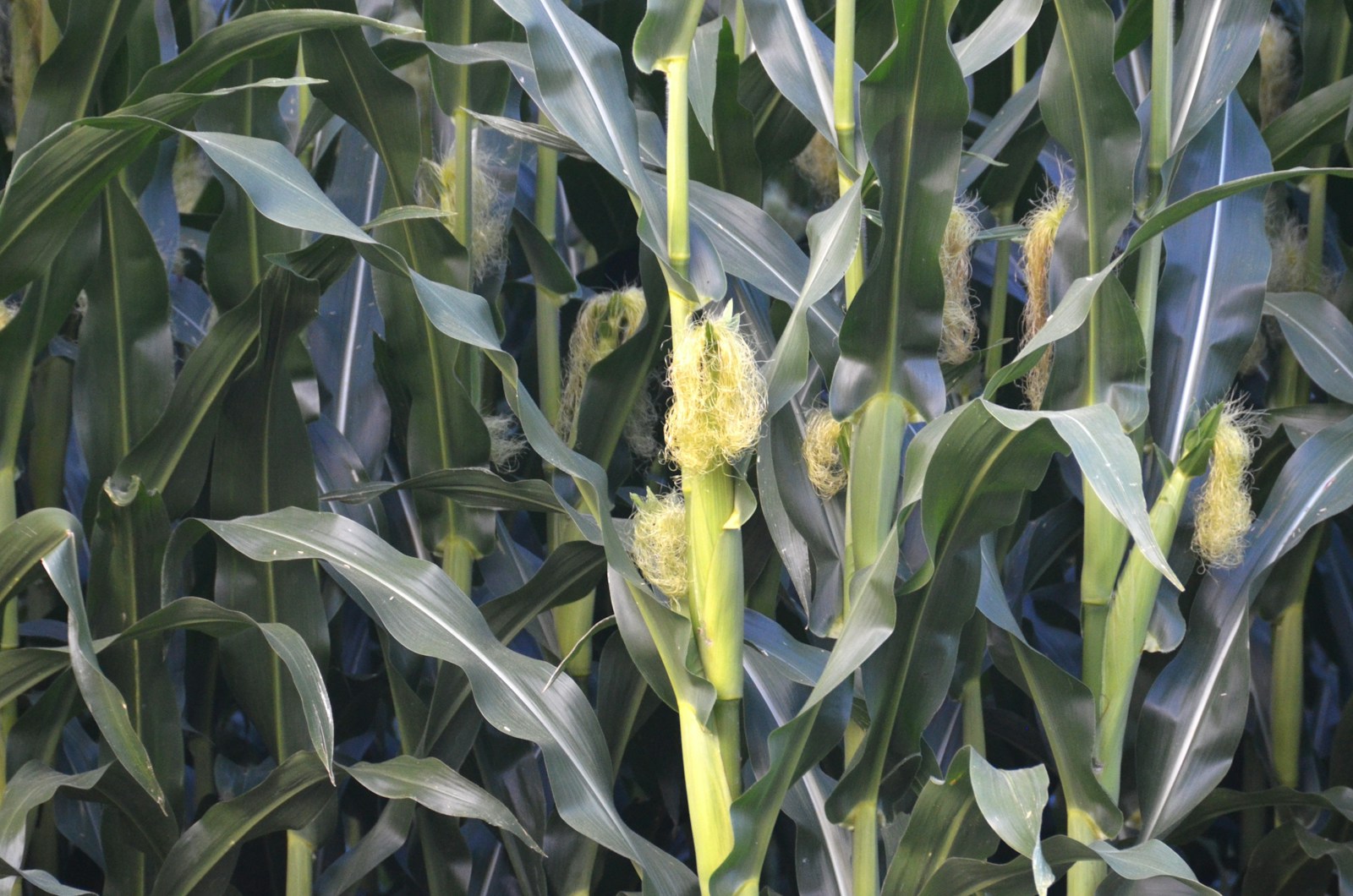
Give about 1 inch (2.5 cm) of water a week. The critical period runs from tasseling until the ears fill. Drought at this stage gives short ears with missing kernels. Water at the base where you can.
Roots are shallow, so hoe lightly or pull weeds by hand. Mulch once the soil has warmed. Mound a little soil around the base of each stalk to steady it against wind. The side shoots at the base are called tillers or suckers. Leave them alone, as removing them does not improve the crop.
In a very small block you can help pollination along. When the tassels shed yellow dust, shake the stalks gently on a dry, still morning. Repeat for a few days.
Corn has a long history in eastern mountain gardens, often grown with pole beans and squash. Anthony Cavender's Folk Medicine in Southern Appalachia records that mountain families also used the silks, shucks and the milky juice of the kernels in home remedies. That is history, not medical advice.
Harvesting
Most plants give one or two good ears. Ears are usually ready about three weeks after the silks first show. Look for these signs:
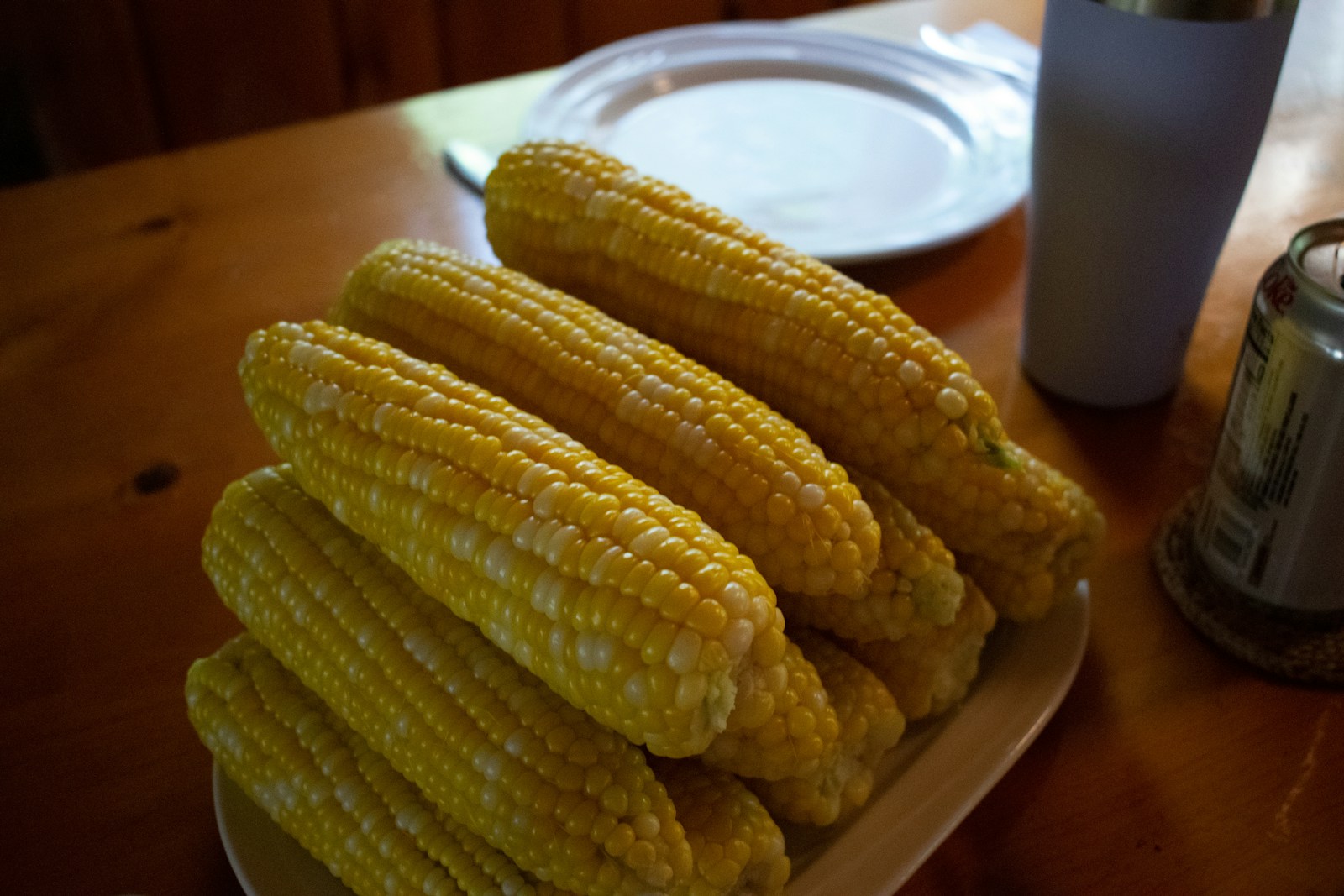
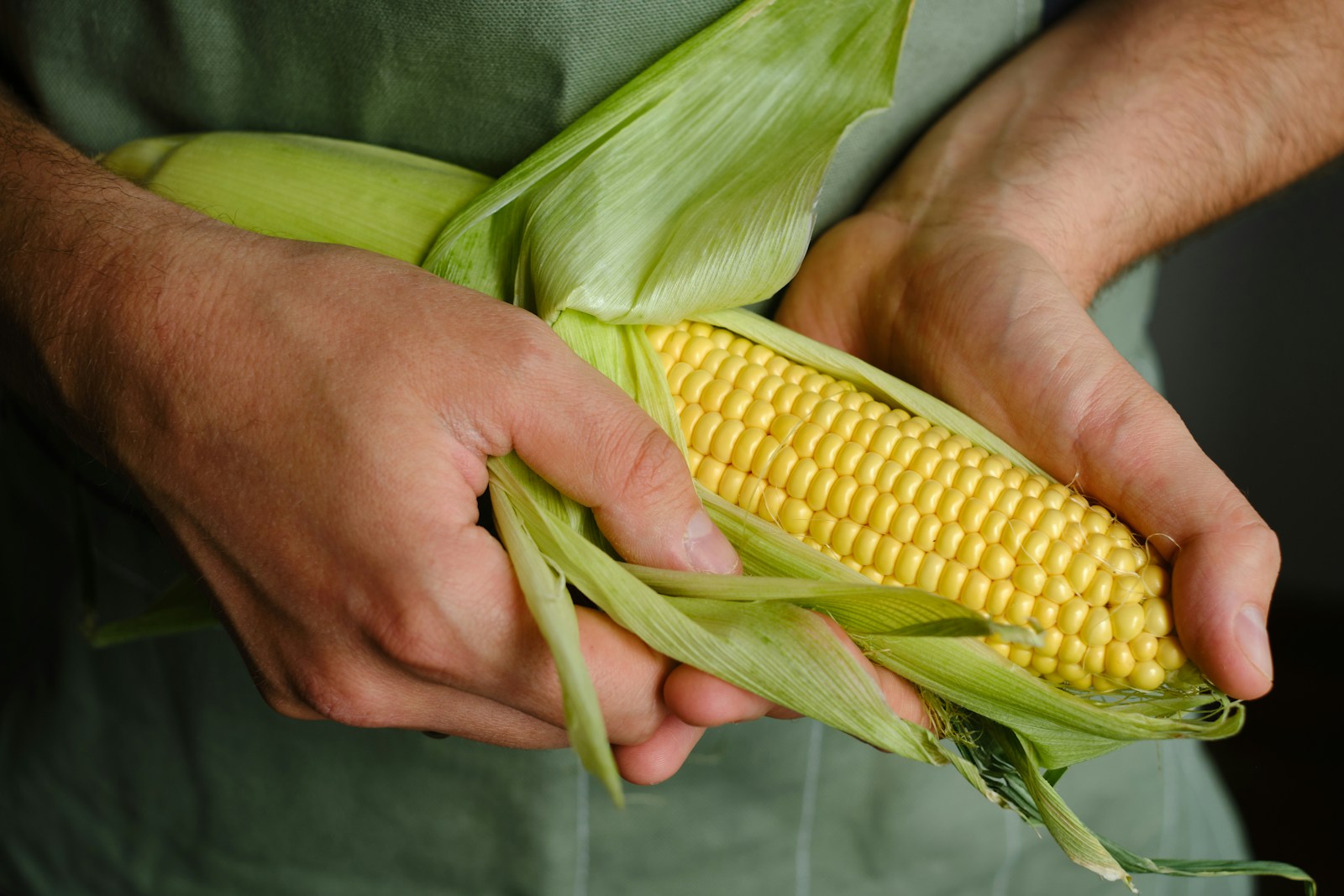
- The silks are brown and dry at the tip but still damp near the husk.
- The ear feels full and rounded right to the end.
- A kernel pierced with your thumbnail gives a milky juice. Clear juice means wait. A thick paste means it is past its best.
Peel back only a small strip of husk to check, then fold it closed again. To pick, hold the stalk with one hand. Pull the ear down with the other and twist. Harvest in the cool of the morning. Eat or chill the ears straight away, especially standard types.
Problems and pests
Ears with gaps or missing kernels
This is poor pollination. Causes include single-row planting, too few plants, or heat and drought during silking. Plant in blocks, water well at tasseling, and shake the stalks in small plantings.
Caterpillars feeding at the tip of the ear
Corn earworm moths lay eggs on fresh silks, and the larvae eat their way down. Choose varieties with long, tight husks. Many gardeners simply cut off the damaged tip after harvest. Products based on Bacillus thuringiensis (Bt) applied to the silks can help. Follow the label and wear gloves.
Holes in stalks and broken tassels
European corn borer larvae tunnel into stalks and ears. Shred or compost the stalks soon after harvest so larvae cannot overwinter. Rotate the corn block each year.
Swollen grey galls on ears or tassels
This is corn smut, a fungus. Cut the galls off before they split open and release dark spores. Put them in the trash, not the compost. Rotate crops.
Stalks pulled down and ears stripped overnight
Raccoons and other wildlife find ripe corn the night before you do. A low electric fence is the most reliable barrier. Use a purpose-made garden fence charger, follow its instructions, and keep children and pets clear. Deer and birds can also pull up seedlings, so cover young rows with netting or row cover.
Varieties worth growing
- 'Golden Bantam': an old open-pollinated yellow standard (su) variety with true corn flavor. Eat it the day you pick it.
- 'Silver Queen': a well-loved white standard (su) hybrid. It is tall and late, so it suits long seasons.
- 'Bodacious': a yellow sugary enhanced (se) hybrid that is tender and reliable.
- 'Peaches and Cream': a bicolor sugary enhanced (se) hybrid and a popular home garden choice.
- 'Honey Select': a yellow synergistic hybrid with very sweet ears that hold well after picking.