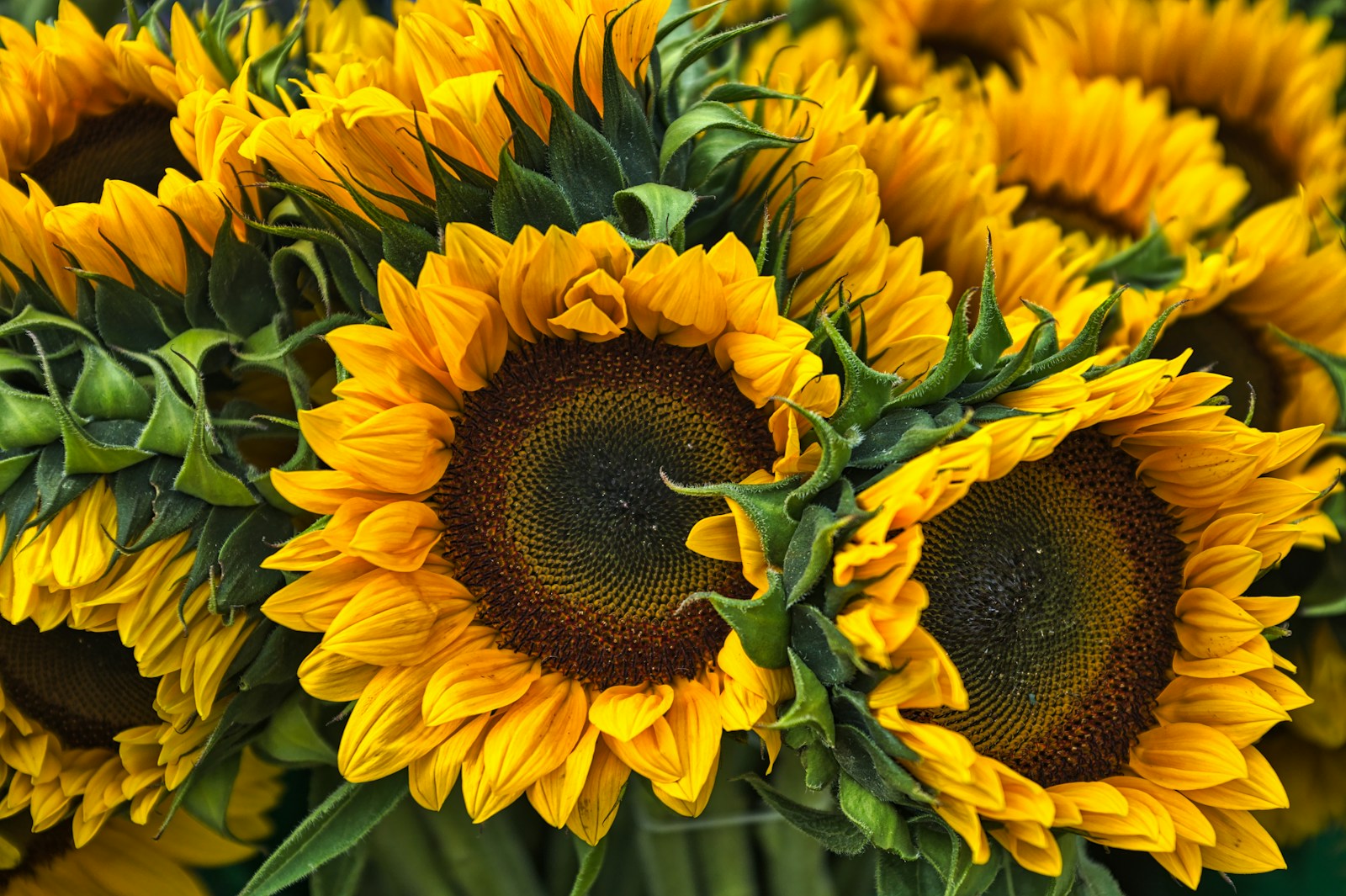
Sunflowers (Helianthus annuus) are fast, cheerful annuals that turn a sunny patch golden by late summer. They feed bees and birds, fill vases and, in the giant types, give you seed to roast. Few flowers are easier to grow from seed. The main choice is which type suits your purpose. Difficulty: easy.
Sowing and planting
Sunflowers do best sown directly where they will grow. Sow after your last frost, once the soil has warmed to at least 50°F (10°C). Seed usually comes up in 7 to 14 days in warm soil.
Push seeds 1 to 1.5 inches (2.5 to 4 cm) deep. Spacing depends on the type:
- Single-stem cut types: 6 to 9 inches (15 to 23 cm) apart. Close spacing gives smaller heads that suit a vase.
- Branching types: 18 to 24 inches (45 to 60 cm) apart, so side shoots have room.
- Giant seed types: 24 to 36 inches (60 to 90 cm) apart, so each head can grow large.
You can start seed indoors two to three weeks before your last frost in deep cells or pots. Transplant young, before roots circle the pot, as sunflowers dislike root disturbance.
Single-stem cut types flower once and are done. Sow a new row every 10 to 14 days until about 10 to 12 weeks before your first autumn frost. This gives a steady supply of stems. Branching types flower over a longer season, so one or two sowings are usually enough.
Birds, squirrels, mice and slugs often eat sown seed and new seedlings before you see them. Cover newly sown rows with floating row cover or wire mesh until seedlings have several true leaves, and check for slugs after dark.
Growing on
Water seedlings regularly until they are established. After that, water deeply about once a week in dry weather. Deep watering encourages deep roots that anchor tall plants. Water most generously as the flower buds form.
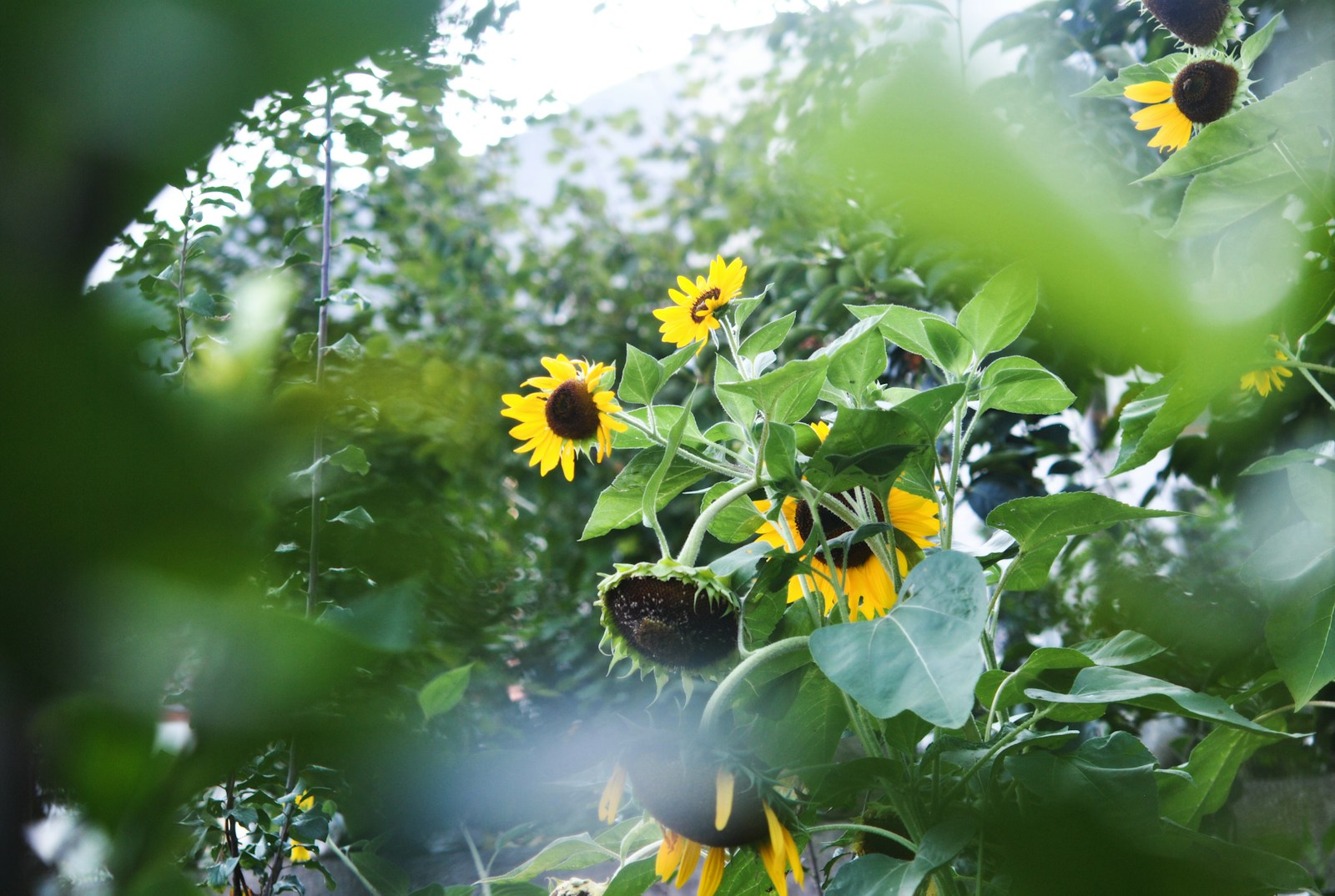
Sunflowers need little feeding in reasonable soil. Dig in compost before sowing. Too much nitrogen gives tall, weak stems with fewer flowers. A mulch of straw or compost holds moisture and smothers weeds.
Stake giant types and tall branching kinds in windy gardens. Drive a sturdy stake in beside each plant while it is young, and tie the stem loosely as it grows. Mounding soil around the base of the stem also helps.
Pinching the growing tip of a young branching type encourages more, shorter stems. Never pinch single-stem types; you would remove the only flower.
Sunflowers release natural compounds from their roots, leaves and seed hulls that can hold back the growth of some nearby plants. This effect is called allelopathy. Avoid sowing small seeds where sunflowers grew or where fallen hulls pile up under a bird feeder. Grow sunflowers at the back of a bed or in their own row.
Pollen-bearing sunflowers feed bees heavily, and the seed heads feed finches and other birds later on. Leave a few heads standing in autumn if you enjoy watching birds. Choose pollenless types for the house, though, as pollen-bearing flowers shed yellow dust on furniture. Dwarf types grow well in large pots.
Harvesting
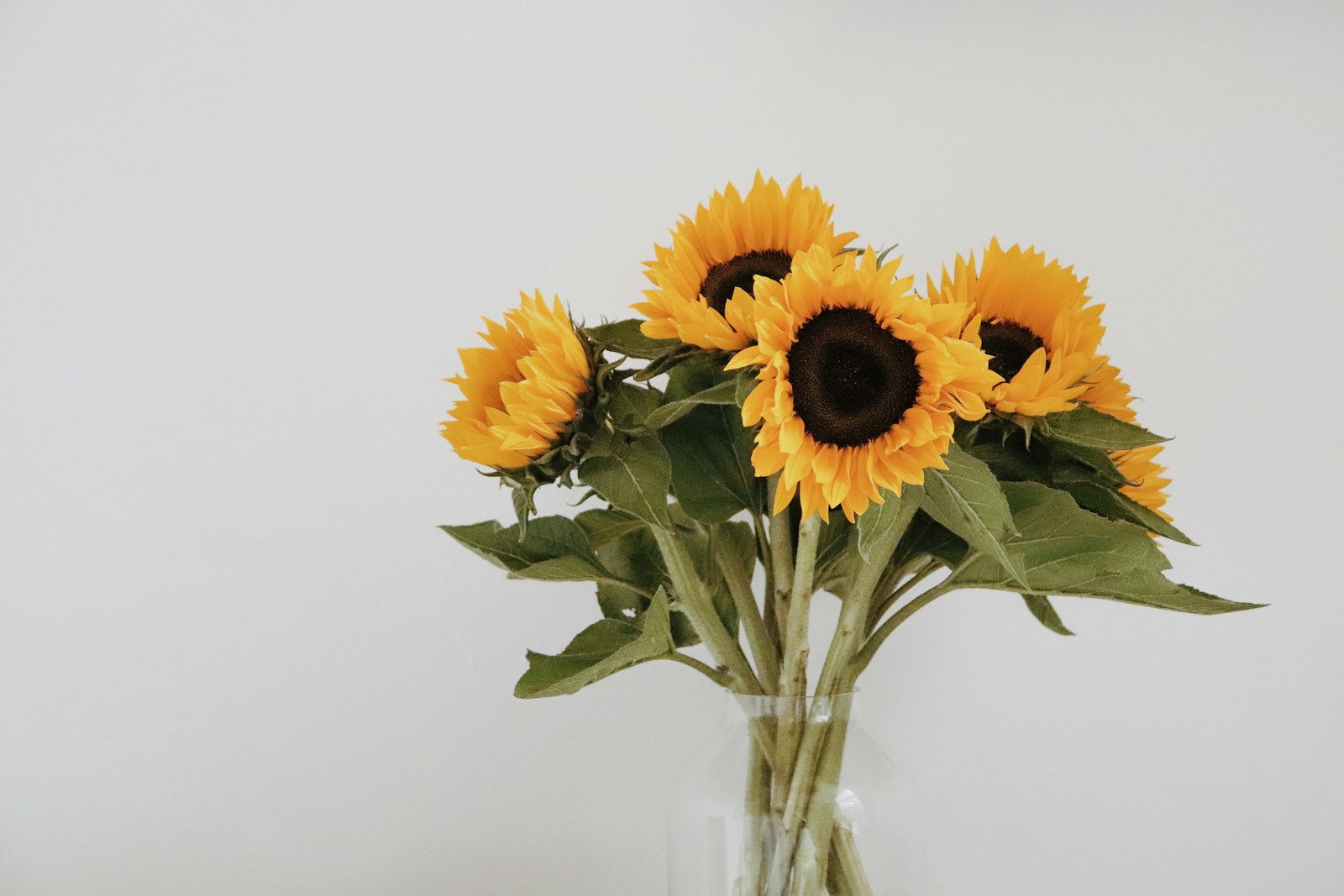
For cutting: cut stems when the petals are just lifting away from the centre, early in the morning. Strip most leaves and stand the stems in cool water straight away. Pollenless types do not drop yellow dust on the tablecloth. Expect about a week in the vase.
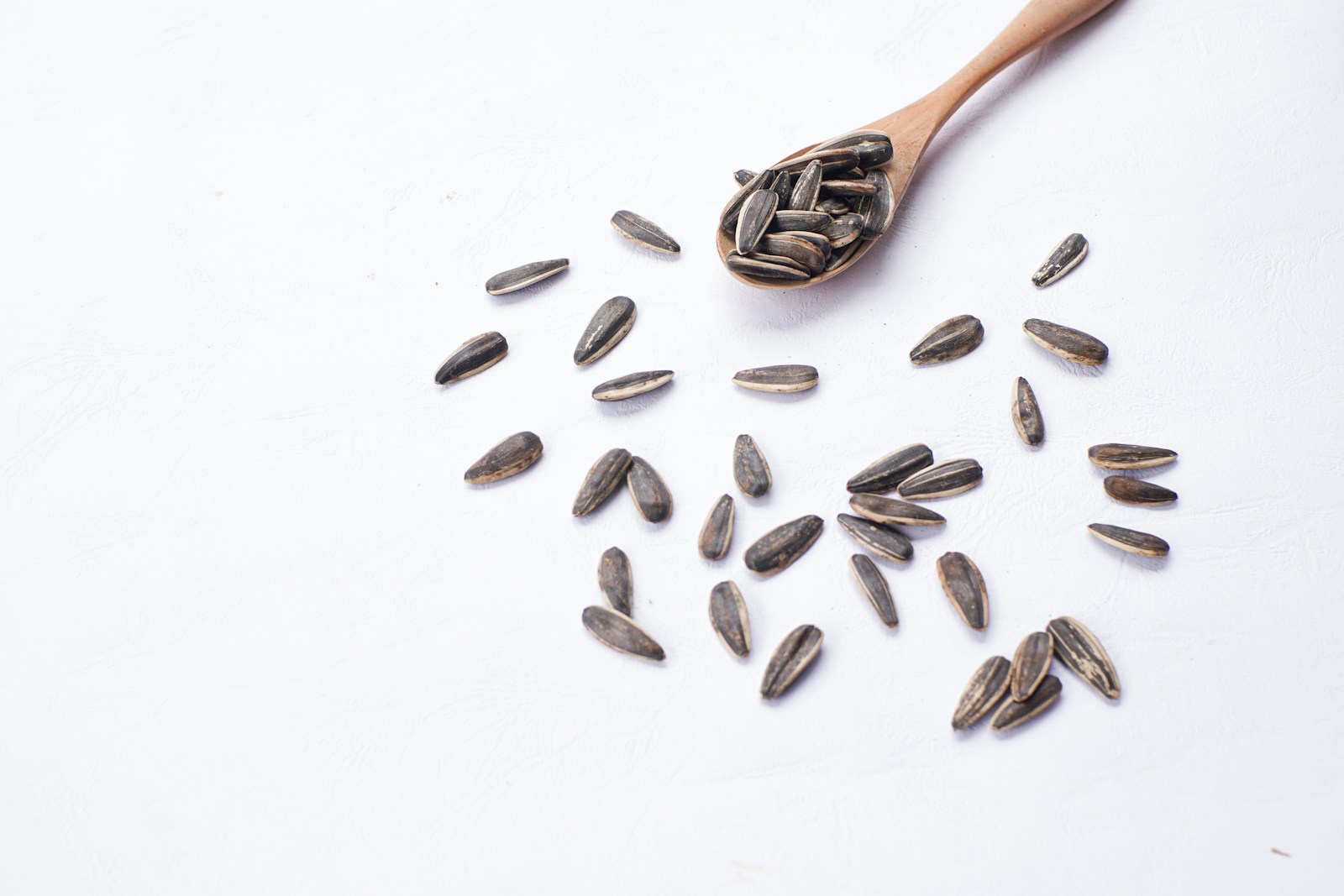
For seed: heads are ready when the back of the head turns from green to yellow-brown and the petals have dried and fallen. The seeds should look plump and firm. Birds strike early, so cover heads with paper bags or fine netting once petals fade. Cut the head with about 12 inches (30 cm) of stem and hang it somewhere dry and airy. Rub the seed out when fully dry.
Store dry seed in an airtight container in a cool place. Roast seed for eating, or keep it raw for birds. Seed from open-pollinated varieties can be saved for sowing. Seed from hybrids and pollenless types will not grow true.
Problems and pests
Sown seed or seedlings disappear overnight
Birds, rodents and slugs take seed and tender shoots. Cover rows with row cover or mesh until plants are established. Hand-pick slugs by torchlight or use iron phosphate slug pellets, following the label.
Seed heads stripped before harvest
Birds and squirrels eat ripening seed. Bag or net heads as soon as the petals wilt, and harvest promptly.
White powdery coating on leaves
Powdery mildew appears in late summer, especially in dry soil and crowded rows. Space plants properly and water at the base. Remove the worst leaves. Late infections rarely affect flowering.
Tall plants lean or snap
Wind, shallow roots or rich soil causes lodging (stems falling over). Stake early, water deeply and go easy on nitrogen.
Webbing and tunnels in the flower head
Caterpillars of the sunflower head moth feed inside flower heads in some regions. Remove and destroy damaged heads. Planting at a slightly different time can help the flowers avoid peak moth activity.
Varieties worth growing
Single-stem cut types (pollenless)
- 'ProCut' – A pollenless series bred for florists, with uniform heads and long stems.
- 'Sunrich' – A pollenless series with clean, bright heads that last well in a vase.
Branching types
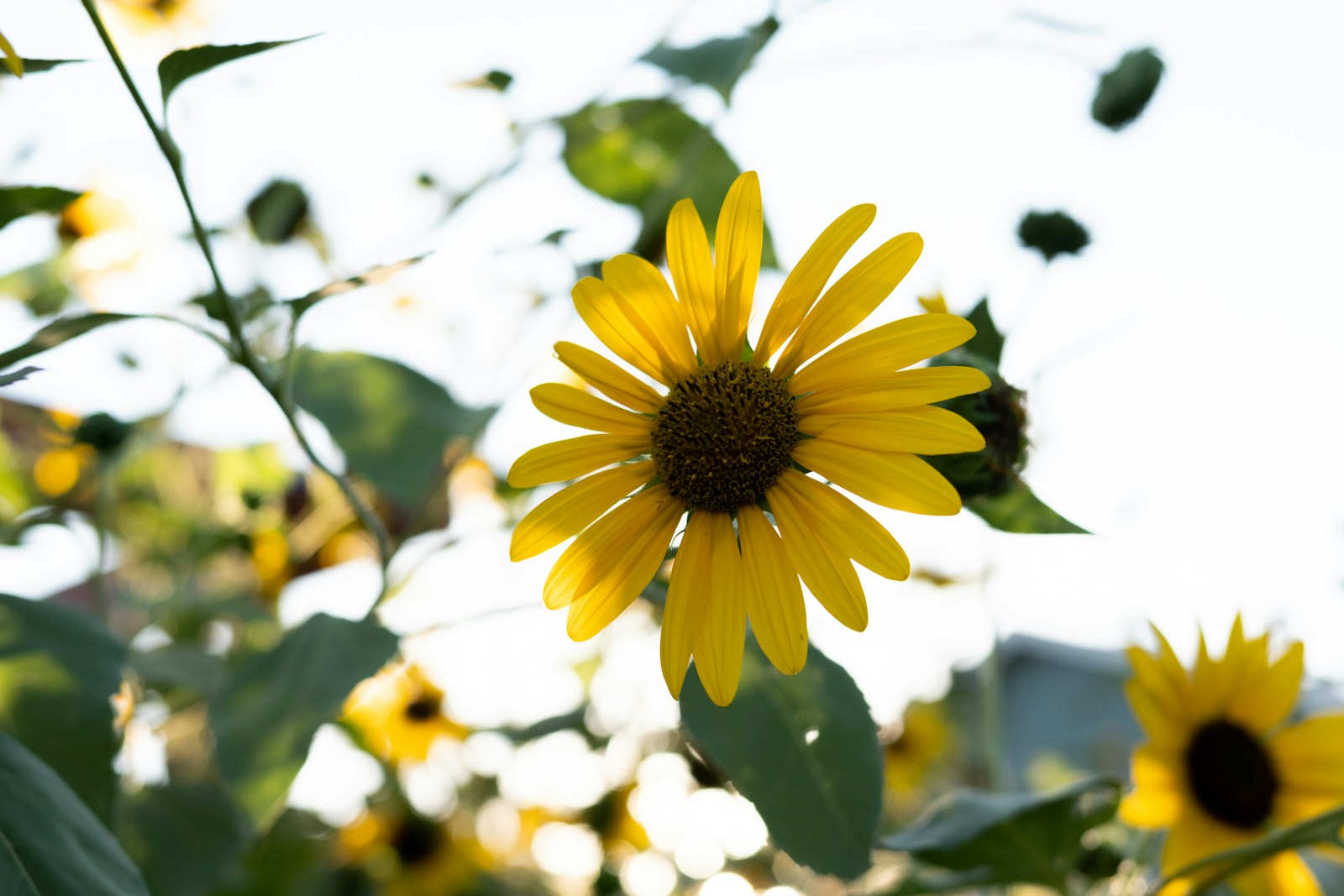
- 'Autumn Beauty' – A mix of yellow, bronze and red flowers on branching plants.
- 'Italian White' – Cream to pale yellow flowers with dark centres; pollen-bearing and loved by bees.
- 'Teddy Bear' – A short, branching type with fluffy, fully double golden flowers.
Giant seed types
- 'Mammoth Grey Stripe' – A very tall, single-headed heirloom grown for big heads of striped seed.