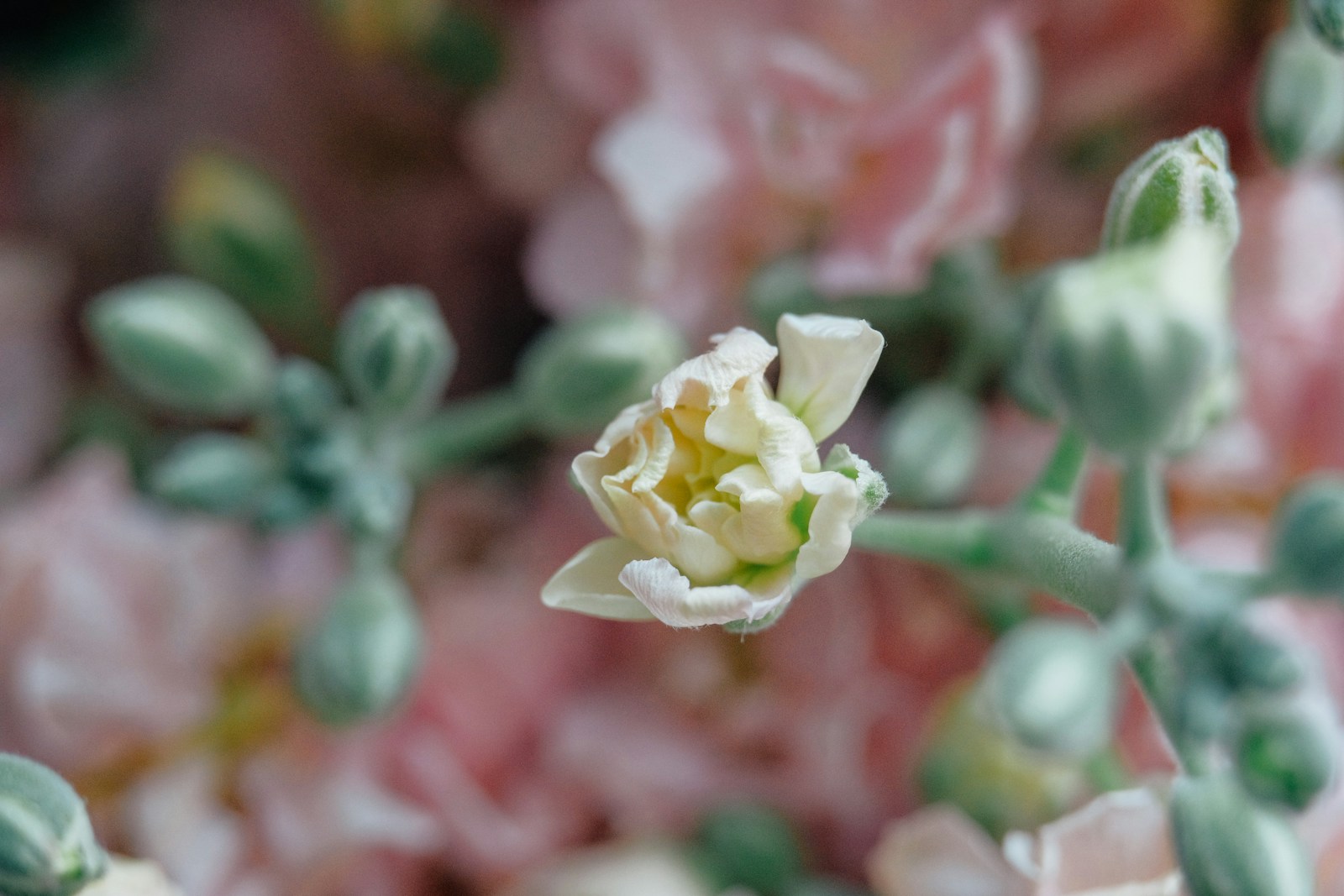
Stock (Matthiola incana) is a cool-season flower grown for its thick spikes of blooms and a rich, spicy scent of cloves. A few stems perfume a whole room, which makes it a favourite cut flower. Plants come in white, cream, pink, rose, purple and apricot, with single or fully double flowers. Stock is easy to grow once you understand one thing: it needs cool weather to flower. Difficulty: easy to moderate.
Sowing and planting
Sow stock indoors six to eight weeks before your last frost. Use a fine seed-starting mix and barely cover the seed. Keep the tray at 65 to 75°F (18 to 24°C). Seedlings usually appear in 7 to 14 days.
Many seed strains are "selectable" for double flowers. Once the seedlings are up, drop the temperature to about 50°F (10°C) for a few days. The seedlings that will give double flowers turn a paler yellow-green. Singles stay darker green. Keep the pale ones and thin out the dark ones if you want mostly doubles.
Harden off (getting seedlings used to outdoor conditions over a week or so) before planting out. Young stock plants tolerate light frost, so you can plant them out two to four weeks before your last frost. Space bedding types 6 to 9 inches (15 to 23 cm) apart. Single-stem cutting types can go as close as 4 to 6 inches (10 to 15 cm) in a well-prepared bed.
You can also sow direct into the garden around your last frost date, but results are less reliable. In USDA zones 9 and 10, sow in autumn for flowers through the winter and early spring. Stock grown there in summer rarely performs.
For a longer cutting season, sow a new batch every two to three weeks while nights are still cool.
Stock needs cool nights to form flower buds. If night temperatures stay above about 65°F (18°C), plants often grow leafy and fail to flower. Sow early enough that plants bloom before summer heat arrives, or grow it as an autumn and winter crop in warm zones.
Growing on
Water regularly so the soil stays evenly moist but never soggy. Stock rots quickly in wet, heavy ground. Water at the base of the plant, not over the leaves.
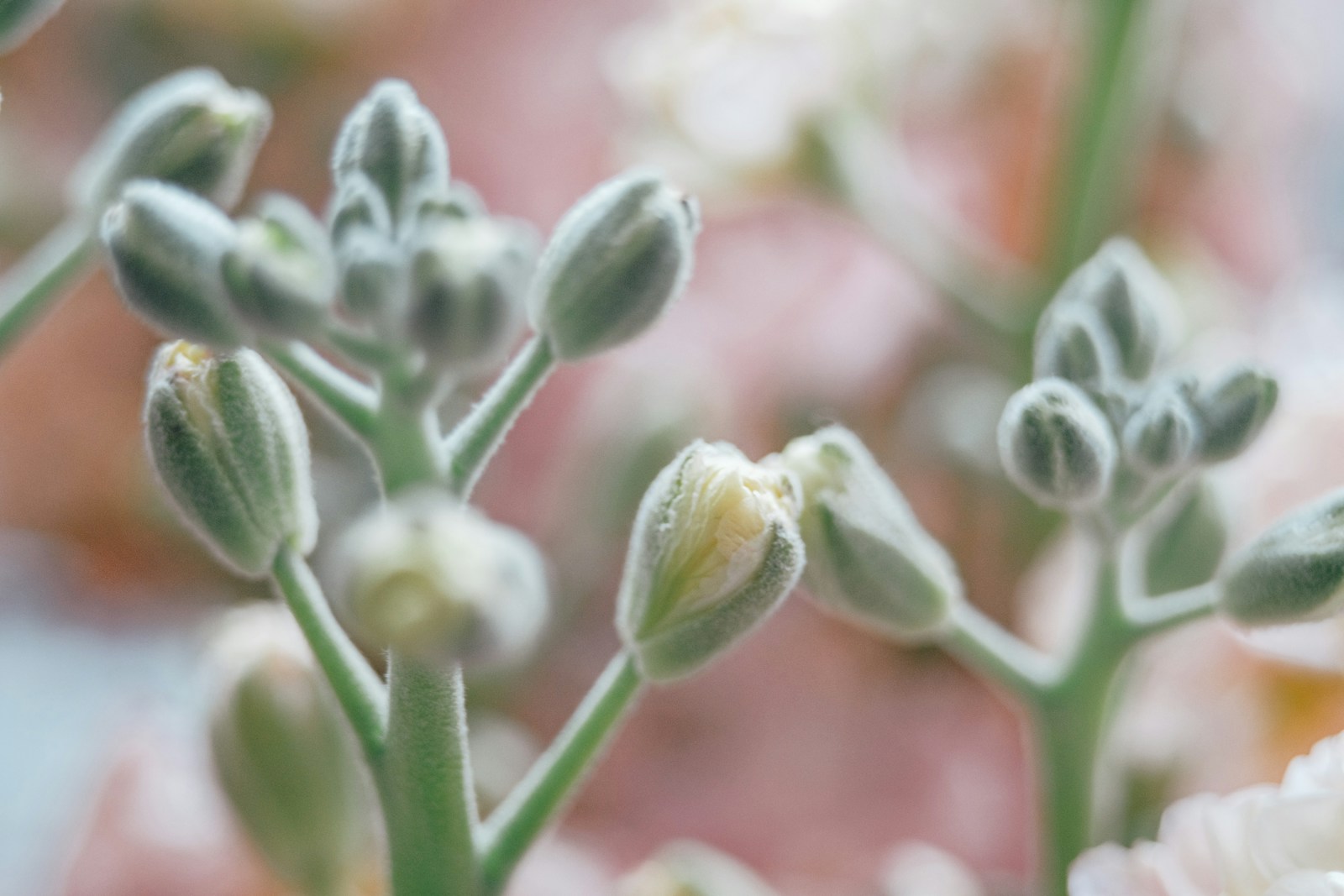
Work compost into the bed before planting. A balanced fertiliser at planting time is usually enough. Too much nitrogen gives soft, floppy stems. A light mulch of compost or straw keeps roots cool and moisture even.
Tall cutting types benefit from support. Stretch a layer of horizontal plant netting across the bed about 12 inches (30 cm) above the soil. The stems grow up through it and stay straight.
Do not pinch single-stem or "column" types. Each plant makes one large spike, and pinching removes it. Branching bedding types can be pinched once when young to make bushier plants.
Deadhead bedding stock by cutting spent spikes back to a side shoot. This can bring a smaller second flush in cool weather.
Stock is a brassica, like cabbage and kale. Avoid planting it where brassicas grew last year to reduce soil-borne disease. Its scent draws bees, butterflies and moths, so it sits well in a cottage border. Plant it near a door, path or window, where you pass often and can enjoy the fragrance. It also grows well in pots at least 8 inches (20 cm) deep.
Harvesting
Cut stock for the vase when one-third to one-half of the flowers on the spike are open. Cut early in the morning, when stems are full of water. Single-stem types are sometimes pulled up whole, then the roots are cut off indoors.
Strip every leaf that would sit below the waterline. Stock stems foul water fast and can smell unpleasant. Change the water every day or two and recut the stems each time. A clean vase and a flower food help. Expect a vase life of about a week.
Saving seed is rarely worth it. Double flowers are sterile and set no seed. Seed from single plants gives an unpredictable mix of singles and doubles. Buying fresh seed of a selectable strain works better.
Problems and pests
Plants grow leaves but never flower
The cause is usually heat. Stock needs a spell of cool nights to form buds. Sow earlier next time, choose early-flowering types, or grow it through autumn and winter in warm zones.
Stems collapse at the base or plants wilt suddenly
Root and stem rots strike in wet, poorly drained soil. Improve drainage with compost or grow in raised beds. Water less often and avoid crowding plants. Remove affected plants promptly.
Seedlings topple over at soil level
This is damping off (a fungal rot of young seedlings). Use fresh seed-starting mix and clean trays. Water from below, give good airflow and avoid keeping the mix soggy.
Clusters of small insects on shoots and buds
Aphids suck sap and distort new growth. Knock them off with a strong spray of water. Encourage ladybirds and lacewings. Insecticidal soap works on heavy infestations; spray in the cool of the evening and follow the label.
Tiny round holes in the leaves
Flea beetles chew leaves of young brassicas, stock included. Cover young plants with fine insect mesh or floating row cover. Plants usually outgrow light damage.
Varieties worth growing
- 'Katz' – A tall, early single-stem series for cutting, with a wide colour range.
- 'Iron' – A strong column series with sturdy stems and heavy, fragrant spikes.
- 'Vintage' – A cutting series in soft, antique shades.
- 'Ten Week' – A classic branching mix that flowers quickly from sowing.
- 'Brompton' – A traditional biennial type, sown one year to flower the next.
- Night-scented stock (Matthiola longipetala) – A related species with small flowers that release a strong scent in the evening.