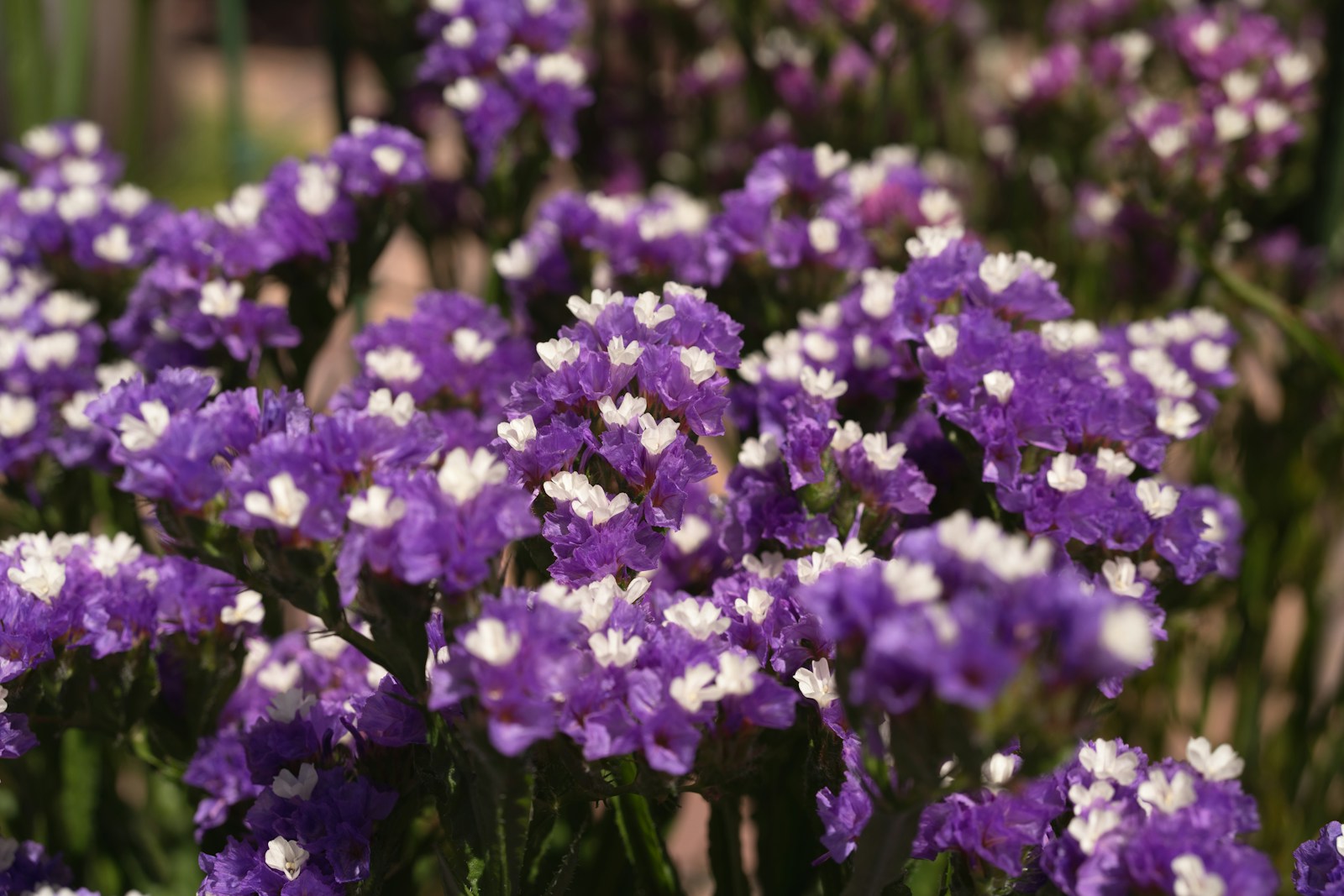
Statice (Limonium sinuatum) is the classic everlasting flower. Its stiff, winged stems carry flat clusters of papery blooms in purple, blue, pink, apricot, yellow and white. The colour comes from the papery calyx (the outer cup of the flower), while the tiny true flowers inside are white. That is why it keeps its colour so well when dried. It suits beginners who can offer full sun and free-draining soil.
Sowing and planting
Statice needs a long season, so start it indoors 8-10 weeks before your last frost. The seed usually comes still wrapped in its dry, papery calyx. Sow it as it is, or rub off the husk gently if you want cleaner seed. Either way works.
Sow into cells of moist seed compost and cover the seed very lightly. Keep the tray at 65-75°F (18-24°C). Seedlings usually appear in 1-3 weeks. Once they are up, move them to a bright spot at about 60°F (16°C). Water from below and let the surface dry a little between waterings.
Pot the seedlings on if their roots fill the cells before planting time. Harden them off over 7-10 days. Hardening off means getting seedlings used to outdoor sun, wind and cool nights a little at a time. Young statice tolerates a light frost, so you can plant out around your last frost date.
In areas with long, warm summers, you can sow directly outdoors once the soil is warm, 1-2 weeks after your last frost. Flowering then comes later in the season.
Choose the sunniest, best-drained spot you have. Statice grows wild on coasts and handles poor, sandy and even slightly salty soil. It dislikes rich, heavy ground. Set the plants at the same depth they grew in the cell. Do not bury the crown, which is the point where the leaves meet the roots.
In USDA zones 8-10 you can also sow in late summer or early autumn. Plants then grow slowly through winter and flower in spring.
Growing on
Water young plants regularly until they root in, usually 2-3 weeks. After that, water deeply only when the top inch (2.5 cm) of soil is dry. Established statice copes well with dry spells. Too much water does far more harm than too little. Water the soil, not the leaves, and water in the morning.
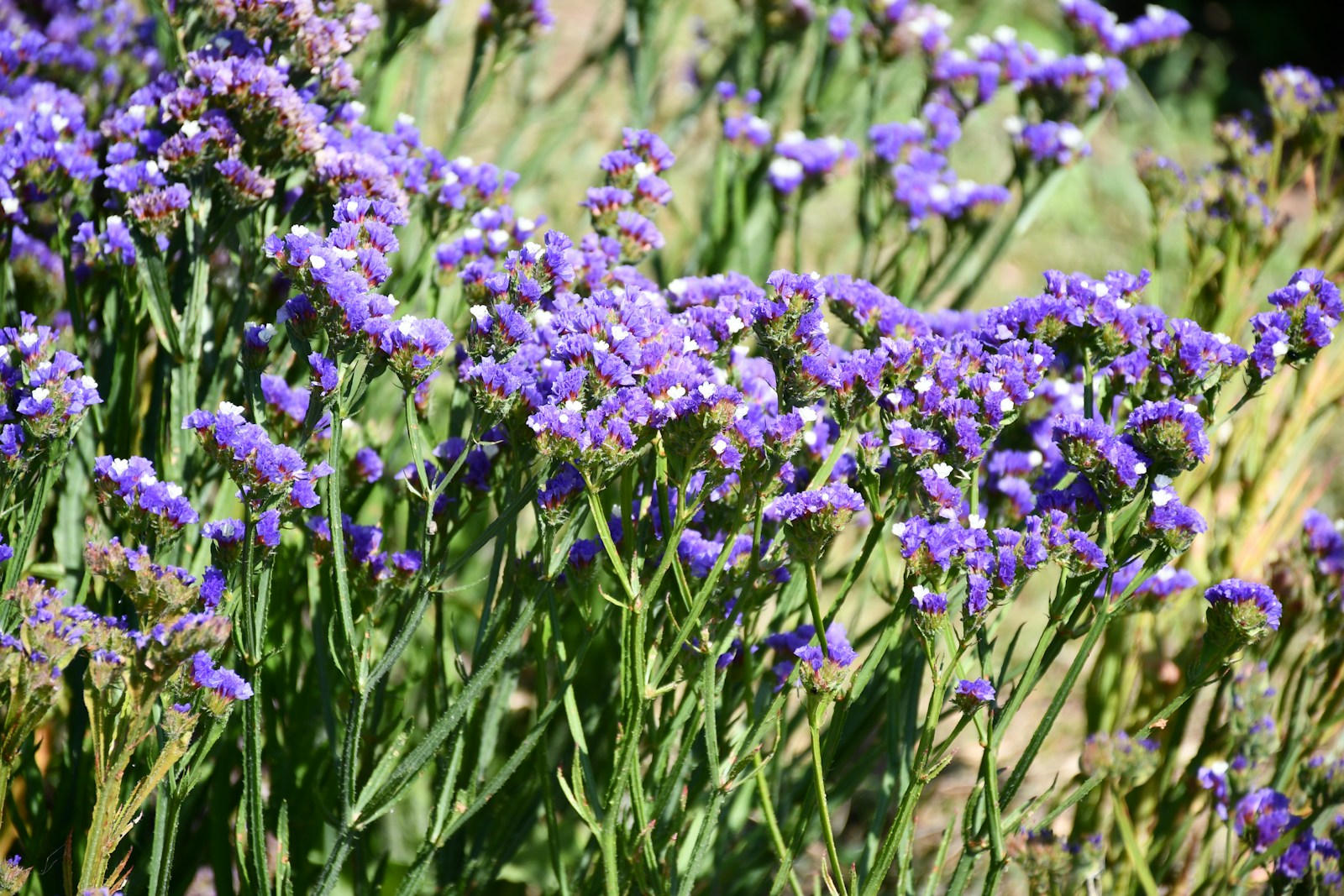
Statice needs little feeding. Work a thin layer of compost into the bed before planting. Rich soil and heavy feeding give leafy plants with fewer, weaker stems.
Use a gravel mulch, or no mulch at all, close to the plants. Thick organic mulch holds moisture against the crown and can lead to rot. You can spread a light mulch further out to hold down weeds.
Statice does not need pinching. Each rosette of leaves sends up several flowering stems on its own. The stems are stiff and rarely need staking. In windy gardens, a few horizontal strings or netting keeps the stems upright.
Keep picking to keep more stems coming. Plants that are cut often usually flower for many weeks. Remove any stems that go brown on the plant.
Statice is a good pollinator plant. Bees and butterflies visit the small true flowers inside the papery clusters. It grows well beside other sun-loving everlastings such as strawflower and globe amaranth.
Wet, heavy soil is the most common way statice fails. The crown rots and the whole plant collapses, often after a spell of rain or heavy watering. Plant it in sharp drainage, on a slope or in a raised bed if your soil is clay, and let the soil dry between waterings.
Harvesting
Cut statice when most of the flowers in the cluster show full colour. Look for the tiny white true flowers opening inside the coloured calyces. Stems cut too early can wilt and do not dry as well.
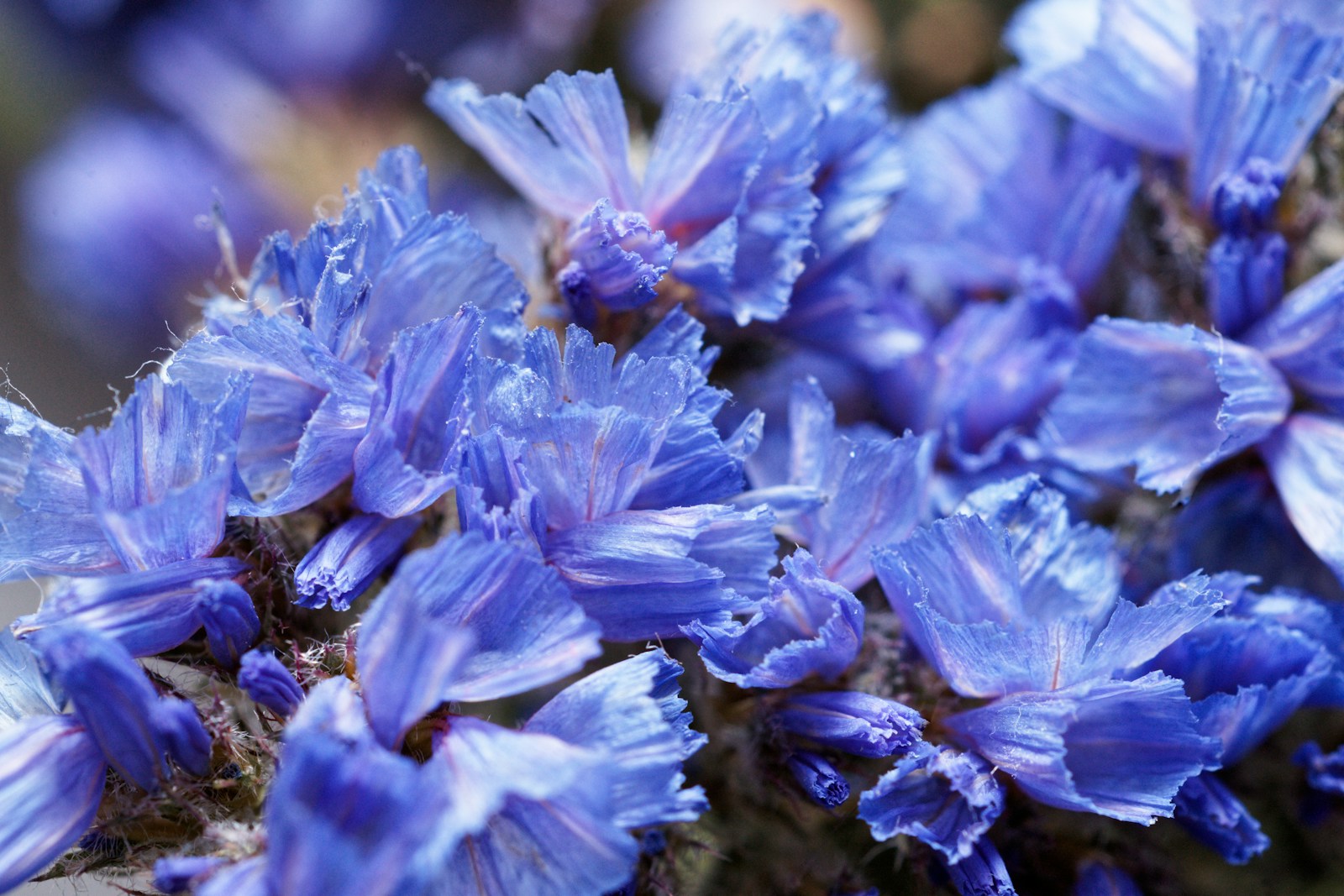
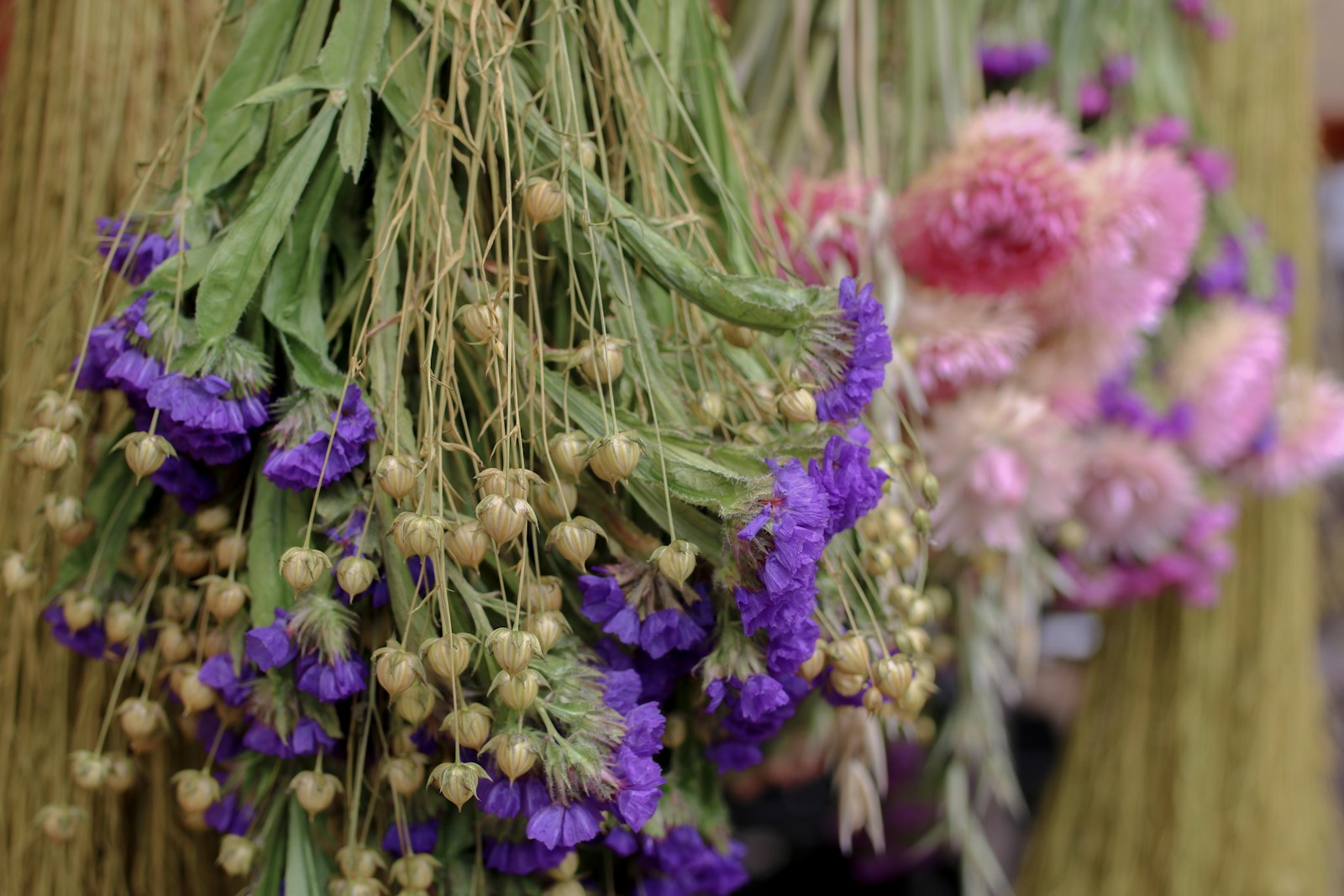
Cut in the morning, once any dew has dried. Use clean, sharp pruners and cut the stem low, near the rosette. Strip off the lower leaves, which can rot in water and slow drying.
For fresh arrangements, stand the stems in cool water straight away. Statice lasts a week or more in a vase. It also dries in place if you leave it in the arrangement without water.
For drying, gather 6-10 stems into a small bunch. Tie them with a rubber band, which tightens as the stems shrink. Hang the bunches upside down in a dark, dry, airy place. Darkness keeps the colours bright. Most bunches dry in 2-3 weeks. You can also dry statice upright in an empty vase.
Store dried bunches in a box lined with tissue paper, away from damp and direct sun. Well-dried statice keeps its colour for many months.
Saving seed is possible but slow. Leave a few stems on the plant until they dry completely. Crumble the dried clusters into a paper bag and keep the seed in its husks. Store it cool and dry. Colours from saved seed often vary from the parent.
Problems and pests
Plant wilts and collapses at the base
This is crown rot or root rot, caused by fungi in wet, poorly drained soil. Lift and bin affected plants. Improve drainage before planting again. Water less often and keep mulch away from the crown.
Grey fuzzy mould on flower clusters
Grey mould, also called botrytis, spreads in cool, damp, crowded conditions. Space plants properly and remove any affected stems. Cut for drying in dry weather.
Brown or purple spots on leaves
Fungal leaf spot shows up in humid weather or with overhead watering. Remove spotted leaves and water at the base. Rotate statice to a new bed each year.
Sticky leaves and clusters of small insects
Aphids gather on young stems and flower buds. Knock them off with a spray of water. Use insecticidal soap on heavy infestations; spray in the evening to protect bees and follow the label.
Seedlings rot or fall over
Damping off is a fungal disease of seedlings in cold, wet compost. Use clean trays and fresh seed compost. Water from below and do not overwater.
Varieties worth growing
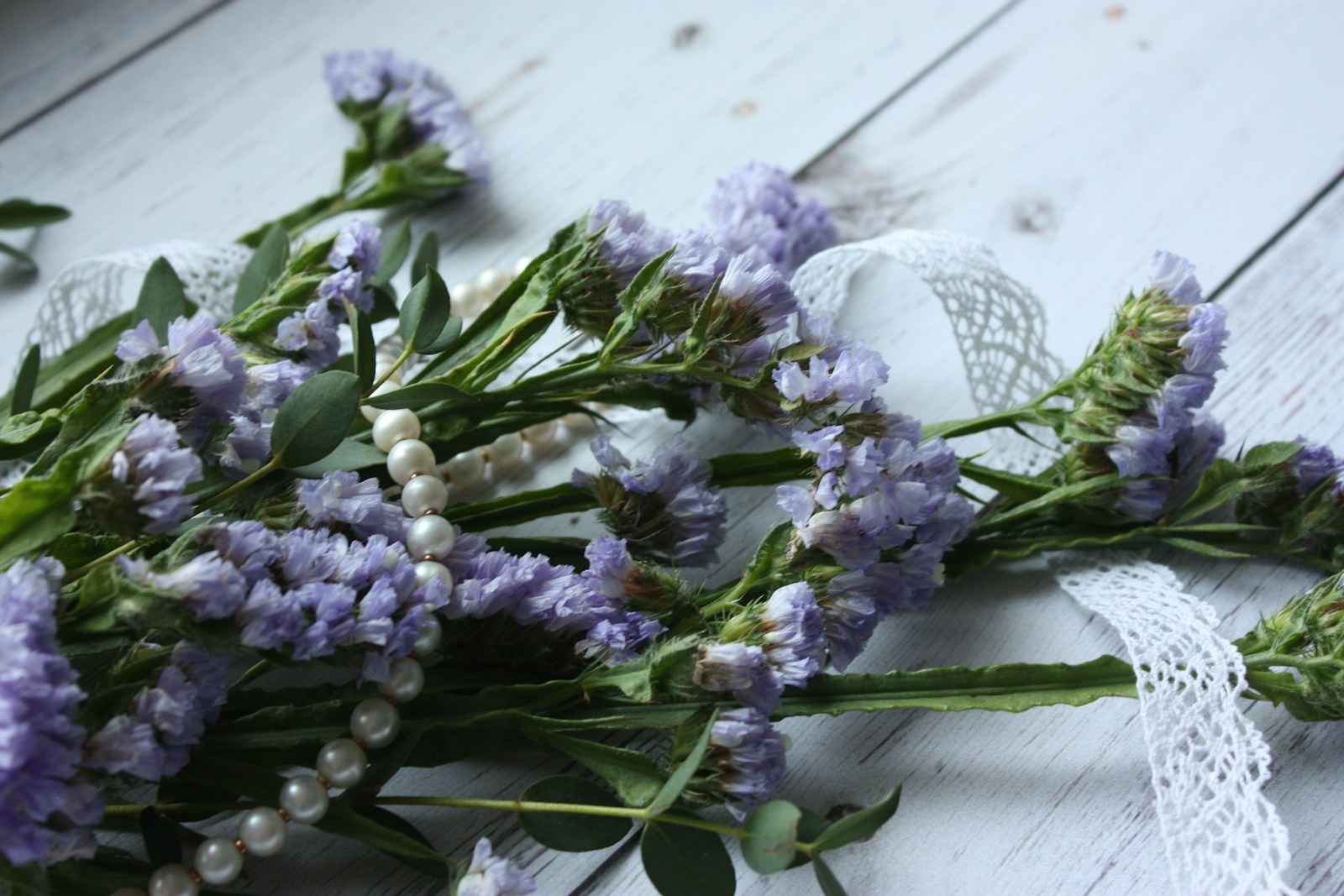
- 'QIS' series: tall, strong stems in clear single colours, bred for cutting and drying.
- 'Fortress' series: sturdy, well-branched plants in a wide colour range.
- 'Pacific' mix: a classic mixed-colour strain for cutting and drying.
- 'Sunset' mix: warm shades of apricot, peach, rose and yellow.
- Russian or rat-tail statice (Psylliostachys suworowii): a close relative with slender pink spikes, also good for drying.