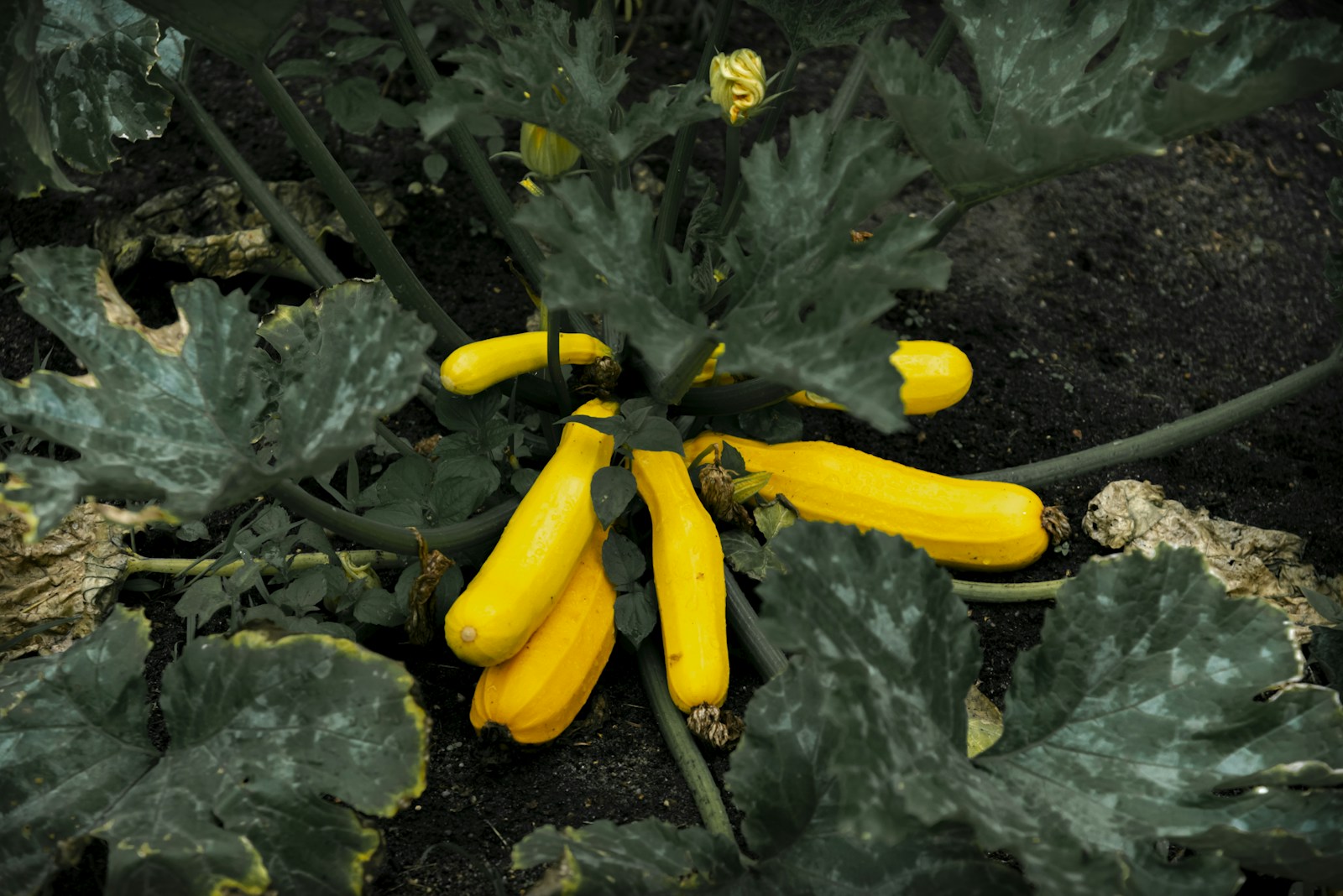
Squash is a warm-season vine crop grown for its fruit. It comes in two groups. Summer squash is picked young and soft-skinned, and a few plants feed a household all season. Winter squash ripens a hard rind and stores for months after curing. Both are easy in warm, sunny beds, but they need space and watchfulness against pests.
Sowing and planting
Squash needs warm soil. Seed rots in cold, wet ground, so wait until one to two weeks after your last spring frost. The soil should be at least 65°F (18°C) at planting depth.
Direct sowing is simplest. Sow two or three seeds 1 inch (2.5 cm) deep at each spot. Many gardeners sow on low, wide mounds of soil and compost, which warm up and drain quickly. Thin to the strongest seedling by snipping the others at soil level.
To get ahead, sow indoors three to four weeks before your last frost. Use biodegradable pots, because squash roots dislike disturbance. Harden off the seedlings (get them used to outdoor conditions over a week) before planting out.
Summer squash plants are mostly compact bushes. Most winter squash forms long vines that need a large area, though compact bush forms exist. You can grow small-fruited winter types, such as delicata and acorn, up a sturdy trellis to save space.
In warm areas with long seasons, sow summer squash again in midsummer. The fresh plants replace tired or pest-damaged ones. Winter squash needs one early sowing to ripen before fall frost.
Zucchini is a type of summer squash with its own profile on this site.
Growing on
Water deeply at the base, soaking the soil once or twice a week. Keep the leaves dry to slow disease. Leaves often wilt in afternoon heat and recover by evening, which is normal.
Squash is a heavy feeder. Dig in plenty of compost before planting. Side-dress (scatter fertilizer alongside the plants) with compost or a balanced organic fertilizer when the vines start to run. Too much nitrogen gives leaves instead of fruit.
Mulch with straw once the soil is warm. Mulch holds moisture, blocks weeds and keeps fruit off damp soil. Slip a board or tile under winter squash fruits to prevent rotting.
Each plant has separate male and female flowers. Female flowers have a tiny fruit at their base. Bees carry pollen between them. If young fruits shrivel, hand-pollinate: pick a male flower, peel back its petals and dab its pollen onto the center of an open female flower in the morning.
For winter squash, pinch off the growing tips of the vines about a month before your first expected fall frost. Also remove new small fruits then. This sends the plant's energy into ripening the fruit already set.
Plant nasturtiums, marigolds, and herbs nearby to draw pollinators. Rotate squash and other gourd-family crops to a new bed each year.
Never eat squash that tastes very bitter. Bitterness signals high levels of cucurbitacins, natural compounds that can cause serious stomach illness. Spit out a bitter bite and throw the whole fruit away. It is most common in stressed plants and in seed saved near ornamental gourds.
Harvesting
Summer squash
Pick summer squash young, while the skin is glossy and soft enough to dent with a fingernail. Crookneck and straightneck types are best at 4 to 7 inches (10 to 18 cm) long. Pattypan types are best at 2 to 4 inches (5 to 10 cm) across. Check plants every day or two, because fruit grows fast. Regular picking keeps the plant producing.
Cut the fruit with a knife, leaving a short piece of stem. Store unwashed in the refrigerator for up to a week.
Winter squash
Winter squash is ready when the rind is hard and you cannot dent it with a fingernail. The color deepens and the stem dries and turns corky. The spot where the fruit rested on the ground turns from white to cream or orange. Harvest before a hard frost, since frost-damaged fruit rots in storage.
Cut the fruit with 2 to 4 inches (5 to 10 cm) of stem attached. Never carry squash by the stem, because a broken stem lets rot in. Use sharp pruners and wear gloves, as the vines are prickly.
Curing winter squash
Curing hardens the skin, heals small wounds and sweetens the flesh. Keep the fruit somewhere warm, at 80 to 85°F (27 to 29°C), for 10 to 14 days. A sunny porch or greenhouse works. Acorn squash is the exception, as it stores best without curing.
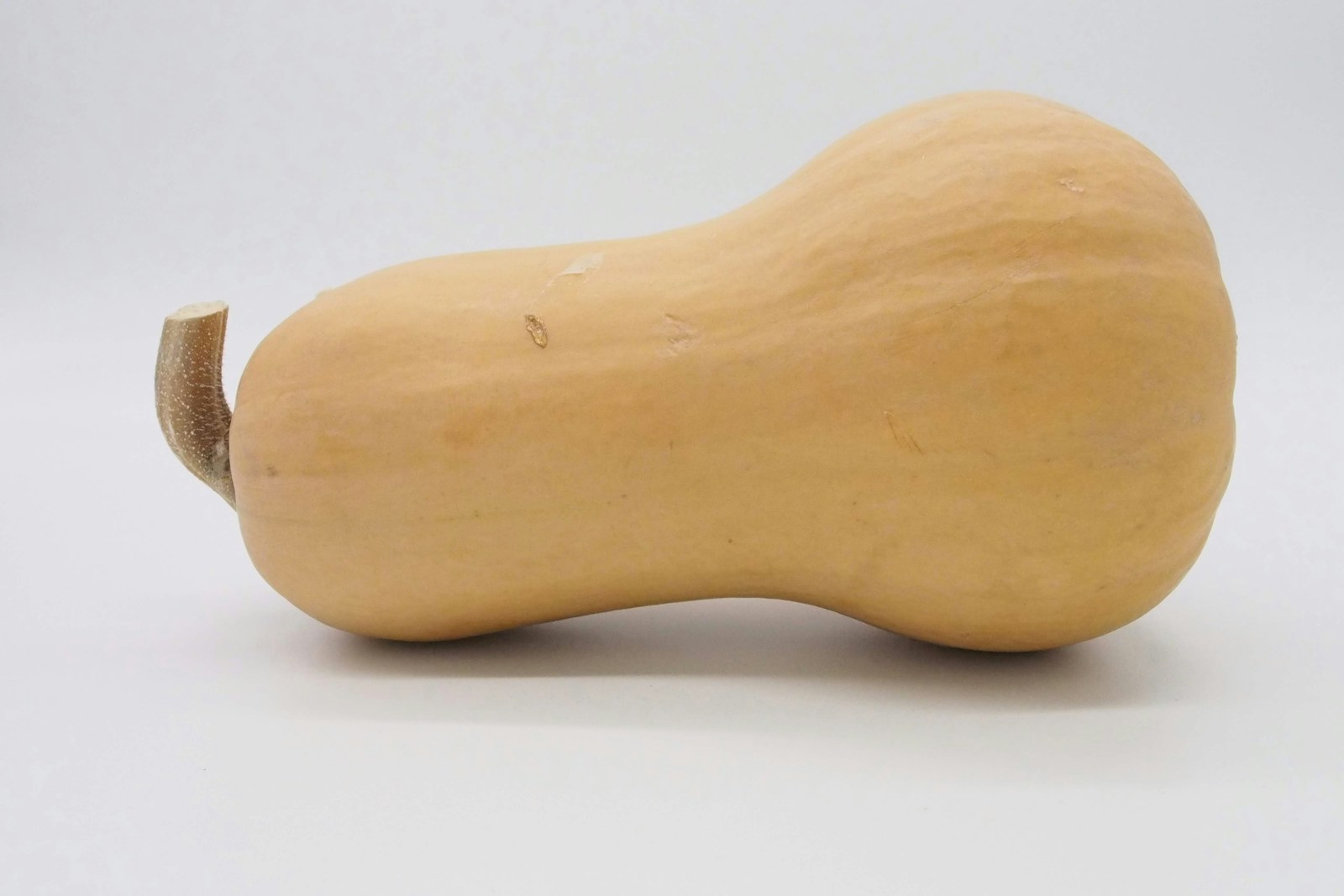
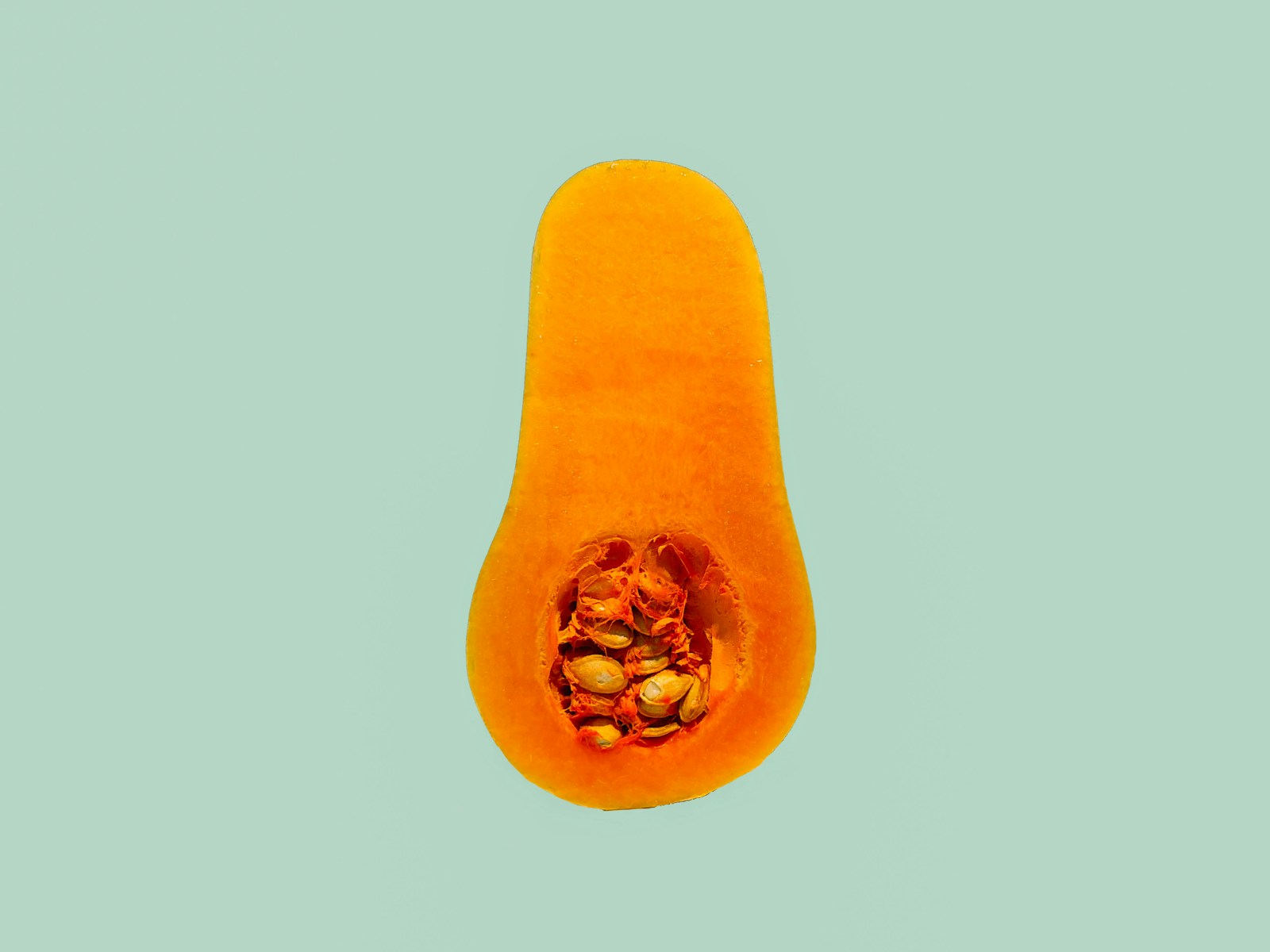
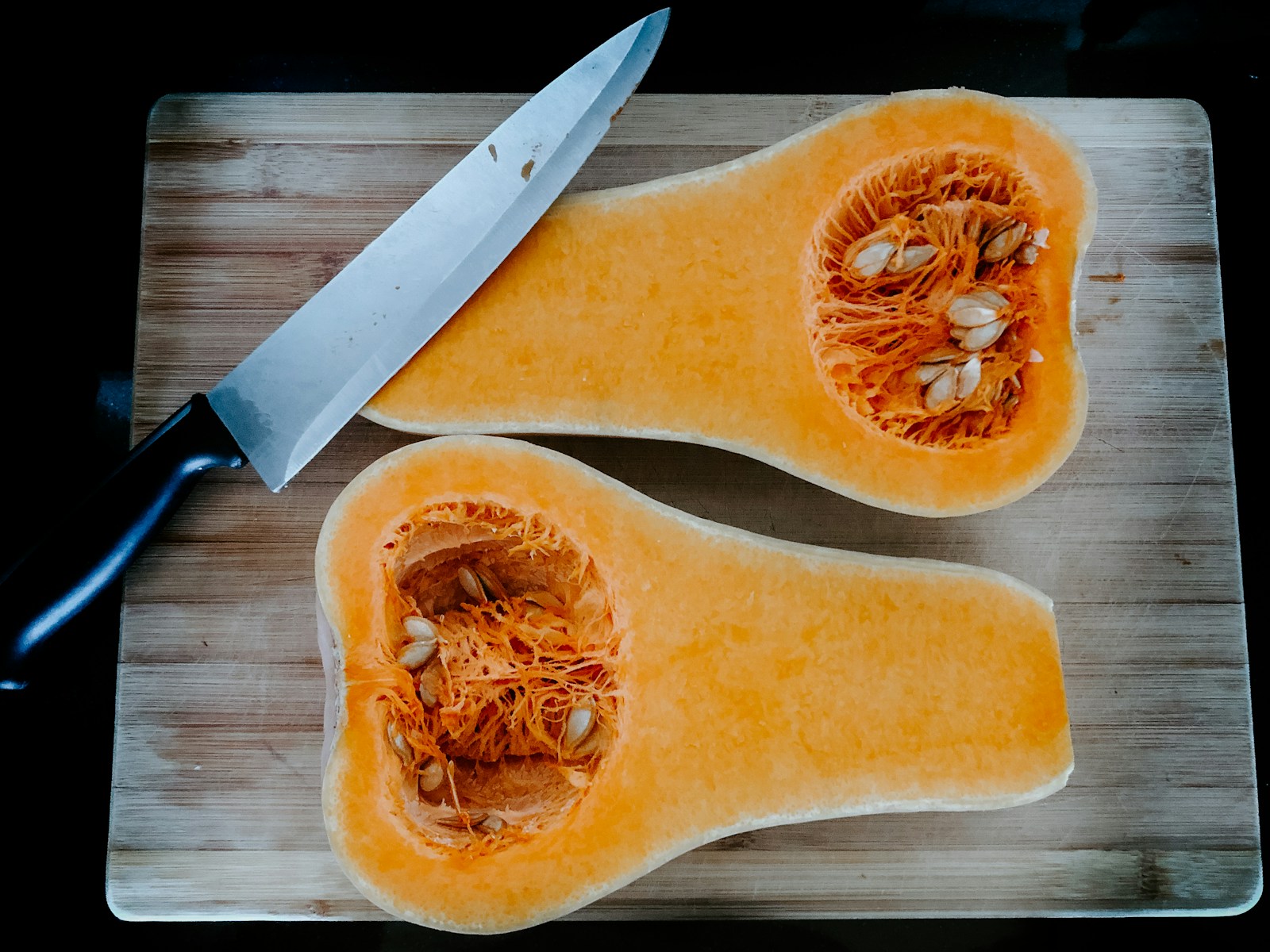
After curing, store squash in a single layer somewhere cool and dry, at 50 to 55°F (10 to 13°C). Acorn keeps one to two months. Butternut and hubbard types often keep three to six months or more.
Seed saving is possible, but squash of the same species cross freely. To save true seed, hand-pollinate and tape the flowers shut before and after.
Problems and pests
Vines suddenly wilt, with sawdust-like debris at the base
Squash vine borers, the larvae of a day-flying moth, tunnel into stems. Cover young plants with row cover until flowering. Slit the stem lengthwise to remove larvae, then bury the wound in soil. Butternut types resist borers best.
Yellow speckles and wilting leaves, with gray bugs on the undersides
Squash bugs suck sap. Hand-pick adults and crush the bronze egg clusters under the leaves. Lay a board near the plants overnight and collect the bugs hiding beneath it each morning.
White powdery coating on leaves
Powdery mildew is a fungal disease that appears late in the season. Space plants well and water the soil, not the leaves. Grow resistant varieties and remove the worst leaves.
Striped or spotted yellow beetles chewing leaves and flowers
Cucumber beetles damage seedlings and spread bacterial wilt. Use row cover on young plants and remove it at flowering for pollination. Yellow sticky traps help. Wear gloves when handling traps.
Small fruits turn yellow and rot at the tip
This is usually poor pollination. Encourage bees with nearby flowers and hand-pollinate. Avoid spraying anything while flowers are open.
Varieties worth growing
Summer squash
- Early Prolific Straightneck: a productive yellow bush type with smooth, straight fruit.
- Early Summer Crookneck: a classic yellow heirloom with a bent neck and buttery flesh.
- Sunburst: a bright yellow pattypan with scalloped edges.
Winter squash
- Waltham Butternut: smooth, sweet orange flesh, strong vines and long storage.
- Table Queen: a dark green, ribbed acorn squash for early eating.
- Delicata: small, striped fruit with thin, edible skin and sweet flesh.
- Blue Hubbard: very large, blue-gray fruit that stores for months.
- Vegetable Spaghetti: yellow fruit whose flesh cooks into long strands.
Pumpkins are a type of winter squash with their own profile on this site.