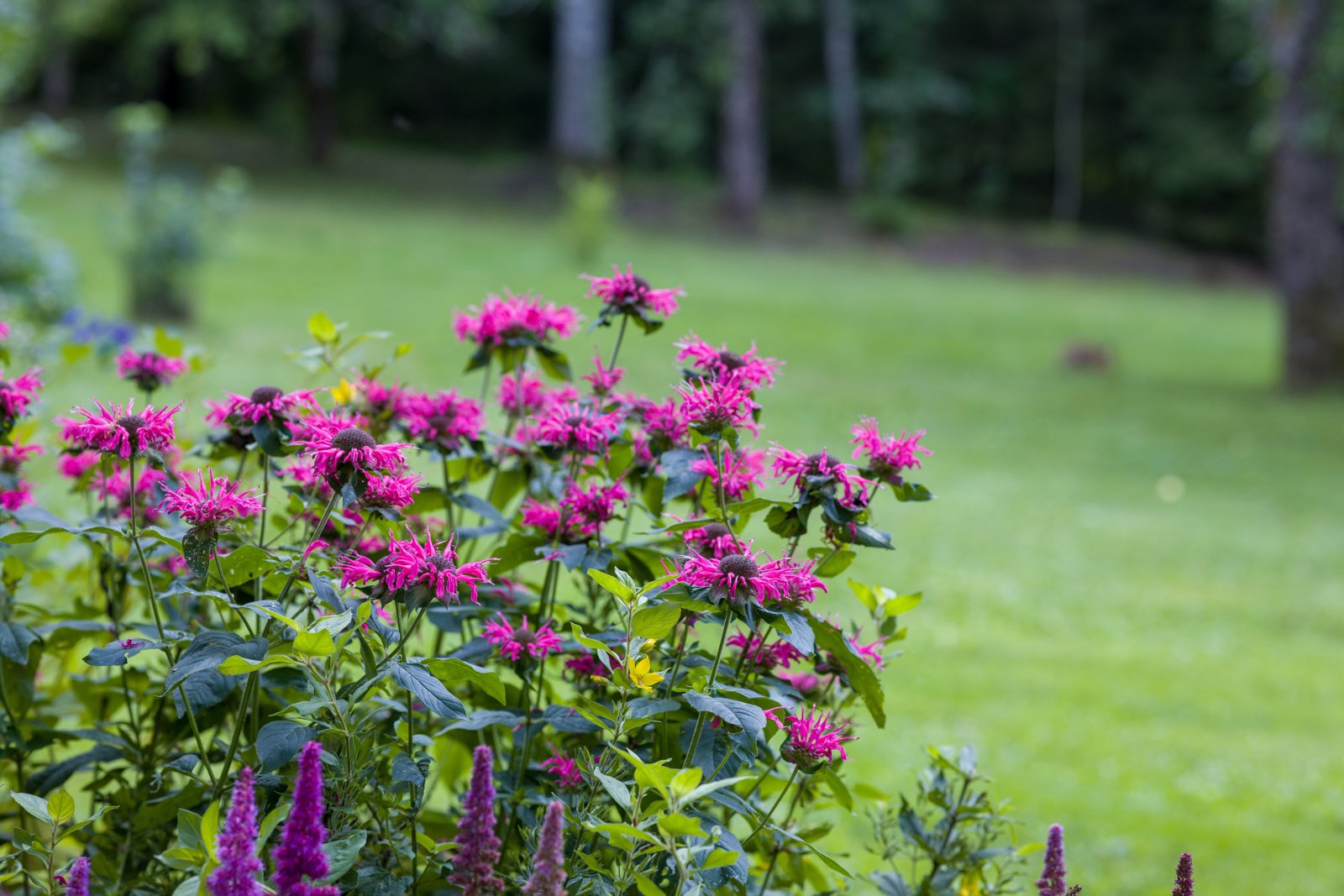
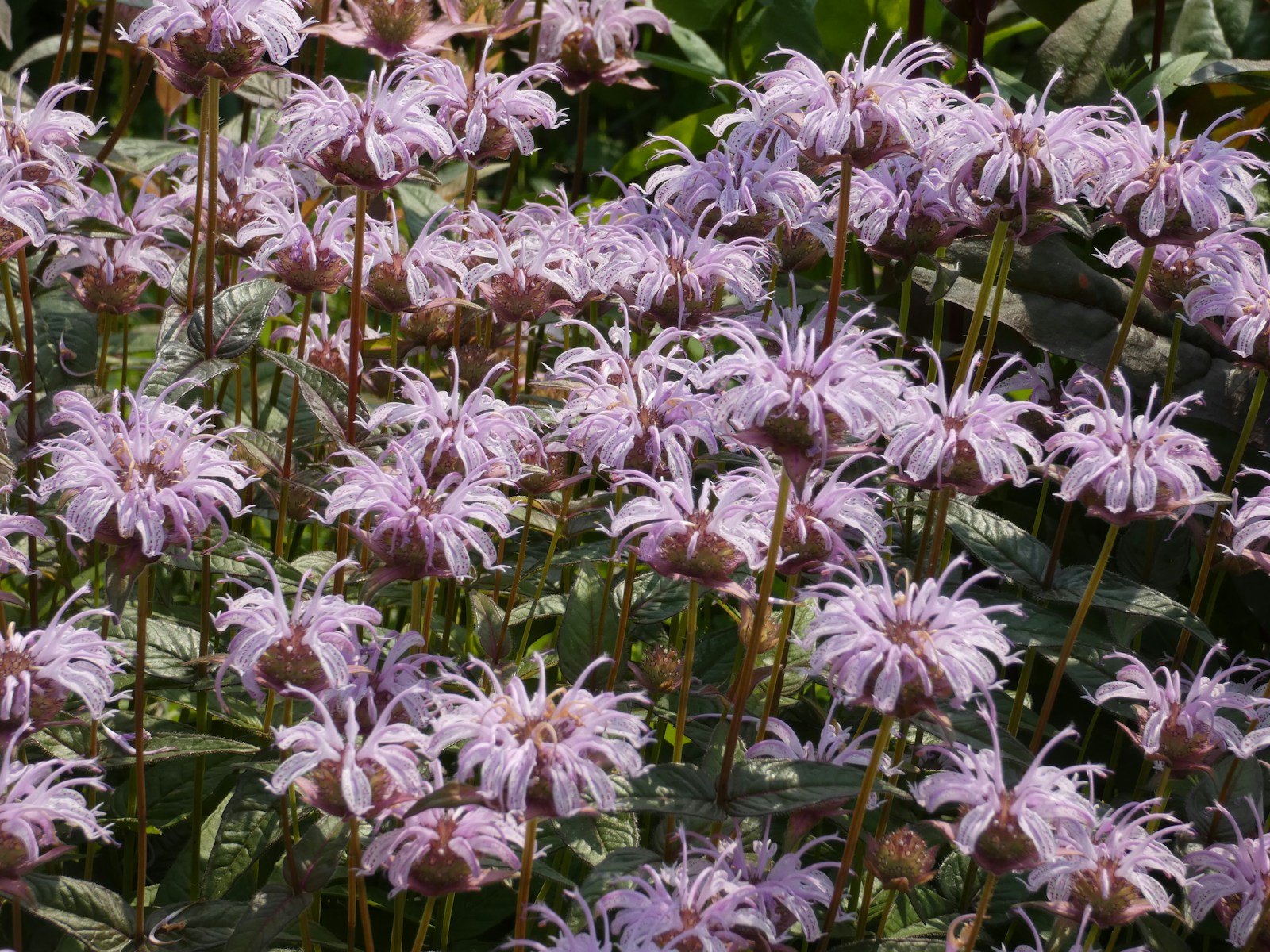
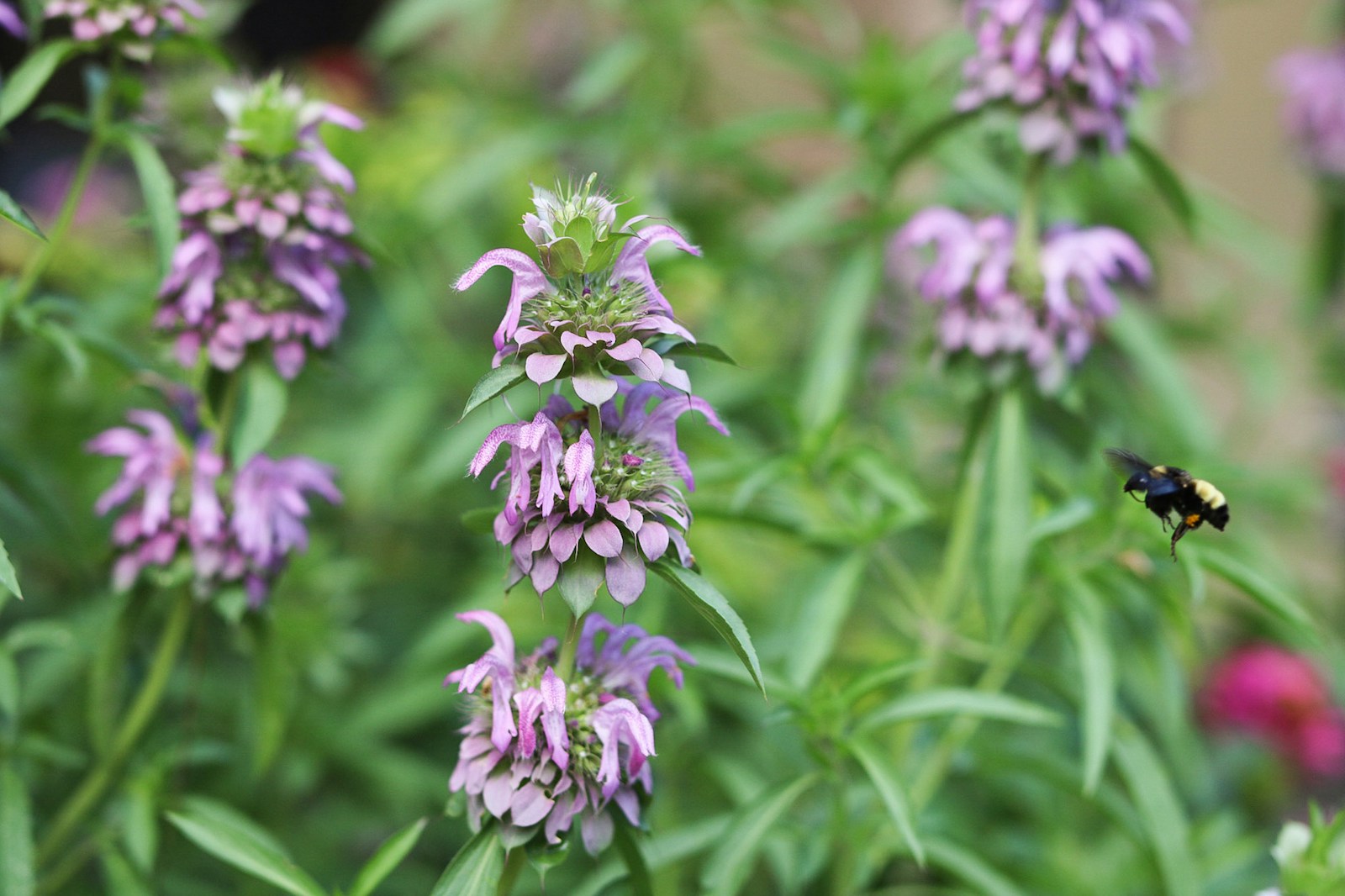
Spotted horsemint (Monarda punctata), also called spotted bee balm, is a native North American mint relative. It carries stacked whorls of pale yellow, purple-spotted flowers above showy pink to lavender bracts (the leaf-like parts under each flower cluster). The leaves smell strongly of thyme and oregano. Grow it for pollinators, for a dry sunny corner where little else thrives, and for its place in mountain history. It is easy to grow, as long as the soil drains fast.
Bees, butterflies and many small beneficial wasps work the flowers from midsummer on. Deer and rabbits usually leave the pungent foliage alone.
Sowing and planting
Seed is the usual way to start spotted horsemint. It is cheap, it germinates readily, and it needs no cold treatment in most cases.
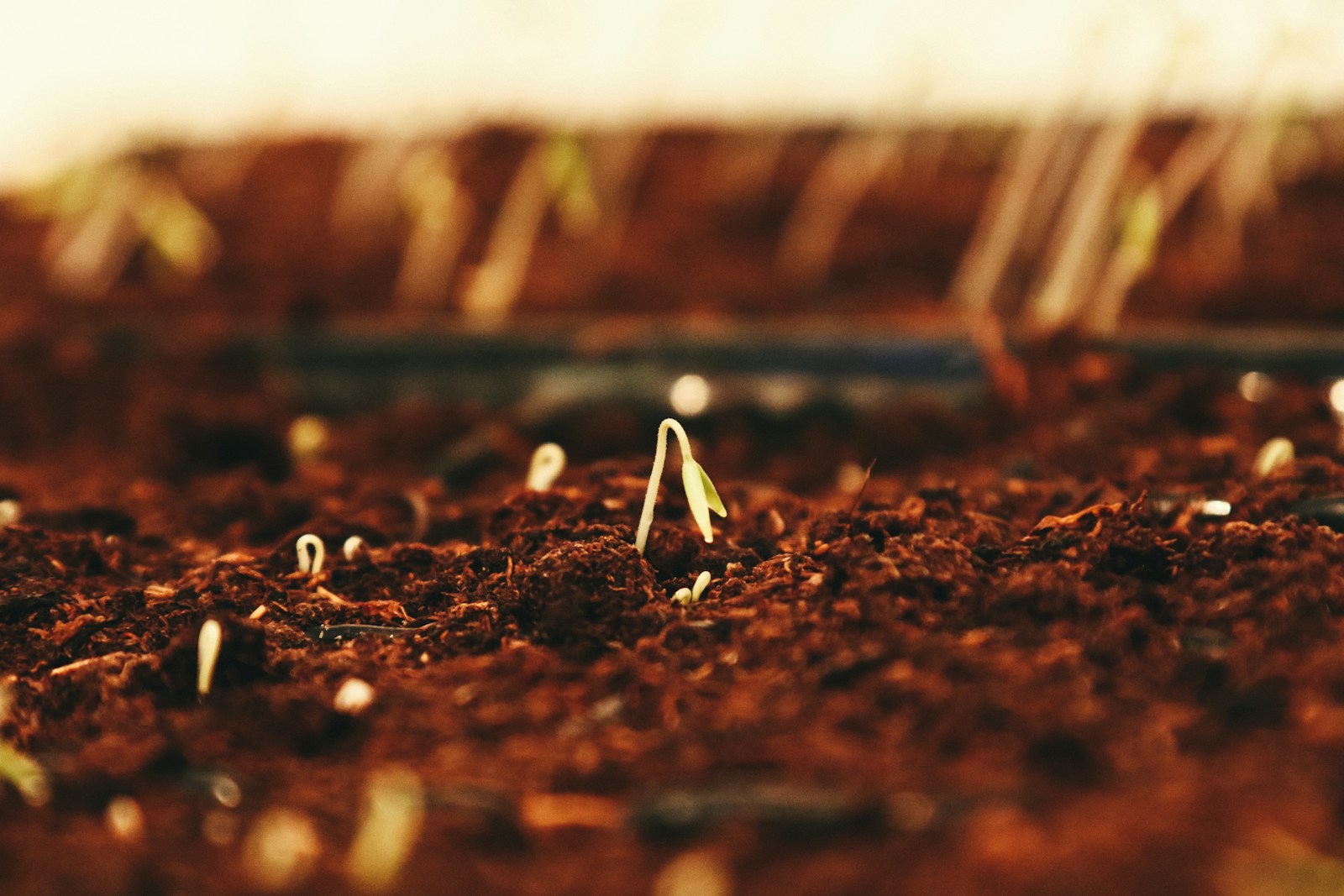
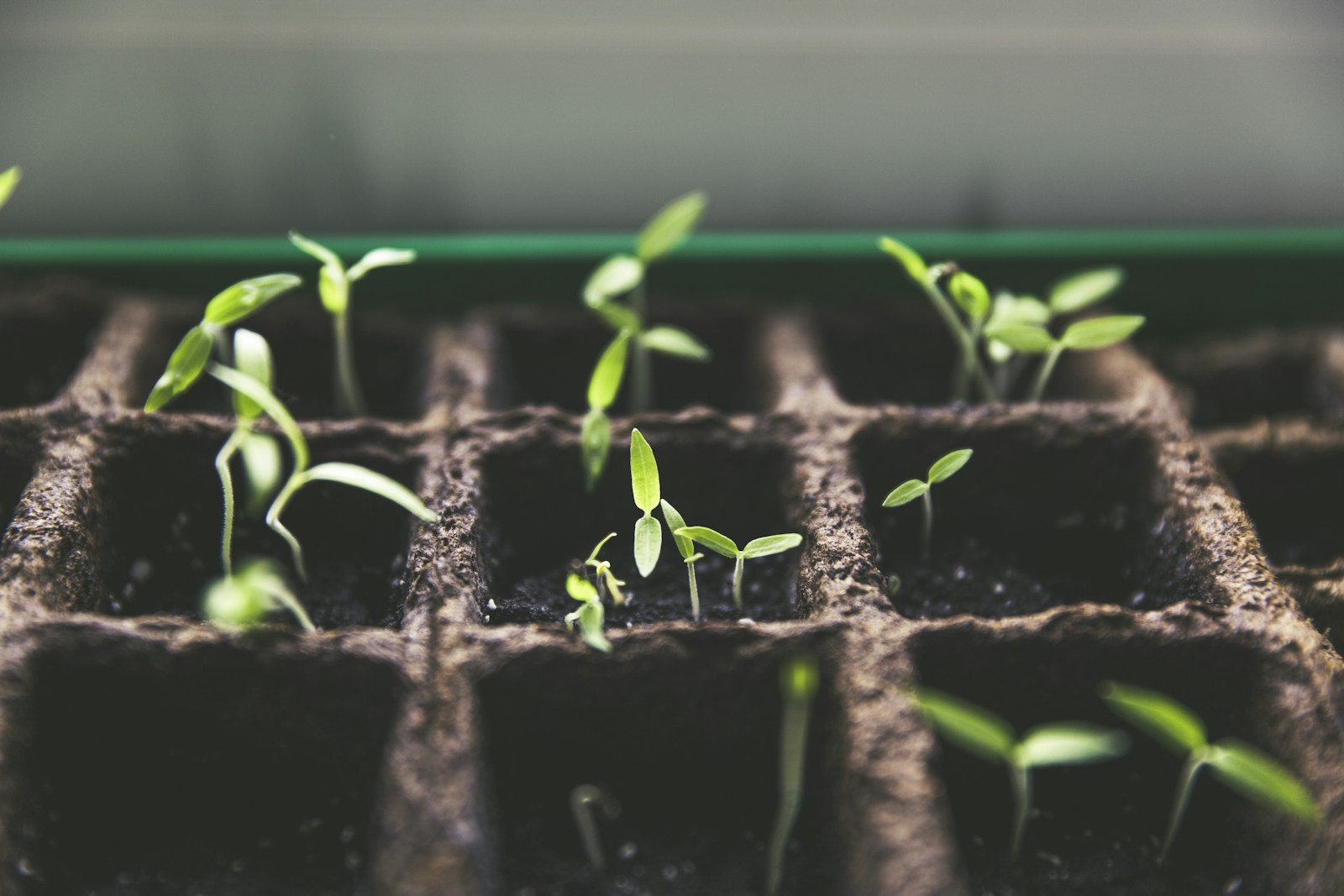
Indoors, sow six to eight weeks before your last expected frost. The seed is tiny and needs light to sprout. Press it onto the surface of damp seed compost and do not bury it. At best, sift a dusting of fine compost or vermiculite over the top. Keep the tray at about 65 to 70°F (18 to 21°C). Water from below so the seed does not wash away. Seedlings usually show in one to three weeks.
Once seedlings have two pairs of true leaves, move each into its own small pot. Harden off (get seedlings used to outdoor conditions over a week or so) and plant out after your last frost.
You can also sow outdoors. Scatter seed onto raked, bare soil in fall or in early spring, and press it in with the back of a rake. Fall-sown seed waits out the winter and sprouts when the soil warms.
Choose the sunniest, best drained spot you have. Spotted horsemint grows wild on sandy prairies, dunes, roadsides and dry open woods. It suits a gravel garden, a dry slope, or the sunny edge of a meadow planting. In heavy clay, plant it in a raised bed or mound, and work in coarse sand or fine gravel. Set plants 12 to 18 inches (30 to 45 cm) apart. Water them in well, then keep the soil just moist until you see new growth.
It also grows well in a pot. Use a container at least 12 inches (30 cm) wide with drainage holes, and a gritty, free-draining mix.
Growing on
This plant thrives on neglect. Water new plants during dry spells in their first season. After that, water only in a long drought. Soggy soil does far more harm than dry soil.
Do not feed it. Rich soil and fertilizer push tall, soft growth that flops over and invites disease. Lean soil keeps plants compact and strongly scented.
Stems are usually sturdy enough to stand without support. If young plants look leggy, pinch out the growing tips in late spring. This gives a bushier plant with more flower stems.
Individual plants often last only two or three years. Keep the planting going by letting some seed heads ripen and drop. Seedlings appear nearby the following spring and are easy to move while small. If you do not want volunteers, cut off the spent flower heads before the seed ripens. The dried seed heads look good in winter and feed small birds, so many gardeners leave them standing. Cut old stems to the ground in early spring, before new growth starts.
A thin mulch of gravel suits it better than bark or compost, which hold moisture against the crown (the point where stems meet roots).
Harvesting
The leaves and flowering tops are the harvested parts. Pick leaves any time once the plant is well established. The scent is strongest just as the flowers begin to open. Cut stems in the morning after the dew has dried, taking no more than a third of the plant at a time.
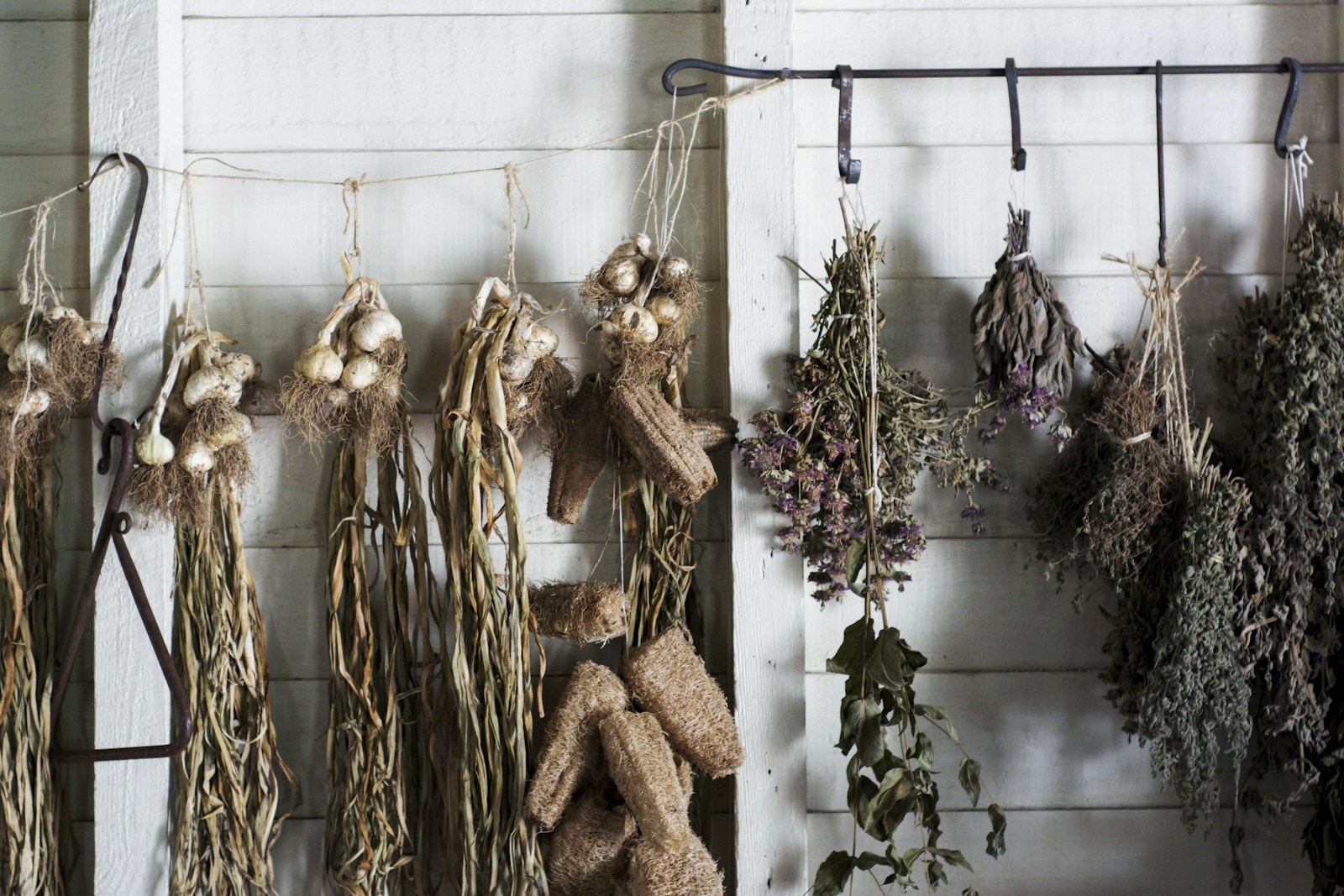
To dry them, tie small bunches and hang them in a warm, airy, shaded place. You can also spread stems on a screen. They are ready when the leaves crumble, usually within one to two weeks. Strip the leaves and store them in a sealed jar away from light.
The flower stems also make long-lasting cut flowers. The bracts hold their color well when dried.
Horsemint has a long history as a household herb. Native American peoples used it first, and early American physicians and settlers later adopted it. In Folk Medicine in Southern Appalachia, Anthony Cavender records that mountain families brewed hot horsemint leaf tea to bring on a sweat during colds, flu and fevers. It often went alongside boneset and onion poultices. This is history, not a recommendation, and nothing here is medical advice.
The leaves are rich in thymol, a strong-tasting and potent plant compound. Treat horsemint as a historical curiosity and a pollinator plant, not a home remedy. Do not use it medicinally without advice from a qualified health professional, especially during pregnancy, and never swallow the essential oil or put it undiluted on skin.
In the kitchen, a small pinch of the dried leaf can stand in for thyme or oregano. The flavor is sharp, so use it sparingly.
Problems and pests
Plants blacken at the base and collapse
This is crown or root rot, caused by wet, heavy soil, especially in winter. There is no cure for an affected plant. Replant in a raised, sandy or gravelly spot, and keep organic mulch away from the crown.
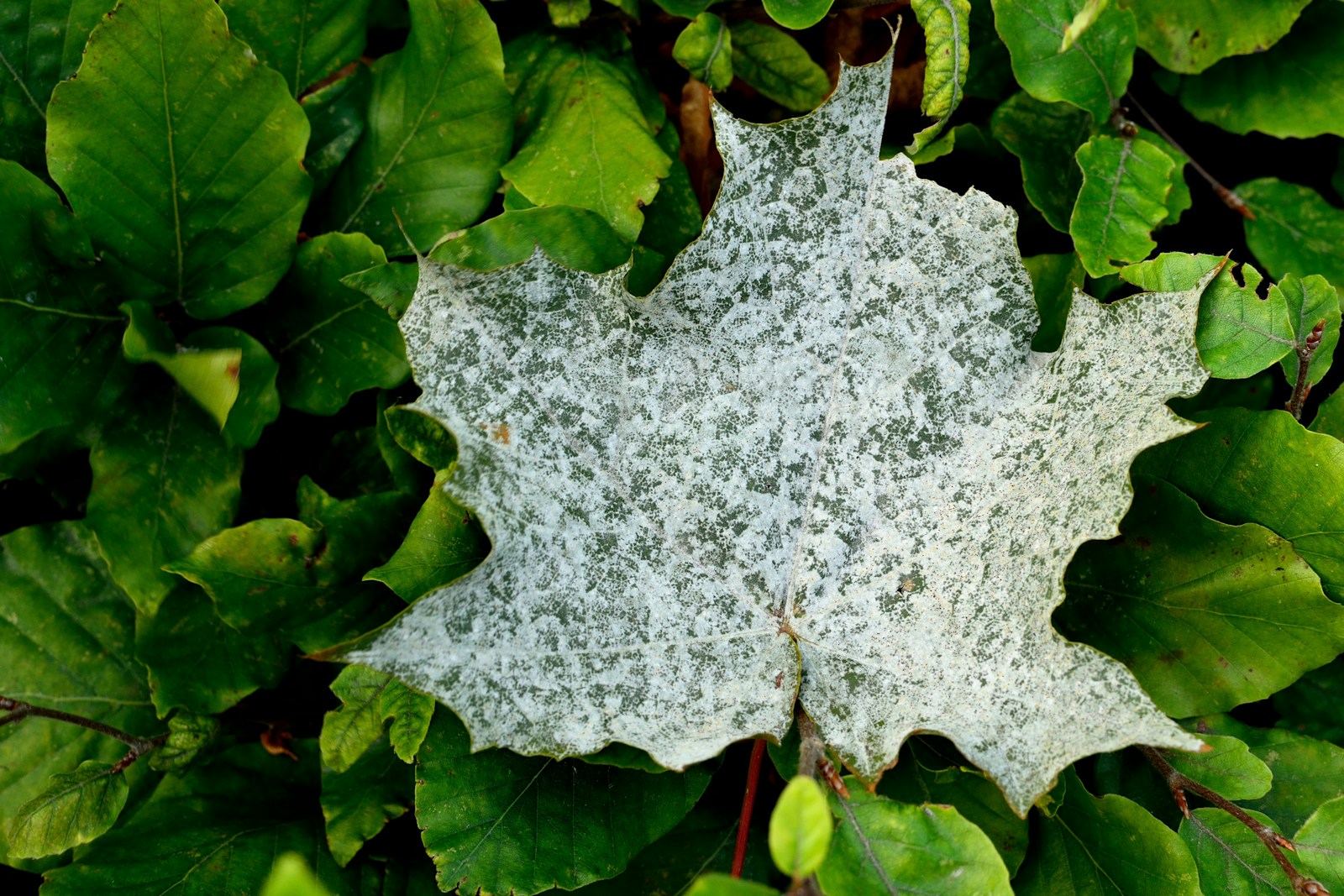
White powdery coating on the leaves
Powdery mildew shows up in late summer, mostly on crowded or shaded plants. Spotted horsemint usually suffers less than the taller garden bee balms. Give plants full sun and their full spacing. Cut out badly affected stems and put them in the trash, not the compost.
Tall, floppy stems
The soil is too rich or the site too shady. Stop feeding, pinch tips in late spring next year, and move seedlings to a sunnier, leaner spot.
Plants vanish after a couple of years
This is normal for a short-lived perennial. Let some seed fall each year, or save a few ripe seed heads in a paper bag and sow them fresh.
Orange or brown spots on leaves
Rust, a fungal disease, sometimes appears in damp seasons. Remove affected leaves, water at the base instead of overhead, and thin plants to improve airflow.
Varieties worth growing
Spotted horsemint has few named cultivars, and most nurseries sell the plain species. Look for seed or plants from a native plant nursery in your region, since local strains suit local conditions best. If you want other bee balms to grow beside it, these are related species, not varieties of spotted horsemint:
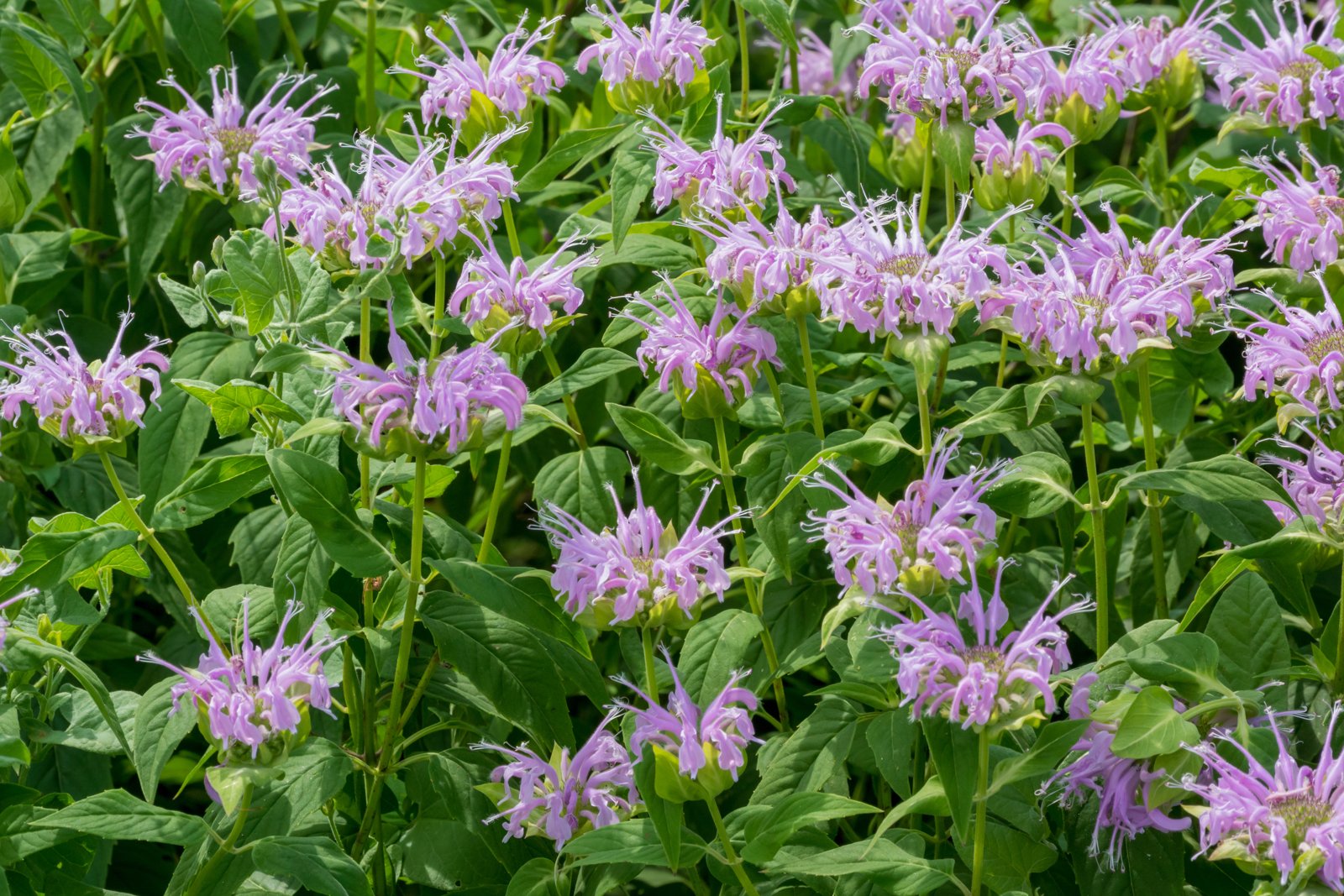
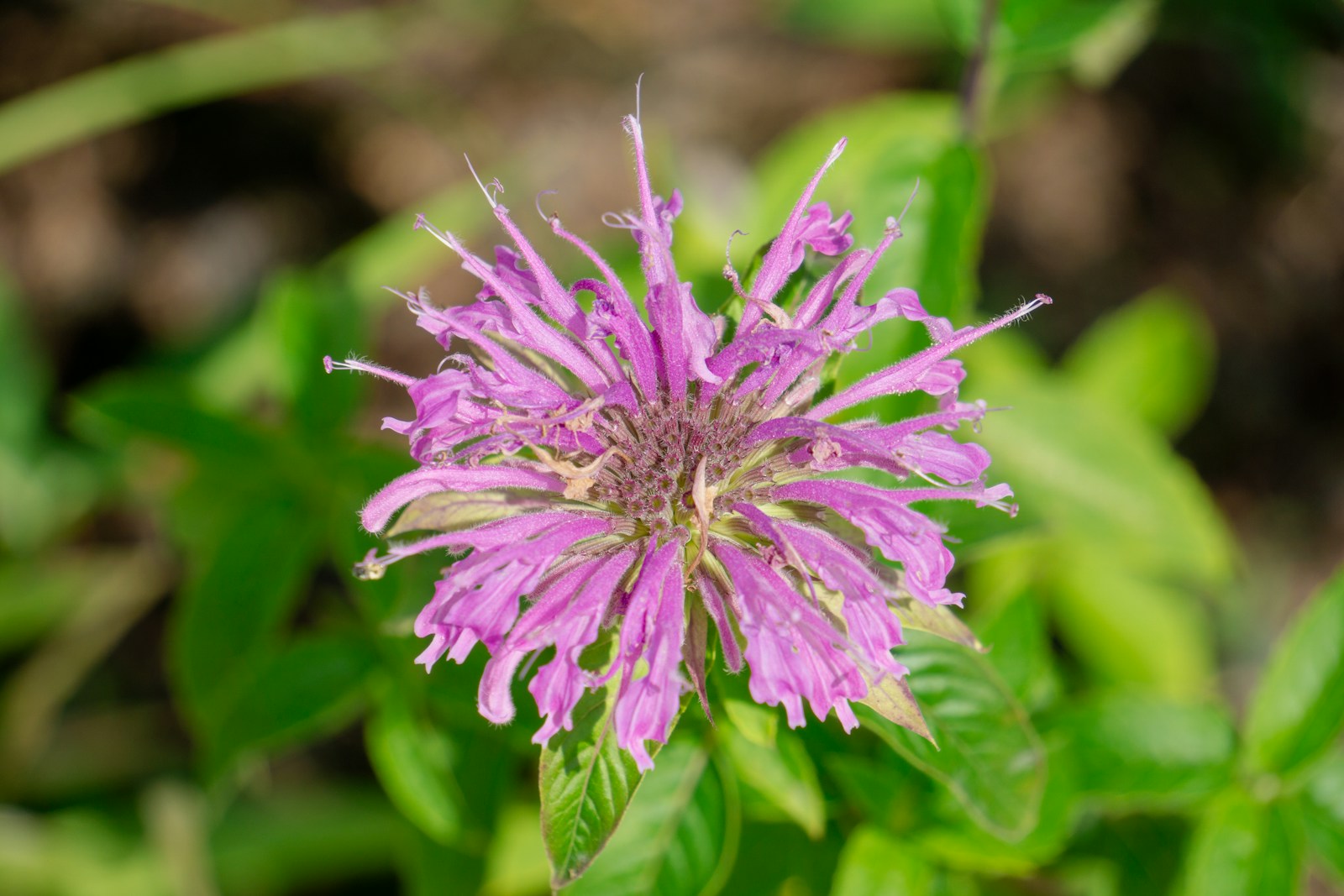
- Wild bergamot (Monarda fistulosa): lavender flowers, taller, a long-lived native perennial for average to dry soil.
- Scarlet bee balm (Monarda didyma): red flowers loved by hummingbirds; needs moist, richer soil.
- Lemon bee balm (Monarda citriodora): an annual or biennial with similar stacked purple whorls and a lemony scent.
- Eastern bee balm (Monarda bradburiana): compact, early flowering, pale pink spotted blooms, good for part shade.