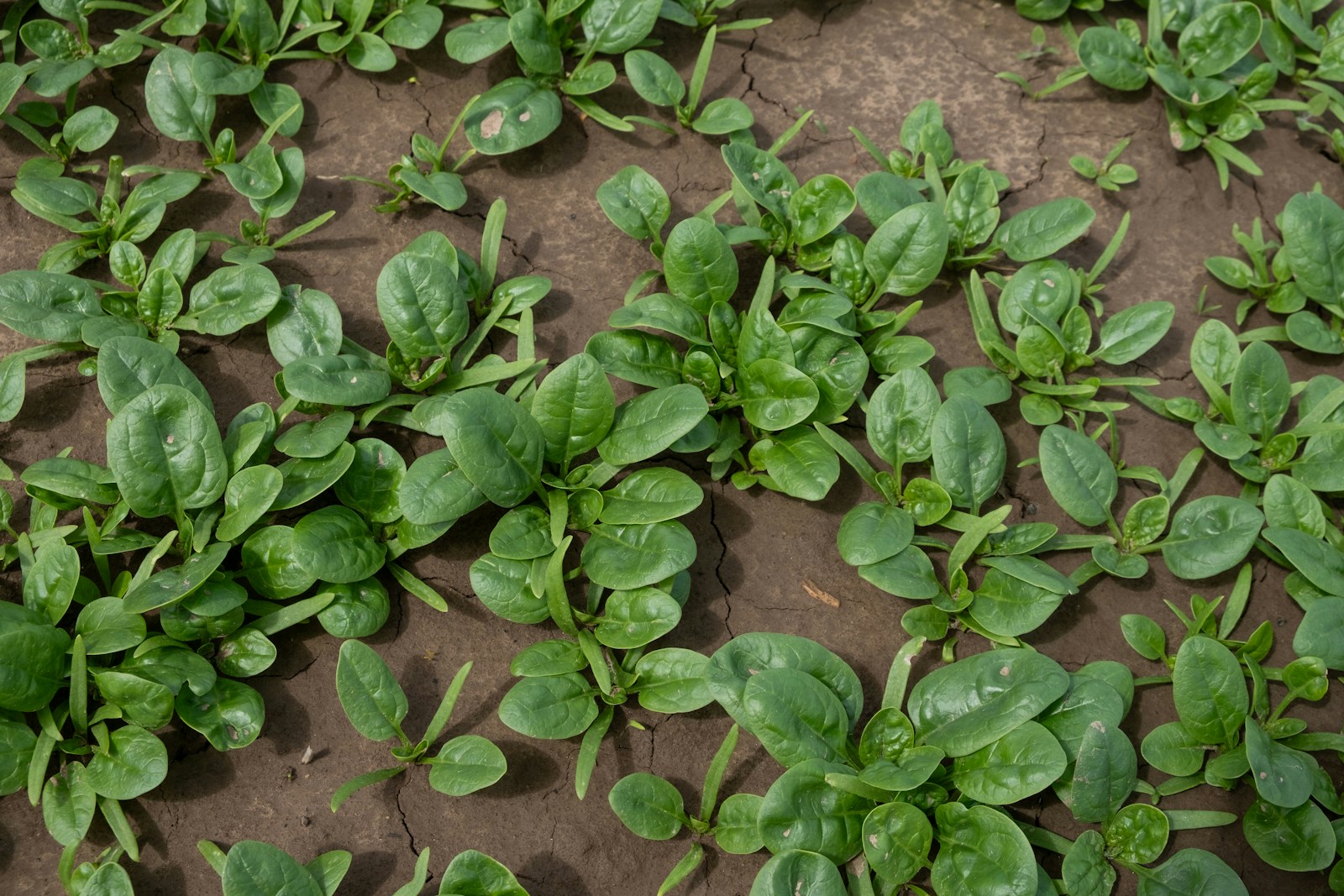
Spinach is a quick-growing leafy green with a mild, earthy flavor. You eat it raw in salads or cooked, and a small bed gives steady pickings. It loves cool weather and shrugs off light frost. It is easy to grow, as long as you sow it at the right time of year.
Sowing and planting
Spinach grows best when days are short and temperatures are cool. Long days and heat push it to bolt (send up a flower stalk and stop making good leaves).
For a spring crop, sow outdoors four to six weeks before your last spring frost. The soil only needs to be workable and at least 40°F (4°C). Seed sprouts slowly in cold soil, often in one to three weeks.
For a fall crop, sow six to eight weeks before your first fall frost. Warm late-summer soil can stop germination. Sow in a shaded spot, water the row well, or chill the seed in the refrigerator for a week before sowing.
In USDA zones 6 and warmer, a late fall sowing often survives winter under row cover or a cold frame. It then grows away fast in early spring. In zones 8 to 10, spinach grows through the winter months as the main crop.
Direct sowing is best. You can start seed indoors in cell trays four to six weeks before your last frost, but transplant with care. Spinach resents root disturbance.
- Work compost into the bed before sowing.
- Sow seeds 1 inch (2.5 cm) apart and 1/2 inch (1 cm) deep.
- Firm the soil and keep it moist until seedlings emerge.
- Thin to 3 to 6 inches (8 to 15 cm) apart once true leaves appear.
Eat the thinnings as baby greens. Wider spacing gives bigger plants and better airflow.
Succession sow every two to three weeks through spring until the weather warms. Start again in late summer for fall.
Growing on
Keep the soil evenly moist. Dry soil is one of the main triggers for early bolting. Water at the base of the plants in the morning, so the leaves dry quickly.
Spinach is a hungry, fast crop that needs plenty of nitrogen. Pale or yellowish leaves usually mean it wants feeding. Side-dress (scatter fertilizer alongside the row) with compost, or water with a diluted fish or seaweed feed every two to three weeks. Wear gloves when handling concentrated feeds and follow the label rate.
Mulch with straw, shredded leaves or grass clippings once the seedlings are a few inches tall. Mulch keeps the soil cool, holds moisture and stops soil splashing onto the leaves.
Spinach needs no staking, pruning or pinching. Pull weeds by hand while they are small, because the roots are shallow.
As days warm, give the plants afternoon shade. Taller crops, such as peas or tomatoes, can shade a late spring row. Shade cloth also works well.
For companions, spinach grows happily among peas, radishes, strawberries and cabbage-family crops. Its low leaves also fill gaps between slower crops.
Spinach bolts quickly once days lengthen and temperatures climb above about 75°F (24°C). Sow early in spring or late in summer, keep the soil moist, and choose bolt-resistant varieties for late spring sowings.
Harvesting
Start picking when plants have five or six leaves, each 3 to 4 inches (8 to 10 cm) long. Baby leaves are ready sooner.
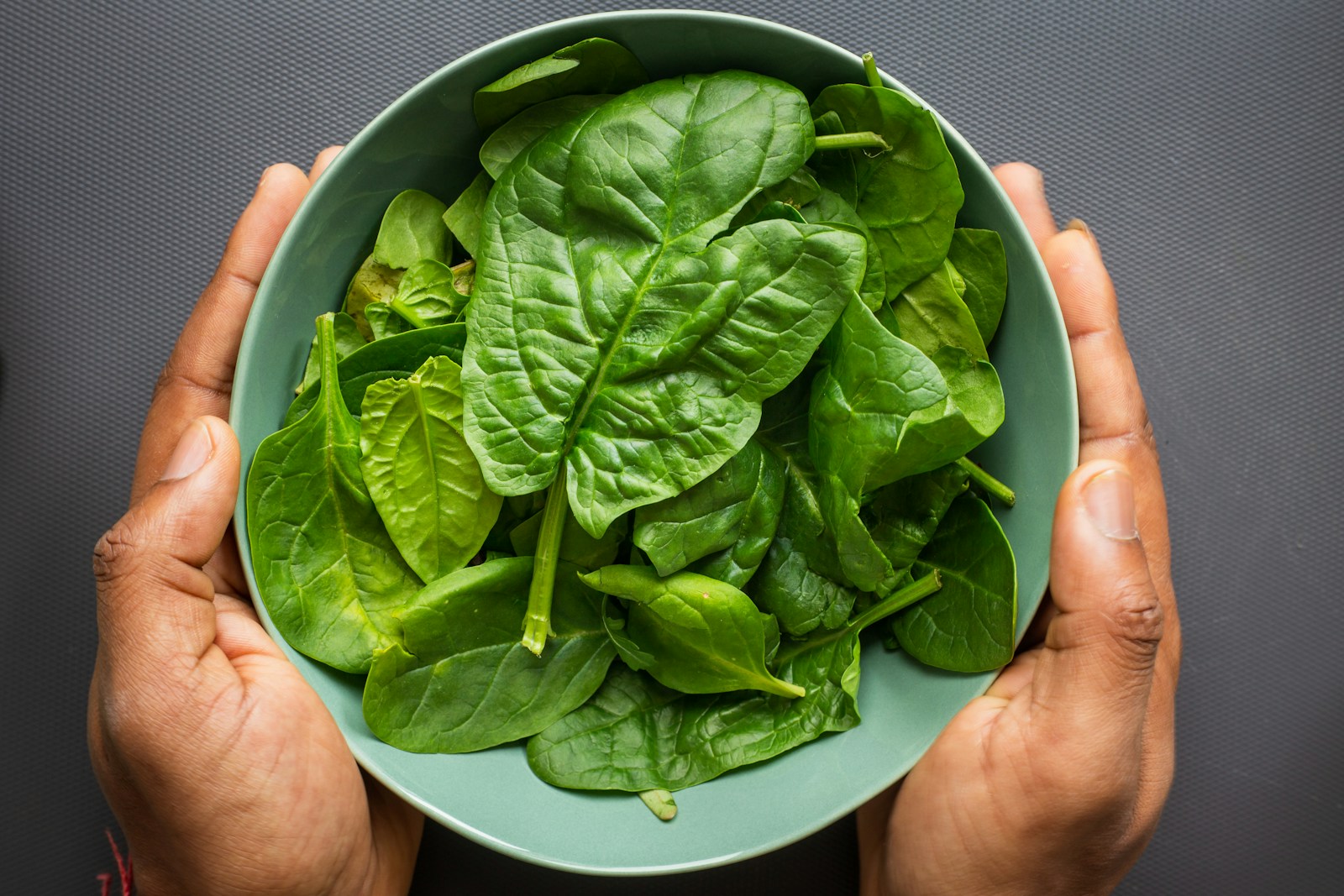
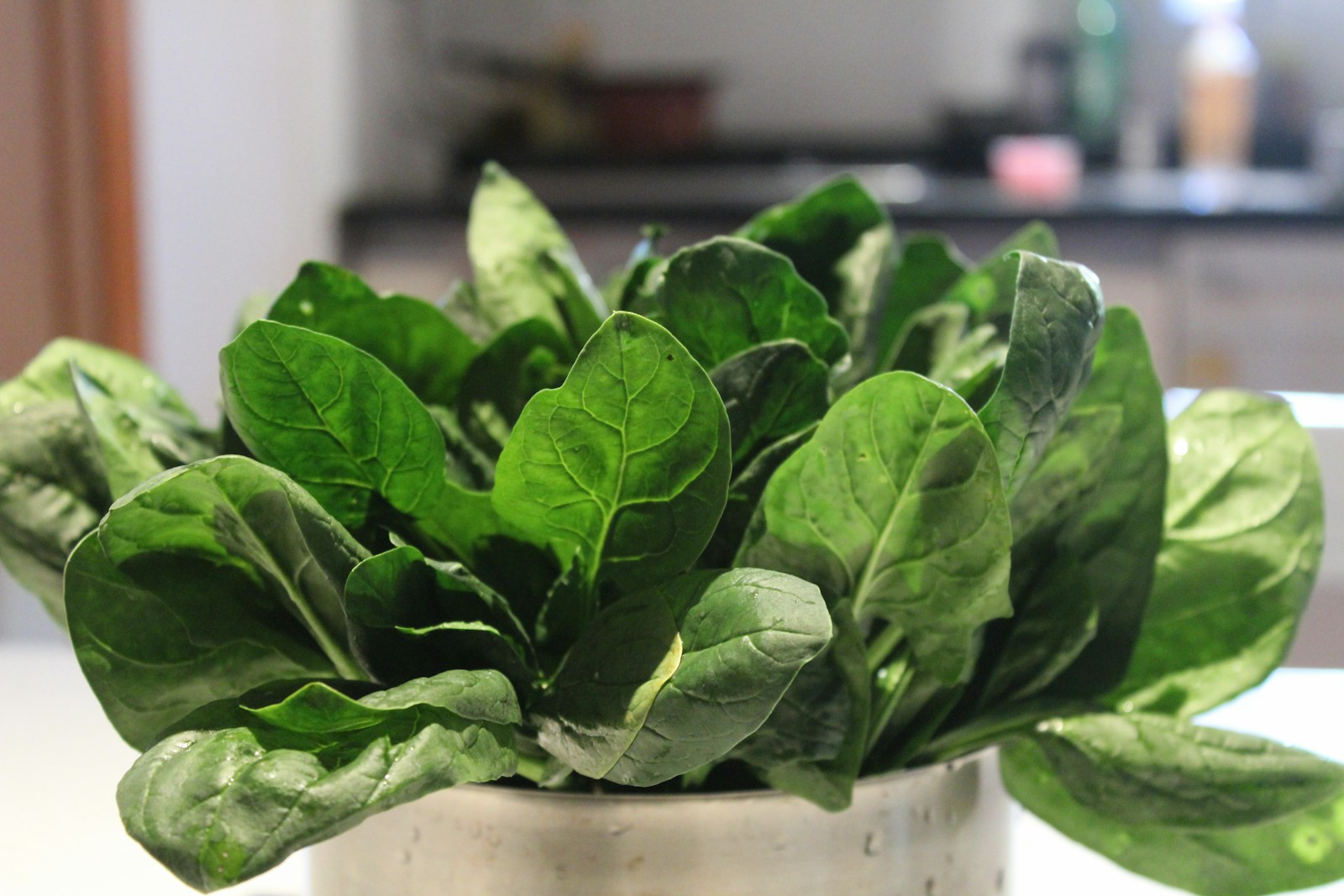
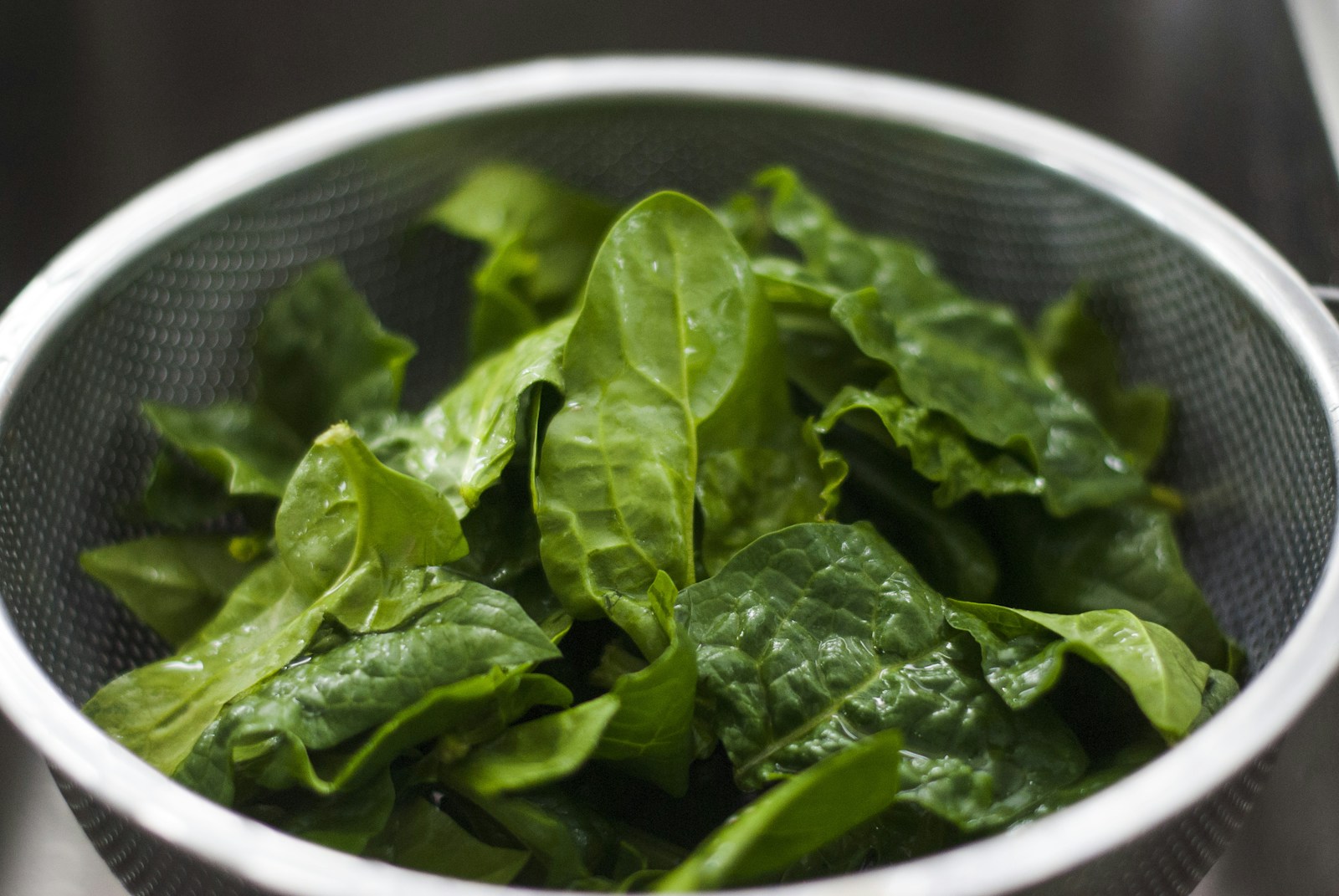
For a long harvest, pick the outer leaves first. Pinch or cut each stem near the base, and leave the central bud to keep growing. You can usually pick every few days for several weeks.
For a single harvest, cut the whole plant 1 inch (2.5 cm) above the soil. It often regrows for a second, smaller cut in cool weather.
Pick in the cool of the morning, when the leaves are crisp. Harvest the whole planting as soon as you see the center stretching upward. Leaves turn bitter once bolting starts.
To store, rinse the leaves, spin or pat them dry and keep them in a bag in the refrigerator. They usually stay fresh for one to two weeks. For longer storage, blanch the leaves in boiling water for about two minutes, cool them in ice water, squeeze them dry and freeze.
Saving seed is possible but takes space. Spinach plants are either male or female, and pollen travels far on the wind. Grow one variety only, and let a group of plants flower and set seed. Cut the stalks when the seeds turn tan and dry them under cover.
Problems and pests
Plants run to flower early
This is bolting, caused by heat, long days or dry soil. Sow earlier in spring or later in summer, water steadily and grow bolt-resistant varieties. Harvest bolting plants at once.
Pale, winding trails or blotches inside leaves
Leaf miners, the larvae of a small fly, tunnel between the leaf surfaces. Pick off and destroy affected leaves. Cover rows with fine insect netting from sowing, and turn the soil after the crop to expose pupae.
Yellow patches on top, gray-purple fuzz beneath
Downy mildew, a fungus-like disease, spreads in cool, damp weather. Space plants widely, water in the morning at soil level and remove infected leaves. Grow varieties sold as resistant to downy mildew.
Clusters of small green or black insects under leaves
Aphids suck sap and curl the leaves. Knock them off with a strong spray of water. Encourage ladybugs and lacewings. Insecticidal soap works on heavy infestations; test it on one leaf first and follow the label.
Ragged holes and slime trails
Slugs and snails feed at night in damp weather. Hand-pick them after dark, use beer traps and keep mulch pulled back from young seedlings. Iron phosphate slug pellets are a safer option around pets; follow the label.
Varieties worth growing
Spinach varieties differ mainly in leaf texture. Plants sold as "summer spinach", such as New Zealand spinach and Malabar spinach, are different plants that tolerate heat.
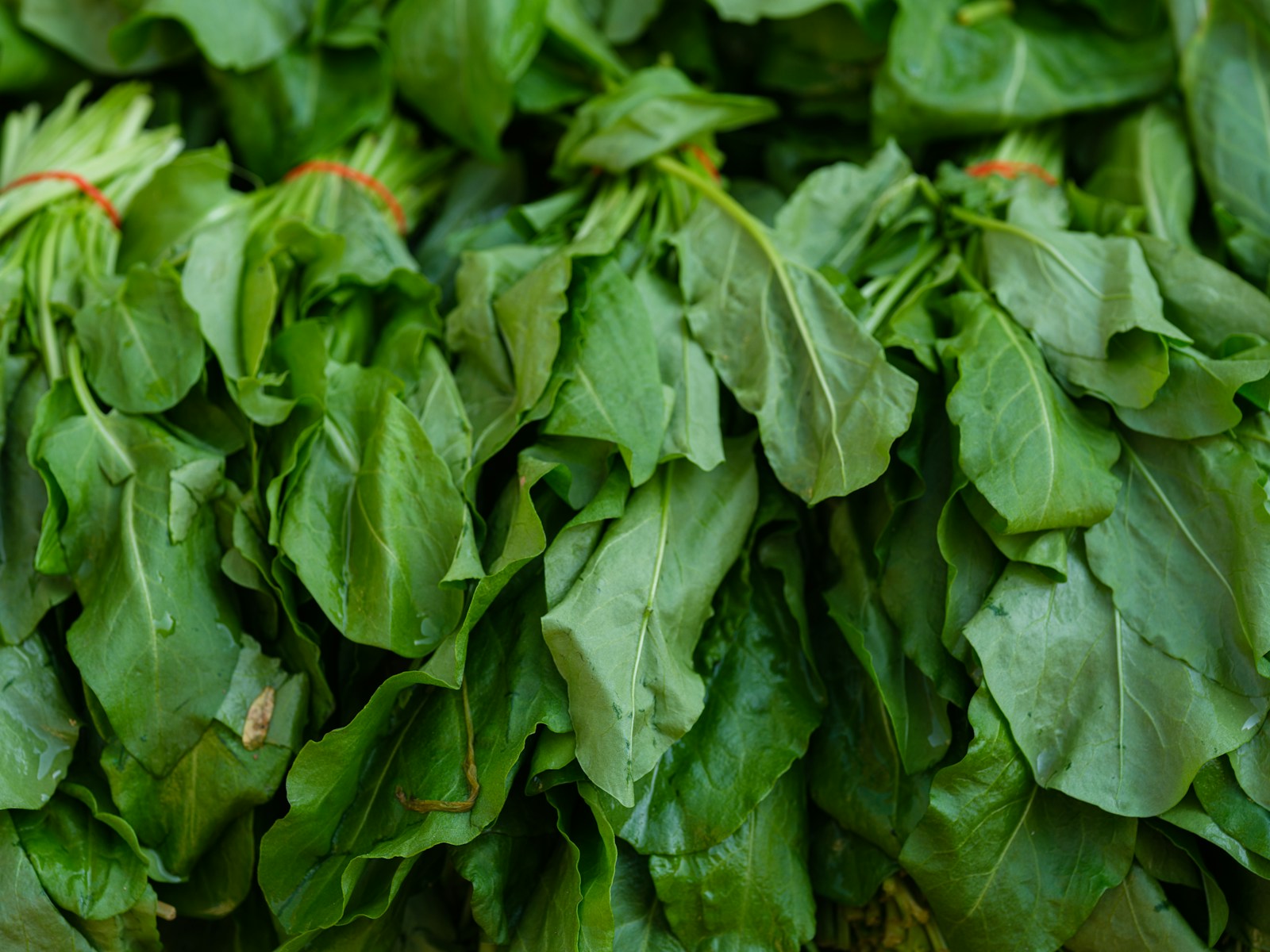
Savoy (crinkled leaves)
- Bloomsdale Long Standing: a classic heirloom with dark, heavily crinkled leaves and good bolt resistance.
Semi-savoy (lightly crinkled leaves)
- Tyee: vigorous and upright, with strong bolt resistance for spring sowing.
- Regiment: fast-growing, with thick, dark leaves.
Smooth-leaf (flat leaves)
- Space: smooth, easy-to-wash leaves and resistance to some downy mildew races.
- Giant Winter: a hardy, large-leaved variety for fall sowing and overwintering.