Spicebush (Lindera benzoin) is a deciduous shrub native to the woods of eastern North America. Older mountain books call it spicewood. It gives you soft yellow flowers before almost anything else blooms, glossy red berries, and clear yellow autumn leaves. Every part smells of citrus and spice when you scratch it. It is also the main food plant for the caterpillar of the spicebush swallowtail butterfly. Difficulty: easy, once you give it shade and moist soil.
Sowing and planting
Buy container-grown plants if you can. Spicebush has coarse, sparse roots and resents being dug up. Plants lifted from open ground often sulk for a year or two. Never dig shrubs from the wild; nursery plants establish better anyway.
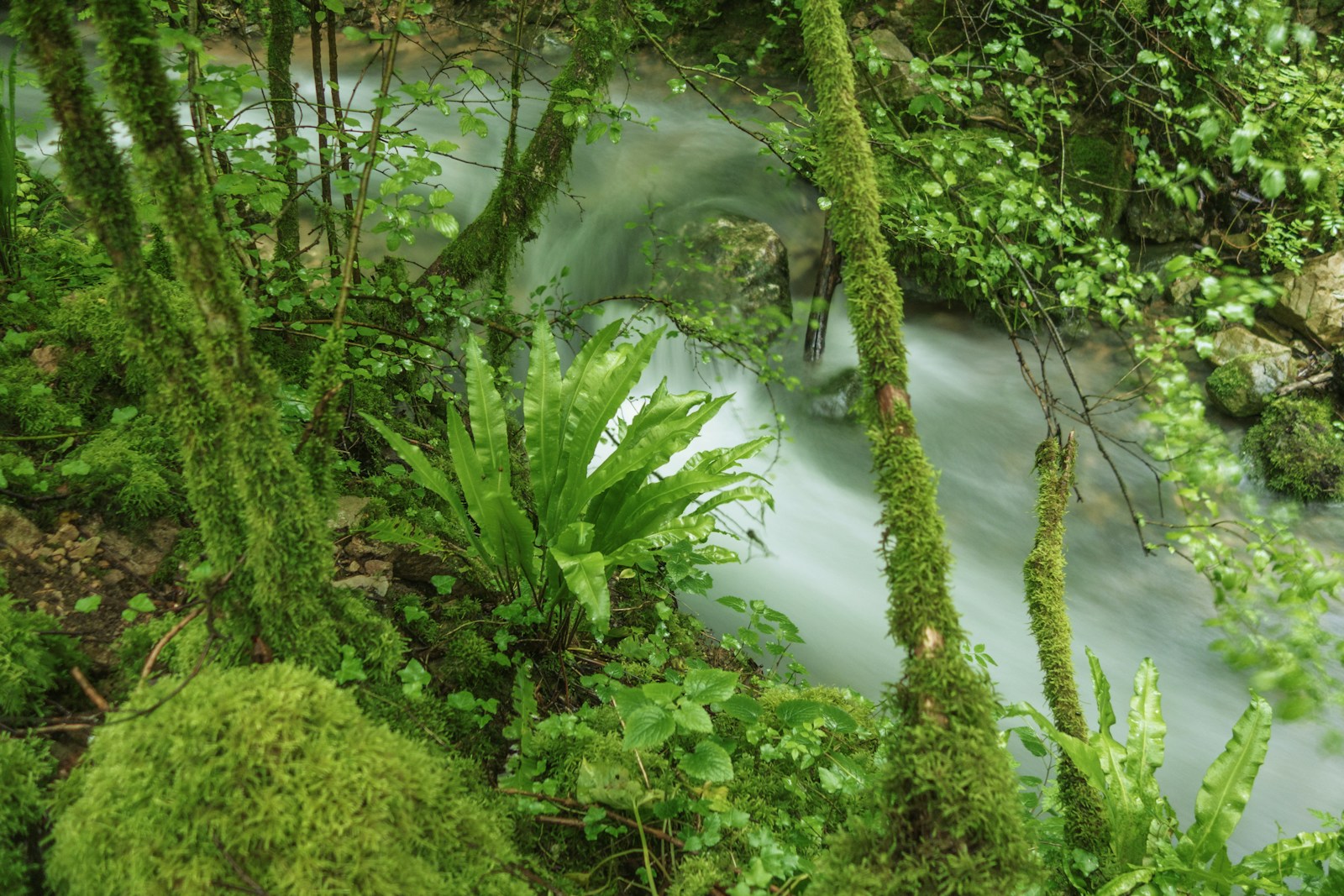
Plant in early spring or in autumn, at least six weeks before the ground freezes. Choose a spot with morning sun and afternoon shade, or dappled light under tall trees. A low, damp corner that defeats other shrubs often suits it well. Avoid hot, dry, exposed sites.
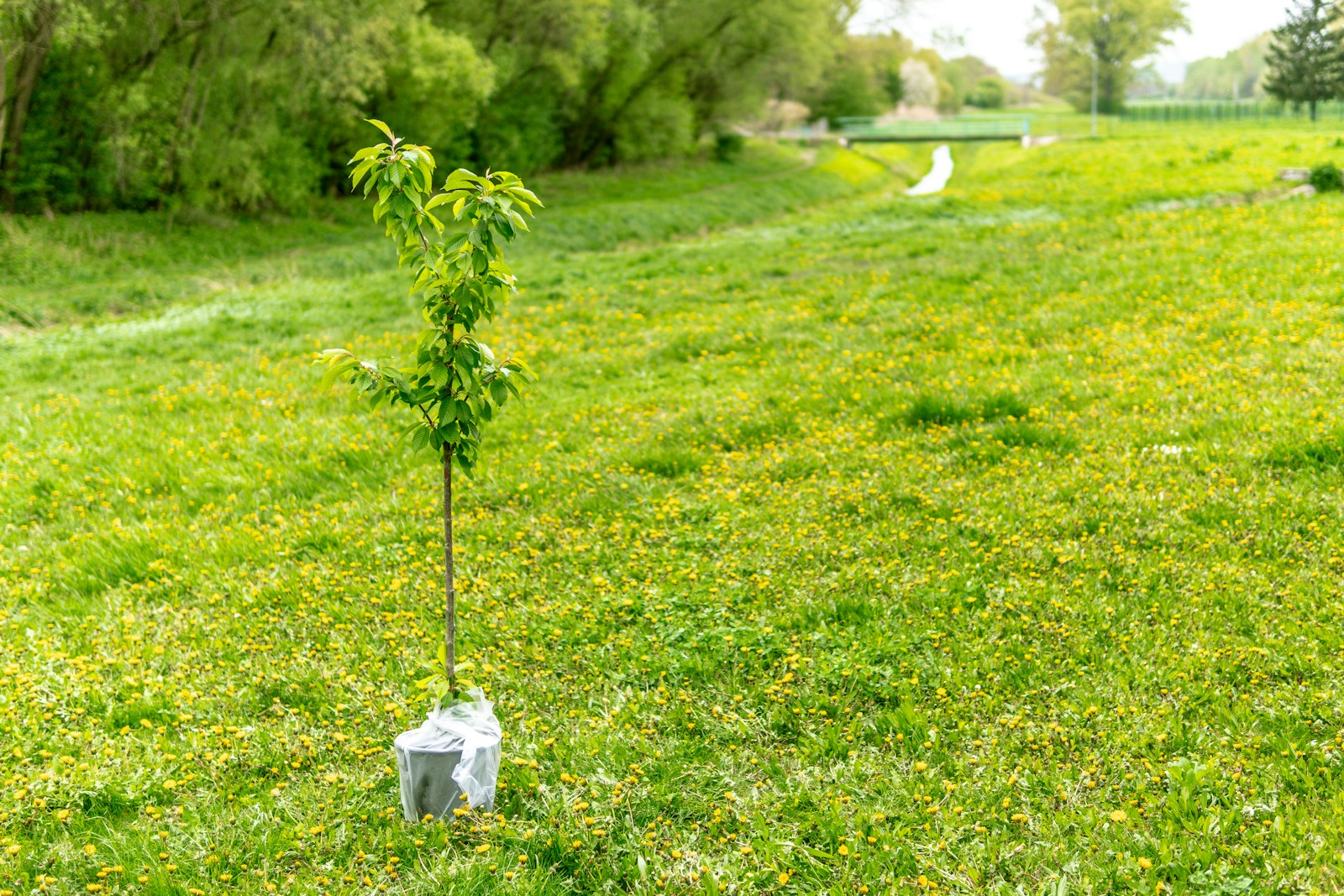
Dig a hole twice as wide as the pot and no deeper. Set the top of the root ball level with the soil. Backfill with the soil you removed and water deeply. Finish with 2 to 3 inches (5 to 8 cm) of shredded leaves or bark, kept clear of the stems.
The most important planting decision is how many to buy. Spicebush is dioecious, meaning each plant is either male or female. Only females bear berries, and only when a male grows nearby. Most nurseries sell unsexed seedlings. Plant at least three, and five if you have room, to make a mixed group likely. Keep them within about 50 feet (15 m) of each other so small early insects can carry the pollen.
You can also raise spicebush from seed, slowly. The seed loses its life if it dries out. Clean the pulp from ripe red berries and sow at once, outdoors, about half an inch (1 cm) deep. Winter cold breaks the seed's dormancy, a process called stratification. Seedlings appear the following spring. Protect the pot or seedbed from mice with fine wire mesh.
Growing on
Water weekly through the first two growing seasons whenever rain fails. Give a slow, deep soak each time. Established plants in shade need water only in drought. Drooping, curled leaves in summer are the signal.
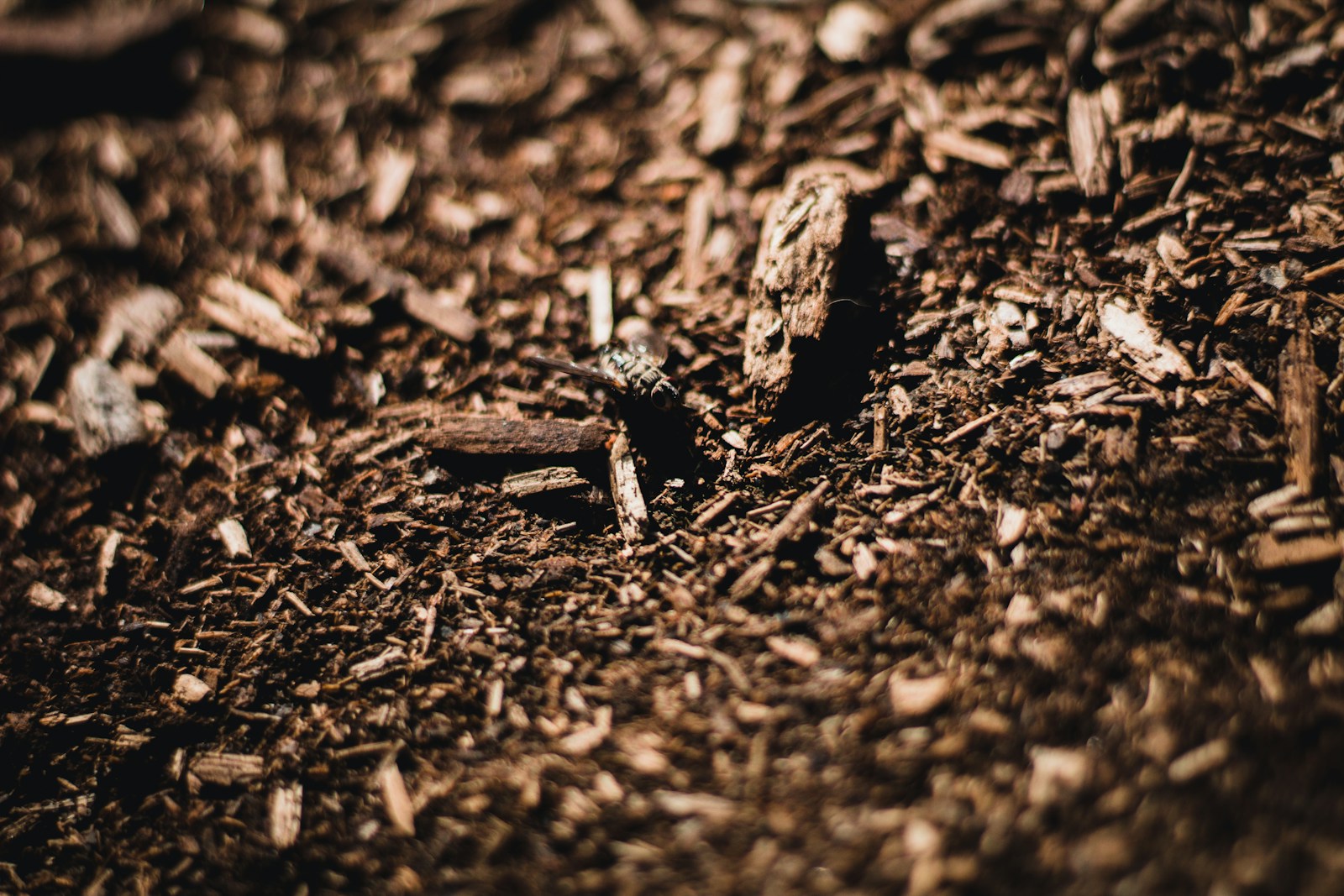
Spicebush needs no fertiliser in ordinary garden soil. Renew the leaf mulch every autumn instead. It feeds the soil, holds moisture and copies the woodland floor the shrub comes from.
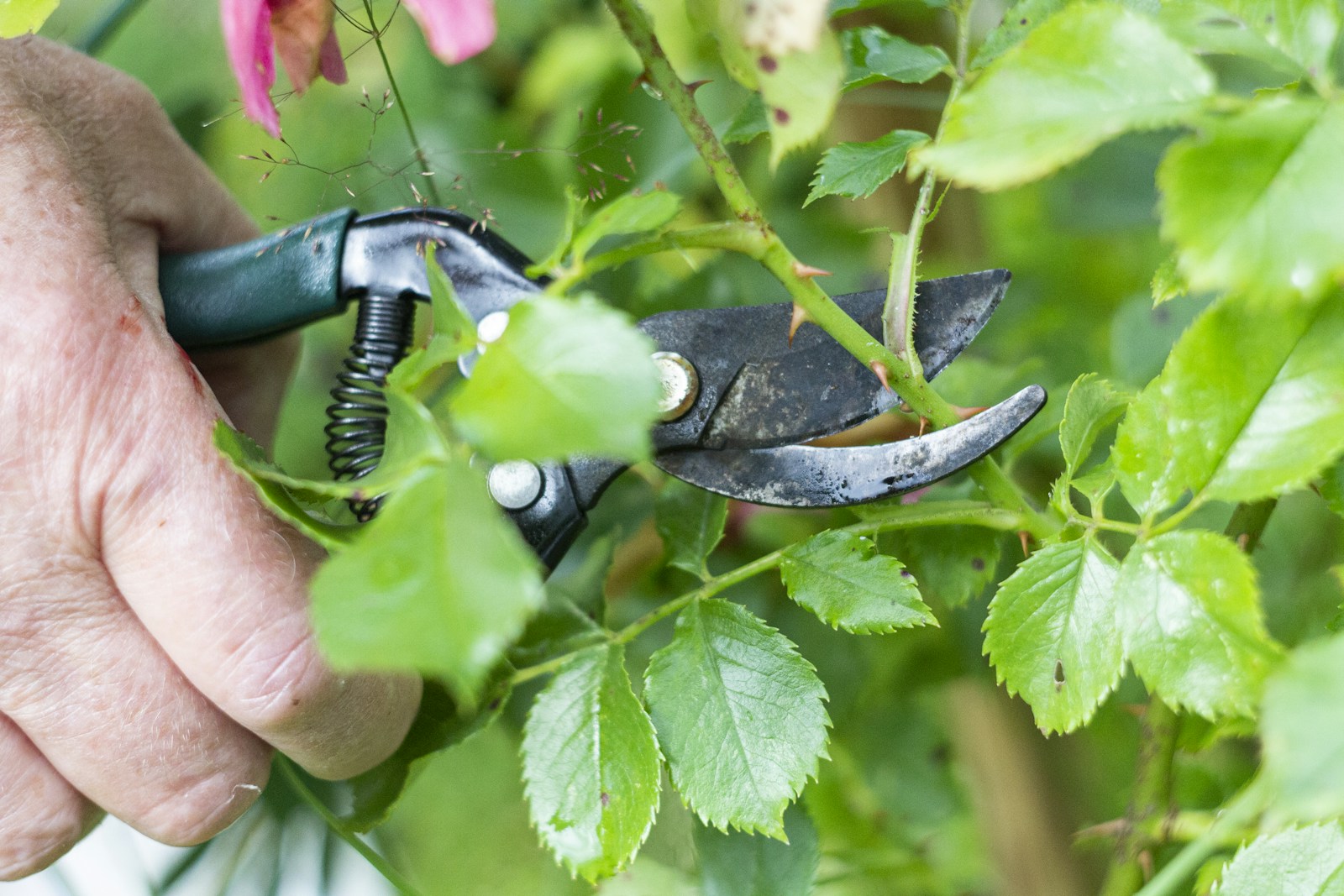
Pruning is optional. The natural shape is open and rounded, with several stems. Remove dead or crossing branches in late winter. To renew an old, leggy plant, cut one or two of the oldest stems to the ground each year. Flower buds form in summer for the next spring, so heavy late-winter pruning costs you flowers. Wear gloves and eye protection when you prune, and keep blades sharp and clean.
Plants in deep shade grow loose and flower lightly. Plants with a few hours of sun are denser, bloom more, and colour better in autumn. No staking or support is needed.
Harvesting
Spicebush offers three harvests, all used as flavourings.
- Twigs: cut young twigs at any time of year, taking a few from each plant. They are most fragrant in late winter and spring. Simmered in water they make a spicy tea.
- Leaves: pick fresh, unblemished leaves from late spring to late summer. Use them fresh; they lose most of their scent when dried.
- Berries: pick when fully red and slightly soft, from late summer into early autumn. Birds strip them quickly, so check often. Each berry holds one large seed.
The berries are oily and turn rancid if stored at room temperature for long. Dry them in a single layer somewhere warm and airy, then keep them in the freezer. Grind them, seed and all, as a substitute for allspice in baking and with game.
Spicewood has a long history in the southern mountains. Anthony Cavender's Folk Medicine in Southern Appalachia records that families brewed hot spicewood twig tea for fevers and colds. It was often given alongside sassafras to children with measles, in the belief that warmth brought the rash out. This is history, not medical advice. Do not use spicebush to treat any illness, and ask a doctor about any health concern.
Be certain of your plant before you taste anything. Several garden and wild shrubs with red berries, including bush honeysuckle, are poisonous. Spicebush has alternate, smooth-edged leaves and a strong spicy scent when a twig is scratched. If it has no scent, do not eat it.
Leave a good share of the berries in place. They are rich in fat and are valuable food for thrushes and other migrating birds.
Problems and pests
Spicebush is one of the least troubled shrubs you can grow. Deer usually leave it alone. These are the issues you are most likely to see.
Flowers every year but never any berries
You have only males, only females, or a female too far from a male. Look closely at the flowers in early spring. Male flowers are larger and showier, with yellow pollen-tipped stamens. Female flowers are smaller, with a tiny green ovary at the centre. Add more plants to correct the mix.
Leaves folded over with a caterpillar inside
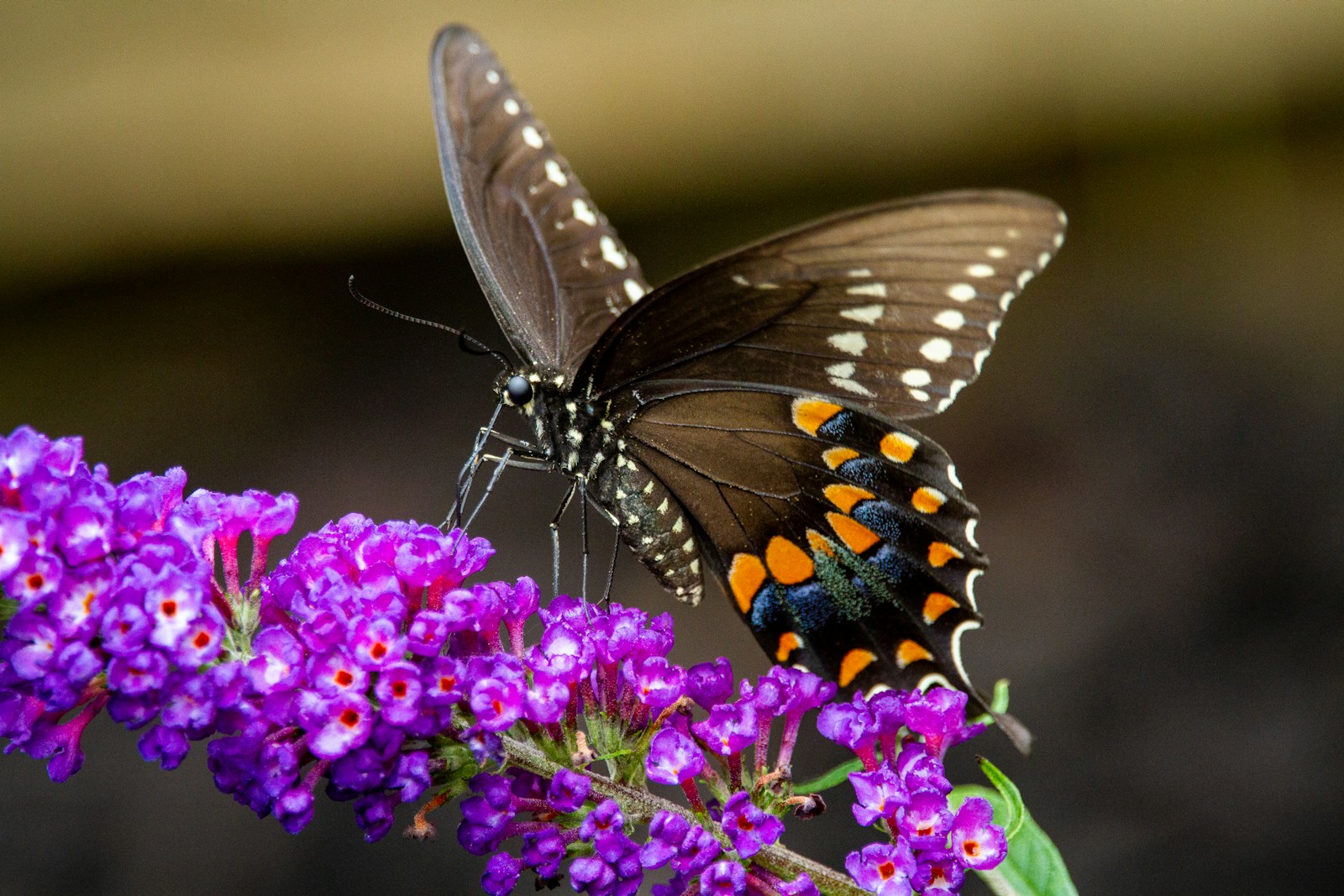
This is the spicebush swallowtail caterpillar. Young ones look like bird droppings. Older ones are green with large false eyespots. They shelter in a folded leaf by day. The feeding is minor and the shrub recovers fully. Leave them alone; they are a reason to grow the plant.
Brown, crisp leaf edges in summer
This is leaf scorch from too much sun or too little water. Water deeply, deepen the mulch, and consider moving a young plant to a shadier spot in autumn.
Sudden wilting and death of whole stems
In the southeastern United States, a disease called laurel wilt attacks members of the laurel family. A small wood-boring beetle spreads it. Leaves wilt, turn brown and hang on the branch. There is no cure. Remove and destroy affected plants following local guidance, and do not move the wood. Ask your local extension office whether the disease occurs in your area.
Slow growth after planting
This is normal for a year or two, especially after root disturbance. Keep the soil moist and be patient. Do not feed heavily to push growth.
Varieties worth growing
Named cultivars of spicebush exist but are hard to find. Most nurseries sell plain seedlings of the species, which are excellent garden plants. If you see these, they are worth a look.
- 'Rubra': a male selection with reddish-brown flowers. It bears no fruit but pollinates females.
- 'Xanthocarpa': a female with yellow-orange berries instead of red. It still needs a male nearby.
- 'Green Gold': a male selected for larger, showier yellow flowers.
- Sexed plants: some native plant nurseries label plants male or female once they have flowered. These let you plant one male to several females.
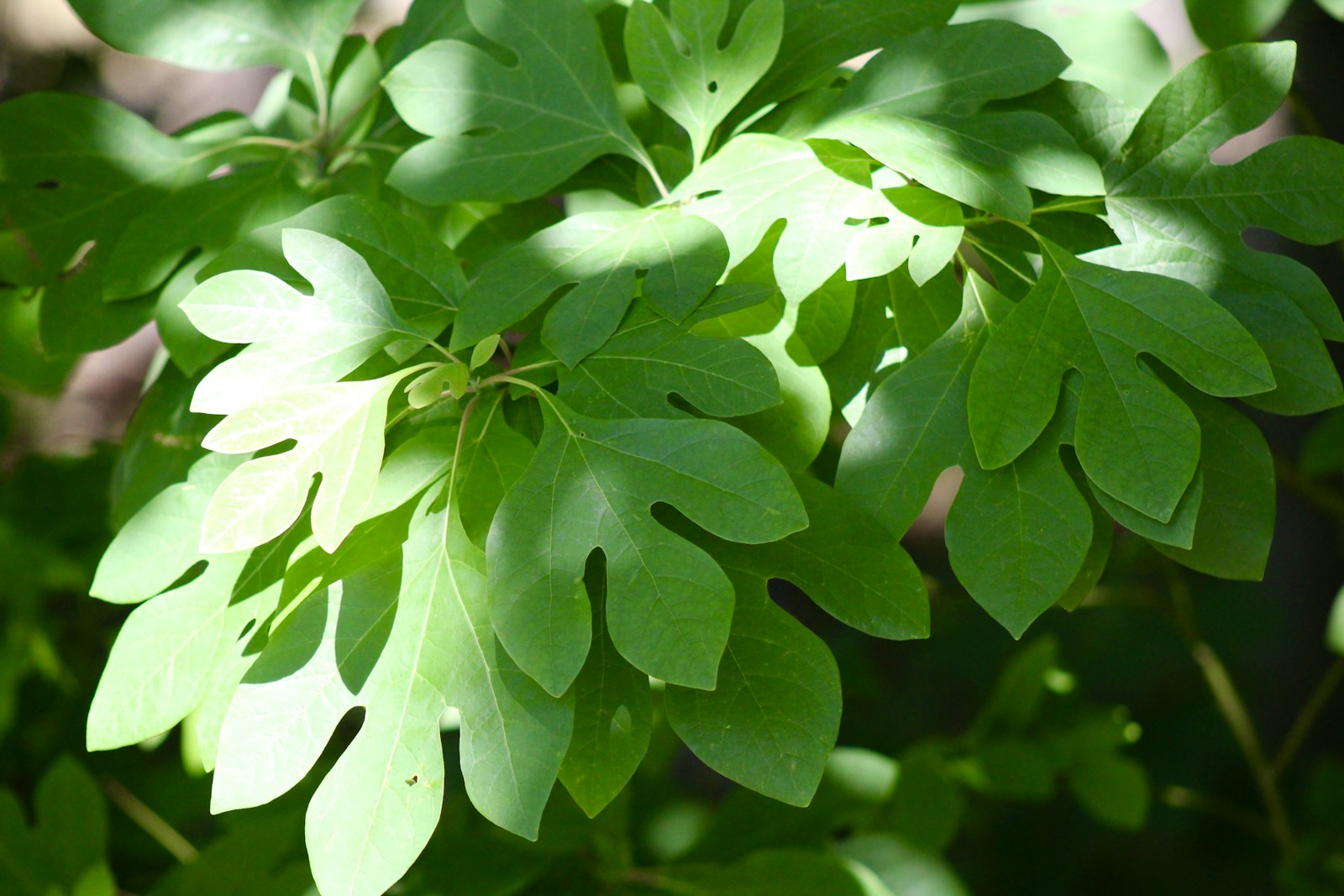
- Sassafras (Sassafras albidum), a relative: a native tree in the same family with mitten-shaped leaves. It is the other main host of the spicebush swallowtail and suits a larger space.