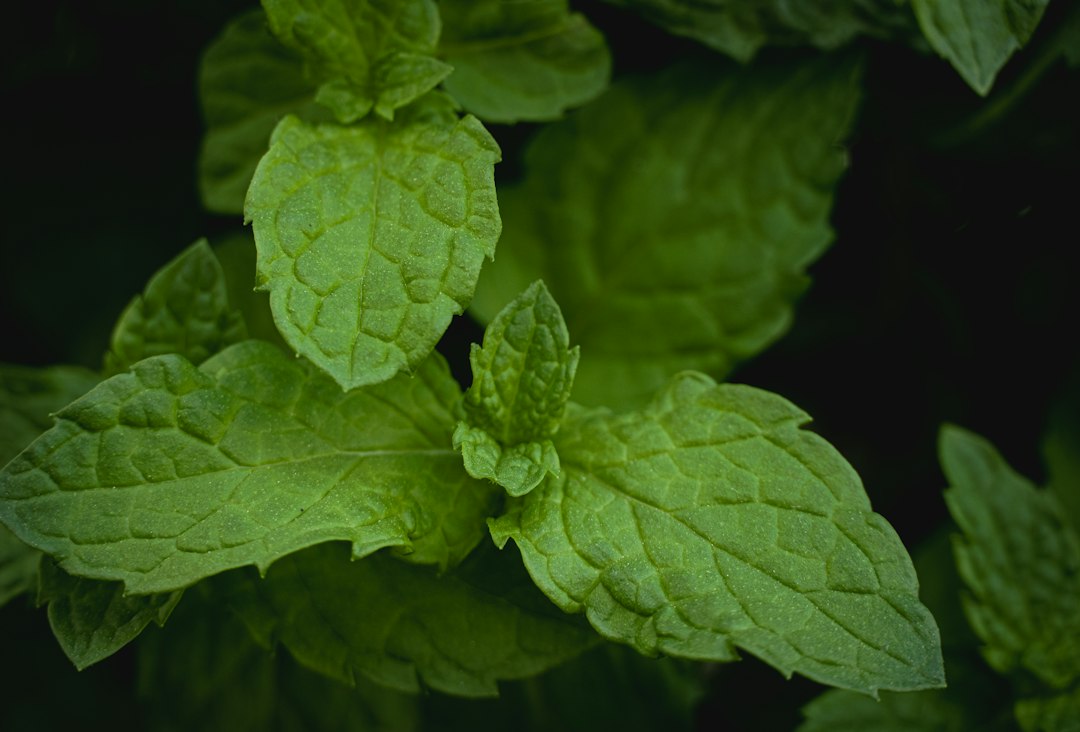
Spearmint (Mentha spicata) is a perennial herb (one that lives for several years rather than needing replanting each season) grown for its bright, sweet leaves, the kind used in mojitos, mint tea, and sauce for lamb. It is one of the easiest herbs to succeed with: give it moisture and a reasonable amount of sun and it grows fast with very little attention. The one thing to get right before you plant it is containment. Spearmint spreads aggressively by underground runners (rhizomes, thick root-like stems that travel sideways underground and send up new shoots), and a single plant in open ground can take over a bed within a couple of seasons. Grow it in a pot, or sink a bottomless container into the soil to block the runners, and it stays a pleasure to grow instead of a problem to manage.
Sowing and planting
Spearmint is almost always grown from a purchased plant, a rooted cutting, or a division of an existing clump rather than from seed. Seed-grown mint does not reliably come true to type (the resulting plants do not always match the parent's flavor and growth habit), so named varieties are propagated by cutting or division instead.
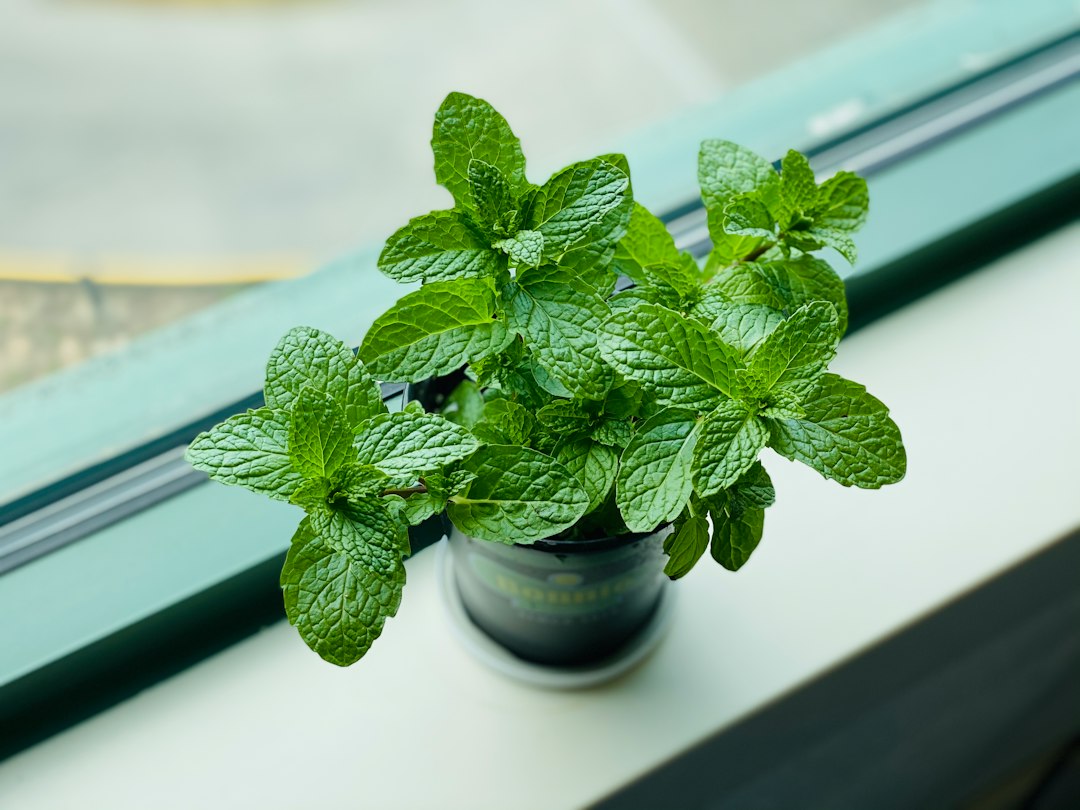
Containment is the real planting decision, more important than exact timing. Your main options, roughly in order of how secure a barrier each gives:
- A pot or large container on a patio, deck, or balcony, with no direct path into garden soil at all.
- A bottomless container — a large pot or a length of drainage pipe with the base cut out — sunk into the ground so its rim sits an inch or two (2.5-5 cm) above soil level. The buried sides block the runners, and the raised rim stops shoots from arching over the top and rooting on the far side.
- Open ground, only if you are prepared to dig out and remove any runners every year, or the bed is already isolated by paving, a path, or similar hardscape mint cannot cross.
Plant into moist, average soil or a peat-free potting mix, spacing plants about 18 inches (45 cm) apart if you are growing more than one. Plant out once the risk of a hard frost has passed; gardeners in a cooler region such as zone 6b typically wait until the soil has warmed in mid-spring, while milder zones can plant earlier. Water thoroughly after planting and keep the soil consistently moist while the plant settles in.
Growing on
Mint likes consistent moisture. Let the soil dry out repeatedly and the leaves turn tough and bitter, and the plant becomes more prone to pests such as spider mites (see Problems and pests below). Water whenever the top inch (2.5 cm) of soil feels dry, checking container plants more often since pots dry out faster than open ground, especially in hot weather.
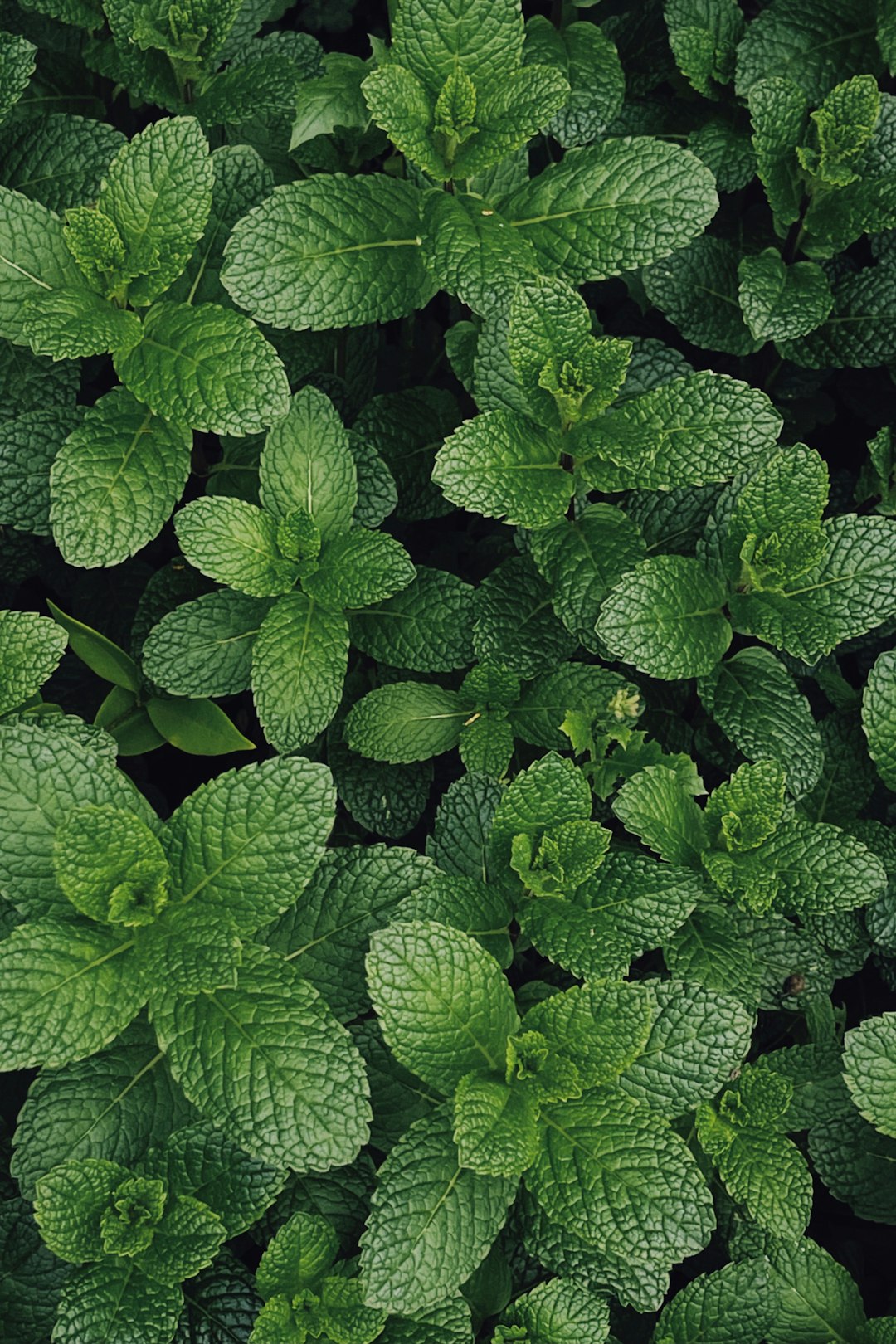
Feed lightly rather than heavily. A balanced liquid feed every few weeks through the growing season keeps leaf growth steady, or mix a balanced slow-release fertilizer into the soil or potting mix at planting time and skip extra feeding afterward. Too much nitrogen produces soft, lush growth with a diluted flavor.
Pinch out the growing tips regularly to encourage branching, and cut the whole plant back hard once or twice during the growing season, to within a few inches (about 5 cm) of soil level, including after it flowers. This keeps the plant bushy rather than leggy, pushes out fresh new leaves, and stops it from putting energy into flowers and seed instead of foliage.
Harvesting
Once established, spearmint is a cut-and-come-again herb (new leaves regrow continually, so the plant supports repeated harvest instead of a single cut), usually from around 6-8 weeks after planting. Snip individual leaves or whole stems just above a leaf pair, and the plant branches from that point and fills back in within a couple of weeks.
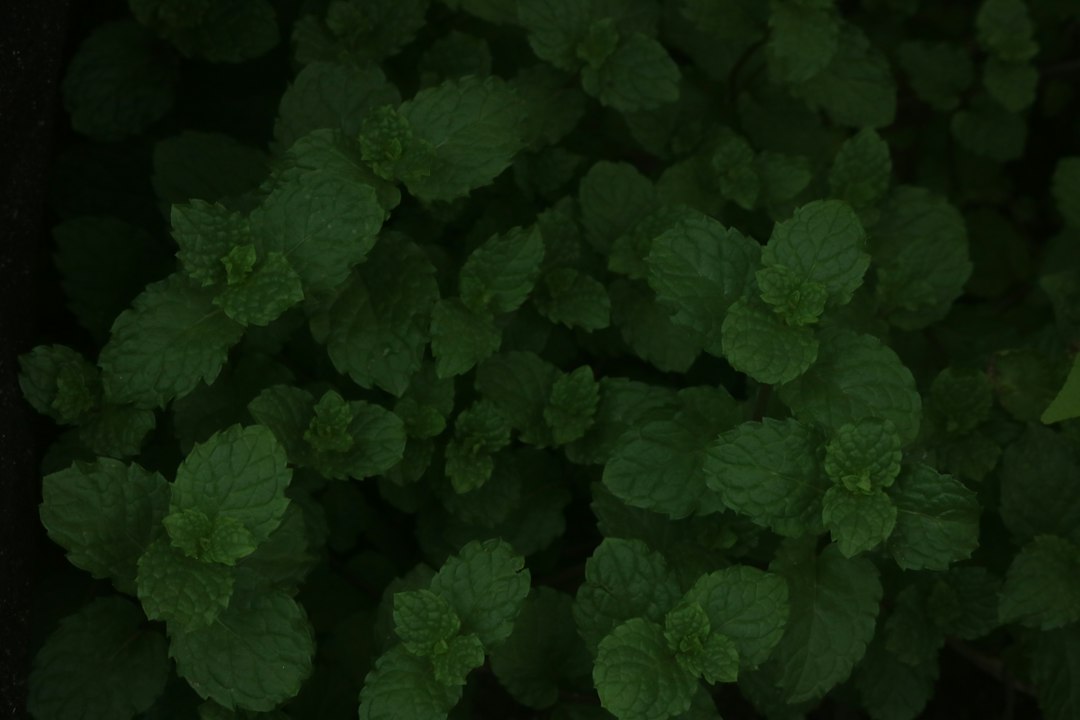
Harvest in the morning, after any dew has dried but before the heat of the day builds, when the essential oils that carry the flavor and scent are most concentrated. Regular picking is good for the plant: the more you cut, the bushier and more productive it tends to get. Ease off on hard harvesting toward the end of the growing season so the plant can store energy for winter; spearmint dies back in cold weather and regrows from the roots the following spring.
Problems and pests
Orange-brown raised pustules on the underside of leaves
This is mint rust, a fungal disease that overwinters in the roots and shows up on new growth in damp conditions. Cut off and remove affected foliage, clear fallen leaves from around the base of the plant, and improve air circulation by thinning crowded stems. A severely affected clump is often easiest to dig out and replace with fresh, disease-free stock.
Fine pale speckling on leaves, with webbing in bad cases
Spider mites (tiny sap-sucking pests, barely visible without a hand lens) thrive in hot, dry conditions, especially on container plants that have been allowed to dry out. Increase humidity by watering more consistently, and hose down the foliage to dislodge mites. Insecticidal soap controls a bad infestation; always follow the label directions and avoid spraying in full sun or on plants under water stress.
A white, powdery coating on leaves and stems
Powdery mildew develops when air circulation is poor and foliage stays damp, often later in the season. Thin out crowded growth, water the soil rather than the leaves, and cut back affected stems; it rarely kills an established plant outright.
Mint is coming up well outside where you planted it
This is spearmint doing exactly what it does when left uncontained: runners have escaped a pot's drainage holes, crept over a buried barrier's rim, or spread unchecked through open ground. Dig out and remove runners as soon as you spot them, and move the planting into a proper container, or a sunk, bottomless barrier, if you have not already.
Leaves look chewed or ragged
Slugs and snails feed on mint, especially on soft young growth in damp weather. Hand-pick them in the evening when they are active, and keep the base of the plant clear of mulch or plant debris where they like to shelter during the day.
Varieties worth growing
- Kentucky Colonel — a widely grown spearmint selection with extra-large, crinkled leaves and a strong flavor; well known as a classic mojito mint.
- Moroccan mint — a spearmint type with smaller, tender leaves and a slightly sweeter flavor, traditionally used for mint tea.
- Curly spearmint (Mentha spicata var. crispa) — has ruffled, crinkled leaf edges, grown as much for its texture as its flavor.
- Peppermint (Mentha × piperita) — a related mint with a cooler, more intense flavor; grown the same way and just as prone to spreading.
- Chocolate mint (Mentha × piperita f. citrata 'Chocolate') — another relative, with dark-tinged stems and a mint flavor with a faint cocoa note.