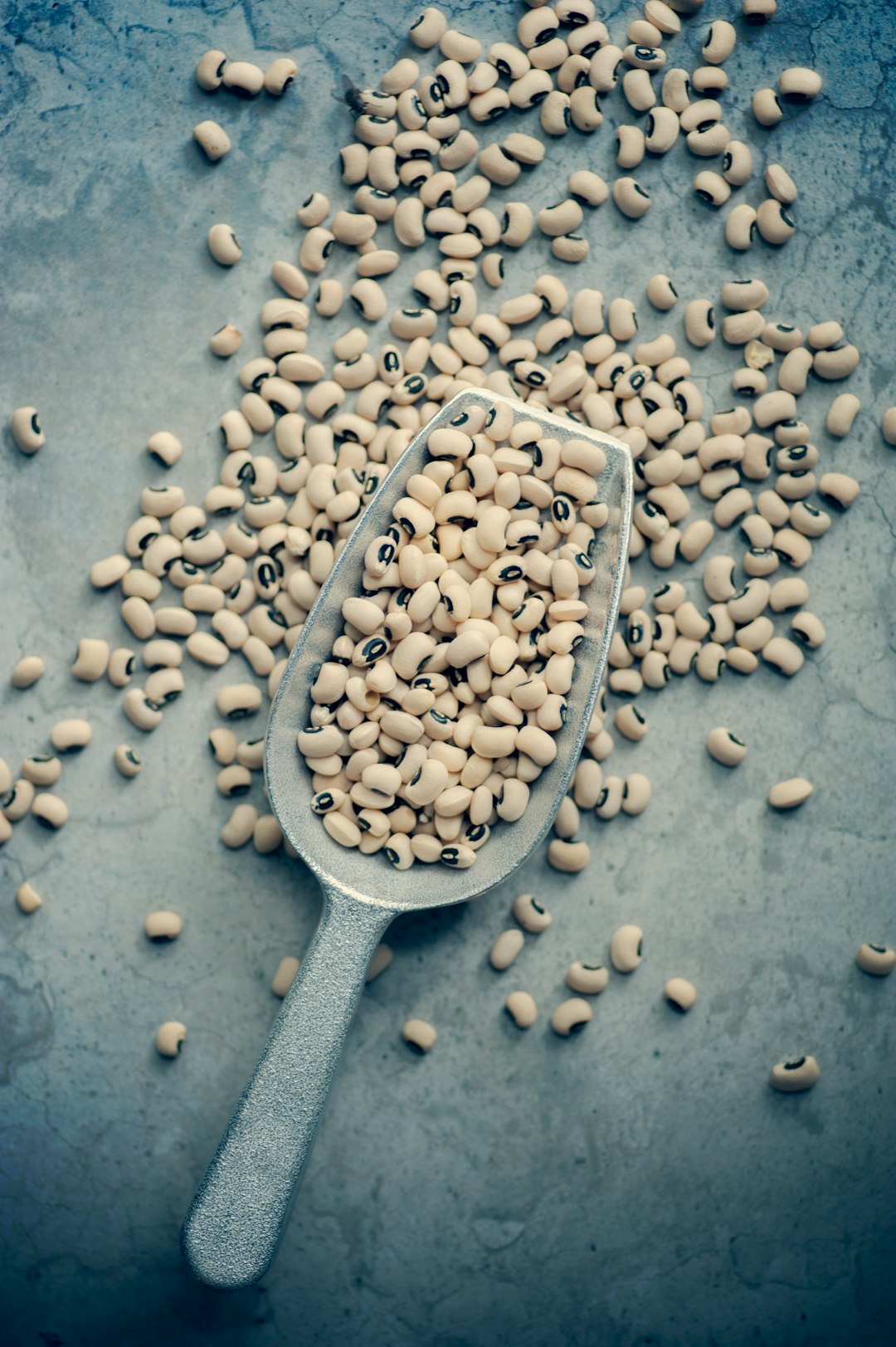
Southern pea (Vigna unguiculata) is a warm-season legume known by several names depending on the type you grow: cowpea, black-eyed pea, or crowder pea. It thrives in the long, hot summers that wilt many other vegetables, and it tolerates poor, sandy soil better than most garden crops. Grown for pods of fresh shelling peas or for peas dried and stored over winter, it is an easy, low-fuss crop that suits beginners as much as experienced gardeners.
Sowing and planting
Southern peas are tender and need warm soil to germinate well. Wait until all danger of frost has passed and the soil has warmed before sowing; cold, damp soil rots the seed before it sprouts. In zone 6b, where this site is written from, that usually means waiting several weeks past the last spring frost rather than sowing at the same time as cool-season crops like peas or lettuce.
Sow seed directly where the plants are to grow. Like most legumes, southern peas have a sensitive taproot and resent transplanting, so starting them indoors rarely helps. Push seeds in about an inch (2.5 cm) deep, spacing them about 4 inches (10 cm) apart in the row. Give rows enough width to let vines sprawl and to let you move between them for picking. Thin crowded seedlings once they are a couple of inches tall, cutting the extras at soil level rather than pulling them.
Soaking seed in water overnight can speed germination, though it is not essential. If you have never grown a legume in that bed before, treating the seed with a rhizobium inoculant (a powder containing soil bacteria) before sowing can improve the root nodules that capture nitrogen from the air. Beds that have grown beans or peas before usually already host enough of the right bacteria.
For a longer harvest window, many gardeners sow a second batch a few weeks after the first. Bush types tend to finish over a shorter period, while vining types crop over a longer stretch from a single sowing.
Growing on
Watering. Southern peas are more drought-tolerant than most legumes once established, thanks to a deep taproot, but even moisture during flowering and pod fill improves how well pods set and fill out. Water at the base of the plant rather than overhead, which helps keep foliage diseases down.
Feeding. Like other legumes, southern peas host nitrogen-fixing bacteria in nodules on their roots and need little extra feeding. Work compost into the bed before sowing and skip high-nitrogen fertilizer, which encourages leafy growth at the expense of pods.
Support. Southern peas come in both bush and vining habits. Bush types need no support and stand on their own. Vining types sprawl along the ground unless given a trellis, netting or stakes to climb; trained upward, they take up less space in the bed and the pods are easier to spot and reach.
Pruning. Little pruning is needed. Pinching the growing tips of vining types once they reach the top of their support can encourage more side shoots, and more pods, lower down.
Mulch around plants once the soil has warmed through, using straw or a similar material, to hold moisture and keep weeds down.
Harvesting
How you harvest depends on whether you want fresh shelling peas or dried peas, sometimes called field peas.
For fresh shelling. Pick pods once they are plump and well filled but still pliable rather than hard, usually some days after they reach full length. A pod that bends without snapping sharply is generally ready. Shell the peas out promptly and cook or refrigerate them, since fresh-shelled peas do not keep long.
For dried peas. Leave pods on the vine until they dry out, turning tan or brown and rattling when shaken. Pick them once they are fully dry, then shell out the peas. If the weather turns damp before pods finish drying outdoors, pull whole plants and hang them somewhere warm and airy to finish.
Either way, snap or cut pods from the vine rather than tugging, to avoid damaging the plant. Once pods begin forming, check plants every couple of days. Picking fresh pods regularly encourages the plant to keep flowering and setting more, much like snap beans. Store dried peas in an airtight container in a cool, dry place out of direct light.
Problems and pests
Clusters of small insects on new growth
Aphids gather on tender shoots and the undersides of leaves, sometimes leaving a sticky residue. Knock them off with a strong spray of water, or use insecticidal soap on persistent colonies. Encourage ladybugs and lacewings, which feed on aphids.
Leaves chewed into a lacy pattern
Bean leaf beetles and Mexican bean beetles feed on foliage from below, leaving leaves skeletonized. Hand-pick adults and the spiky yellow larvae where you find them. A floating row cover over young plants keeps beetles off until flowering, when it should come off to let pollinators reach the flowers.
Small holes in dried peas after storage
Cowpea weevils (also called bean weevils) can lay eggs in pods before harvest, with larvae emerging inside stored dried peas. Make sure pods and peas are fully dry before storing, and keep dried peas in a sealed, airtight container. Freezing dried peas for a couple of days before long-term storage can kill any eggs present.
Wilting vines despite moist soil
Fusarium wilt and root-knot nematodes (microscopic soil-dwelling worms) both cause wilting that watering does not fix, along with stunted growth. Rotate southern peas and other legumes to a different bed each year, and choose nematode-resistant varieties where this has been a problem before.
White powdery coating on leaves
Powdery mildew is a fungal disease that shows up as a white dusting on leaf surfaces, usually later in the season. Space plants to allow air to move freely between them, water the soil rather than the foliage, and remove badly affected leaves.
Varieties worth growing
- California Blackeye No. 5: a widely grown black-eyed pea type with cream-colored peas marked by a dark eye; reliable and productive.
- Pinkeye Purple Hull: a purple hull type with pods that turn deep purple at maturity, making ripe pods easy to spot against the foliage.
- Mississippi Silver: a crowder type (peas packed tightly in the pod) with silvery-green pods, popular across the South for its flavor.
- Whippoorwill: an old heirloom crowder variety, valued for tolerating poor soil and heat better than most.
- Zipper Cream: a cream pea type whose pods are easy to shell, with mild-flavored, pale peas.