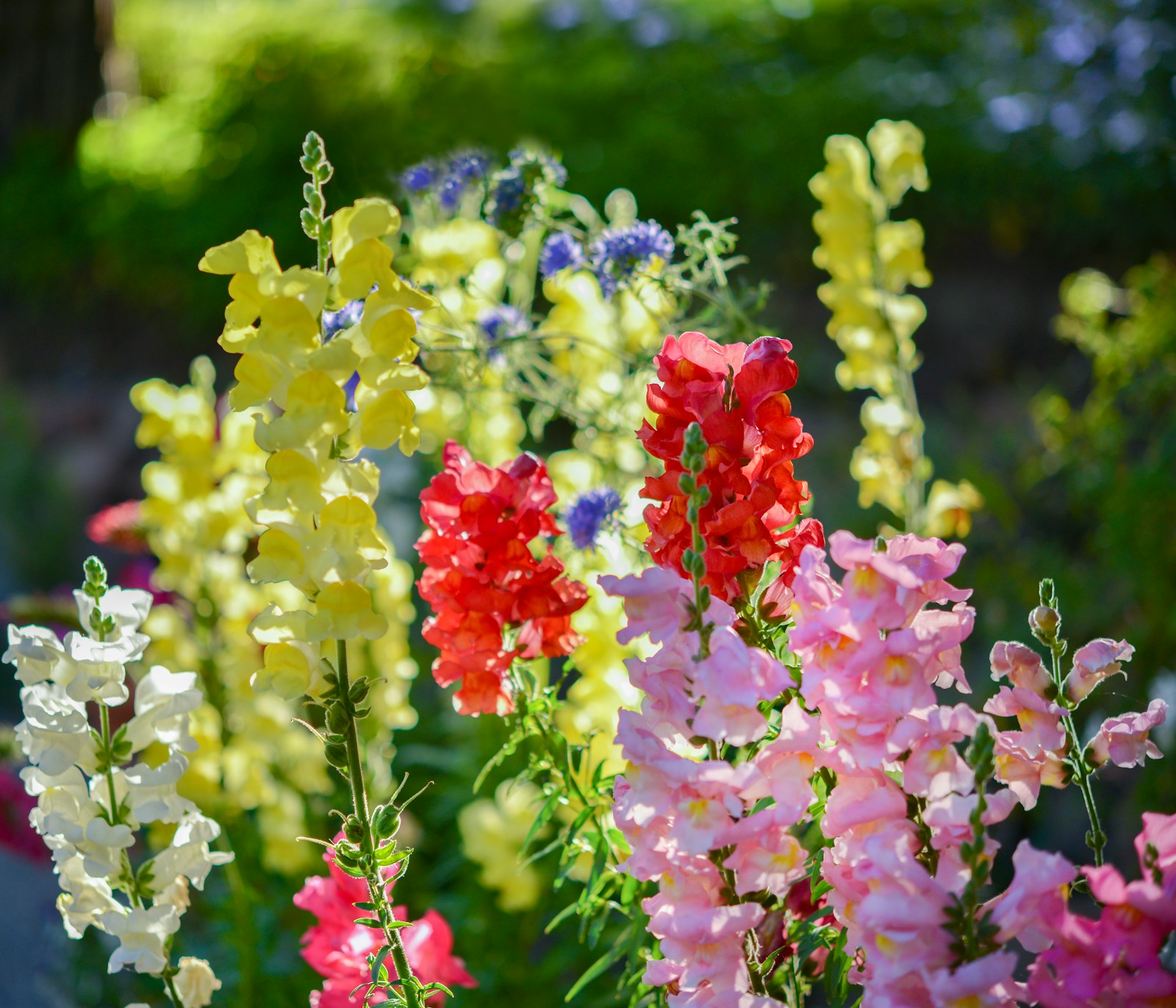
Snapdragons (Antirrhinum majus) are cottage-garden favourites with spikes of velvety, lipped flowers. Squeeze the side of a bloom and it opens like a small mouth. They come in dwarf edging types and tall cutting types, in nearly every colour except true blue. They prefer cool weather and are easy to grow from seed or bought plants.
Sowing and planting
Start snapdragons indoors 8-10 weeks before your last frost. The seed is as fine as dust, so mix it with a pinch of dry sand for even sowing. Scatter it on the surface of moist seed compost and press it in gently. Do not cover it, because the seed needs light to sprout.
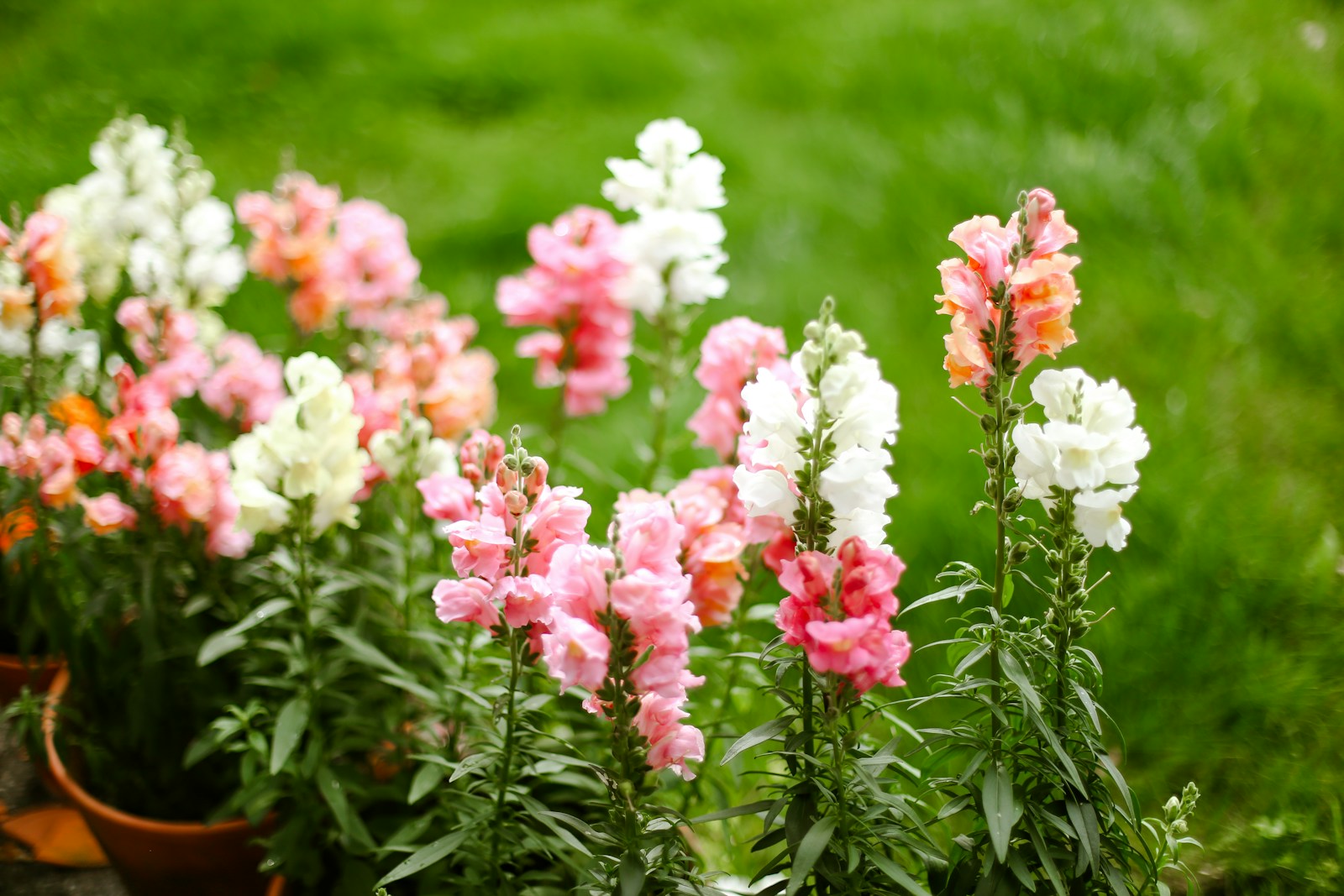
Keep the tray at 65-70°F (18-21°C) and cover it with a clear lid to hold moisture. Seedlings usually appear in 7-14 days. Remove the lid once most have sprouted and give them strong light. Grow them on at a cooler 50-60°F (10-16°C). Cool growing gives sturdy plants with strong roots.
Prick out (move into individual cells or pots) when the seedlings have two true leaves. Handle them by a leaf, never the stem.
Harden off the plants over 7-10 days. Hardening off means getting seedlings used to outdoor sun, wind and cool nights a little at a time. Snapdragons tolerate light frost once hardened, so you can plant them out 2-4 weeks before your last frost date.
In USDA zones 8-10, sow or plant in autumn instead. The plants grow through the mild winter and flower heavily in spring, before the heat arrives.
For a second flush in cooler areas, sow again about 12 weeks before your first autumn frost. These plants flower as the nights cool down.
Growing on
Water regularly so the soil stays evenly moist but never soggy. Water at the base of the plants in the morning. Wet foliage in the evening invites rust and mildew. A 2 inch (5 cm) layer of mulch keeps the roots cool and moist, which helps snapdragons keep flowering into warm weather.
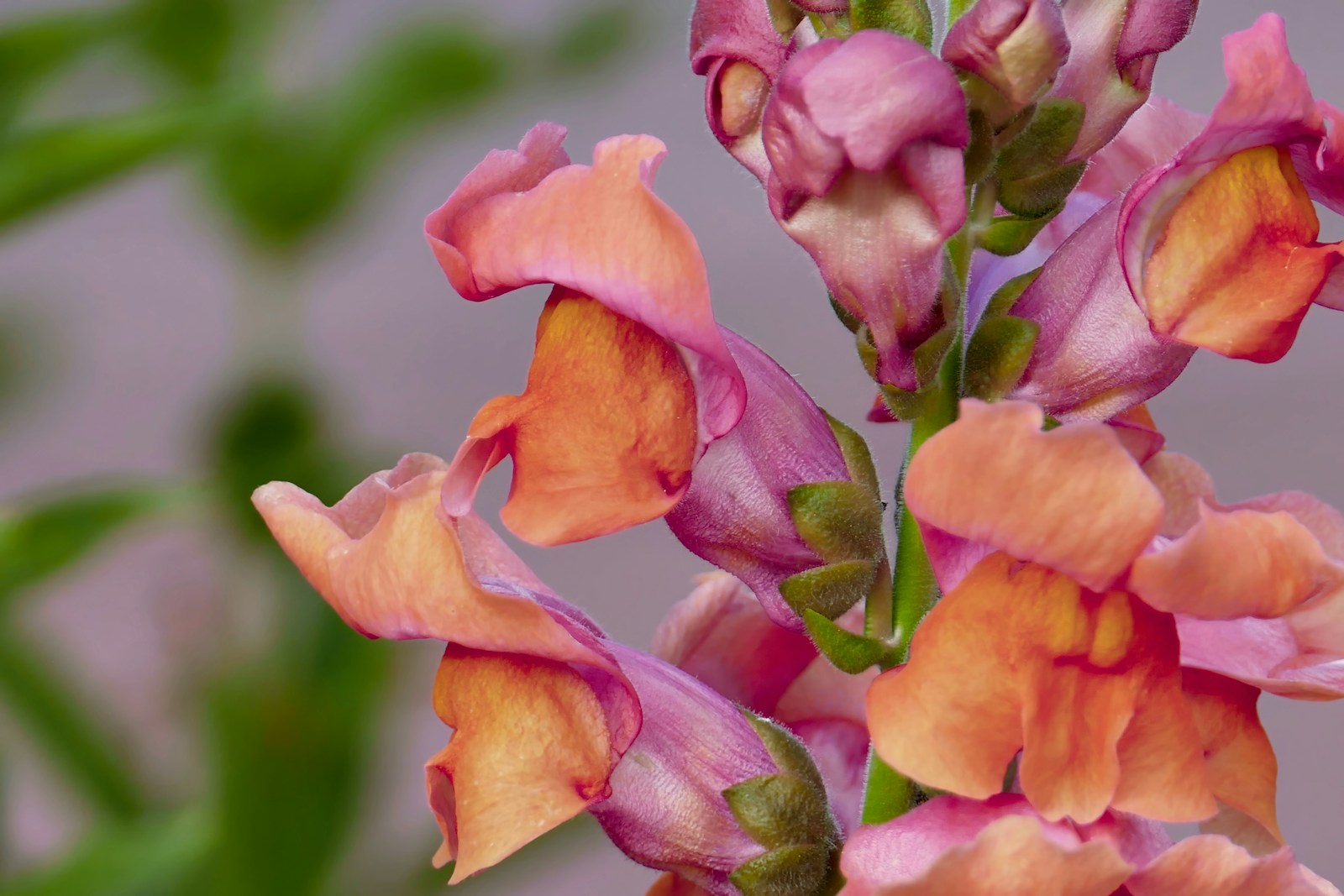
Work compost into the bed before planting. Feed every 3-4 weeks with a balanced liquid feed while the plants are in flower. Too much nitrogen gives soft, leafy growth and weak stems.
Pinch young plants for bushier growth. When a plant has 3-4 pairs of true leaves, nip out the growing tip just above a leaf pair. The plant then sends up several flower spikes instead of one. Skip pinching if you want one long, straight stem for cutting.
Tall types need support. Push in a stake beside each plant, or stretch horizontal netting 12 inches (30 cm) above the bed at planting time. The stems grow through the mesh and stand straight.
Deadhead faded spikes by cutting them back to a strong pair of side shoots. This keeps new spikes coming. Snapdragons often slow down or stop in the heat of midsummer. Cut them back by about a third, keep them watered, and they usually rebloom when cooler weather returns.
Snapdragons are good pollinator plants. Bumblebees are heavy enough to open the closed flowers and crawl inside. Grow them with other cool-season annuals such as sweet peas, stock and larkspur.
Heat is the most common reason snapdragons fail. Plants struggle and stop flowering once days stay above about 85°F (29°C). Sow early so they flower in the cool part of the season, and in hot zones grow them over winter instead.
Harvesting
Snapdragons are one of the best cut flowers for a home garden. Cut in the cool of the morning. Choose spikes with the bottom third of the flowers open and the top still in bud. The buds keep opening in the vase.
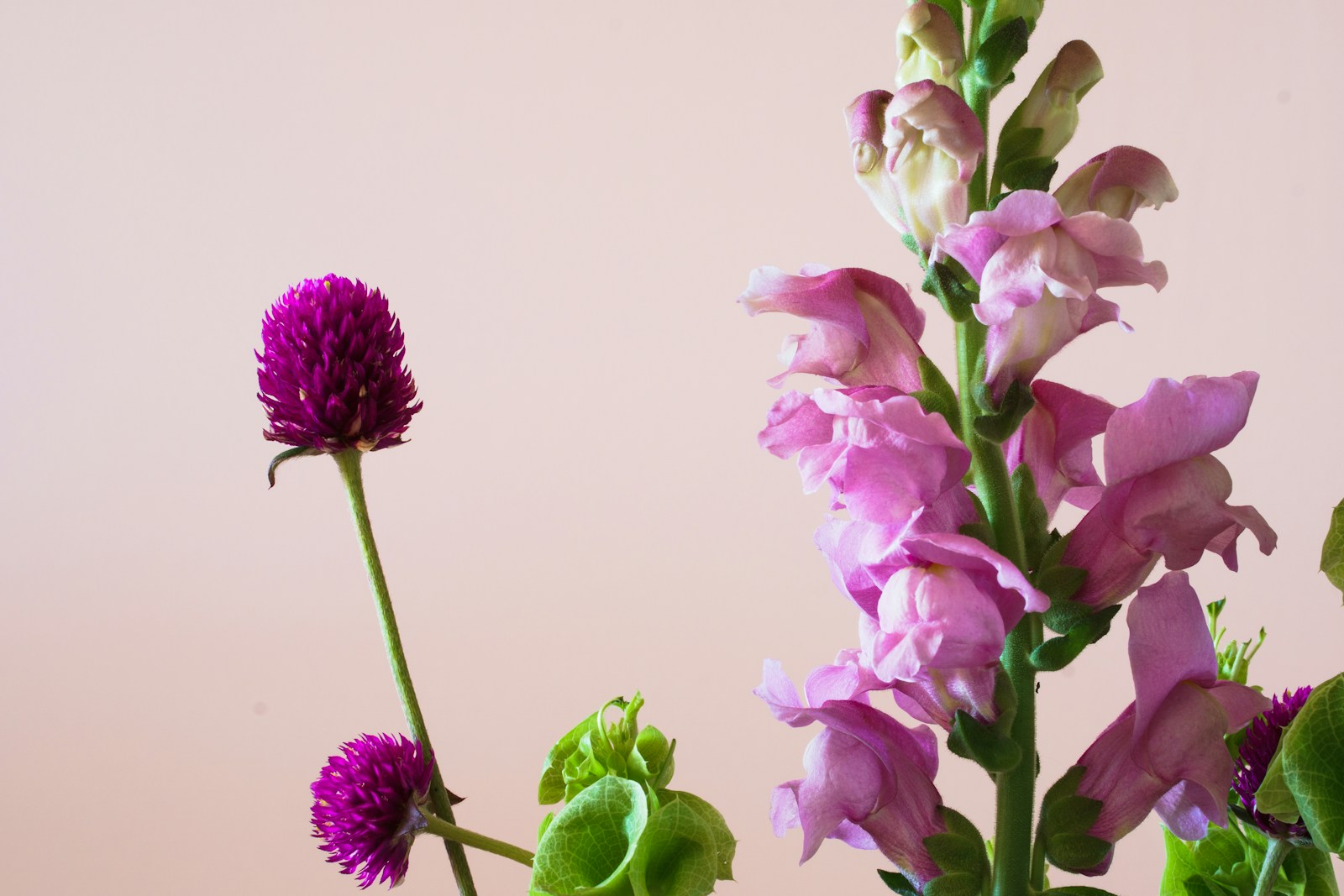
Cut low on the stem, just above a pair of leaves, with clean, sharp scissors. The plant then branches and sends up more spikes. Strip the lower leaves and put the stems straight into cool water.
Keep the vase away from fruit, because ripening fruit makes the flowers drop. Stems usually last about a week. Snip the base and change the water every couple of days. The tips curve upward if stems lie flat, so carry and store them upright.
To save seed, leave a few spikes on the plant after flowering. The seed pods look like tiny skulls once they dry and turn brown. Snip them into a paper bag and shake out the seed. Store it cool and dry in a labelled envelope. Hybrid varieties do not come true from seed. Different colours also cross readily, so saved seed gives a mixed result.
Problems and pests
Yellow spots on top of leaves, brown pustules underneath
This is snapdragon rust, a fungal disease that spreads fast in damp weather. Remove and bin infected leaves at once. Water at the base, space plants for airflow and do not grow snapdragons in the same spot every year. Buy rust-resistant varieties where rust is common.
White or grey powdery coating on leaves
Powdery mildew or downy mildew is to blame, usually in crowded, humid beds. Thin plants to improve airflow and remove affected leaves. A potassium bicarbonate spray can slow powdery mildew; follow the label and wear gloves.
Seedlings topple over at soil level
Damping off is a fungal disease of young seedlings. Use clean trays and fresh seed compost. Water from below and give the seedlings good airflow.
Sticky, curled shoot tips
Aphids cluster on new growth and suck sap. Rub them off by hand or blast them with water. Insecticidal soap helps with heavy infestations; spray in the evening to protect bees.
Grey fuzzy mould on flower spikes
Grey mould, also called botrytis, attacks dead flowers in cool, wet weather. Deadhead often and remove affected spikes. Improve airflow around the plants.
Varieties worth growing
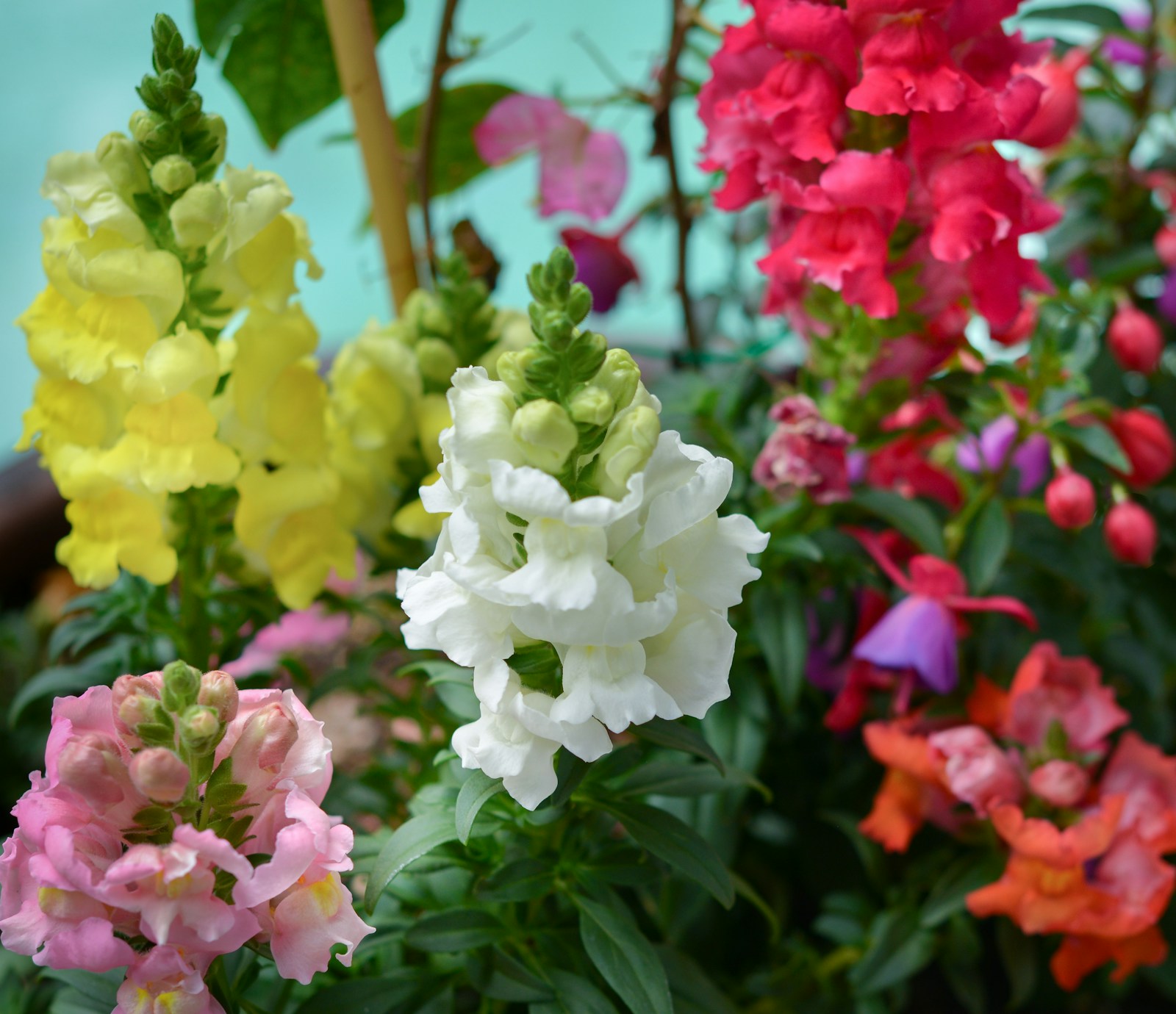
- 'Rocket' series: tall, sturdy spikes for cutting in a wide colour range, and fairly heat tolerant.
- 'Madame Butterfly': tall, double open-faced flowers in mixed colours.
- 'Chantilly' series: open, butterfly-type flowers on long stems, bred for cutting.
- 'Potomac' series: very tall, strong-stemmed cutting snapdragons for growing single-stem.
- 'Sonnet' series: medium height, branching plants that flower early.
- 'Night and Day': dark crimson flowers with white throats on medium stems.
- 'Floral Showers' series: dwarf, compact plants for edging and pots.