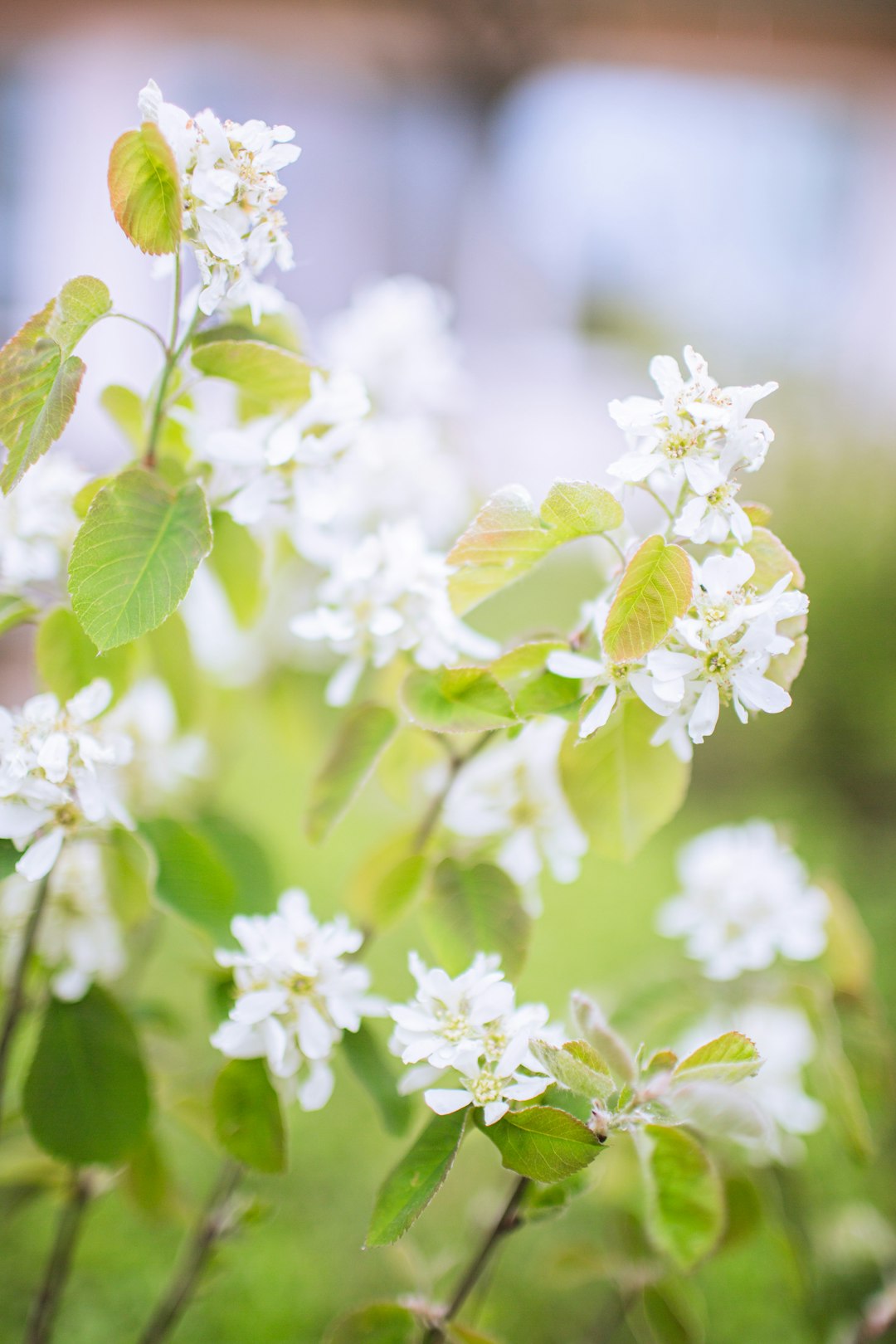
Serviceberry (Amelanchier spp.) is a North American native shrub or small tree that earns its keep twice over: clouds of white blossom in spring, small blueberry-like fruit in early summer, and dependable orange-red fall color. It also goes by juneberry or sarvis(berry), depending on where you live. This is a genuinely easy, low-maintenance plant that tolerates a wide range of soils and needs almost no fuss once it is settled in, making it a good choice even for a first-time shrub grower.
Sowing and planting
Serviceberry is almost always planted as a young nursery plant rather than grown from seed. Seed-grown plants are slow to reach a useful size and, for named varieties, won't come true to the parent plant, so a bare-root or container-grown plant from a nursery is the reliable route.
This site is written from zone 6b, and the general planting guidance below is aimed at a similar climate. In zone 6b, plant in early spring once the soil has thawed and can be worked, or in fall while the ground is still workable but growth has slowed for the year. Both windows give the roots time to settle in before the stress of summer heat or winter cold arrives. In colder zones toward the lower end of the hardiness range, spring planting is the safer choice; in warmer zones, fall planting works well too.
Choose a site in full sun to part shade; a little afternoon shade helps in hotter climates, though flowering and fruiting are usually best in fuller sun. Serviceberry tolerates a range of soils, including clay, as long as drainage is reasonable and the roots aren't sitting in standing water. Because a mature plant can spread to around 180 inches (450 cm), give it room to reach full size, especially if you're planting several as a screen or informal hedge. Dig the planting hole as deep as the root ball and two to three times as wide, set the plant at the same depth it was growing in the pot, backfill, and water in thoroughly.
Growing on
Water deeply once or twice a week through the first growing season while the roots establish. After that, an established serviceberry copes with short dry spells without much complaint, though steady moisture during flowering and fruit development usually means better, juicier berries.
Feeding needs are light. A layer of compost worked into the soil surface in early spring, or a balanced, slow-release fertilizer at the rate on the label, is usually all a serviceberry needs. Skip high-nitrogen feeds, which push leafy growth at the expense of flowers and fruit.
Pruning is minimal. In late winter, while the plant is still dormant, remove any dead, damaged or crossing branches and cut out some of the oldest stems on a multi-stemmed shrub every few years to keep the canopy open and let air move through it. This light, occasional pruning also keeps the fruiting growth within easy reach for picking and netting later in the year.
Harvesting
The berries ripen in early summer, moving from green to red before finishing at a deep, dark purple when fully ripe, a change that can happen within a few days once it starts. Taste a few before committing to a full picking session, since color in dappled shade can be deceiving.
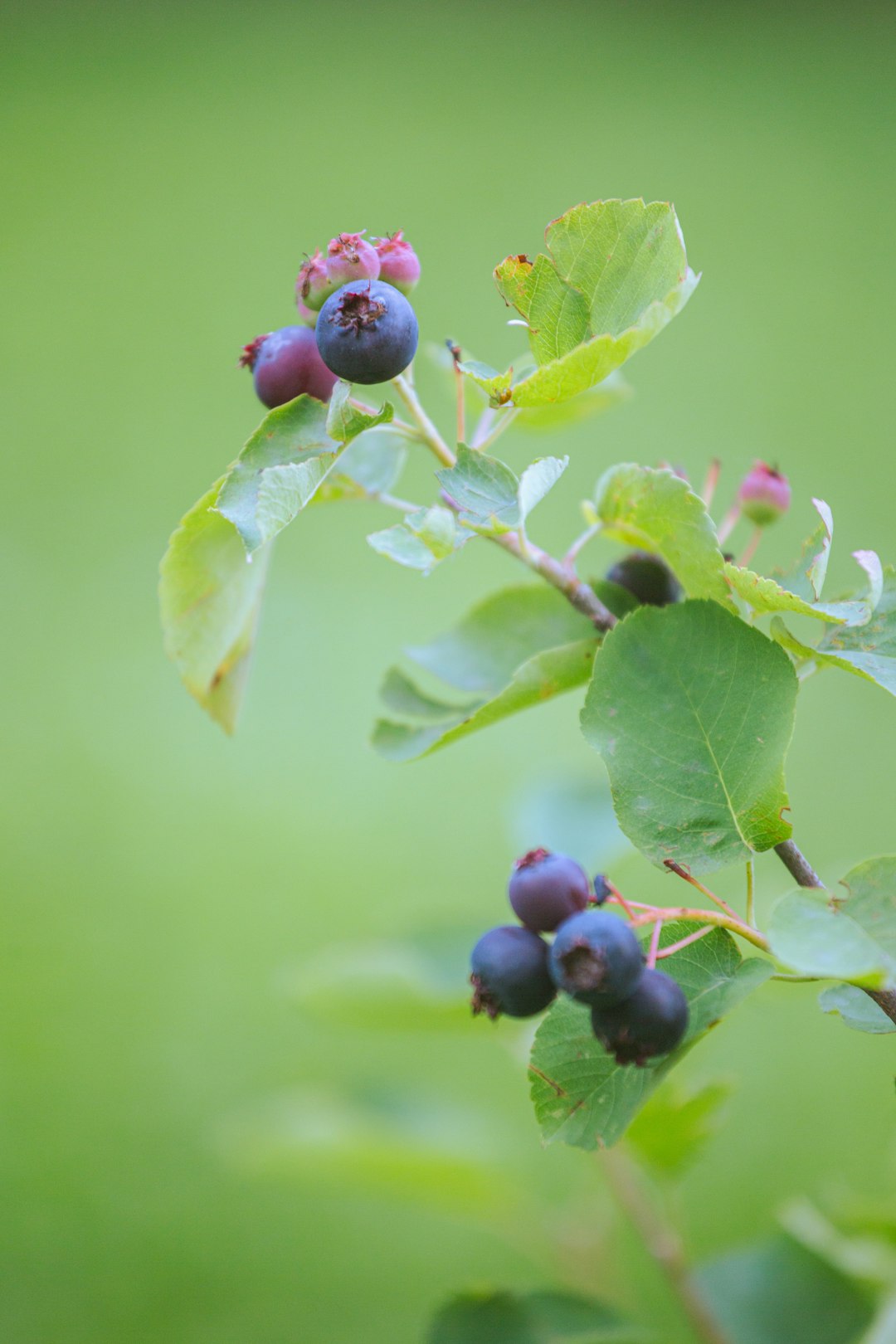
Birds are, by far, the biggest challenge to actually getting a harvest. Serviceberry fruit is a favorite food for many birds, and a tree can be stripped bare in a day or two once the berries start to color, often before you've noticed they're ready. If you want fruit for yourself, start checking the clusters daily as soon as they begin to blush, and cover the plant with bird netting draped over a simple frame as the first berries turn color. Secure the netting at the base so birds can't slip in underneath. Pick ripe clusters by hand, much as you would pick blueberries; because the fruit doesn't all ripen together, plan to return every few days over a couple of weeks for the best yield.
Problems and pests
Birds eating the crop before you do
This is the single most common issue with serviceberry. Birds find the fruit as attractive as you do, and a planting left unprotected may yield you almost nothing. Cover the plant with netting as soon as the fruit starts to color, and remove the netting once picking is done so it doesn't entangle birds or wildlife.
Orange or brown spots on leaves and fruit
This points to a rust disease, caused by fungi in the Gymnosporangium group that also affect related Rosaceae plants like apples and hawthorns. These fungi need a nearby juniper or eastern redcedar to complete their life cycle. Rake up and dispose of fallen infected leaves, and where practical, avoid planting serviceberry within a couple hundred feet of susceptible junipers.
Blackened, wilted shoot tips that look scorched
This is usually fire blight, a bacterial disease that affects many Rosaceae plants, including serviceberry. Affected shoots often curl over at the tip. Prune out infected wood well below the visible damage, during dry weather, and disinfect pruning tools between cuts to avoid spreading it further. Avoid heavy nitrogen feeding, which encourages the soft new growth this disease favors.
Chewed or skeletonized leaves
Caterpillars or sawfly larvae occasionally feed on serviceberry foliage. Damage is usually cosmetic and the plant tolerates it well. Handpick caterpillars where practical, or prune out small webbed nests of tent-forming caterpillars.
Little to no fruit set
A late spring frost can damage open blossom before bees have a chance to pollinate it, and a plant grown in heavy shade tends to flower and fruit poorly. A young plant may also simply not be mature enough yet; most serviceberries take 2 to 3 years after planting before they fruit reliably.
Varieties worth growing
- Saskatoon (Amelanchier alnifolia) – a cold-hardy species grown mainly for its fruit, popular across the northern US and Canada.
- 'Autumn Brilliance' (Amelanchier x grandiflora 'Autumn Brilliance') – a widely sold ornamental hybrid prized for vivid orange-red fall color.
- Allegheny serviceberry (Amelanchier laevis) – a native tree-form species with smooth young leaves and reliable fall color.
- Shadblow serviceberry (Amelanchier canadensis) – a suckering, multi-stemmed native that naturalizes into informal thickets, good for wildlife plantings.
- Downy serviceberry (Amelanchier arborea) – a native tree-form species, among the most widespread in the wild across eastern North America.