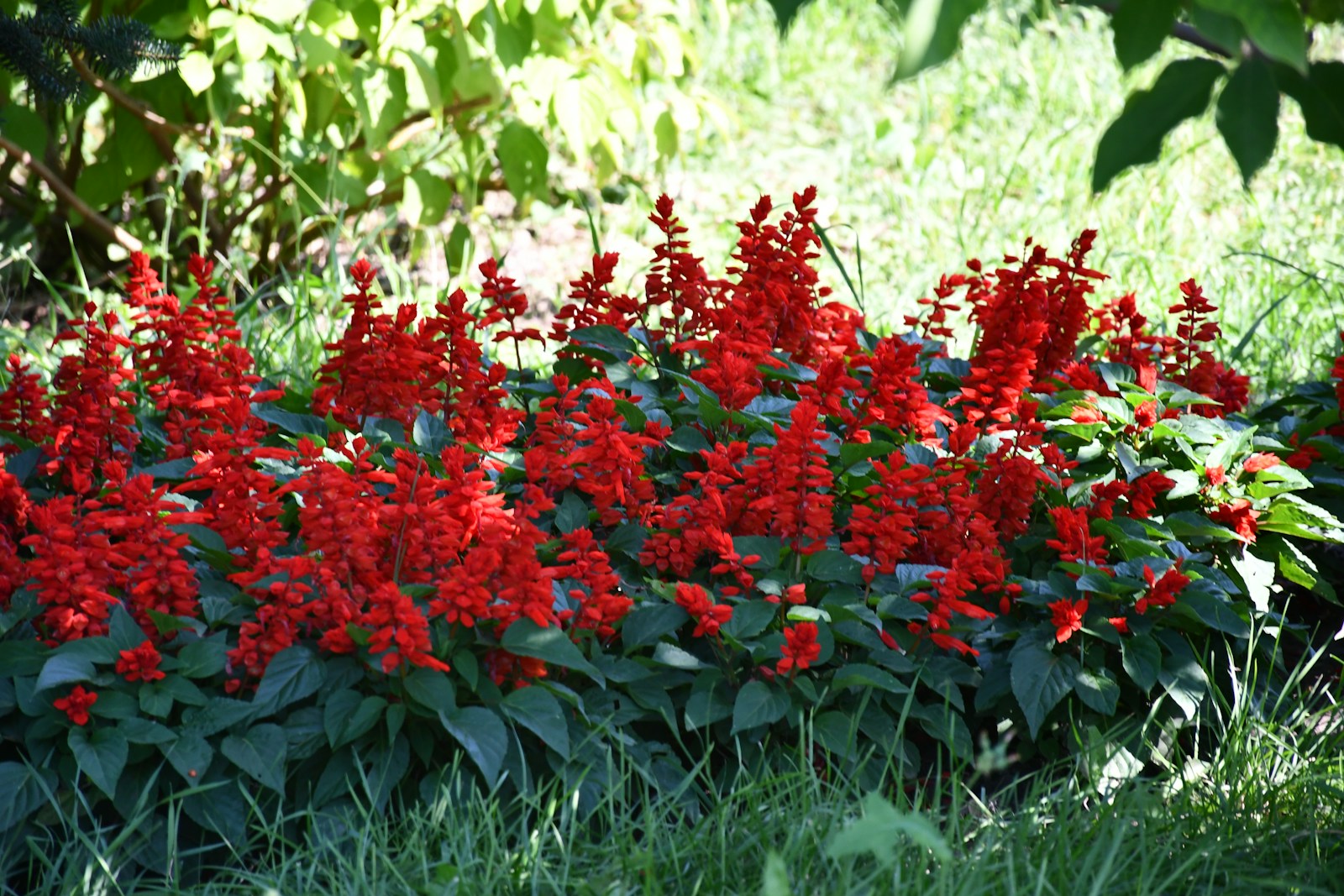
Ornamental salvias are flowering sages grown for their spikes of tubular flowers, not for the kitchen. This profile covers five popular kinds: scarlet sage (Salvia splendens), mealycup sage (S. farinacea), hardy perennial sages (S. nemorosa and S. × sylvestris), anise-scented sage (S. guaranitica) and S. coccinea. Culinary sage is a different plant and is not covered here. All of them are easy to grow in sun and well-drained soil.
Sowing and planting
Start annual and tender salvias indoors 8-12 weeks before your last frost. Mealycup sage is the slowest, so sow it first. Press the seed onto moist seed compost and leave it uncovered, or dust it with the thinnest layer of vermiculite. Keep the tray at 70-75°F (21-24°C) with bright light. Seedlings usually appear in 1-3 weeks.
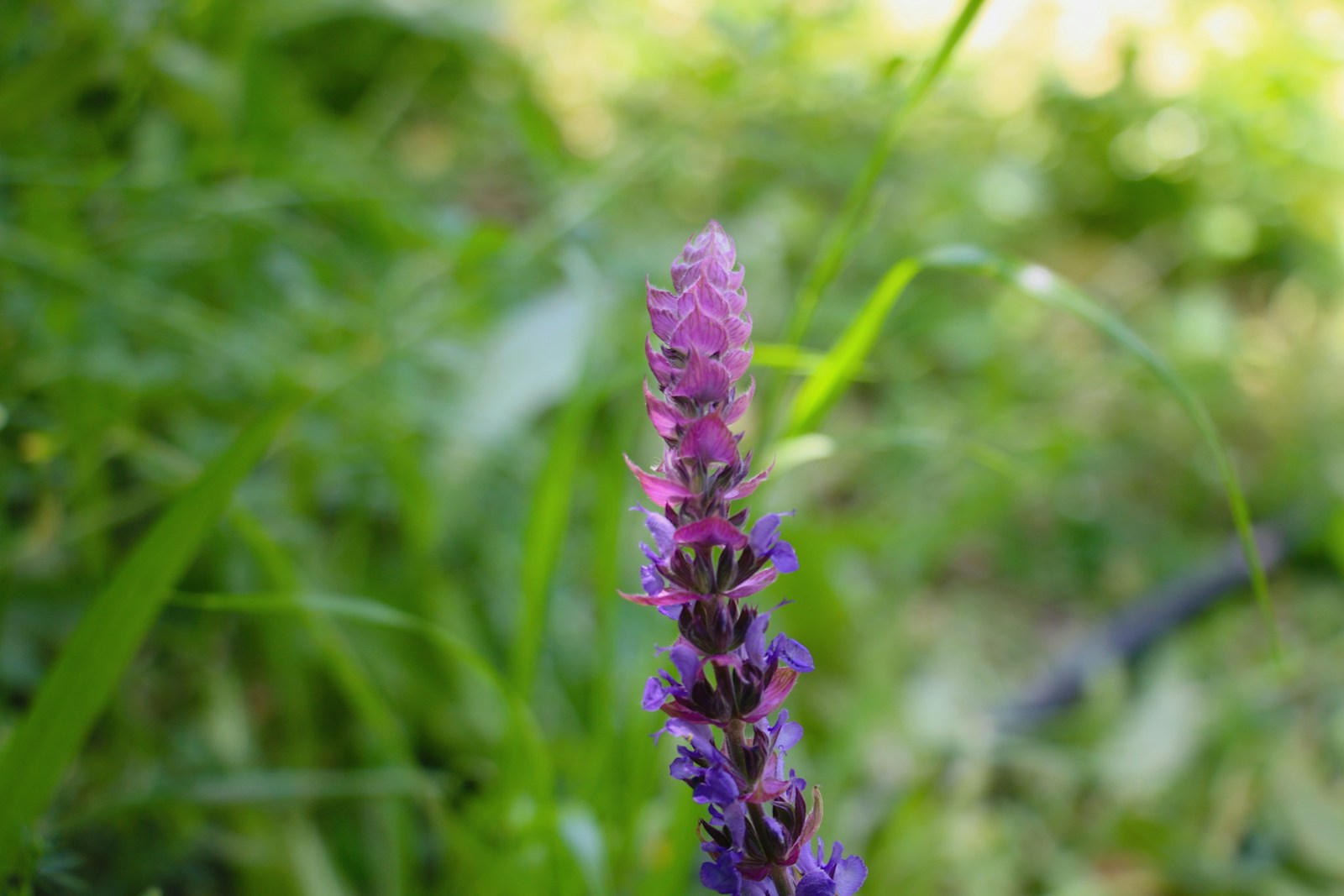
Prick out (move each seedling to its own small pot) once two true leaves form. Grow them on in a bright, cool spot at about 60-65°F (16-18°C). This keeps them sturdy rather than leggy.
Harden off the young plants over 7-10 days before planting. Hardening off means getting seedlings used to outdoor sun, wind and cooler nights a little more each day. Plant out 1-2 weeks after your last frost, once the soil is warm. S. coccinea can also be sown directly outdoors after the last frost, as it grows quickly.
Most gardeners buy hardy perennial sages as plants. Set them out in spring or early autumn, at the same depth they grew in the pot. You can divide older clumps of S. nemorosa every few years in spring.
Anise-scented sage spreads by underground runners called rhizomes. Give it room at the back of a border, or plant it where a little spreading is welcome.
Growing on
Water new plants regularly for the first few weeks. After that, most salvias need water only in long dry spells. Water at the base in the morning so the leaves dry quickly. Plants in pots dry out faster and need checking daily in hot weather.
Salvias flower best in soil of average fertility. Rich soil and heavy feeding give soft, floppy growth with fewer flowers. Work a little compost into the bed before planting. Feed pot-grown plants with a balanced liquid feed every 2-3 weeks.
Spread 2 inches (5 cm) of mulch around perennial sages to hold moisture and keep down weeds. Keep it clear of the crowns (the point where stems meet the roots). In cold zones, a light winter mulch helps anise-scented sage survive near the edge of its range.
Pinch young annual plants once, when they are about 6 inches (15 cm) tall. Pinching means nipping off the growing tip just above a pair of leaves. It makes the plant branch and carry more flower spikes.
Tall anise-scented sage can lean in wind or rain. Push in a few pea sticks or a ring support early, and the stems grow through it. Perennial sages rarely need staking if they grow in full sun.
Deadheading keeps salvias flowering. For scarlet sage, remove faded spikes back to the next side shoot. For S. nemorosa and S. × sylvestris, shear the whole plant back by about half once the first flush fades. Fresh growth and a second round of flowers usually follow in a few weeks. Leave the last flush of the season standing over winter, then cut perennial stems to the ground in early spring.
Salvias are excellent pollinator plants. Bees work the blue and purple kinds all summer. Red, tubular flowers such as scarlet sage and S. coccinea are favourites of hummingbirds. Companion notes are simple: grow them with other sun lovers such as coneflowers, marigolds and ornamental grasses.
Most ornamental salvias die from cold and wet, not dry. Frost kills scarlet sage, mealycup sage and S. coccinea outright, so never plant them out until frost has passed. Hardy perennial kinds often rot in winter when their roots sit in soggy, heavy soil, so plant them where water drains freely.
Harvesting
Salvias make good cut flowers. Cut stems in the cool of the morning, when about half the flowers on the spike are open. Use clean, sharp scissors or pruners. Strip the lower leaves and stand the stems in cool water straight away. Most last about a week in a vase.
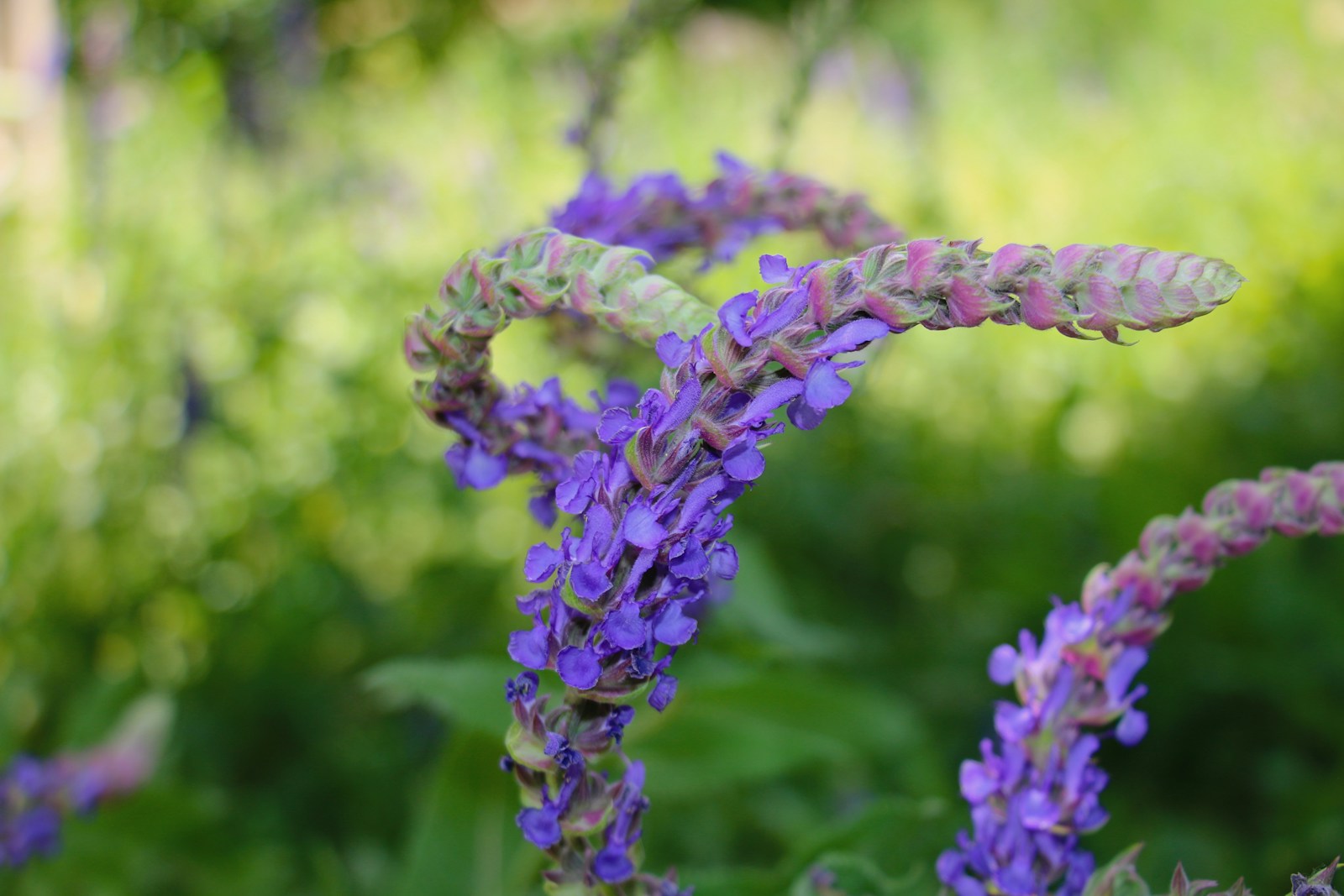
Mealycup sage also dries well for everlasting arrangements. Cut spikes when most flowers are open. Tie them in small bunches and hang them upside down in a dark, airy, dry place for 2-3 weeks. The blue colour holds well.
To save seed, leave a few spikes on the plant until the flower cups turn brown and dry. Snip the spikes into a paper bag and shake out the small dark seeds. Store them cool and dry in a labelled envelope. S. coccinea saves easily and often self-sows. Hybrid scarlet sages and named perennial cultivars do not come true from seed. Increase those from cuttings or division instead.
To overwinter tender kinds, take 3-4 inch (8-10 cm) cuttings from non-flowering shoots in late summer. Root them in gritty compost and keep them on a bright, frost-free windowsill until spring.
Problems and pests
White powdery coating on leaves
This is powdery mildew, a fungal disease that spreads in crowded, humid plantings. Space plants properly and water the soil, not the leaves. Remove the worst leaves. A potassium bicarbonate spray can slow it; follow the label and wear gloves when mixing.
Plants collapse or die over winter
Crown and root rot set in when roots sit in cold, wet soil. Improve drainage with grit or plant in a raised bed. Avoid heavy mulch against the crown.
Sticky leaves and clusters of small insects
Aphids and whiteflies suck sap from shoot tips and leaf undersides. Knock them off with a strong spray of water. Use insecticidal soap on bad infestations, spraying in the evening and away from open flowers to protect bees.
Fine speckling and webbing in hot weather
Spider mites thrive in hot, dry conditions. Mist or hose the undersides of the leaves regularly. Keep plants watered during heat waves.
Seedlings disappear overnight
Slugs and snails graze young transplants. Check at dusk and remove them by hand. Plant out sturdy, well-grown plants rather than tiny seedlings.
Varieties worth growing
- 'Victoria' (S. farinacea): compact mealycup sage with deep violet-blue spikes, good for bedding and drying.
- 'Evolution' (S. farinacea): violet-purple spikes on bushy plants that flower freely.
- 'Vista Red' (S. splendens): dwarf scarlet sage with bold red spikes for edging and pots.
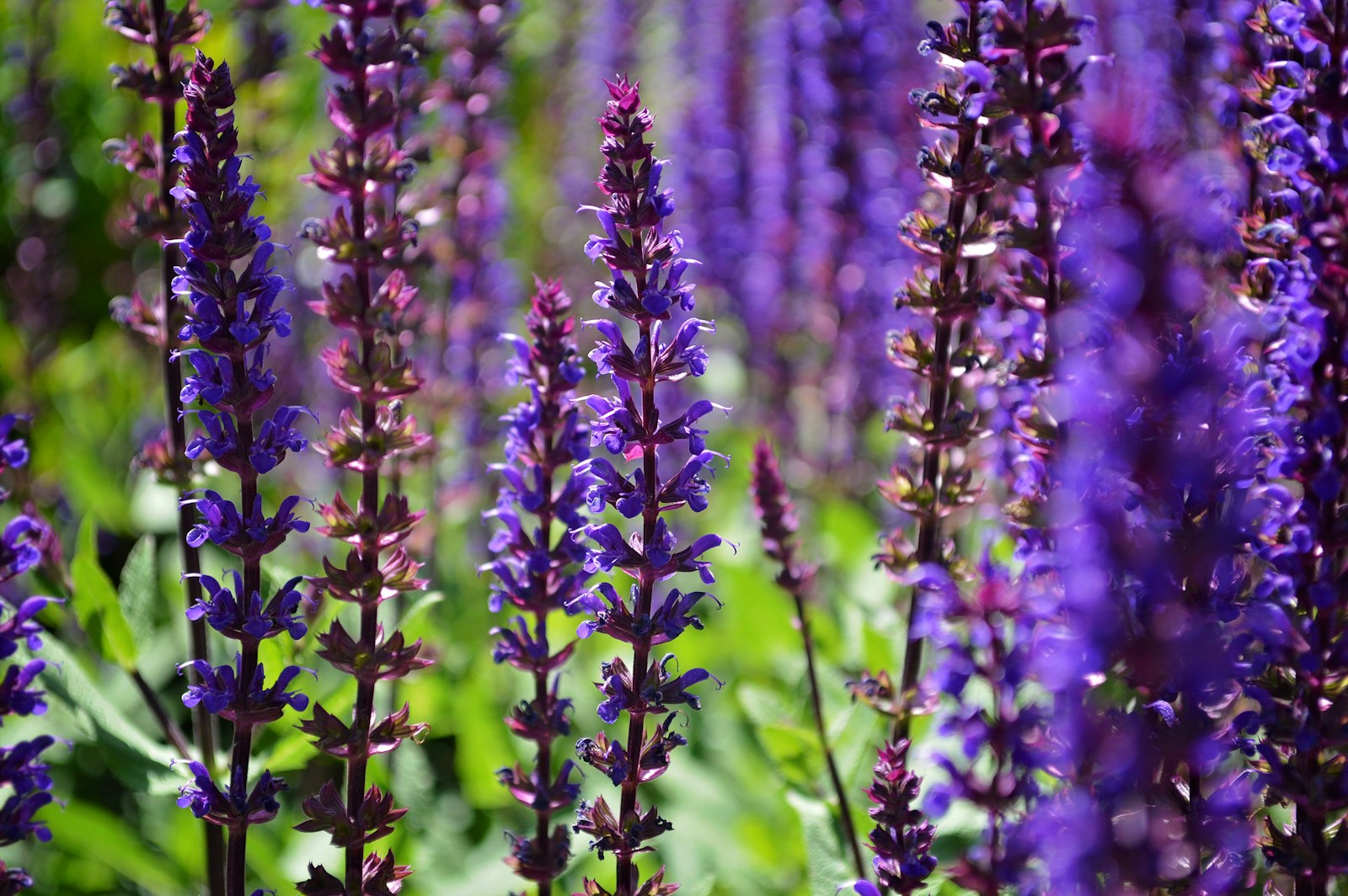
- 'Caradonna' (S. nemorosa): violet flowers on nearly black stems, hardy and long-lived.
- 'May Night' (S. × sylvestris): deep indigo spikes early in the season, reblooms after shearing.
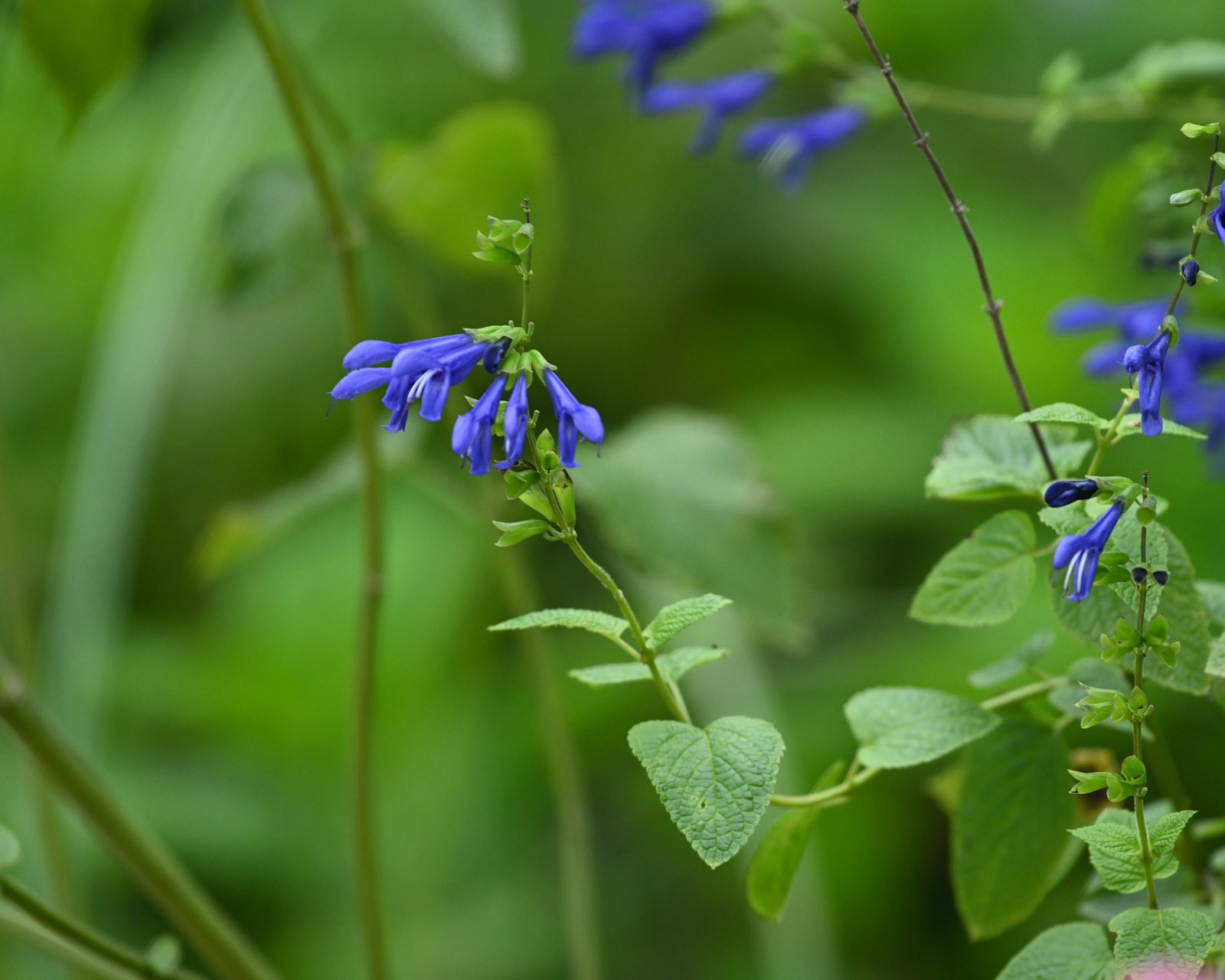
- 'Black and Blue' (S. guaranitica): cobalt blue flowers with dark calyces, a hummingbird favourite.
- 'Lady in Red' (S. coccinea): slender spikes of bright scarlet flowers from summer to frost.
- 'Coral Nymph' (S. coccinea): soft coral and white bicolour flowers on airy stems.