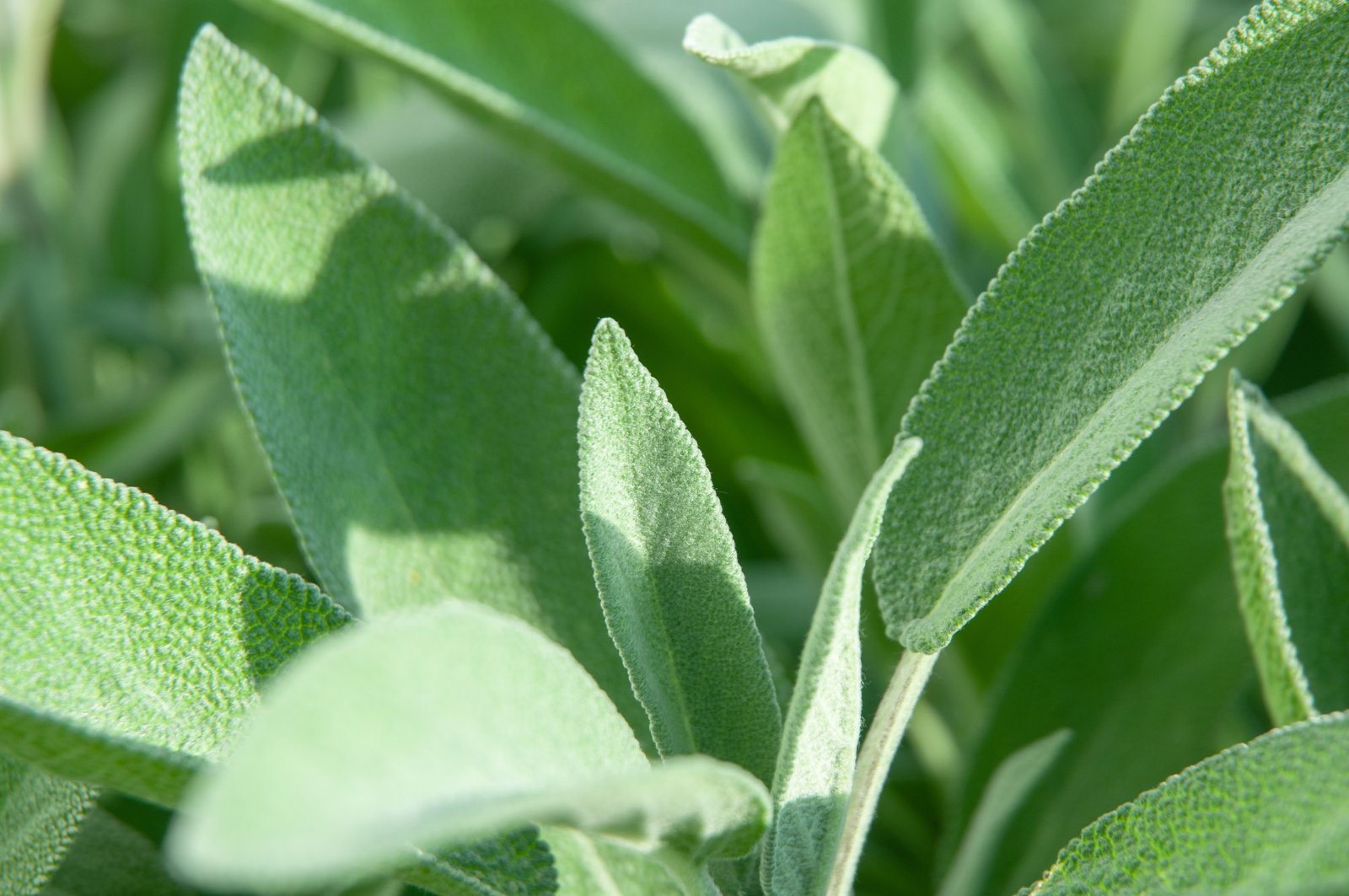
Garden sage (Salvia officinalis) is a small evergreen shrub with gray-green, pebbly leaves and a strong savory scent. It comes from the dry hills of the Mediterranean, and it still wants those conditions in your garden. One or two plants supply a household with fresh and dried leaves for most of the year. Spikes of violet-blue flowers in late spring draw bees and hummingbirds. Difficulty: easy, as long as the soil drains well.
Sage also has a long history in mountain households. Anthony Cavender's Folk Medicine in Southern Appalachia records that families brewed sage tea for fevers and for night sweats. It was one of several hot teas given to bring on a sweat during measles. Older people also recalled their parents using sage and catnip teas for simple nervousness. These are reports of past practice, not recommendations. Nothing in this article is medical advice.
Sowing and planting
You can start sage from seed, from cuttings, or from a nursery pot. A nursery plant is the fastest route and the only way to get named varieties, which do not come true from seed.
From seed. Sow indoors six to eight weeks before your last expected frost. Press the seed into damp seed compost and cover it very lightly. Keep the tray at 65 to 70°F (18 to 21°C). Seedlings usually appear in one to three weeks, and germination is often patchy, so sow more than you need. Sage seed loses vigor quickly. Buy fresh seed each year rather than using an old packet.
Pot the seedlings on once they have two pairs of true leaves. Harden off (get seedlings used to outdoor conditions over a week or so) before planting out after your last frost.
From cuttings. Take 3 to 4 inch (8 to 10 cm) tips from soft new shoots in late spring or early summer. Strip the lower leaves and set the cuttings in a gritty potting mix. Keep them lightly moist and out of direct sun. They usually root within four to six weeks. You can also layer a low branch: pin it to the soil, cover the pinned section, and cut it free once it roots.
Planting out. Choose your sunniest, driest spot. Plant in spring after the last frost, or in early fall at least six weeks before your first frost. Set plants 18 to 24 inches (45 to 60 cm) apart at the same depth they sat in the pot. In heavy clay, plant in a raised bed or on a low mound, and work coarse grit into the soil. Do not add rich compost or manure. Lean soil gives the strongest flavor.
Wet soil kills more sage than cold does. If water stands on the spot after rain, grow sage in a raised bed or a pot instead, especially where winters are wet.
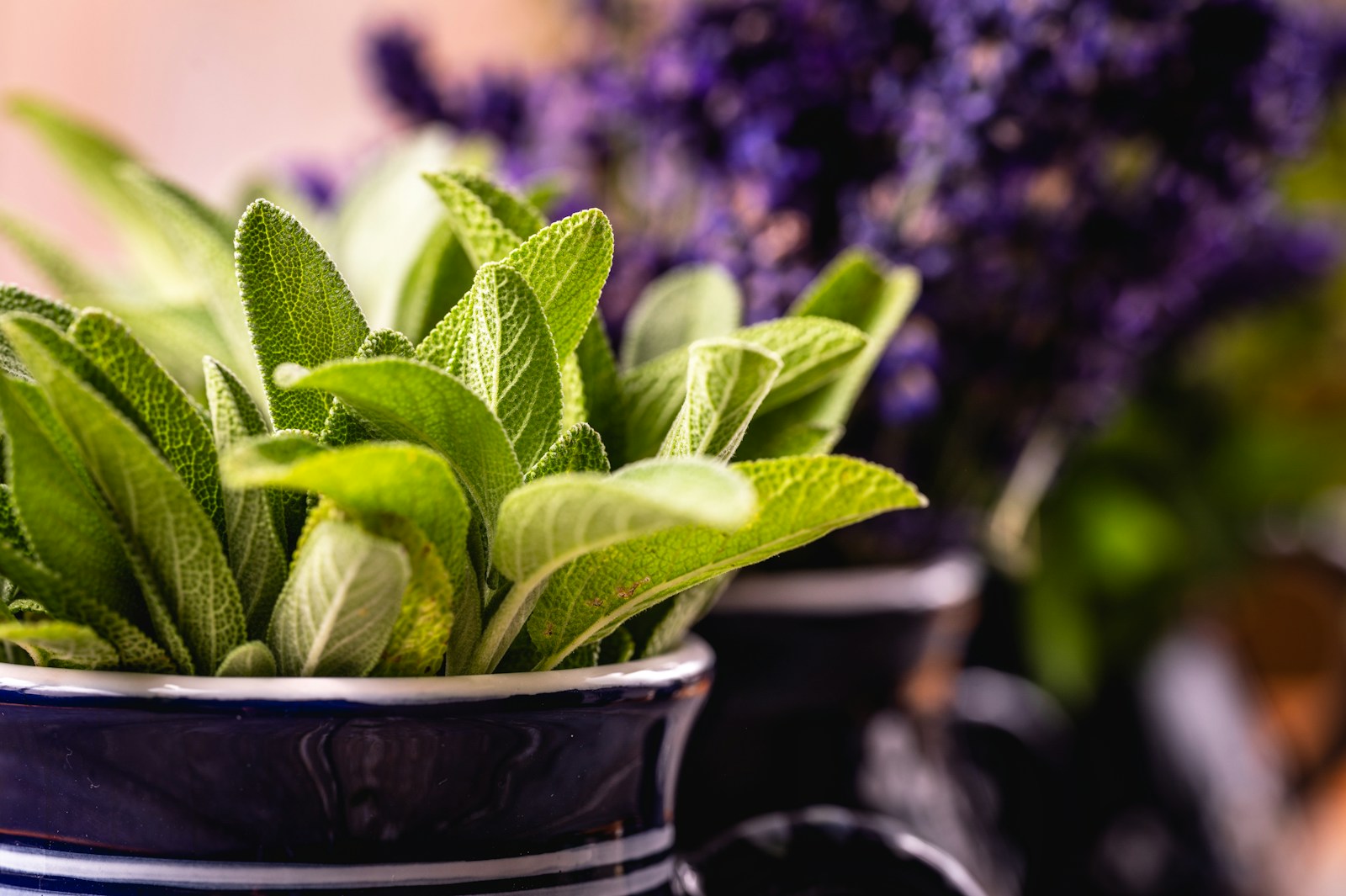
In pots. Sage grows well in a container at least 12 inches (30 cm) wide with drainage holes. Use a free-draining potting mix with extra grit or perlite. A clay pot helps the roots dry between waterings.
Growing on
Watering. Water new plants regularly for the first few weeks while roots establish. After that, water only when the top 1 to 2 inches (3 to 5 cm) of soil is dry. Established plants in the ground rarely need watering except in long droughts. Water at the base, not over the leaves.
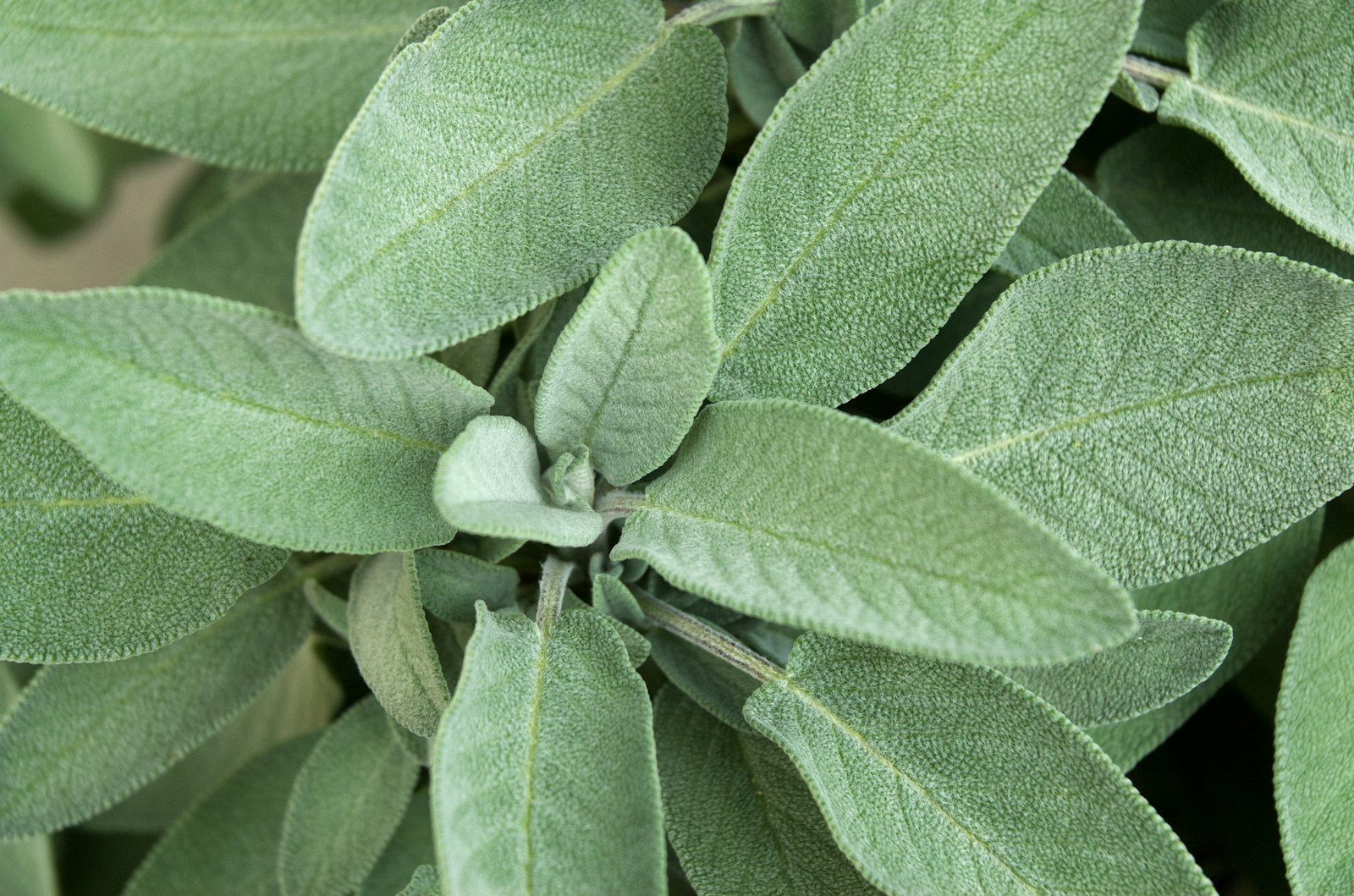
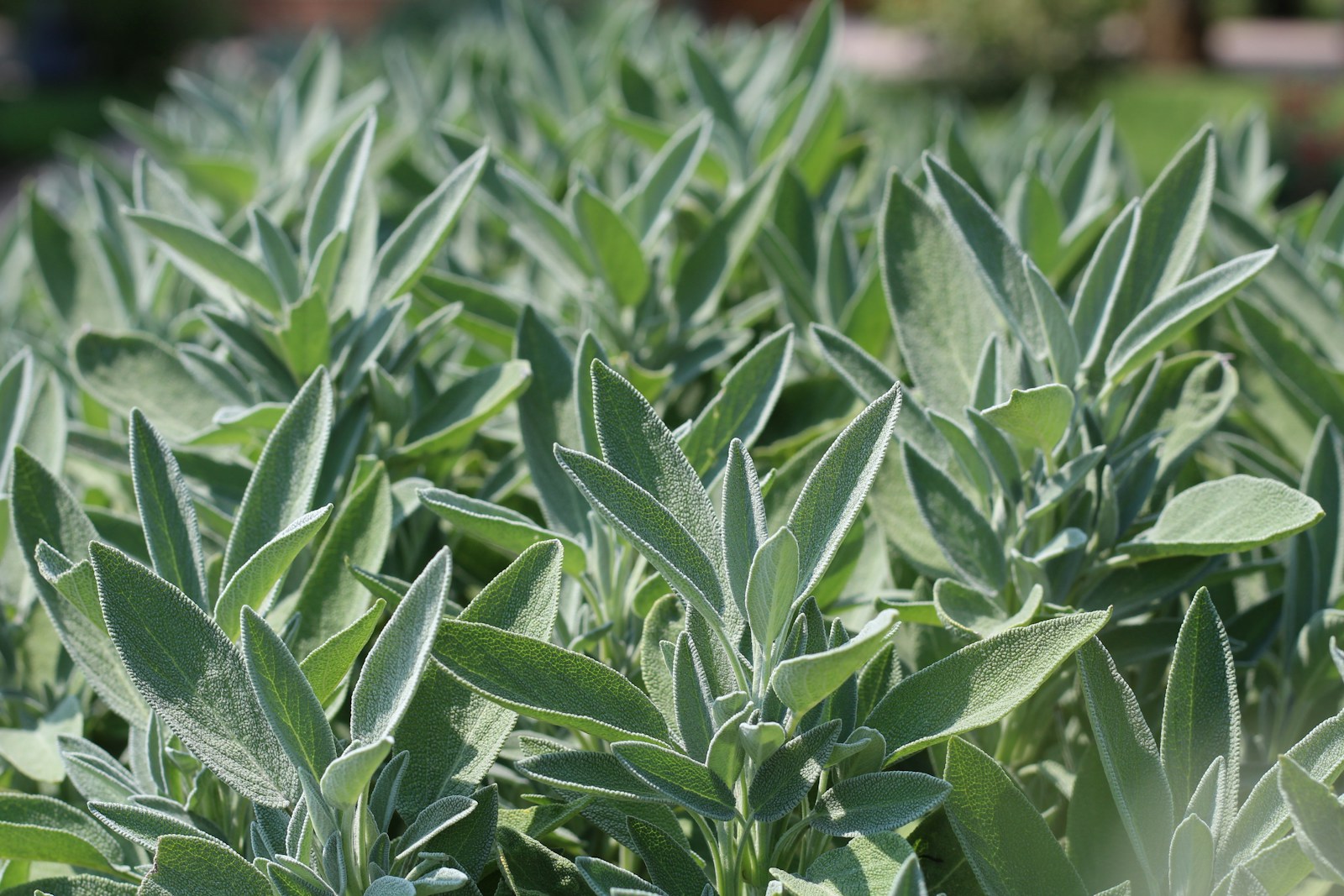
Feeding. Sage in the ground needs little or no fertilizer. Too much nitrogen produces soft, floppy growth with weak flavor. Potted plants benefit from one light feed in spring.
Mulch. In humid climates, mulch with gravel or coarse sand rather than bark or straw. Organic mulch holds moisture against the crown, which invites rot.
Pruning. Sage becomes woody and bare at the base if you leave it alone. Each spring, once new growth shows, cut the stems back by about a third. Always cut just above a pair of fresh shoots. Bare old wood often fails to resprout, so never cut into it. Trim off the flower stalks after bloom to keep the plant compact. Stop cutting back about six to eight weeks before your first frost. Late pruning pushes out tender shoots that winter then kills.
Winter care. In zones 4 and 5, leave the top growth on over winter and mulch loosely around the base after the ground freezes. Move potted plants against a sheltered wall. In hot, humid summers, as in zone 8 and warmer, give plants wide spacing and some afternoon shade. Sage is often short-lived there.
Renewal. Even well-pruned plants decline after four or five years. Take cuttings or layer a branch in year three so replacements are ready.
Harvesting
Pick lightly in the first year so the plant can build size. Take single leaves or a few shoot tips once the plant is growing strongly. From the second year, you can harvest freely from spring through early fall.
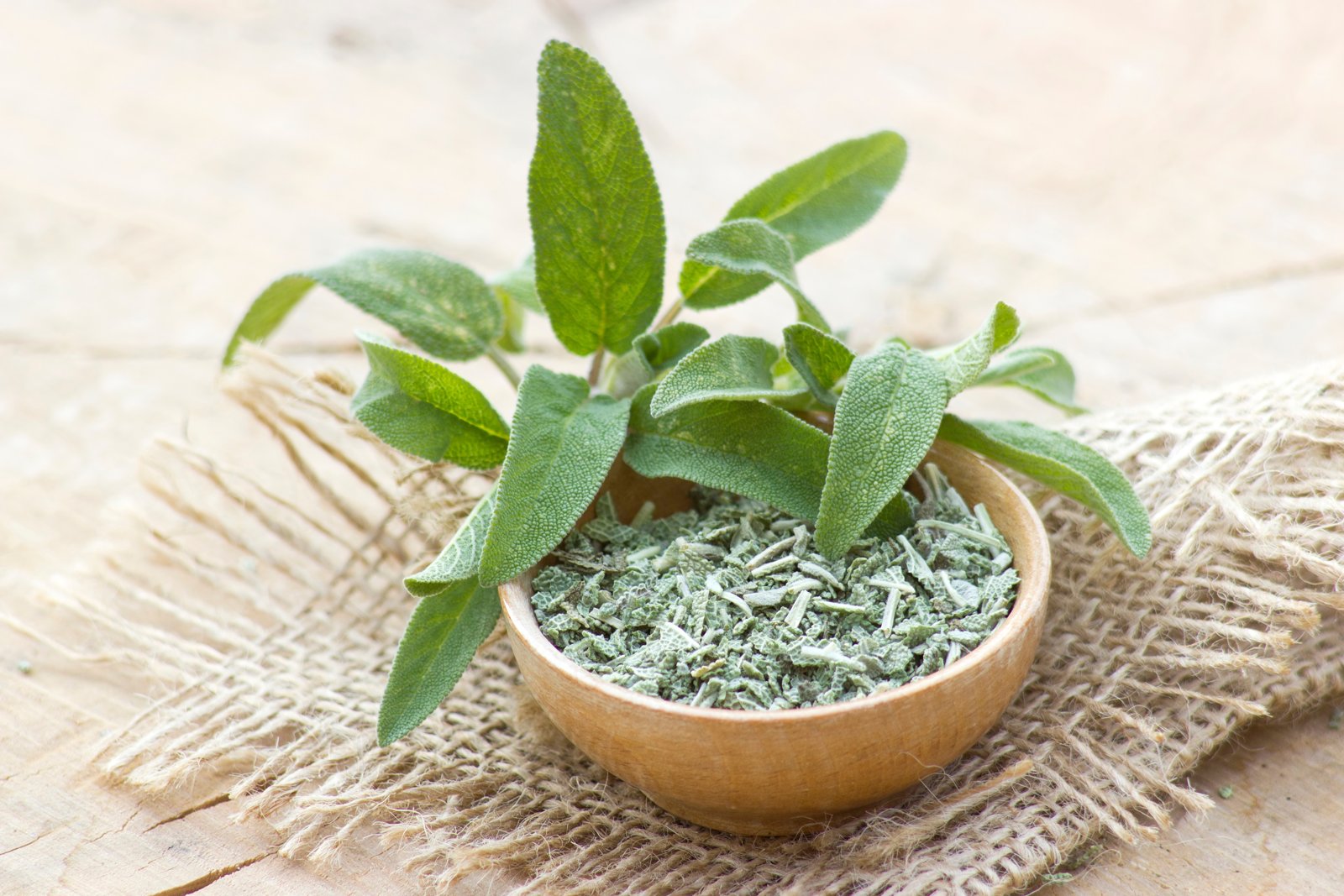
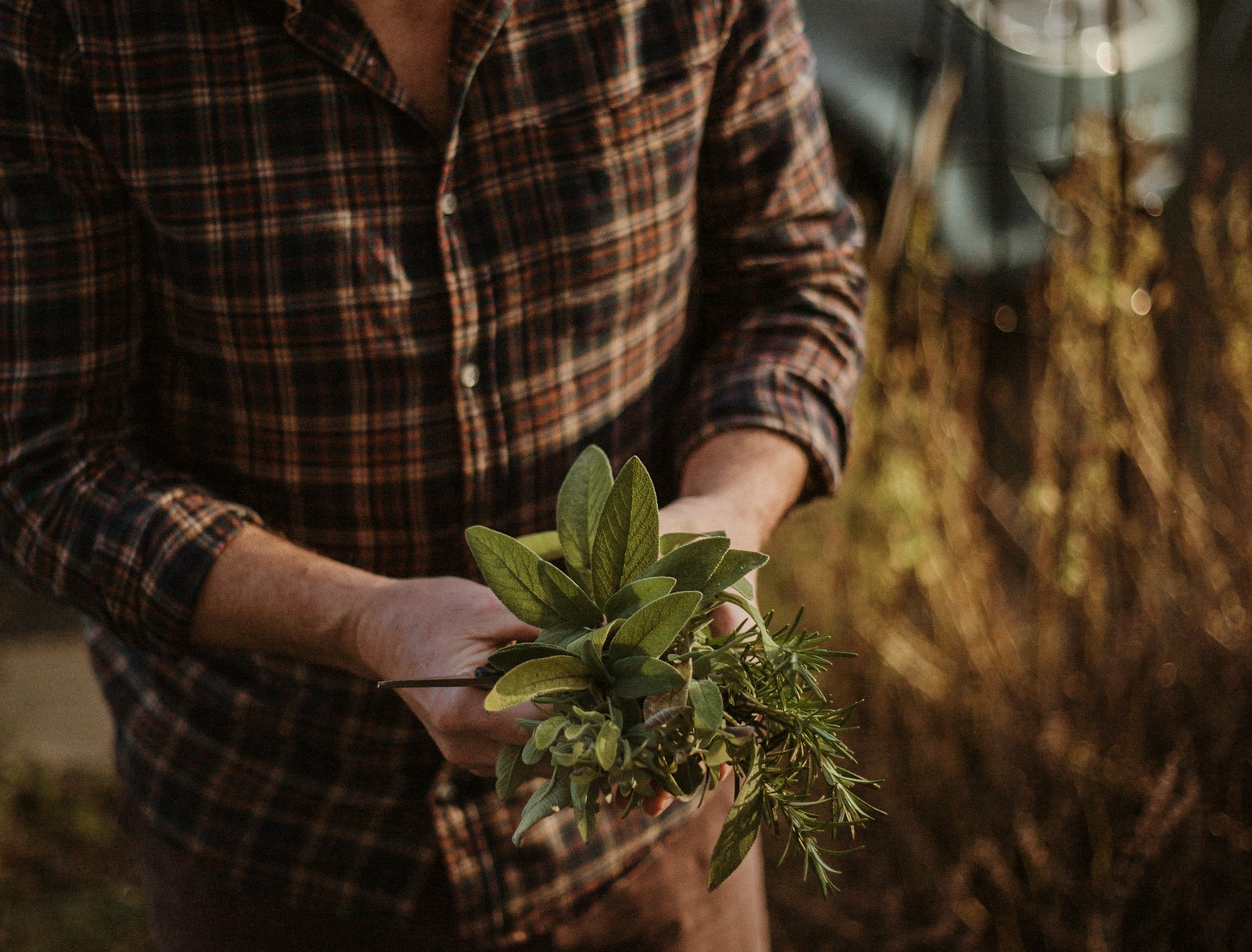
Cut sprigs in the morning after the dew has dried. Flavor is strongest just before the flowers open. Never remove more than a third of the plant at one time. Make the last large harvest about two months before your first frost.
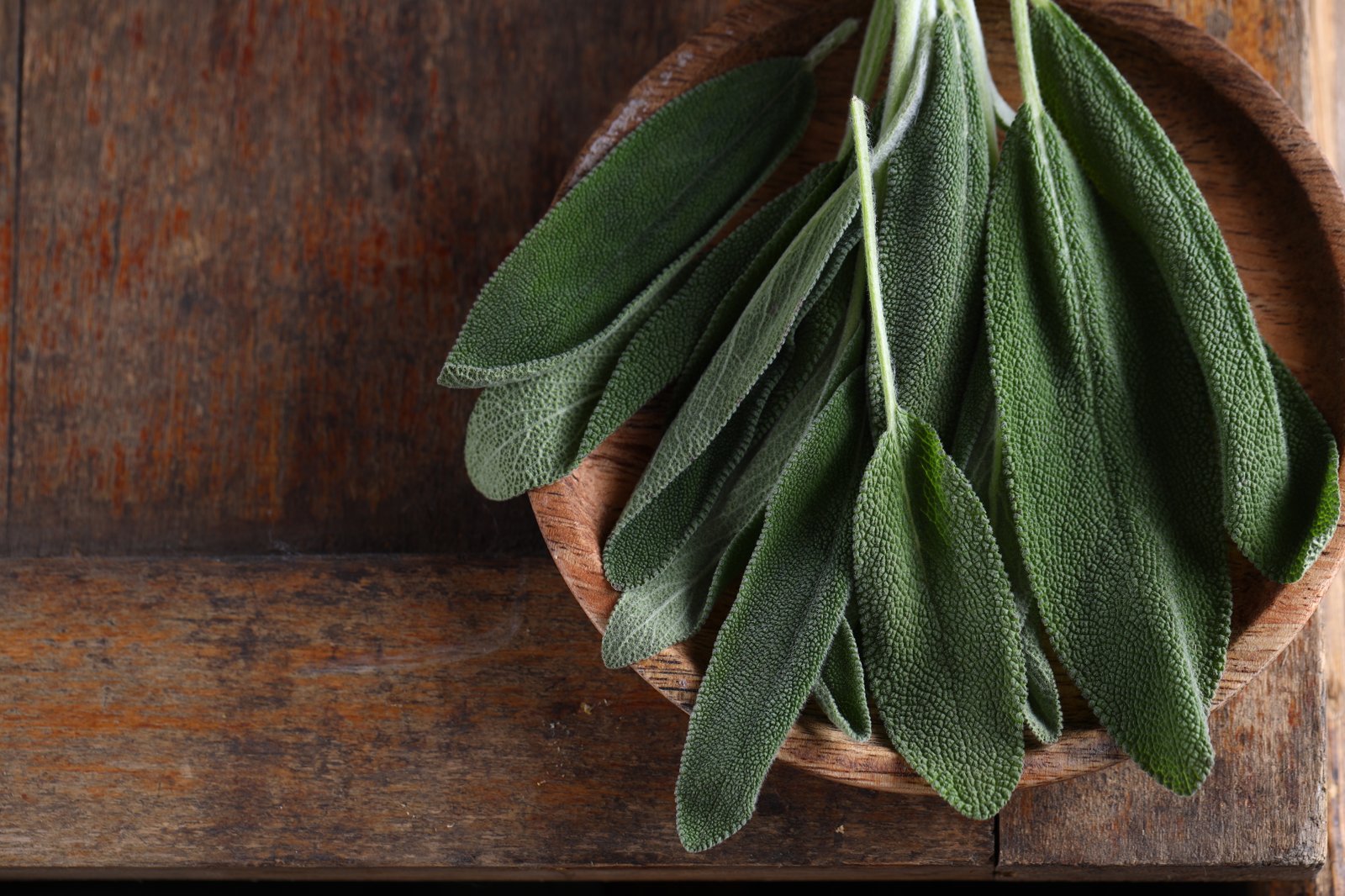
To dry sage, tie small bunches and hang them in a warm, airy, shaded place. You can also spread the leaves in a single layer on a screen. The thick leaves dry slowly, so allow one to two weeks. They are ready when they crumble between your fingers. Store whole leaves in an airtight jar away from light, and crumble them only when you cook.
Problems and pests
Plant wilts and stems blacken at the base
This is root or crown rot, caused by waterlogged soil. There is no cure once it sets in. Remove the plant, improve drainage, and replant in a raised bed or pot. Take cuttings from any healthy shoots first.
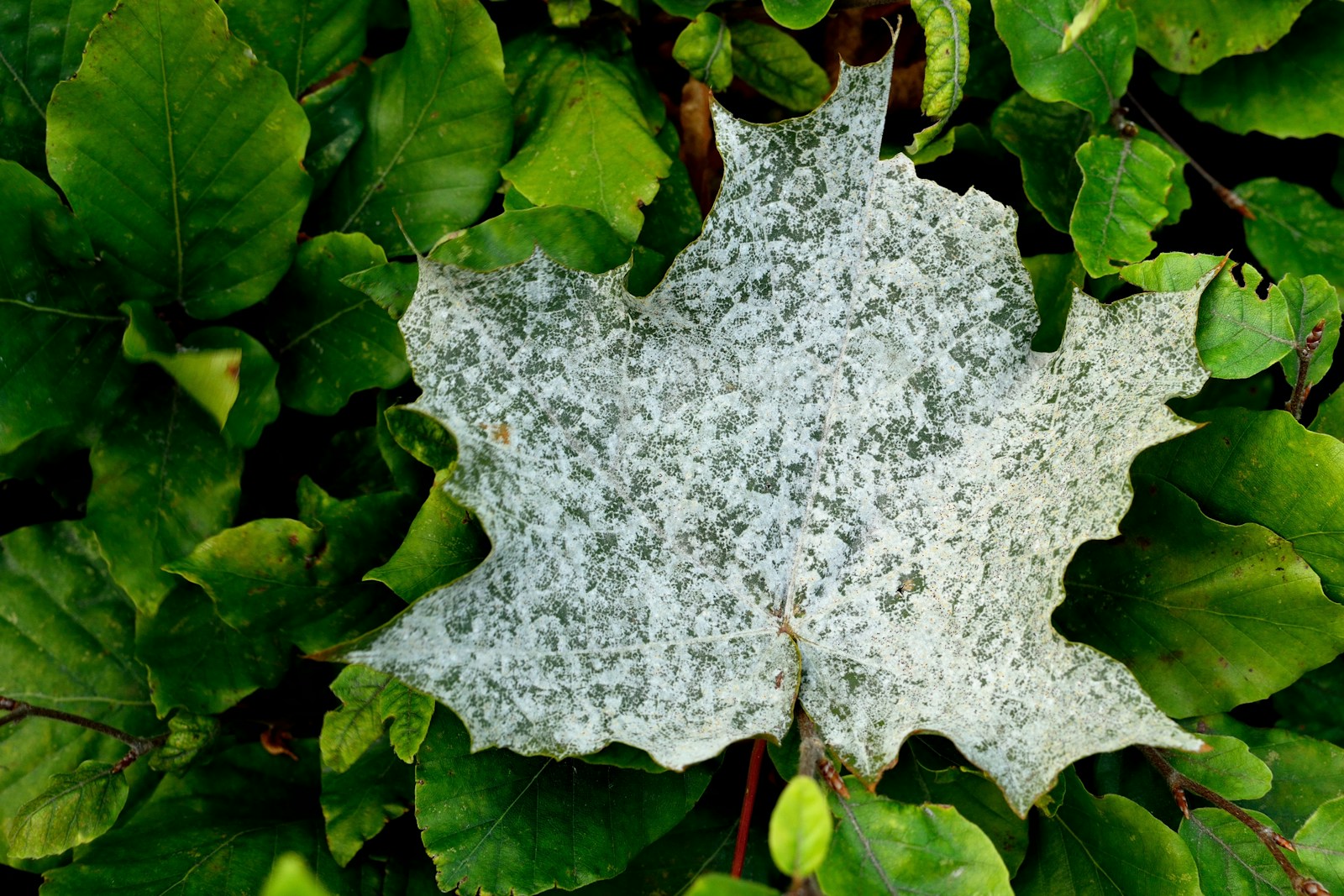
White powdery coating on the leaves
Powdery mildew is a fungal disease that thrives in humid, still air. Thin crowded stems and space plants well apart. Water at the base. Remove the worst leaves and put them in the trash, not the compost.
Leggy plant with bare, woody stems
The plant has not been pruned, or it is simply old. Cut back by a third in spring, above live shoots. If the base is entirely bare, replace the plant with a rooted cutting.
Fine yellow speckling and faint webbing
Spider mites attack in hot, dry weather, mostly on potted plants and those under cover. Knock them off with a firm spray of water on the leaf undersides. Repeat every few days until they are gone.
Blobs of white froth on the stems
Spittlebugs hide inside the foam and suck sap. The damage is minor. Wash them off with a hose.
Varieties worth growing
- 'Berggarten': broad, rounded, silvery leaves on a compact plant. It flowers very little, so it stays leafy.
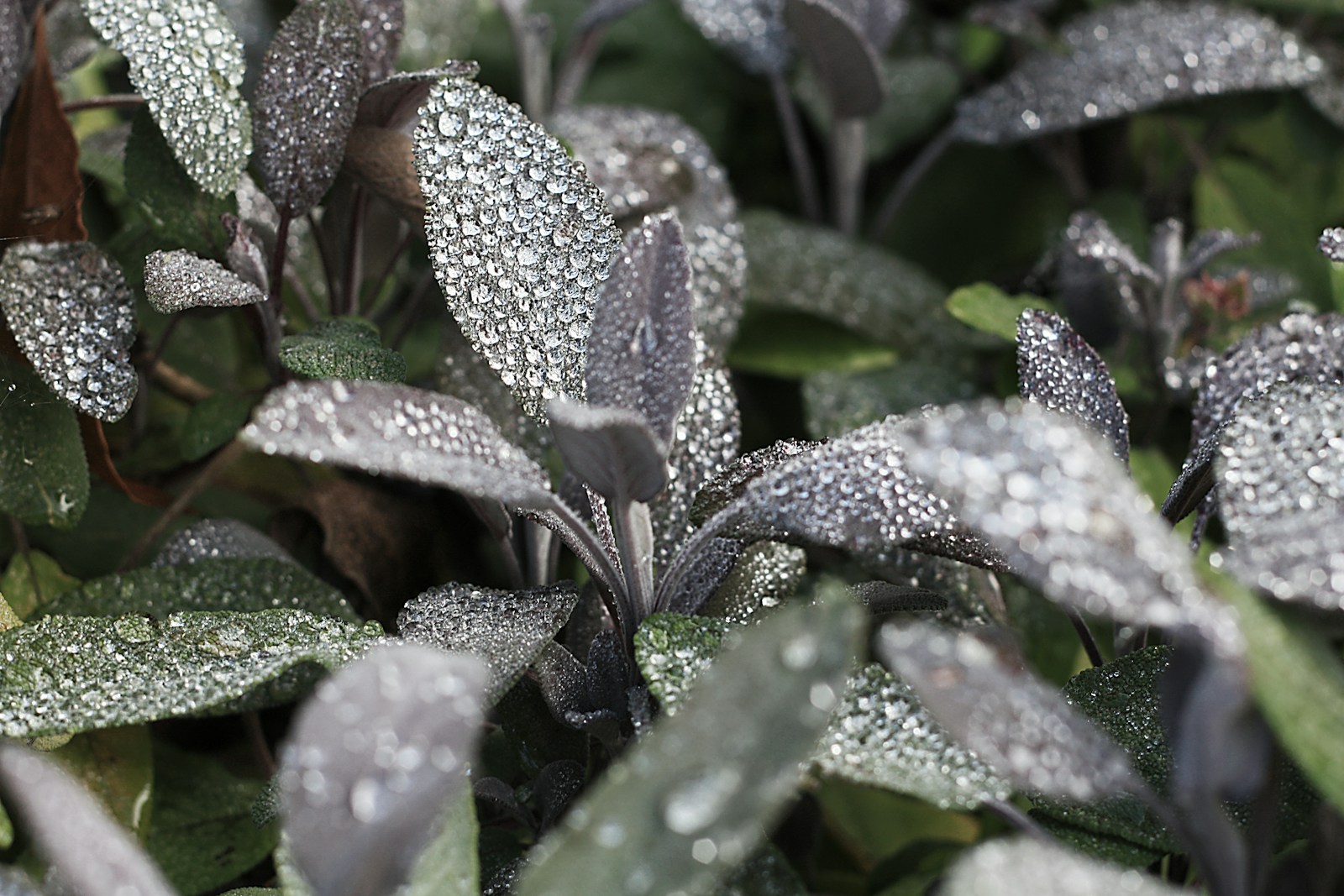
- 'Purpurascens' (purple sage): dusky purple young leaves with the full sage flavor. Slightly less hardy than green sage.
- 'Icterina' (golden sage): green leaves edged in yellow. Milder flavor and good in pots.
- 'Tricolor': leaves splashed green, cream and pink. It is the least hardy of the group, reliable to about zone 6, and makes a smaller plant.
- Common garden sage: the plain species grown from seed. It is the hardiest and the heaviest cropper.