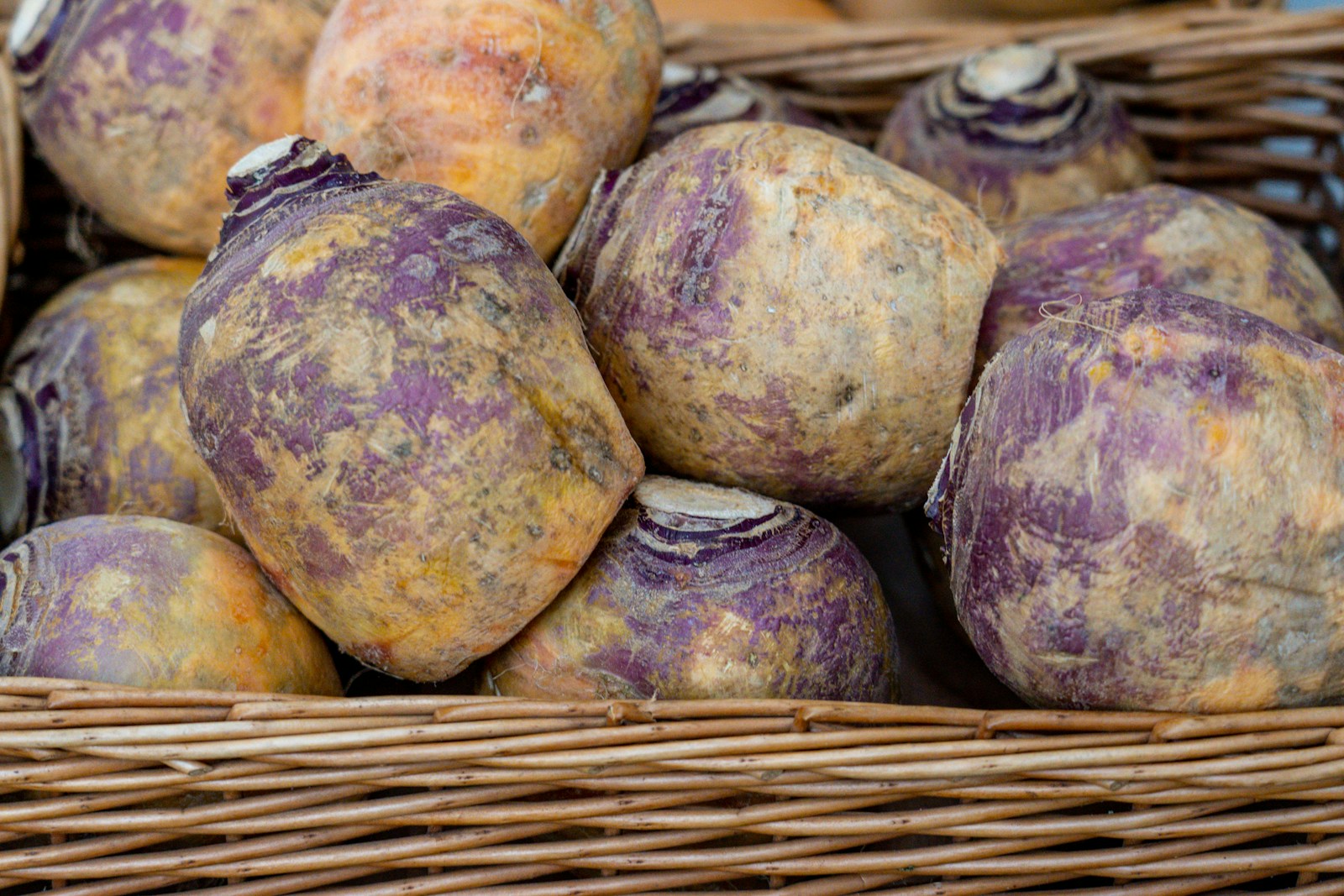
Rutabaga is a large, yellow-fleshed root with a sweet, mild cabbage flavor. It is also called swede. It began as a cross between cabbage and turnip, and it is hardier and slower than a turnip. You grow it for fall and winter eating, and the roots store for months. It is easy in cool climates and harder where summers stay hot.
Sowing and planting
Rutabaga needs a long, cool finish. Roots that swell in cool weather are sweet and tender. Roots that swell in heat turn woody and strong-tasting.
For most gardens, sow directly outdoors in early to midsummer. Count back about 12 to 14 weeks from your first expected fall frost. The plants then grow through late summer and bulk up as nights cool.
In areas with short, cool summers, you can also sow in spring. Sow two to four weeks before your last spring frost, as soon as the soil can be worked. In USDA zones 8 and warmer, sow in late summer or early fall for a winter harvest.
Rutabaga dislikes transplanting because disturbing the taproot causes forked roots. Sow direct where the plants are to grow.
- Loosen the soil 8 to 12 inches (20 to 30 cm) deep and remove stones.
- Work in well-rotted compost, but avoid fresh manure, which causes forking.
- Sow seeds about 1 inch (2.5 cm) apart and 1/2 inch (1 cm) deep.
- Keep the seedbed moist until seedlings appear, usually in 5 to 10 days.
Thin the seedlings when they are 2 to 3 inches (5 to 8 cm) tall. Leave one plant every 6 to 8 inches (15 to 20 cm). Snip unwanted seedlings at soil level rather than pulling them, so you do not disturb the ones you keep.
Succession sowing is rarely needed. One well-timed sowing gives roots that hold in the ground and store well.
Growing on
Water evenly through the season. Dry spells followed by heavy rain make roots split and turn stringy. Aim for about 1 inch (2.5 cm) of water a week, more in hot weather.
Mulch between rows with straw or shredded leaves once the plants are 4 inches (10 cm) tall. Mulch keeps the soil cool and moist and smothers weeds. Weed by hand near the roots, because hoeing close in can nick the shoulders.
Rutabaga needs only modest feeding. Too much nitrogen gives lush tops and small roots. If growth looks pale, side-dress (scatter fertilizer alongside the row) with compost or a balanced organic fertilizer about a month after thinning.
Rutabaga is sensitive to low boron. On sandy or heavily limed soils, a light dressing of seaweed-based feed or a boron-containing trace element mix helps. Use boron products at the label rate only, because too much damages plants. Wear gloves when handling any concentrated fertilizer.
The plants need no staking or pruning. Pull yellowing lower leaves to improve airflow.
For companions, rutabaga grows well near onions, lettuce and herbs. Keep it away from other cabbage-family crops where you can, so pests and clubroot do not build up. Rotate so no brassica grows in the same bed for three to four years.
Rutabagas that swell in summer heat or dry soil turn woody, bitter and hollow. Time your sowing so the roots mature in cool fall weather, and keep watering steady.
Harvesting
Roots are usable once they reach 3 inches (8 cm) across. Most gardeners wait until they are 4 to 6 inches (10 to 15 cm) wide. Larger roots than this often turn coarse.
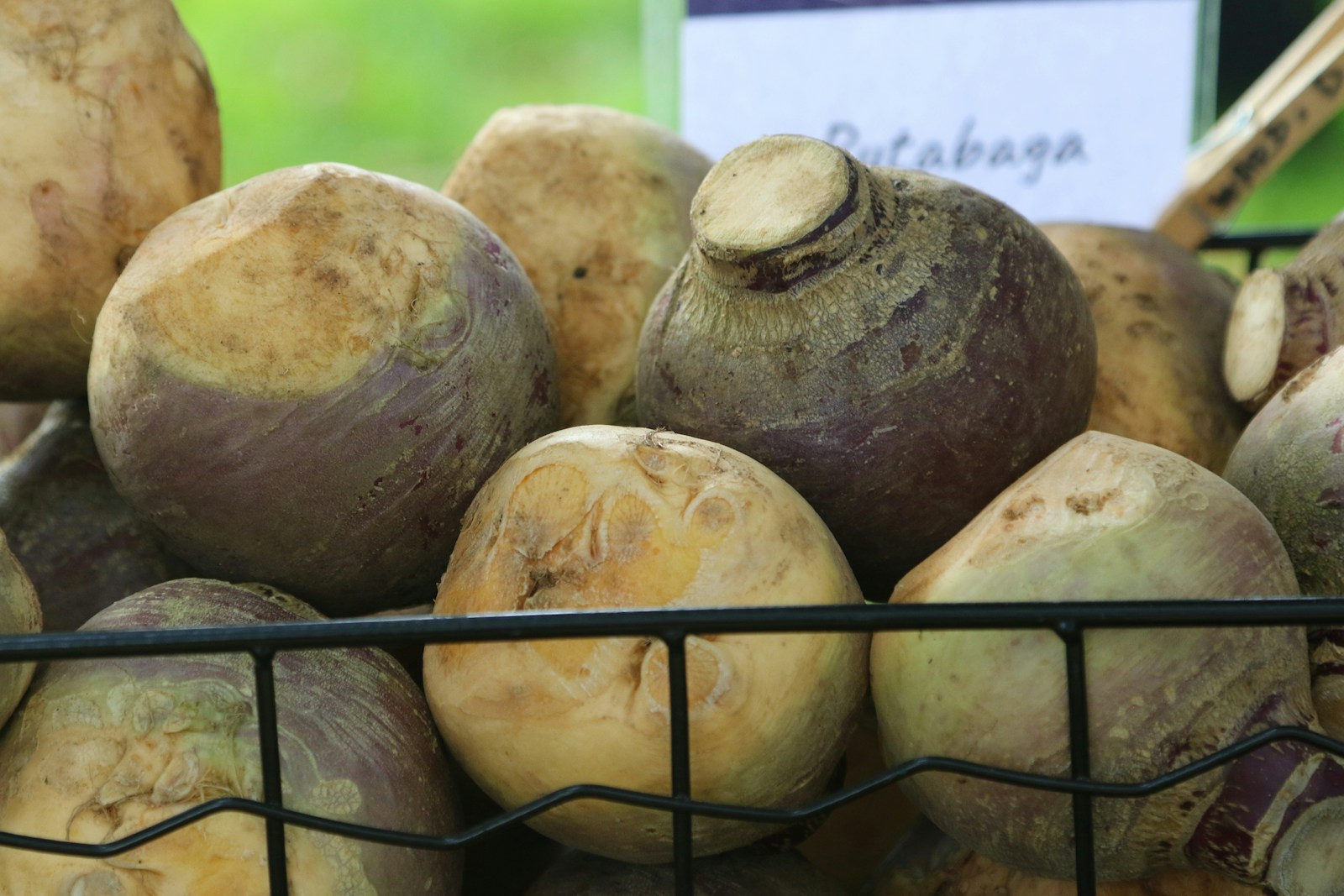
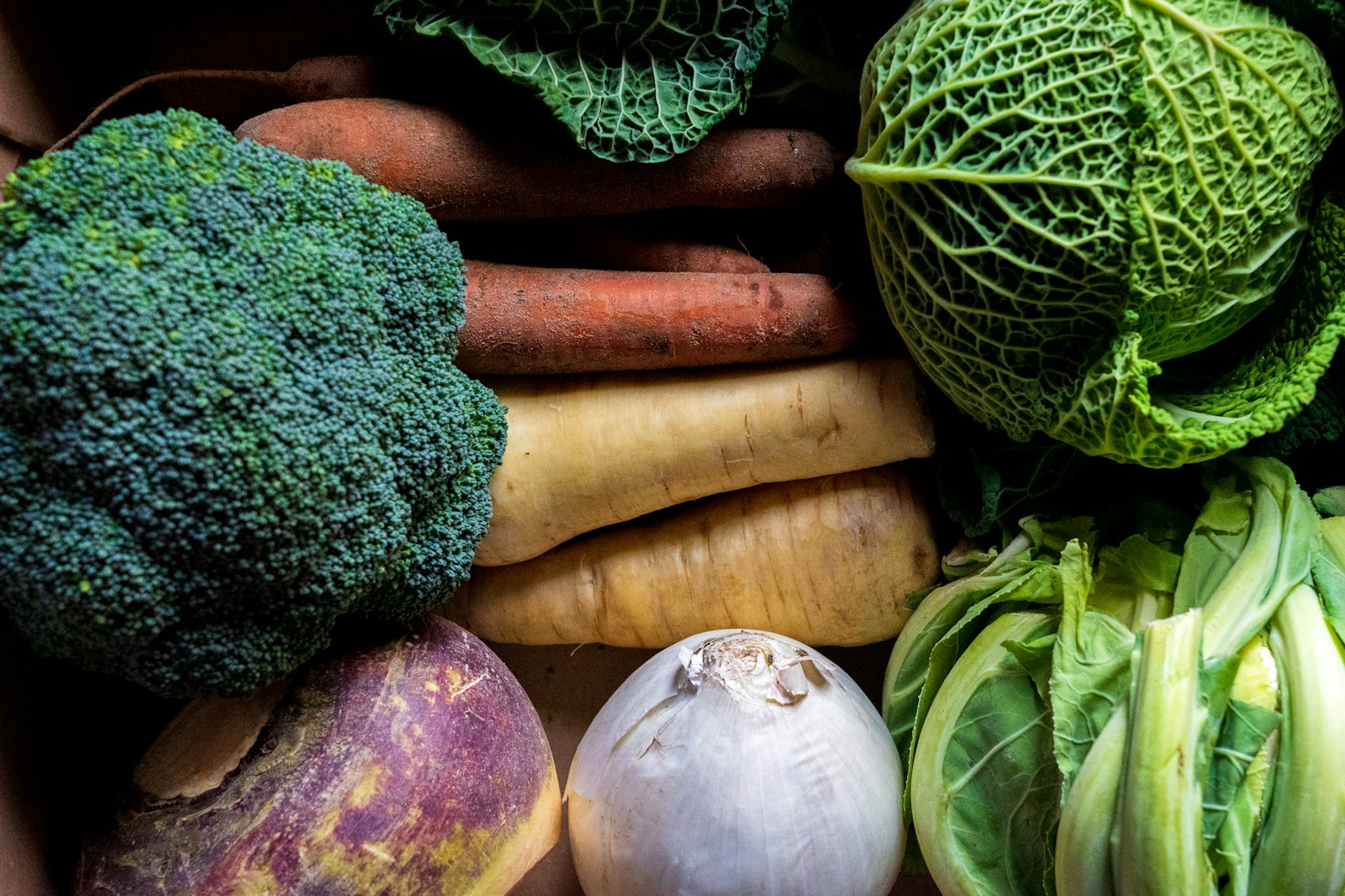
Leave rutabagas in the ground through the first few light frosts. Cold converts some starches to sugars, and the flavor sweetens noticeably. The roots handle hard frosts down to about 20°F (-7°C). In colder areas, lift them before the ground freezes solid. Where winters are mild, you can leave them in the ground under a thick straw mulch and dig as needed.
To harvest, loosen the soil beside the root with a fork and lift it by the leaves. Twist or cut the tops off 1 inch (2.5 cm) above the crown. Trim the long taproot, but do not wash the roots before storing.
For storage, keep roots cold and humid. A root cellar, an unheated garage or a refrigerator crisper at 32 to 40°F (0 to 4°C) works well. Store them in damp sand, sawdust or perforated bags. Kept this way, they usually last two to four months.
The young leaves are also edible. Cook them like turnip greens, taking only a few from each plant.
Saving seed is possible but slow. Rutabaga flowers in its second year, after a cold winter. It also cross-pollinates with other Brassica napus crops such as some kales and canola. Most home gardeners buy fresh seed instead.
Problems and pests
Tunnels and brown streaks in the root
Cabbage root maggots, the larvae of a small fly, feed in the root. Cover rows with lightweight insect netting from sowing day and seal the edges. Rotate beds and remove affected roots at the end of the season.
Leaves peppered with tiny holes
Flea beetles, small jumping black beetles, chew young leaves. They do most harm to seedlings. Use row cover at sowing and keep plants watered, since stressed plants suffer more. Older plants usually outgrow the damage.
Brown or hollow center when cut
This is brown heart, caused by boron deficiency. It is worse in dry, sandy or overlimed soils. Add compost, water evenly and apply a boron trace element at the label rate before sowing next time.
Swollen, distorted roots and wilting plants
Clubroot, a soilborne disease of the cabbage family, is the likely cause. It persists in soil for many years. Raise soil pH toward 7.0 with garden lime, improve drainage and grow clubroot-resistant varieties. Do not compost infected roots.
Chewed leaves and green caterpillars
Imported cabbageworms and cabbage loopers eat the foliage. Handpick them and use insect netting. Bacillus thuringiensis (Bt), an organic caterpillar-specific spray, works on young larvae. Follow the label and wear gloves when mixing.
Varieties worth growing
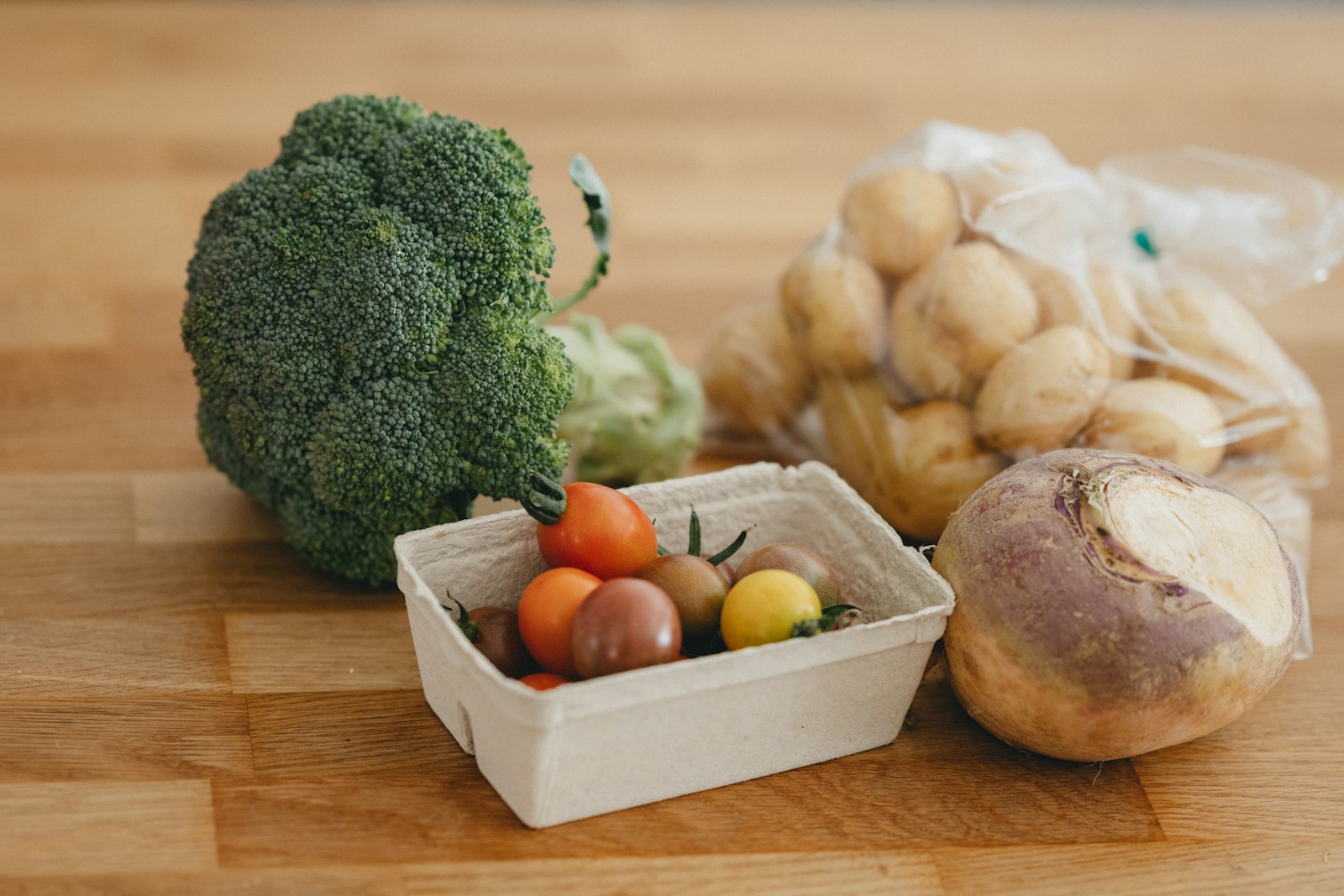
- American Purple Top: the classic heirloom, with purple shoulders and yellow flesh.
- Laurentian: a smooth, uniform purple-top type with sweet yellow flesh and good storage.
- Helenor: an early, round, purple-topped variety with a mild, sweet flavor.
- Joan: an early swede with good cold tolerance and fine-grained yellow flesh.
- Marian: a purple-topped variety valued for its resistance to clubroot and mildew.