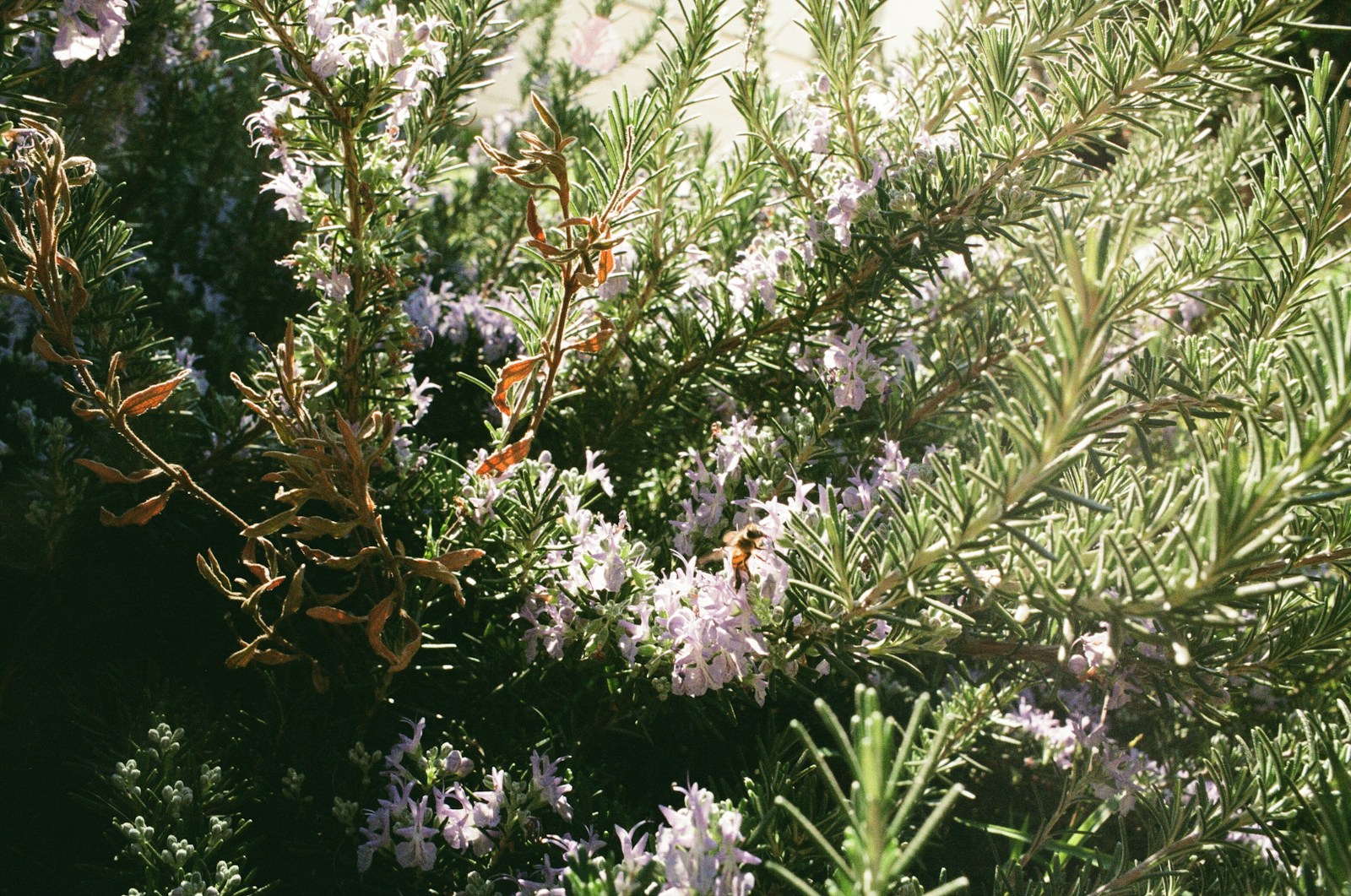
Rosemary is a woody, evergreen shrub with needle-like leaves and a strong, resinous scent. One plant gives you fresh sprigs for roasting, grilling and bread almost every day of the year. Bees love its small blue flowers. It is easy to grow in a sunny, well-drained spot, but tricky in cold, wet winters.
Sowing and planting
Most gardeners start with a young plant or a rooted cutting. Seed is slow and unreliable. Often only a third of seeds sprout, and seedlings vary in flavour and hardiness. If you want to try seed, sow it indoors 10-12 weeks before your last frost. Press it onto the surface of damp seed compost and cover it very lightly. Keep the tray at 65-75°F (18-24°C). Expect sprouts in two to four weeks.
Cuttings are the better route. Take 4-6 inch (10-15 cm) tips from new, non-flowering growth in spring or early summer. Strip the lower leaves and push the stems into a gritty mix of half compost, half sand or perlite. Keep them bright but out of hot sun, and mist them lightly. Roots usually form in four to eight weeks.
Plant outdoors two to four weeks after your last frost, once the soil has warmed. Choose the sunniest, most sheltered spot you have. A south-facing wall, a raised bed or a slope suits rosemary well. In heavy clay, dig in plenty of grit or build a mound so water drains away from the crown (the point where stem meets roots). Set the plant at the same depth it grew in its pot and water it in well.
In zones colder than 7, grow rosemary in a pot. Use a terracotta pot at least 12 inches (30 cm) across with a drainage hole. Fill it with a gritty, free-draining mix. Bring it indoors before your first autumn frost.
Growing on
Water young plants once or twice a week for their first season, until they root in. After that, rosemary needs water only in long dry spells. In pots, water when the top inch (2.5 cm) of mix is dry. Never leave a pot standing in a saucer of water.
Rosemary needs very little feeding. Rich soil and heavy feeding give soft, floppy growth with weaker flavour. A light dressing of compost in spring is plenty in the ground. Potted plants benefit from a half-strength balanced liquid feed once a month in summer.
Mulch with gravel rather than bark or compost. Gravel keeps the crown dry and reflects warmth back onto the plant.
Prune lightly after the main flush of flowers. Trim back up to a third of the soft green growth to keep the plant bushy. Avoid cutting into old, bare wood. It rarely sprouts again. Stop pruning in late summer so new shoots can toughen up before cold weather. Use clean, sharp secateurs and wear gloves if the stems scratch your hands.
Indoors in winter, keep potted rosemary in the brightest, coolest window you have. A cool room at 45-60°F (7-16°C) suits it far better than a warm, dry living room. Water sparingly, but do not let the rootball dry out completely. Move it back outside after your last frost, easing it into full sun over a week or two.
Rosemary makes a good companion for other sun-loving Mediterranean herbs such as thyme, sage and lavender. They all like the same dry, lean soil.
Wet roots kill more rosemary than cold does. In heavy, soggy soil a plant can rot over winter even in a mild zone. Plant in sharp drainage, mulch with gravel, and never overwater.
Harvesting
You can snip sprigs as soon as a young plant is growing strongly. Never take more than a third of the plant at once. Cut the top 2-4 inches (5-10 cm) of a stem, just above a pair of leaves. New shoots then branch from below the cut. Flavour is strongest just before the plant flowers and in the morning, once any dew has dried.
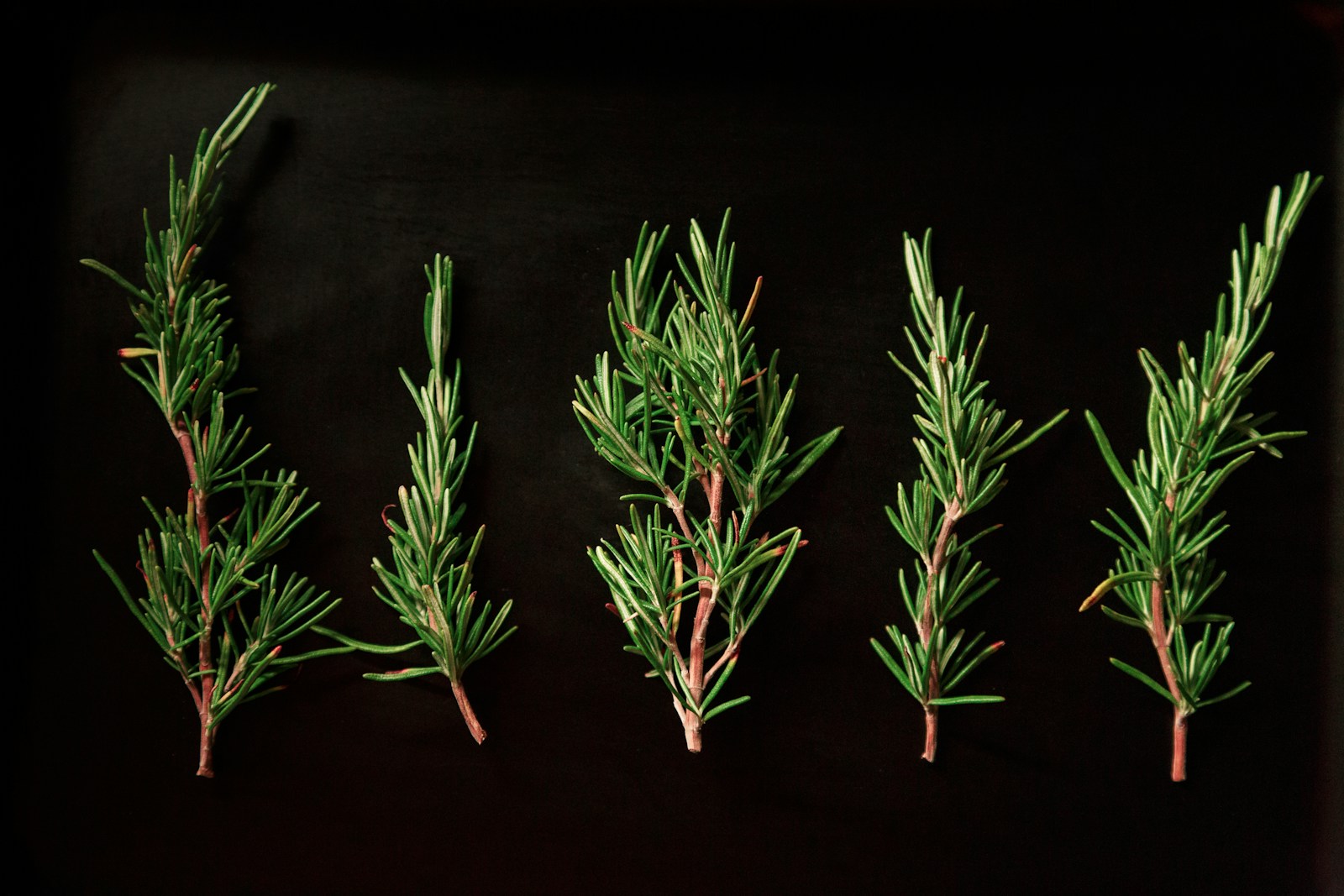
Fresh sprigs keep for a week or so in the fridge, wrapped in a damp paper towel inside a bag. To dry rosemary, tie small bundles and hang them upside down in a warm, airy, shaded place. They are ready in one to two weeks, when the leaves snap. Strip the leaves and store them in an airtight jar away from light. To freeze, pack whole sprigs or chopped leaves into bags. You can also freeze chopped leaves in olive oil in an ice-cube tray.
The flowers are edible too. Scatter them over salads or use them to garnish dishes.
Saving seed is rarely worthwhile. Rosemary seedlings do not come true to their parent. Take cuttings instead to keep a favourite plant going.
Problems and pests
Leaves turn brown or black from the base up
This is root rot, caused by wet, poorly drained soil or overwatering. Lift a potted plant and check the roots. Healthy roots are pale and firm; rotten ones are dark and mushy. Repot into a gritty mix and water less. In the ground, move a plant that survives to a raised, better-drained spot.
White powder on the leaves
Powdery mildew is a fungus that thrives in still, humid air, especially indoors. Space plants for good airflow and water the soil, not the leaves. Remove badly affected stems. Indoors, a small fan and a brighter spot help.
Tiny speckles and fine webbing on the stems
Spider mites are tiny sap-sucking pests. They build up on indoor plants in hot, dry air. Rinse the plant with a firm spray of water every few days. If they persist, spray with insecticidal soap. Follow the label, test on a small area first, and spray in the evening, away from bees.
Frothy blobs on the stems
These are spittlebugs (also called froghoppers). The small insects hide inside the froth and suck sap. They do little real harm. Wipe the froth off by hand or wash it away with a jet of water.
The whole plant dies back after a hard winter
Cold, drying wind and frozen soil can kill rosemary outside its zone. Plant a hardier variety, give it a sheltered wall, or grow it in a pot you can bring indoors.
Varieties worth growing
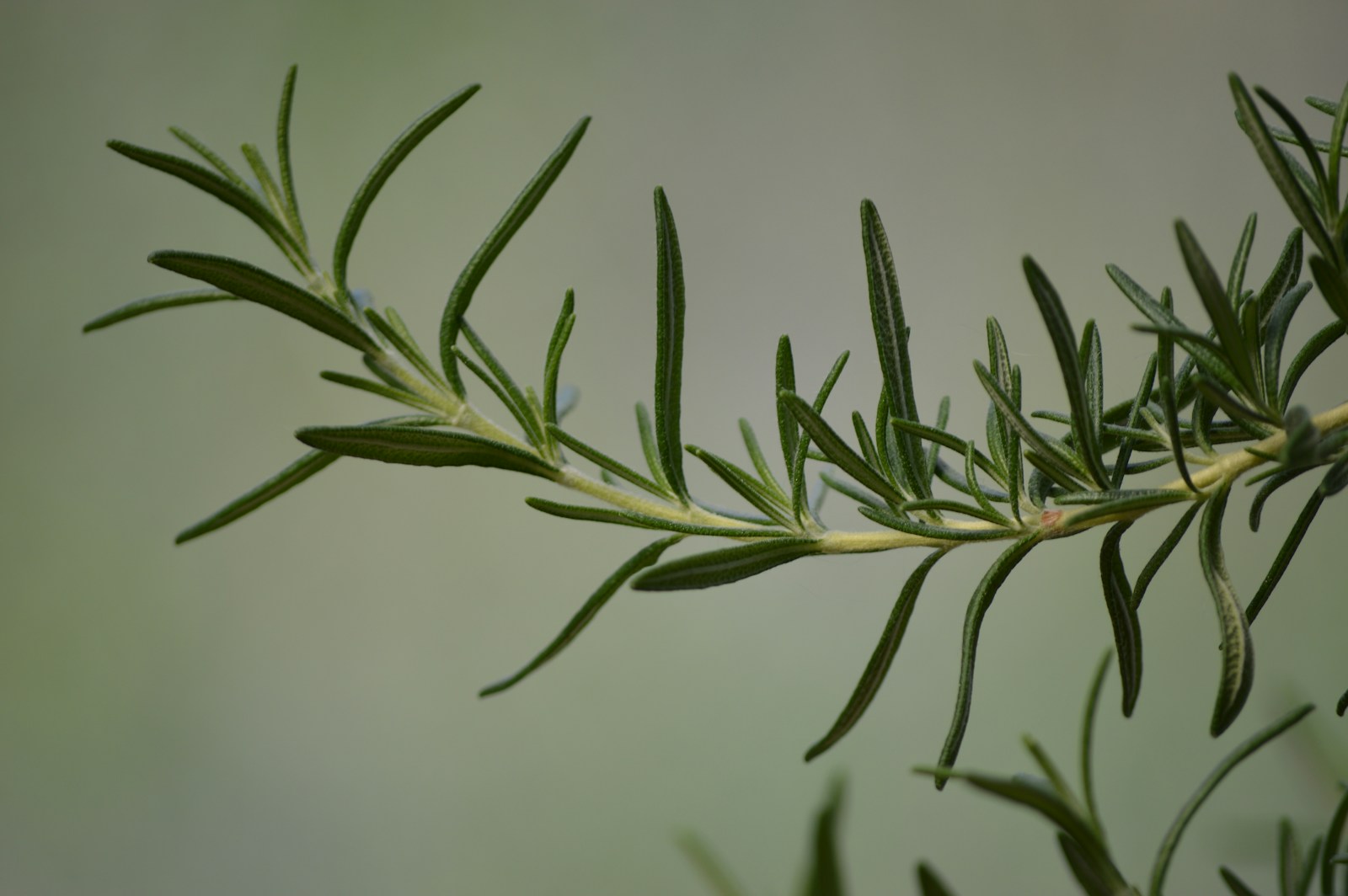
- 'Arp': one of the hardiest upright rosemaries, with greyish leaves and pale blue flowers.
- 'Madeline Hill' (also sold as 'Hill Hardy'): a very cold-tolerant upright type with good flavour.
- 'Tuscan Blue': vigorous and upright with broad leaves and deep blue flowers; a favourite for cooking.
- 'Miss Jessopp's Upright': tall and narrow, good for a low hedge or a sunny border.
- Prostrate rosemary (Prostratus Group): low and trailing, ideal for walls, banks and hanging over pots; usually less hardy.