
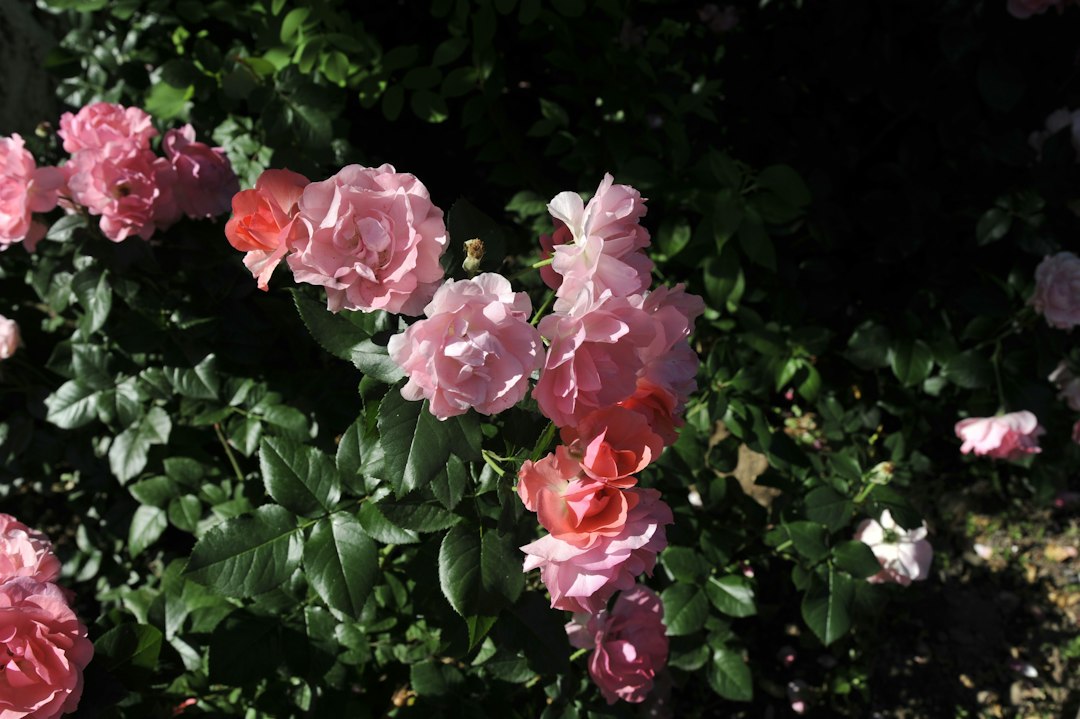
The rose (Rosa spp.) is the classic flowering shrub, grown for blooms that range from single, five-petaled cups to tightly layered rosettes, usually with a scent to match. It belongs to the rose family, Rosaceae, which also includes apples, strawberries, and cherries. Roses carry a long-standing reputation for being fussy, prone to black spot, and demanding regular spraying, and for many older hybrid teas that reputation is fair. But modern landscape roses, including many Knock Out and other disease-resistant series, are genuinely low-maintenance shrubs that flower for months with little more than sun, water, and an occasional trim. Difficulty ranges from easy, for landscape types, to moderate-to-demanding, for show-quality hybrid teas, so match the class to the effort you want to put in.
Sowing and planting
Roses aren't started from seed in the garden. Named varieties don't come true from seed, and seedlings take years to reach flowering size, so buy a bare-root or potted shrub from a nursery instead. Bare-root roses arrive dormant with no leaves and need planting while still dormant; potted roses can go in any time the ground is workable.
Choose a site in full sun, with at least six hours of direct light, and good air circulation. Air movement matters more for roses than for most shrubs, since stagnant, humid air around the foliage is exactly what lets fungal diseases like black spot take hold. Avoid tight corners against walls or fences where air can't move, and give each plant its full 36 inches (90 cm) of space rather than crowding it against hedging or other shrubs.
Dig a hole as deep as the root ball and wide enough to spread the roots without bending them. For bare-root roses, soak the roots in water for a few hours before planting, then set the plant so the graft union (the swollen knob where the top growth was budded onto the rootstock) sits an inch or two below soil level in cold areas such as zone 6b, or close to soil level in milder climates. Backfill, water in thoroughly, and mound loose soil or mulch over the canes for the first few weeks to protect new growth while roots establish.
Growing on
Water at the base of the plant rather than overhead. Wetting the foliage, especially in the evening, leaves leaves damp overnight and encourages the same fungal diseases that poor air circulation invites. A soaker hose or drip line aimed at the root zone is the most reliable setup. Roses want consistent moisture through the growing season, tapering off as the plant heads into dormancy.
Feed in spring as new growth starts, using a fertilizer formulated for roses or a balanced general-purpose feed, then again lightly after the first flush of bloom on repeat-flowering types. Stop feeding by late summer so new growth has time to harden off (toughen up to withstand cold) before winter.
Pruning varies more by rose class than almost any other part of growing them, so treat this as a general starting point rather than a rule for every type. Most modern shrub and landscape roses need only a late-winter or early-spring cutback: remove dead, damaged, or crossing canes, then shorten the rest by roughly a third to encourage bushy new growth. Climbing roses are pruned more selectively, with main canes trained horizontally and side shoots trimmed back. Once-blooming old garden roses are usually pruned right after their single spring flush rather than in late winter, since next year's flowers form on this year's growth. When in doubt about a specific variety, light, regular tidying, removing dead wood and crossing branches, rarely goes wrong.
Harvesting
Cut blooms for indoor arrangements in the cool of early morning, using sharp, clean pruners. Cut at an angle just above a set of five leaflets pointing outward, which encourages the next shoot to grow outward rather than into the center of the bush. Strip any leaves that would sit below the waterline, and change the vase water every couple of days to keep stems fresh for roughly a week.

Deadheading, removing spent blooms before they form seed hips, pushes repeat-blooming roses to produce another flush instead of putting energy into seed production. Cut back to the first outward-facing five-leaflet set below the faded flower, the same way you would for a cut stem. Once-blooming types won't repeat flower regardless, though removing spent blooms still tidies the plant.
Problems and pests
Leaves develop small black or purple spots, then turn yellow and drop
Black spot is a fungal disease that spreads fastest in warm, humid weather, especially when foliage stays wet overnight. Improve air circulation, water at the base instead of overhead, and remove fallen infected leaves rather than composting them. Disease-resistant varieties largely sidestep the problem.
Leaves and buds are coated in a white, powdery film
Powdery mildew favors humid days with dry nights and poor air movement. Thin out crowded growth to improve airflow, avoid heavy nitrogen feeding that pushes soft, susceptible growth, and remove badly affected shoots.
Metallic green-and-bronze beetles skeletonize the leaves and chew holes in the flowers
Japanese beetles feed in groups and are most active on warm summer afternoons. Hand-pick them into a bucket of soapy water in the morning while they're sluggish; traps placed well away from the roses can help but sometimes draw in more beetles than they catch.
Clusters of small, soft-bodied insects crowd the new growth and buds
Aphids gather on tender new shoots and buds, sucking sap and sometimes distorting growth. A strong jet of water knocks most of them off, and insecticidal soap handles the rest; ladybugs and other predators help keep numbers down over time.
Varieties worth growing
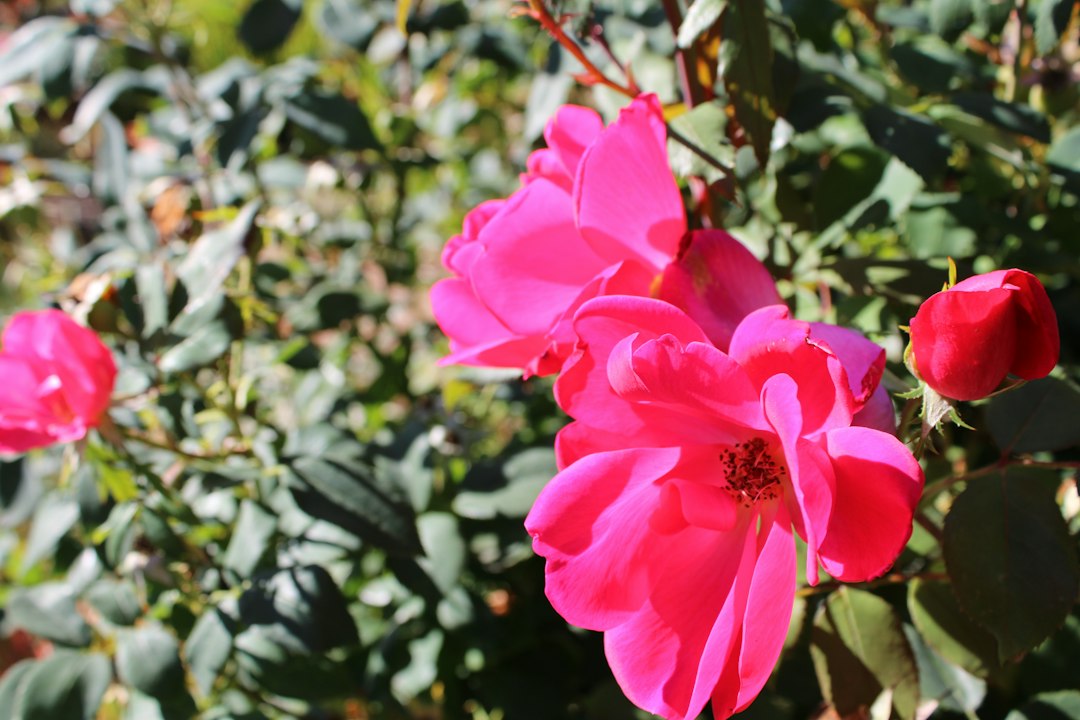
- Knock Out – a disease-resistant landscape rose series bred for continuous bloom with minimal spraying or deadheading; a good starting point for a low-maintenance planting.
- Peace – a classic hybrid tea with large yellow blooms blushed pink at the petal edges, one of the most famous roses ever introduced.
- New Dawn – a vigorous, repeat-blooming climbing rose with pale pink, fragrant flowers, reliable on fences and trellises.
- Queen Elizabeth – a tall, sturdy grandiflora with clear pink blooms and better-than-average disease resistance for an older variety.
- Iceberg – a floribunda prized for its near-constant white blooms and relatively trouble-free nature.