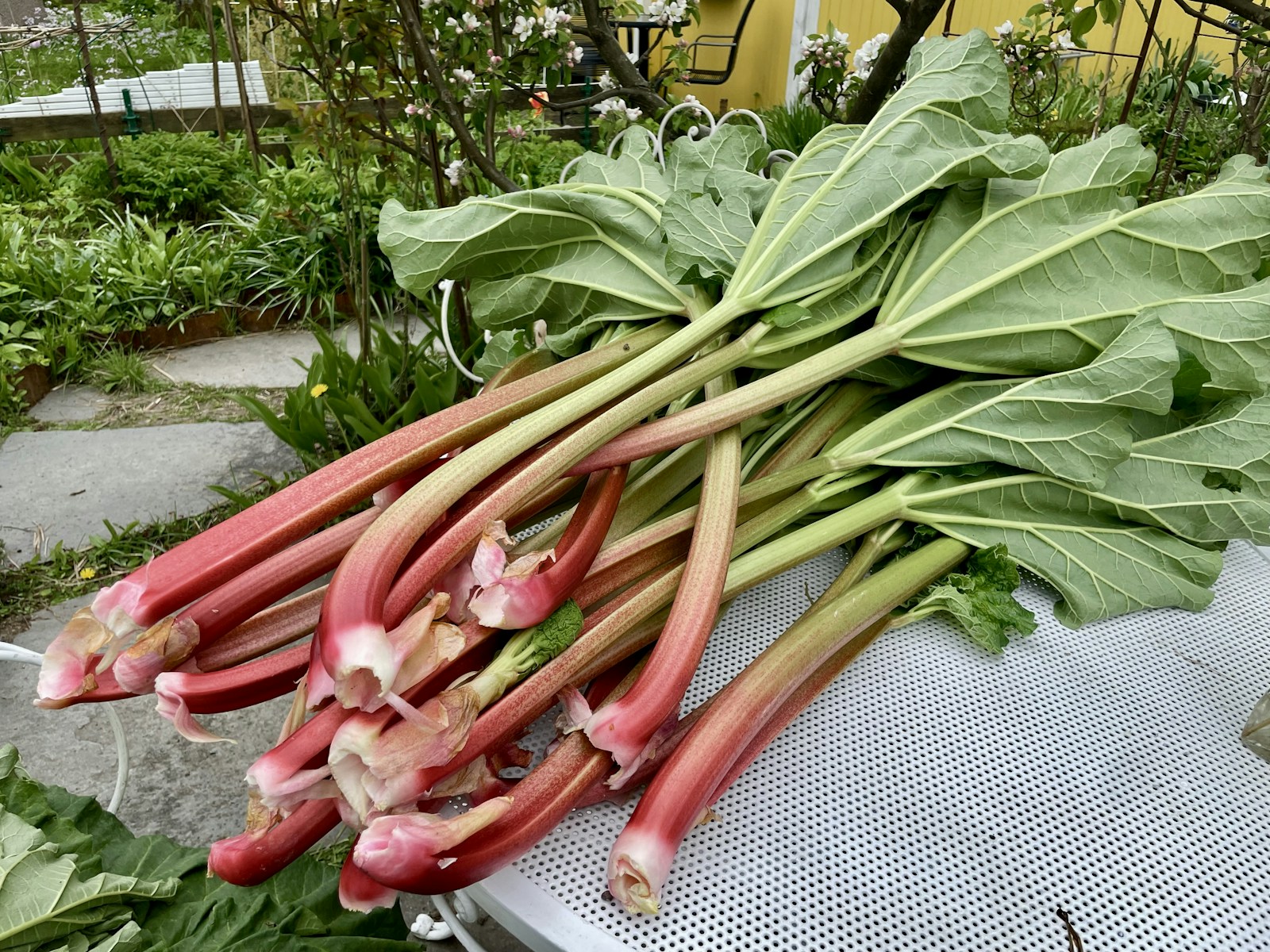
Rhubarb is a hardy perennial grown for its thick, tart leaf stalks. It is one of the first crops of spring, ready long before most fruit. A single well-placed crown can crop for 10 to 15 years with little work. It needs a cold winter and a rich, sunny spot. Difficulty: easy.
Sowing and planting
Most gardeners start rhubarb from crowns (a piece of root with one or more buds). Crowns come true to the named variety. Seed-raised plants vary a lot and take a year longer to crop, so seed is rarely worth it.
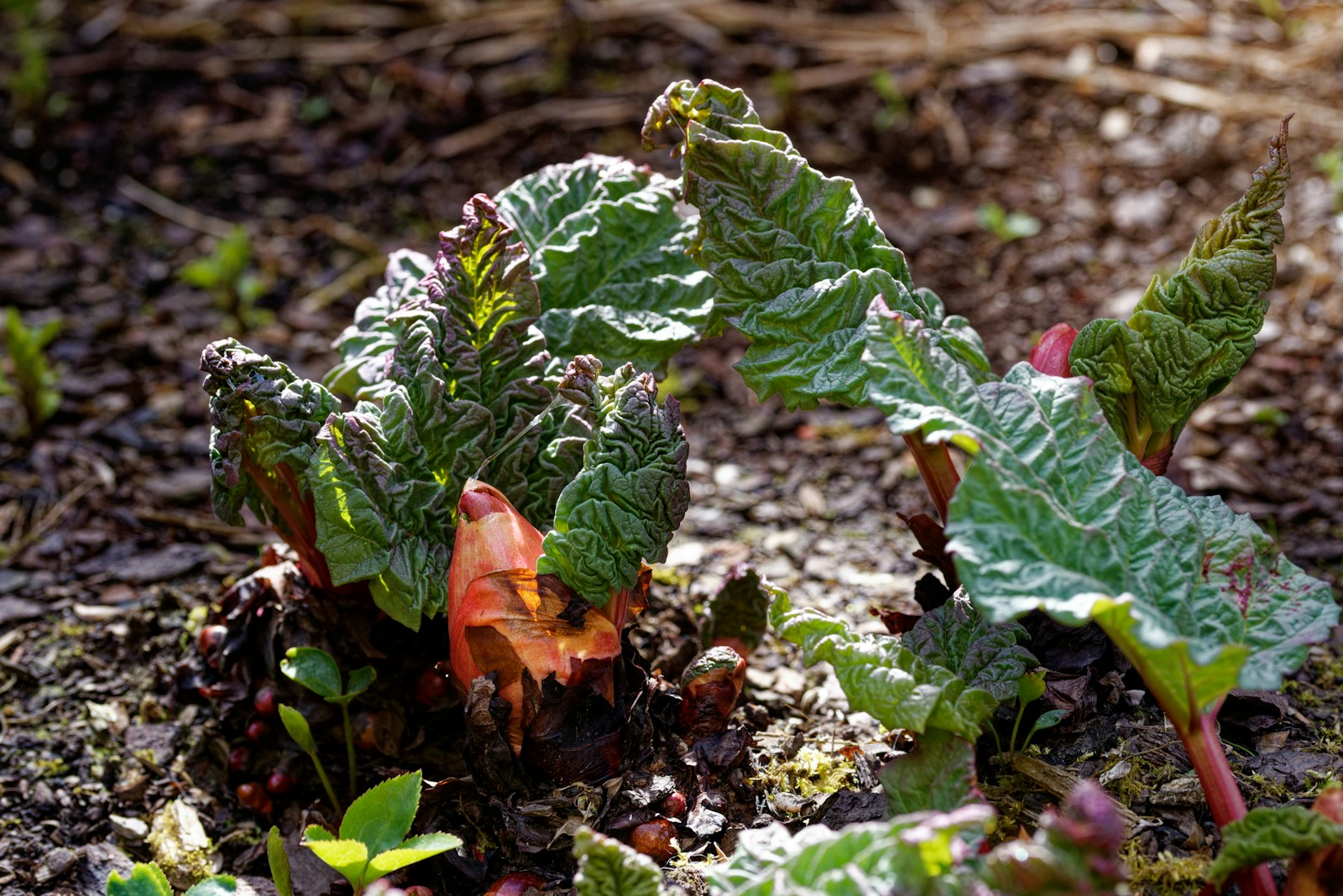
Plant dormant crowns in early spring, as soon as the ground can be worked. In mild zones, planting in autumn also works well. Potted plants can go in at any time the soil is not frozen or baking hot.
Choose the site carefully, because rhubarb stays put for years. Pick an open, sunny spot away from tree roots, with soil that never sits wet in winter. Waterlogged soil is the main cause of crown rot. On heavy clay, plant in a raised bed or on a low mound.
Rhubarb is a hungry plant. Dig a hole about 2 feet (60 cm) wide and deep. Work in two or three spadefuls of well-rotted manure or compost. Set the crown so the buds sit 1 to 2 inches (2.5 to 5 cm) below the surface. Firm the soil and water well.
Allow 3 to 4 feet (90 to 120 cm) between plants. Mature clumps have huge leaves and need the room. One or two plants usually give enough stalks for a household.
In zones 9 and warmer, winters are too mild for rhubarb to rest. It is usually weak there and may be grown as a short-lived plant or not at all.
Growing on
Water young plants regularly in their first summer. Established plants have deep roots but still need a good soaking every week or so in dry weather. Drought makes stalks thin and stringy.
Feed every year. Spread a 2 to 3 inch (5 to 8 cm) mulch of well-rotted manure or compost around the plant in late autumn or early spring. Keep it off the crown itself, which can rot under a heavy covering. A balanced general fertiliser in early spring also helps, applied as the label directs.
Cut out flower stalks as soon as they appear. They look like tall, round buds rising from the centre. Flowering uses energy the plant would otherwise put into leaves and stalks. Cold snaps, drought and older plants all make flowering more likely.
Clear away dead leaves in autumn once the plant dies back. This removes hiding places for slugs and disease.
Divide clumps every five to ten years, when stalks become thin and crowded. Lift the plant while dormant in early spring. Cut the crown into pieces with a sharp spade, each with at least one strong bud and a good piece of root. Replant the best pieces in freshly enriched soil. Wear gloves and take care with the spade edge near your feet.
To force rhubarb (grow it in darkness for early, pale, tender stalks), cover a crown with a large bucket or forcing pot in late winter. Pack straw around it for warmth. Pale pink stalks are ready a few weeks early. Force a plant only every other year, and let it recover without picking the following season.
No support or pinching is needed. Rhubarb has few companion needs, but it pairs well with other perennial crops such as asparagus at the edge of a vegetable garden.
Harvesting
Leave new plants unpicked in their first year so the roots can build up. In the second spring, take just a few stalks over two or three weeks. From the third year, pick freely for about eight to ten weeks from the start of the season.
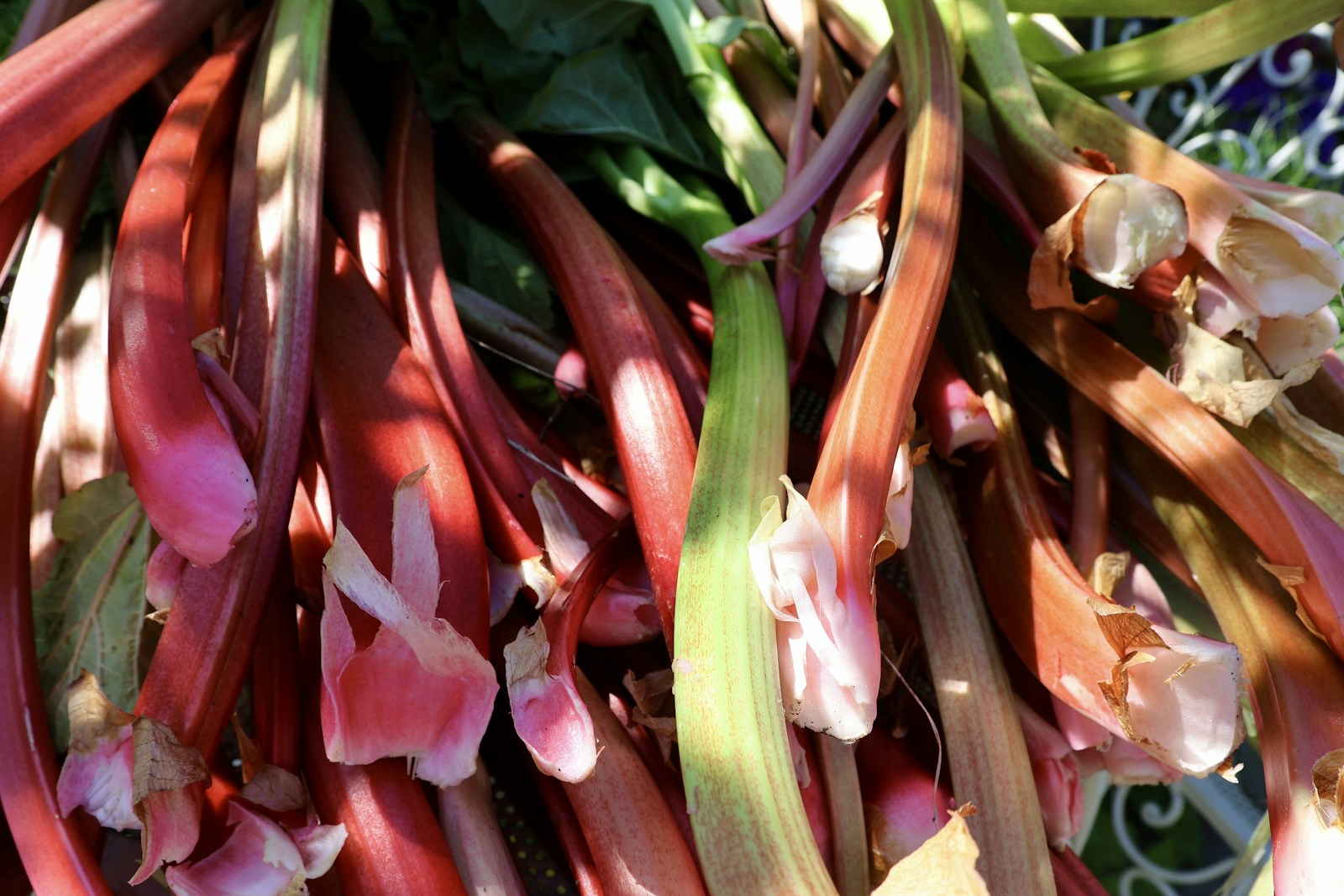
Stalks are ready when they are 10 to 18 inches (25 to 45 cm) long and the leaves have opened fully. Colour depends on the variety. Green stalks are just as ripe as red ones.
Pull, do not cut. Hold the stalk near the base, twist it slightly and pull it away from the crown. Cutting leaves a stub that can rot. Never take more than a third to half of the stalks at one time. Always leave several strong leaves to feed the plant.
Stop picking by early summer, or when new stalks come up thin. The plant needs the rest of the growing season to rebuild its crown for next year.
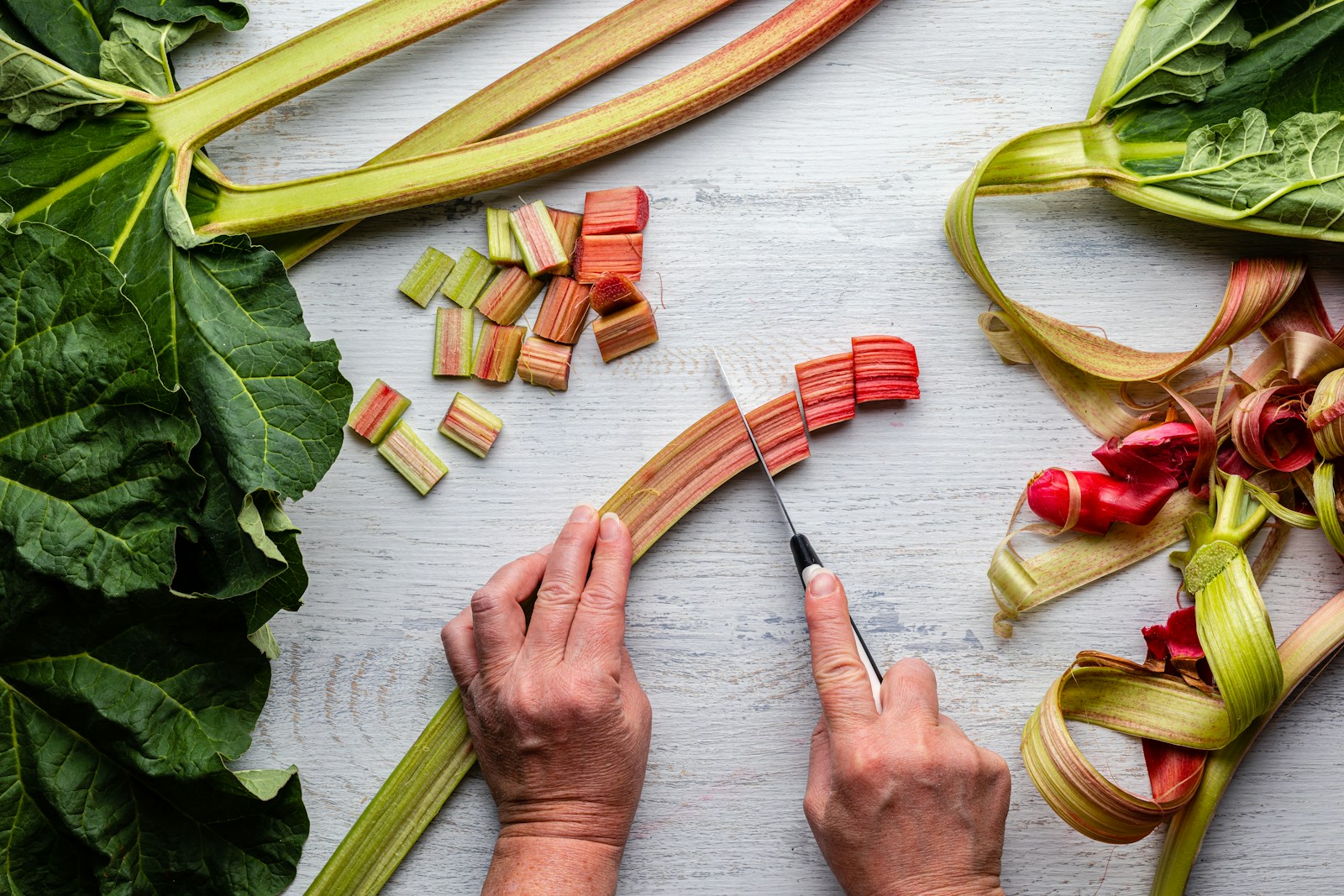
Trim the leaf blade off straight away and put it on the compost heap. Store stalks wrapped in the refrigerator for one to two weeks. For longer storage, cut them into 1 inch (2.5 cm) pieces and freeze them on a tray, then bag them. They keep for up to a year frozen.
Rhubarb leaves are poisonous. The leaf blades contain high levels of oxalic acid and are toxic to people, children and pets if eaten. Eat only the stalks. Remove every leaf before bringing stalks into the kitchen, and keep children and animals away from discarded leaves.
Problems and pests
Crown turns soft and brown, and leaves collapse
This is crown rot, caused by fungi and bacteria in wet, poorly drained soil. Dig out and destroy badly affected plants. Replant healthy pieces on a new, better-drained site or in a raised bed.
Tall flower stalks keep appearing
Stress from cold, drought or age triggers flowering. Remove flower stalks at the base as soon as you see them. Water in dry spells, and divide old clumps.
Stalks are thin and spindly
The plant is hungry, overcrowded, or has been picked too hard. Feed and mulch generously, divide old clumps, and pick less for a season.
Holes in leaves and nibbled young stalks
Slugs and snails feed on emerging shoots in damp weather. Hand-pick them at night, and clear old leaves and debris around the crown.
Round brown spots on the leaves
Leaf spot fungi cause this, especially in wet summers. It rarely harms the crop. Remove badly spotted leaves, space plants well for airflow, and clear all dead foliage in autumn.
Varieties worth growing
- Victoria: A reliable old variety with thick green stalks flushed red, and heavy crops.
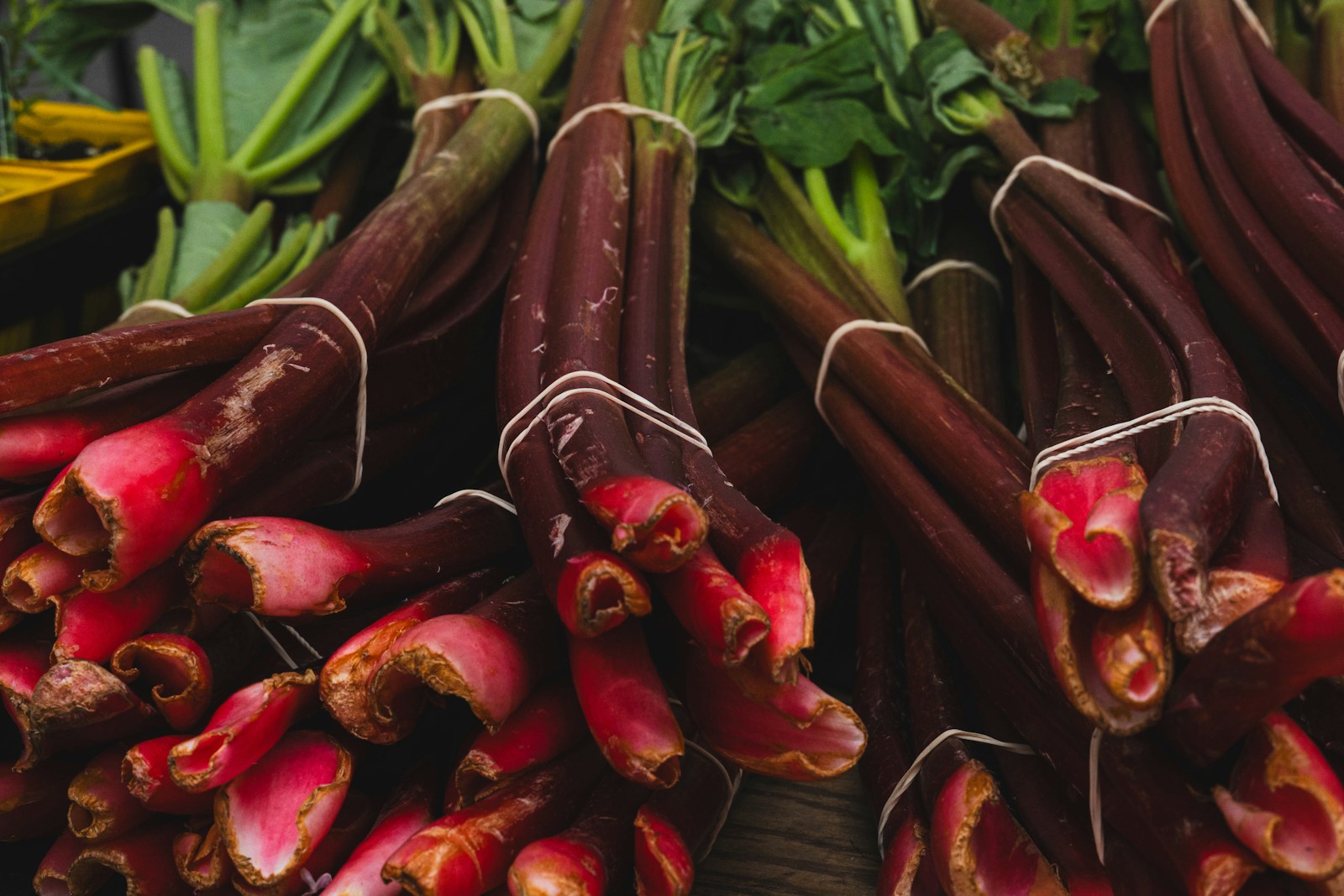
- Canada Red: Deep red stalks that are relatively sweet and tender.
- Valentine: Rich red stalks that keep their colour when cooked.
- Timperley Early: One of the earliest to crop, and a good choice for forcing.
- Glaskins Perpetual: Stays tender over a longer season and can be picked lightly in its first year.