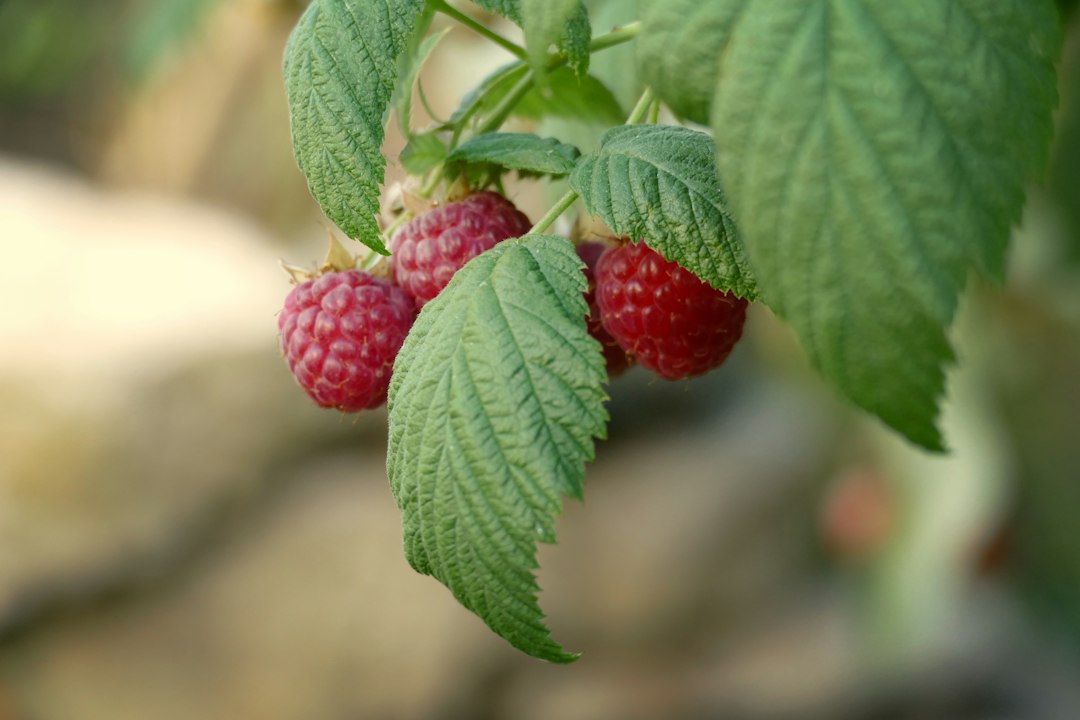
Raspberries (Rubus idaeus) are a perennial cane fruit in the rose family, grown for soft, hollow-centered berries that pull cleanly away from the plant when ripe. Once established, a raspberry patch keeps producing for many years from a single planting, and the canes spread readily, so a few plants can fill a bed within a few seasons. Raspberries are usually easy to grow, though getting the supports and the pruning right takes a little practice.
Sowing and planting
Raspberries grow from canes, not seed, so you plant either bare-root canes (dormant canes sold with bare, soil-free roots) or potted canes that are already growing. Plant bare-root canes while they're still dormant, from late winter into very early spring, as soon as the ground can be worked. Potted canes are more forgiving and can go in any time from spring through early fall, as long as you water them in well and avoid planting during the height of summer heat.
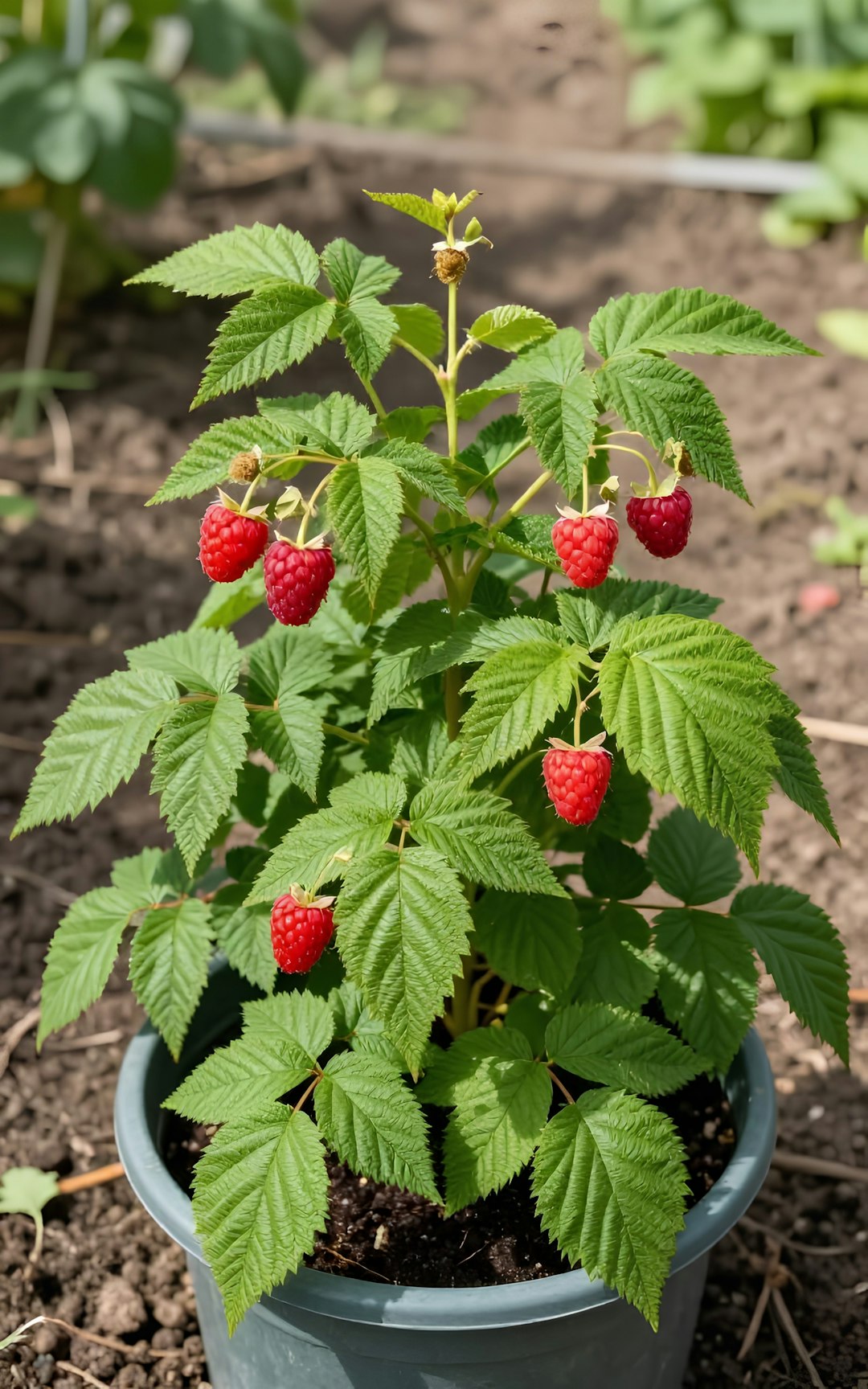
Choose a site in full sun with well-drained soil, and work some compost into the bed before planting. Space canes about 24 inches (60 cm) apart within the row, with rows spaced several feet apart so you have room to pick and move around. Bury bare-root canes to the same depth they grew at the nursery, usually visible as a soil line on the stem; set potted canes at the same depth as their pot.
Raspberry canes benefit from support, since a cane loaded with fruit bends and flops without one. A simple post-and-wire trellis works well: set a post at each end of the row with two or three horizontal wires strung between them, and tie canes to the wires as they grow.
Before you plant, decide which type you're growing, because it changes how and when you prune. Summer-bearing (floricane) raspberries fruit on canes that grew the previous year; these second-year canes are called floricanes. Fall-bearing (primocane) raspberries fruit on the current season's new canes, called primocanes, which means they can produce a crop in their first year after planting. Summer-bearing types typically need until their second year to fruit. If you garden in zone 6b or a similarly cold climate, fall-bearing types are a dependable way to get a crop sooner, since their fruiting canes don't have to survive a full winter first.
Growing on
Keep raspberries evenly moist, especially while the berries are swelling, since inconsistent watering leads to small or crumbly fruit. A mulch layer of 2-3 inches (5-7.5 cm) around the base helps hold moisture and suppresses weeds, which matters because raspberry roots are shallow and compete poorly with weeds.
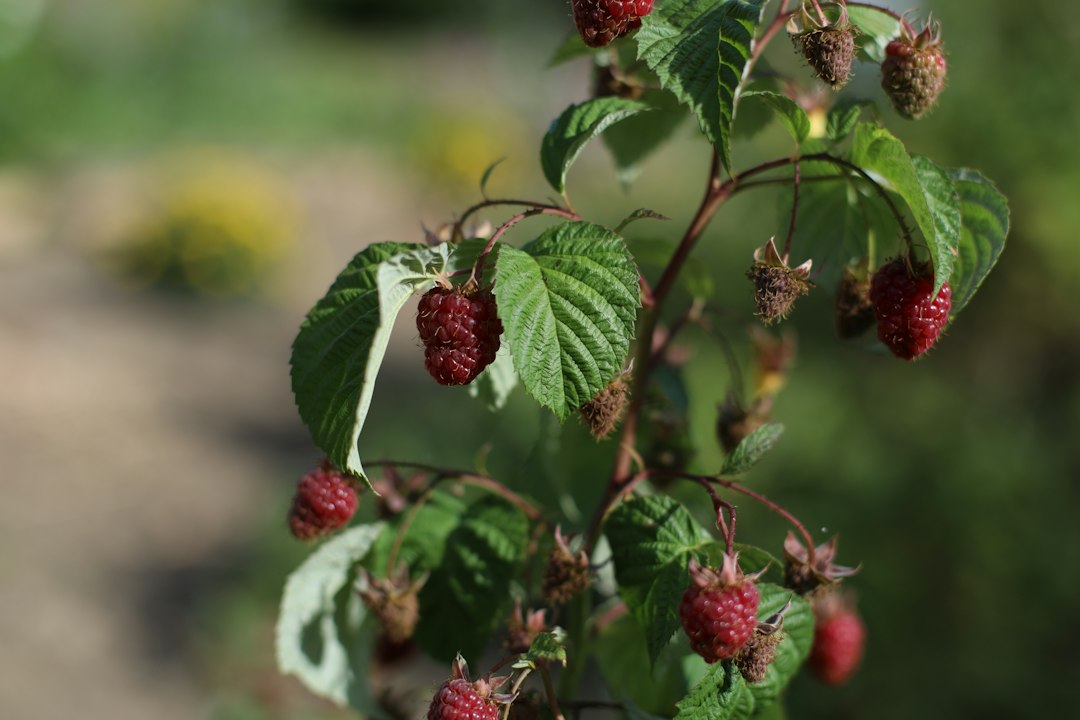
Feed in early spring with a balanced fertilizer or a layer of compost worked lightly into the soil surface. Avoid heavy nitrogen feeding, which pushes leafy growth at the expense of fruit.
Thin new canes each spring, removing the weakest growth so the remaining canes have room to develop; crowded canes get poor airflow and are harder to manage. Keep tying new growth to the trellis wires through the season, and dig out any canes that sucker up outside the row, since raspberries spread by underground runners.
Pruning depends on the type. For summer-bearing varieties, cut out the canes that have just finished fruiting right after harvest, leaving the current season's new canes in place to overwinter and fruit the following year. For fall-bearing varieties, the simplest approach is to cut all canes down to ground level in late winter; this sacrifices an early-summer crop from old canes but keeps the patch tidy and usually gives the heaviest fall harvest.
Harvesting
Raspberries are ready to pick once they're fully colored (red, gold, or black, depending on the variety), and they come away from the plant with a gentle tug, leaving the white core (the receptacle) behind on the cane. This hollow center is what sets a ripe raspberry apart from a blackberry, which pulls away with its core still attached inside the fruit.
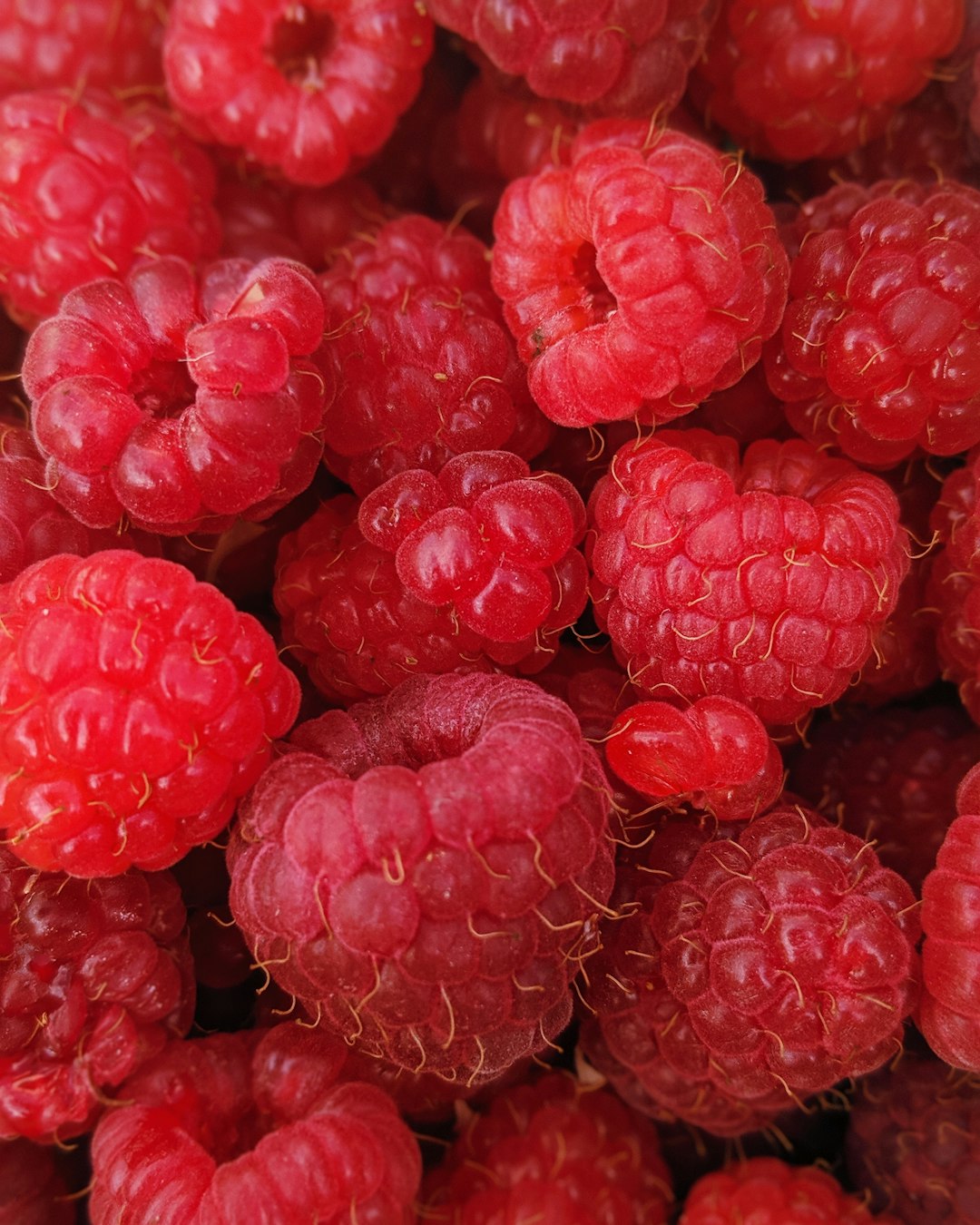
Pick in the cool of the morning once any dew has dried, and check the patch every day or two during peak season, since ripe berries soften quickly and spoil fast in warm weather. Handle them gently and pick straight into a shallow container rather than a deep one, since the weight of berries piled on top crushes the fruit underneath. Raspberries don't keep well once picked, so use or refrigerate them within a day or two.
Problems and pests
Canes wilt and die back from the tip
A raspberry cane borer (a beetle that lays eggs near the shoot tip) girdles the stem as it feeds, causing the tip to wilt. Cut the wilted section off several inches below the damage and destroy it to remove the larva before it tunnels further down the cane.
Leaves are skeletonized, with only the veins left
Japanese beetles feed in groups on foliage, and sometimes on fruit, through mid-summer. Handpick beetles into soapy water in the early morning when they're sluggish, and clear away overripe fruit, which attracts more of them.
Canes develop purple or gray blotches and die back
Fungal cane diseases, such as spur blight or cane blight, take hold in humid, crowded conditions. Prune out and destroy infected canes, thin the row to improve airflow, and avoid overhead watering, which keeps foliage wet longer than it needs to be.
Fruit turns moldy before it's fully ripe
Gray mold (botrytis) thrives in damp, still air, especially late in the season. Pick ripe fruit promptly, remove any moldy berries as soon as you spot them, and prune for better air circulation through the row.
New canes keep popping up well outside the row
Raspberries spread by underground suckers, and left unchecked they wander beyond where you planted them. Dig out unwanted suckers while they're small, and consider a root barrier sunk into the soil around the bed if space is tight.
Varieties worth growing
- Heritage – A widely planted fall-bearing variety, valued for its reliability and good cold hardiness.
- Autumn Bliss – An early-ripening fall-bearing variety, popular in cooler climates for getting a crop in before frost.
- Latham – A summer-bearing variety known for strong cold hardiness, suited to northern gardens.
- Tulameen – A summer-bearing variety prized for large, sweet berries and good flavor.
- Fall Gold – A fall-bearing variety with pale yellow fruit and a milder flavor than red types.