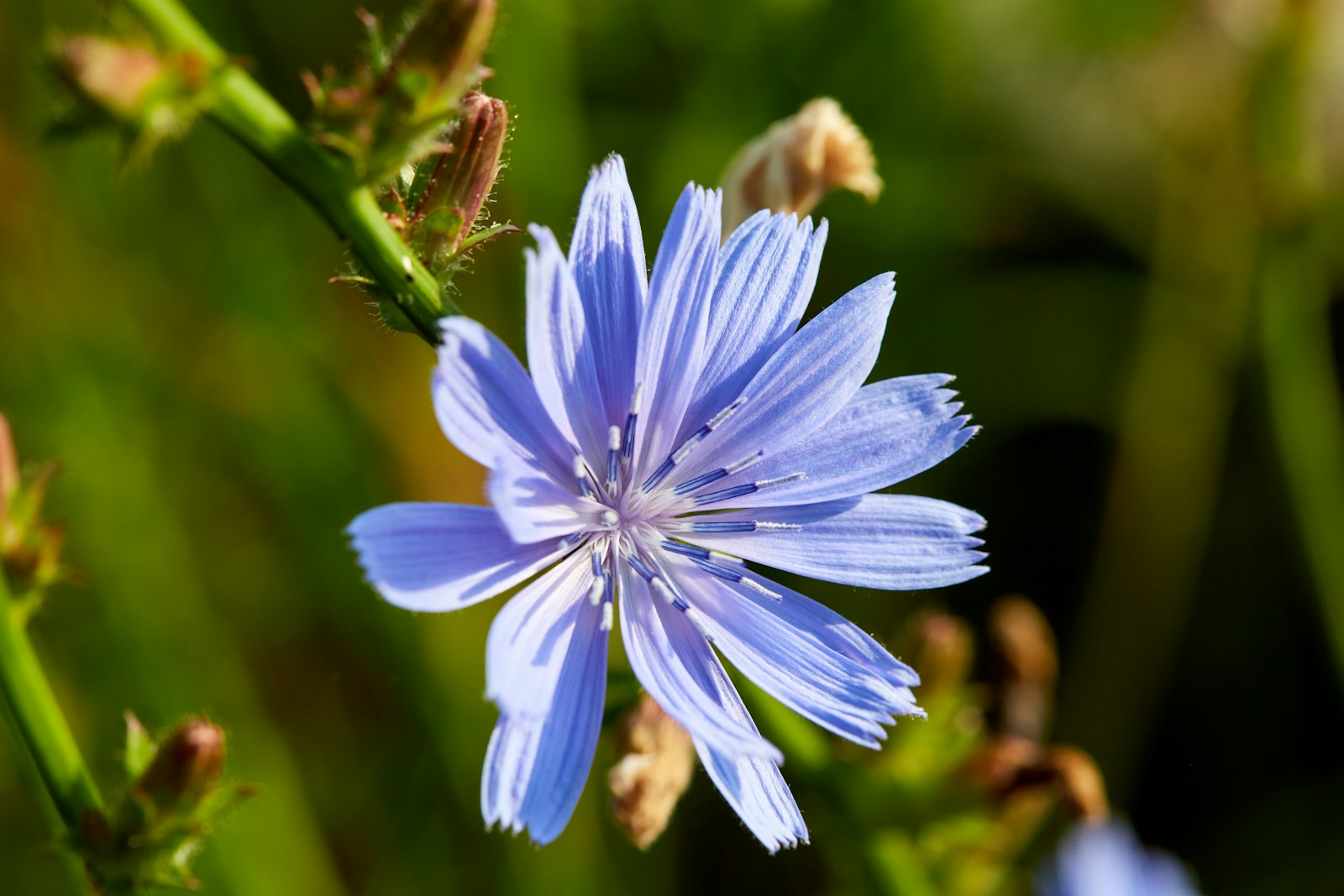
Radicchio is a leafy chicory with crisp, wine-red leaves and a pleasantly bitter bite. It adds colour and crunch to salads, and it turns sweet and nutty when grilled or roasted. Plants are easy to raise but a little fussy about timing. Grow them into cool weather and they reward you; sow them into summer heat and they bolt. Difficulty: moderate.
Sowing and planting
Radicchio forms its best heads as days shorten and nights cool. For that reason, most gardeners sow in midsummer for an autumn harvest. Count back from your first expected fall frost. Sow about 10 to 14 weeks before it for the classic heading types.
In cool-summer climates you can also grow a spring crop. Sow indoors four to six weeks before your last spring frost. Plant out around the last frost date, once seedlings have four true leaves. Choose a fast, modern variety for this, because spring plants run into lengthening days and warmth.
Seed germinates best in soil between 50 and 75°F (10 and 24°C). Above about 85°F (29°C), germination is patchy. In high summer, sow in a shaded seed tray or in modules (small individual cells) and move seedlings out when they are three to four weeks old. Direct sowing works too. Sow thinly in rows, 1/4 inch (6 mm) deep, and keep the surface damp until seedlings appear in five to ten days.
Thin direct-sown seedlings in stages until plants stand 8 to 12 inches (20 to 30 cm) apart. Eat the thinnings as salad leaves.
Before planting out indoor-raised seedlings, harden them off (get them used to outdoor sun and wind over about a week). Water them in well. Cover young plants with fine netting if flea beetles or birds are a problem in your area.
Radicchio is not hungry, but it dislikes poor, dry soil. Dig in a bucket of well-rotted compost per square yard (square metre) before planting. Avoid fresh manure, which encourages soft, leafy growth instead of tight heads.
Growing on
Water evenly. Radicchio is a leaf crop, so a dry spell makes it tough, extra bitter and quick to bolt (run to flower). Give about 1 inch (2.5 cm) of water a week, more in hot, windy weather. Water the soil, not the leaves, to reduce rot inside the heads.
Mulch between rows with 2 inches (5 cm) of compost, straw or shredded leaves once plants are established. Mulch keeps the soil cool and moist and holds down weeds. Keep it a little away from the stems.
Feeding is rarely needed in soil enriched with compost. If growth looks pale and slow, water in a liquid seaweed or fish-based feed once or twice, following the label. Too much nitrogen gives loose, floppy heads.
Do not panic if young plants look green and open. Many radicchio types stay green all summer and only colour up and fold into a head once nights turn cold. The outer leaves often stay green and ragged. The prize is the red heart inside.
Some growers cut the whole plant back to about 1 inch (2.5 cm) above the ground in late summer, before it has headed. The regrowth often forms tighter, better-coloured heads in autumn. This is worth trying if your plants are leafy and open by the time cool weather arrives.
No staking or pinching is needed. Companion planting is simple: radicchio grows well beside lettuce, endive, onions and carrots. Keep it away from sprawling squash, which smothers it.
Harvesting
Heading types are ready when the heart feels firm when you squeeze it gently. Colour usually deepens after a few light frosts. Cut the head at soil level with a sharp knife. Strip away the tattered green outer leaves to reveal the red heart.
Leave the root in the ground in mild areas. It often resprouts to give a second, smaller crop of loose leaves.
Elongated Treviso types can be forced for the sweetest, palest leaves. Lift the roots after several frosts, trim the leaves to 1 inch (2.5 cm), and stand the roots upright in damp sand or soil. Keep them somewhere dark and cool, about 50 to 60°F (10 to 16°C). New pale, crisp shoots form within a few weeks.
Store unwashed heads in a plastic bag in the refrigerator for two to three weeks. In zones 7 and warmer, plants often hold in the ground through winter under a layer of straw or a cloche (a small, clear cover).
Saving seed is possible but slow. Radicchio flowers in its second year, sending up tall stems of sky-blue flowers. It cross-pollinates readily with endive and other chicories, so seed is only reliable if one type flowers at a time.
Problems and pests
Plants shoot up and flower before heading
This is bolting, caused by heat, long days, dry soil or stress. Sow at the right time for your climate, water steadily, and choose modern varieties bred to resist bolting for spring crops.
Heads stay green and loose
Warm autumn nights, too much nitrogen or a slow variety are usual causes. Wait for colder weather, cut plants back as described above, and grow early varieties if your season is short.
Brown, slimy leaves inside the head
Rot follows wet weather, overhead watering or crowding. Space plants properly, water at soil level, and harvest promptly once heads firm up. Remove and discard rotting outer leaves.
Tiny round holes in young leaves
Flea beetles chew these holes, especially in warm, dry weather. Cover seedlings with fine insect netting and keep them well watered so they grow past the damage quickly.
Ragged holes and slime trails
Slugs and snails feed at night in damp conditions. Hand-pick them after dark and remove boards and debris where they hide. Iron phosphate slug pellets are a gentler option; scatter them thinly as the label directs, and keep children and pets away from the packet.
Radicchio bolts when it is sown into summer heat or left dry. Time your sowing so heads form in cool weather, and never let the soil dry out.
Varieties worth growing
Round heading types
- Rossa di Chioggia: The classic round, red-and-white head, like a small red cabbage.
- Palla Rossa: A reliable round type with deep red, tightly packed heads.
- Indigo: A modern hybrid that heads up quickly, useful for spring sowing and short seasons.
- Rossa di Verona: Small, deep red, rounded heads that are good for forcing.
Elongated and speckled types
- Rossa di Treviso: Long, narrow red heads, grown for grilling and forcing.
- Variegata di Castelfranco: Loose, rose-like heads of cream leaves splashed with red.