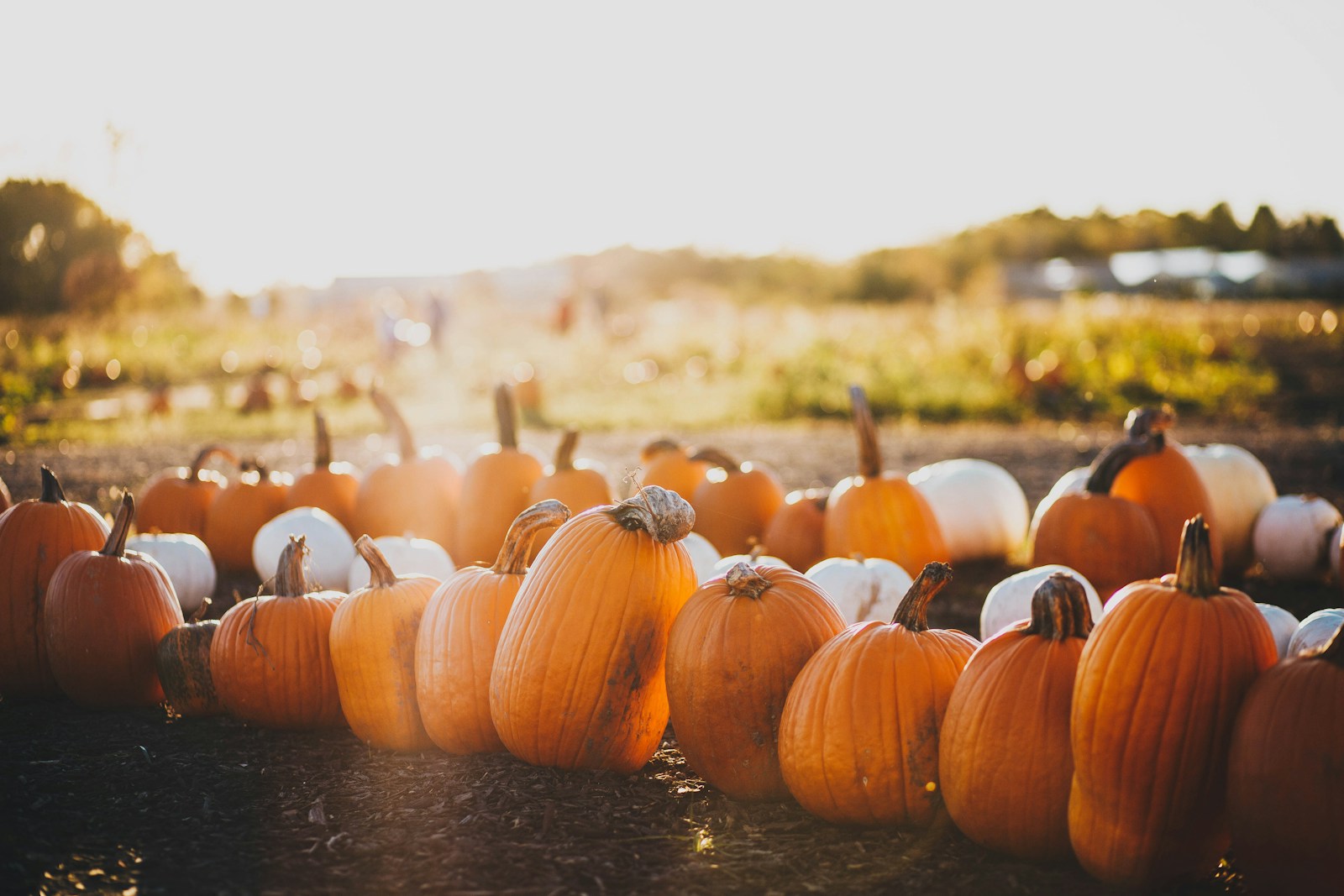
Pumpkin (Cucurbita pepo) is a frost-tender annual vine, native to the Americas and grown for its large orange fruit. You get pie flesh, roasting seeds and carving lanterns from one plant. Pumpkins are easy to grow if you have warm soil, rich ground and room for the vines to run.
Sowing and planting
Pumpkins hate cold. Wait until all danger of frost has passed and the soil is at least 65°F (18°C). Seed sprouts fastest at around 70°F (21°C) or warmer. In cold, wet ground it simply rots.
Count back from your first expected fall frost before you sow. Most varieties need 90 to 120 frost-free days, so check the seed packet. In short-season gardens, choose a quick variety or start seed indoors.
Pick your sunniest spot. Work a generous amount of compost or well-rotted manure into the soil first, because pumpkins are heavy feeders. Many gardeners plant in hills, which are low mounds of soil about 12 inches (30 cm) across. Hills warm up early and drain well.
To sow directly:
- Push four or five seeds into each hill, 1 inch (2.5 cm) deep.
- Water well and keep the soil moist until seedlings show, usually within 5 to 10 days.
- When the seedlings have two true leaves, thin to the strongest two or three. Snip the extras at soil level so you do not disturb the roots.
To start indoors, sow two to four weeks before your last frost, no earlier. Use individual pots at least 3 inches (8 cm) wide, because pumpkin roots resent disturbance. Harden off the seedlings (get them used to outdoor conditions over a week or so). Then plant them out after frost without breaking up the root ball.
In a small garden, grow a bush or miniature variety. Mini pumpkins also climb a sturdy trellis, which saves a lot of ground.
Growing on
Water deeply once or twice a week instead of sprinkling daily. Aim for about 1 inch (2.5 cm) of water a week, and more during hot, dry spells. Water at the base of the plant, early in the day, so the leaves stay dry. Wet foliage invites mildew.
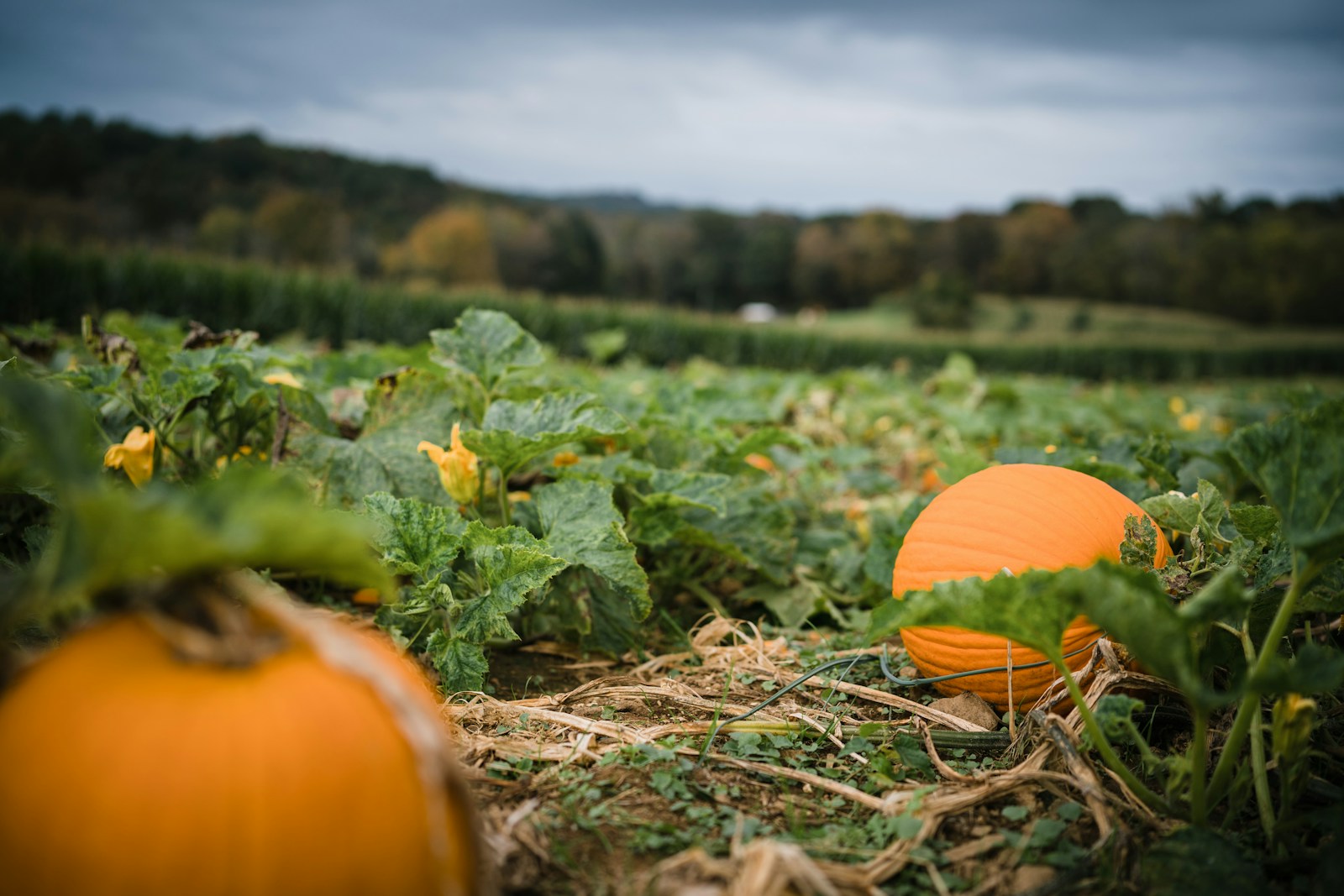
Mulch with straw or dried grass clippings once the soil is warm. Mulch holds moisture, smothers weeds and keeps the fruit off bare soil. Weed by hand near the plants, because the roots are shallow.
Feed when the vines begin to run. Side-dress with compost or a balanced vegetable fertilizer, following the rate on the label. Ease off nitrogen once flowers appear. Too much nitrogen gives you huge leaves and few pumpkins.
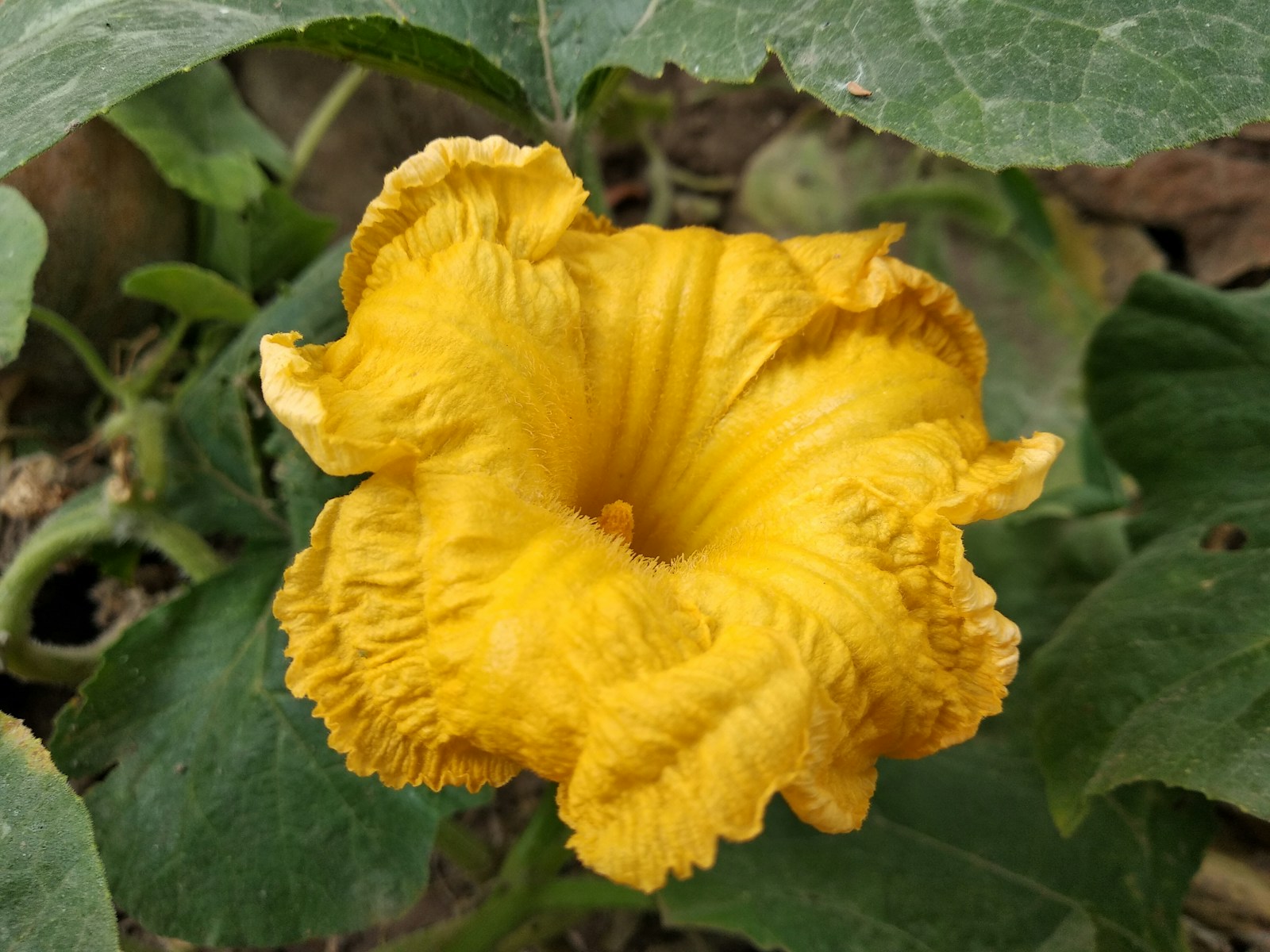
Each plant carries separate male and female flowers. Male flowers open first on thin stalks, often a week or more ahead. Female flowers have a tiny swollen fruit behind the petals. Bees carry the pollen between them. If small fruits yellow and drop, pollination is usually the problem. You can do the job by hand in the morning. Pick a fresh male flower, peel back the petals, and dab its center onto the center of an open female flower.
You can steer vines gently back into their space while they are young. For larger fruit, let each vine keep two or three pumpkins and remove later ones. Slide a board, tile or pad of straw under each developing fruit to prevent rot.
Harvesting
A pumpkin is ready when it has turned its full, deep color all over. The rind is hard and resists a fingernail, and the stem has started to dry and turn corky. The vines often die back at about the same time.
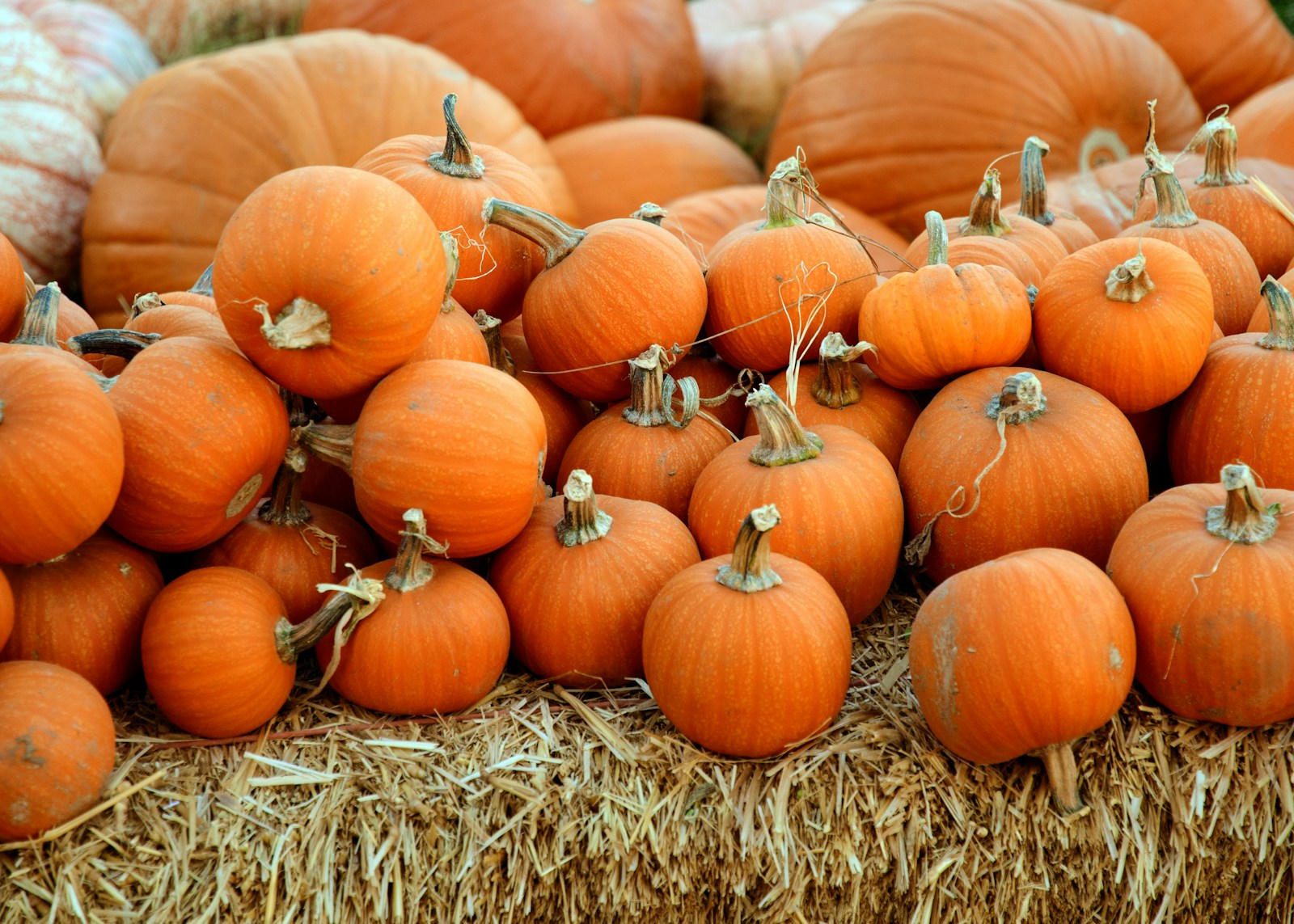
Cut the stem with pruners or a sharp knife, leaving 3 to 4 inches (8 to 10 cm) attached. Never carry a pumpkin by its stem. A fruit with a broken stem rots quickly. Bring in the whole crop before a hard frost, which damages the rind and shortens storage life.
Cure the fruit for about 10 days in a warm, dry, airy place, ideally 80 to 85°F (27 to 29°C). Curing hardens the skin and heals small scratches. Then store the pumpkins in a cool, dry room at around 50 to 55°F (10 to 13°C), in a single layer and not touching. Well-cured fruit usually keeps for two to three months.
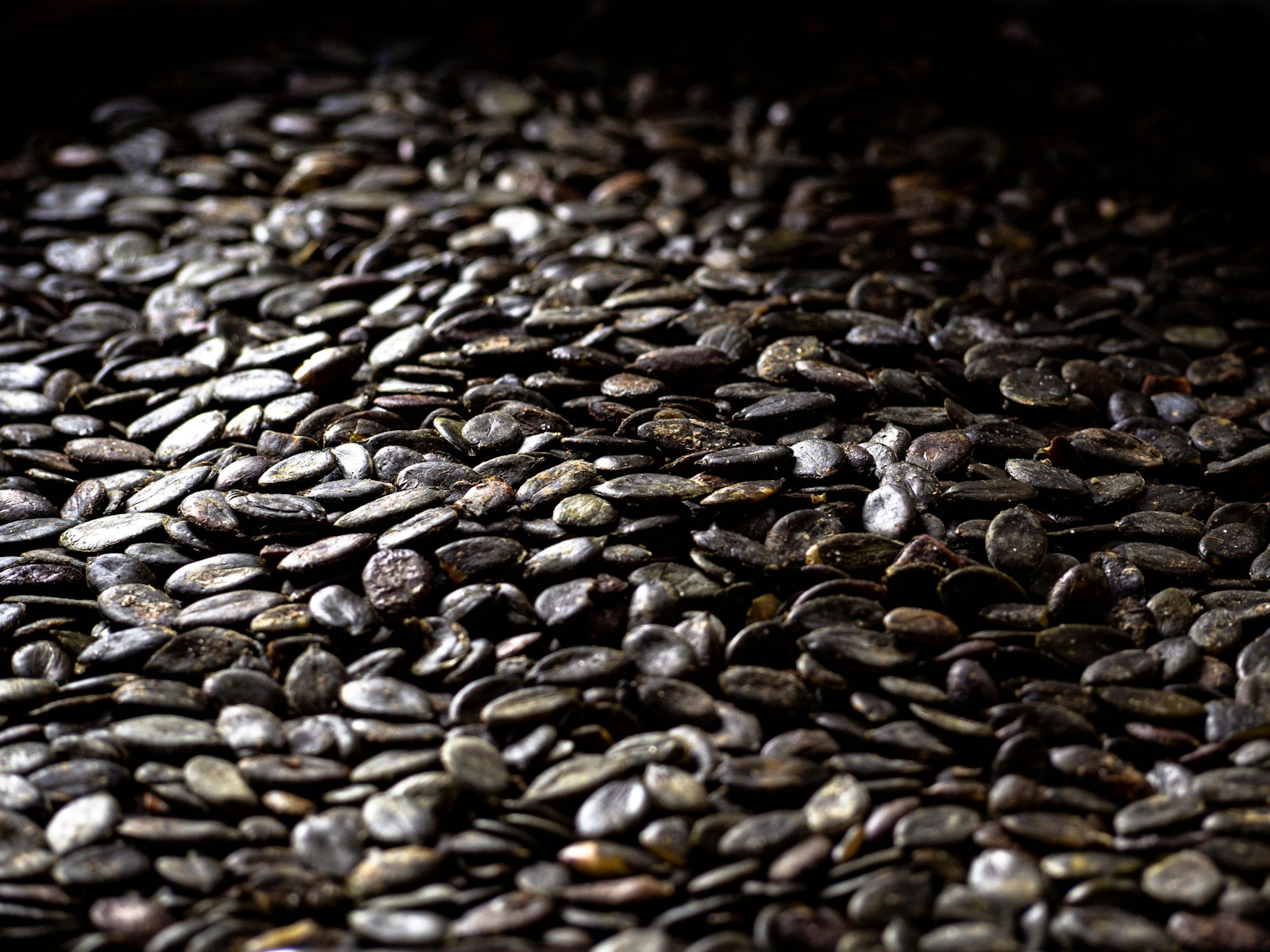
Save the seeds for roasting. Rinse off the pulp, dry them, and toast them with a little oil and salt.
The seeds have a place in mountain history too. Anthony Cavender, in Folk Medicine in Southern Appalachia, records that mountain families brewed pumpkin seed tea as a home treatment for intestinal worms. Pumpkin was one of several garden crops used that way, a practice with Native American roots. That is folk history only. It is not medical advice, and this article makes no health claims.
Never eat a pumpkin or squash that tastes unusually bitter. Bitterness signals high levels of cucurbitacins, natural compounds that cause severe stomach illness. It shows up most often in fruit grown from saved seed that crossed with ornamental gourds. Spit it out and discard the fruit.
Problems and pests
White, powdery coating on the leaves
This is powdery mildew, a fungal disease that arrives in late summer. Give plants full spacing for air flow and water at the base. Remove the worst leaves and clear all vines away at the end of the season. Look for resistant varieties if it strikes every year.
A vine wilts suddenly, with sawdust-like mush at the base
Squash vine borer larvae are tunneling inside the stem. Slit the stem lengthwise with a clean knife, take out the grub, and mound moist soil over the wound. Bury a few vine joints as the plant grows so it roots in more than one place. Floating row cover (a light fabric barrier) keeps the egg-laying moth off young plants. Remove it when flowers open so bees can reach them.
Gray-brown bugs and clusters of bronze eggs under the leaves
Squash bugs suck sap and make leaves wilt, blacken and turn crisp. Check the undersides of leaves twice a week. Crush the egg clusters and drop the bugs into soapy water.
Small yellow beetles with black stripes or spots
Cucumber beetles chew seedlings and flowers, and they spread bacterial wilt. An infected vine collapses and does not recover. Protect young plants with row cover until flowering, and hand-pick beetles early in the day. Pull and discard any plant that wilts for good.
Small fruits turn yellow and shrivel
The female flowers were not pollinated. Cold, wet weather and a shortage of bees are the usual causes. Hand pollinate as described above, and avoid spraying anything while plants are in bloom.
Varieties worth growing
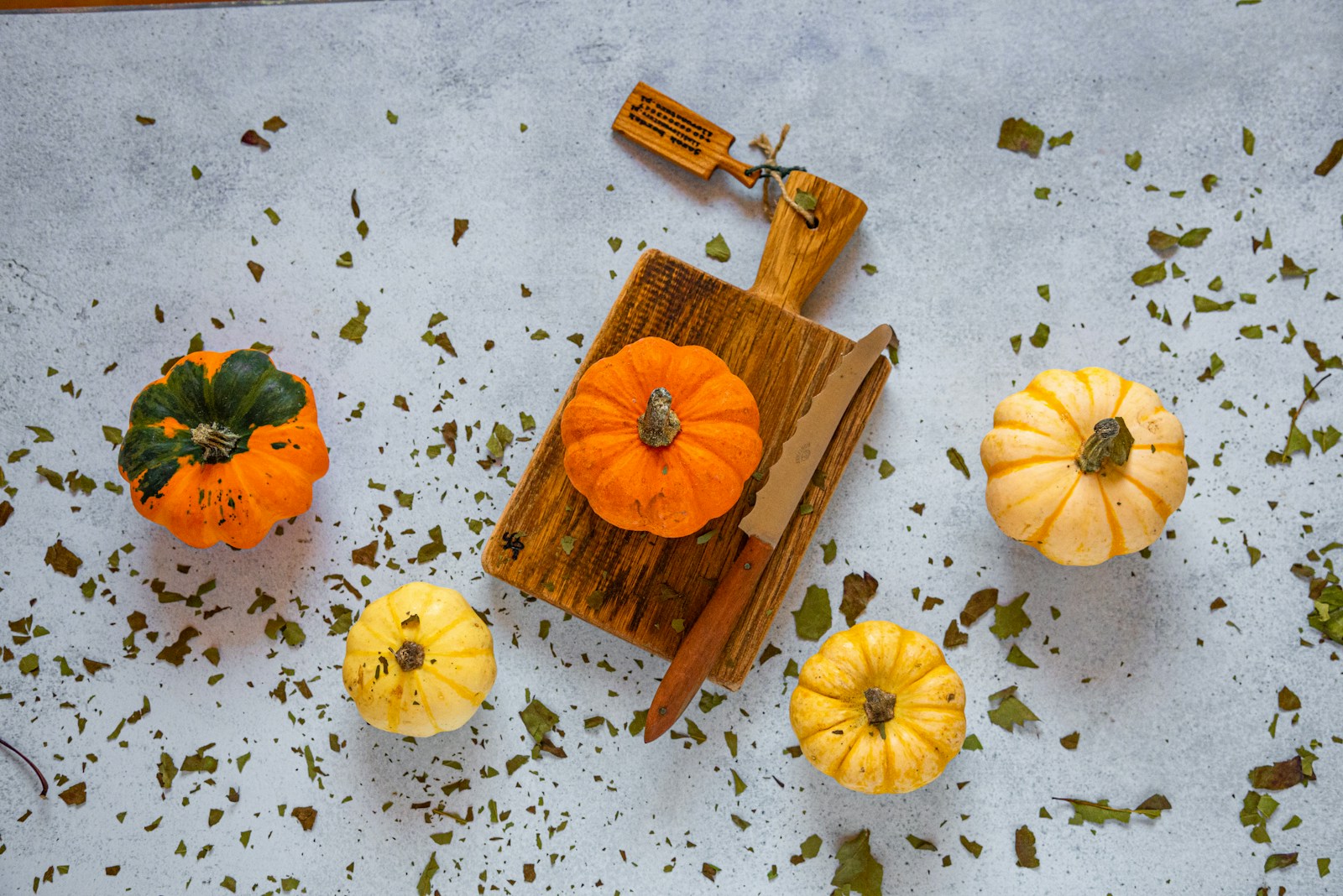
- 'Connecticut Field': the old heirloom field pumpkin, large and good for carving.
- 'Howden': the classic jack-o'-lantern, deep orange with a strong handle.
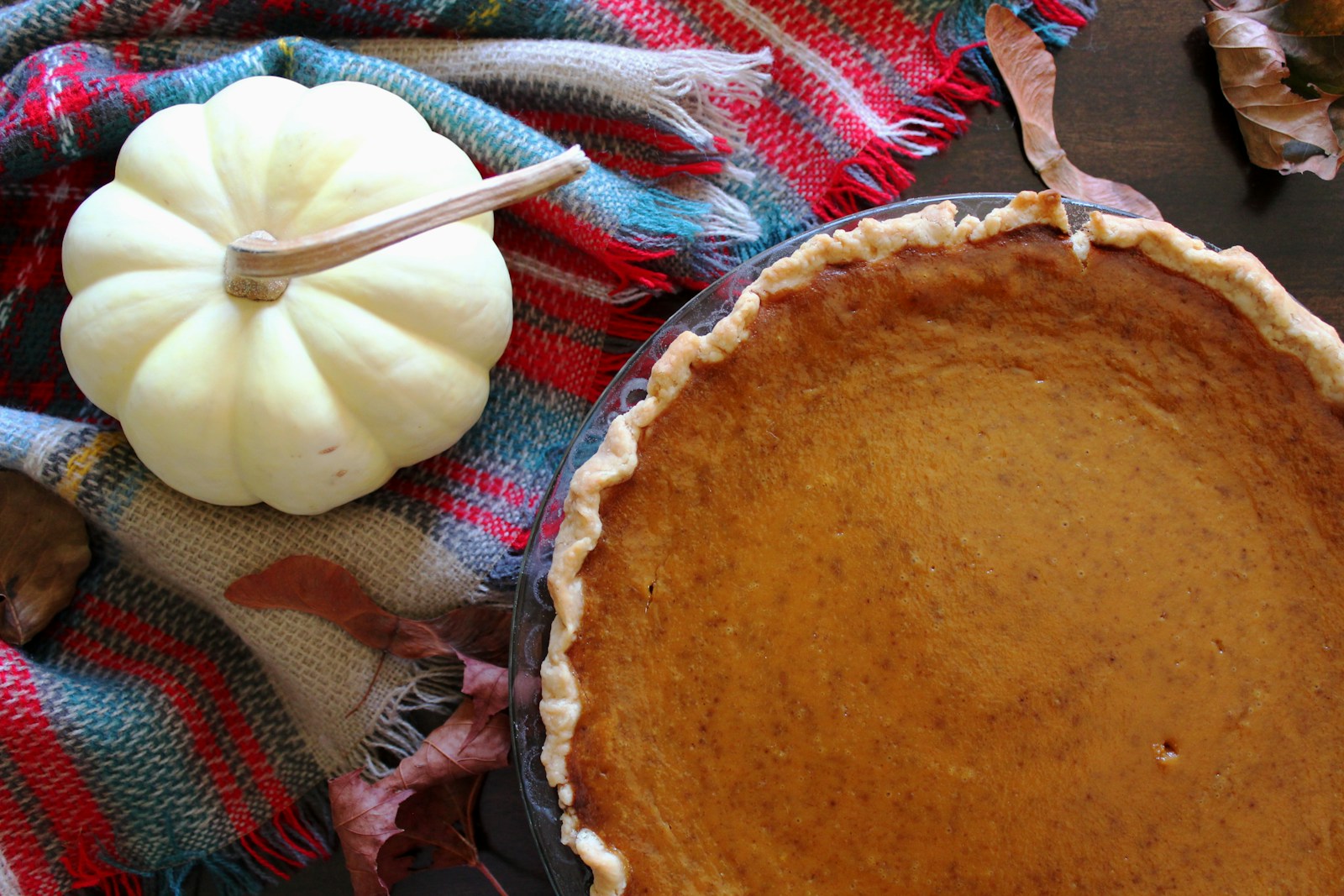
- 'Small Sugar', also sold as 'New England Pie': small fruit with sweet, fine-grained flesh for baking.
- 'Baby Pam': a compact pie pumpkin with smooth skin and a sturdy stem.
- 'Jack Be Little': palm-sized ornamental fruit on vines that suit a trellis.
Giant show pumpkins such as 'Dill's Atlantic Giant' belong to a related species, Cucurbita maxima. They need even more space, water and feeding.