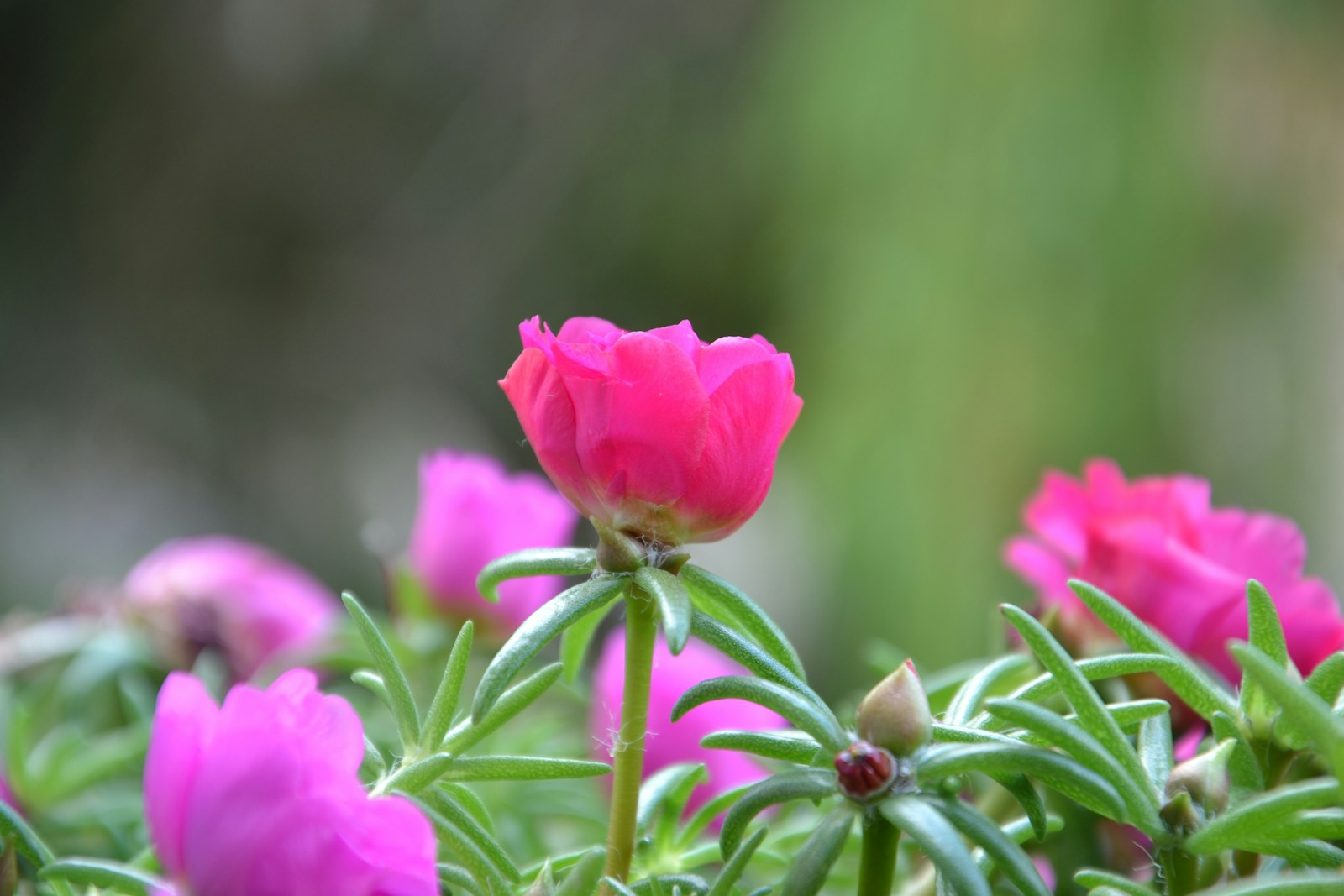
Portulaca, or moss rose (Portulaca grandiflora), is a low, spreading annual with fleshy, needle-like leaves. Its silky flowers look like small roses in pink, red, orange, yellow and white. It revels in heat, drought and thin soil where other flowers give up. Its edible relative, purslane (Portulaca oleracea), grows the same way. Both are among the easiest plants you can grow, as long as you give them sun.
Sowing and planting
Portulaca loves warmth at every stage. Cold, wet soil is the main reason seed fails.
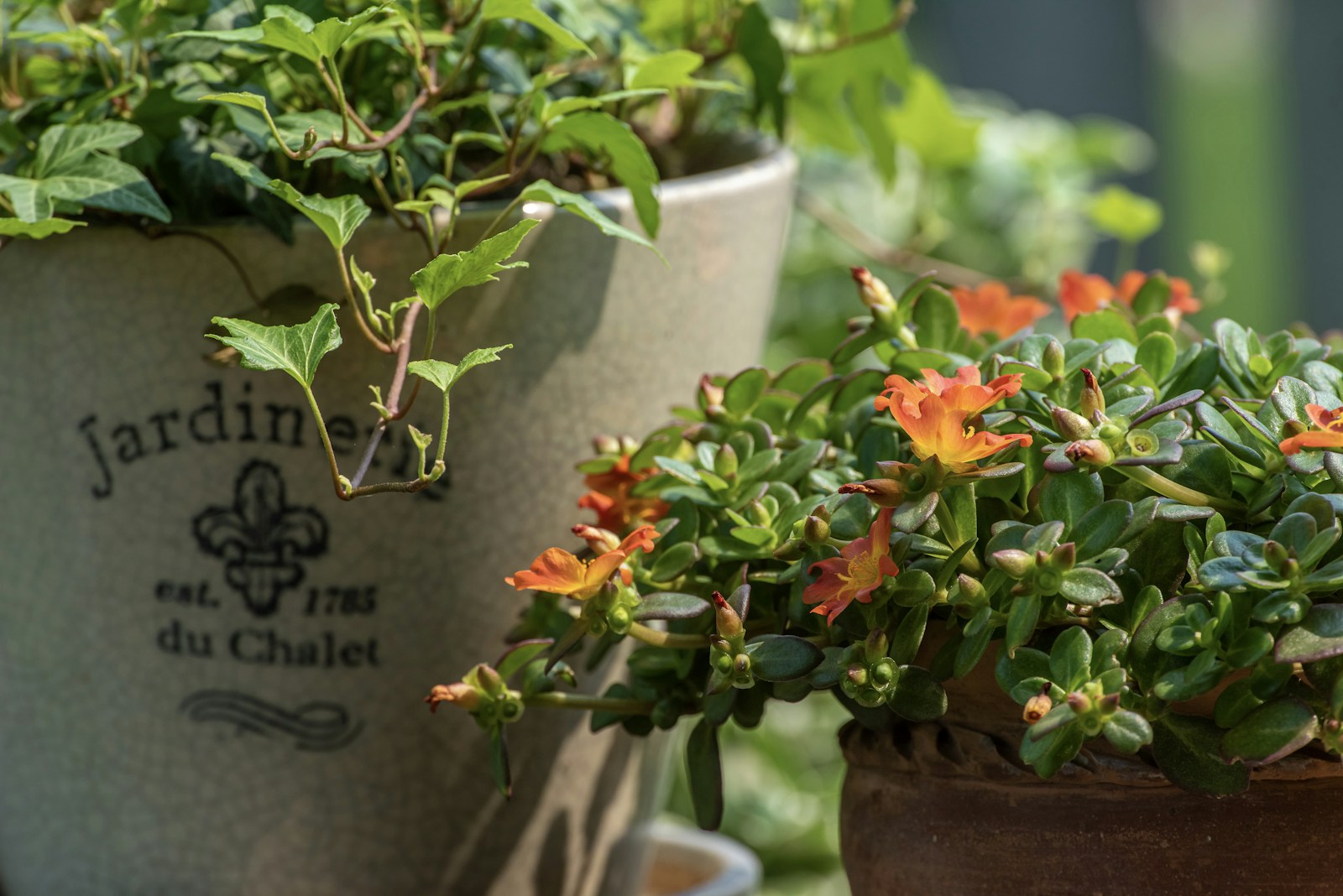
Starting indoors. Sow 6-8 weeks before your last frost. The seed is tiny and needs light to germinate. Scatter it on the surface of moist seed compost and press it in lightly. Cover the tray with a clear lid and keep it at 70-80°F (21-27°C). A heat mat helps. Seedlings usually appear in 7-14 days. Remove the lid once they emerge and grow them in bright light. Water from below so you do not wash the tiny seedlings away.
Sowing outdoors. Wait until one to two weeks after your last frost, when the soil has warmed to at least 70°F (21°C). Rake the soil fine, mix the seed with dry sand and scatter it. Press it in and keep the surface just moist until seedlings appear.
Planting out. Harden off indoor-raised plants first. Hardening off means getting seedlings used to outdoor sun and wind over 7-10 days. Plant out once nights stay above 50°F (10°C). Space plants 6-12 inches (15-30 cm) apart. Unlike many annuals, portulaca transplants easily, and even small cuttings root readily.
Grow it along path edges, in rock gardens, on dry banks, in gravel, and between paving stones. It also suits pots, window boxes and hanging baskets. Any container needs drainage holes and a gritty, free-draining mix.
Growing on
Watering. Water new plants regularly for the first two weeks. After that, water only when the soil is dry an inch (2.5 cm) down. The succulent leaves store water, so plants in the ground often need nothing extra except in long droughts. Pots dry faster, so check them every few days in hot weather. Overwatering is far more harmful than underwatering.
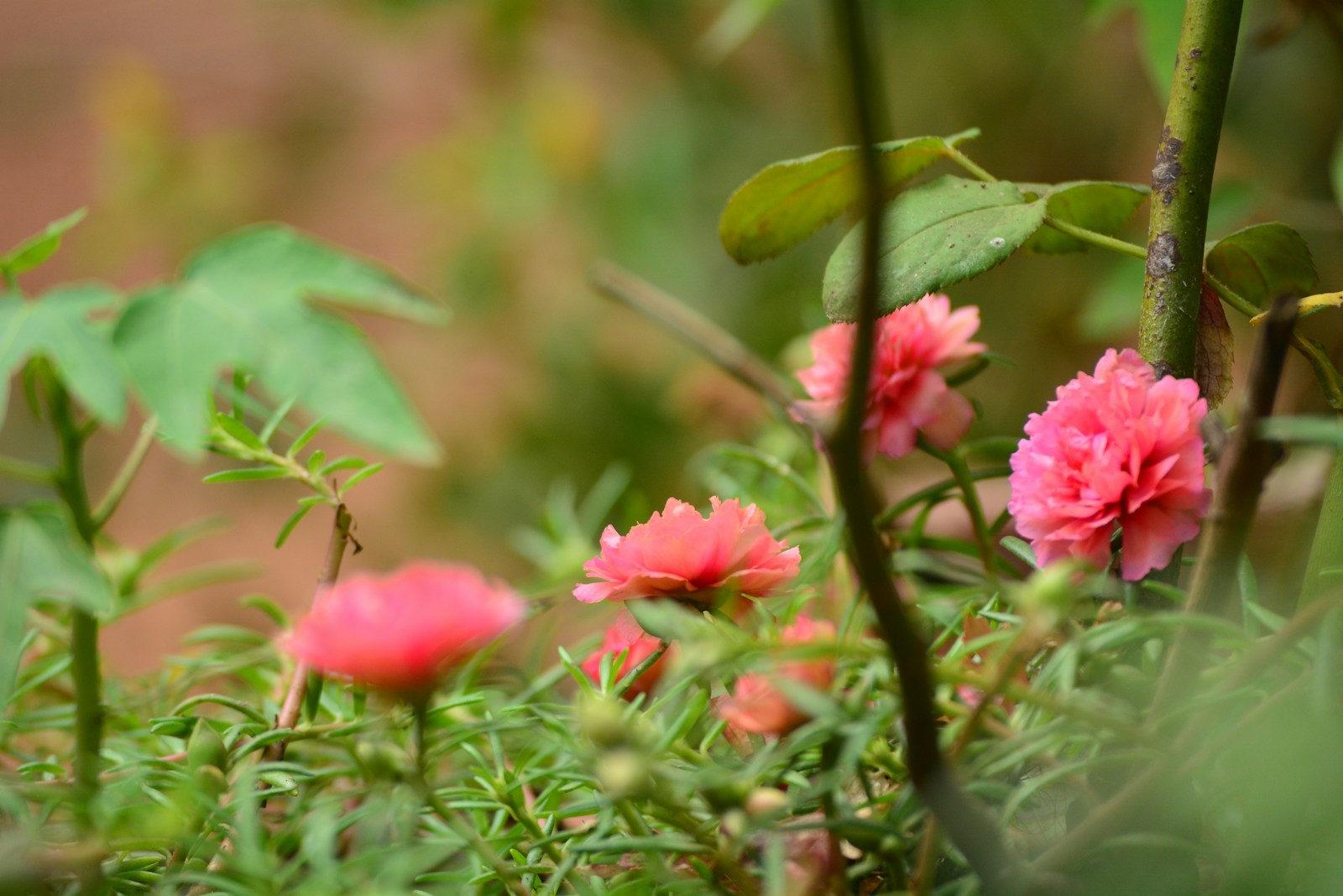
Feeding. Skip it in most gardens. Rich soil and fertiliser give lush leaves and fewer flowers. Plants in containers benefit from a half-strength liquid feed every four to six weeks.
Mulching. Avoid organic mulch, which holds moisture against the stems. If you want a mulch, use a thin layer of fine gravel.
Pruning and pinching. Portulaca needs no staking and little pruning. Pinch the tips of young plants once to encourage bushier growth. If plants turn straggly by late summer, trim them back by a third and they soon flower again. Many modern varieties are self-cleaning, which means the spent flowers drop on their own, so deadheading is optional.
Flowers that close. Each flower opens in sun and closes in the afternoon, at night and in cloudy weather. This is normal. Newer varieties stay open longer in the day.
Pollinators. Bees and other small insects visit the open flowers. Portulaca makes good company for other heat lovers such as zinnias, lantana and ornamental grasses.
Harvesting
Moss rose is a garden flower, not a cut flower. The stems are short and the blooms close indoors. Enjoy it where it grows, or float a few flowers in a shallow bowl for a day.
Saving seed. Portulaca seeds itself freely. Each seed capsule has a lid that pops off when ripe, spilling tiny black seed. To collect it, watch for capsules turning papery and tan. Snip them into a paper bag and let them dry for a week. Shake out the seed and store it in a labelled envelope somewhere cool and dry. Seed from hybrids may not match the parent in colour or flower form.
Purslane for the kitchen. Common purslane has a lemony, slightly salty taste and a crisp texture. Pick young stems and leaves before the plant flowers, once it reaches 4-6 inches (10-15 cm) tall. Cut stems just above a leaf joint, leaving the base to regrow. Use it raw in salads or lightly cooked. Store it in a bag in the fridge for up to three days. Only eat purslane you have grown yourself or identified with certainty, and never eat ornamental moss rose.
Toxic to pets. Moss rose and purslane contain soluble oxalates, which can make cats, dogs and horses ill if they eat the plants. Grow them out of reach of pets that chew plants, and contact a vet if you suspect your pet has eaten any.
Problems and pests
Stems turn black and mushy at the base
This is stem or root rot, caused by fungi in wet, poorly drained soil. Remove affected plants. Improve drainage with grit, grow in raised beds or pots, and water only when the soil is dry.
Few flowers and long, floppy stems
The plants have too little sun or too much fertiliser. Move pots to the sunniest spot you have. Stop feeding and trim the stems back to encourage new flowering growth.
Small green or black insects on new shoots
These are aphids (small sap-sucking insects). Knock them off with a jet of water or rub them away by hand. For heavy infestations, spray insecticidal soap in the evening when bees are not active. Follow the label and wear gloves.
White, cottony clumps on stems
Mealybugs are small sap-sucking insects covered in white wax. Dab small groups with a cotton swab dipped in rubbing alcohol. Keep alcohol away from your eyes and test one stem first. Remove badly infested plants.
Seed never comes up
The soil was too cold, the seed was buried too deep, or it dried out. Sow again on the surface once the soil is warm, and keep it evenly moist until seedlings appear.
Varieties worth growing
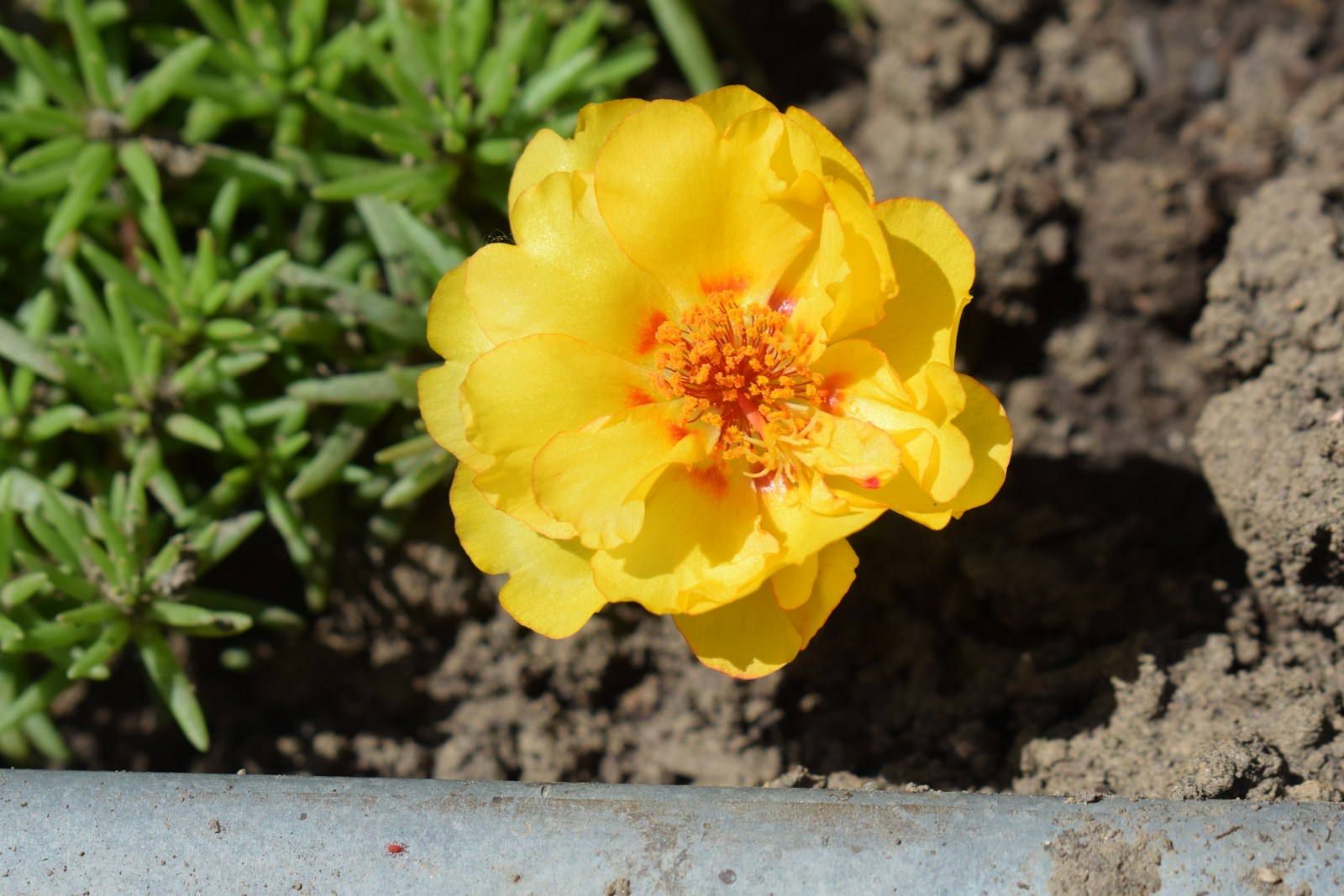
Moss rose (Portulaca grandiflora)
- 'Sundial' series: double flowers that stay open longer on dull days, in many single colours and mixes.
- 'Happy Hour' series: early, compact plants with double flowers in bright shades.
- 'Sundance' mix: semi-double and double flowers in a broad colour range.
Purslane (Portulaca oleracea)
- Golden purslane: an upright edible form with larger, yellow-green leaves.
- Flowering purslanes: trailing hybrids with broad, flat leaves and bright single flowers, sold for pots and baskets.