
Poppies give you papery, jewel-bright flowers for very little work. This profile covers four garden types: the corn or Shirley poppy (Papaver rhoeas), the California poppy (Eschscholzia californica), the Iceland poppy (Papaver nudicaule) and the perennial Oriental poppy (Papaver orientale). They are easy from seed if you sow them where they are to flower.
Sowing and planting
Poppies have long, fragile taproots (a single deep main root). They resent transplanting, so sow them where they will flower. Disturbed seedlings often sulk, flower early on stunted plants or die.
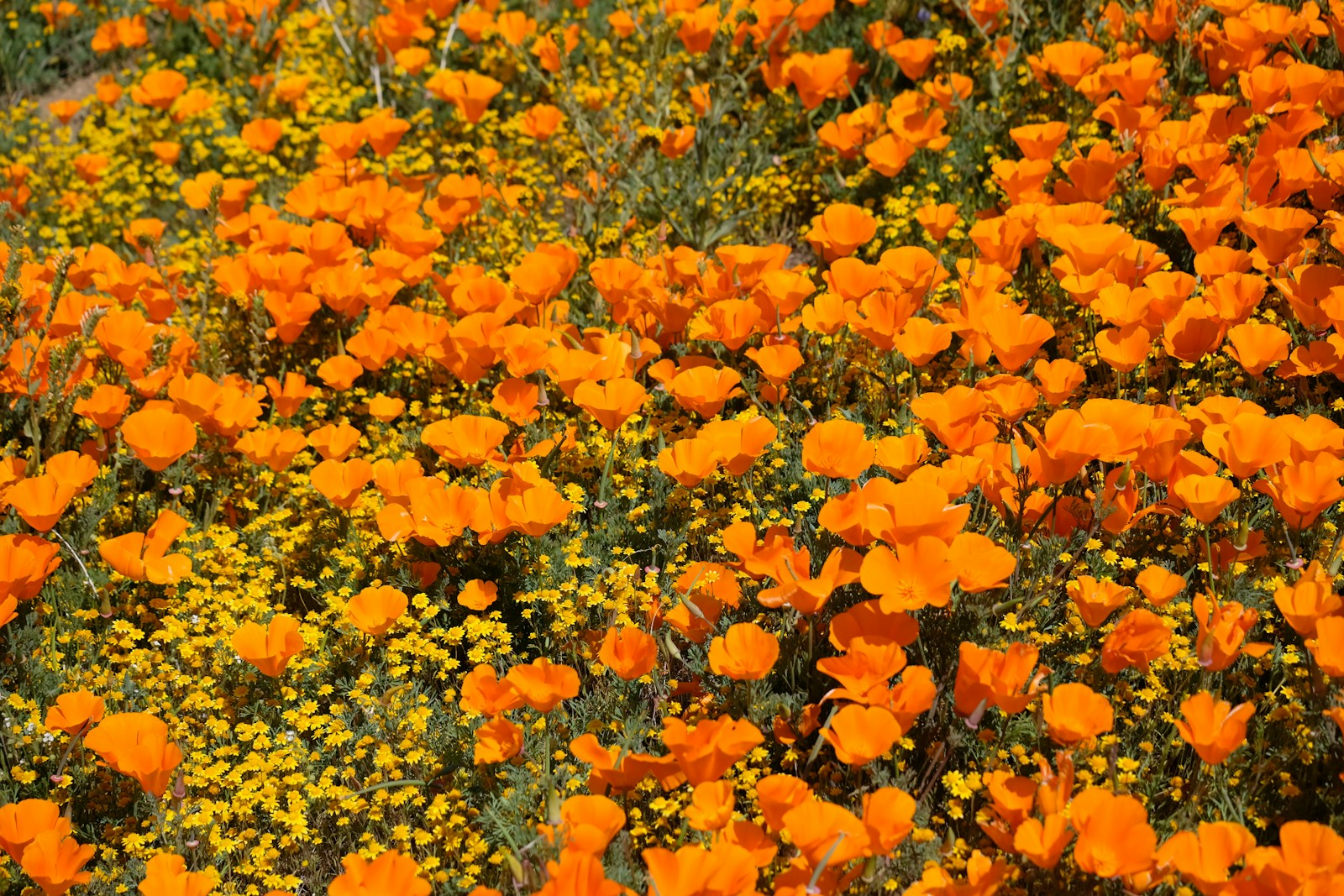
The seed is dust-fine and most types need light to germinate. Rake the soil to a fine crumb, scatter the seed thinly and press it in with the back of the rake or a board. Do not cover it. Mixing the seed with dry sand helps you spread it evenly.
Poppies germinate best in cool soil, around 55-65°F (13-18°C). Seedlings appear in 7-21 days.
Corn and California poppies. Sow outdoors in autumn in mild-winter areas (roughly zones 7-10) for earlier, stronger plants. In colder areas, sow in early spring, two to four weeks before your last frost, as soon as the soil can be worked. Light frost does not harm the seedlings. For a longer display, sow a second batch three to four weeks later.
Iceland poppies. In zones 7-10, sow in late summer or autumn for flowers from late winter to spring. Elsewhere, start them indoors 8-10 weeks before your last frost. Sow into individual plug cells so you can plant each one out with its root ball intact. Plant out two to four weeks before your last frost.
Oriental poppies. Buy container plants, or sow seed in spring or autumn. Plant in spring or early autumn. You can also take root cuttings during their summer dormancy.
Thin annual seedlings to 6-12 inches (15-30 cm) apart once they have two true leaves. Snip unwanted seedlings at soil level rather than pulling them, so you do not disturb the roots of those that stay.
Growing on
Water seedlings until they are established, then only in long dry spells. Mature poppies cope well with drought. Wet, heavy soil causes more losses than dryness.
Skip the fertiliser in most gardens. Rich soil gives soft, leafy growth and floppy stems. A light layer of compost at planting is plenty. Keep mulch thin and away from the crowns, which rot if they stay wet.
Tall Oriental and Shirley poppies can flop in wind or rain. Grow them among sturdy neighbours, or ring them with twiggy sticks or a grow-through support early in the season.
Deadheading. Snip off faded flowers to keep annual poppies blooming longer. Leave a few pods to ripen if you want seed or self-sown plants next year.
Oriental poppy dormancy. After flowering, the foliage of Oriental poppies turns yellow and dies back. This summer dormancy (a natural resting period) is normal. Cut the tired leaves to the ground and mark the spot. Plant late-summer flowers nearby to fill the gap. Fresh leaves appear in autumn.
Poppies are excellent for pollinators. Bees collect their plentiful pollen, often visiting early in the day. They pair well with cornflowers, nigella and ornamental grasses. Self-sown annual poppies make easy company for the vegetable garden edge.
Toxic to pets and people. All parts of these poppies contain alkaloids that can make dogs, cats, horses and other animals ill if eaten. Keep plants away from grazing pets and teach children not to eat the leaves, pods or sap. Wear gloves if the milky sap irritates your skin.
Harvesting
Cutting for vases. Iceland poppies are the best cut poppy. Cut them at the "cracking bud" stage, when the green bud has split and you can see the colour of the petals. Cut in the cool of the morning. The stems bleed milky sap, so seal each cut end at once. Dip it in boiling water for 7-10 seconds, or pass it through a flame. Keep your hands clear of the heat and use tongs if needed. Sealed stems usually last four to six days.
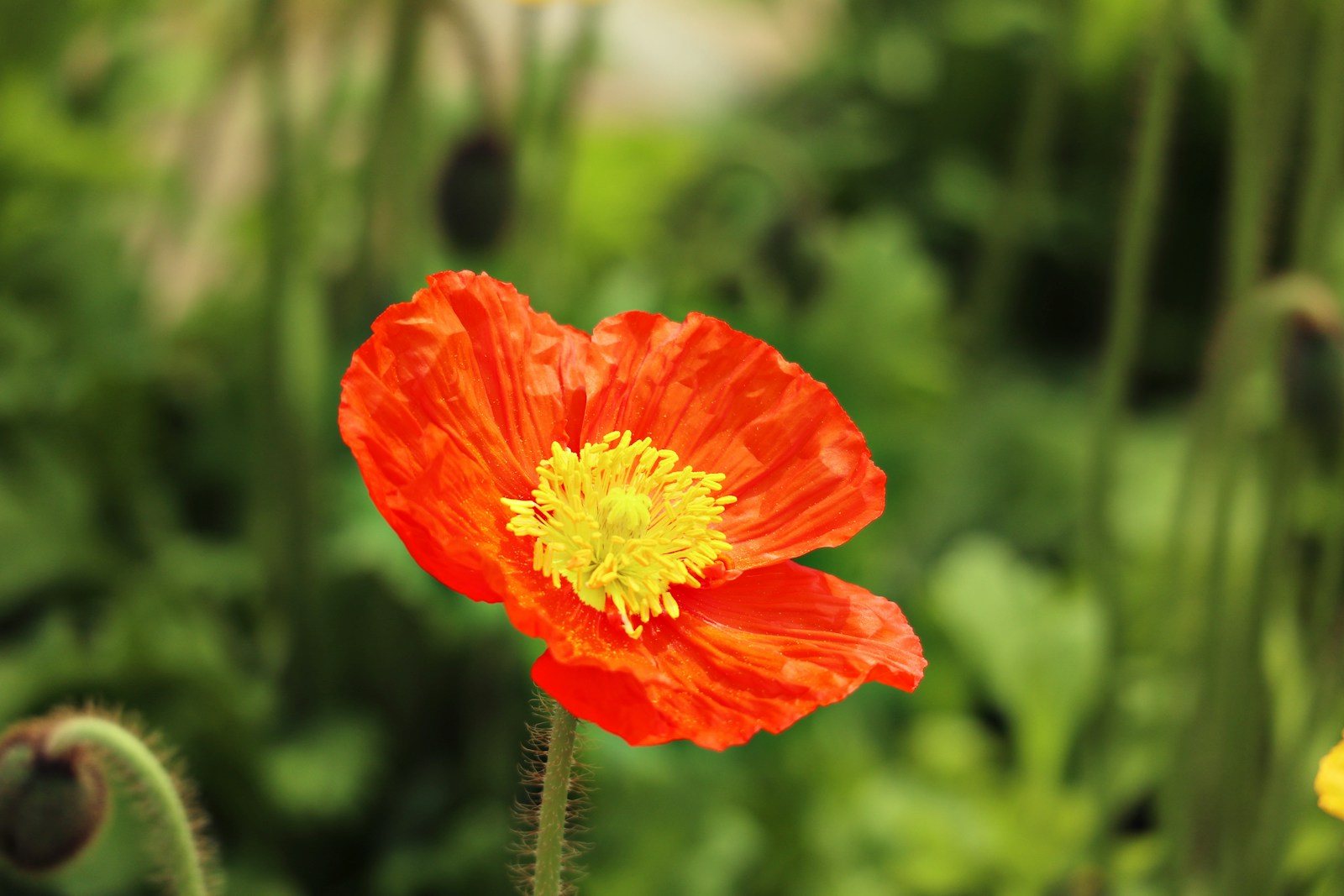
Shirley and Oriental poppies can also be cut at the cracking bud stage and treated the same way. California poppies close at night and in dull weather, and they last only a few days in a vase.
Seed pods. Dried poppy pods are popular in arrangements. Leave them on the plant until they turn brown and firm, then cut them with long stems.
Saving seed. Poppies are easy to save. Wait until the pods of corn and Iceland poppies turn brown and rattle. Small holes open under the cap, and seed pours out like pepper from a shaker. Tip the seed into a paper bag. California poppy pods are long and thin, and they split open suddenly when ripe. Tie a paper bag over a few pods to catch the seed. Store the dry seed in a labelled envelope somewhere cool and dry. Different Shirley and Iceland colours cross freely, so saved seed may not match the parent.
Some places legally restrict growing the breadseed or opium poppy (Papaver somniferum), so check local rules before sowing it.
Problems and pests
Seedlings never appear
The seed was covered too deeply, washed away or dried out. Sow again on the surface, press it in and keep the soil lightly moist until seedlings emerge. Sow when the soil is still cool.
Clusters of dark insects on stems and buds
These are aphids (small sap-sucking insects), often black bean aphid. Rub them off by hand or blast them with water. Encourage ladybirds and hoverflies. Insecticidal soap works on heavy infestations; spray in the evening when bees are not foraging and follow the label.
White or grey powder, or yellow blotches with grey fuzz beneath
White powder on the leaves is powdery mildew. Yellow blotches with fuzz on the undersides are downy mildew. Both are fungus-like diseases favoured by crowding and poor air flow. Thin plants well, water the soil rather than the leaves and remove affected plants. Do not sow poppies in the same spot the next year if downy mildew was bad.
Plants collapse at the base
Crown or root rot, caused by wet, heavy or poorly drained soil. Remove the plants. Improve drainage with grit, or grow poppies in a raised bed.
Holes in young leaves
Slugs and snails. Check seedlings at night and remove the pests by hand. Use beer traps or wildlife-safe slug pellets, and keep pellets away from pets.
Varieties worth growing
Corn and Shirley poppies (Papaver rhoeas)
- 'Shirley Single Mixed': the classic mix of pink, red, white and bicolour flowers with pale centres.
- 'Mother of Pearl': soft, smoky shades of grey, lilac, pink and peach.
- 'American Legion': bright scarlet single flowers with a dark basal blotch.
California poppies (Eschscholzia californica)
- 'Mission Bells': semi-double flowers in a mix of warm and pastel colours.
- 'Thai Silk' series: frilled, silky flowers on compact plants.
Iceland poppies (Papaver nudicaule)
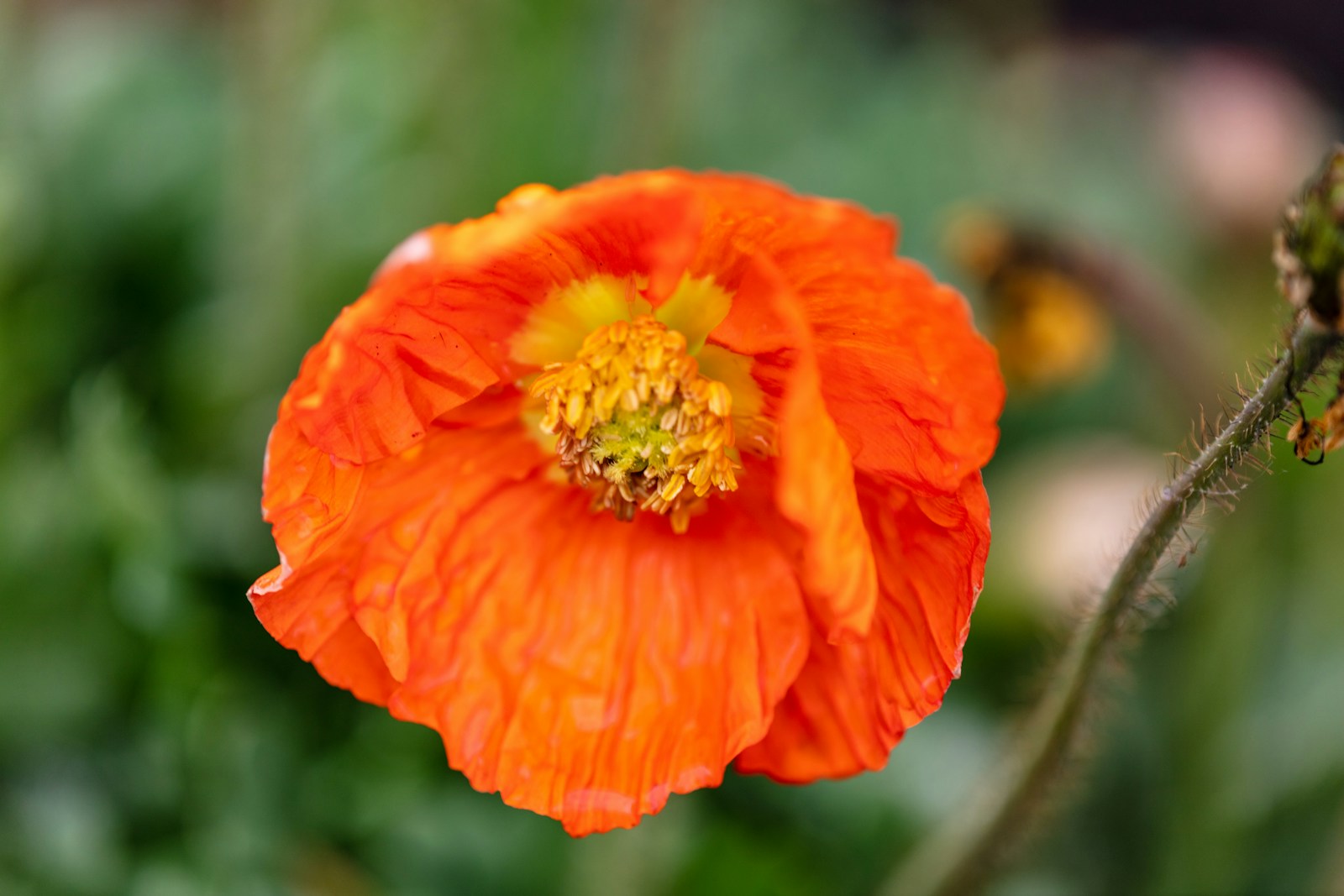
- 'Champagne Bubbles': large flowers in mixed colours on strong stems, good for cutting.
Oriental poppies (Papaver orientale)
- 'Patty's Plum': crumpled flowers in a dusky plum-mauve shade.
- 'Beauty of Livermere': deep scarlet flowers with black blotches on tall stems.