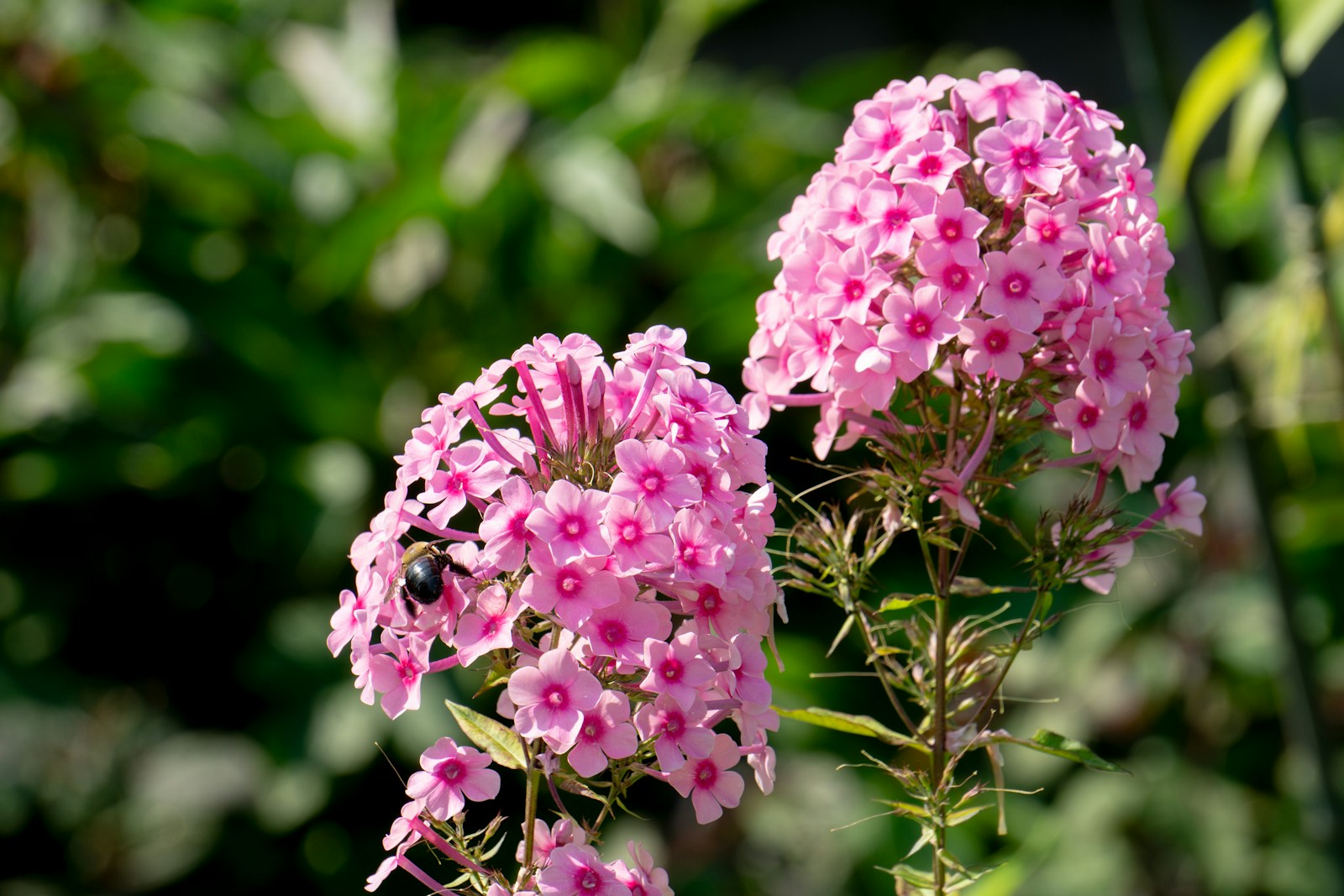
Phlox is a group of North American flowers with clusters of five-petaled, often scented blooms. Three types matter most in gardens. Tall garden phlox fills summer borders. Creeping phlox forms spring carpets on banks and walls. Annual phlox brings long-lasting color to beds and pots. All three are easy to grow once you give them the right spot.
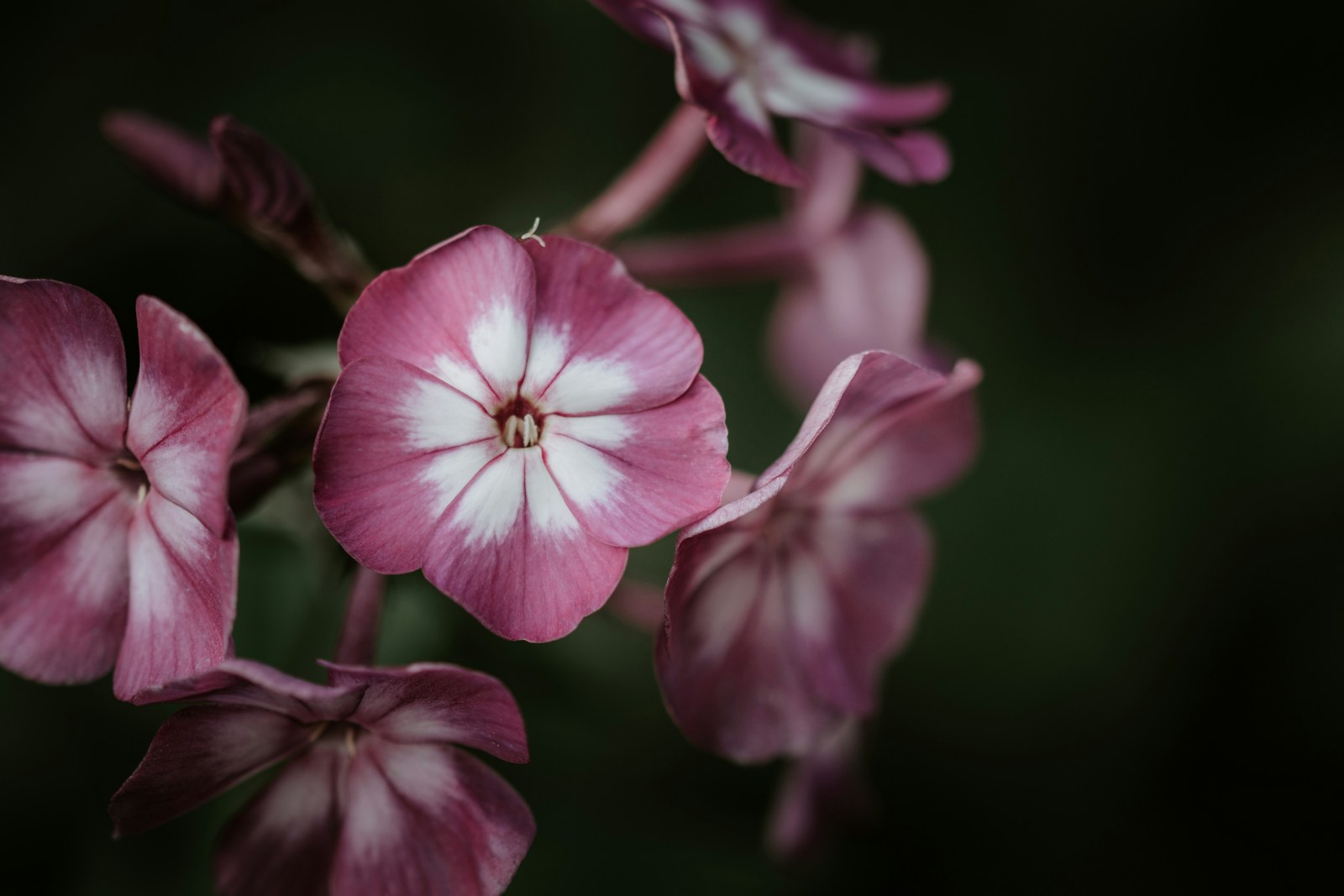
Sowing and planting
Start garden phlox and creeping phlox from plants or divisions. Named varieties do not come true from seed. Plant them in spring after the ground has thawed, or in early fall at least six weeks before your first frost. Fall planting gives roots time to settle before winter.
For garden phlox, dig in plenty of compost. Choose an open spot where air moves freely, because crowded, still air encourages mildew. Set the crown (where the stems meet the roots) at soil level.
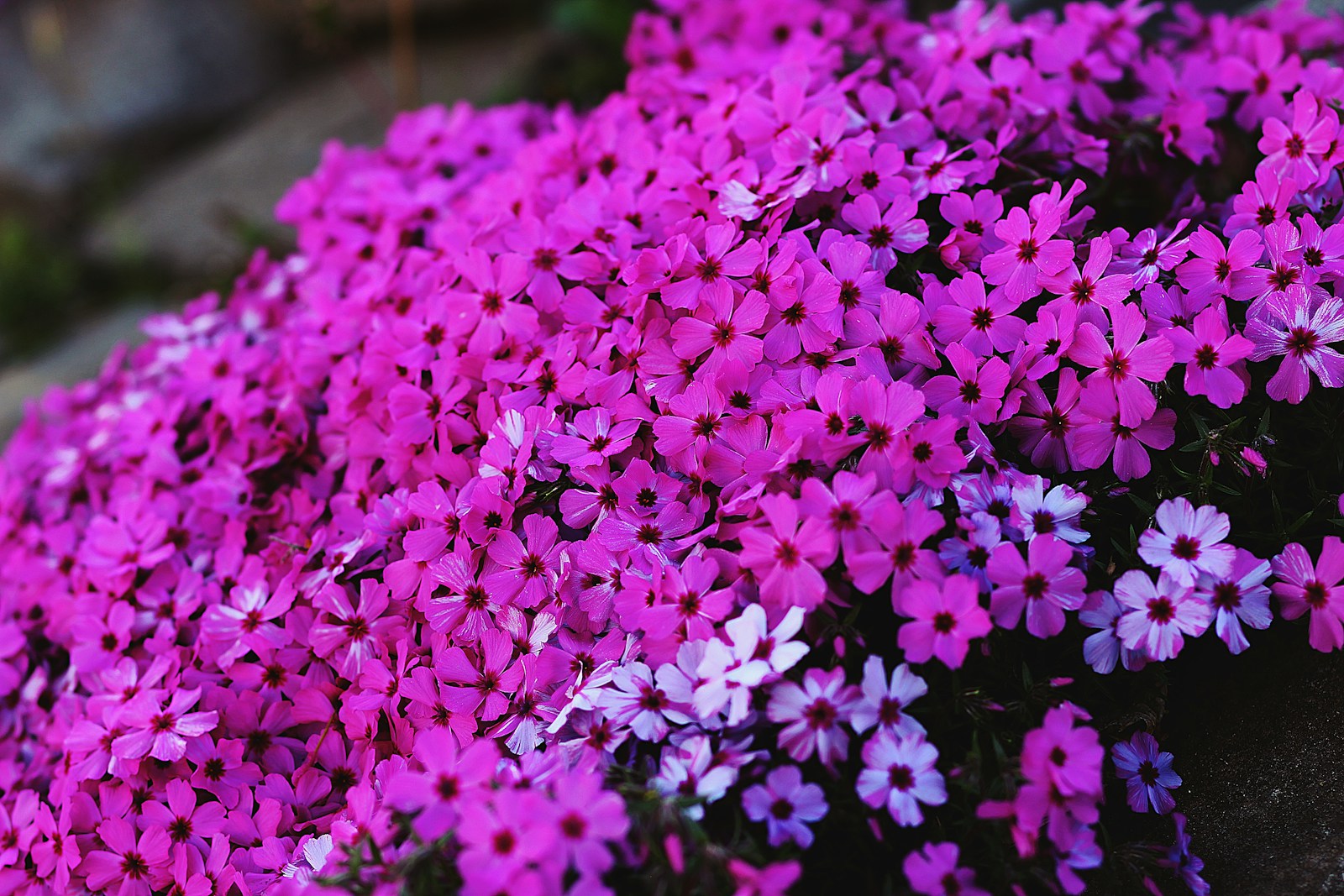
Creeping phlox needs sharp drainage. Plant it at the top of a wall, on a slope, or in a rock garden. Heavy, wet soil rots it in winter. Add grit to clay soil before planting.
Annual phlox grows easily from seed. Sow outdoors after your last frost, when the soil has warmed a little. Cover the seed lightly, because it germinates best in darkness. Seedlings usually appear in 10 to 20 days. Thin them to their final spacing.
For earlier flowers, sow indoors six to eight weeks before your last frost. Sow two or three seeds per small pot, since annual phlox dislikes root disturbance. Cover the pots with cardboard until seedlings appear. Harden off the plants (get them used to outdoor conditions) over a week, then plant out after your last frost.
In hot-summer areas, zones 8 to 10, annual phlox often does best from a fall or late-winter sowing. It flowers through the cool season and fades once real heat arrives.
Growing on
Water garden phlox deeply once a week in dry weather. Aim the water at the soil, not the leaves. Dry roots stress plants and make mildew worse. Creeping phlox needs water only in long dry spells once established. Annual phlox needs regular watering, especially in pots.
Feed garden phlox in spring with compost or a balanced slow-release fertilizer. Too much nitrogen gives soft, floppy growth that mildews easily. Creeping phlox needs little or no feeding. Annual phlox in containers benefits from a liquid feed every two weeks.
Mulch garden phlox with 2 inches (5 cm) of compost or shredded bark. Keep it clear of the stems. Skip thick mulch around creeping phlox, as it holds moisture against the crowns.
Thinning helps garden phlox most. In spring, when shoots are about 6 inches (15 cm) tall, cut out all but four to six of the strongest stems per clump. This improves air flow and gives bigger flower heads.
Tall varieties may need support in windy sites. Use hoops or twiggy sticks in spring so stems grow up through them. You can also pinch the stem tips once in late spring. This gives shorter, sturdier plants that flower a little later.
Deadheading (removing faded flowers) keeps garden phlox blooming longer. Cut off the main flower head once it fades. Side shoots often flower again. Deadheading also stops self-sown seedlings, which rarely match the parent's color.
Shear creeping phlox back by about half right after it flowers. This keeps the mat dense and tidy. Shear annual phlox lightly in midsummer if it looks tired.
Divide garden phlox every three to four years in spring or fall. Replant young outer pieces and discard the woody center.
Phlox is a strong pollinator plant. Butterflies, moths and bees visit it, and hummingbirds visit some garden phlox.
Harvesting
Garden phlox makes a fragrant cut flower. Cut stems in the cool of morning when about half the flowers in the cluster have opened. Strip the lower leaves and place the stems in water straight away. Expect them to last about a week. Change the water every two days.
Annual phlox also works in small posies. Cut stems with open flowers and plenty of buds.
Save seed only from annual phlox. Let a few heads dry on the plant until the pods turn brown. Collect them before they split and store the seed cool and dry in a paper envelope. Mixed colors may not repeat exactly.
Problems and pests
Powdery mildew is the most common way garden phlox fails. A white coating spreads over the leaves in humid late summer, and lower leaves die. Choose mildew-resistant varieties, thin stems and water at soil level.
White powdery coating on leaves
Powdery mildew is a fungus favored by humid air, crowding and dry roots. Grow resistant varieties and thin the stems each spring. Water the soil, not the leaves. Remove badly affected leaves. A spray of potassium bicarbonate can slow it if applied early. Follow the label, and wear gloves.
Pale, speckled leaves with fine webbing
Spider mites feed on the undersides of leaves in hot, dry weather. Hose the undersides regularly. For heavy cases, use insecticidal soap or horticultural oil in cool conditions. Follow the label to avoid scorching the leaves.
Twisted, stunted shoots and swollen stems
Stem nematodes (microscopic worms living inside the stems) cause this distorted growth. Remove and bin badly affected plants. Replant new stock in a different spot.
Creeping phlox turns brown in the center
Wet soil in winter or a mat grown too old usually causes this. Improve drainage with grit. Cut out dead patches and let healthy edges fill in.
Leaves chewed at night
Rabbits and deer often browse phlox. Fence young plants or use a repellent. Reapply repellents after rain.
Varieties worth growing
Garden phlox
- David: tall, fragrant white flowers with good mildew resistance.
- Jeana: lavender-pink flowers, popular with butterflies and resistant to mildew.
- Bright Eyes: pale pink flowers with a deep pink eye.
- Nicky: rich magenta-purple flowers.
Creeping phlox
- Emerald Blue: lavender-blue flowers over dense, bright green mats.
- Candy Stripe: pink and white striped flowers.
- Scarlet Flame: vivid deep pink to red blooms.
Annual phlox
- Twinkle Mix: dwarf plants with starry, pointed petals in mixed colors.