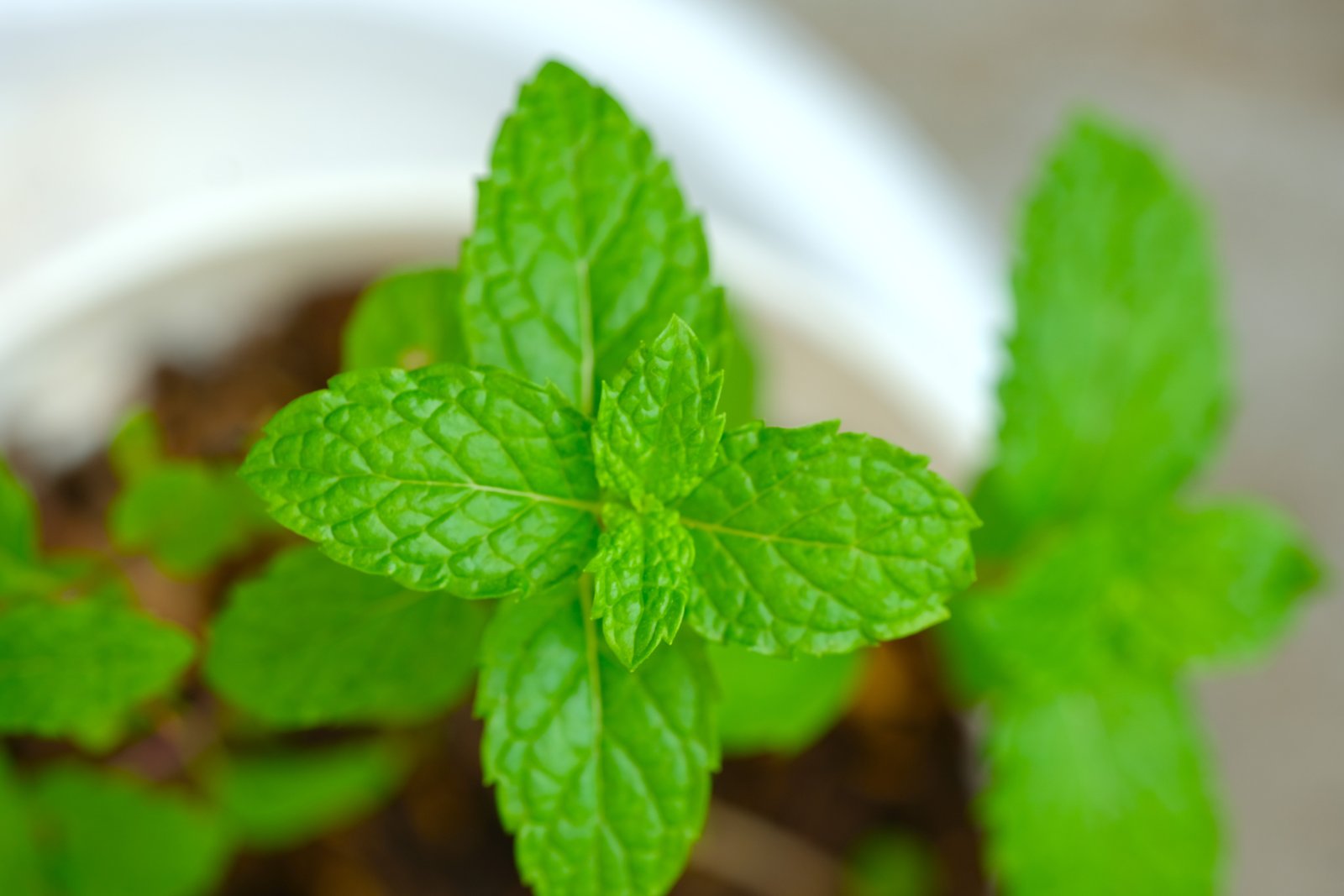
Peppermint (Mentha x piperita) is a hardy perennial herb with dark, toothed leaves and a sharp menthol scent. It is a natural hybrid of watermint and spearmint, grown for tea, cooking and its bee-friendly flowers. It comes back every year and shrugs off cold, shade and neglect. Difficulty: very easy to grow, harder to keep where you put it.
Sowing and planting
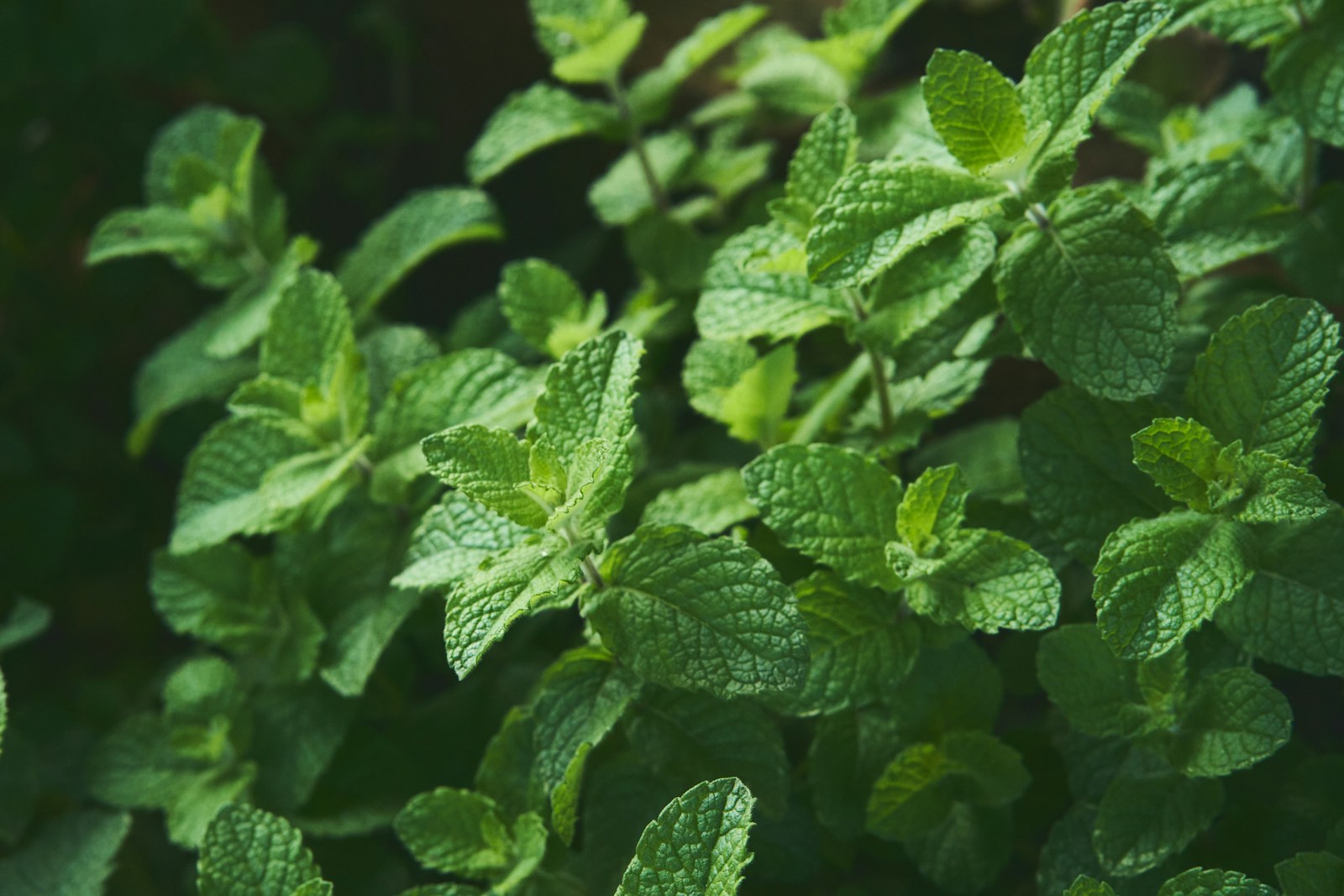
Peppermint is a sterile hybrid, which means it sets little or no viable seed. Seed packets labelled "peppermint" usually grow into some other mint with a weaker flavor. Start with a potted plant, a rooted cutting or a division instead. Rub a leaf before you buy. True peppermint smells strongly of menthol, cool and sharp, not sweet like spearmint.
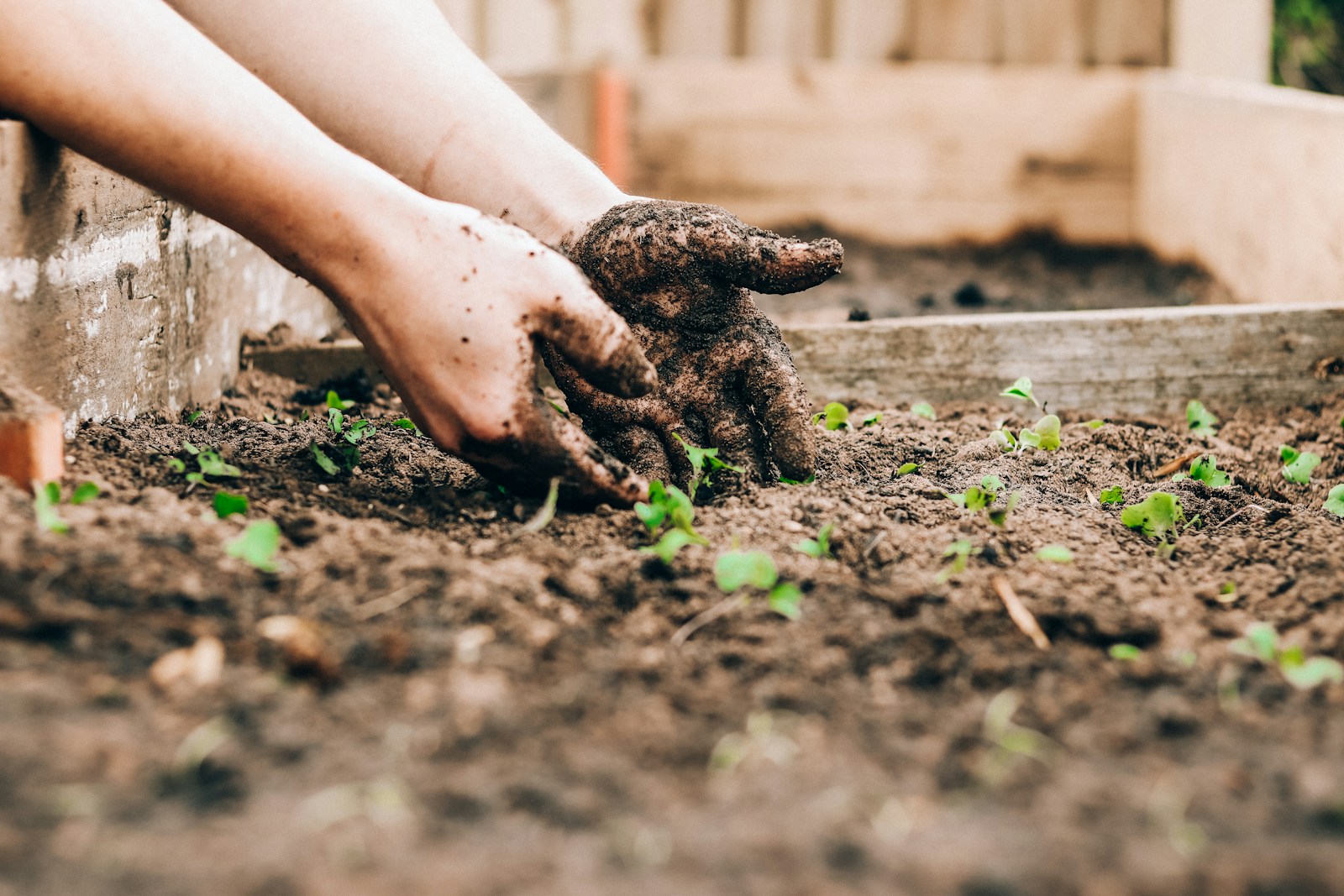
Plant in spring after your last hard frost, or in early fall at least six weeks before the ground freezes. Pot-grown plants can go in at any point in the growing season if you keep them watered.
Choose a spot with moist, fertile soil. Morning sun with afternoon shade suits it well in warm regions. In cooler climates it takes full sun if the soil stays damp. Work in a layer of compost 1 to 2 inches (2.5 to 5 cm) deep before planting.
Set plants at the same depth they grew in the pot. Space them 18 to 24 inches (45 to 60 cm) apart and water well. One or two plants supply most households.
Peppermint spreads fast by runners, which are creeping stems that root as they go, above and below ground. Planted loose in a bed it overruns its neighbors within a season or two. Always plant it inside a barrier or a container, and never dump trimmings with roots where they can take hold.
To contain it in the ground, sink a bottomless bucket or a wide pot into the bed. Leave the rim 1 to 2 inches (2.5 to 5 cm) above the soil so runners cannot hop over. A barrier should reach at least 10 to 12 inches (25 to 30 cm) deep. A bed edged by paving or a mown path also works, because mowing cuts off the escapees. Growing in pots is the simplest control of all, and needs its own watering and repotting routine.
Taking your own stock is easy. Stem tips 4 to 6 inches (10 to 15 cm) long root in a glass of water within a couple of weeks. Any piece of runner with a node, the joint where leaves attach, grows into a new plant.
Growing on
Water is the main job. Keep the soil evenly moist, especially in the first season and during hot spells. A 2 inch (5 cm) mulch of compost or shredded leaves holds moisture and feeds the soil. Keep mulch slightly back from the stems.
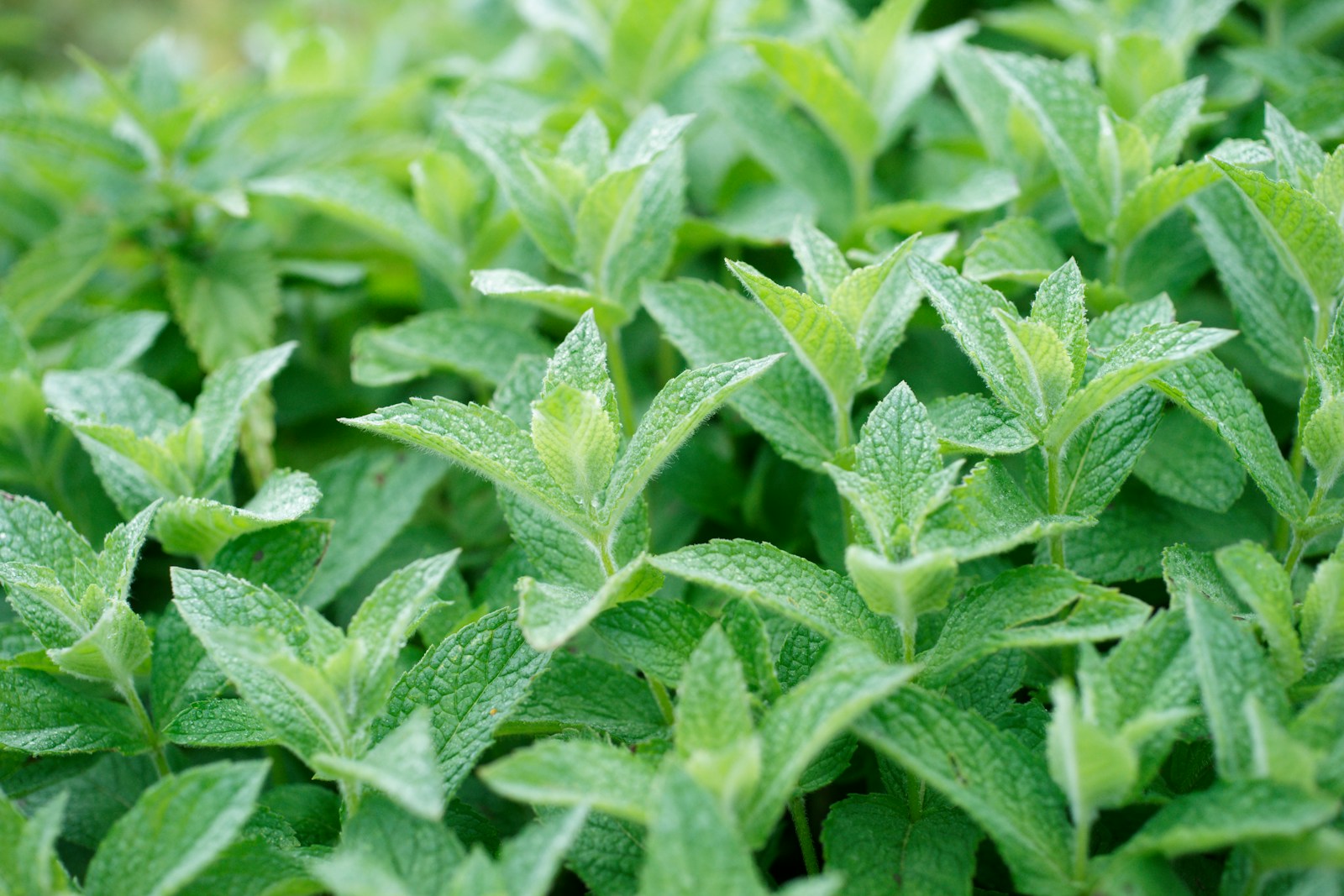
Peppermint is not a heavy feeder. A top-dressing of compost each spring is usually enough in the ground. Too much nitrogen gives lush, soft growth with weaker flavor.
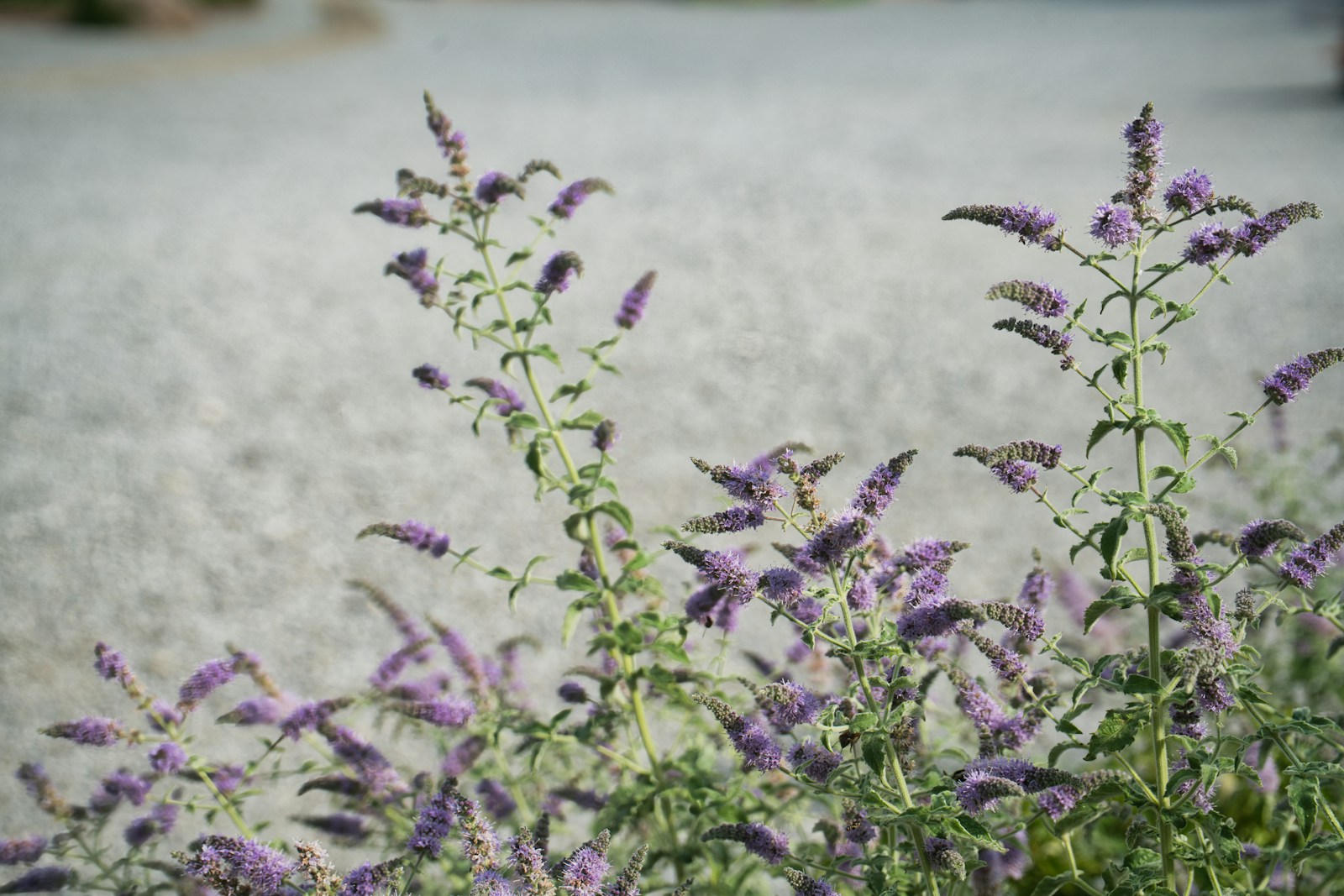
Pinch out the growing tips in spring to make plants bushy. Cut the whole clump back by half to two thirds when flower buds appear. It regrows quickly and gives a second flush of tender leaves. If you want to feed bees, leave one patch to bloom. The small lilac-pink flower spikes draw many pollinators.
Check the edges of the planting a few times each season. Pull any runners that cross the barrier and trace them back to the source.
Clumps get woody and thin in the middle after three or four years. Lift them in spring or early fall and replant the vigorous outer pieces in refreshed soil. Discard the tired center.
In fall, frost kills the top growth. Cut the dead stems to the ground and clear them away, which also removes overwintering disease. In the coldest zones, add a few inches of loose mulch after the ground freezes.
Keep different mints apart. They do not cross by seed in any useful way here, but runners mingle and the stronger mint usually crowds out the other.
Harvesting
Pick sprigs as soon as plants are growing strongly, usually six to eight weeks after planting. Established clumps can be picked from mid spring until frost.
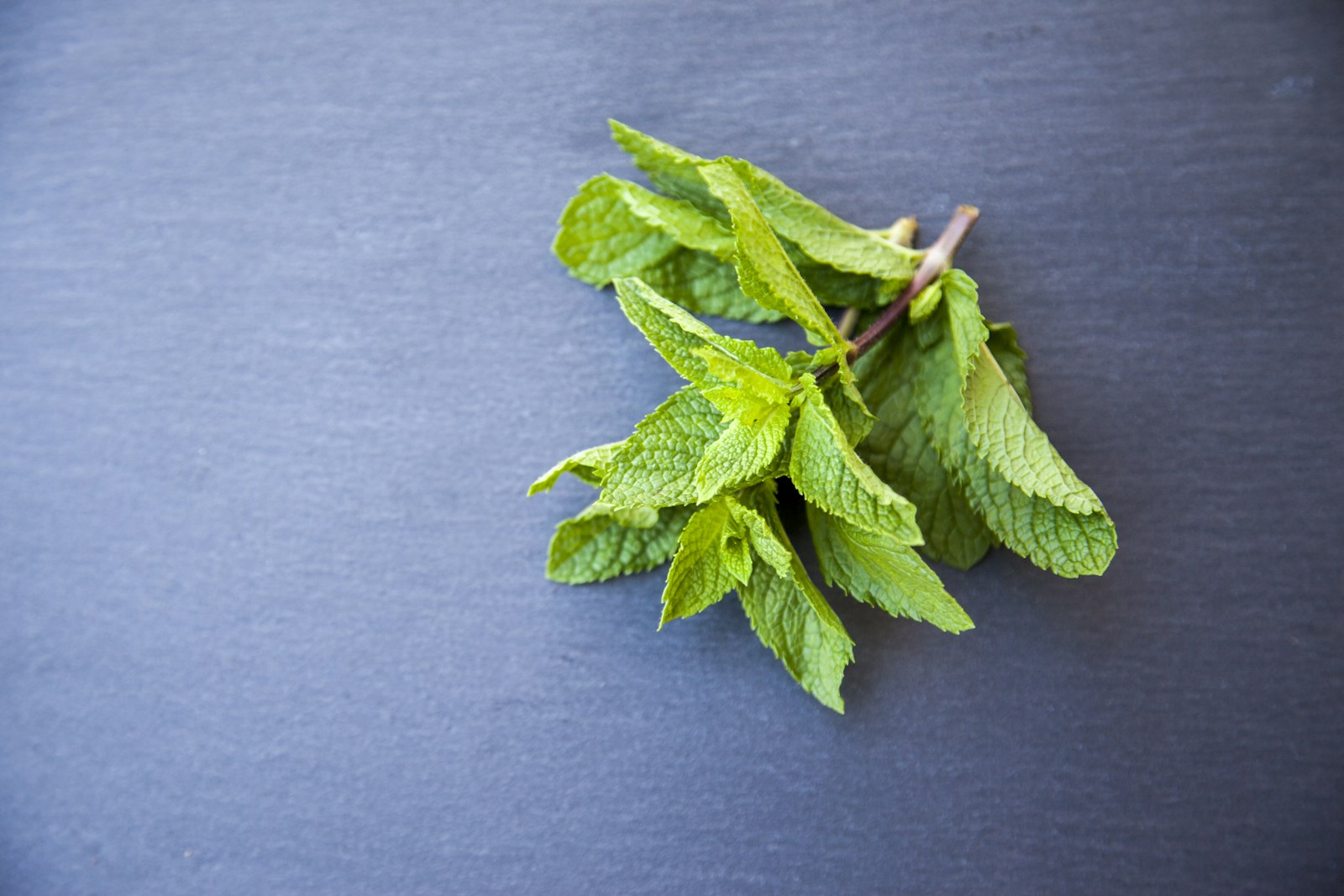
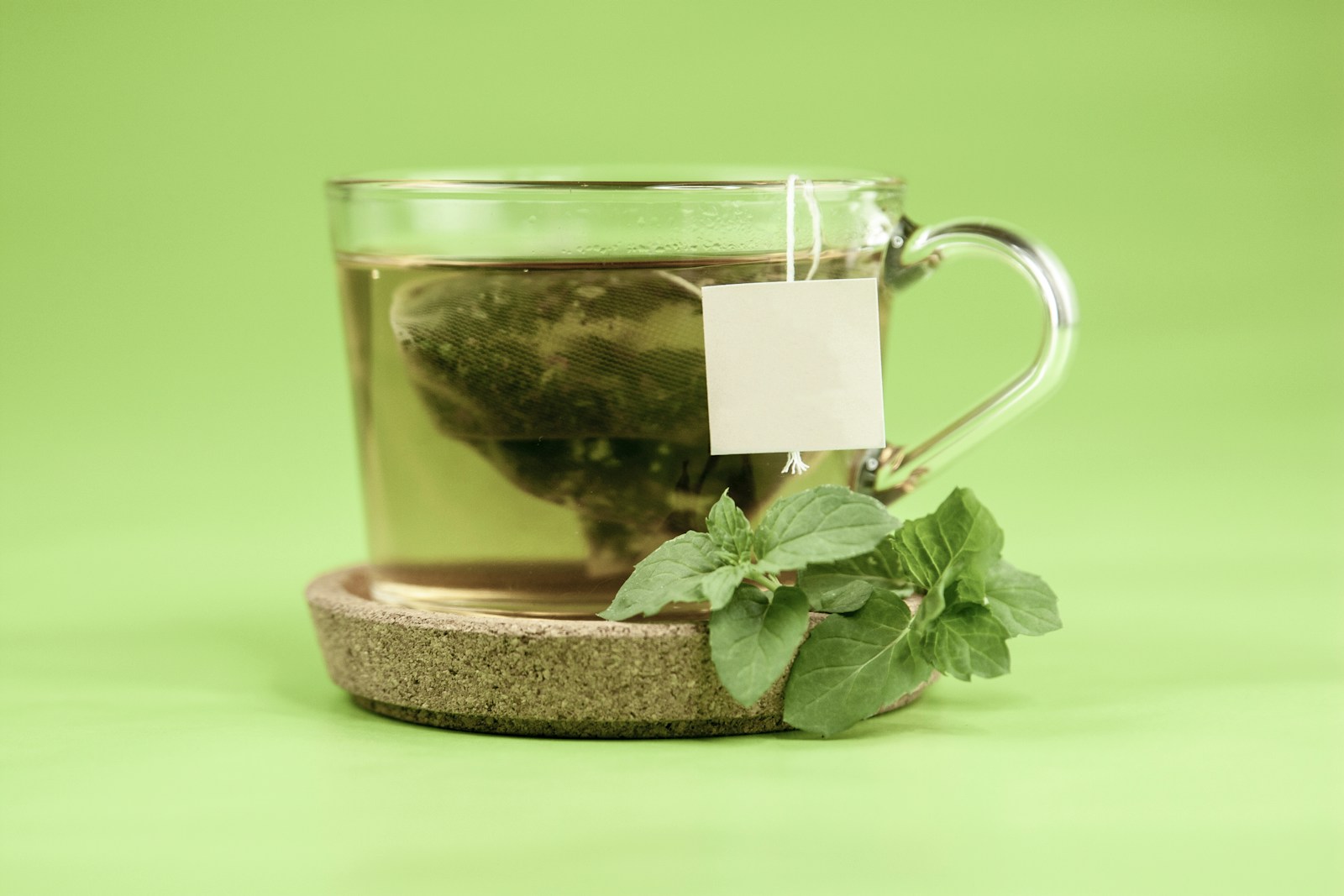
Cut stems just above a pair of leaves, and new shoots branch from that joint. Regular picking keeps the plant leafy. Take no more than about a third of a young plant at once. Established plants tolerate much harder cutting.
Flavor is strongest just before the flowers open. For a big harvest to dry, cut on a dry morning after the dew has gone. Bundle small bunches and hang them somewhere warm, airy and out of direct sun. Leaves are ready when they crumble. Store them whole in a closed jar in the dark, and crush them as you use them.
Mountain households in southern Appalachia kept a mint patch near the house or spring for generations. Anthony Cavender's Folk Medicine in Southern Appalachia records peppermint tea among the popular home remedies for an upset stomach. The leaves also went into teas given to colicky babies. That is folk history, not guidance. Nothing in this article is medical advice. Talk to a doctor or pharmacist before using any herb for health reasons, and especially before giving it to children.
Problems and pests
Orange or rusty spots under the leaves
Mint rust is a fungal disease. Look for swollen, distorted shoots in spring, then orange pustules on the leaf undersides. Remove and bin affected stems rather than composting them. Cut badly infected clumps to the ground, clear all debris and thin the patch for airflow. If it returns each year, start again with clean plants in a new spot.
White powdery coating on leaves
Powdery mildew shows up on crowded, dry plants, often late in the season. Cut the plant back hard, water the soil rather than the leaves, and thin the clump. The regrowth is usually clean.
Fine speckling and webbing on leaves
Spider mites thrive in hot, dry weather, and are common on plants grown against a warm wall. Hose the undersides of the leaves with a firm spray of water every few days. Keeping the soil moist makes attacks less likely.
Small round holes in the leaves
Flea beetles, tiny dark beetles that jump when disturbed, chew shot-holes in the foliage. The damage is mostly cosmetic. Cut damaged growth back and let the plant regrow. Healthy mint outpaces them.
Wilting stems in moist soil
Verticillium wilt is a soil fungus that blocks the plant's water vessels. Leaves yellow, curl and die from the bottom up. There is no cure. Remove the plants and do not replant mint in that soil. Grow replacements in containers of fresh potting mix.
Varieties worth growing
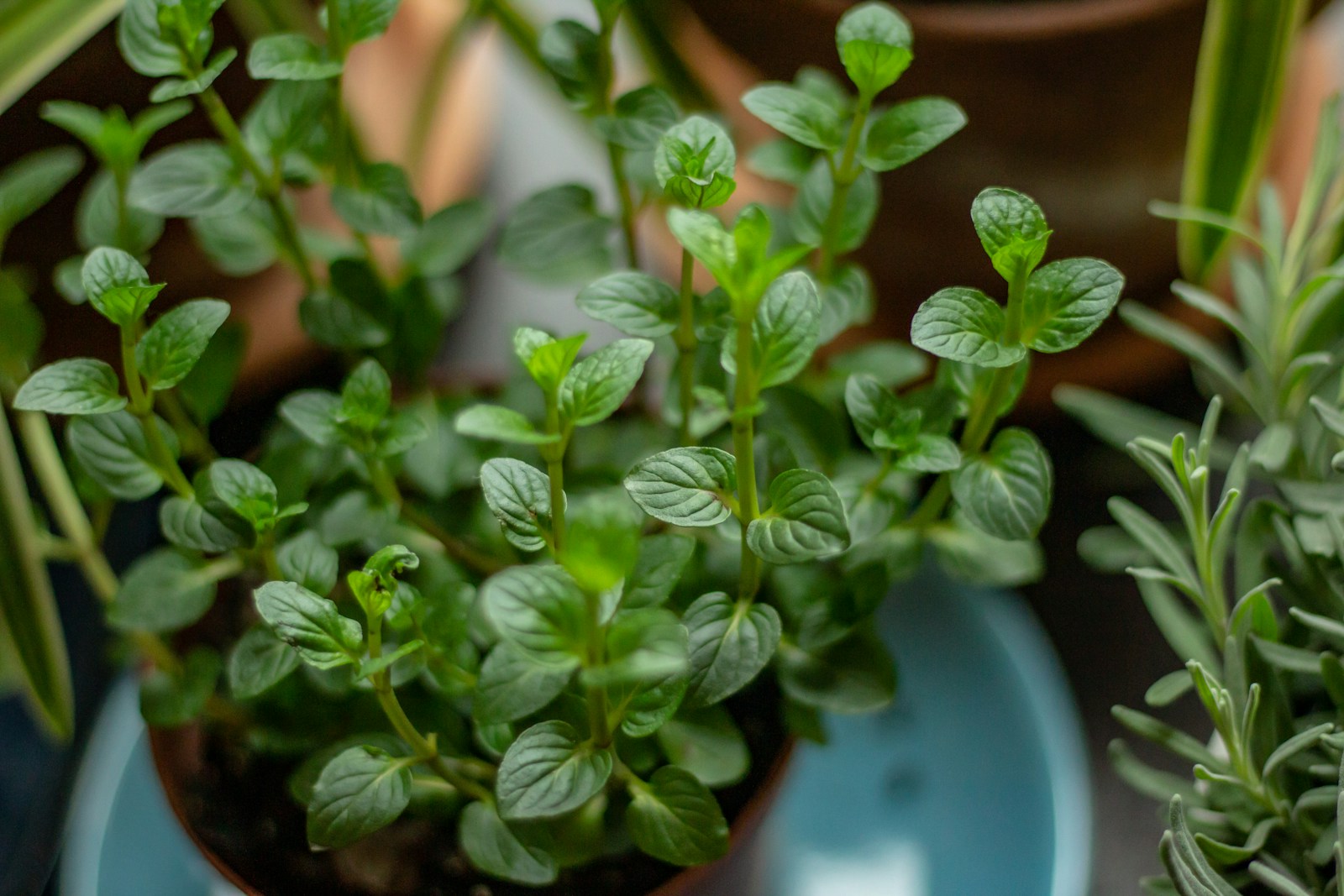
- Black peppermint ('Black Mitcham' type): dark purple stems and purple-tinged leaves, with a strong menthol flavor. This is the classic form for tea and oil.
- White peppermint: green stems and lighter green leaves. Milder in flavor and a little less vigorous than the black form.
- 'Chocolate' mint: a peppermint selection with dark stems and a scent many people compare to a chocolate mint candy. Good for desserts and tea.
- Orange mint (Mentha x piperita f. citrata, also sold as bergamot mint or eau de cologne mint): a close relative with a citrus, perfumed scent. Better for iced drinks and potpourri than for classic mint tea.
- 'Variegata': a variegated peppermint with cream-splashed leaves. Grown as much for looks as flavor, and slower to spread.
Because peppermint does not come true from seed, buy all of these as plants or take cuttings from a friend's patch.