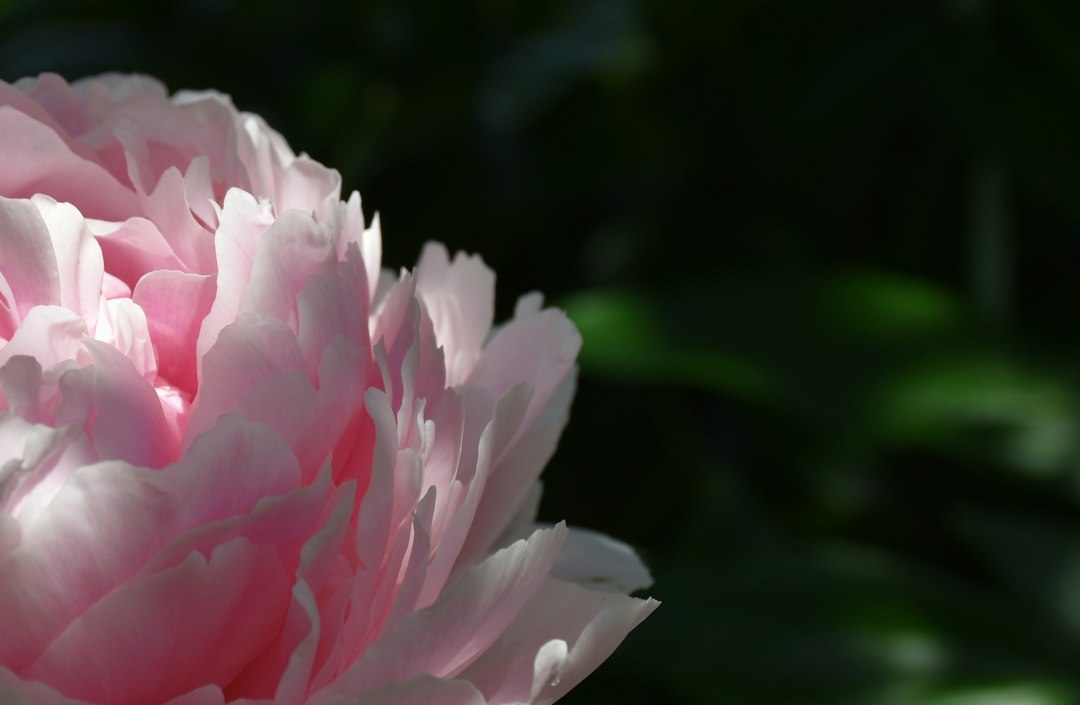
Peony (Paeonia lactiflora) is a herbaceous perennial grown for its huge, often ruffled blooms and strong scent in late spring. It belongs to the small Paeoniaceae family and, once settled, asks for very little from you for decades. Peonies are easy to grow and suit a beginner, but they are unforgiving of one single mistake made at planting time.
Sowing and planting
Peonies are planted as bare-root divisions (dormant root sections with visible buds, sold without soil) or as potted nursery plants, never started from seed if you want a named variety true to type. Seed-grown peonies are unpredictable and can take five years or more to produce their first flower anyway, so almost nobody grows them that way.
Fall is the standard planting season for bare-root divisions in most places peonies are hardy, since it lets roots establish before the burst of spring growth. In zone 6b, that generally means getting divisions into the ground once the worst of the summer heat has broken but well before the soil freezes hard. A potted peony can also go in during spring, though it may take a year longer to put on a full show of flowers.
Dig a planting hole at least as wide as the root spread, and set the division so the "eyes" (the pink or reddish growth buds visible on the crown) sit no deeper than 2 inches (5 cm) below the final soil surface. This is the single most important detail in growing peonies. Plant the eyes any deeper and the plant usually still produces leaves, but it may fail to flower for years, sometimes indefinitely, until it is lifted and reset at the correct depth. Space plants 36 inches (90 cm) apart so each clump has room to spread and good airflow around it, which also helps prevent fungal problems later. Firm the soil gently, water well, and in colder zones add a light mulch over winter, pulling it back in spring so new shoots are not smothered.
Plant the eyes no deeper than 2 inches (5 cm). Depth is the single biggest reason a peony fails to flower.
Growing on
Water peonies regularly during their first year while roots establish, then taper off once they are settled; mature clumps usually only need extra water during a long dry spell. Feed lightly in early spring as new red shoots emerge, working a balanced fertilizer into the soil surface and keeping it away from direct contact with the crown. Avoid high-nitrogen feeds, which push leafy growth at the expense of flowers.
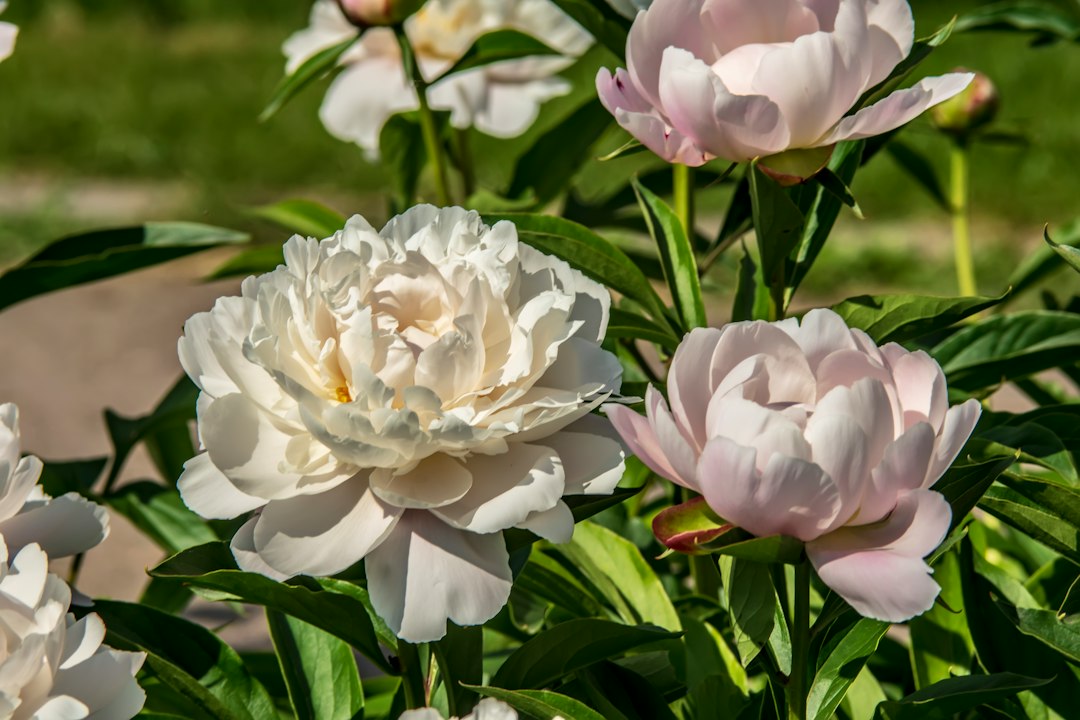
Many peony varieties, especially the fully double types, carry flowers heavy enough to flop or snap in rain and wind. Put a peony ring or a stake-and-twine support in place while stems are still short in spring, so the foliage grows up through it rather than being forced into it later. Deadhead (remove spent blooms) by cutting back to the first healthy leaf once petals drop; this tidies the plant and redirects its energy into the roots rather than seed production. Leave the rest of the foliage standing until it dies back naturally in fall, since it is still feeding next year's buds.
Peonies resent being moved or divided often, and disturbed roots can sulk for a year or two before flowering well again. Choose a permanent spot the first time if you can: a well-sited peony often outlives the gardener who planted it, blooming reliably for decades on very little attention.
Harvesting
The closest thing to a harvest with peonies is cutting blooms for indoor arrangements, and timing the cut matters more than almost anything else for how long the flowers last. Cut stems when the bud feels soft, like a marshmallow, with just a sliver of petal color showing at the tip. A bud that is still hard and tightly closed, like a round pea, will often fail to open indoors at all. Cut in the cool of morning with clean, sharp tools, keeping fingers well clear of the blade, and leave at least two sets of leaves on the remaining stem to support the plant.
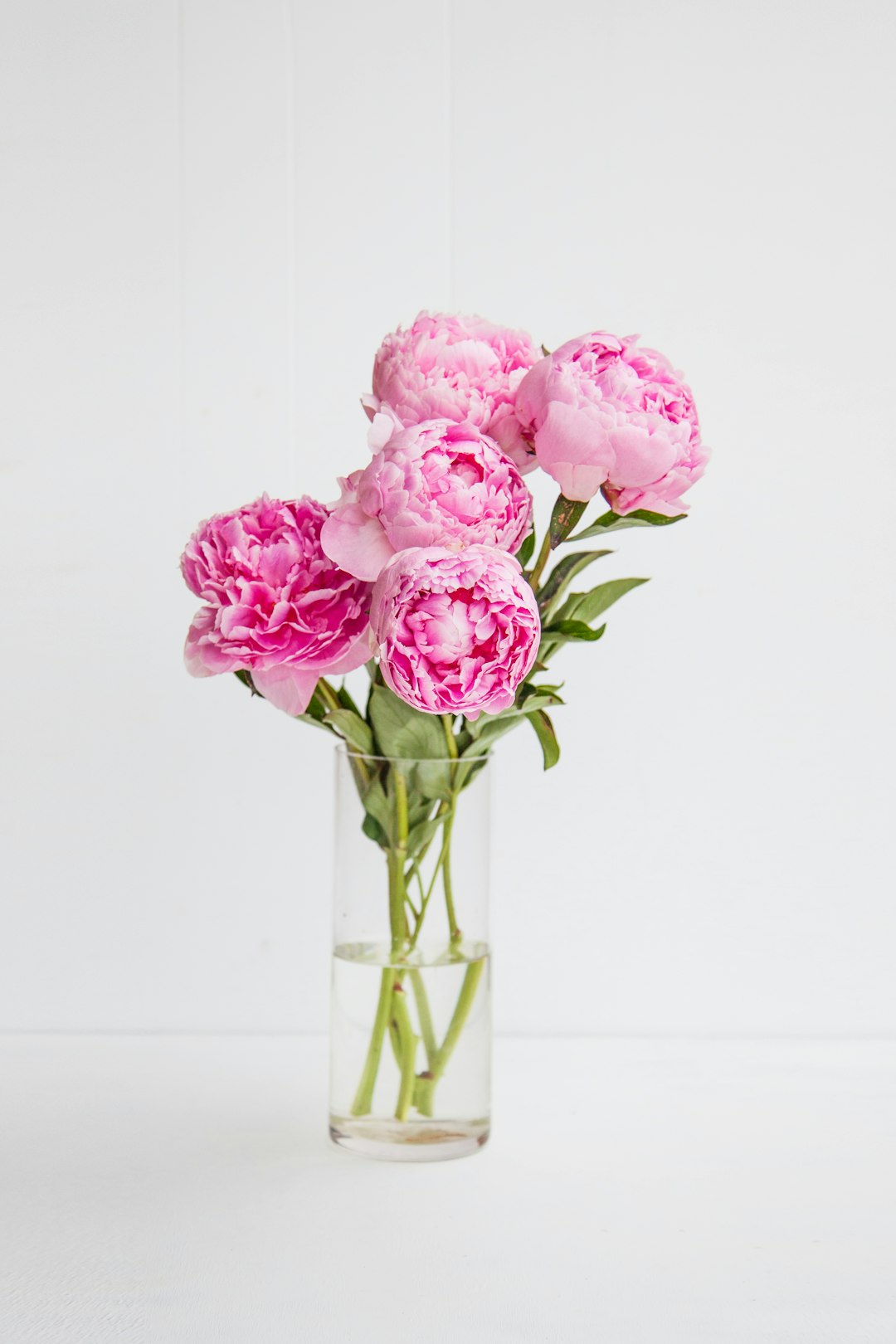
Strip any leaves that would sit below the waterline, stand the stems in cool water right away, and change the water every day or two. Cut peonies usually last about a week in the vase, sometimes longer. The sugary nectar on unopened buds can bring a few ants in with them, so a gentle shake or rinse before bringing stems indoors helps.
Problems and pests
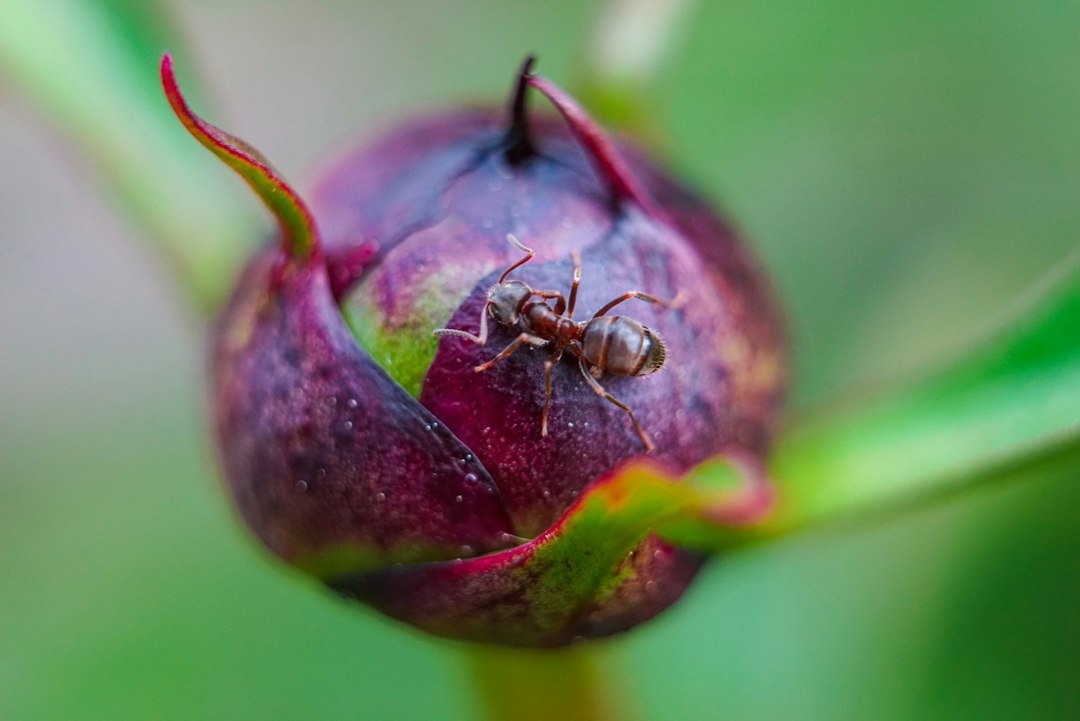
Buds covered in ants
Ants are a near-constant sight on peony buds, drawn to the sweet nectar the buds produce before they open. This is a common myth worth clearing up: the ants do no real harm to the plant, and the flower does not need them in order to open. Leave them be outdoors, or give cut stems a gentle rinse before bringing them inside.
Gray, fuzzy patches on buds or stems
This is botrytis blight, a fungal disease that thrives in cool, damp, crowded conditions. It can blacken and rot buds before they open and collapse stems further down. Remove and destroy affected growth promptly, thin crowded stems to improve airflow, and avoid overhead watering that leaves foliage wet overnight.
White powdery coating on leaves
Powdery mildew turns up in humid weather, especially later in the season. It rarely kills an established peony but looks unsightly. Improve air circulation around the plant, water at the base rather than over the foliage, and remove badly affected leaves once flowering finishes.
Plant grows leaves but never flowers
This is almost always a planting depth problem: the eyes are sitting too deep, the clump is in too much shade, or it was divided or moved too recently and simply needs another year or two to settle in. Check the planting depth first; resetting the crown to 2 inches (5 cm) below the surface often resolves it within a year or two.
Small reddish-brown spots on leaves
This is usually a minor fungal leaf spot, sometimes called measles, and it is mostly cosmetic rather than damaging. Pick off badly spotted leaves and clear fallen foliage at the end of the season to cut down on next year's spores.
Varieties worth growing
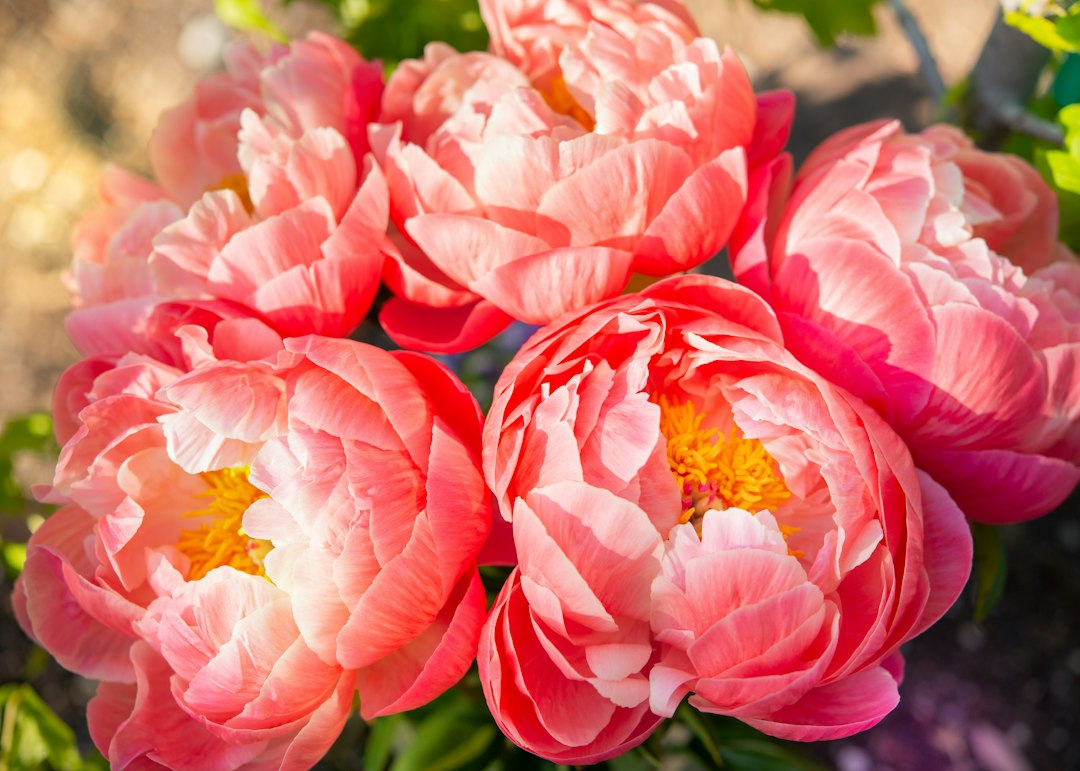
- 'Sarah Bernhardt' – a classic, strongly fragrant double in soft pink, and one of the most widely sold peonies anywhere.
- 'Festiva Maxima' – an early-blooming white double flecked with crimson, grown since the mid-1800s.
- 'Duchesse de Nemours' – a fragrant, creamy white double that holds its shape well once cut.
- 'Karl Rosenfield' – a reliable, deep red double that stands up well with minimal staking.
- 'Bowl of Beauty' – a Japanese-form variety with rose-pink outer petals surrounding a cream-colored center.