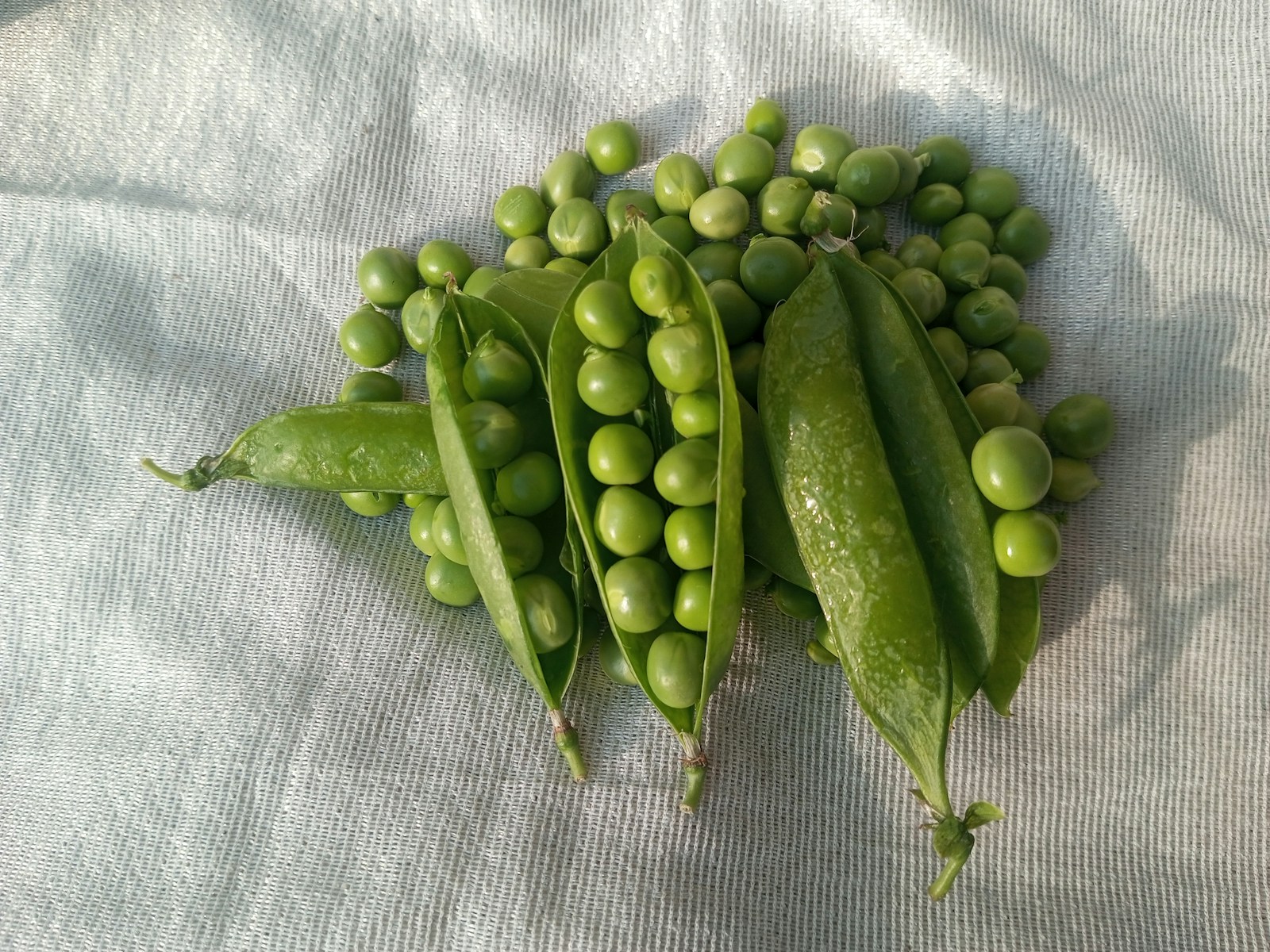
Garden peas are among the first crops you can sow each year. Fresh pods picked and eaten within the hour taste far sweeter than anything bought. They are easy to grow as long as you beat the summer heat.
Sowing and planting
Peas like cool weather and stop producing once days stay above about 80°F (27°C). Timing matters more than anything else.
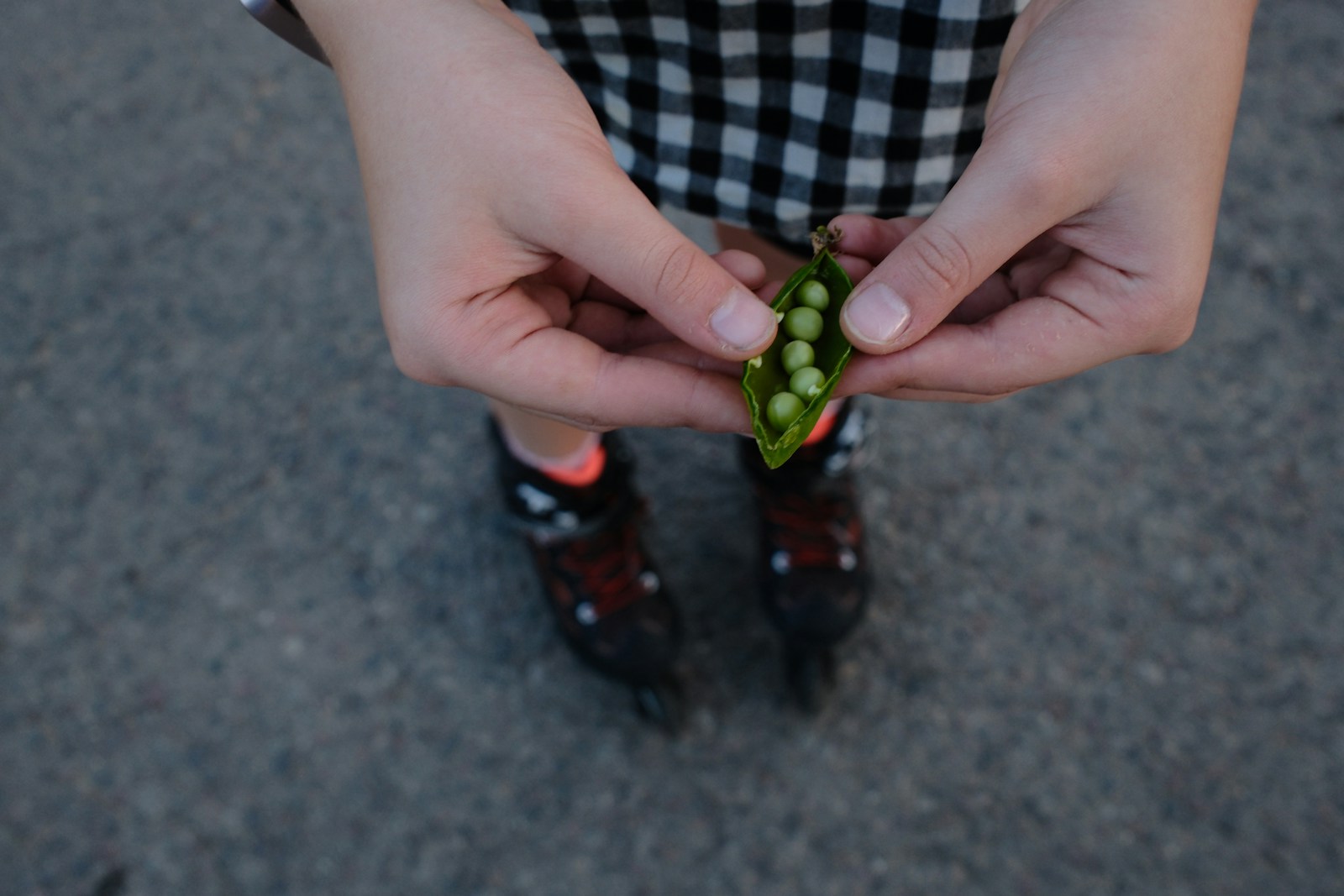
Sow outdoors four to six weeks before your last frost, as soon as the soil can be worked. The soil should be at least 40°F (4°C). In very cold, wet soil the seed rots before it sprouts, so wait a week or two if the ground is waterlogged.
For an autumn crop, sow eight to ten weeks before your first expected frost. Summer-sown peas need extra water and may struggle in hot spells. In mild-winter areas such as USDA zones 8-10, peas also grow through the cool season from an autumn sowing.
Sow seeds 1-2 inches (2.5-5 cm) deep and 1-2 inches (2.5-5 cm) apart. A popular layout is a double row about 6-8 inches (15-20 cm) apart, with a support running between them. Water well after sowing, then hold back until the seedlings appear, which usually takes 7-14 days.
Peas form a partnership with soil bacteria that fix nitrogen (take it from the air and store it in root nodules). In ground where peas or beans have not grown before, dusting the seed with a pea and bean inoculant can help them get started.
You can also start peas indoors in deep cells or lengths of guttering about three to four weeks before planting out. This protects the seed from mice and birds. Harden off the seedlings (get them used to outdoor conditions over a week) before planting.
For a steady supply, make a new sowing every two to three weeks until the weather starts to warm.
Growing on
Put supports in place at sowing time so you do not damage roots later. Peas climb by tendrils, which need something thin to grip.
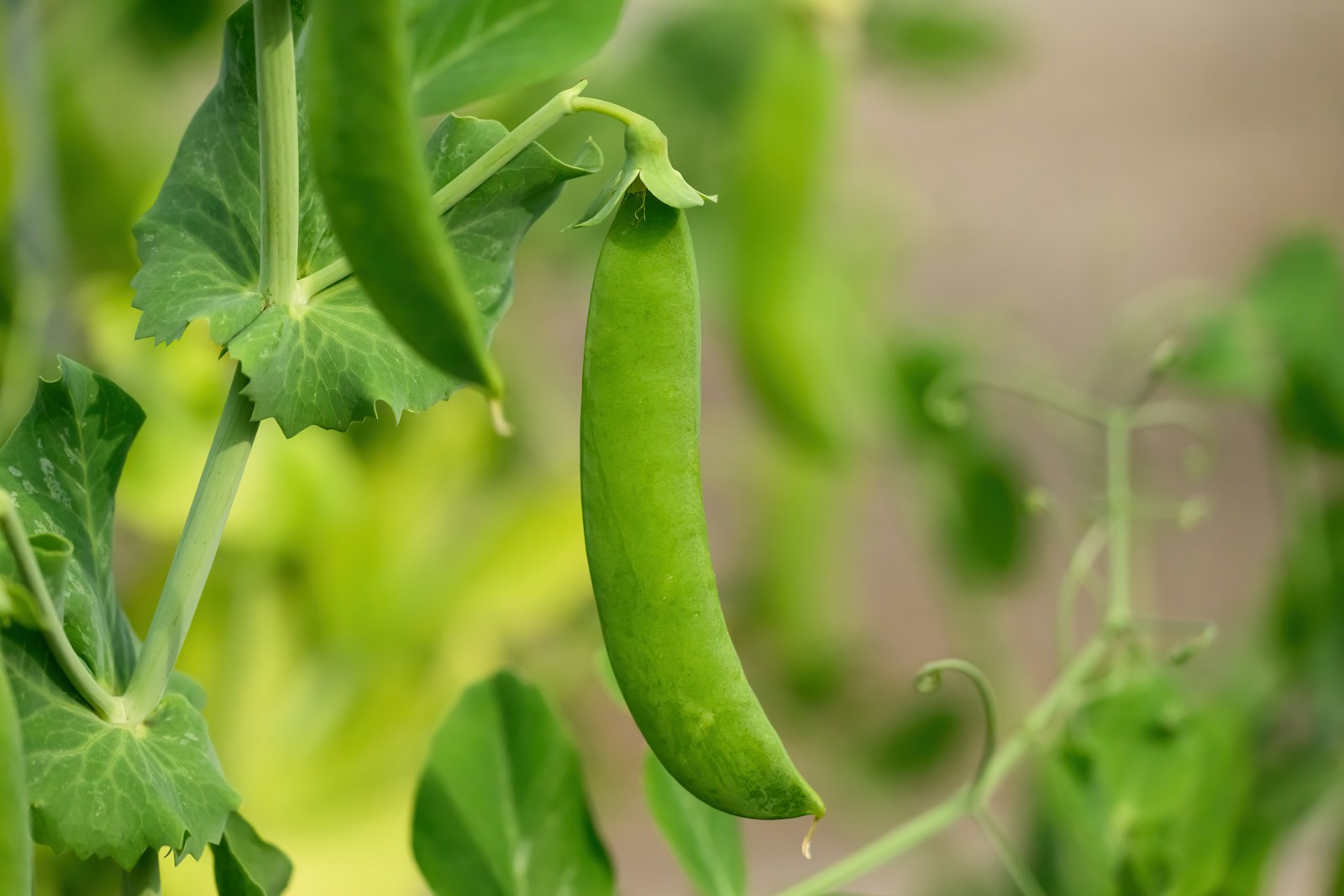
- Tall types need a sturdy trellis, netting or wire mesh 5-8 feet (1.5-2.4 m) high.
- Dwarf types still crop better with twiggy sticks or low netting 2-3 feet (60-90 cm) high.
Guide young shoots onto the support if they flop away from it. Once they catch hold, they climb unaided.
Keep the soil evenly moist, especially once flowers open. Dry soil at flowering reduces the number of pods. Water at the base rather than over the leaves to reduce mildew.
Peas need little feeding because of their nitrogen-fixing roots. A light dressing of compost before sowing is usually enough. Heavy nitrogen feed produces lots of leaves and few pods.
Mulch with 1-2 inches (2.5-5 cm) of straw or grass clippings once the plants are 4-6 inches (10-15 cm) tall. This keeps roots cool and helps extend the harvest as the weather warms.
Peas grow well beside carrots, radishes, lettuce and spinach. Keep them away from onions and garlic, which can slow their growth.
At the end of the season, cut the plants at soil level and leave the roots in the ground. The nodules release nitrogen as they break down.
Do not confuse garden peas with sweet peas. Ornamental sweet peas (Lathyrus odoratus) are grown for their scented flowers, but their seeds and pods are poisonous to people and pets. Keep packets clearly labelled and stored apart. Never eat pods from a sweet pea plant, and grow the two crops in separate beds.
Harvesting
Pick peas regularly, every day or two at peak season. Leaving mature pods on the plant signals it to stop flowering.
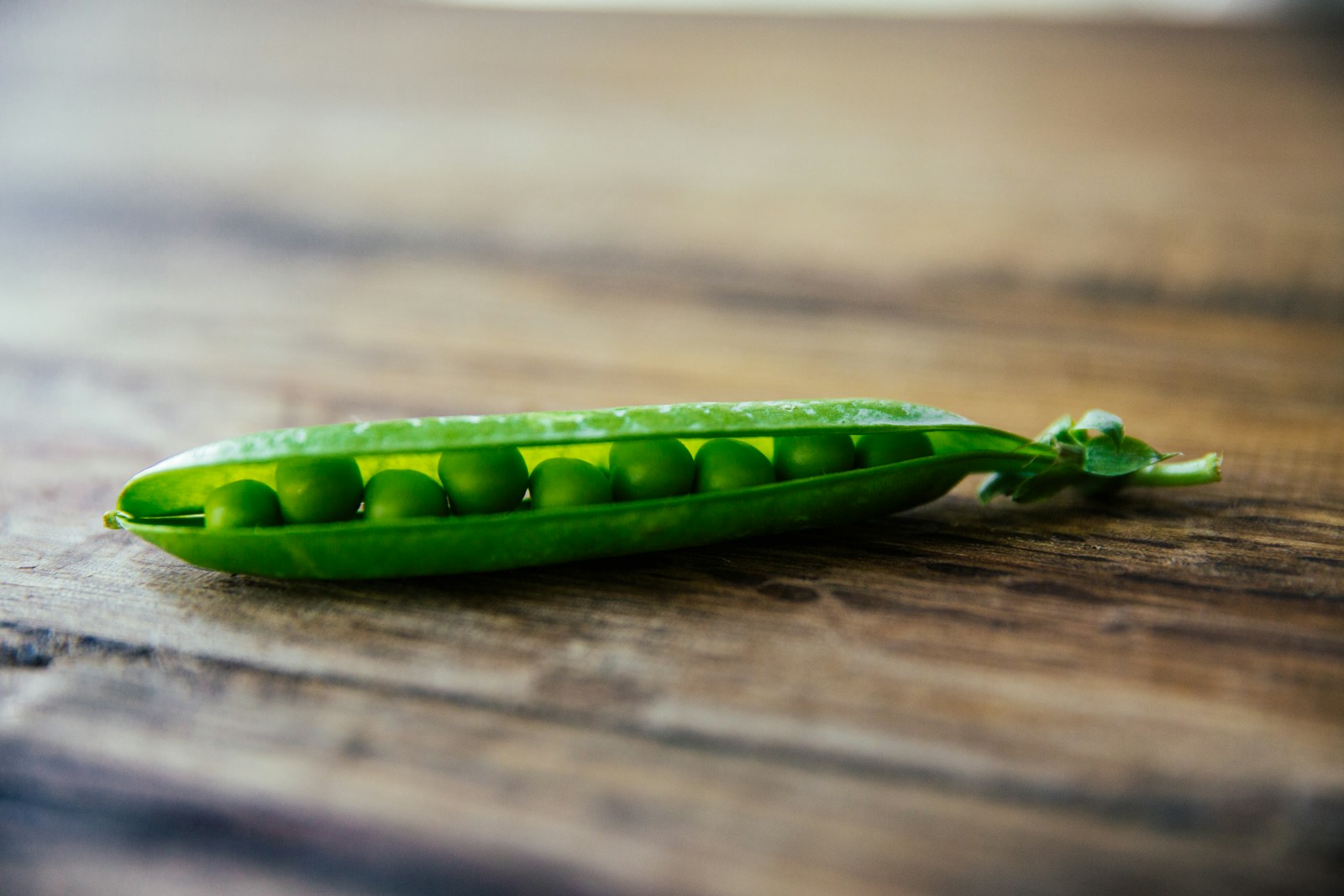
Each type has its own harvest signs:
- Shelling peas are ready when the pods are plump, bright green and just filled out. Pick before the pods turn dull or waxy, when the peas become starchy.
- Snow peas are ready when the pods reach full length but are still flat, with the peas barely visible.
- Sugar snap peas are ready when the pods are round, crisp and snap cleanly, like a green bean.
Hold the stem with one hand and pull the pod off with the other. Yanking with one hand can tear the vine. Pick in the cool of the morning for the best flavour.
The sugars in peas start turning to starch soon after picking, so eat or chill them quickly. They keep for a few days in a bag in the refrigerator. For longer storage, shell them and blanch in boiling water for about 1-2 minutes, cool quickly in iced water, then freeze.
The young shoot tips are edible too. Pinch off the top 2-4 inches (5-10 cm) of a few plants for salads and stir-fries.
To save seed, leave some pods of an open-pollinated (not hybrid) variety on the plant until they turn brown and dry. Peas mostly self-pollinate, so seed usually comes true.
Problems and pests
White, powdery coating on the leaves
This is powdery mildew, most common late in the season in warm, dry weather. Keep roots moist, space plants for good air flow and grow resistant varieties. Pull badly affected plants once the crop has finished.
Seeds vanish or seedlings are nipped off
Mice dig up the seed and birds pull out young shoots. Start peas indoors or in guttering, or cover sown rows with netting or mesh until the plants are established.
Small caterpillars inside the pods
These are pea moth larvae, which eat the peas inside the pod. Early and late sowings usually miss the moth's main flight period. Covering the crop with fine insect mesh while it flowers also keeps the moths out.
Clusters of green insects on shoot tips
Aphids suck sap and distort new growth. Rub them off by hand or blast them away with a strong spray of water. Ladybugs and other natural predators usually control them. If you use insecticidal soap, spray in the evening, follow the label and keep it off open flowers visited by bees.
Seedlings turn yellow and collapse
Root rot fungi attack peas in cold, waterlogged soil. Wait until the soil drains well before sowing, and grow in raised beds on heavy clay. Rotate crops so peas do not grow in the same spot two years running.
Varieties worth growing
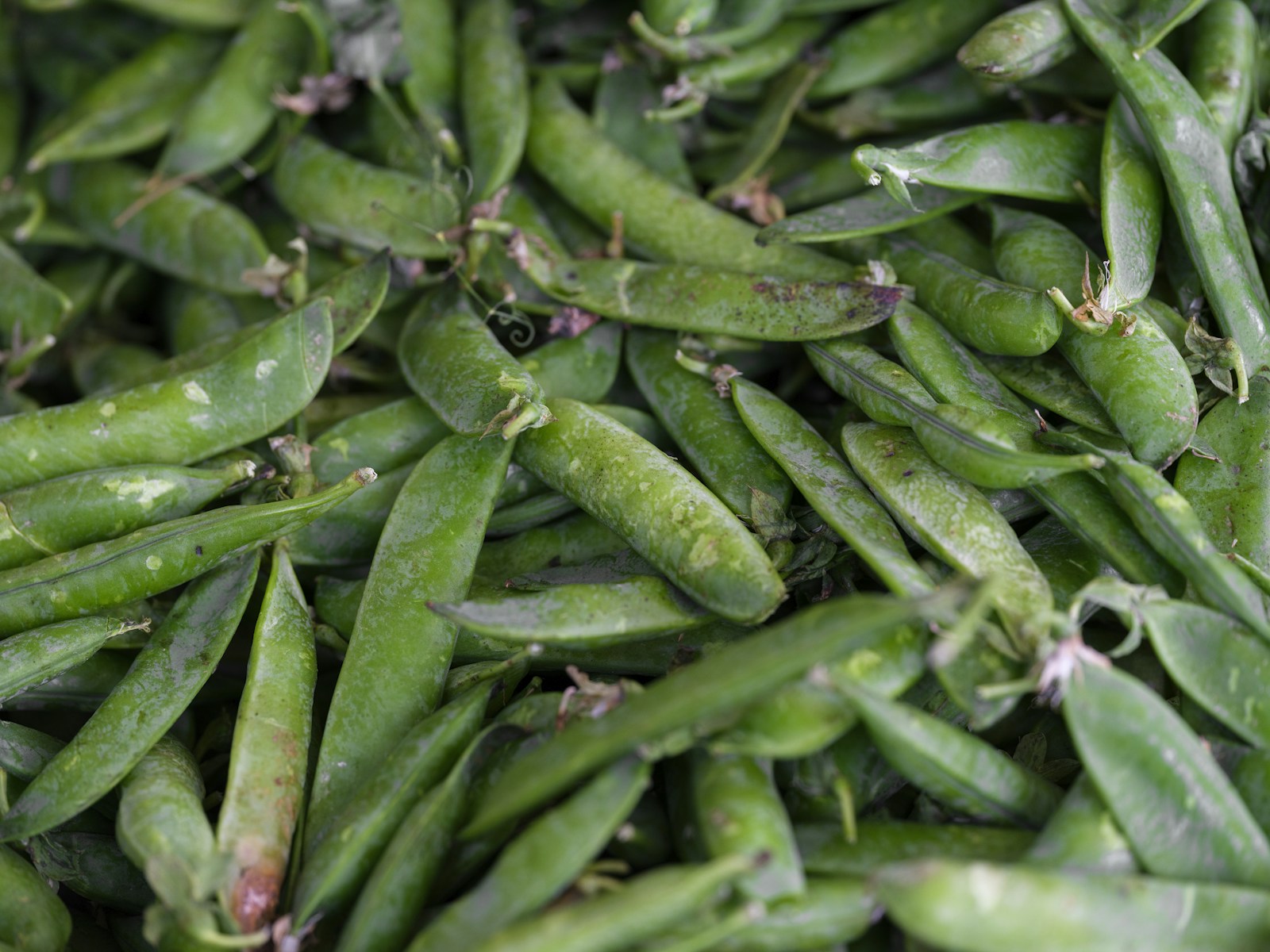
Shelling (English) peas
- 'Little Marvel': a compact heirloom dwarf that needs little support.
- 'Green Arrow': a productive mid-height type with long pods, often borne in pairs.
- 'Wando': tolerates warmer weather better than most, useful for late sowings.
Snow peas
- 'Oregon Sugar Pod II': a reliable dwarf snow pea with broad, flat pods.
- 'Mammoth Melting Sugar': a tall climber with large, sweet pods; needs a tall trellis.
Sugar snap peas
- 'Sugar Snap': the original sugar snap, a tall climber with thick, crisp pods.
- 'Sugar Ann': a dwarf sugar snap that crops early and suits small spaces.