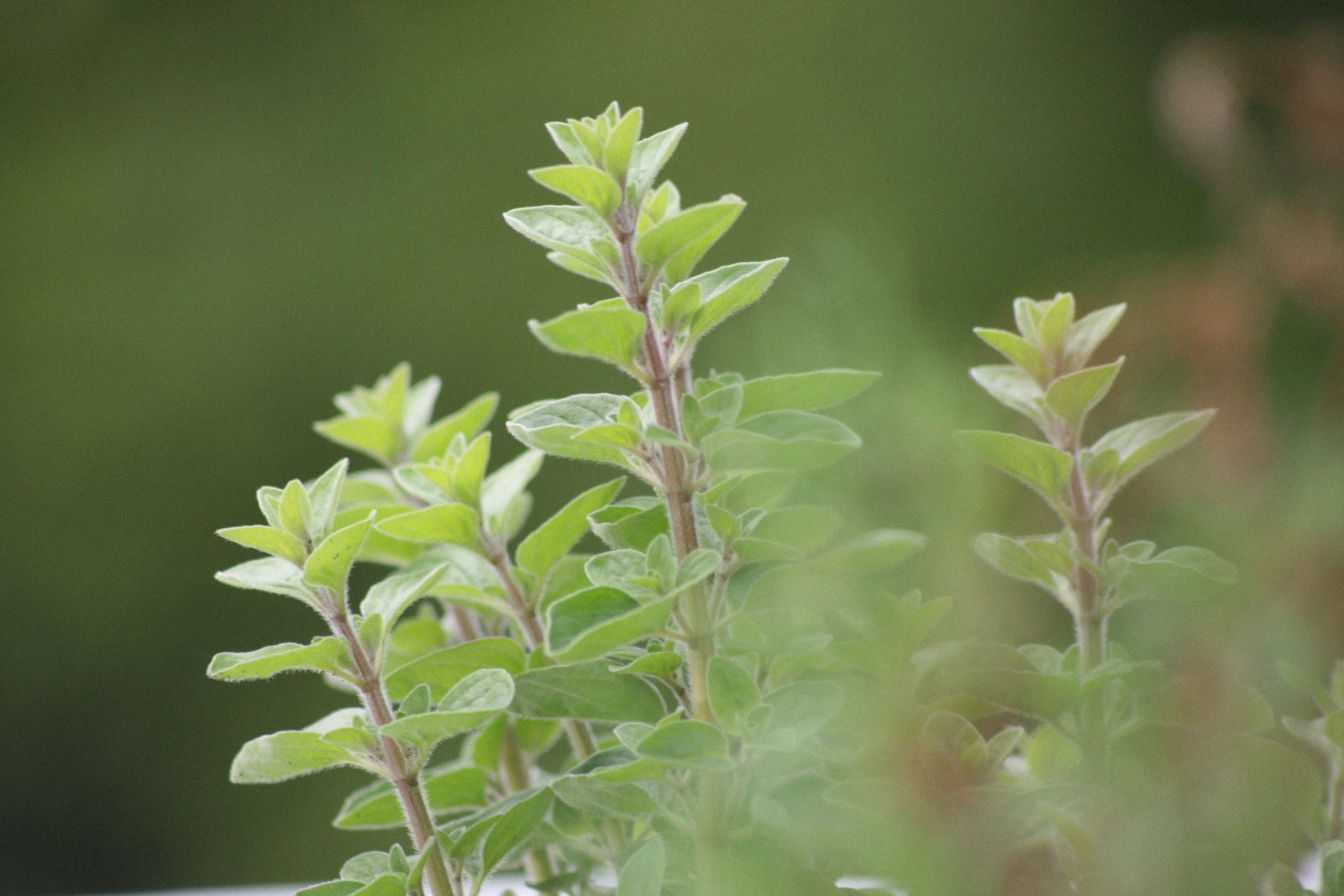
Oregano (Origanum vulgare) is a hardy, spreading herb that thrives on sun and neglect. Its flavour varies a lot from plant to plant. Greek oregano (O. vulgare subsp. hirtum) is the pungent, peppery kind most cooks want. Common oregano is often much milder and grown more for its flowers. It is one of the easiest herbs to keep, provided the soil drains well.
Sowing and planting
Oregano grown from seed is variable. Seed sold as "oregano" often gives mild, weakly flavoured plants. For reliable flavour, buy a named Greek oregano plant, or take cuttings from one you have tasted and like.
If you sow, start indoors 6 to 10 weeks before your last frost. Scatter the tiny seed over moist seed compost and press it in. Do not cover it, because it needs light to germinate. Keep the tray at 65 to 70°F (18 to 21°C) under a clear lid. Water from below so the seed is not washed away.
Thin to small clumps of three or four seedlings per module. Harden off the young plants over 7 to 10 days. Hardening off means getting seedlings used to outdoor conditions a little at a time. Plant out around your last frost date, spacing plants 12 to 18 inches (30 to 45 cm) apart.
You can also sow direct in late spring once the soil reaches about 65°F (18°C). Growth is slow at first, so keep the patch weeded.
To take cuttings, snip 3 to 4 inch (8 to 10 cm) non-flowering shoots in late spring or early summer. Strip the lower leaves and push them into gritty compost. Keep them shaded and just moist. They usually root in three to four weeks.
Established clumps can be divided in spring every few years. Lift the clump, cut it into rooted pieces with a clean spade, and replant the young outer sections. Discard the woody centre.
Oregano does well in pots at least 8 inches (20 cm) across. Mix a third grit or perlite into multipurpose compost for drainage.
Growing on
Water new plants until they are established. After that, water only in long dry spells. Pots need watering more often, but let the top inch (2.5 cm) dry out between drinks.
Skip heavy feeding. Lean soil gives the strongest flavour. In containers, a half-strength balanced liquid feed once a month in summer is enough.
Mulch with gravel or grit around the crown. It keeps the base dry and discourages rot in winter. Avoid thick bark or compost mulches against the stems.
Pinch out the shoot tips when plants reach about 4 inches (10 cm) tall. Pinching means nipping off the top pair of leaves with your fingers so the plant branches. Keep trimming through early summer for a dense, leafy clump. No staking is needed.
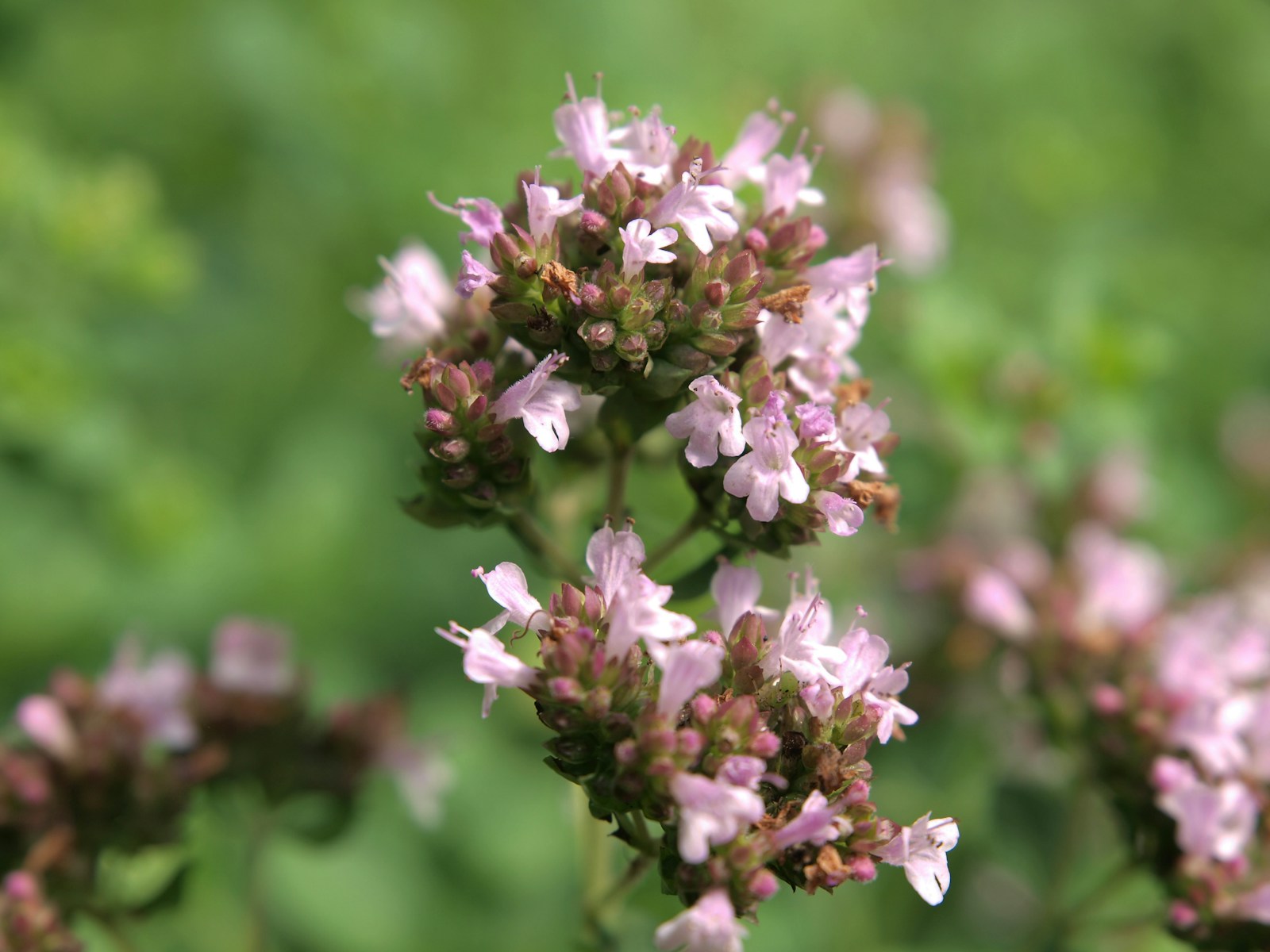
Leaf flavour peaks just before the flowers open in midsummer. After that, the leaves can turn slightly bitter. Cut plants back by about half as buds form if you want more leaves. Alternatively, let some stems bloom. The pink or white flowers are superb for bees, butterflies and hoverflies.
In autumn, cut old stems back to the low leafy growth at the base. In zones 5 and 6, leave the stems standing until spring for extra winter protection, then cut them down as new shoots appear. In cold, wet areas, Greek oregano may struggle, so grow it in a raised bed or a pot you can shelter.
Oregano spreads slowly by creeping stems. Divide or trim the edges every few years to keep it in bounds. Common oregano also self-seeds freely, so deadhead it if you do not want seedlings. The seedlings may not match the parent's flavour.
For companions, oregano pairs well with thyme, sage and lavender, which share its dry, sunny needs.
Harvesting
Start picking once plants are 4 to 6 inches (10 to 15 cm) tall. Cut stems just above a pair of leaves with clean scissors. New shoots grow from the leaf joints. Never take more than a third of the plant at once.
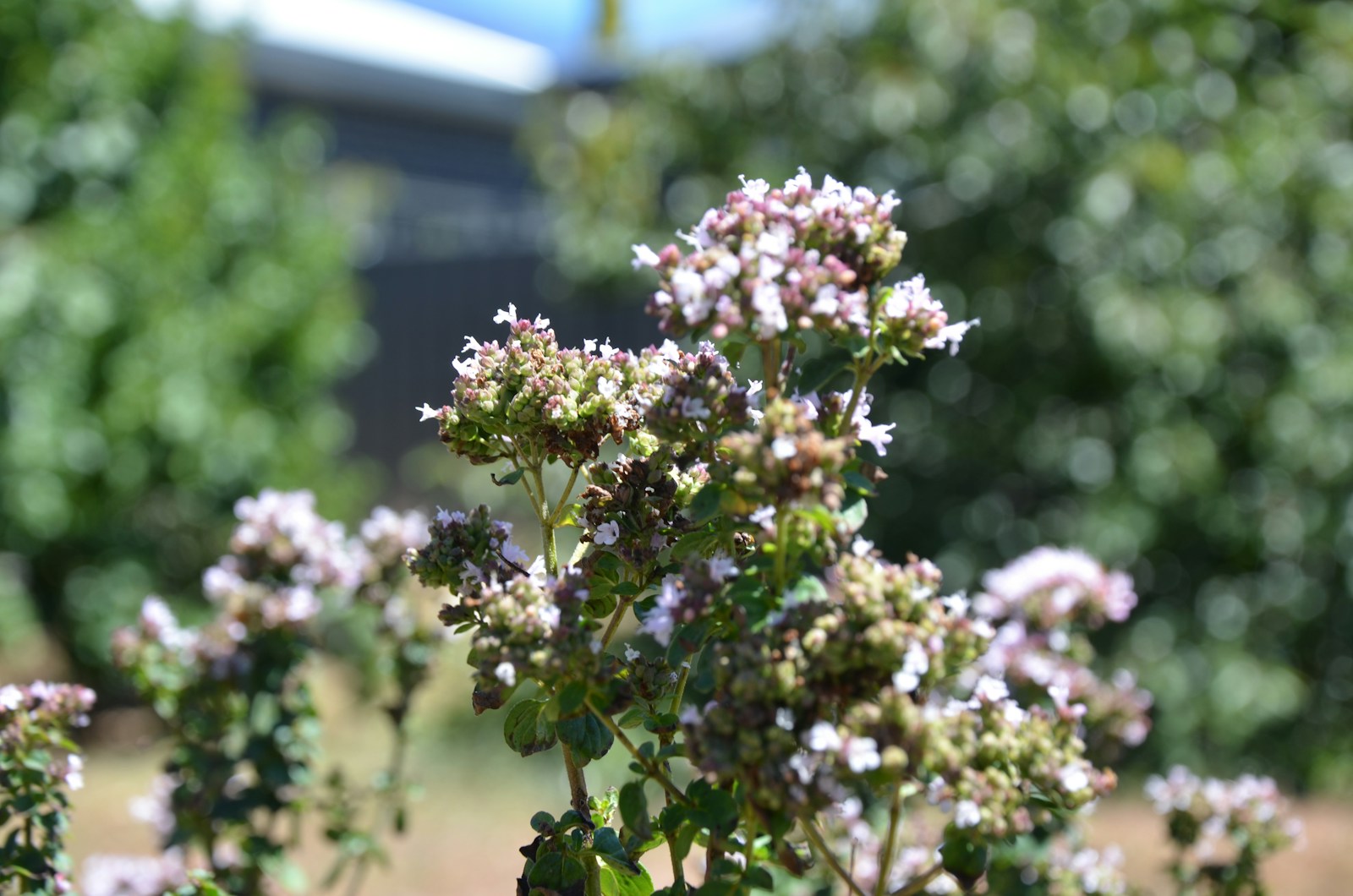
Pick in the morning, after the dew has dried. For drying, make a main harvest just as flower buds form. Cut stems back to about 2 inches (5 cm) above the base. The plant regrows for a lighter second cut.
To dry oregano, tie small bunches and hang them upside down in a warm, airy, shaded spot. After one to two weeks, strip the crisp leaves. Store them whole in an airtight jar away from light and crumble them as you cook. Dried oregano is often stronger than fresh.
To freeze, pack chopped leaves into ice-cube trays with a little water or olive oil. Fresh sprigs keep for several days wrapped in a damp paper towel in the fridge.
Use oregano in tomato sauces, pizza, grilled meats, beans and roast vegetables. Add dried oregano early in cooking and fresh leaves near the end.
Save seed by letting a few flower heads turn brown and dry on the plant. Rub them over paper and sieve out the chaff. Remember that seedlings vary, so take cuttings to keep a good-flavoured plant true.
Problems and pests
Plants rot at the base over winter
Cold, wet soil is the usual cause. Improve drainage with grit, or grow in raised beds or pots.
Oregano rarely dies from cold alone; it dies from wet roots. Plant it in sharp drainage, water sparingly, and never let pots sit in water over winter.
Leaves curl and shoots are sticky
Aphids are small sap-sucking insects that cluster on soft tips. Rub them off or wash them away with a jet of water. Let nearby herbs flower to attract ladybirds and hoverflies.
Fine speckling and webbing on leaves
Spider mites cause this in hot, dry weather, especially in pots. Rinse the undersides of the leaves with water. Move pots somewhere with better airflow.
Leaves with small winding pale trails
Leaf miners are larvae that tunnel inside the leaf. Pick off and destroy affected leaves. Healthy plants usually outgrow the damage.
Harvest tastes bland
This is usually the variety, not your growing. Mild seed-raised plants stay mild. Replace them with a named Greek oregano grown from cuttings, and keep the soil lean.
Varieties worth growing
Greek oregano
- Greek oregano (O. vulgare subsp. hirtum): the strongest, most peppery culinary oregano, with white flowers and hairy grey-green leaves.
Common oregano and ornamentals
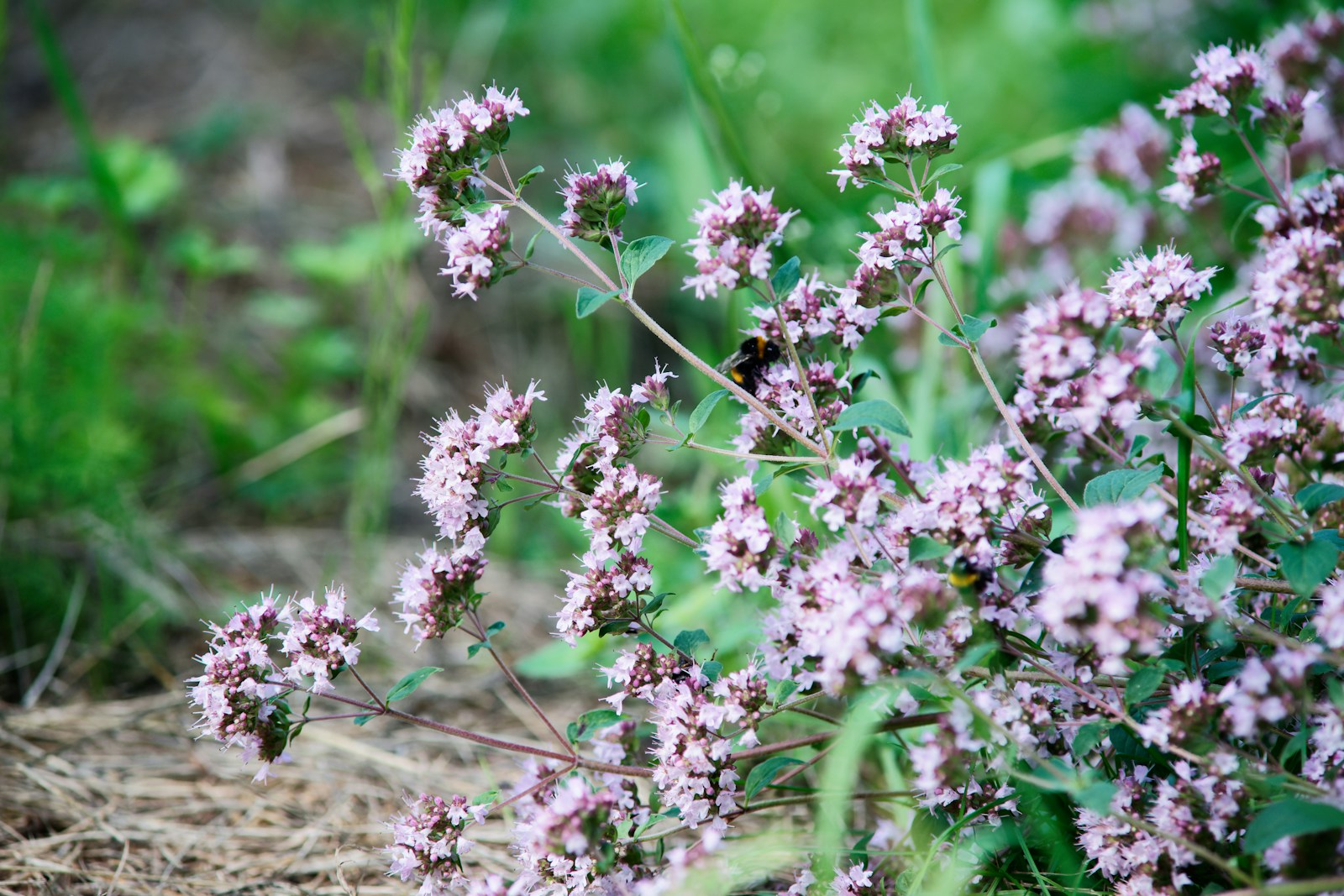
- Common oregano (O. vulgare): vigorous and hardy, with pink flowers; flavour ranges from mild to moderate.
- Golden oregano (O. vulgare 'Aureum'): a low mound of bright yellow-green leaves, mild in flavour and good as edging.
- Compact oregano (O. vulgare 'Compactum'): a tight, low cushion suited to pots and path edges.
Related oreganos
- Italian oregano (Origanum × majoricum): a cross with sweet marjoram, with a sweeter, milder flavour.