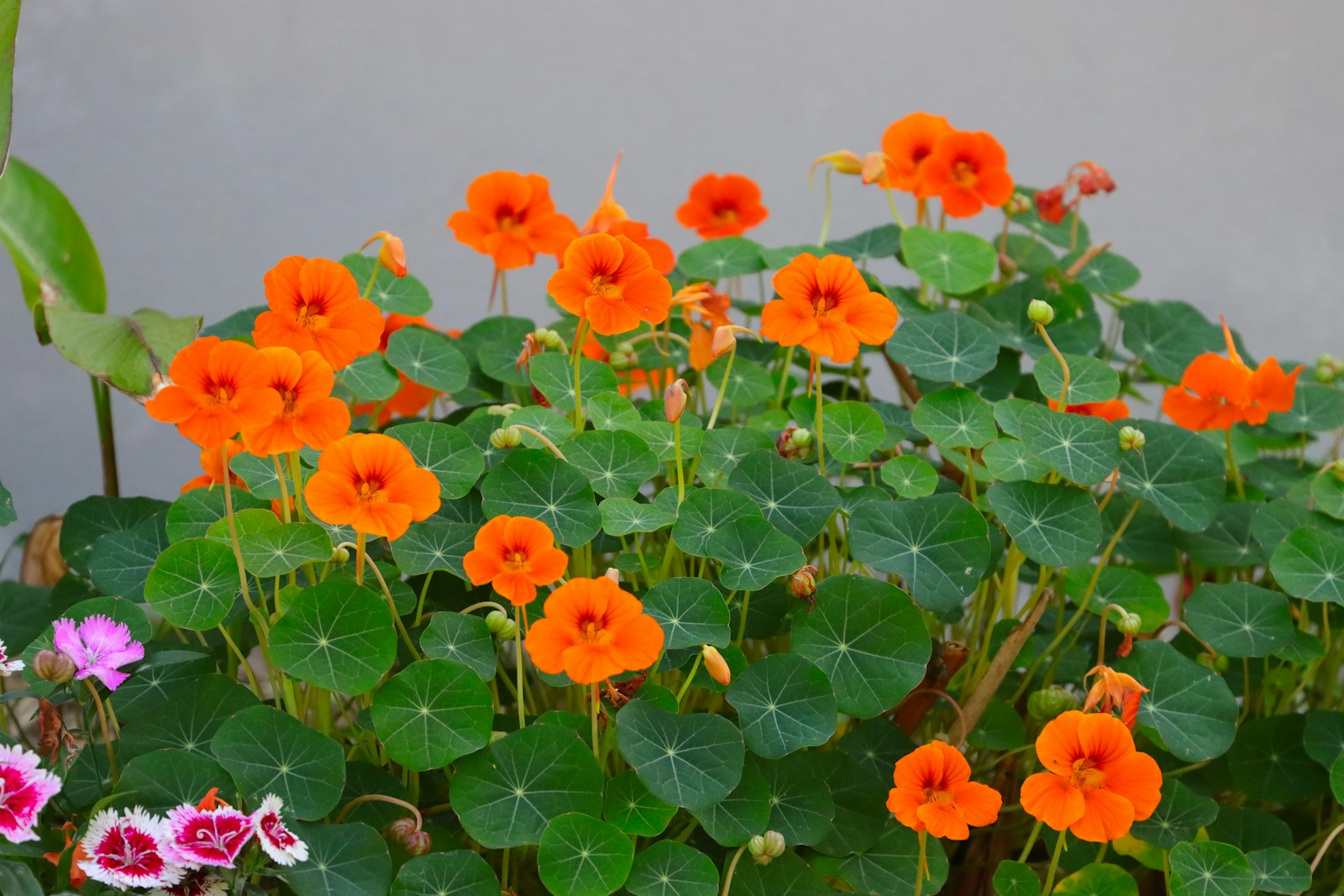
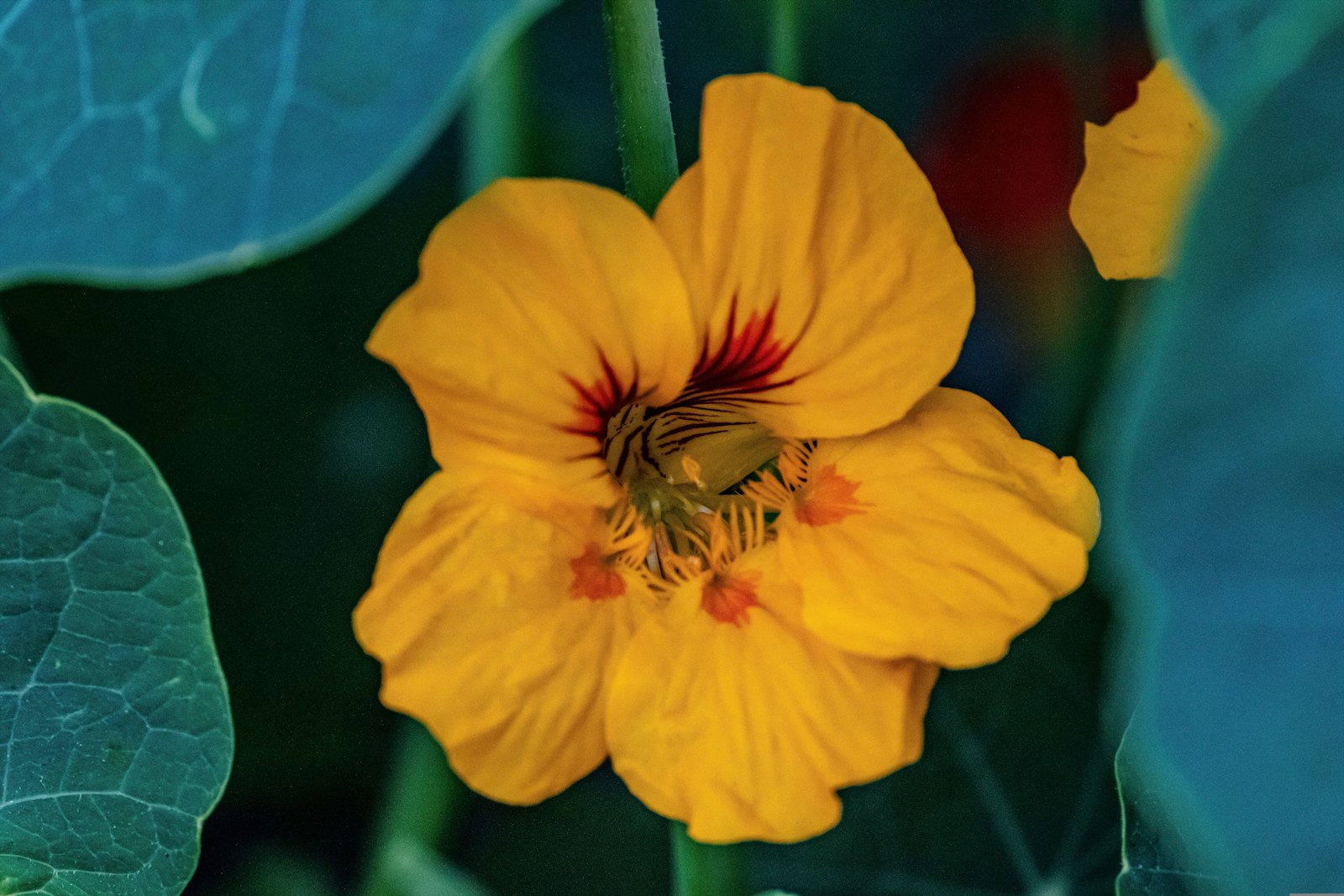
Nasturtiums (Tropaeolum majus) are cheerful annuals with round leaves and bright orange, red and yellow flowers. Both the flowers and the leaves are edible, with a peppery taste like watercress. They grow fast from large seeds, thrive on neglect and suit beds, pots and hanging baskets. They are one of the easiest plants a beginner can grow.
Sowing and planting
Nasturtiums grow best sown where they are to flower. Sow outdoors 1–2 weeks after your last frost, once the soil reaches about 60°F (16°C). Soaking the large, wrinkled seeds in lukewarm water overnight softens the coat and speeds things up. Push them 1/2–1 inch (1–2.5 cm) deep. Seedlings usually appear in 7–14 days.
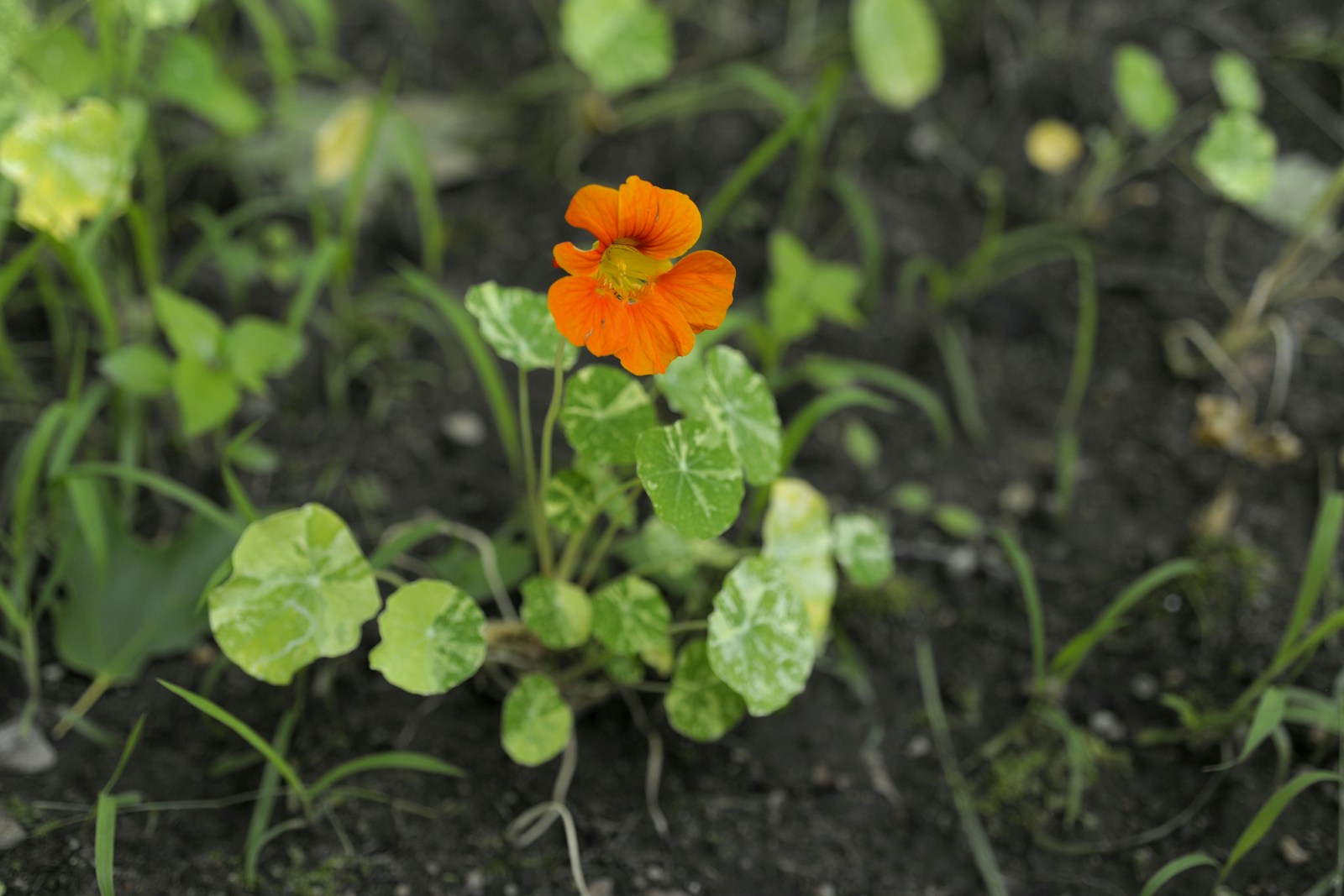
For earlier flowers, sow indoors 2–4 weeks before your last frost. Nasturtiums dislike root disturbance, so sow one or two seeds into each biodegradable pot. Harden off seedlings before planting (get them used to outdoor sun and wind over 7–10 days). Plant them out after all danger of frost has passed.
Choosing the spot. Pick a sunny place with ordinary or even poor soil. Do not add manure or rich compost. Nasturtiums flower best when they are not overfed.
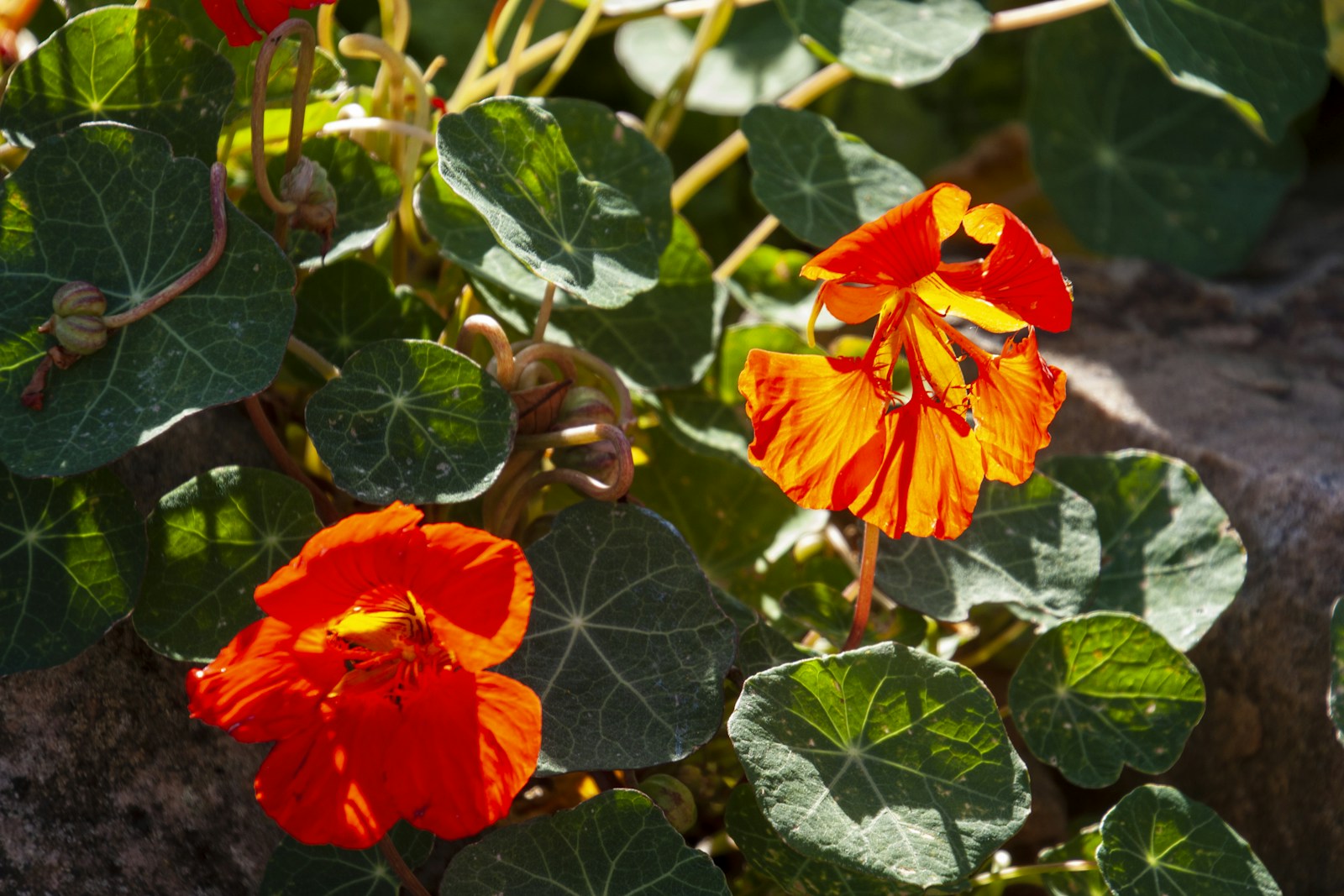
Bushy and trailing types. Bushy, or dwarf, types form neat mounds for edges, pots and window boxes. Trailing types send out long stems that spill over walls and baskets. With support, they also scramble up a fence or trellis, gripping it with their leaf stalks.
Succession sowing. In hot climates, plants fade in the peak of summer heat. Sow a second batch in late summer for flowers through autumn. In mild-winter areas, sow again in autumn for winter and spring flowers.
Growing on
Watering. Water seedlings regularly until established. After that, water when the top inch (2.5 cm) of soil is dry. Plants in pots and baskets need water most days in summer. Steady moisture keeps leaves tender, but soggy soil causes rot.
Feeding. Usually unnecessary in the ground. Rich soil and high-nitrogen fertiliser give you large leaves hidden over very few flowers. In containers, a dilute low-nitrogen flower feed once a month is enough.
Mulching. A thin layer of mulch keeps roots cool and moist in hot weather. Keep it clear of the stems.
Support and training. Bushy types need no support. Trailing types can sprawl on the ground or climb netting, twiggy branches or a trellis. Tie the first stems in gently, then let them grip on their own.
Trimming. Cut back straggly stems in midsummer to encourage fresh growth. Remove yellowing leaves as you see them.
Deadheading. Deadhead (remove faded flowers) regularly to keep new buds coming. Leave a few flowers at the end of the season if you want seed.
Pollinators. Bees and hummingbirds visit the long-spurred flowers.
Companions. Nasturtiums are often grown near beans, squash and brassicas (the cabbage family). They draw aphids and cabbage caterpillars to themselves, acting as a sacrificial crop. Check them often so pests do not build up and spread.
Harvesting
Flowers. Pick flowers as soon as they fully open, in the cool of the morning. Snip them with a short piece of stem. Check each one for hidden insects and give it a gentle rinse. Use them fresh in salads, on platters or as a garnish. They wilt quickly, so store them in a sealed container lined with damp kitchen paper in the fridge for a day or two.
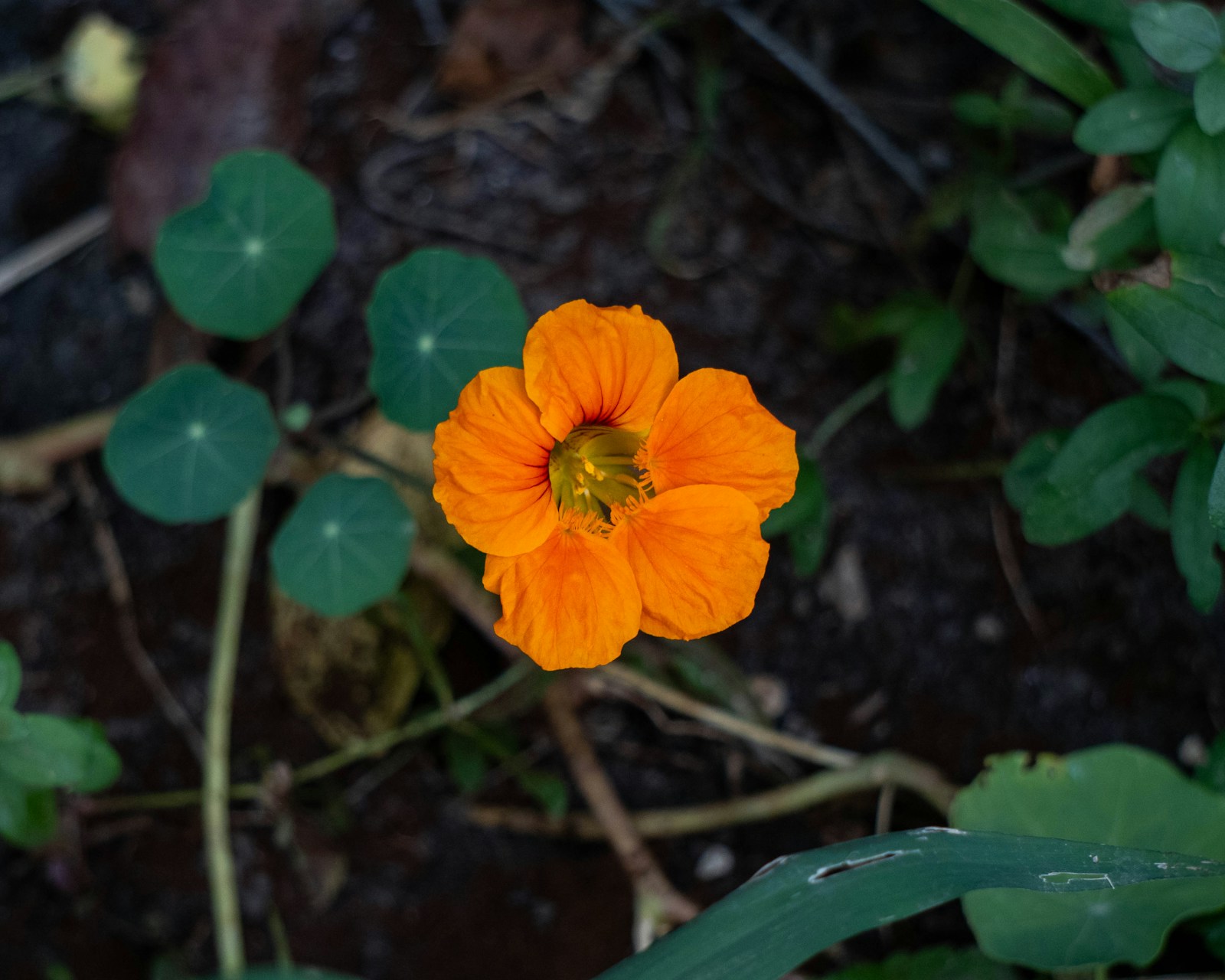
Leaves. Pick young, tender leaves at any time. Older leaves are stronger and hotter. Use them in salads and sandwiches, or blend them into a peppery pesto. Pick no more than a third of a plant at once.
Seed pods. Green, unripe seed pods are pickled in vinegar as a substitute for capers. Pick them while they are still green and firm.
Cut flowers. Nasturtiums last a few days in a small vase. Cut stems when the flowers have just opened and put them straight into water.
Eating safely. Only eat flowers and leaves grown without chemical sprays. Identify the plant with certainty before eating any part.
Saving seed. Let some flowers set seed late in the season. The pods ripen from green to pale tan and drop when ripe. Collect them from the plant or the ground. Dry them indoors for 1–2 weeks until hard, then store them in a labelled paper envelope in a cool, dry place. Seed usually keeps for 3–5 years. Plants cross freely, so saved seed may not match the parent's colour.
Rich soil is the most common reason nasturtiums fail to flower. Manure, rich compost or high-nitrogen fertiliser produce a mass of leaves with few or no blooms. Grow them in ordinary or poor soil, and skip the feed.
Problems and pests
Black insects clustered under leaves and on stems
These are black aphids, small sap-sucking insects that love nasturtiums. Blast them off with a strong jet of water every few days. Pinch off badly infested shoots. For heavy attacks, spray insecticidal soap in the evening, covering leaf undersides. Follow the label, wear gloves, and do not eat treated leaves until you have washed them well.
Leaves stripped by green caterpillars
The caterpillars of cabbage white butterflies feed on nasturtiums. Check the undersides of leaves and hand-pick caterpillars and their yellow eggs. Cover young plants with fine insect mesh if damage is heavy.
Pale, winding trails inside the leaves
Leaf miners, tiny larvae that tunnel between the leaf surfaces. Pick off and bin affected leaves. The plant usually grows through the damage.
Big, lush leaves but few flowers
The soil is too rich or the plant is in too much shade. Stop feeding, grow new plants in poorer soil, and give them more sun.
Plants yellow and collapse in hot weather
Heat stress or waterlogged roots. Water deeply in dry spells, add mulch, and improve drainage. In hot climates, give light afternoon shade and sow a fresh batch for autumn.
Varieties worth growing
Bushy types
- 'Alaska': cream-marbled leaves with mixed bright flowers on compact mounds.
- 'Empress of India': deep crimson flowers against dark blue-green leaves.
- 'Whirlybird': upward-facing, spurless flowers in a range of colours.
- 'Peach Melba': pale yellow flowers with a red-orange blotch at the centre.
Trailing types
- 'Jewel of Africa': variegated leaves and mixed flowers on long climbing stems.
- 'Moonlight': pale primrose-yellow flowers on vigorous trailing stems.
- 'Milkmaid': soft creamy white flowers on a trailing plant.