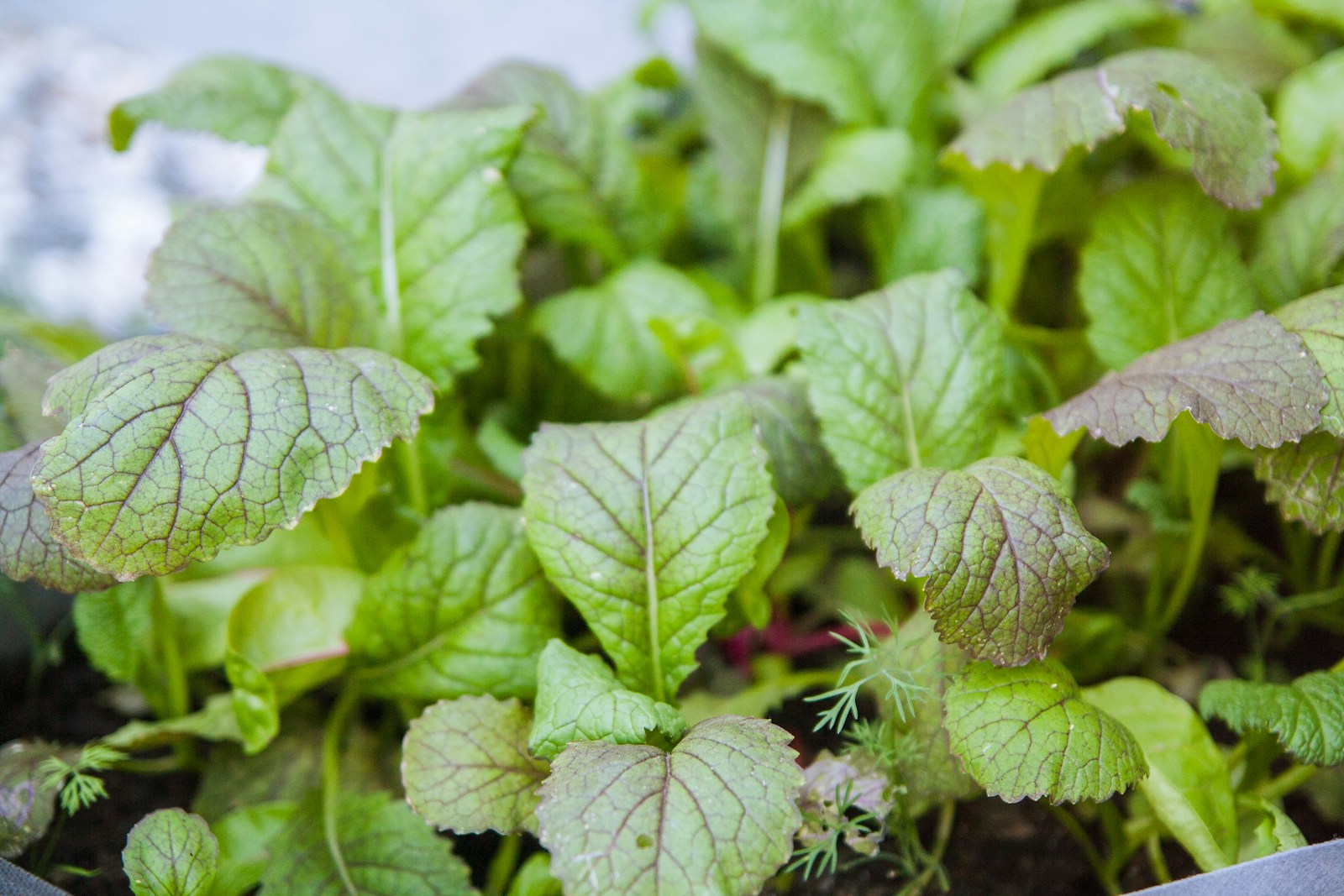
Mustard greens (Brassica juncea) are a leafy annual in the cabbage family, grown for their peppery leaves. They sprout in days, fill a gap in the bed in cool weather, and feed you within six weeks. Few vegetables ask less of you. This is an easy crop, as long as you grow it in cool weather and keep it moist.
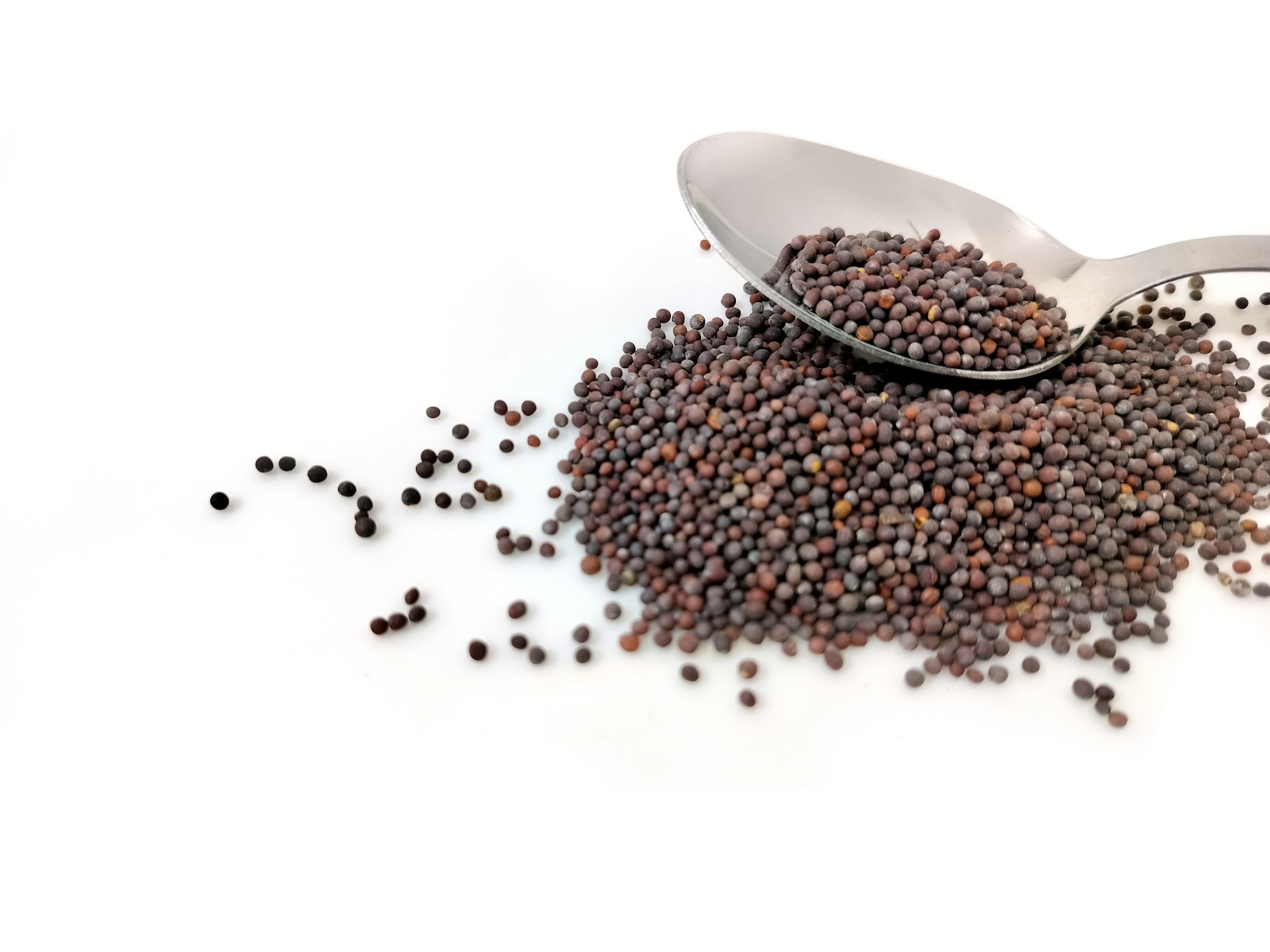
The plant has a long history in the southern mountains, both in the pot and in the medicine chest. A mess of mustard cooked with a piece of pork is an old spring and autumn staple. Anthony Cavender's Folk Medicine in Southern Appalachia records that mountain families also counted leafy greens such as mustard as strengthening food for the sick. They brewed the seed into hot teas meant to sweat out a fever. They spread ground seed on cloth as a mustard plaster, a hot poultice laid on the chest, side or temples. Some soaked their feet in hot mustard water for a headache. The book lists the species as black mustard (Brassica nigra), a close relative grown mostly for seed. All of this is history, not medical advice.
Mustard plasters work by irritating the skin, and they can cause real blisters and burns. Treat the old remedies as history only. Do not try them at home, and see a doctor for any illness.
Sowing and planting
Mustard is a cool-season crop. It grows best when days stay between about 50°F and 75°F (10°C and 24°C). Heat and long days make it bolt (send up a flower stalk), and the leaves turn tough and fiery. So you grow it on either side of summer.
For a spring crop, sow three to four weeks before your last expected frost. The seed sprouts in soil as cool as 45°F (7°C). For an autumn crop, sow six to eight weeks before your first expected frost. The autumn crop is usually the better one. The days are cooling as the plants mature, and a light frost sweetens the leaves. In USDA zones 8 and warmer, you can often sow in autumn and pick through the winter.
Sow direct, because mustard grows too fast to make transplanting worthwhile.
- Rake 1 to 2 inches (2.5 to 5 cm) of compost into the top of the bed.
- Make a shallow furrow and sow the seed 1/4 to 1/2 inch (6 to 12 mm) deep.
- Drop a seed about every 1 inch (2.5 cm), cover, and water gently.
- Expect seedlings in four to seven days.
- Thin in stages to the final spacing, and eat the thinnings.
Sow a short row every two weeks while the weather stays cool. That gives you a steady supply instead of one big flush. Mustard also does well in containers. Choose a pot at least 8 inches (20 cm) deep with drainage holes.
Avoid ground where cabbage, kale, turnips or other brassicas grew in the last two to three years. This rotation (moving crop families around the garden) keeps soil diseases from building up.
Growing on
Steady moisture is the whole job. Dry soil slows growth, sharpens the flavor and brings on bolting. Give about 1 inch (2.5 cm) of water a week, and more in sandy soil or pots. Water at the base of the plants in the morning so the leaves dry quickly.
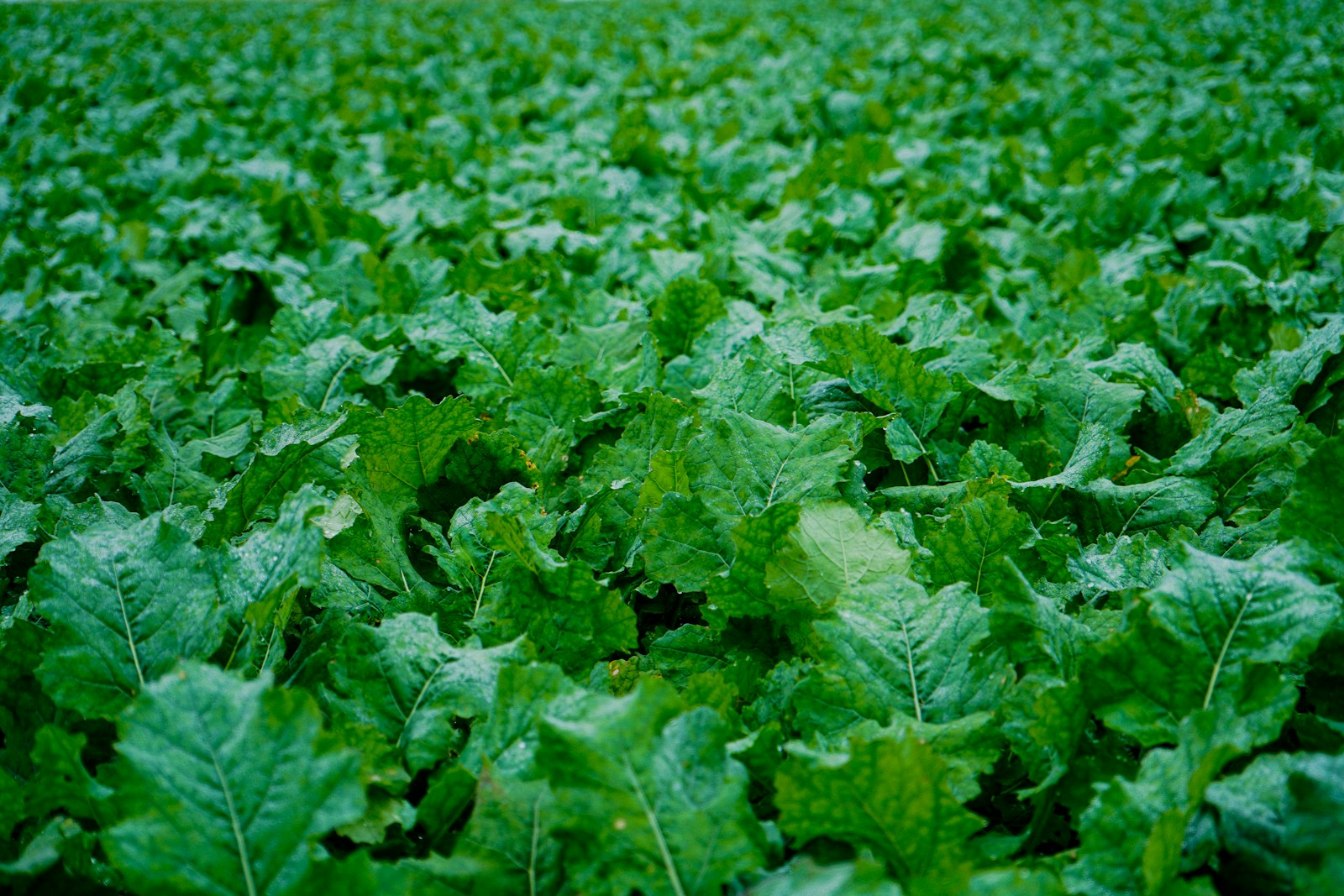
Mulch with 2 inches (5 cm) of straw or shredded leaves once the seedlings are up. Mulch holds moisture, keeps the soil cool and stops mud splashing onto the leaves.
Mustard is a leaf crop, so it wants nitrogen. In soil enriched with compost, it usually needs no more feeding. If the leaves look pale, side-dress (scatter fertilizer beside the row) with compost or a balanced organic fertilizer about three weeks after sprouting. Follow the rate on the label and wash your hands afterwards.
The plants need no staking and no pruning. Weed by hand or hoe shallowly, because the roots sit near the surface. If a warm spell arrives, shade cloth or the shadow of a taller crop buys you a little more time.
Harvesting
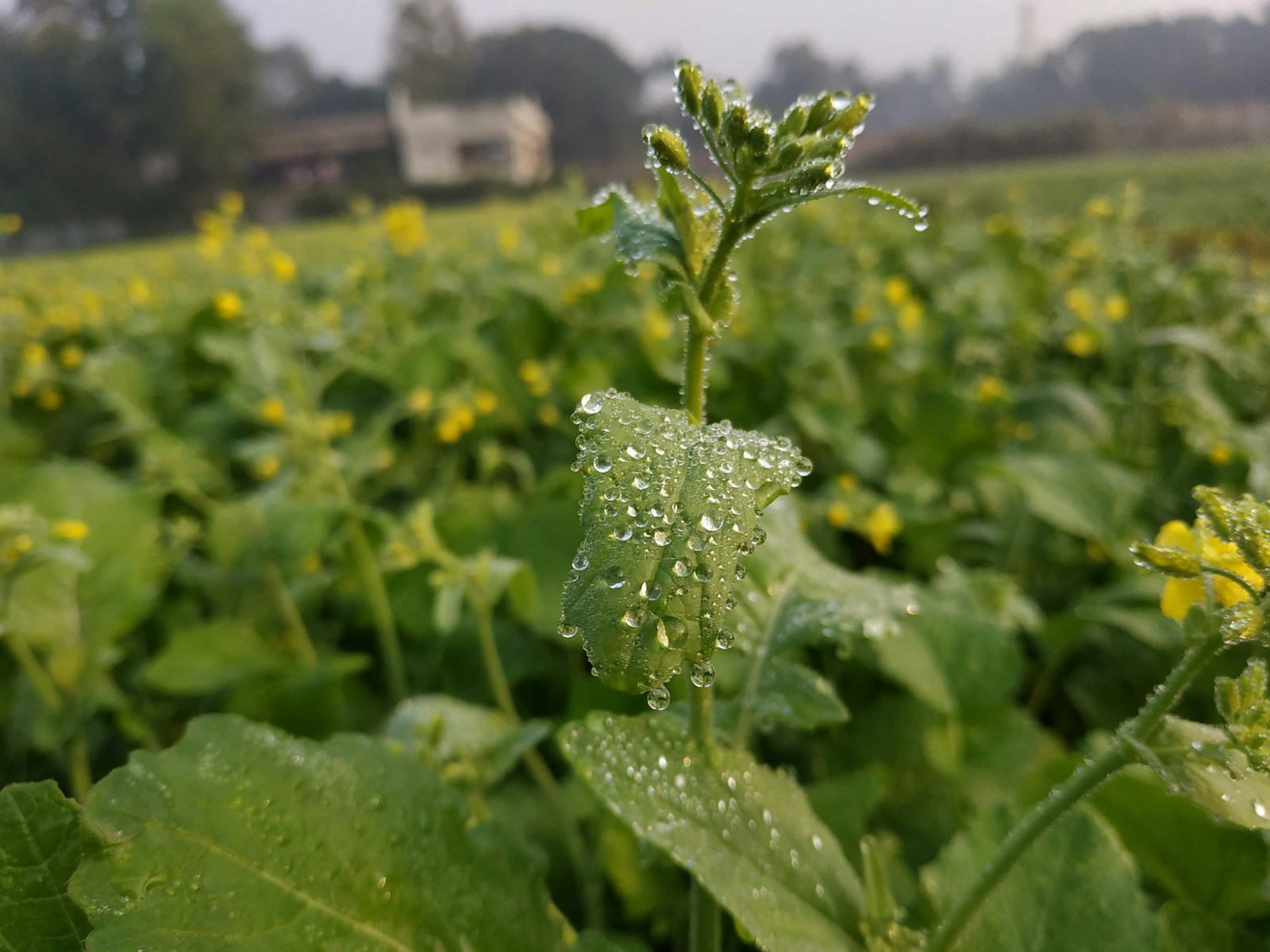
Start picking baby leaves at 3 to 4 inches (8 to 10 cm) long, usually three to four weeks after sowing. Full-size leaves are ready at 40 to 50 days. Young leaves are mild enough for salads. Larger leaves are hotter and are best cooked.
You have two ways to pick:
- Cut and come again: snap or cut the outer leaves and leave the center to keep growing. One sowing can give several pickings.
- Whole plant: cut the plant about 1 inch (2.5 cm) above the soil. In cool weather it often resprouts.
Pick in the cool of the morning, when leaves are crisp. Rinse well, since curled types hold grit. Unwashed leaves keep for several days in a bag in the refrigerator.
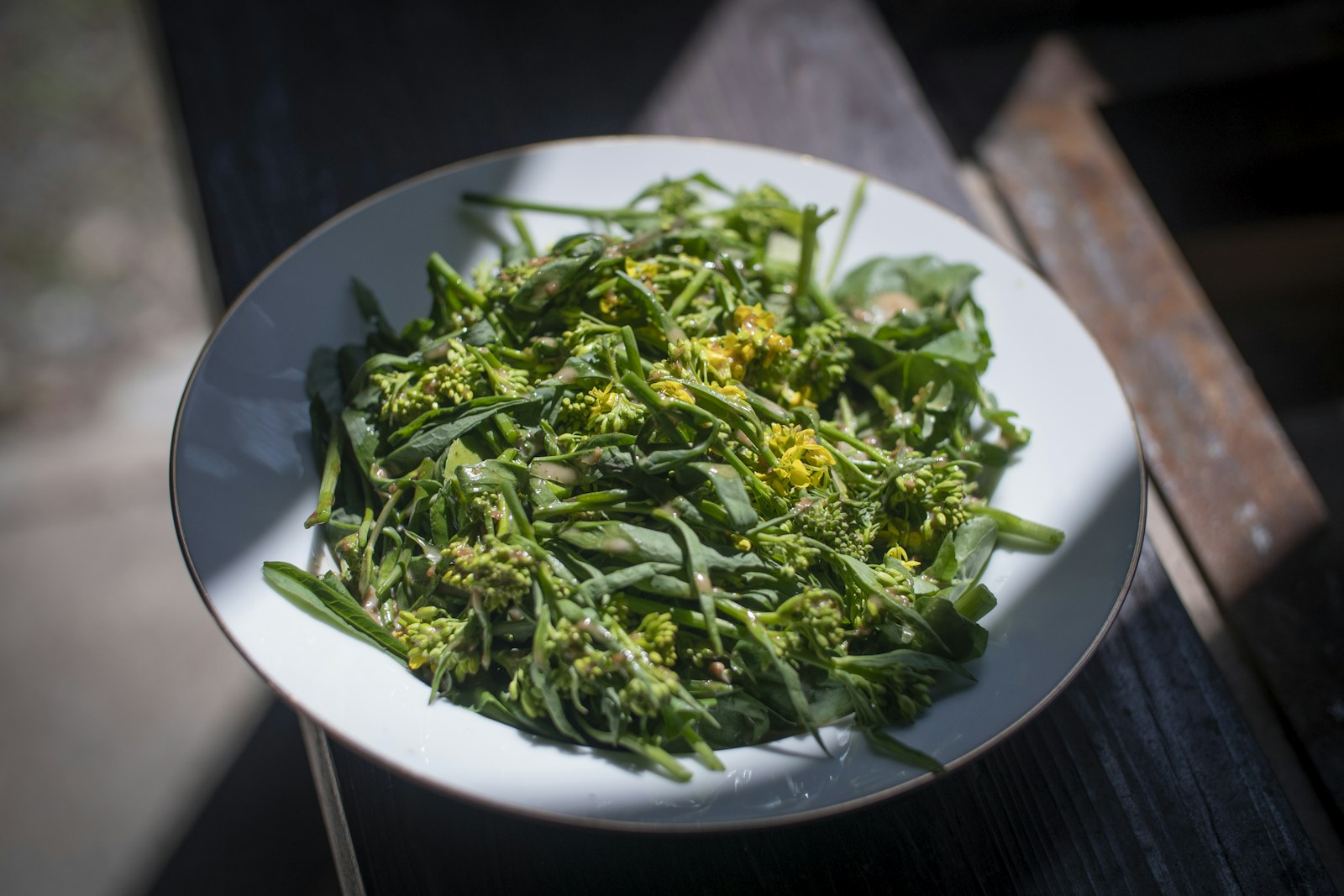
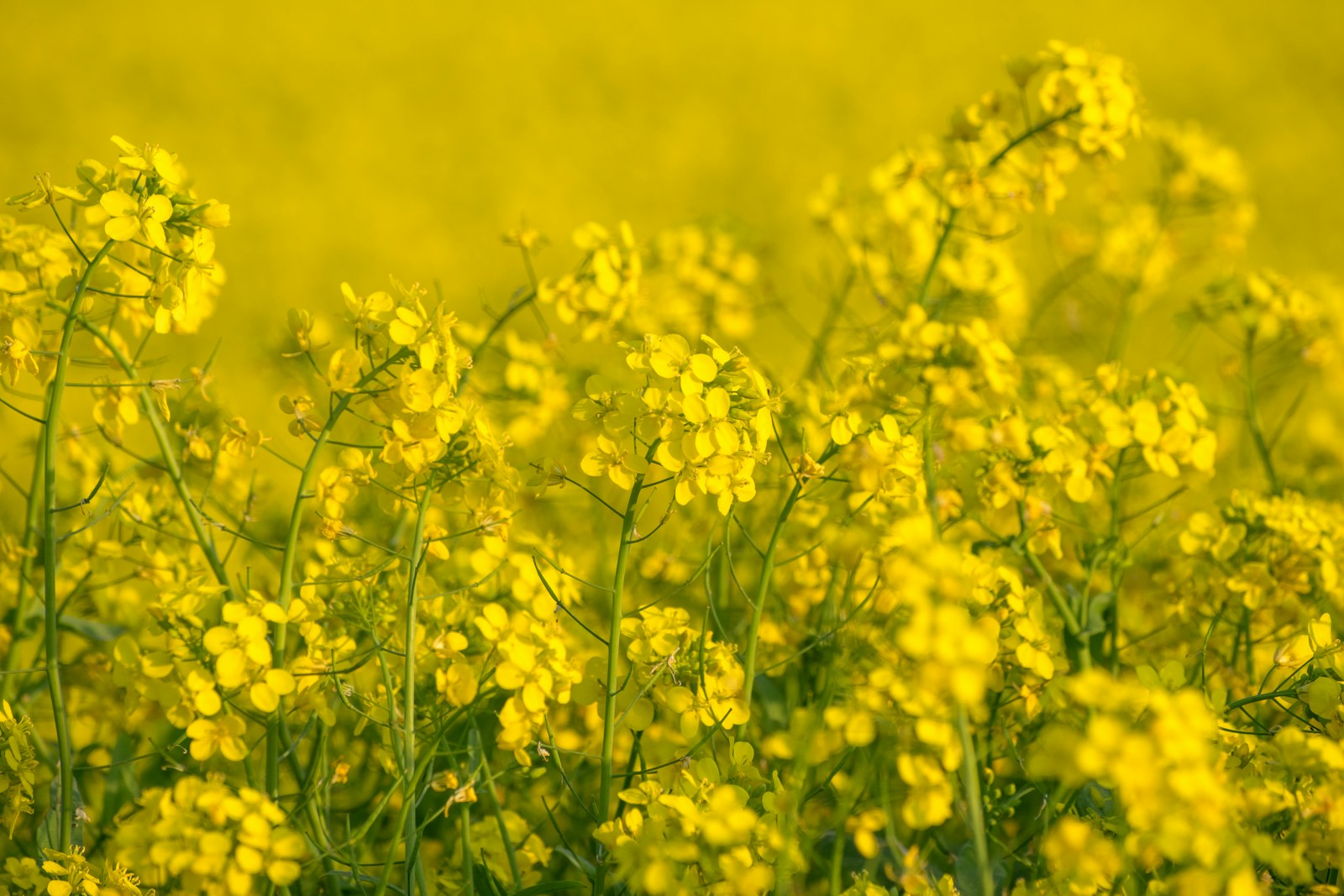
Once a flower stalk appears, the leaves turn bitter fast. Harvest the whole plant then. The young flower buds and yellow flowers are edible too. If you let a few plants go to seed, the pods dry to tan and shatter easily, and mustard self-sows freely.
Problems and pests
Tiny round holes peppering the leaves
Flea beetles, which are small, shiny black beetles that jump when disturbed. They hit seedlings hardest. Cover the row with lightweight floating row cover (thin fabric that lets in light and rain) straight after sowing. Seal the edges with soil. Autumn crops usually suffer less.
Large ragged holes and green droppings
Caterpillars of the cabbage white butterfly, the cabbage looper or the diamondback moth. Check the undersides of leaves and pick them off by hand. Row cover keeps the adults from laying eggs. For heavy attacks, a spray based on Bacillus thuringiensis (Bt) controls caterpillars. Follow the label and wear gloves when you mix and spray.
Clusters of grey-green insects and curled leaves
Aphids. Knock them off with a firm jet of water, and repeat every few days. Avoid heavy nitrogen feeding, which makes the soft growth they like.
Plants flower before they make many leaves
Bolting, caused by heat, lengthening days or drought. Sow earlier in spring or switch to an autumn crop. Keep the soil moist, and choose a slow-bolting variety.
Yellow patches on top, white fuzz beneath
Downy mildew, a disease of cool, damp weather. Thin plants for airflow and water the soil rather than the leaves. Remove affected leaves, and rotate brassicas to a new bed next season.
Varieties worth growing
- 'Southern Giant Curled': the classic southern type, with big, frilly, bright green leaves and good cold tolerance.
- 'Florida Broadleaf': large, smooth, flat leaves that are easy to wash and quick to cook.
- 'Green Wave': heavily curled, very hot when raw, and slow to bolt.
- 'Red Giant': broad maroon and green leaves, handsome in the bed and in salads.
- 'Osaka Purple': purple-tinted leaves with white veins, usually picked young.
- Mizuna (Brassica rapa): a related species, not a true mustard, with mild, feathery leaves. Grow it the same way if you find mustard too hot.